
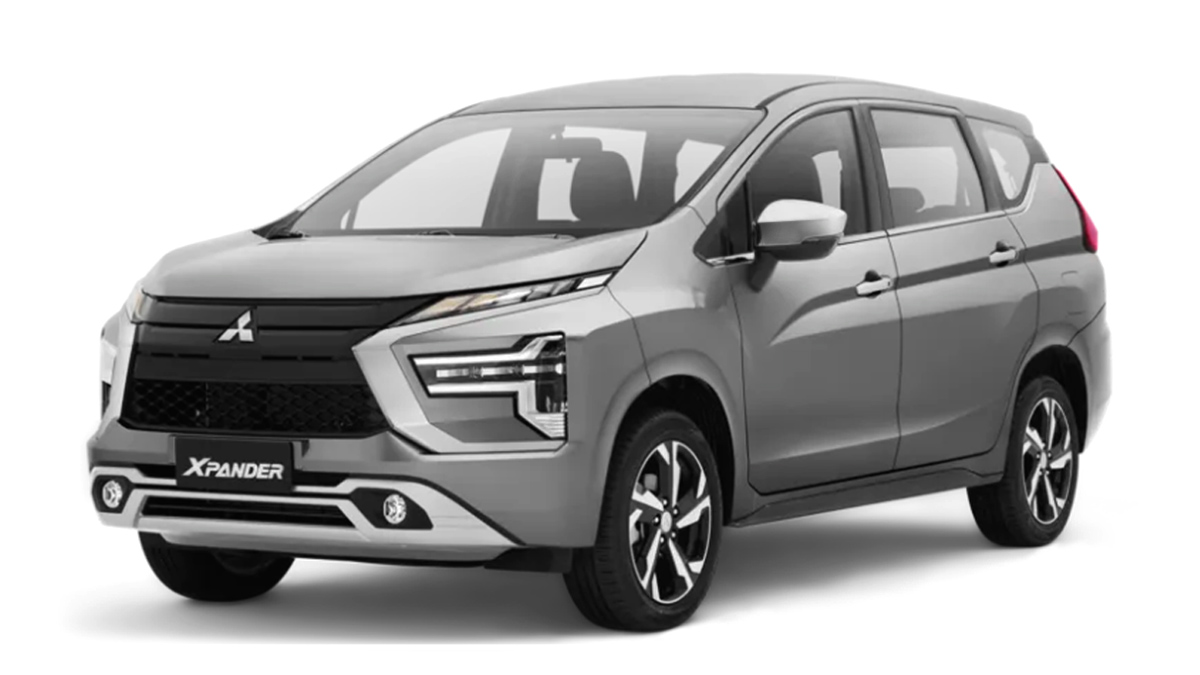
There are a few models in each carmaker’s lineup that you could look at and say: “Damn, they really got it right with this one.” In the case of Mitsubishi, it’s without a doubt the Xpander.
Ever since it made its debut in our market, it has been a huge success. It set the tone for the MPV segment in the years to come. Frankly, however, it’s an aging vehicle. It’s an old chassis, an old engine, and an old interior. But has it mattered? Not really. Heck, the Xpander ended 2023 as the best-selling MPV in the Philippines, and while 2024 numbers aren’t out yet as of this writing, I won’t be surprised if Mitsubishi retains that title.
Recently, my strong feelings about the Xpander were put to the test when I was handed the keys to a unit. Specifically, it was the GLS variant that Mitsubishi Motors Philippines sent me. Is it still a solid offering in 2025 as the sales figures make it out to be, or does it already need replacing?
OTHER STORIES YOU MIGHT HAVE MISSED:
Larry Chen just bought a new car to replace his R34 GT-R in Japan, and we’re all for it
The best and worst footbridges and pedestrian underpasses in Metro Manila
Styling
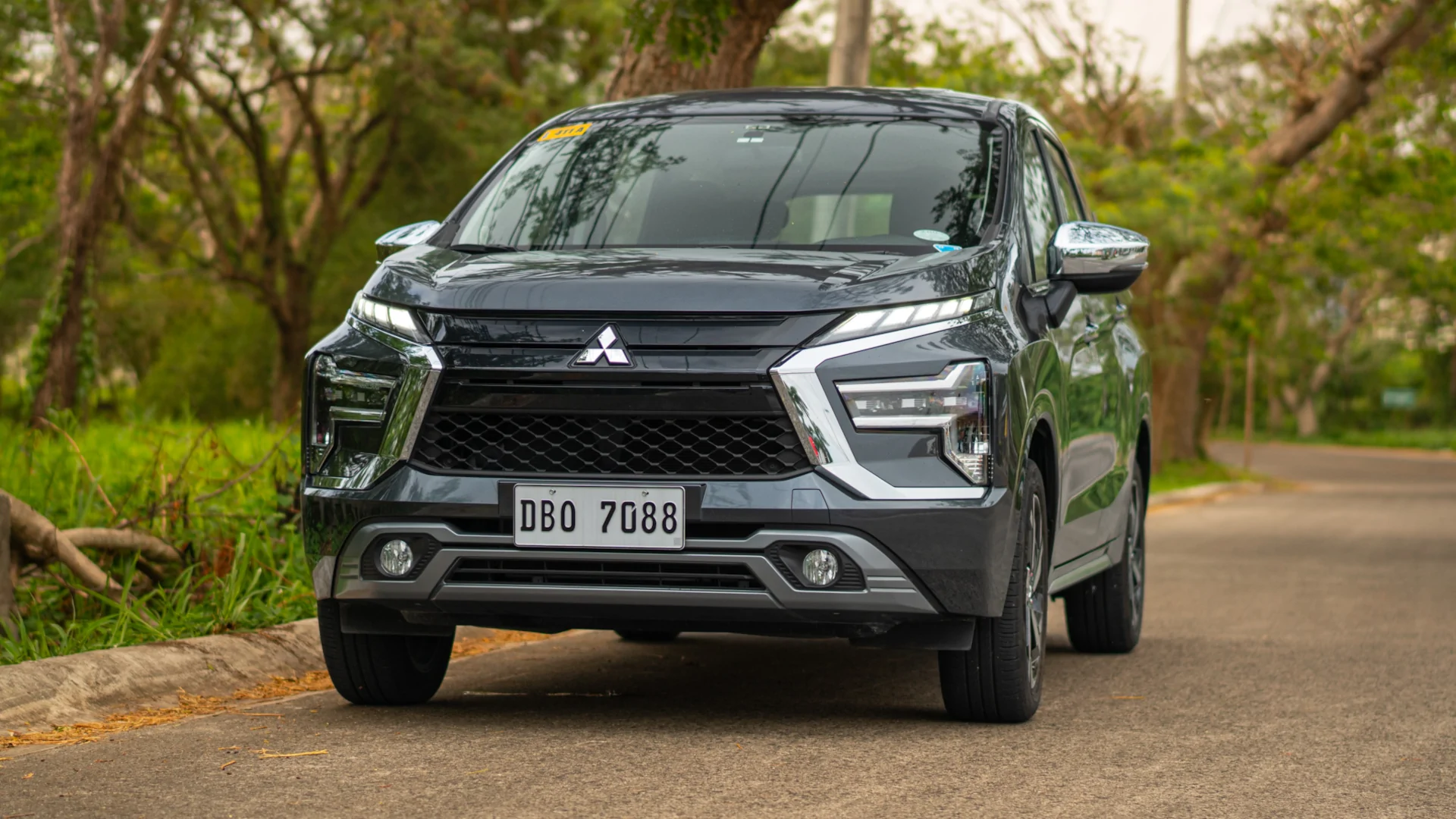
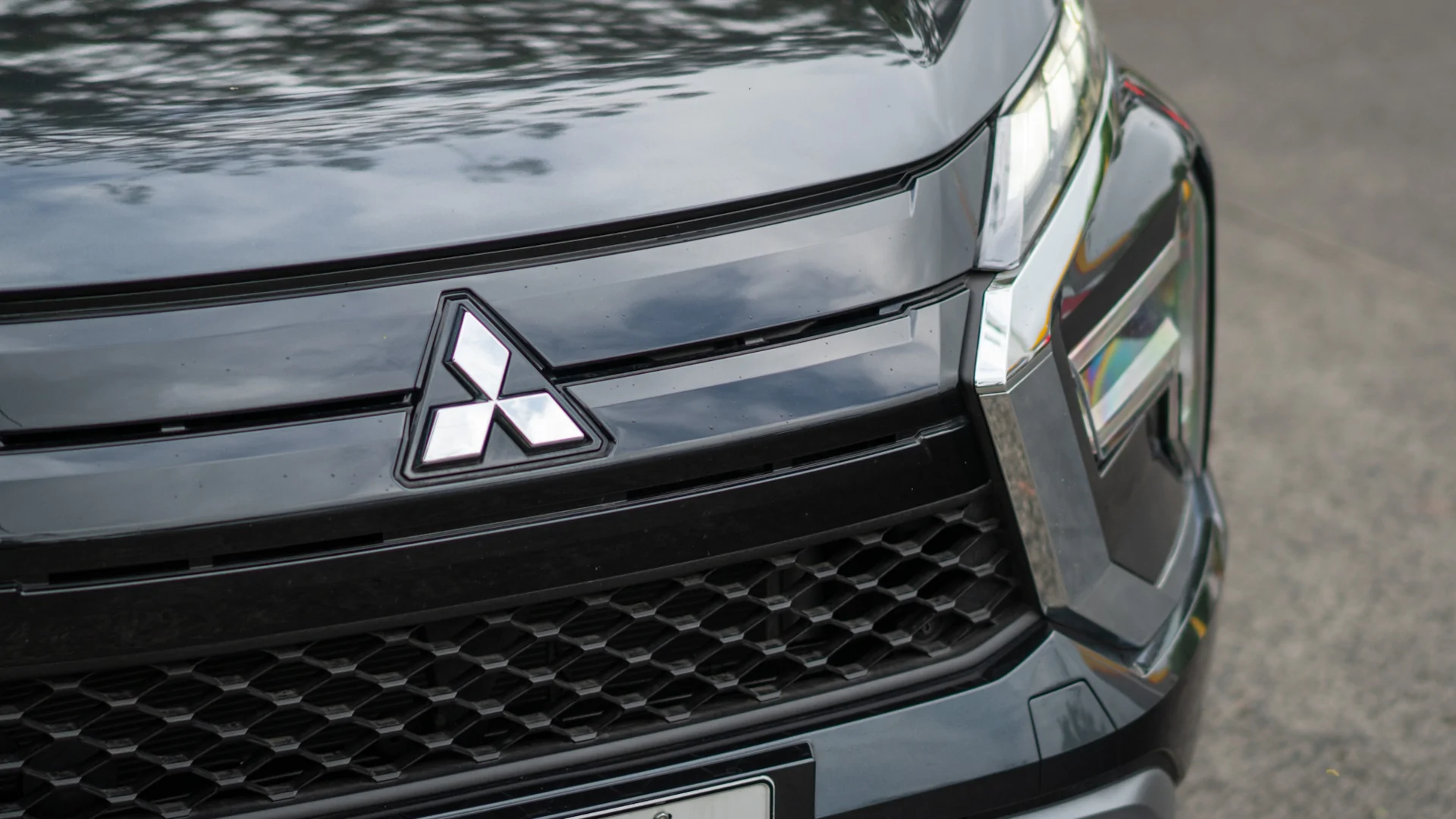
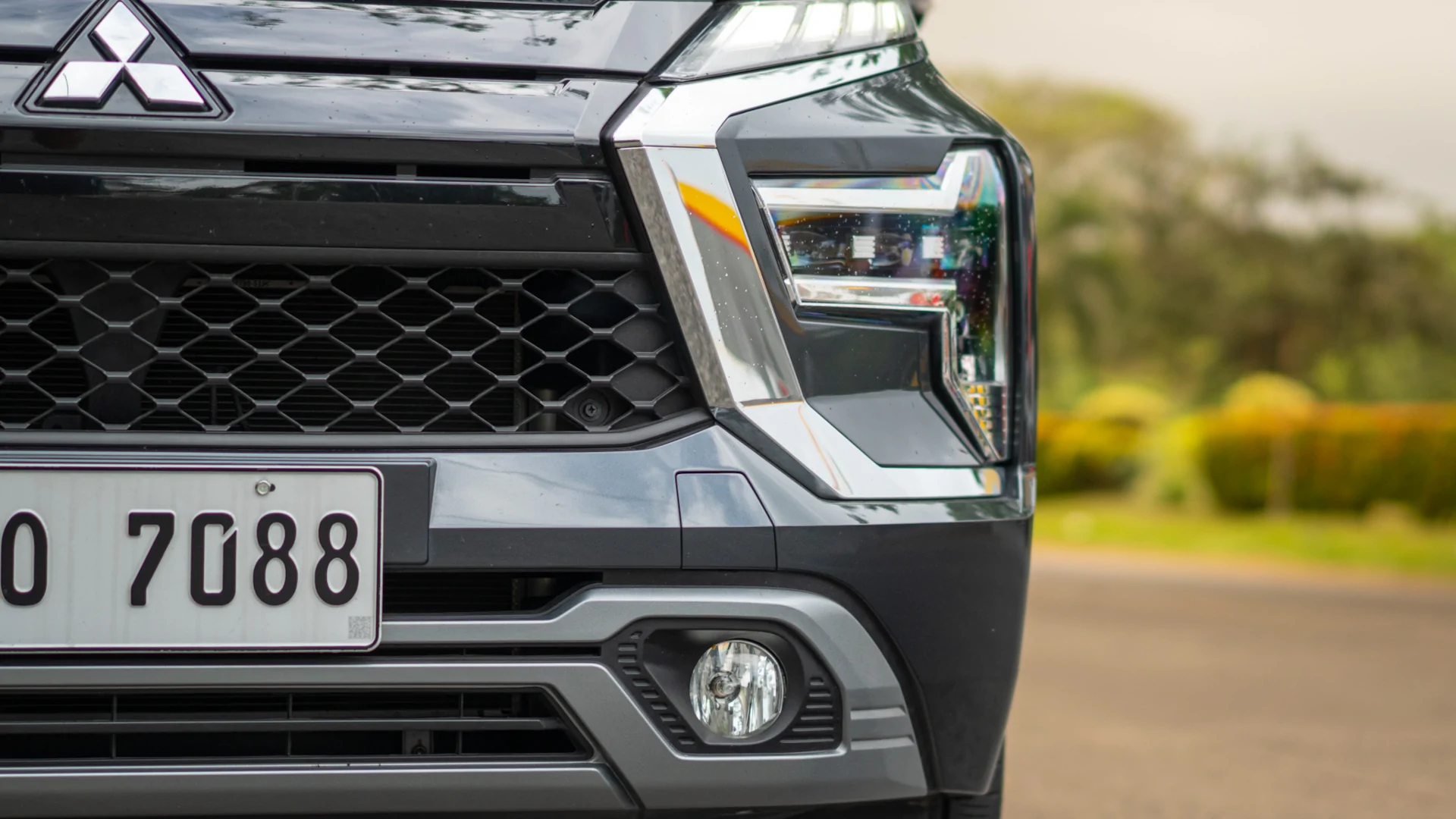
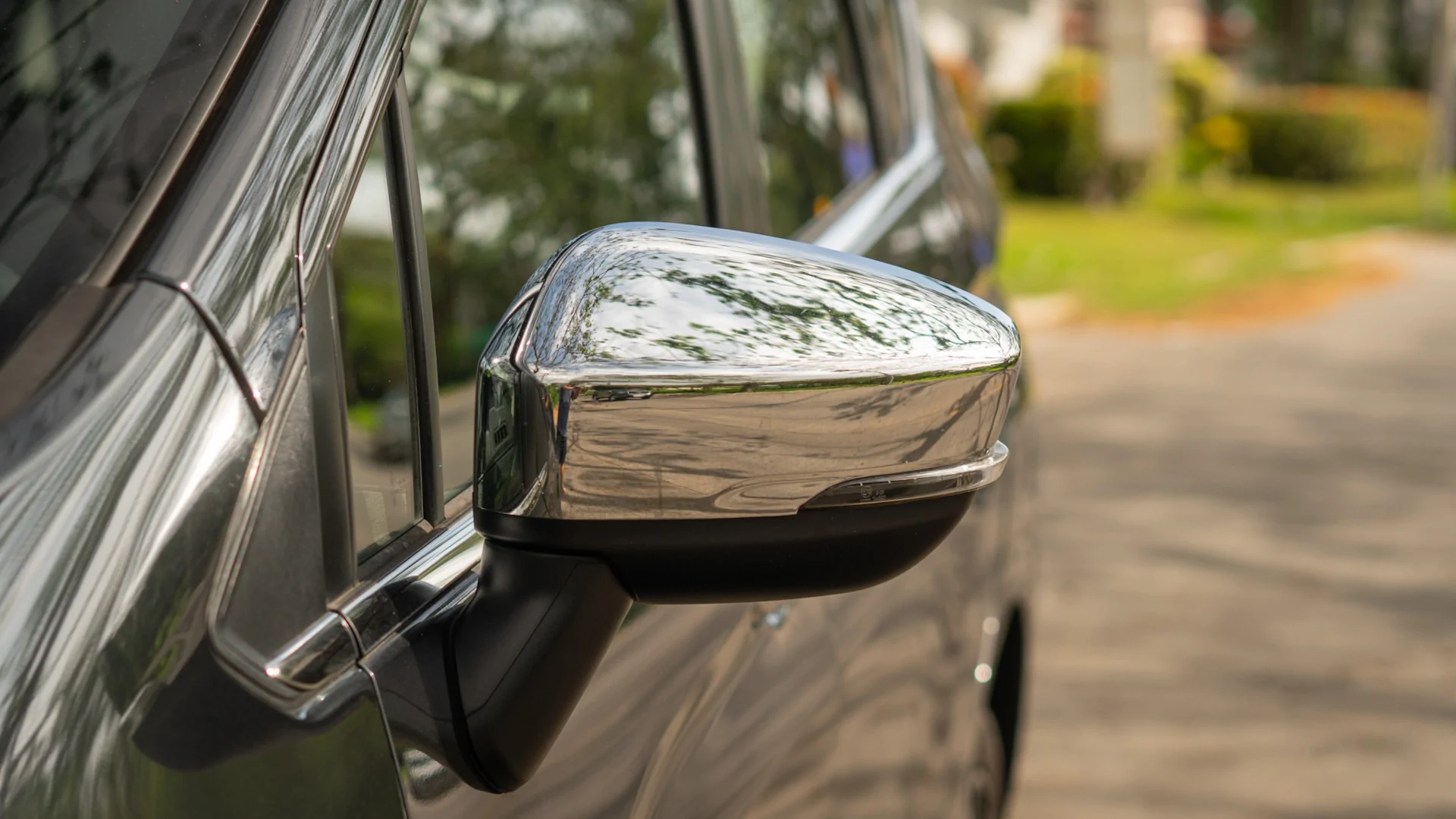
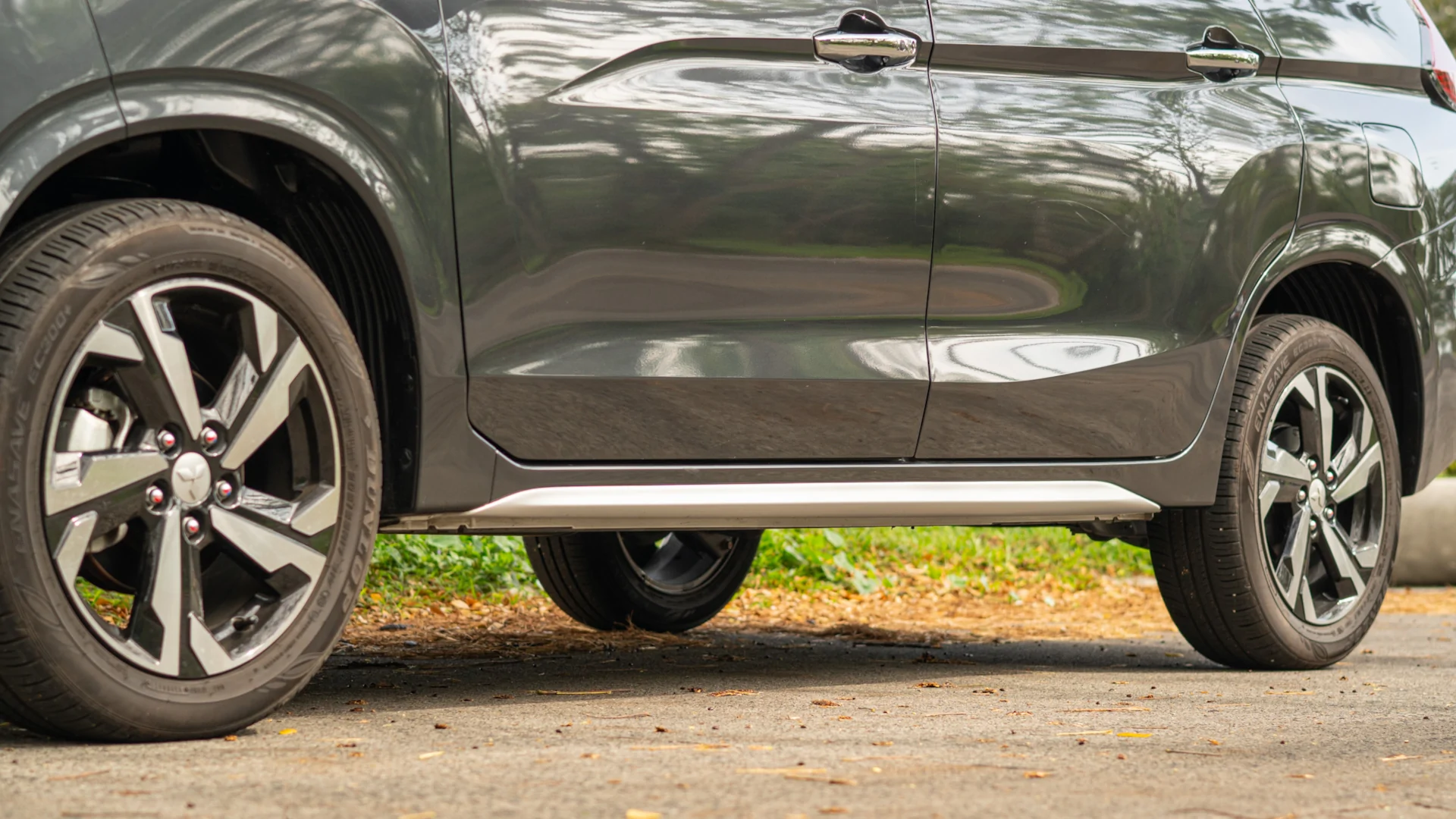
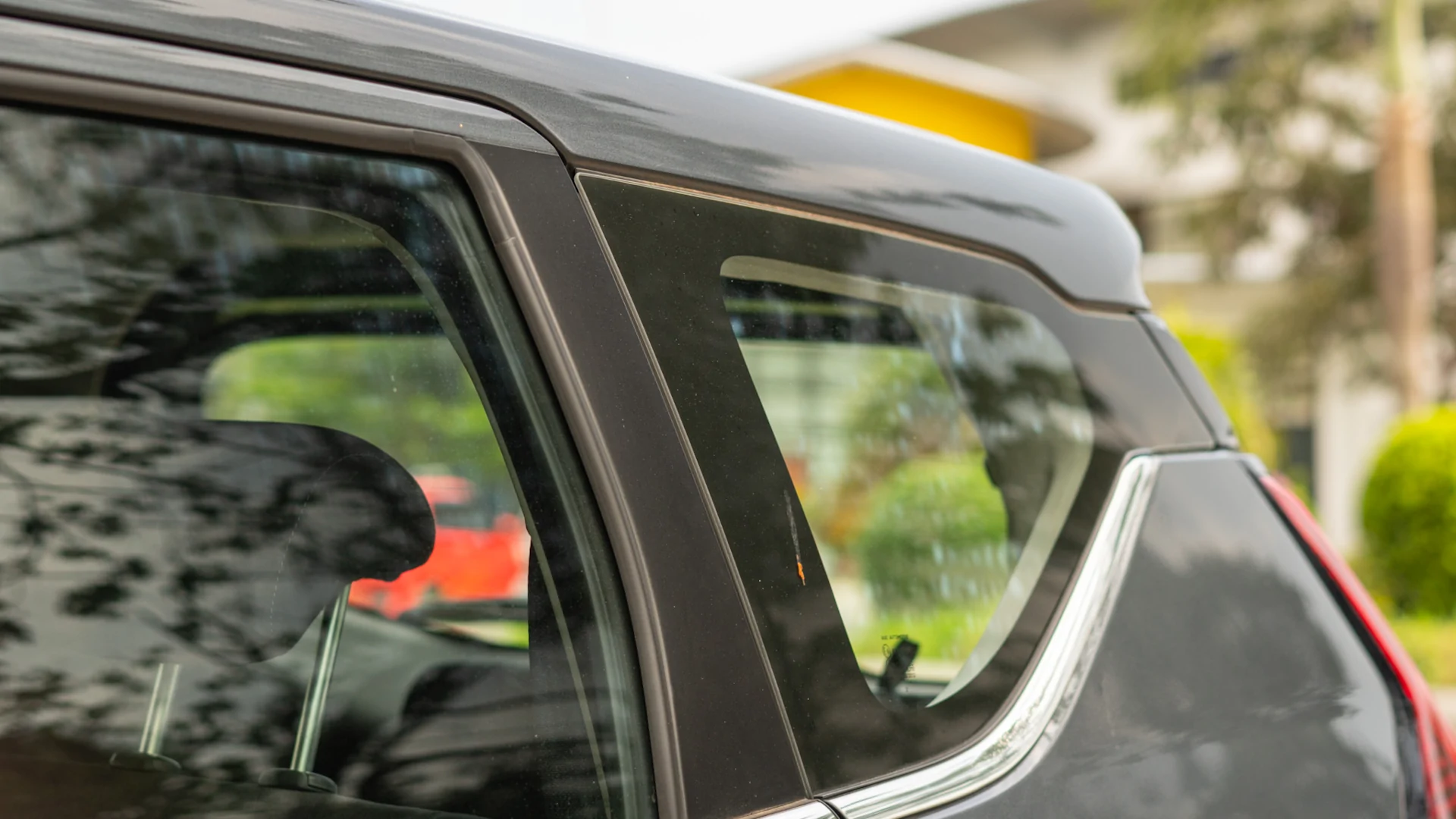
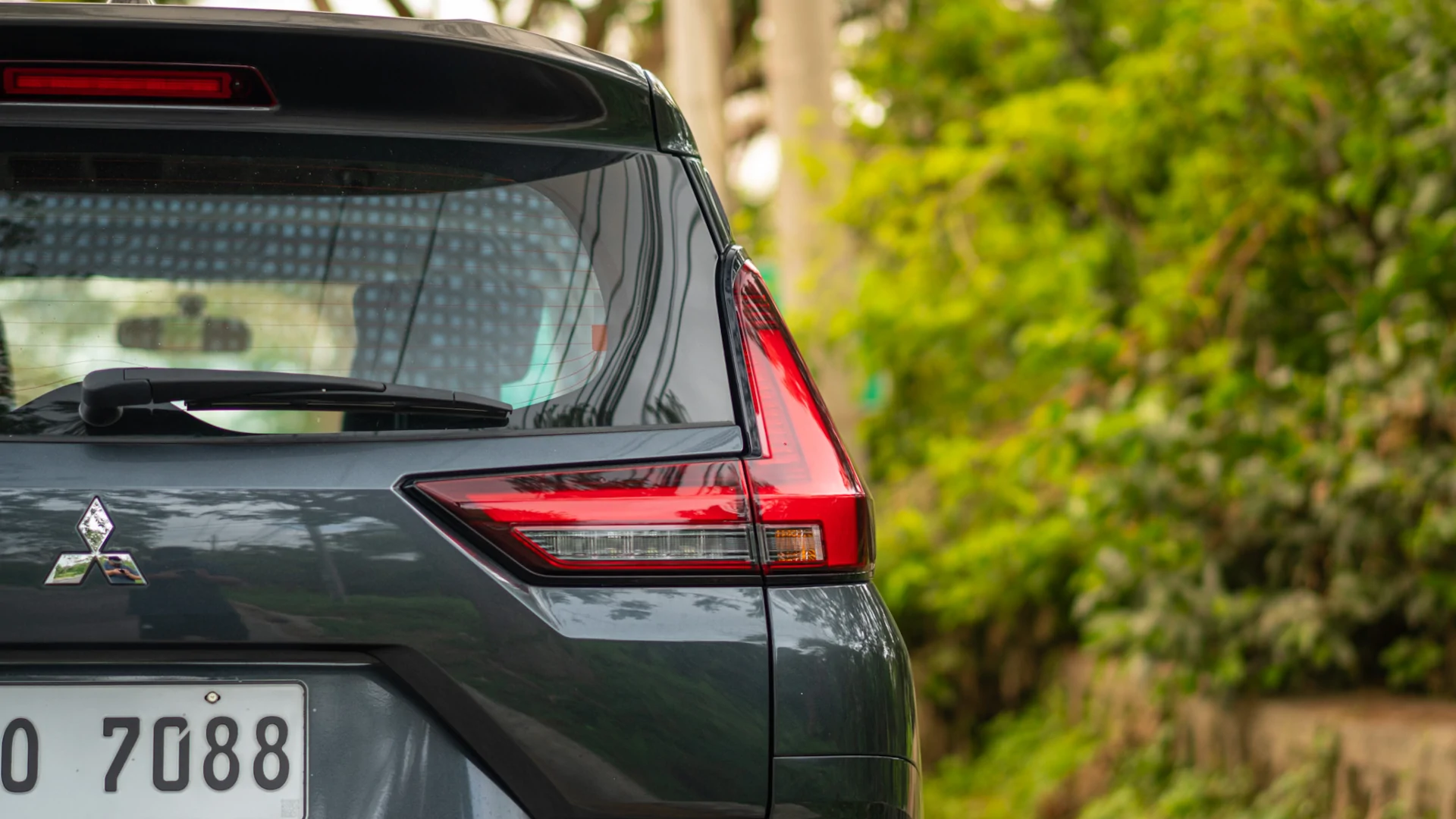
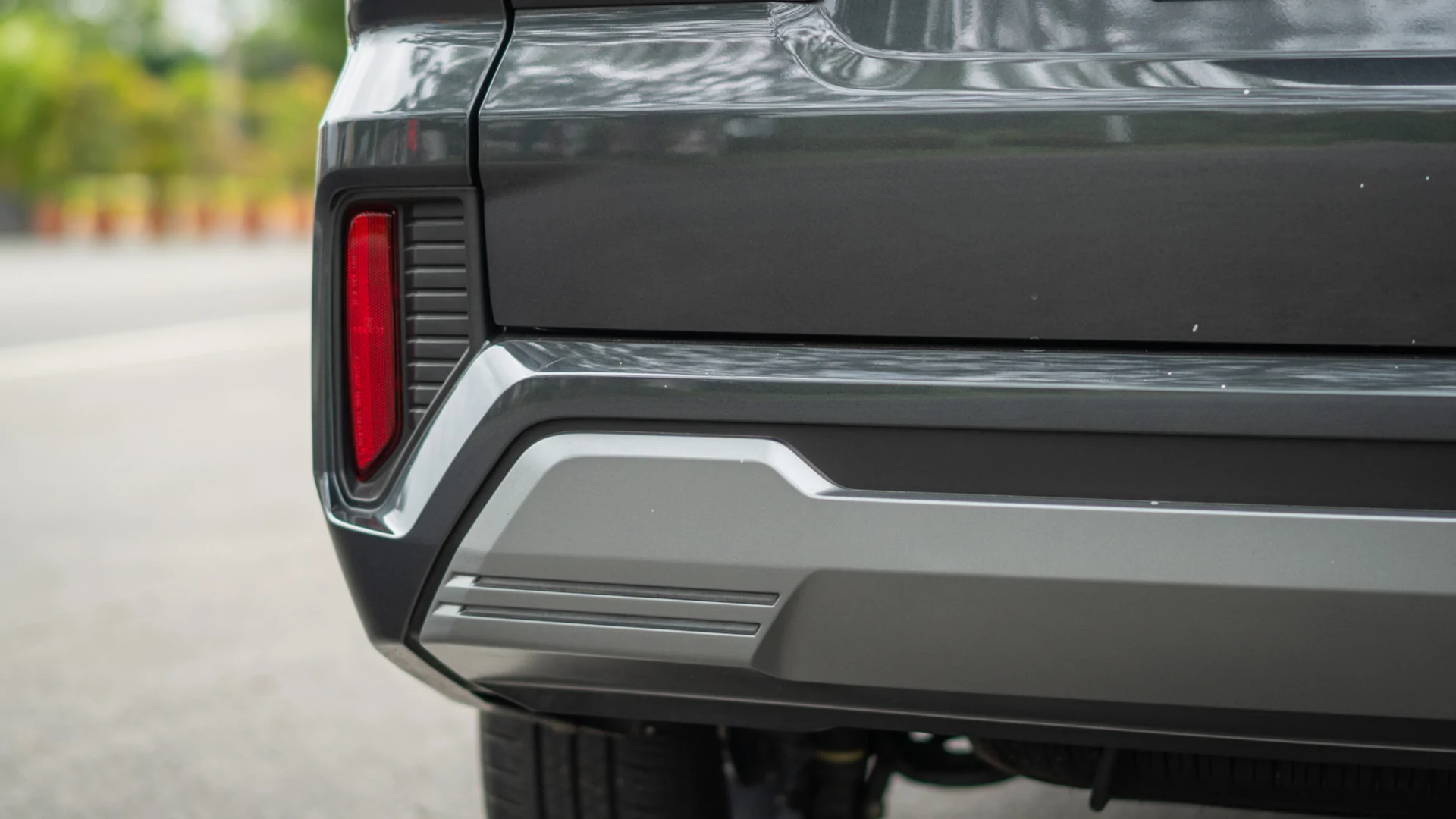
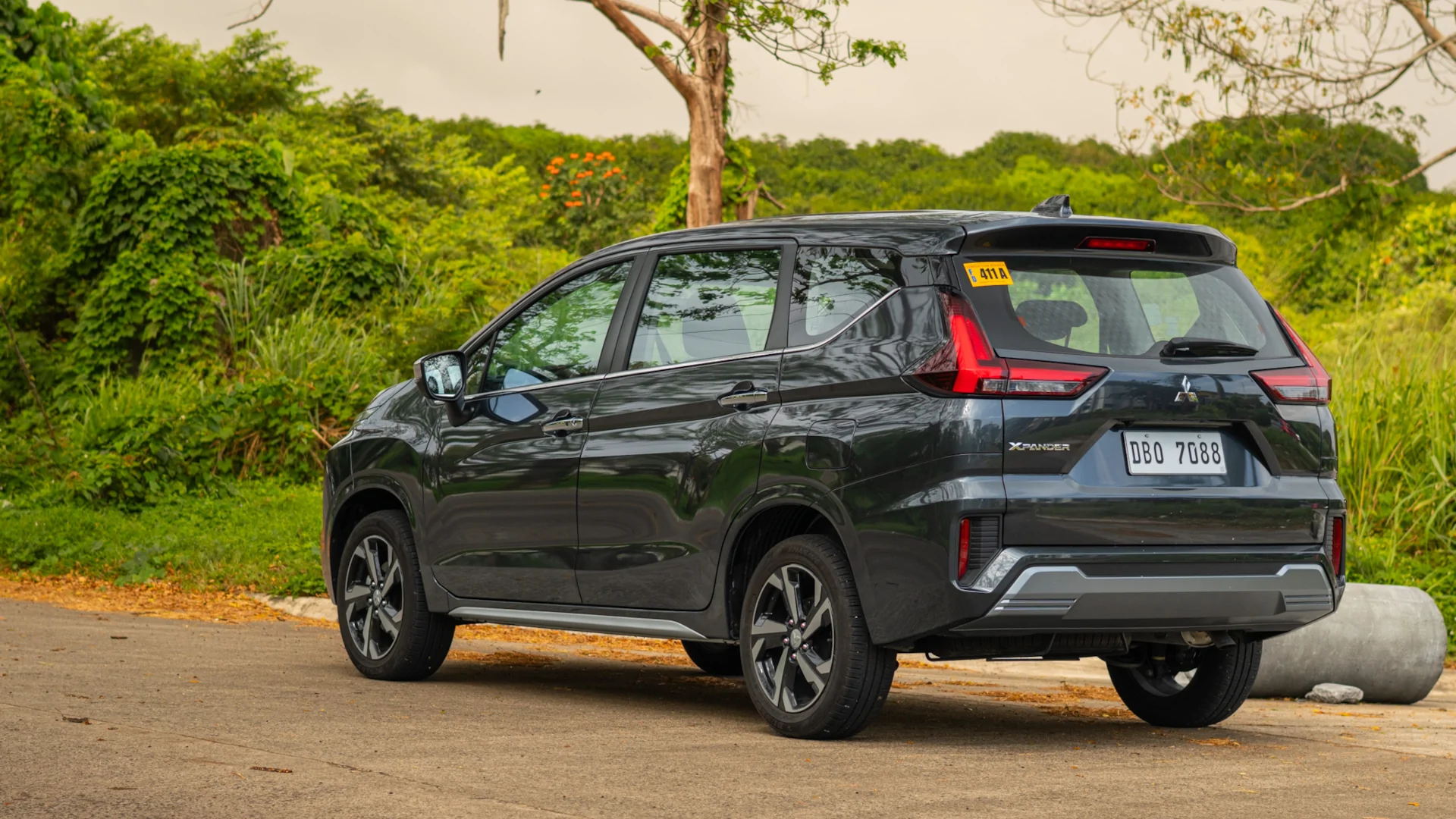
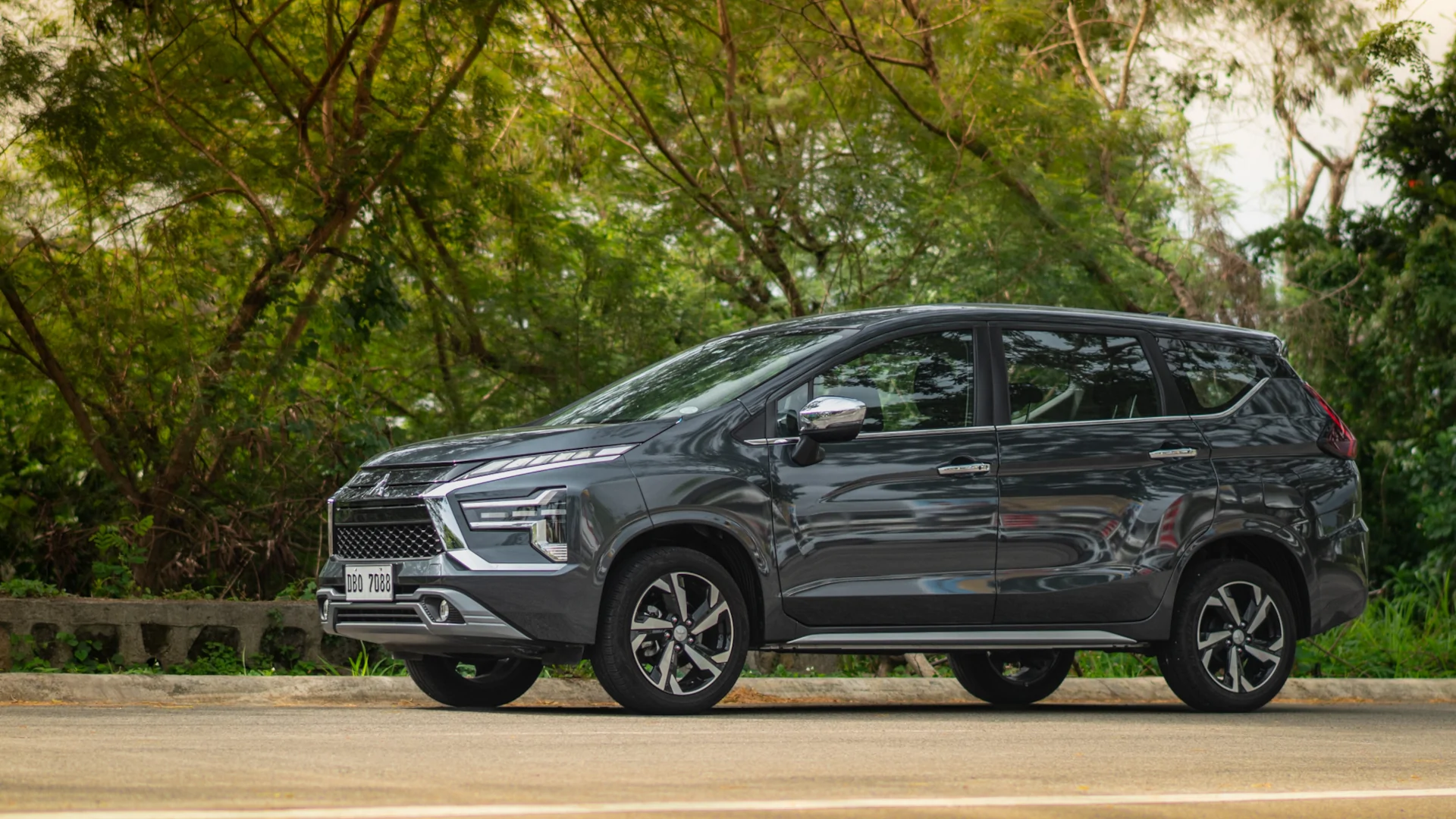
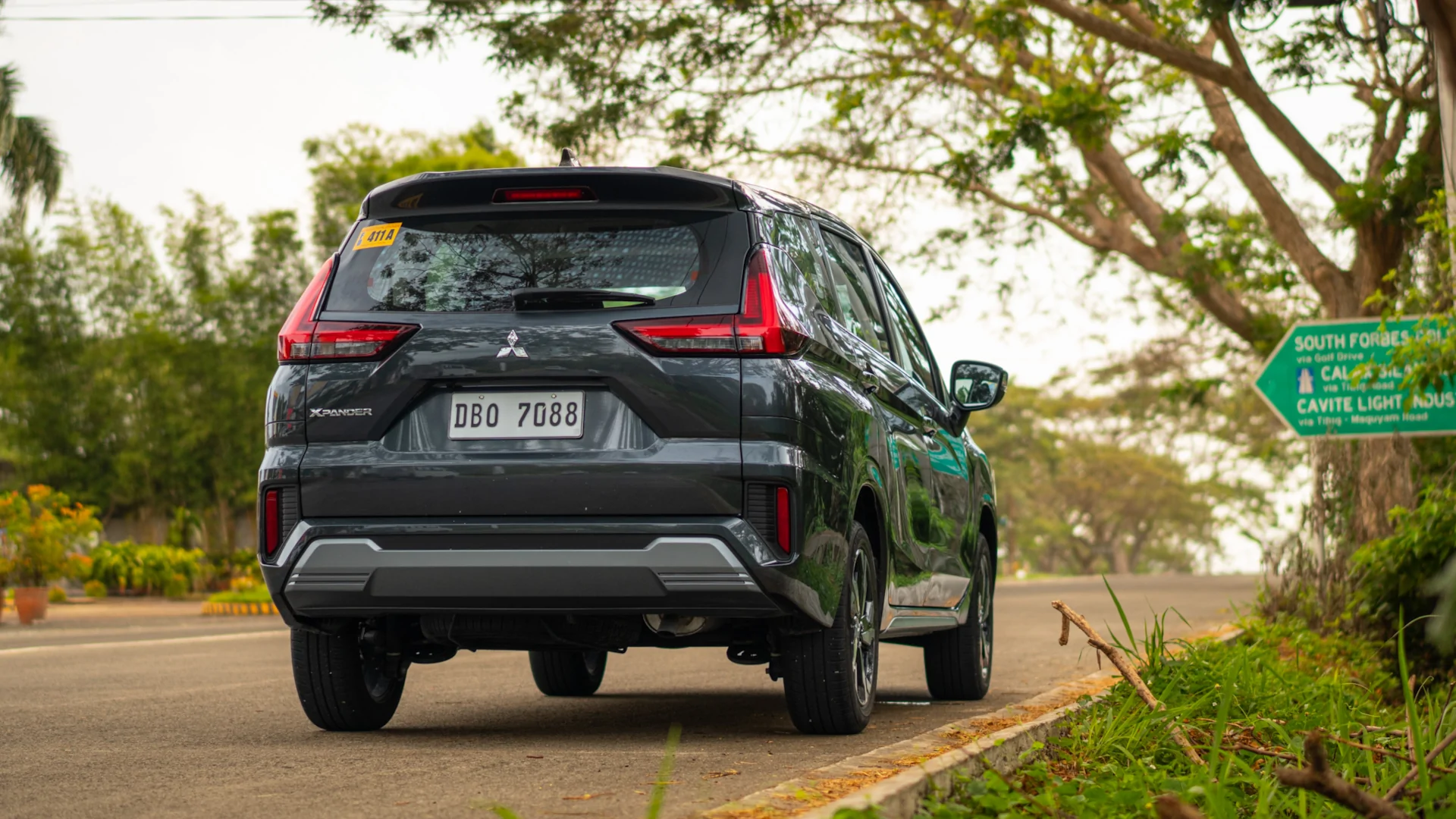
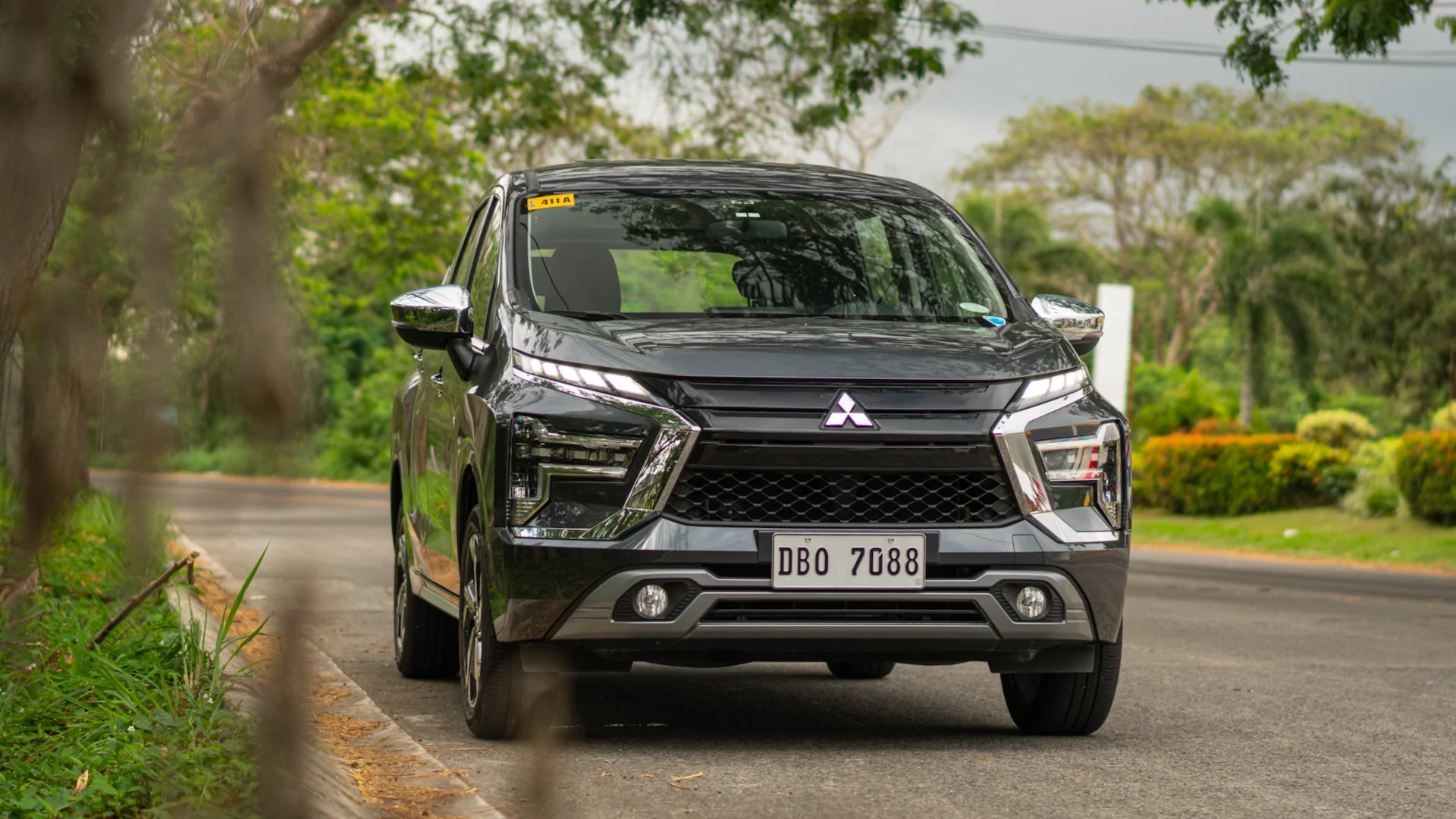
As ‘old’ as the Xpander feels, I’ve got to hand it to Mitsubishi—the folks styling this MPV have managed to keep it looking fresh and apt for the times. The Dynamic Shield design from 2017 has surprisingly aged well, with or without the most recent facelift. Surprising because aggressive-looking designs oftentimes don’t hold up well throughout the years.
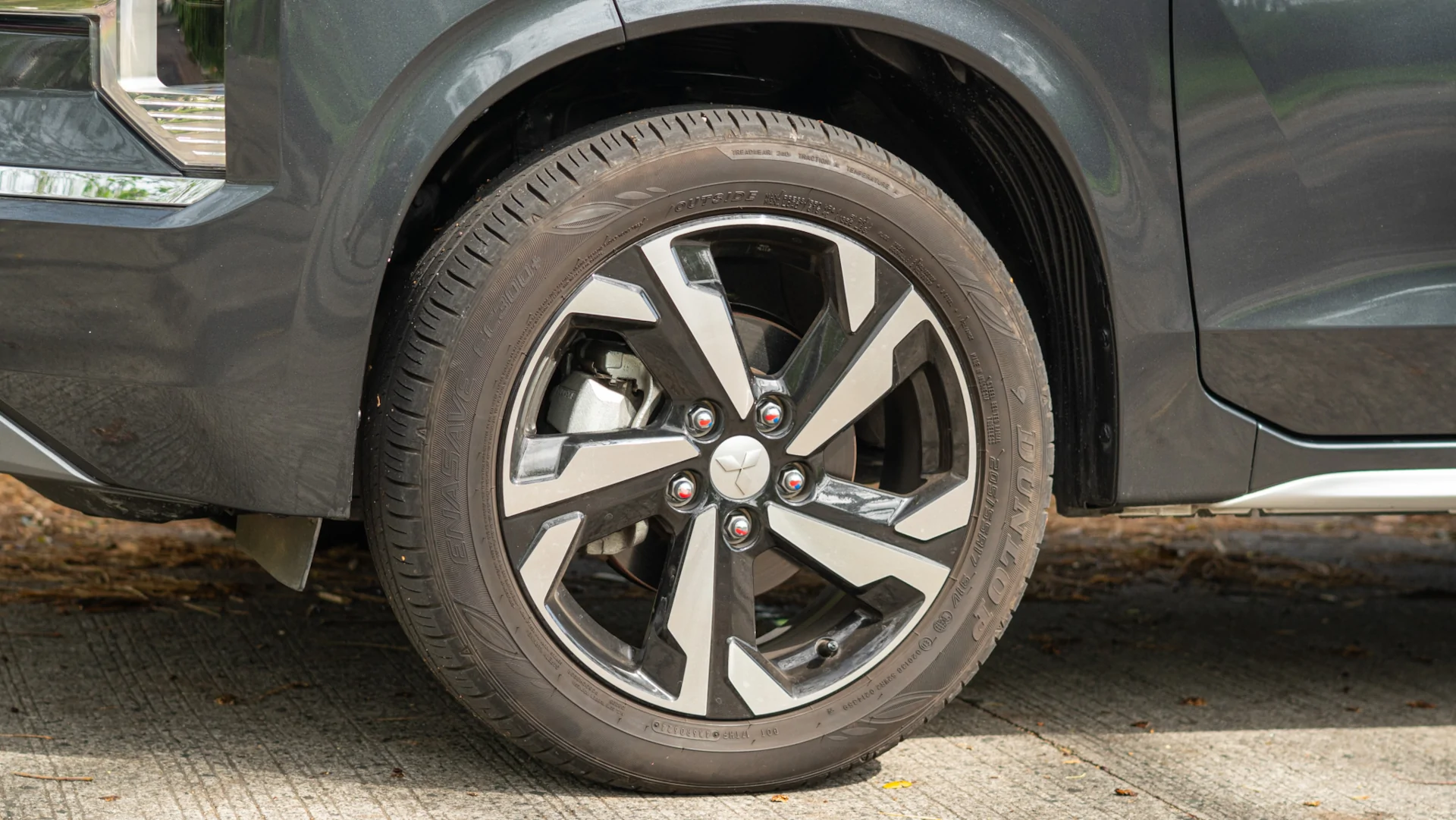
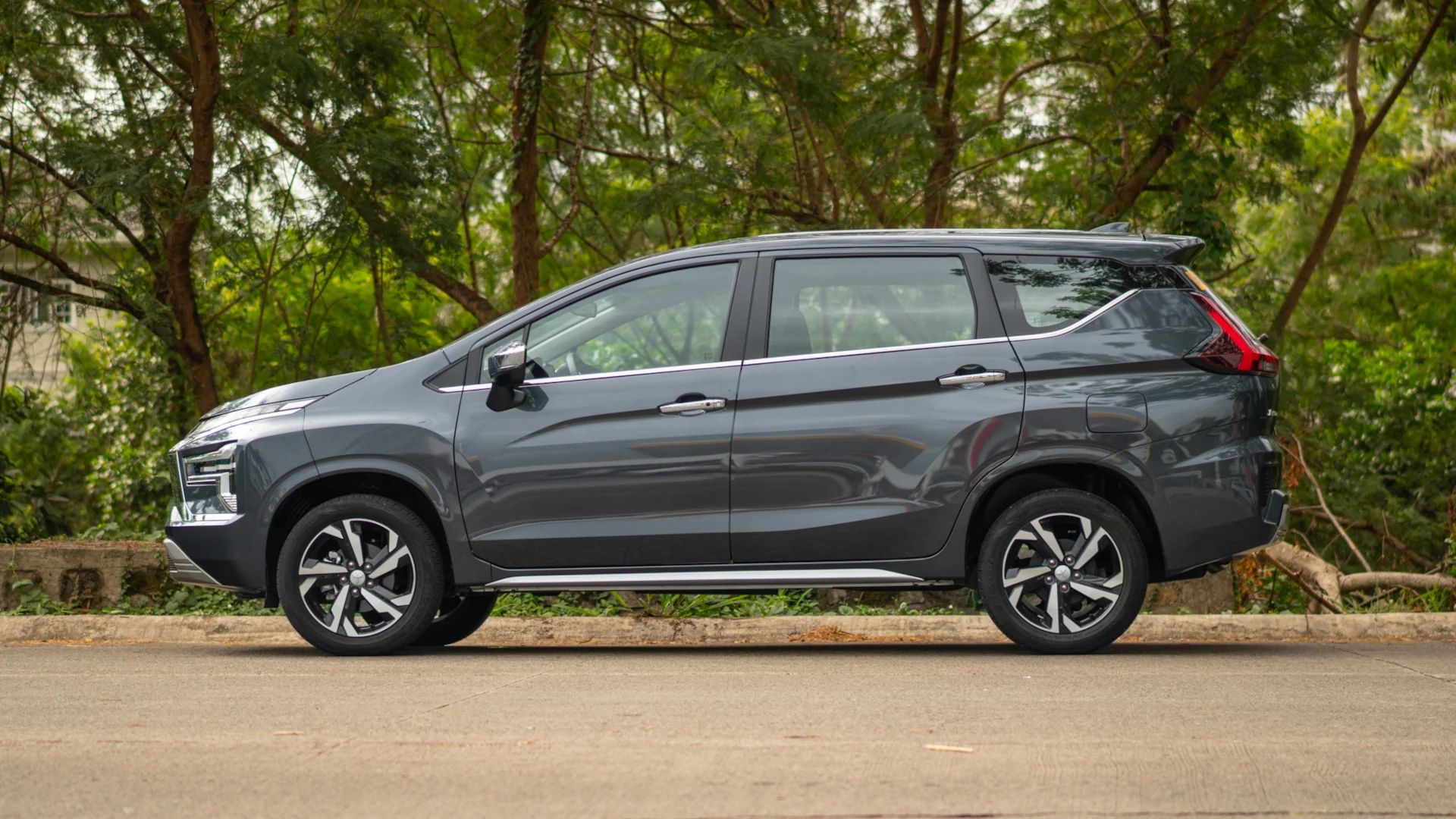
Perhaps that’s also the reason a lot of Filipinos still favor this in the segment. In my opinion it’s not the cleanest-looking among the people-haulers at this price point—even if I like those wheels—but I do see how a lot of people are drawn to the Xpander’s looks. Between the Xpander and Xpander Cross, though, I’d easily favor the tamer-looking exterior of the former.
Interior
Here is where the age really starts to show. The Xpander has a very plasticky cabin that doesn’t feel premium at all. Sure, there’s some leather on the dash and side panels, but the finish isn’t as nice as, say, its competitors’.
The interior is functional, though. There’s plenty of pockets and cubbies in front, including the space between the dash and the glove compartment. It’s quite handy for storing everyday stuff like wallets, keys, and smartphones.
Room inside is also decent. While the seats leave something to be desired with the quality and cushioning they provide, at least there’s ample legroom and head room across all three rows. Taller individuals will have a hard time fitting inside, especially in the third row, but the average-sized Filipino family will fit just right inside.
As far as trunk space goes, there’s little left with all three rows in use. But the third-row seats fold flat, so with just four to five people onboard, there’ll be plenty of room for, say, multiple pieces of luggage or golf bags.
Engine performance
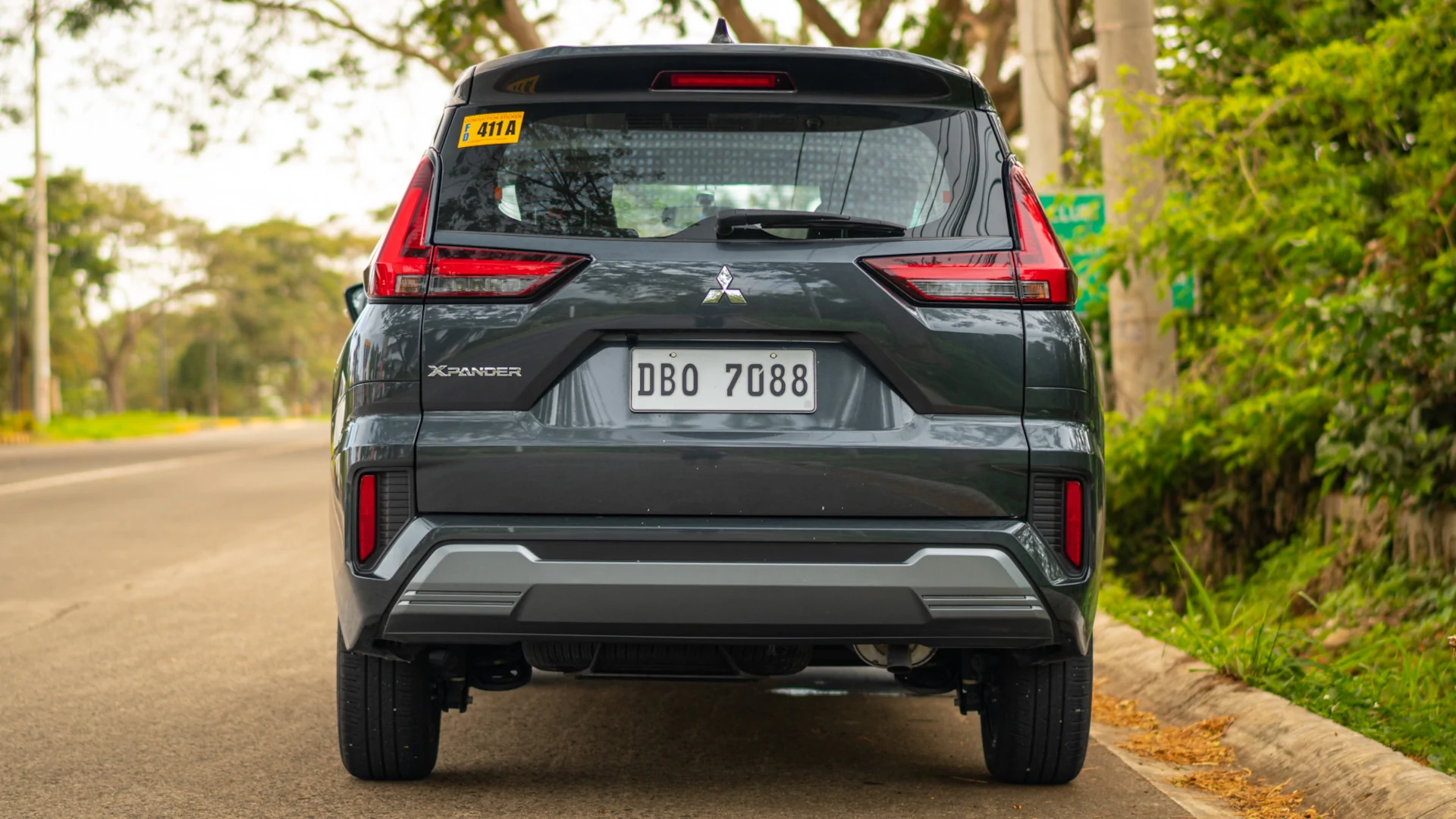
What also reminds you of the Xpander’s age is the gasoline mill under the hood. You’re looking at a 1.5-liter MIVEC gasoline engine that produces 103hp and 141Nm of torque. The numbers aren’t too shabby, but we’ve been seeing the same numbers over the past seven years.
It also doesn’t help that the Xpander still comes with either a five-speed manual transmission or a four-speed manual—good for city driving, but a nightmare on long, open roads. The GLS comes with the automatic, and boy, do I feel the powertrain grunting when I’m on the expressway. You have power for the usual overtaking maneuvers, but you’ll definitely hear some whirring whenever you floor that pedal.
All that being said, fuel efficiency is still there. 15km/L on the highway, about 10km/L in the city, and 13km/L in mixed conditions is pretty good. But take that with a grain of salt, because there were mostly just one to two people inside the car during my test drive. With the cabin filled to the brim, I’m sure fuel economy will suffer significantly, especially given the relatively small engine propelling the wheels.
Ride and handling
There’s really not much to say about the Xpander when it comes to this category. It’s still the same as before, and nothing has really changed over the years. But of course, that isn’t exactly a bad thing.
If anything, it’s good. The Xpander is still as light as ever to drive and is easy to maneuver around the city. It’s still easy to crawl through tight spaces with it despite it being bigger than your regular subcompact sedan. Steering feel is also okay when driving at speed on the highway. There’s plenty of body roll when you try to speed through a corner, but you shouldn’t be doing so in the first place, anyway.
For day-to-day use in the city, comfort is right where you’d expect it to be. NVH levels are somewhat kept low, at least compared to a smaller, entry-level car. It’s a bit wallowy on roads like EDSA, but it’s decent on the highway. But if there’s one thing the Xpander truly has against its competitors, it’s ground clearance: this one has 225mm of it. I’m sure most customers are pretty particular about this, so that’s a big bonus.
Extra features
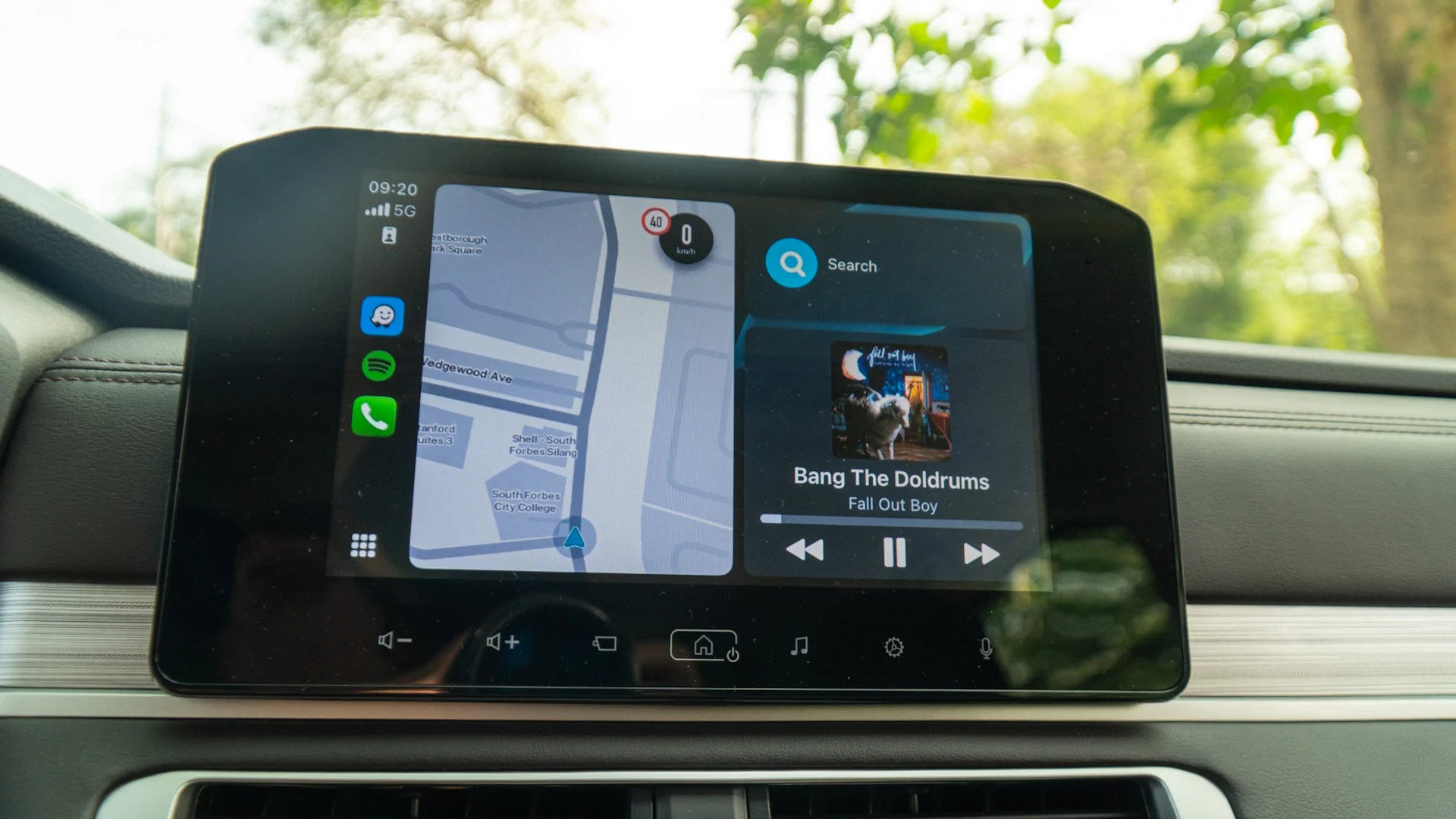
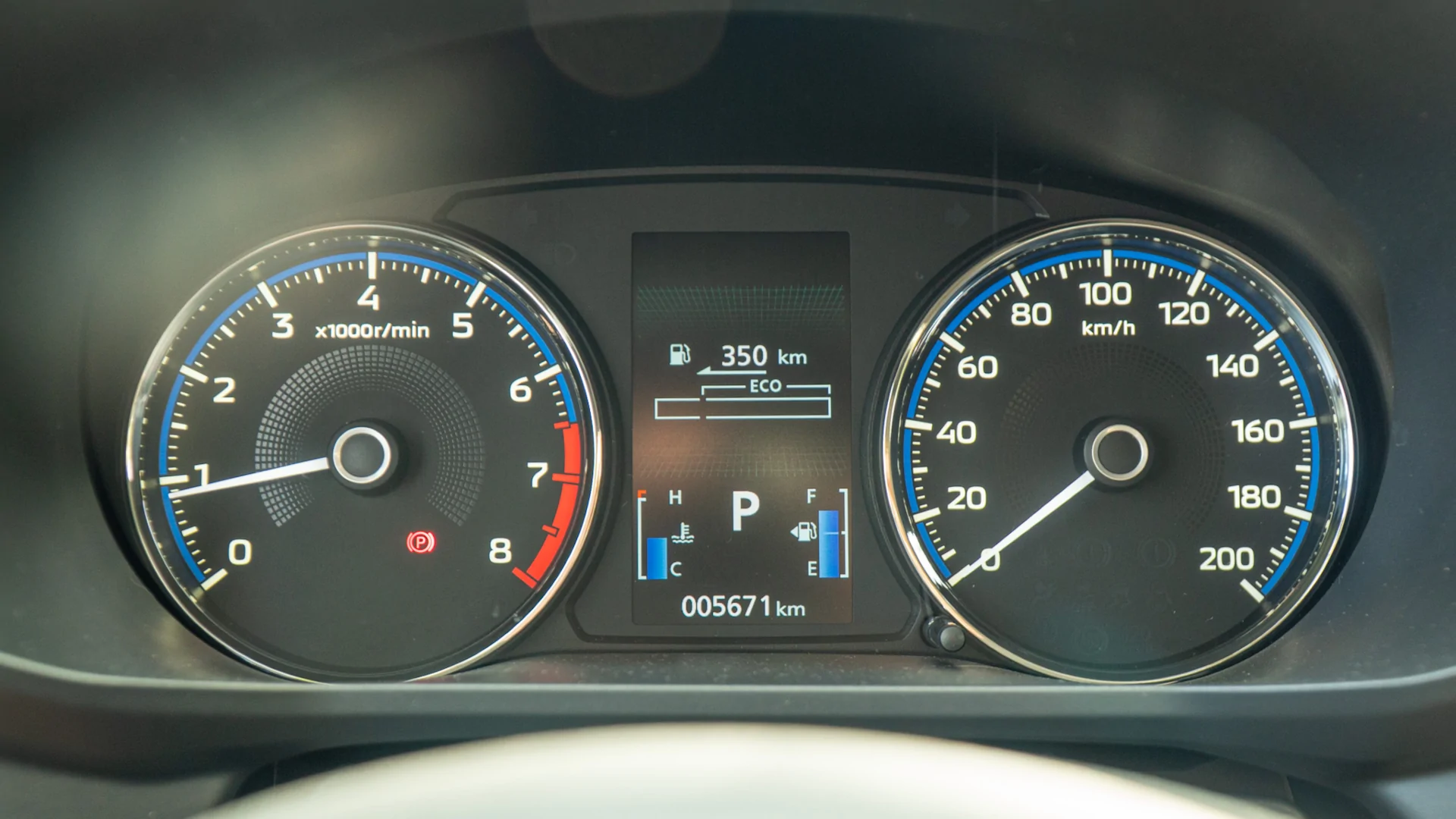
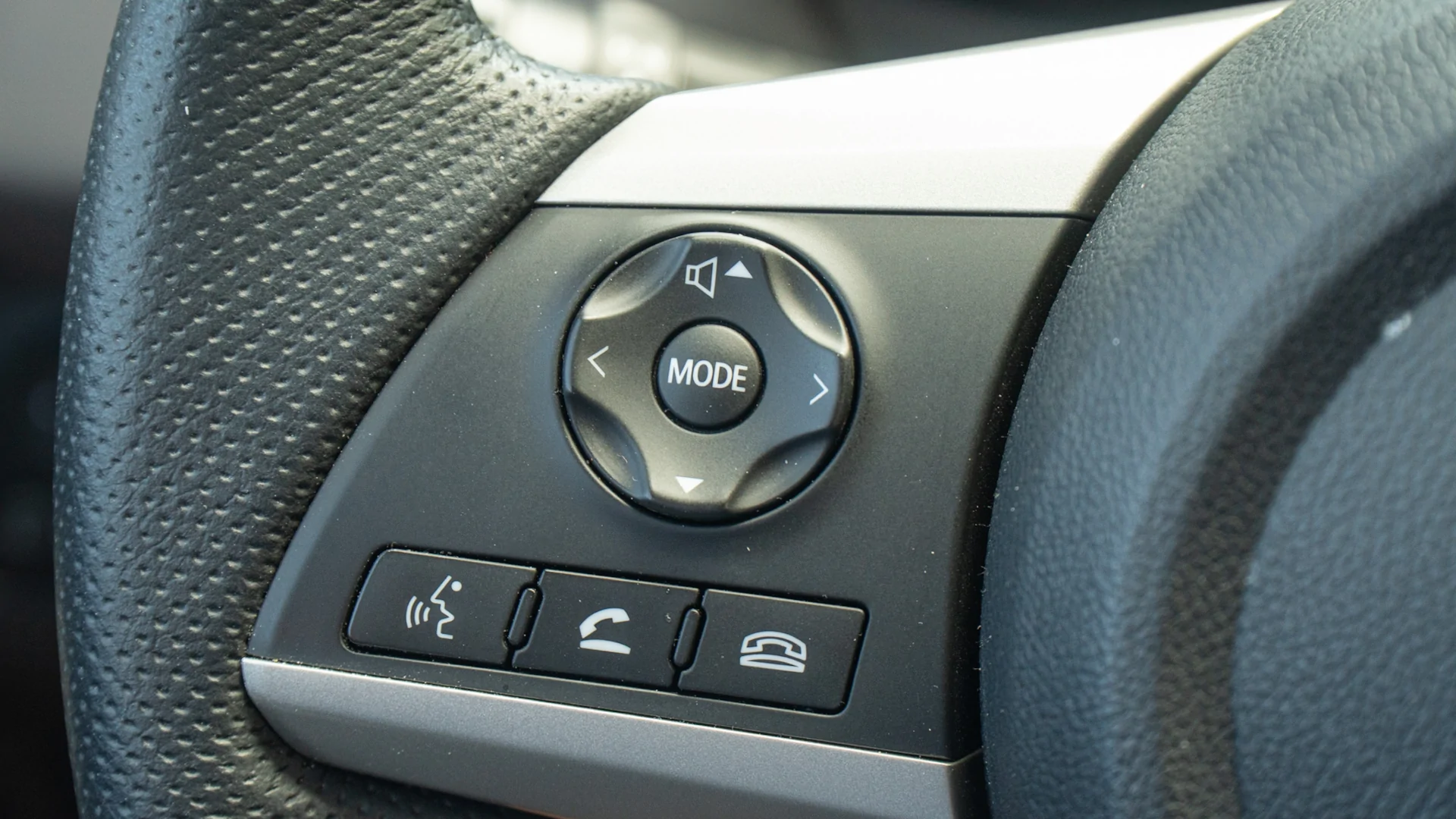
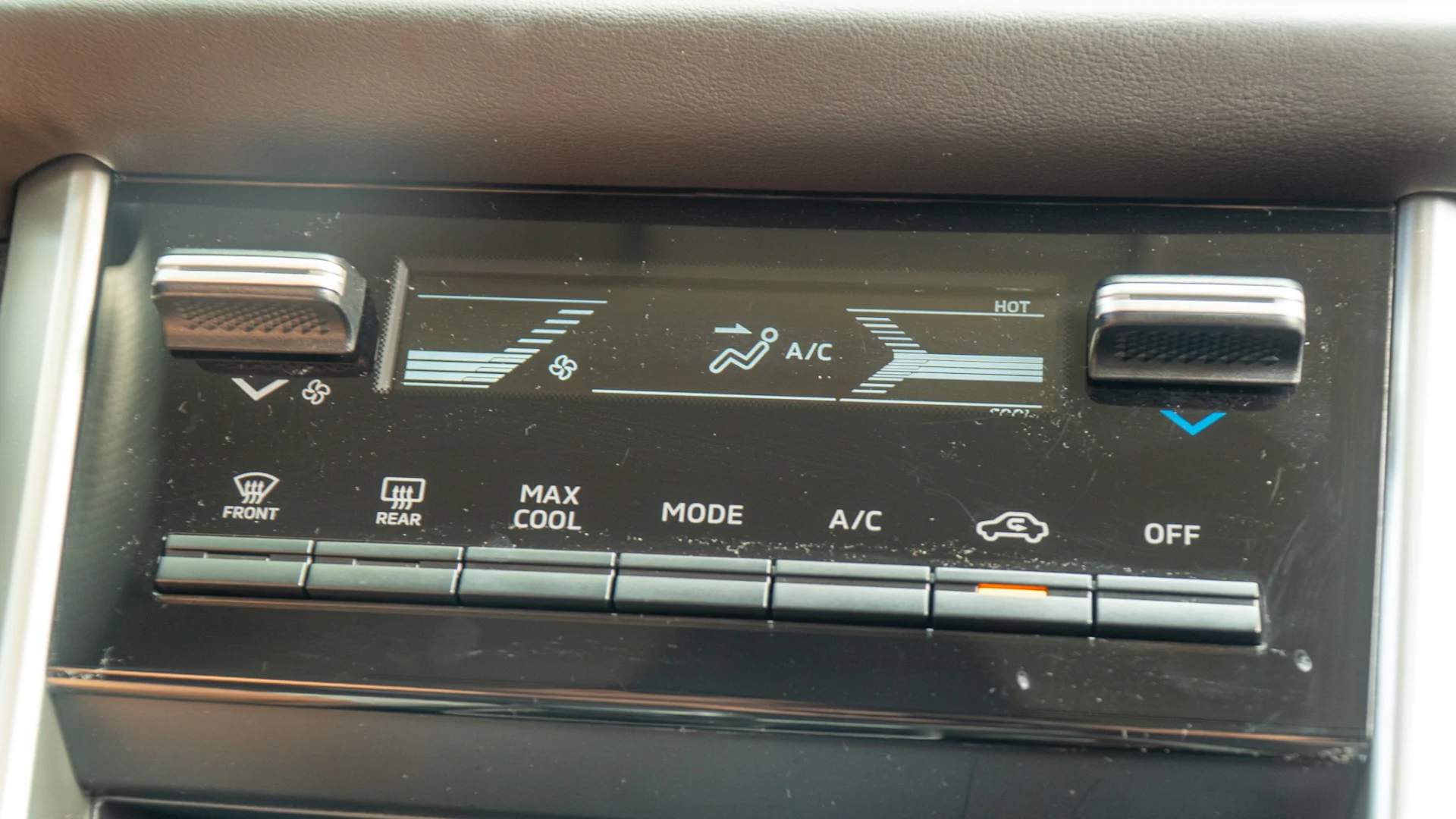
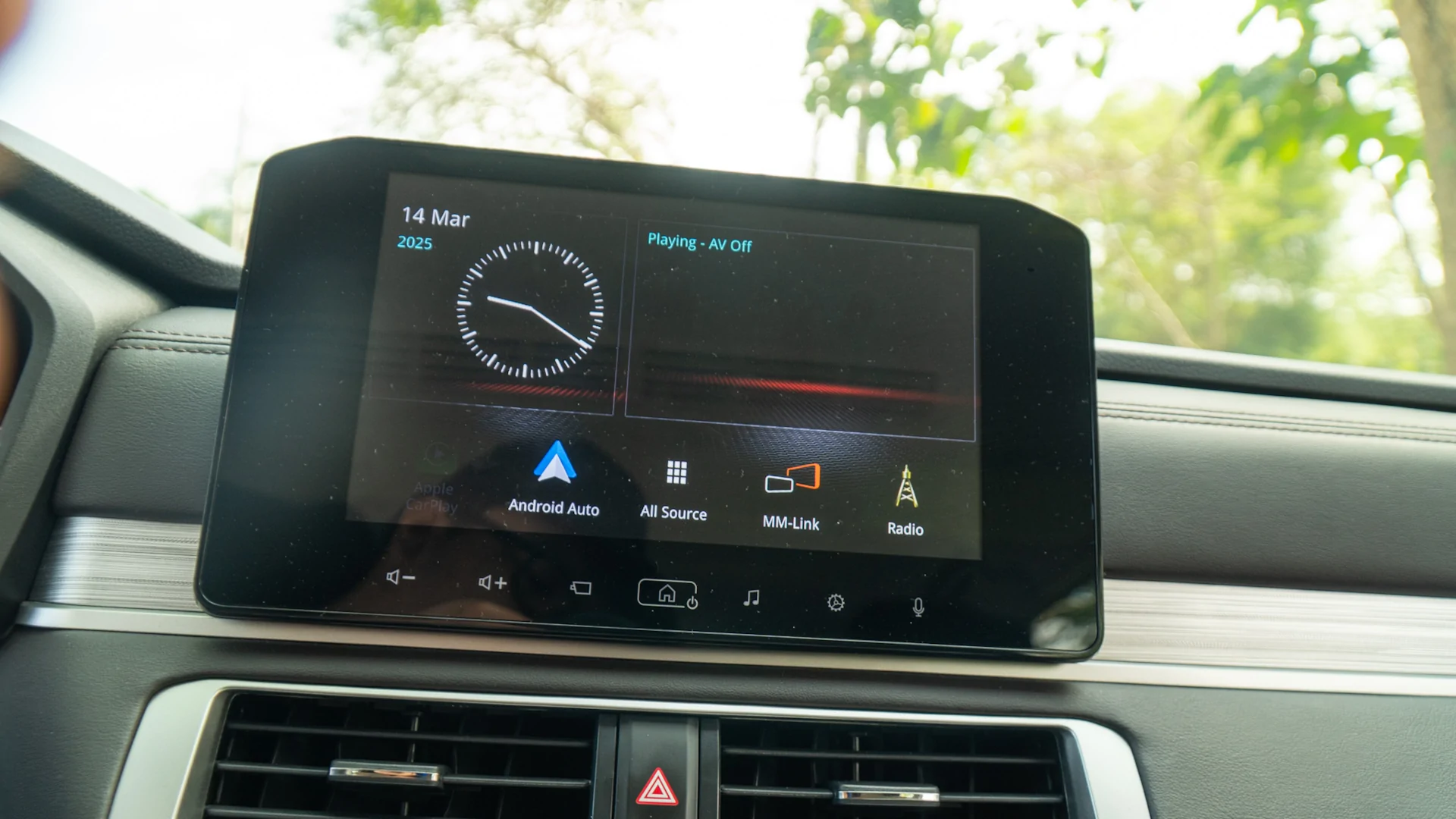
There’s Apple CarPlay and Android Auto, but that’s that. There’s really not much to rave about here. There aren’t a lot of modern creature comforts. There are analog gauges with a small digital display in between making up the instrument cluster. The infotainment system’s UI feels a bit unresponsive and the display is small. Buttons and levers comprise the control panel for the A/C, and while that’s a good thing, the LCD panel in the middle feels a bit archaic.
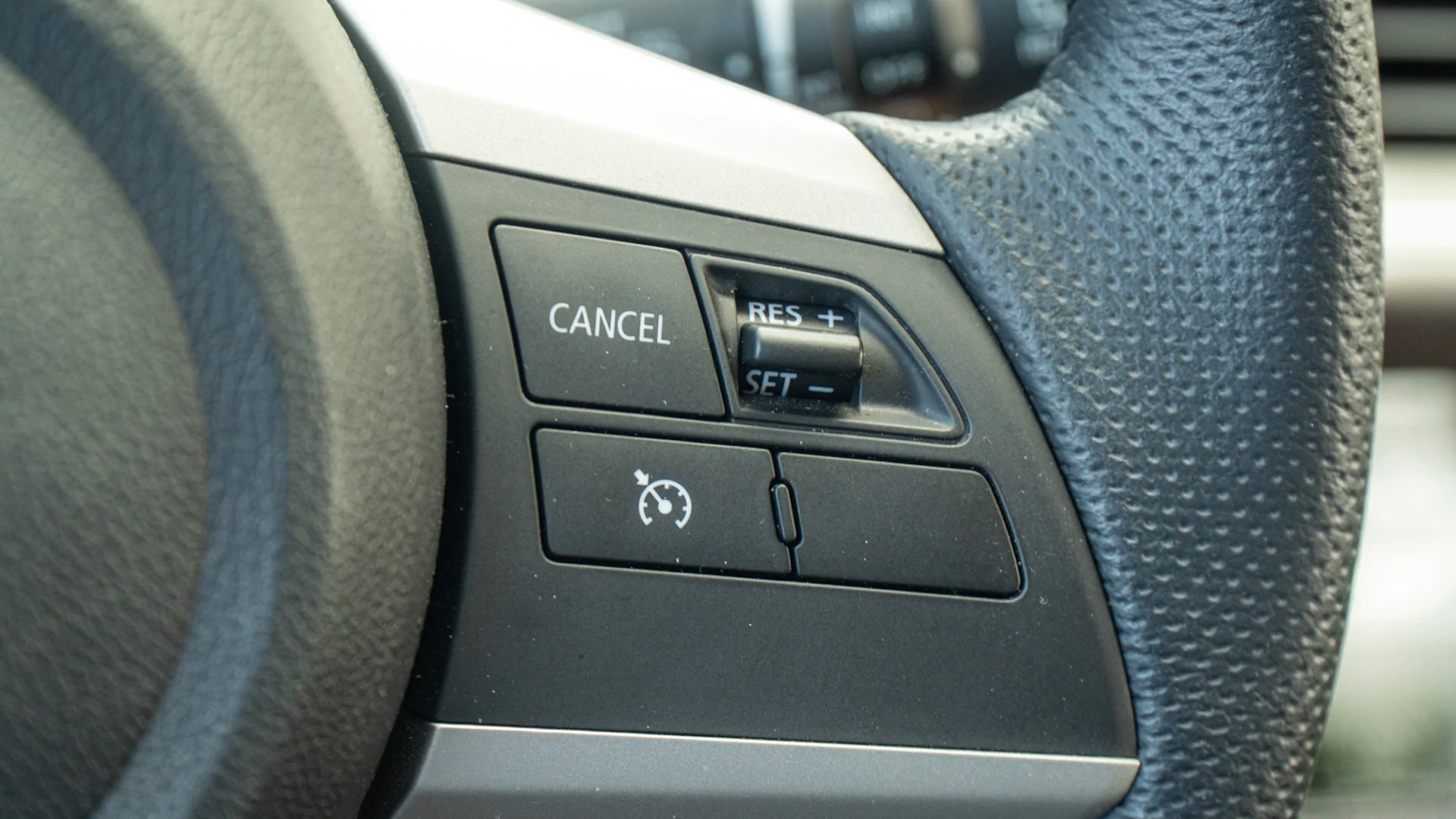
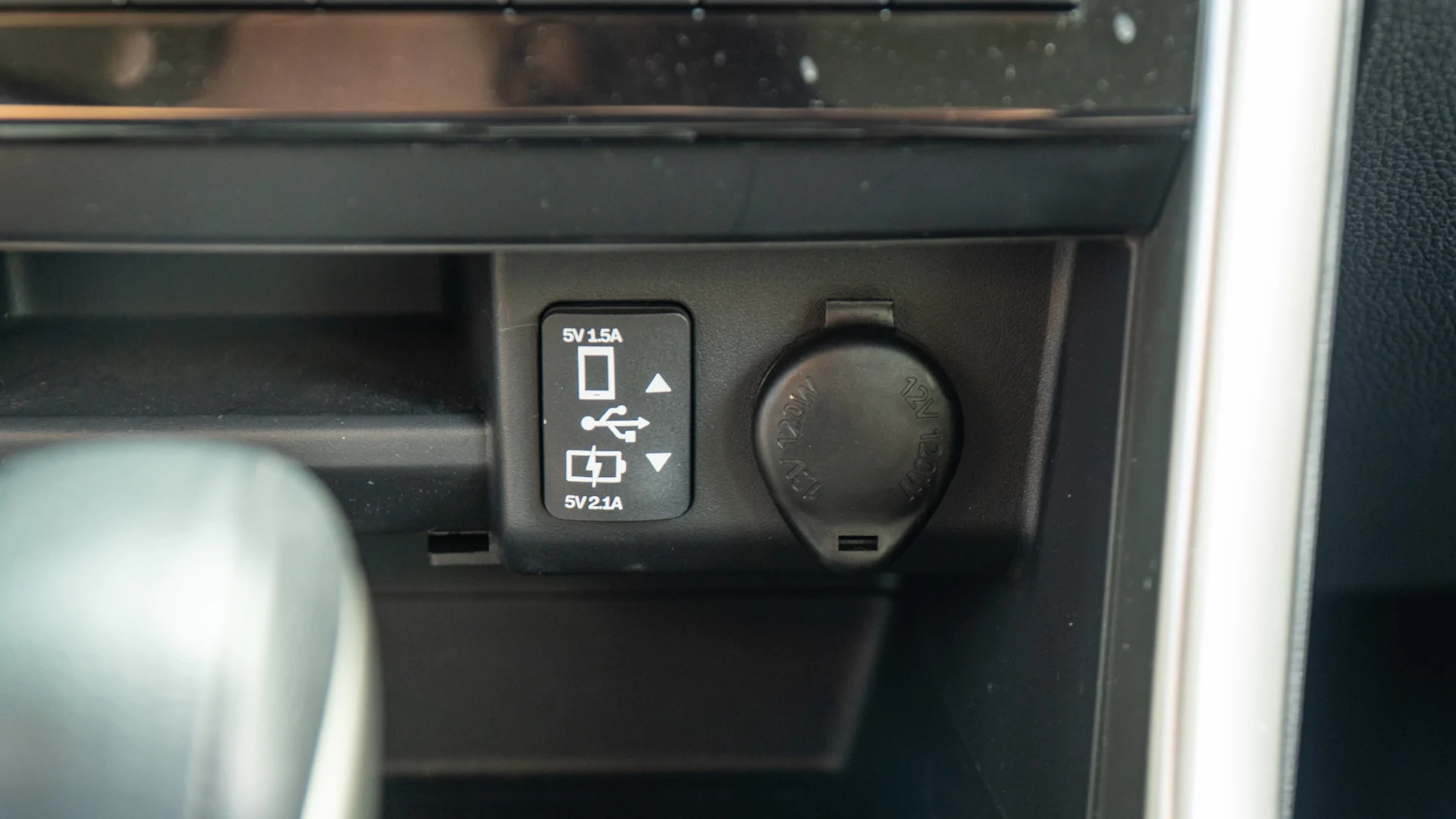
There’s still a 12V socket with USB-A charging ports underneath. Rear A/C vents are appreciated, and non-adaptive cruise control is available…and that’s about it.
Verdict
I’ll keep saying this until Mitsubishi launches a new Xpander: This MPV feels old. Like, really old. Now, I know that sounds like a bad thing, but at the same time, the model’s consistent performance in our market despite that is a sheer testament to how good of a practical vehicle it is.
Even with all the years in its cabin and powertrain, people still buy this MPV, which says a lot. Honestly, the P1.190 million price tag on this GLS variant already feels a bit much—because I know you can get more value for your money elsewhere—but at the end of the day, the Xpander’s target market still thinks it’s worth all that, and none of us can argue with the sales results.
I still stand by what I think, though. If Mitsubishi isn’t giving the Xpander the overhaul it deserves anytime soon, it can at least roll out that hybrid powertrain across the region. Maybe then, I’ll be convinced.
SPECS: 2025 Mitsubishi Xpander 1.5 GLS AT
Price: P1,216,000
Engine: 1.5-liter gasoline I4
Power: 103hp @ 6,000rpm
Torque: 141Nm @ 4,000rpm
Transmission: 4-speed automatic
Drive layout: FWD
Seating: 7
Score: 8/10
More photos of the 2025 Mitsubishi Xpander 1.5 GLS AT: