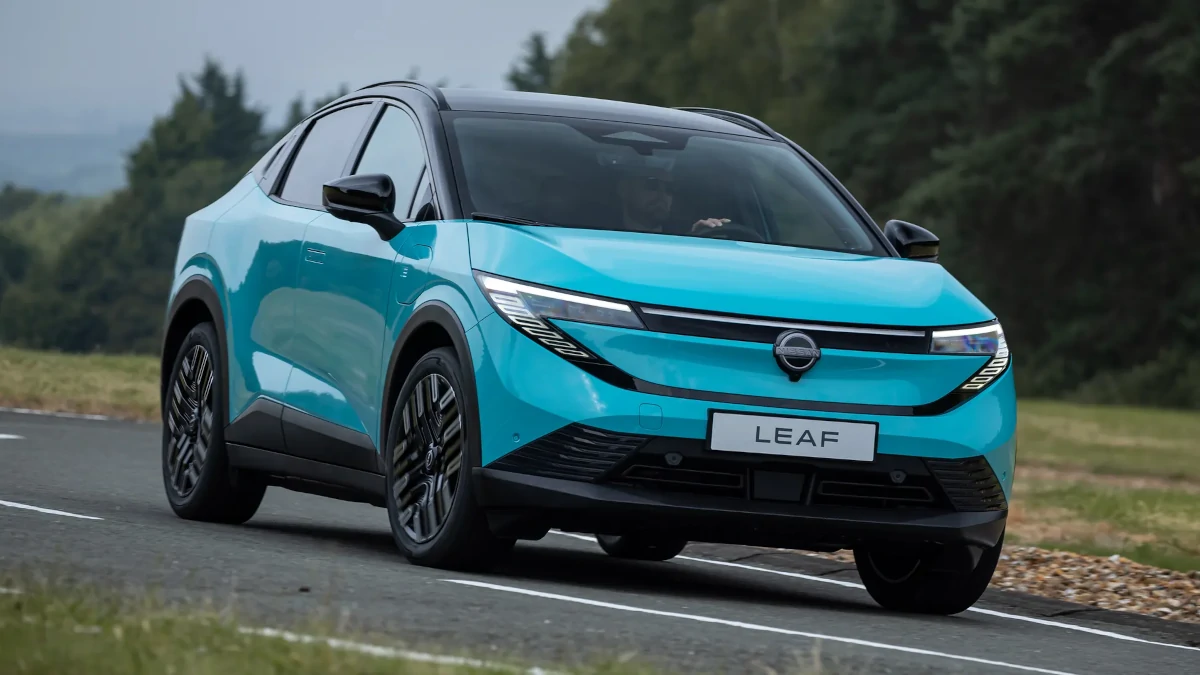

Another crossover. Of course.
Be not so quick to judgment, for this is one of the original mainstream electric cars, now reimagined for a wider, more tech-savvy, and electro-literate audience.
I’d forgotten about the Nissan Leaf.
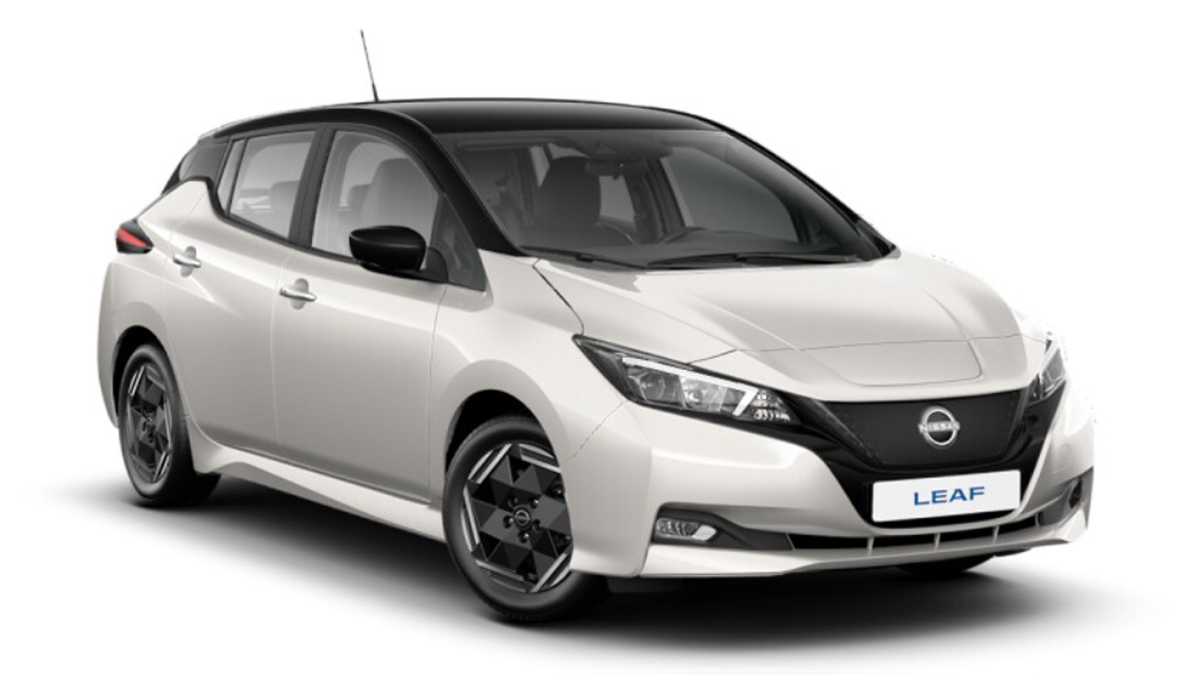
Indeed, when Nissan first launched its game-changing electric hatchback in 2010, it looked embarrassed to be there—mostly because it was 2010 and electric cars were upstairs having a debate while combustion engines were downstairs necking shots.
OTHER STORIES YOU MIGHT HAVE MISSED:
The Hyundai Santa Fe is a triumph of function over form
Review: 2025 Isuzu MU-X LS-E 4x2 AT
Now it’s 2025, and EVs haven’t just crashed the party—they’ve taken over the DJ, too. And sensing this is getting out of hand, perhaps we might accelerate away from this increasingly fraught analogy and into the Leaf’s...acceleration.
Presumably, it has some?
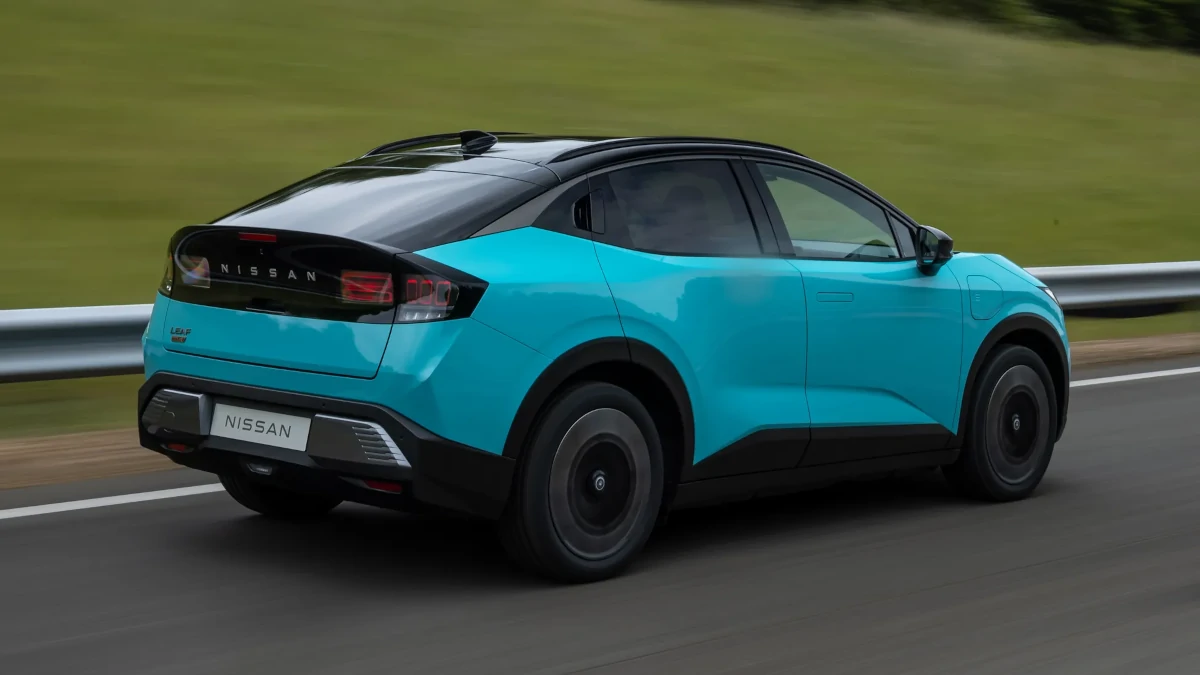
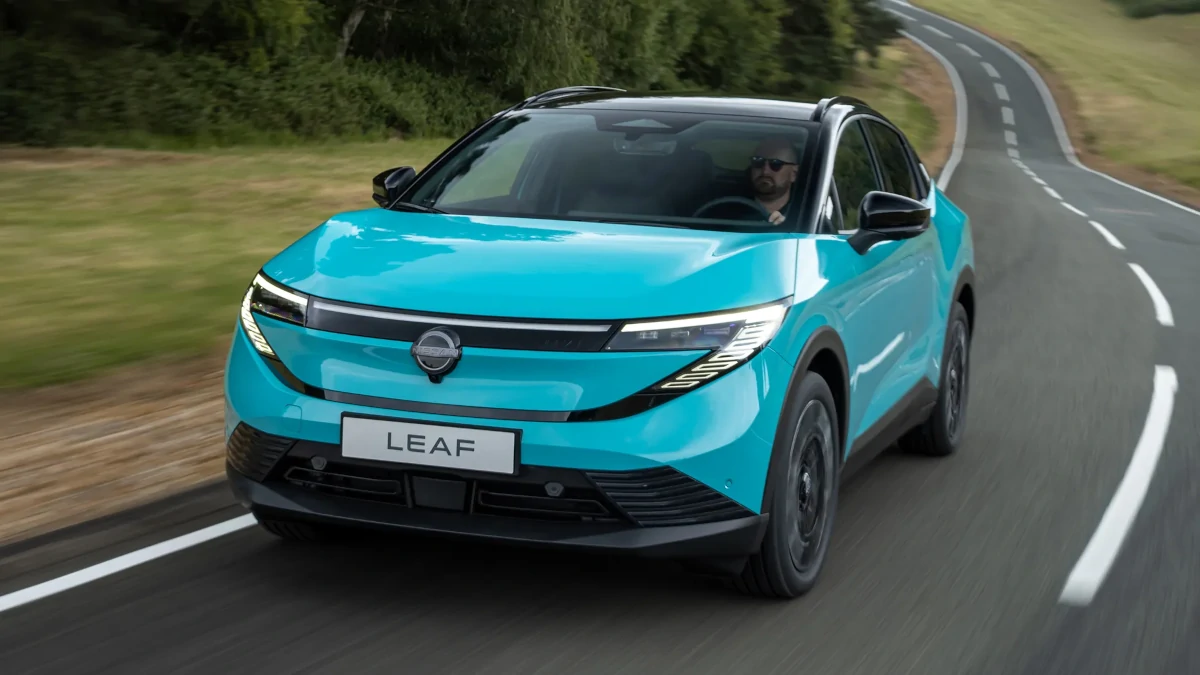
Yes, but gentle acceleration. We were privy to but two laps in a pre-production prototype at Nissan’s proving ground in Japan—a proving ground that strung together a very tempting long straight, a couple of hairpins, and a bit of switchback (for reasons we’re unable to fathom, the pictures above were captured much closer to home, at Millbrook Proving Ground).
We weren’t allowed to go full Tsunoda—mostly because the Leaf isn’t a cursed second seat—but what we gleaned was very reassuring.
How so?
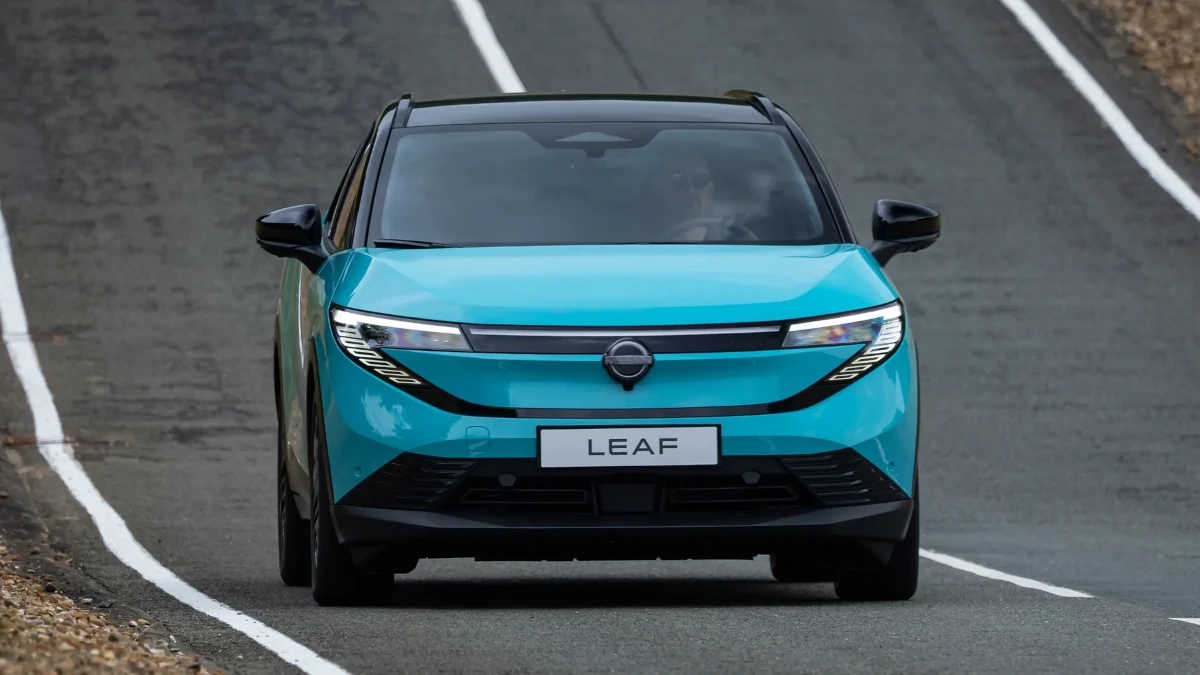
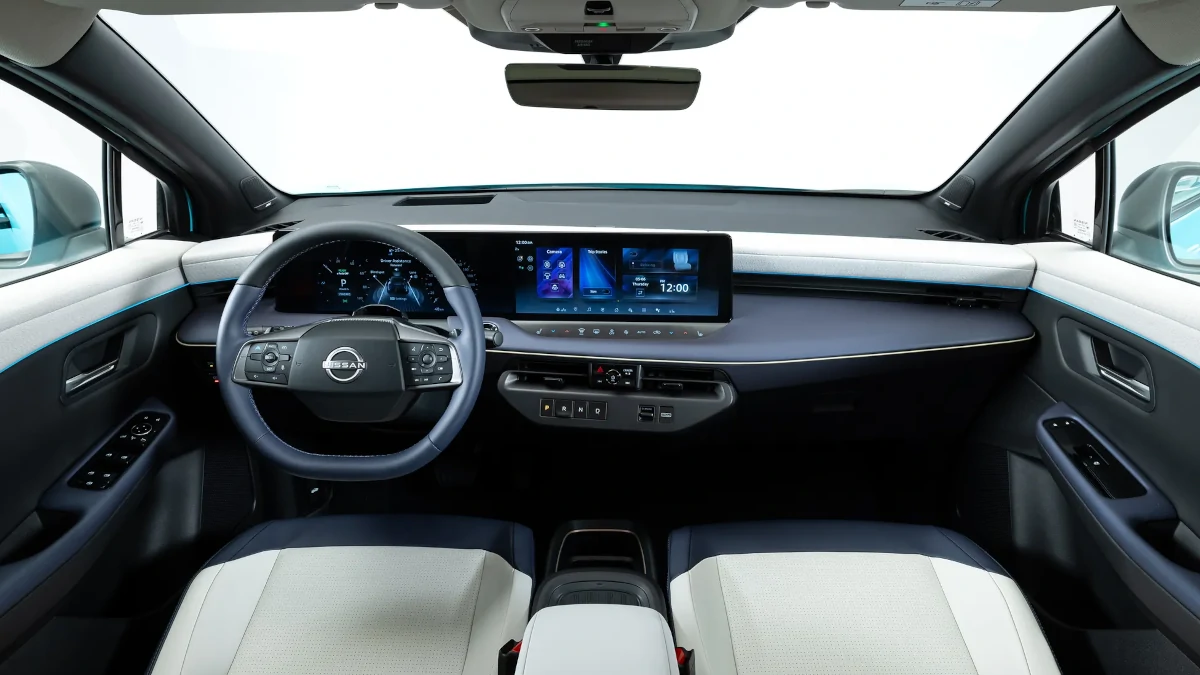
The Leaf has grown up. It feels a bit more premium, both in the control weights of its steering and of its damping. It’s 28% stiffer than the second-gen car, largely thanks to a four-link rear suspension that, according to Nissan, allows it to maintain good ride quality over rougher tarmac without falling to pieces.
Does it?
Admittedly, the tarmac we tested it on was smooth and clean enough to eat your sushi off, but within a few metres, the Leaf already felt composed and, most important for a car like this, comfortable.
It’s even changed the motor mounts to reduce vibration, and it certainly felt calm inside.
Now that it’s 2025, will it smoke an old M3 at the lights?
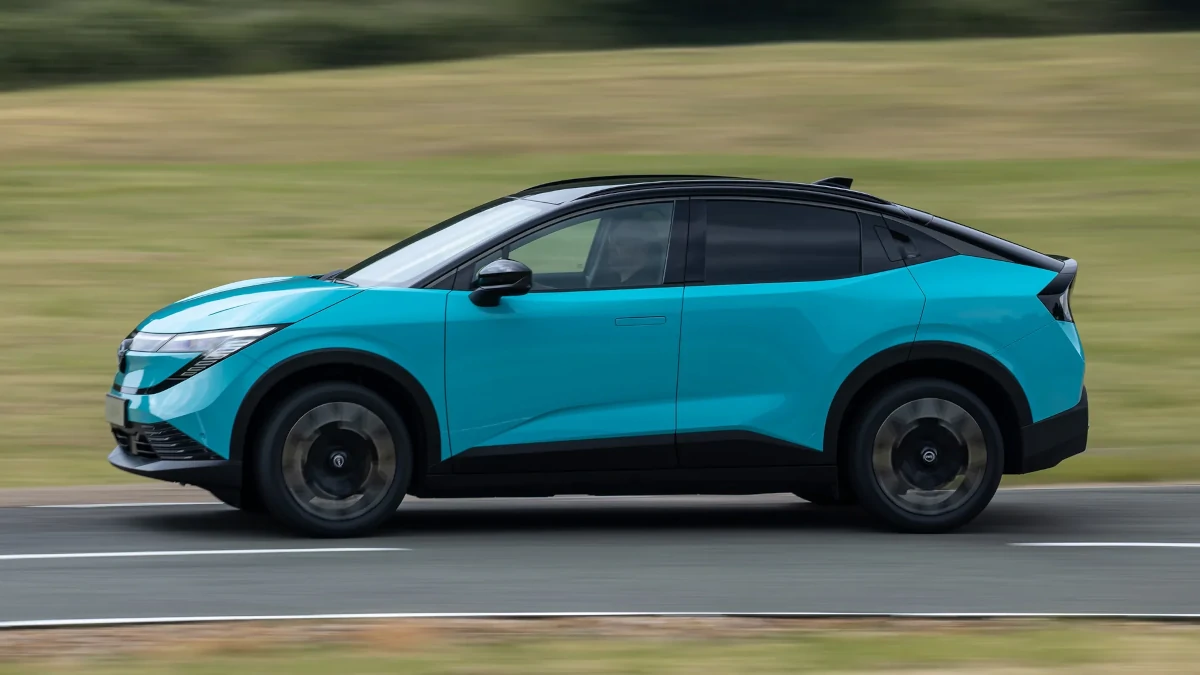
Nissan has wisely avoided the temptation to simply fill the Leaf with neck-snapping accelerative force because—once again for the people at the back—this is a sensible, mainstream family car. And as such, it needs to be measured. It feels like it, at least from the two laps we had.
Nissan has yet to give us a quoted 0-100kph time, but the all-new hatch wasn’t lacking in urgency, nor was it quick enough to trouble an old M3 at the lights.
So, how much power does it have?
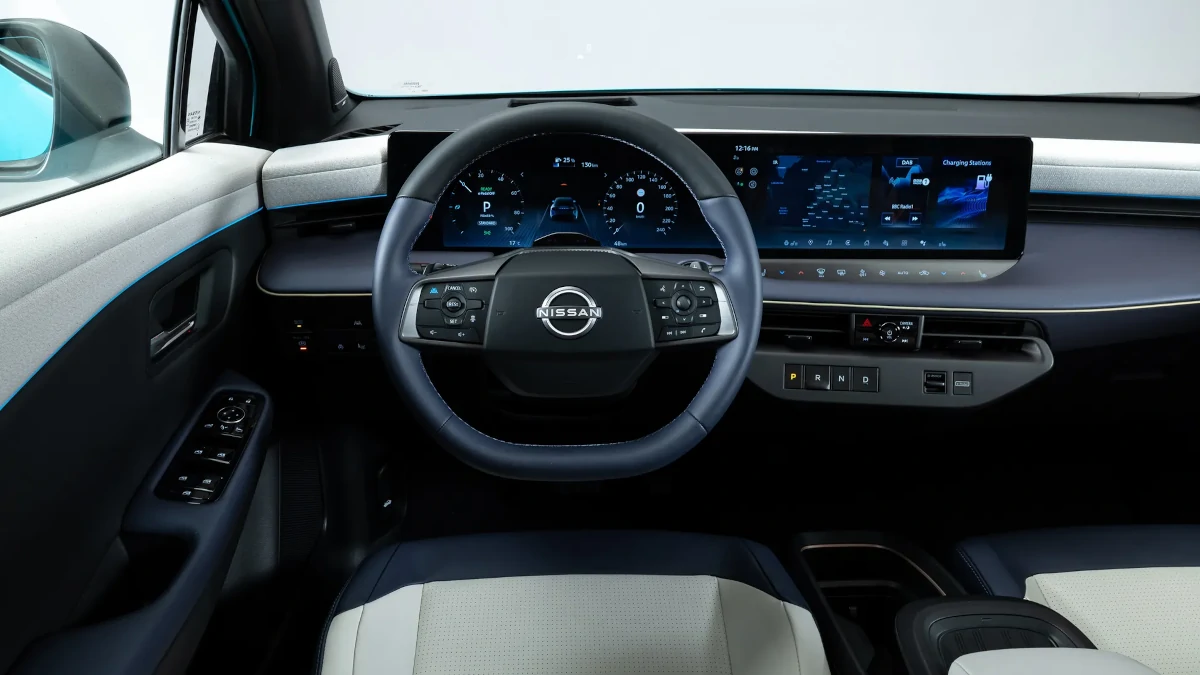
Around 215hp and 355Nm of torque from Nissan’s ‘3-in-1’ drivetrain. That denotes the inverter, motor, and reducer packed within one casing for compactness, powered by a choice of two battery options driving the front wheels.
Both batteries are of course bigger than the outgoing second-gen car: an entry-level 53kWh unit, and a 75kWh version.
And how far will it go on one charge?
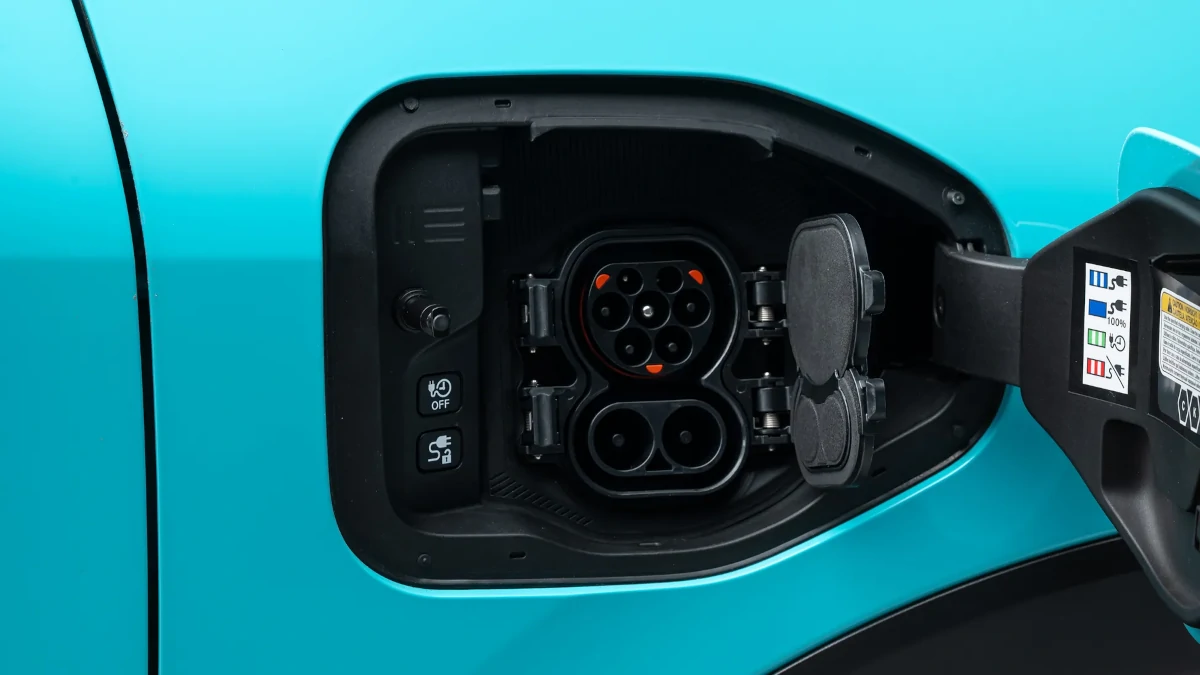
Around 600km, which is an enormous leap up from the second-gen Leaf’s abilities of around 420km. This is largely thanks to the improvements in electrification technology—which, once again for the people in the back, Nissan has been pioneering for over a decade and a half now—and also largely thanks to its shape.
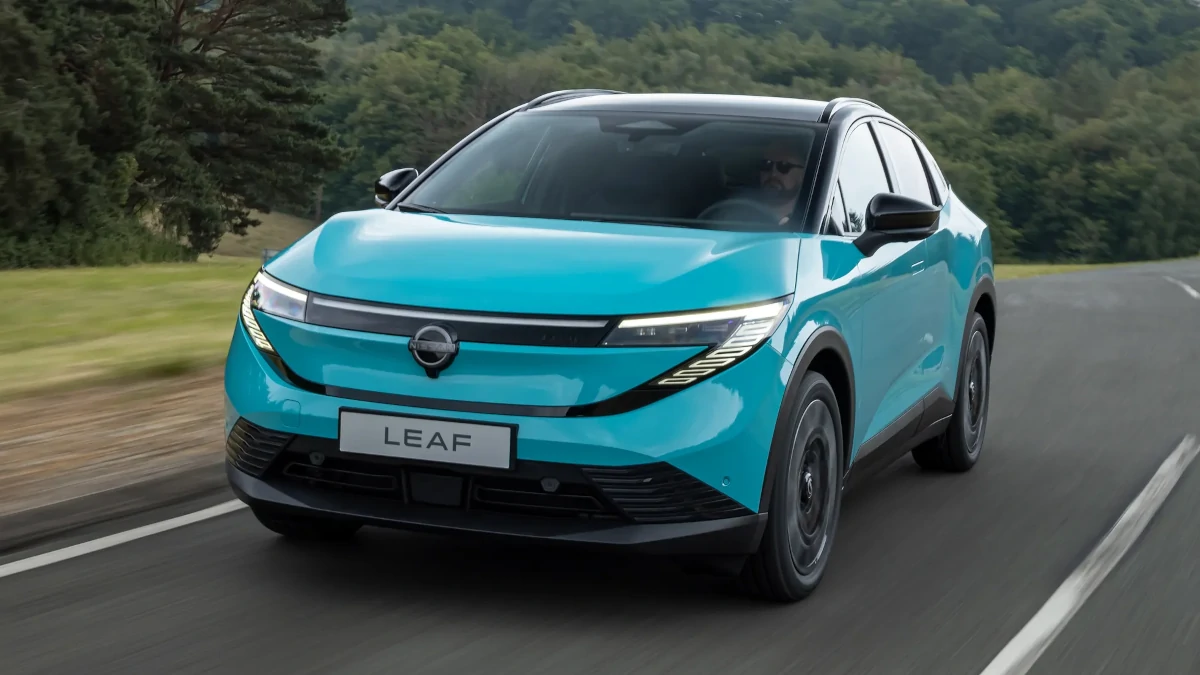
Ah, yes, another crossover. Of course.
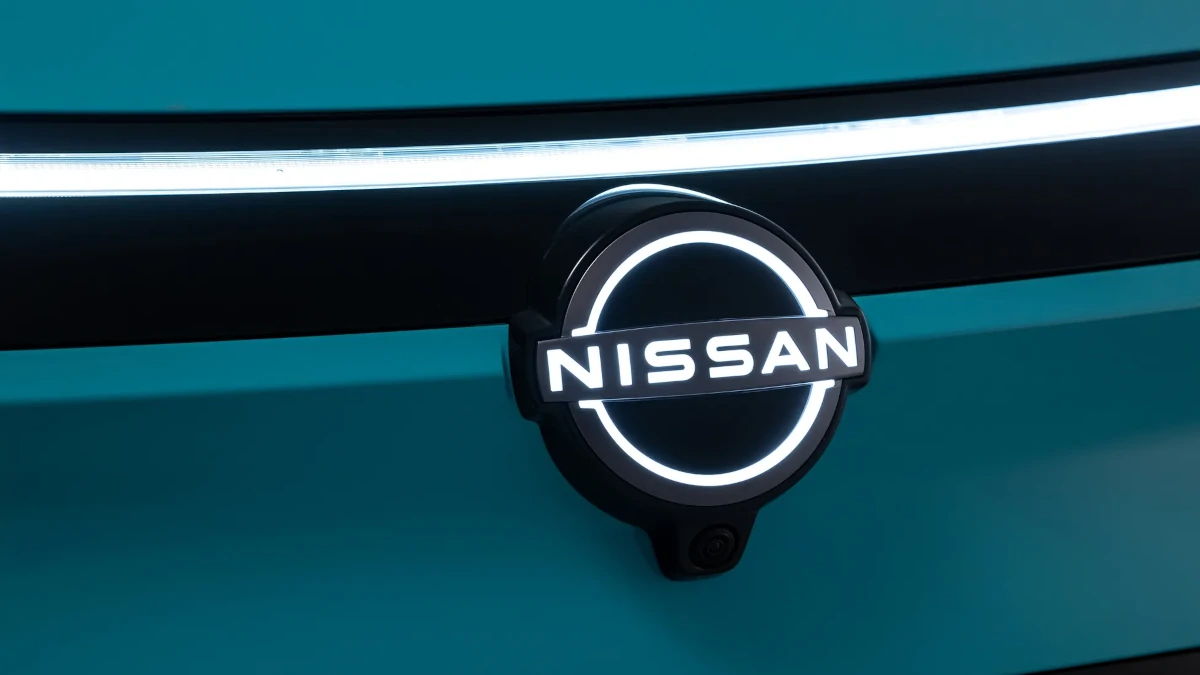
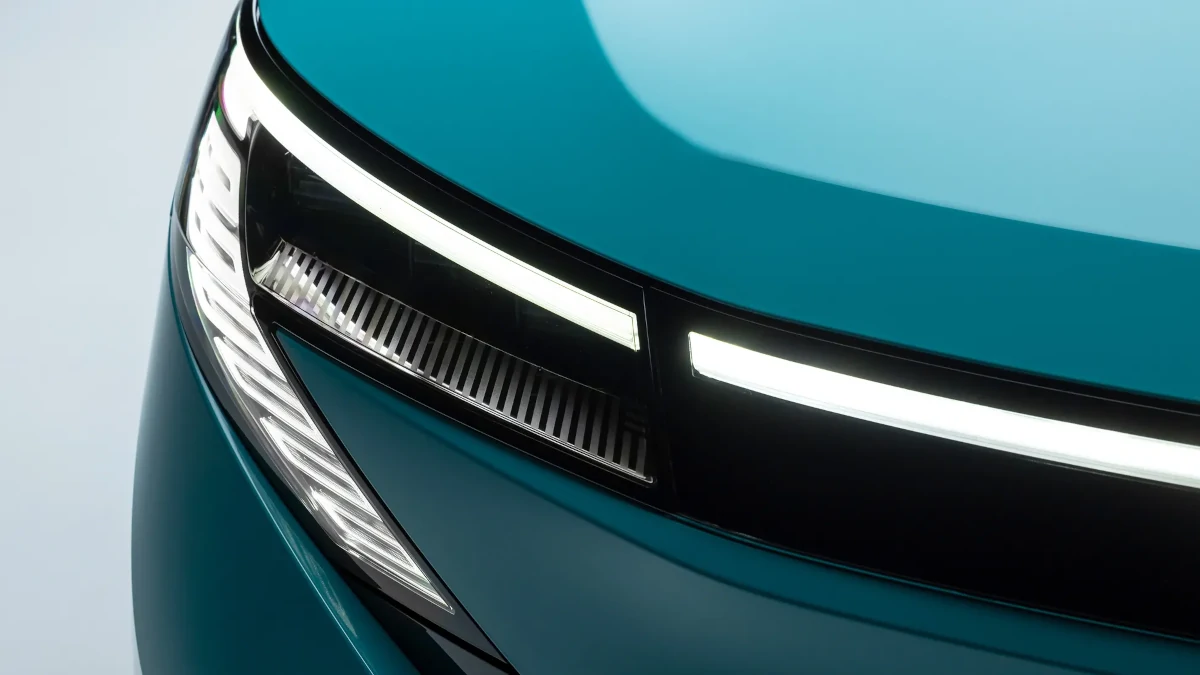
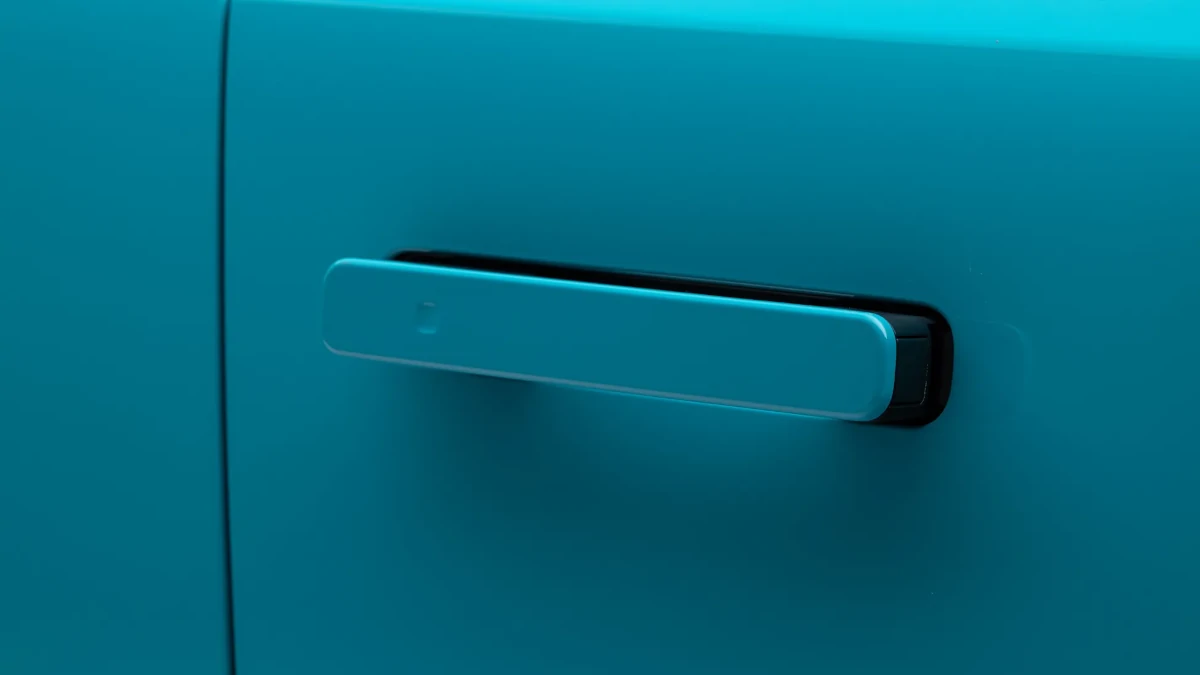
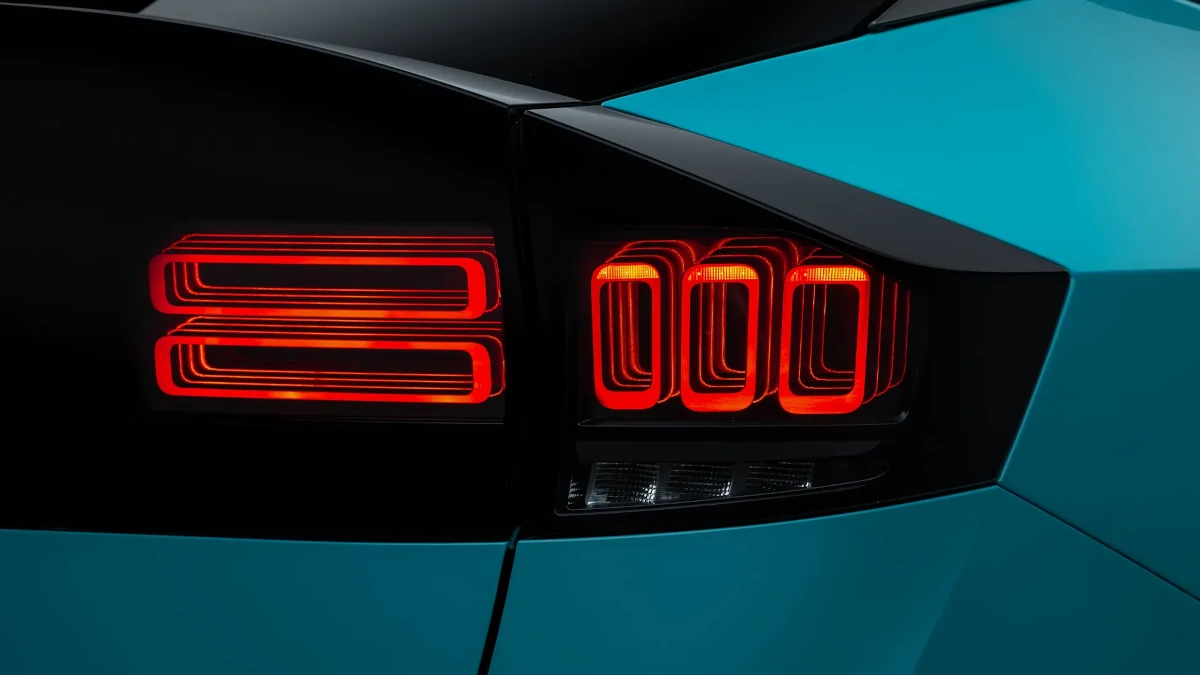
It’s definitely more confident about who it is, that’s for sure. The design team has been led by aero: a smooth grille, a sleek roofline, a tapered rear, a flat underbody, and aero wheels. All of it not to bully and cajole the air around it like a McLaren W1, but rather to glide through it without drama.
Now’s the part where you say, “We’ll reserve full judgment until we’ve driven the final production car properly,” right?
We’ll have to reserve full judgement until we’ve driven the final production car properly, you’re right.
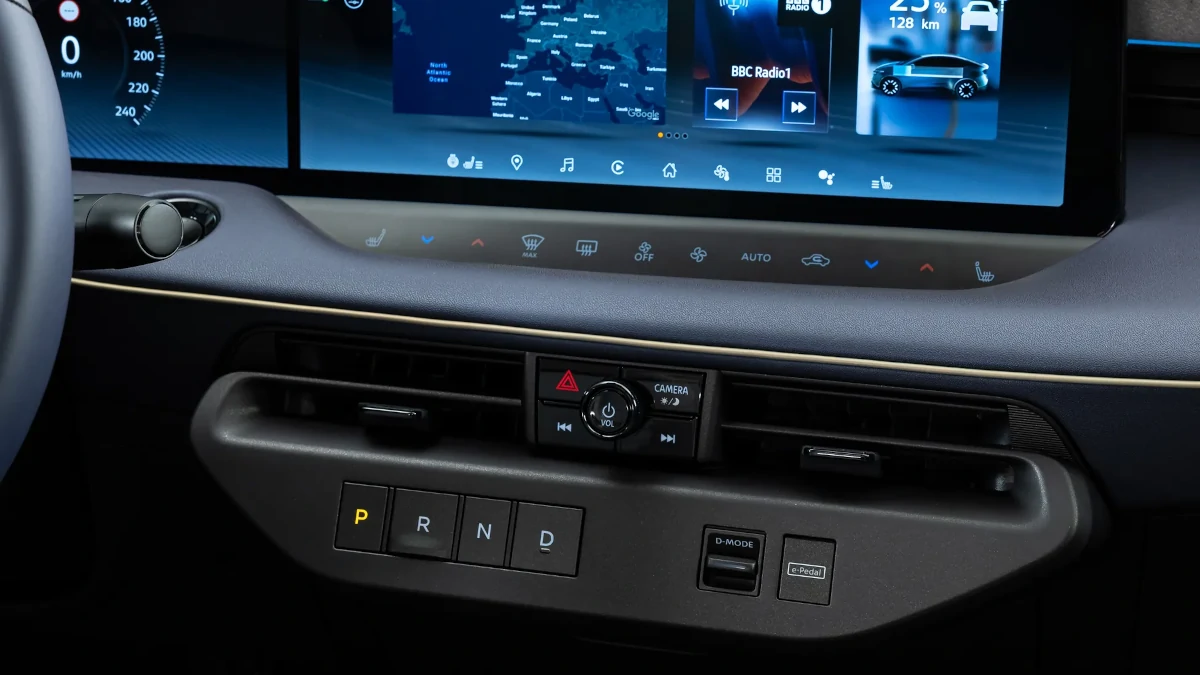
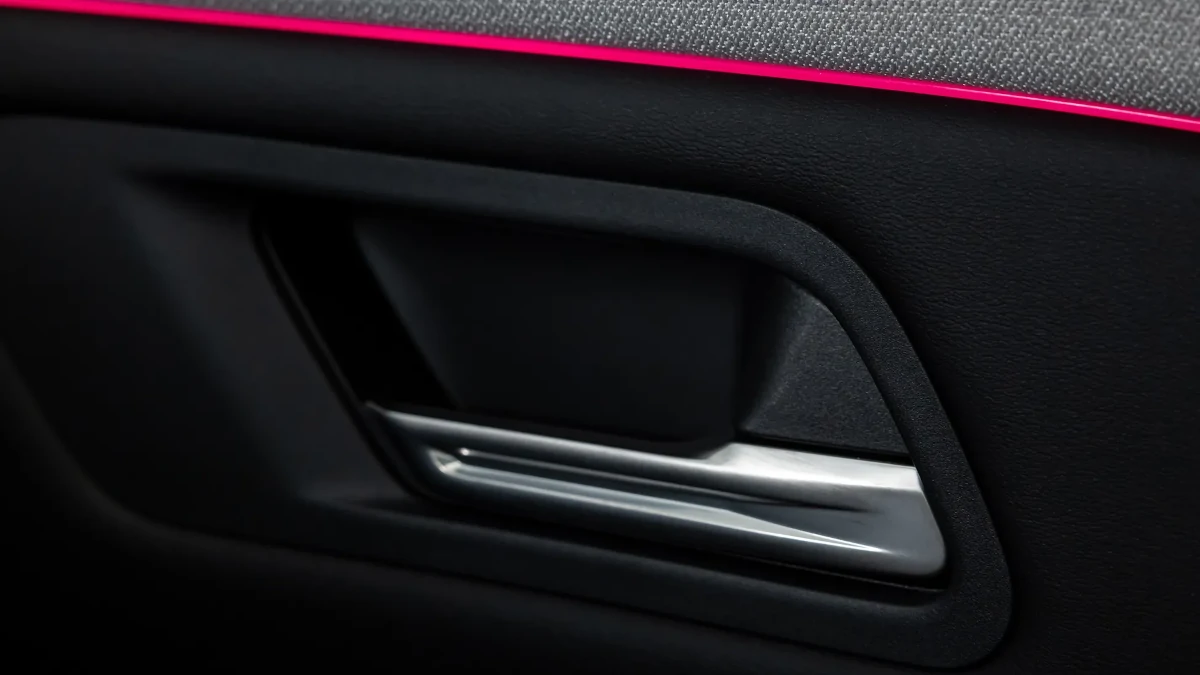
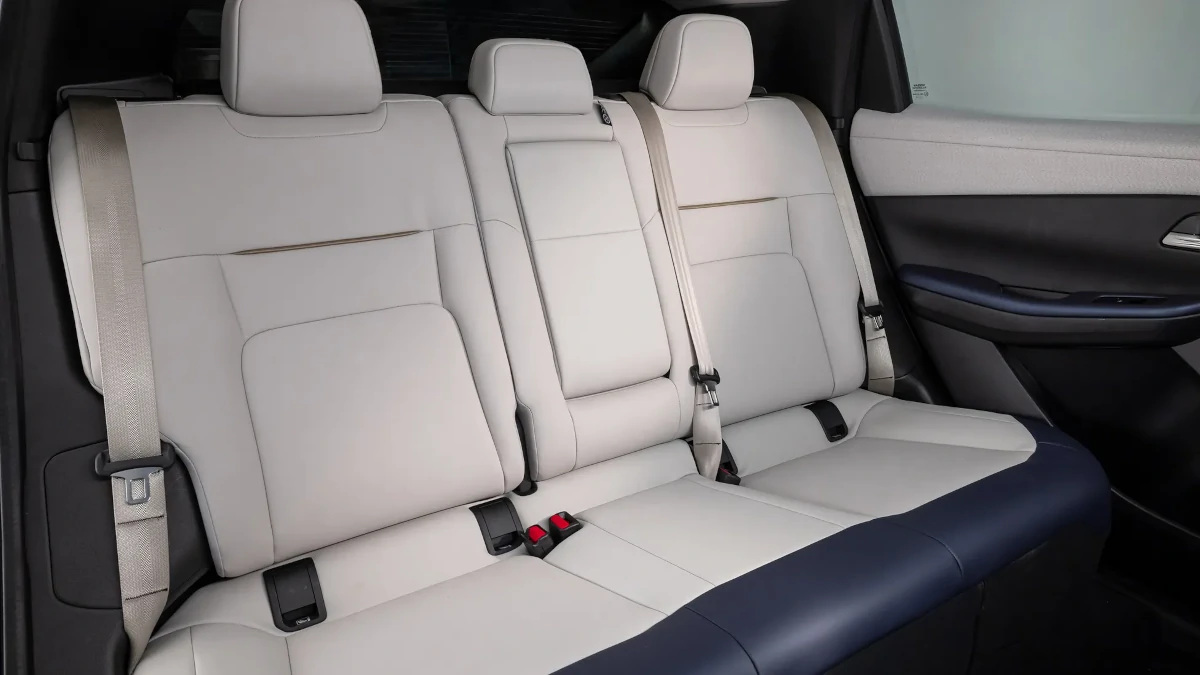
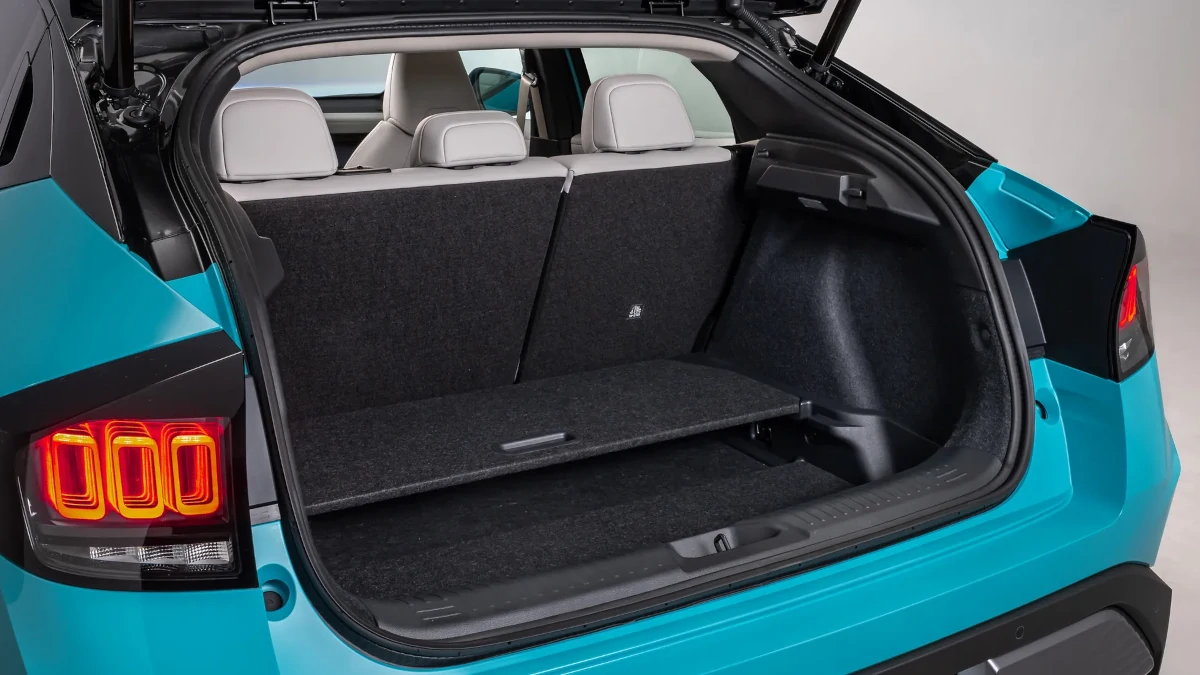
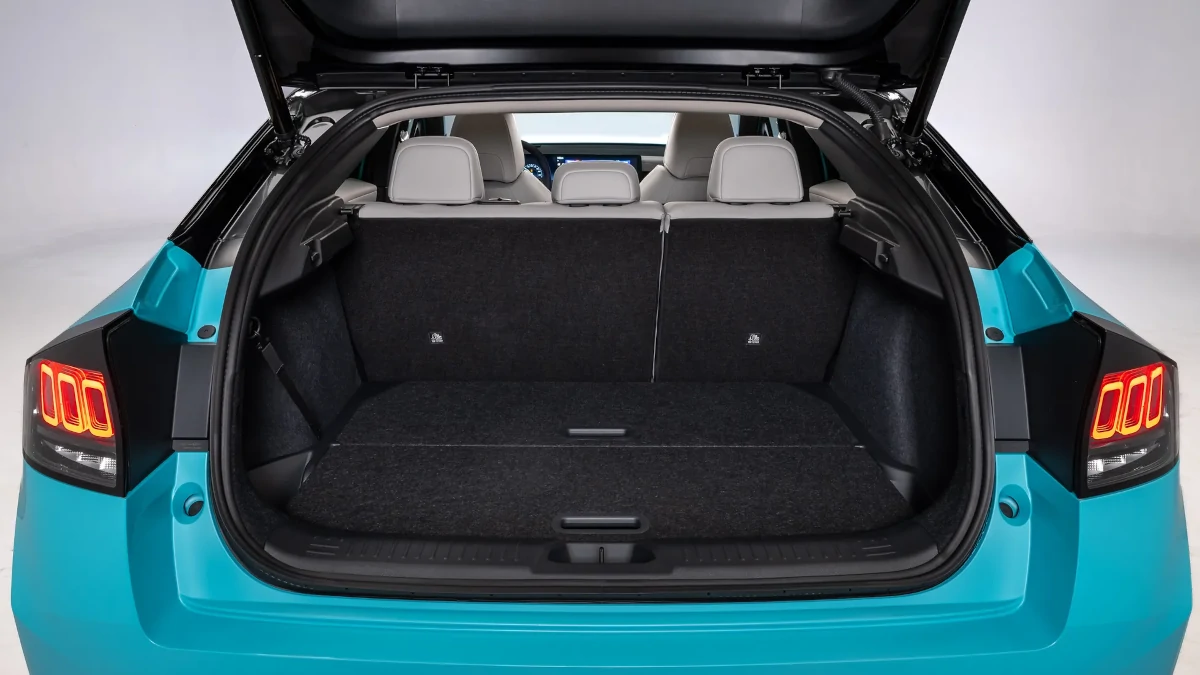
More photos of the all-new Nissan Leaf 2026:
NOTE: This article first appeared on TopGear.com. Minor edits have been made.