To own a car is to risk falling in love. Signing on the dotted line at a dealership could very well spell the beginning of a fairy tale love affair where every passing year means a renewed happy ending. But the love affair can also be tempestuous, filled with highs and lows that make you question whether the constant fighting is worth it.
I’ve been with Top Gear Philippines for nearly seven years. I dare say I’ve driven them all by now: hot hatches, commuter sedans, enough midsize SUVs to make every tito out there jealous, pickups, crossovers, sports cars, supercars, and even handmade luxury tourers that cost more than my entire office’s collective net worth. But it was this car, this humble hatchback, that made me rethink what the ownership experience can and should be.
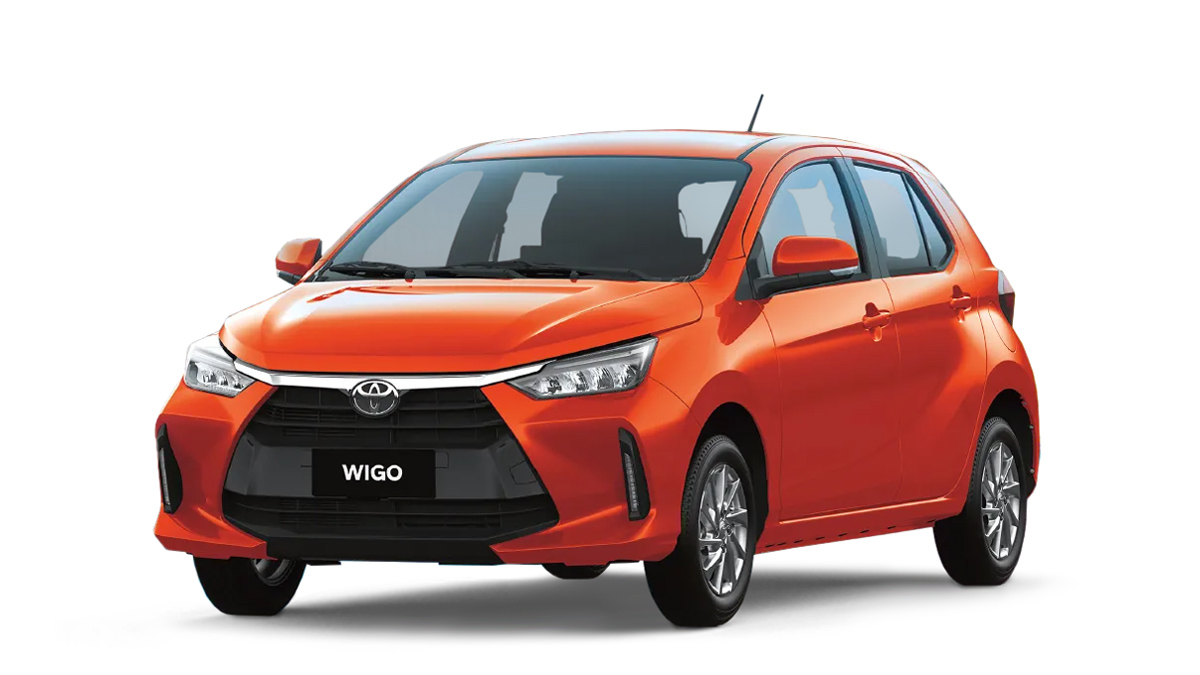
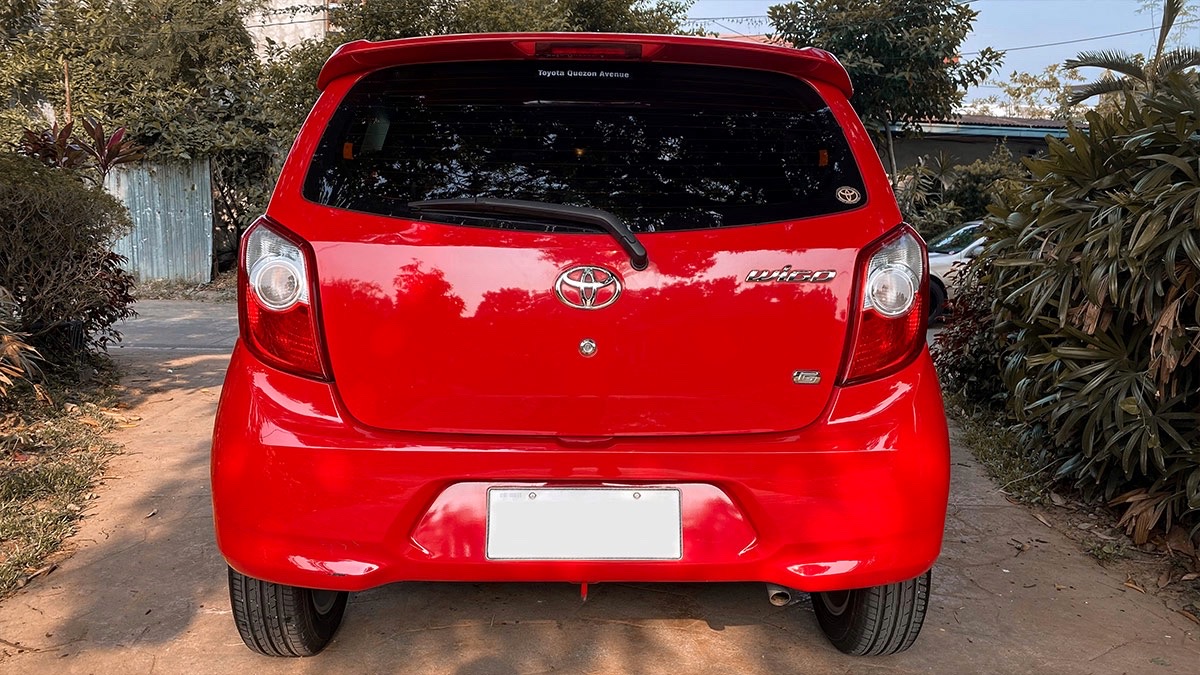
This is the Toyota Wigo G 1.0 AT, the version that preceded the facelift of the facelift you see at dealerships today. This particular unit was purchased in late 2015. Its papers read my fiancee’s name, but I have been its custodian-in-chief in charge of maintenance and upkeep for most of that time, not to mention its secondary driver when the boss requests for a snooze in the passenger seat. Its spec-sheet promised little, but what it has delivered has been priceless.
Styling
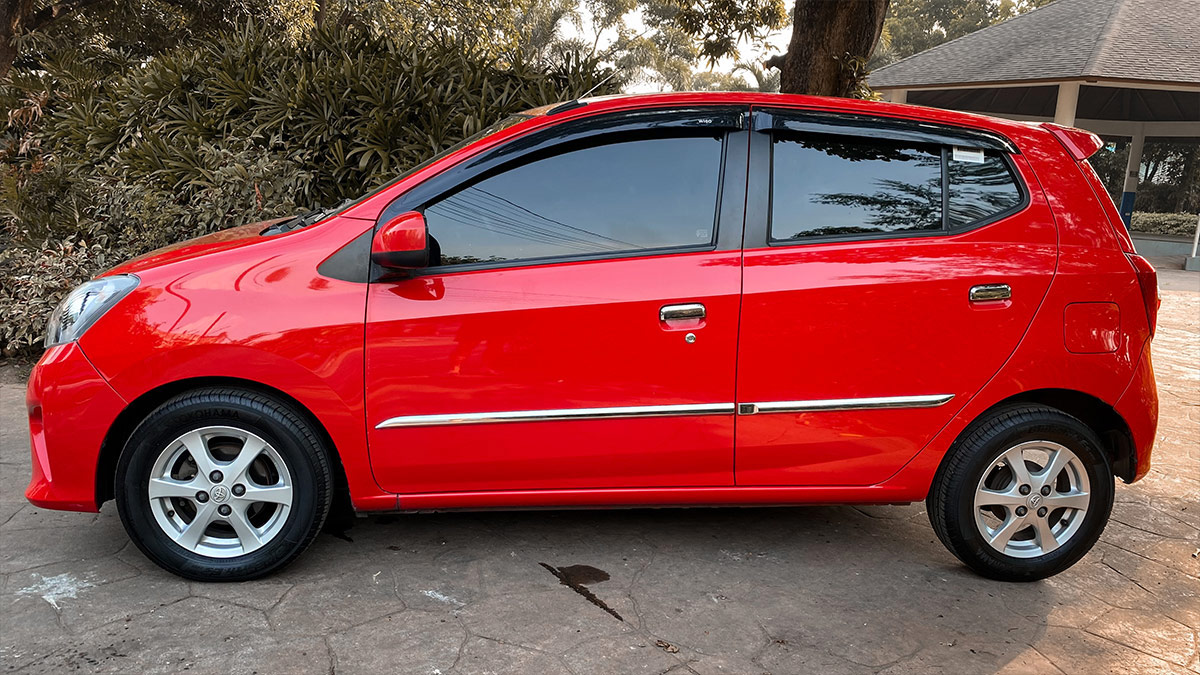
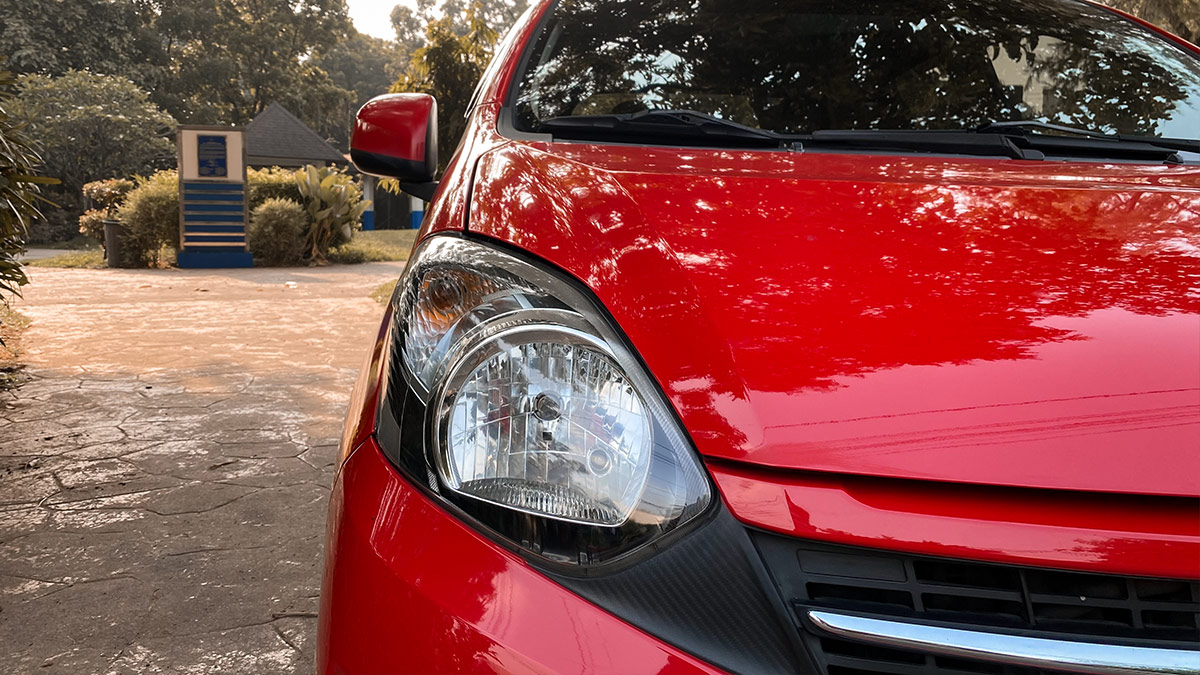
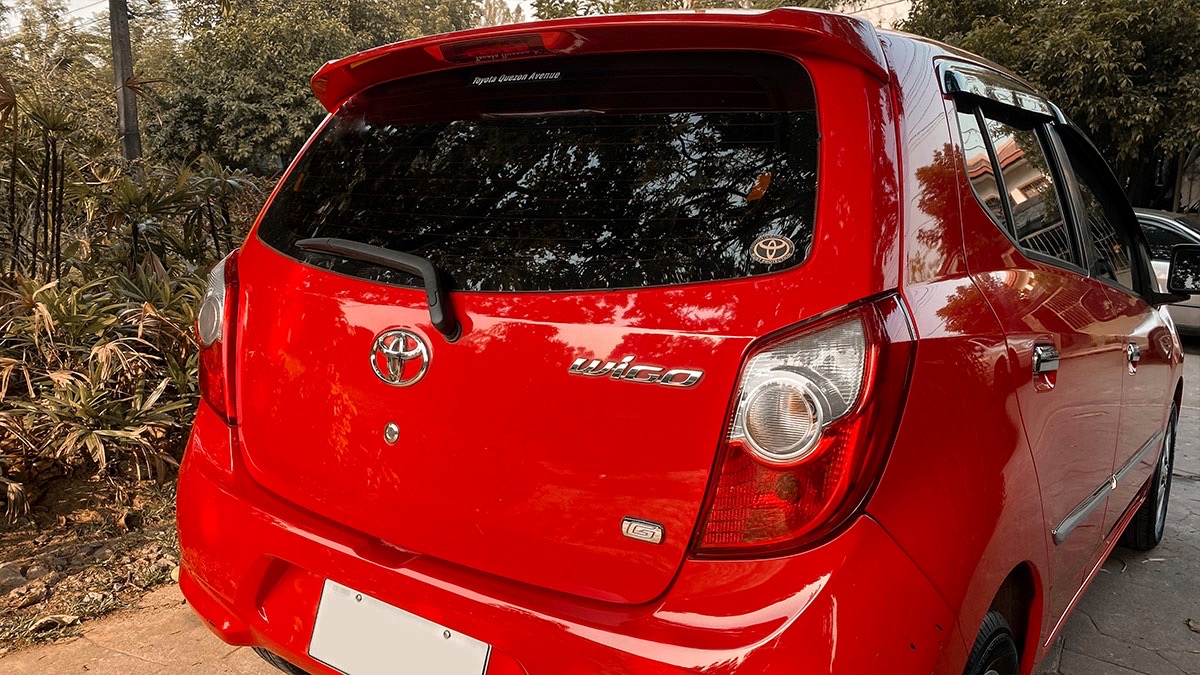
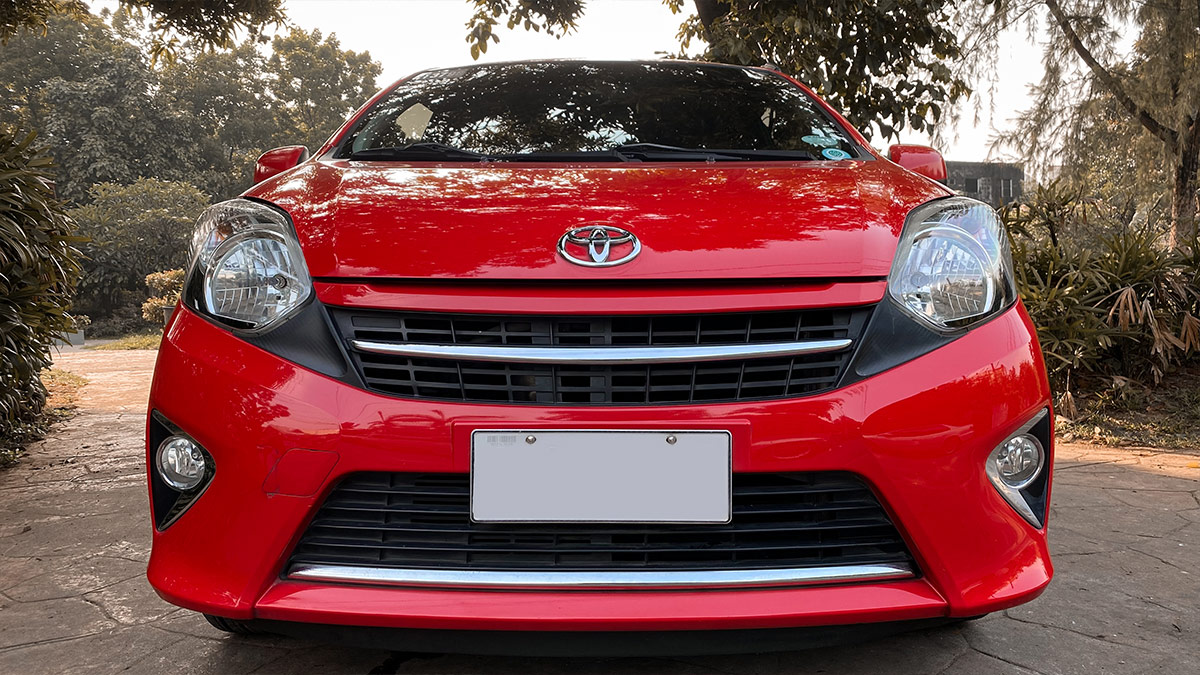
This entry will be short, because there isn’t a whole lot to highlight here. The Wigo gets two large halogen headlamps up front, with a small grille and a tiny chrome strip in between. Underneath is a slightly jutted-out lip with boomerang-shaped chrome accents in the foglamp housing. The sides get a similar strip to match the chrome door handles, while the rear gets large taillights akin to the front and a brake light spoiler up top. Some of the design elements might look at home at your favorite Banawe aftermarket shop, but the overall look is rather simple.
But the simplicity of its facade means it never looks out-of-place even years after its debut. The refreshed versions that followed featured sportier grilles, slimmer headlamps, and a much more modern taillamp design. But those latter elements will soon be seen as products of their era. The original Wigo’s look may be simpler, but it continues to stand up better to the test of time.
Interior
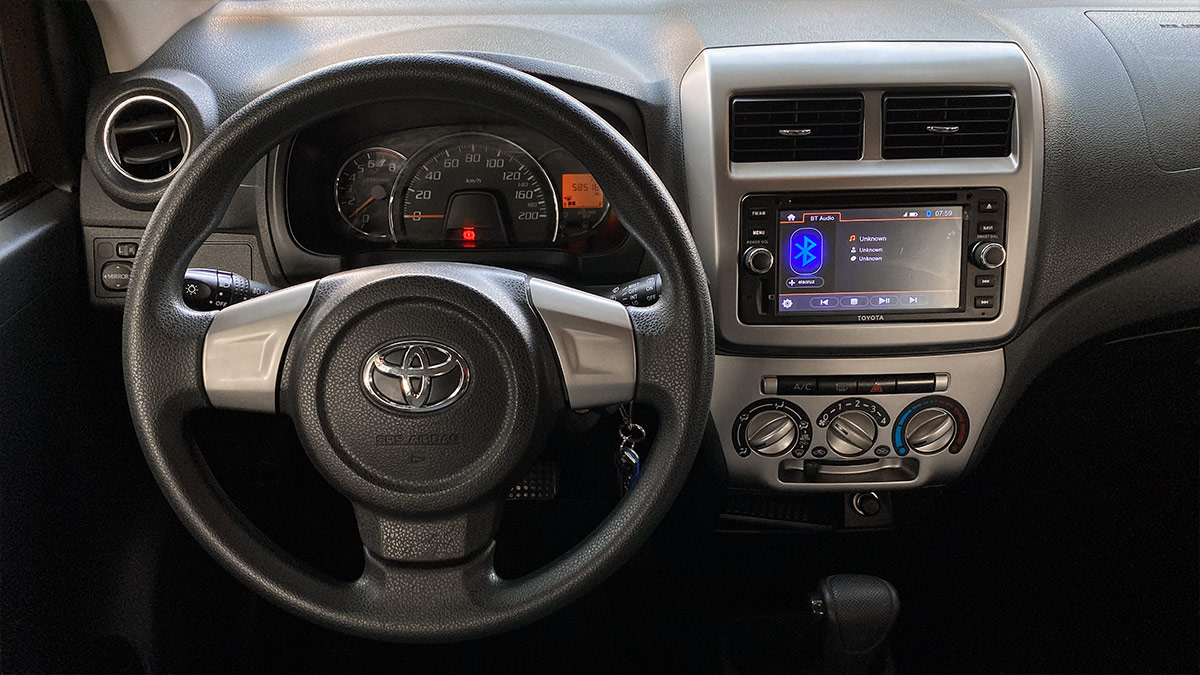
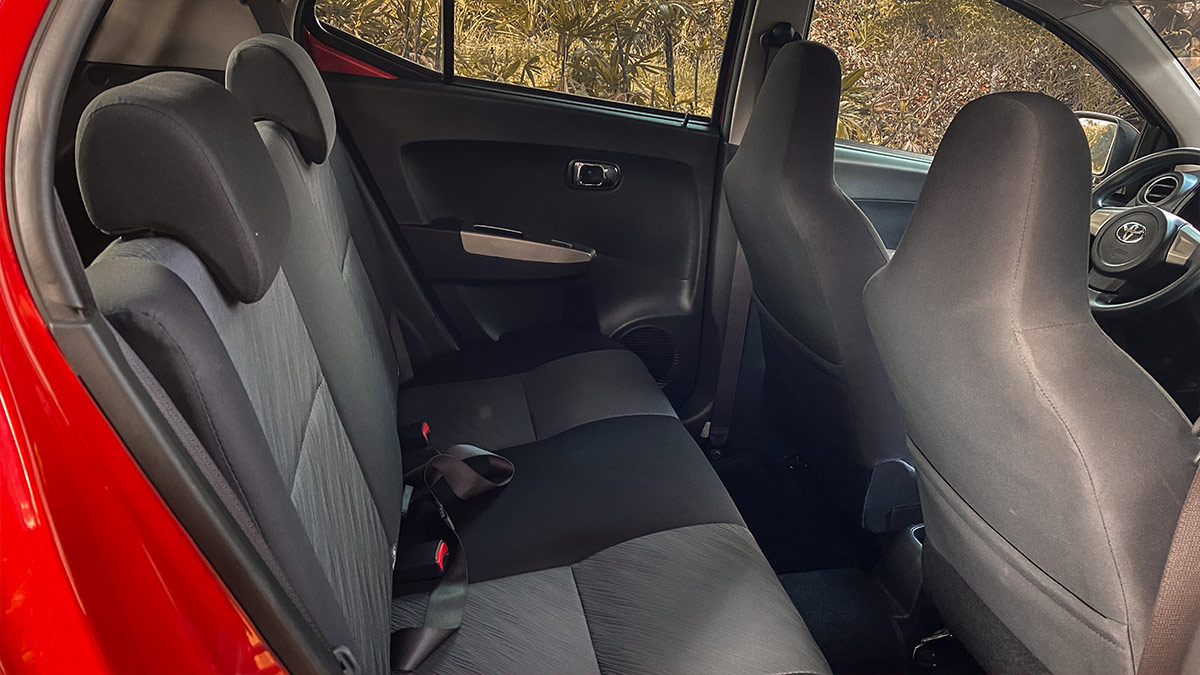
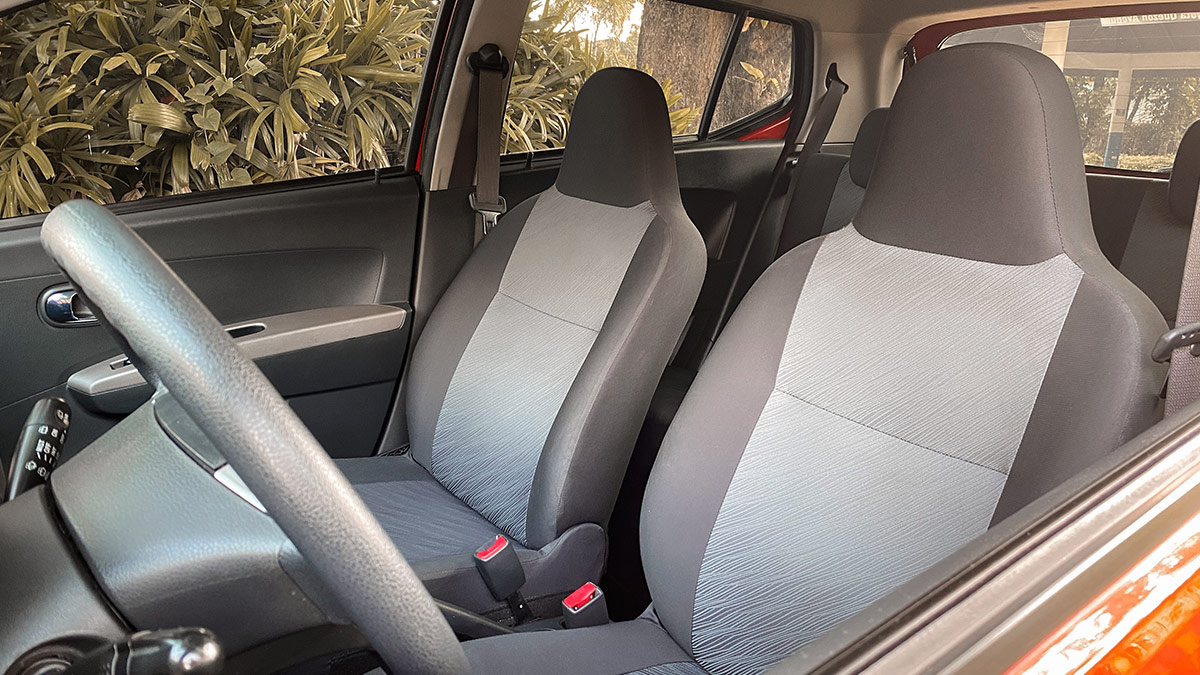
The cabin sees a mix of dark and light gray, beginning with the fabric seats. On the dash, the mix of grays continue all across the knobs, vents, and steering wheel. In the middle sits a 2-DIN (remember that unit of measurement?) touchscreen infotainment display. The system is archaic by today’s standards, but would’ve been revolutionary in an entry-level car back in the day.
Connectivity options include CD, USB, AUX, and Bluetooth. The latter’s operation is hit-and-miss depending on what kind of phone you have, but at least the other connectivity options are available as a backup. The materials in the interior are hardly spectacular, but they are of solid quality despite the occasional rattle, and never faded or frayed over the years.
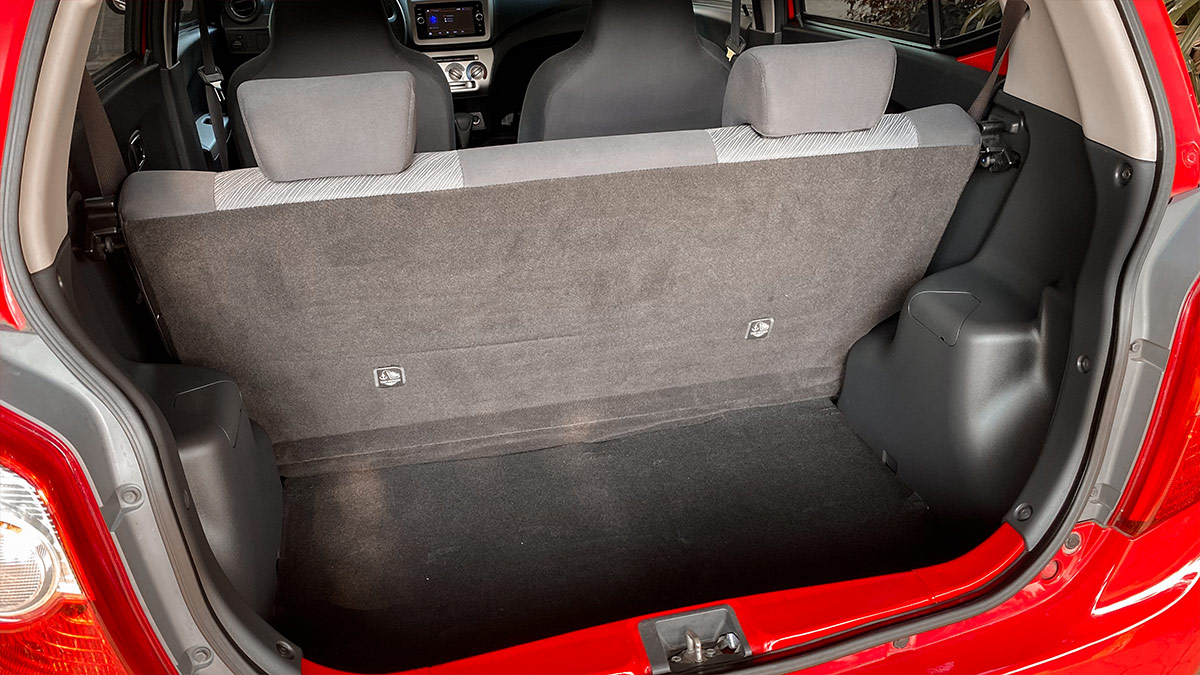
What is shocking in the Wigo is just how roomy the cabin is. Yes, this is a mini hatchback, but you can hardly tell when you have ample room in the front and back seats. I’m only 5’5”, but I’ve seen much taller passengers amble in without much trouble. The generous round door openings are a big help, too. The luggage room in the hatch is respectable, and you can fold the seats down to make more space.
Engine performance
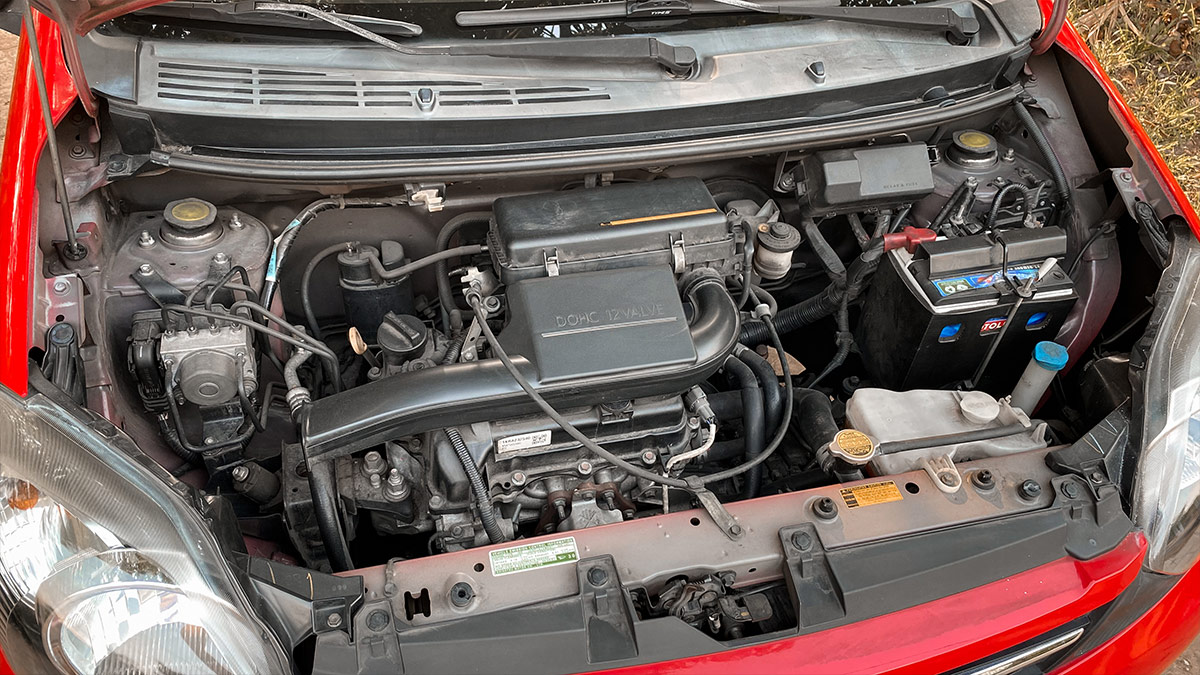
The Wigo runs on a 1.0-liter three-cylinder mill with 64hp and 85Nm on tap, paired to a four-speed automatic transmission. Modest numbers by any stretch, but more than capable for the urban minefield that is Metro Manila. Steep climbs are manageable with enough momentum (and barring that, the third and second gears), while overtakes and highway speeds are achievable once you get past the high revs and customary delay from the slushbox.
Where this engine shines, of course, is in the savings department. In an era of outrageous fuel prices and heavy traffic, having the Wigo at your disposal is a royal flush in an unfavorable deck. It will never be the fastest one on the road, but you can bet your last peso that it’ll outlast those powerful cars in the race to the gas station. Even in the most congested conditions, this humble hatch still manages to eke out anywhere from 10 to 12km/L.
Ride and handling
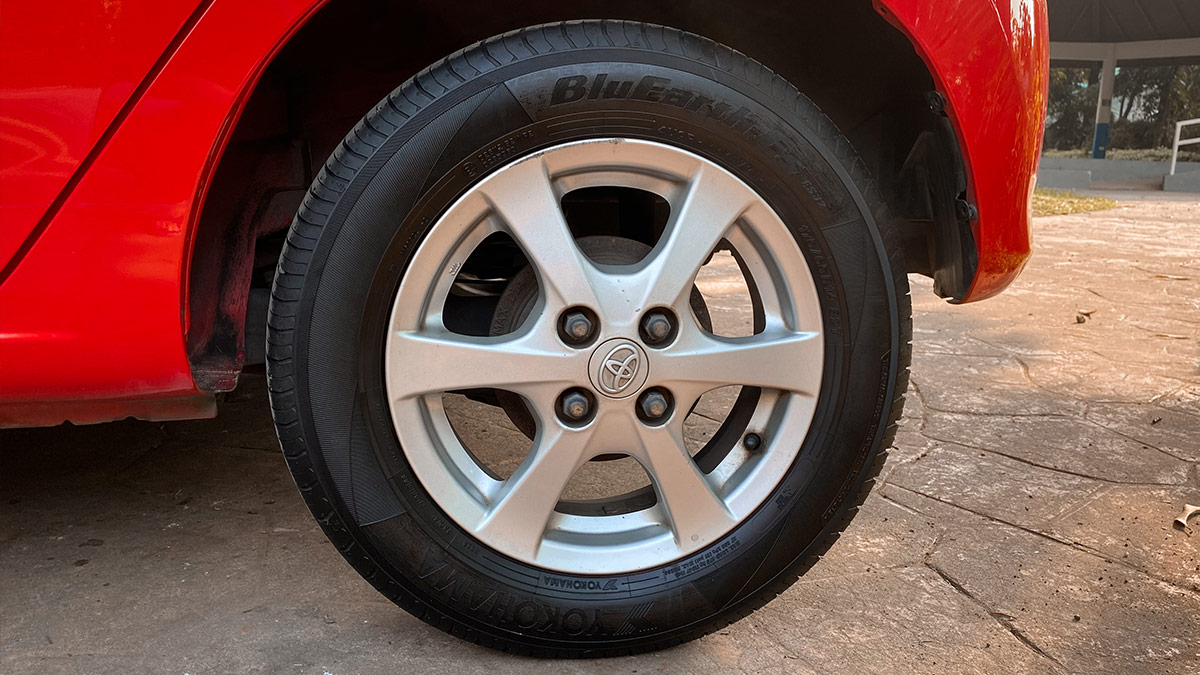
This version of the Wigo runs on 14-inch tires paired to MacPherson struts up front and a semi-independent torsion beam in the rear. Minor pockmarks are absorbed well enough, but bigger bumps do tend to be felt inside the cabin—so much so that harsh rumble strips need to be taken at a cautious pace. Its ground clearance is a respectable 180mm. Couple that with a short hood and overhang, and you’ll find yourself conquering most steep driveways quite handily.
The steering, despite the car’s diminutive size, is heavy when compared to modern power steering setups. The tiller is responsive enough, though its ability to return to center is limited, meaning you’re left to do most of the work.
Extra features
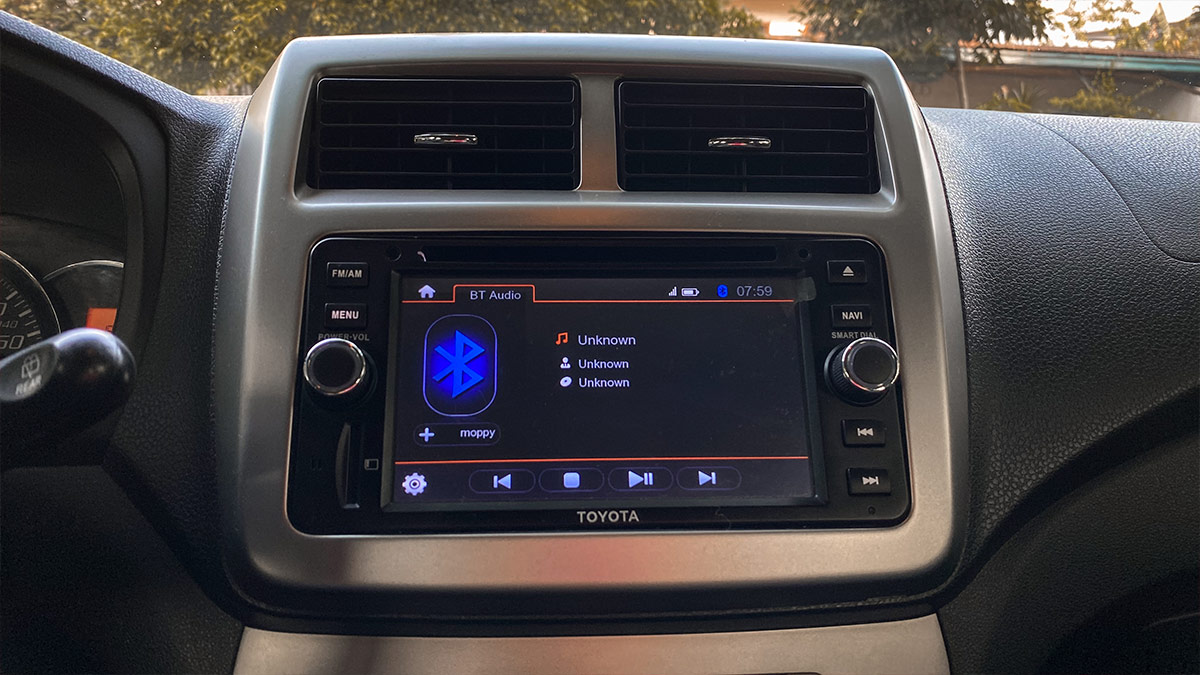
Aside from the aforementioned touchscreen, this then-top-spec hatch gets power windows, power-adjustable side mirrors, power door locks, dual airbags, ABS…and that’s it. The spec-sheet reads like something from the decade before this car actually came out. Still, for an entry-level ride, this Wigo provides all you need with a few extra luxuries to help you through your daily grind.
Ownership experience and verdict
Let’s get the common flaws out of the way first. With this car having a three-cylinder engine, vibration complaints are common, as are issues with the engine mounts after a couple of years. The spark plugs prove troublesome from time to time, too.
But otherwise? The Wigo is a testament to the fact that car ownership needn’t be a complicated love-hate relationship. You needn’t love its performance but hate how much it hurts your wallet. There is no such thing as tiis-ganda with this ride. The classic Toyota reliability resonates all throughout your ownership journey. The post-warranty casa PMS costs for this car averaged between P4,000 to P8,000 for major fixes.
The Wigo isn’t the seductive one-night stand that tempts you at first glance. No, this is your best friend that remains steadfast by your side through thick and thin, in sickness and in health, until deed of sale do you part. Not every moment will be perfect. Some days will be downright mundane. But it will always support you, sometimes silently, other times at full volume when you need it. The kind of best friend you will build endless little memories with.
And it’s when you look back on those small moments that you realize that they were the big ones all along. That impractical sports car that gets your adrenaline pumping on the highway might feel good for a few seconds, but it’s cars like this mini hatch that stay with you through job interviews, first dates, personal problems, and major milestones, and smile beside you as you feel over the moon over and over. It gets you where you need to go, and will do so time and time again. It’s the Scottie to your Michael. The Honda to your McLaren. The groom to your bride.
SPECS: Toyota Wigo G 1.0 AT 2016
Engine: 1.0-liter DOHC three-cylinder
Transmission: 4-speed automatic
Power: 64hp @ 6,000rpm
Torque: 85Nm @ 3,600rpm
Drive layout: FWD
Seating: 5
Score: 20/20