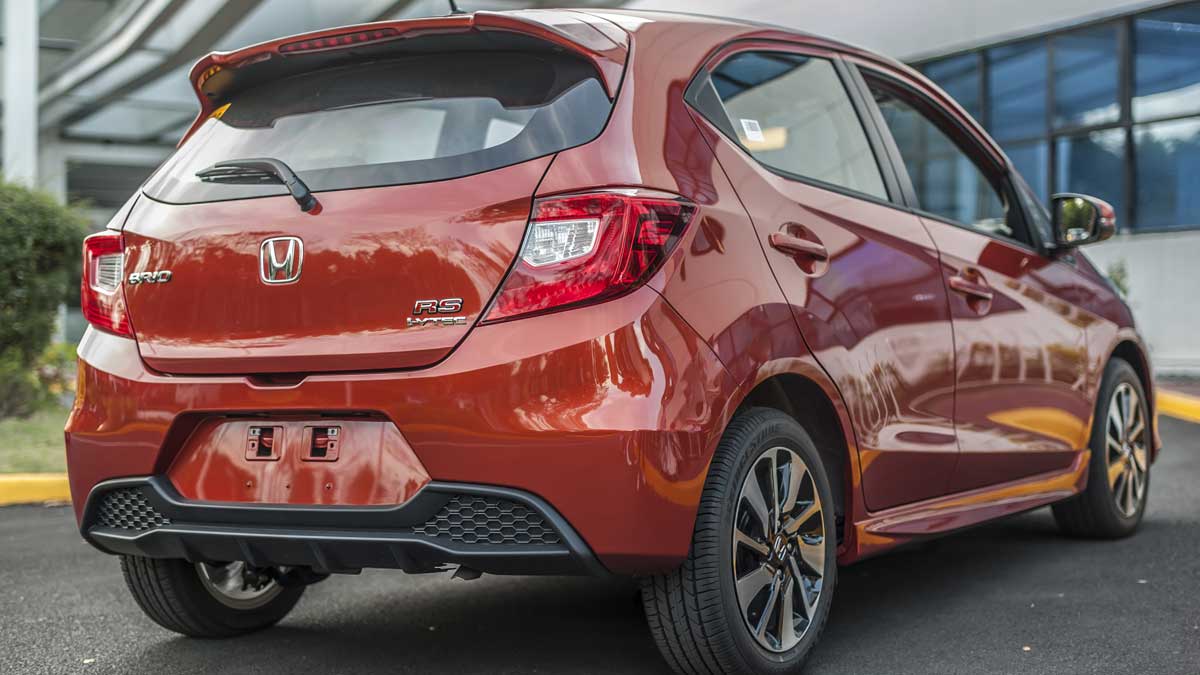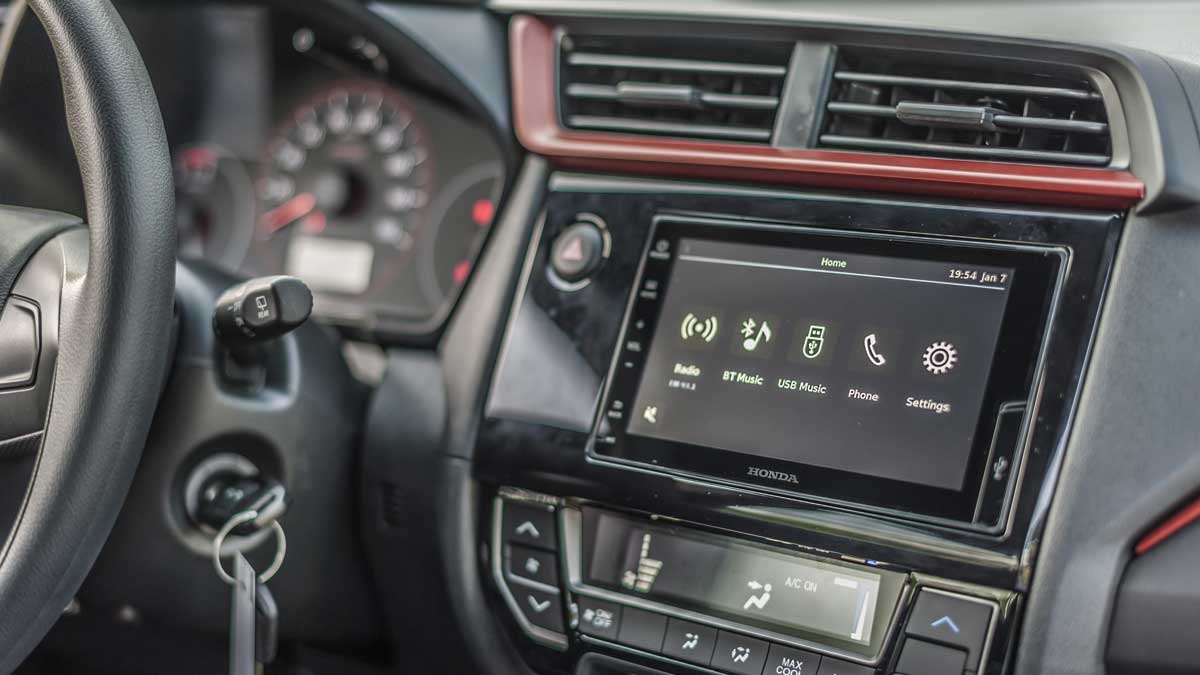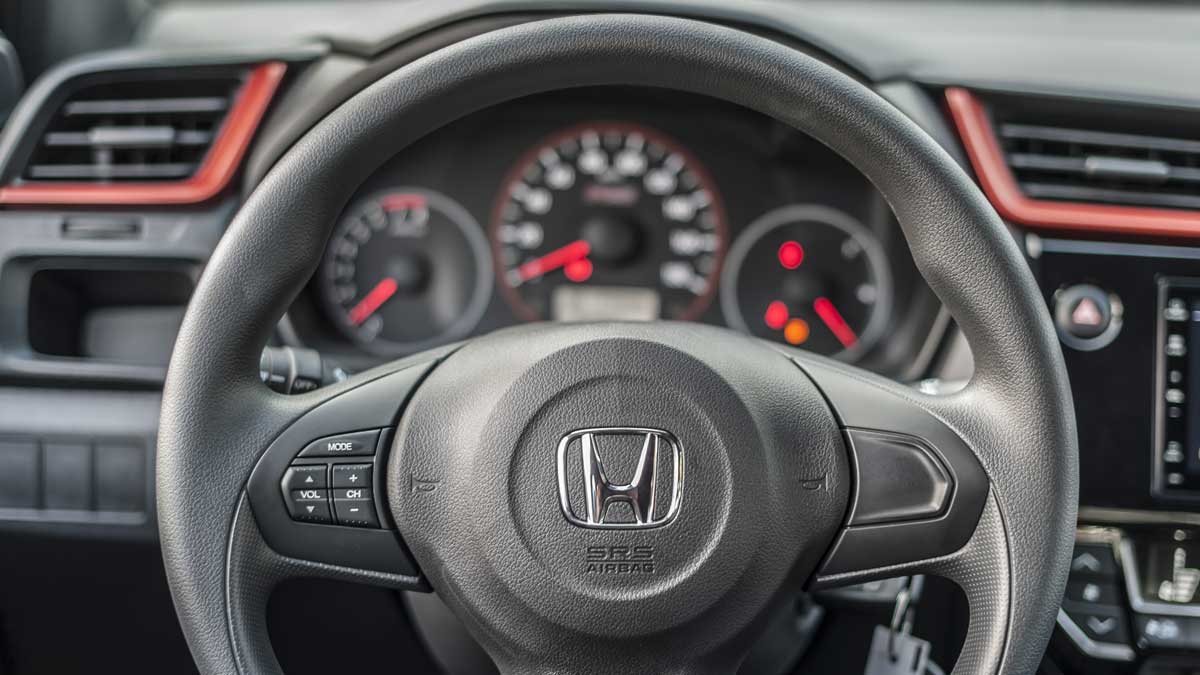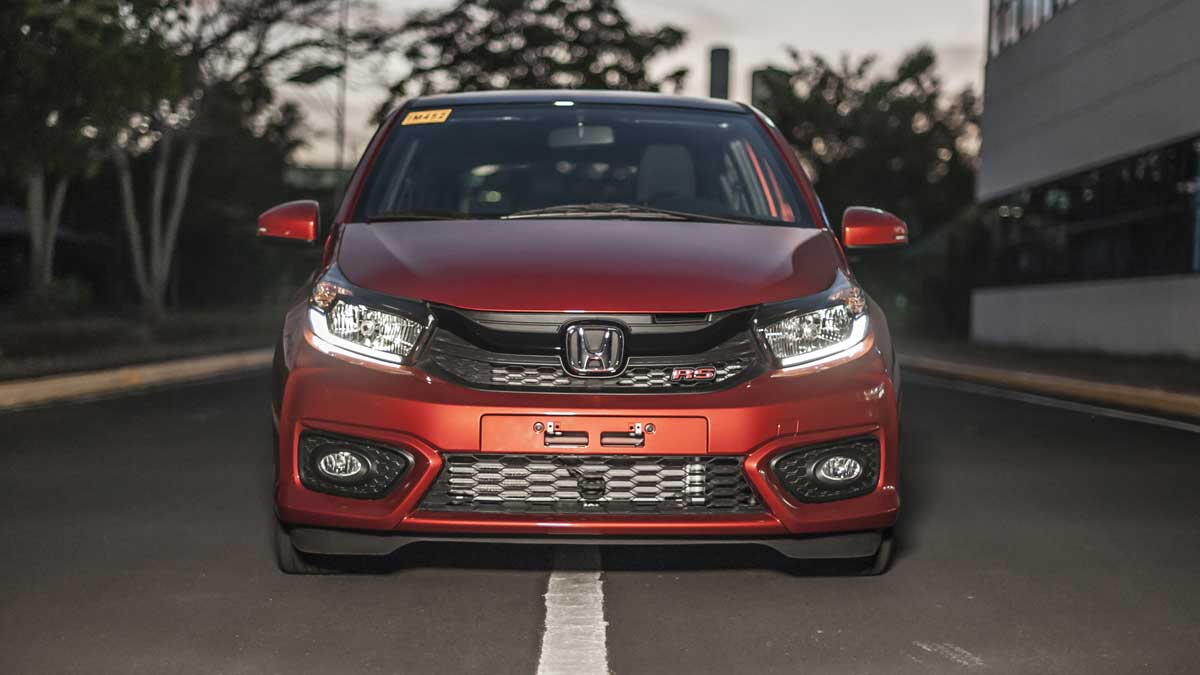
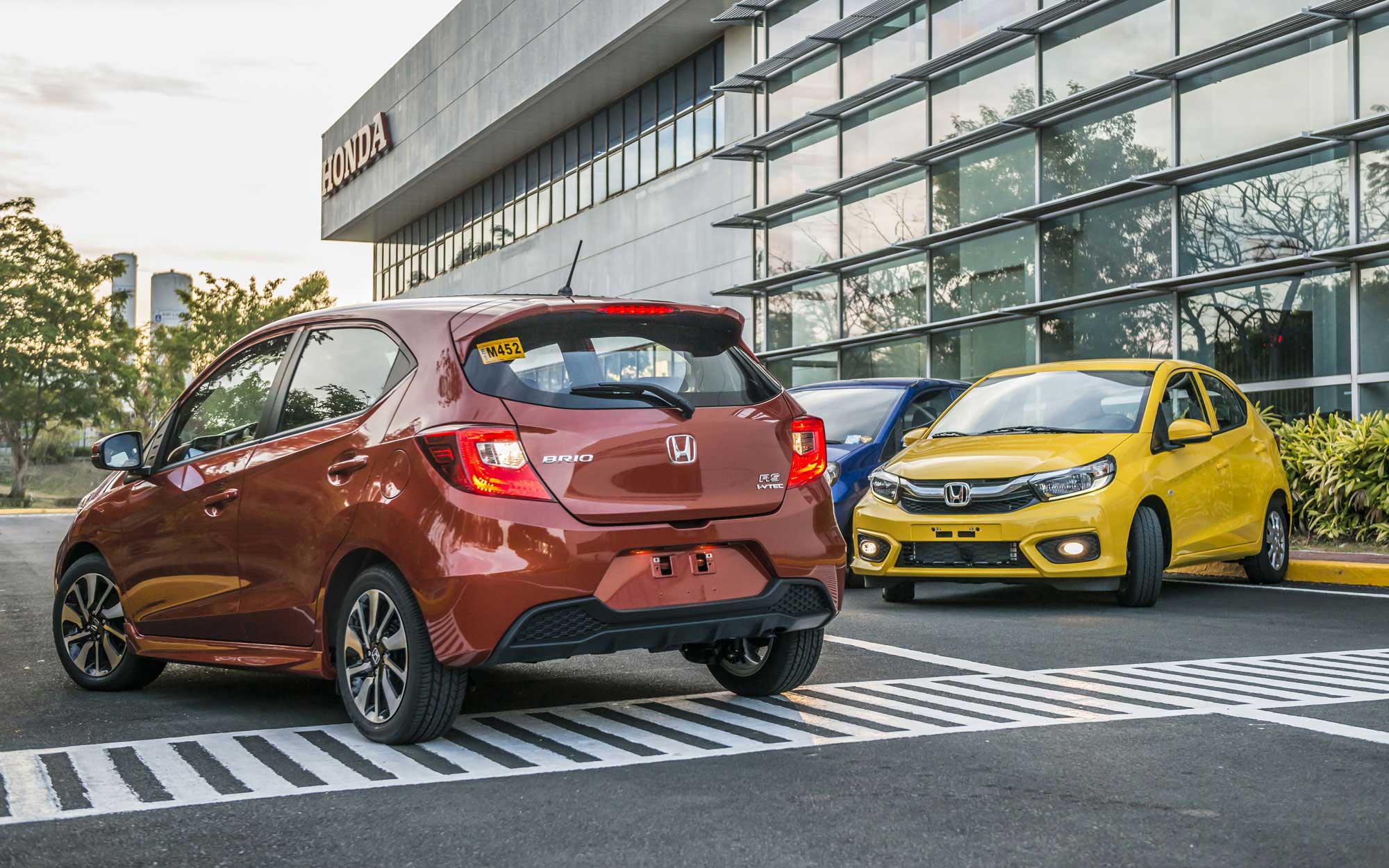
When Honda showed off the NSC (New Small Concept) at the New Delhi Auto Show back in 2010, it was signaling its intent to tackle the economy-car class in developing markets. This was a segment in which Honda had struggled due to its high-priced (though arguably high-quality) offerings compared to its competitors. Thanks to aggressive content localization, it managed to capture some market share in India and Thailand.
The Philippines, however, has proven to be a tougher nut to crack. When the Brio launched here in 2014, we were impressed by its stylish charms (okay, so the chrome taillights are a bit naff) and lively demeanor. But it lacked the impressive utilitarianism of its big brother, the Honda Jazz. In the three years it took Honda to bring the Brio here, we’d seen an explosion of practical little hatchbacks such as the Celerio, the Mirage, and the Wigo—cars against which the Brio was found wanting in terms of utility, despite beating them handily in terms of performance. The P100,000 price difference was simply the final straw. Not even the slightly larger four-door Amaze variant could compete against the taxi specials.
Despite this, the new cheap car platform has paid off for Honda, spawning the seven-seat Mobilio MPV, followed by the BR-V crossover-SUV...uh, thing. Okay, so maybe the BR-V is just an MPV on stilts, but it boasts style, utility, and a decent price, which are reflected in its sales. Given how easily Honda had found some extra space in the platform for seven seats, we were left wondering how long it would be before the Japanese carmaker finally applied this know-how to the original, left out to dry in the back corners of the showroom.