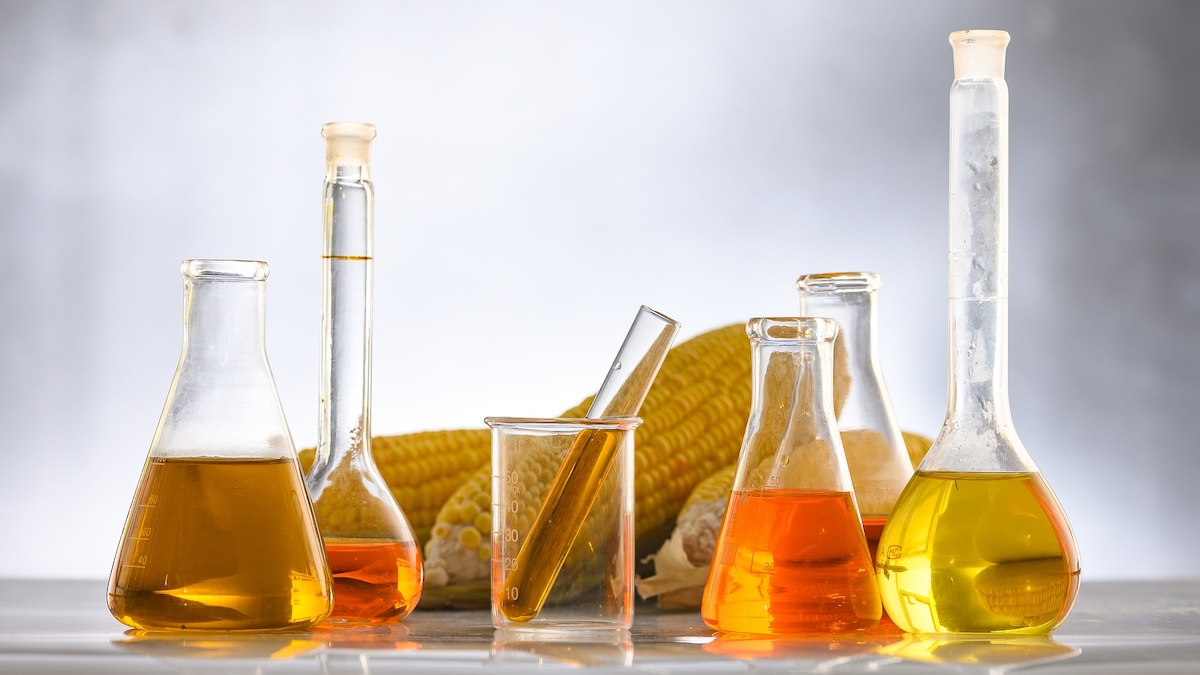
What are biofuels?
Put simply, they’re liquid fuels made from renewable resources. ‘Bio’ is a prefix that makes a lot of stuff very cool: biosphere, bionic (anything), biodiversity. By the dictionary definition, it means ‘life’ derived from Greek. Biofuels by this definition are fuels derived from organic matter, as in crops.
What kinds of crops make biofuels?
There are two key types of biofuel: bioalcohol (bioethanol, biobutanol, propanol) and biodiesel.
They’re usually made from corn, cottonseed, rapeseed, maize, nettlespurge (jatropha), soybeans, sugar beet, sugarcane, sunflowers, and wheat, to name, er, pretty much all of them. Sugar- and starch-based crops make bioalcohol, while oils and animal fats can be used to produce biodiesel.
OTHER STORIES YOU MIGHT HAVE MISSED:
In 2028, BMW will have a hydrogen-powered production car in its lineup
The BYD Sealion 6 DM-i just went from Manila to Ilocos and back on just one full tank
Why is there so much fuss about biofuels when coal, oil, and natural gas are, well, naturally occurring, too?

True, they’re naturally occurring, but they also take aeons to form and there isn’t an infinite supply. Those crops take far less time to grow, get farmed, and be turned into biofuels—again, and again, and aga...you get the picture. Sustainability, yeah?
You’ll also know by now that when they’re burned, coal, oil, and natural gas emit harmful gases—primarily carbon dioxide—and pollutants. They interfere with the earth’s natural atmosphere and create the greenhouse effect. In turn, that’s causing the earth to warm more quickly.
Biofuels, on the other hand, are considered carbon-neutral: The plants grown to make them swallow up the carbon dioxide that’s produced again when they’re burned as fuel. Plus, they emit fewer greenhouse gases and pollutants when set on fire than fossil fuels.
Of course, reducing reliance on oil and natural gas has bigger geopolitical implications for governments looking to establish greater energy security, too.
Good point. Moving on, why grow plants for fuel when some folks are starving?
You wouldn’t be the first to ask. There’s a longstanding debate on the subject of diverting agricultural land to growing food to burn. In defense of biofuels, many are produced from waste feedstock rather than the main crop.
Can I put my food waste and veggie oil remnants into my gasoline car, then?
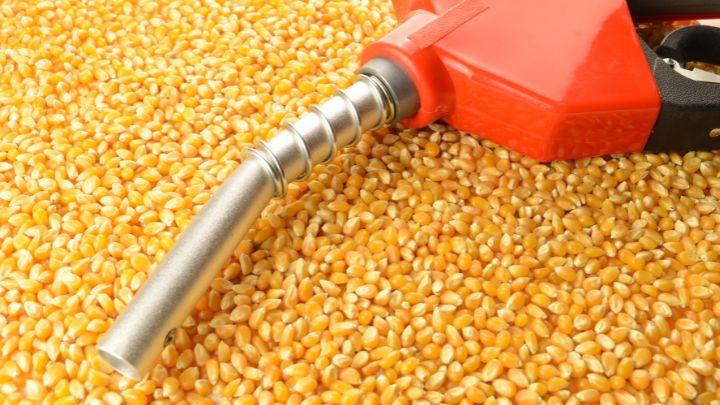
You cannot. Well, you can...but it’s going to make one helluva mess to clean out.
It is the case that cooking oil can be added to diesel cars in small quantities—like in an apocalyptic emergency—without doing too much damage. However, the viscosity of veggie oil is different from that of diesel and can properly clog your engine. There’s a process of ‘transesterification’ (try saying quickly). That helps separate the glycerol from the oil, so it can be removed and thus no more clogging.
Increasing numbers of commercial enterprises that use vast quantities of oils in their products (fast-food restaurants, we’re looking at you) sell their used oils to companies that transesterify vats of the stuff to sell on as HVO, or hydrotreated vegetable oil. Neat, planet-friendly policies for the win.
These biofuels sound all good. What is the downside?
The cost. Currently, biofuels, despite being faster to produce, aren’t cheap to churn out because in the same way oil from the earth needs to be refined into its components, the biomass needs to be broken down into useable components. Boffins around the world are working on ways of tackling this current challenge, involving pretreatment of the organic matter.
Right now, though, biofuel prices are anything from 70% to an eye-watering 130% more than gasoline and diesel on the wholesale market, according to the European Federation for Transport and Environment’s 2022 data.
How do I get involved in the biofuel movement?
Technically, you probably already have. If you drive a modern gasoline car, you’ll likely be refueling with E10. That’s the 10% gasoline/ethanol mix that came onto the market a few years back. As biofuel becomes cheaper to produce, that ratio will probably shift more dramatically in favor of ethanol and there’ll be a gradual reduction of petroleum content.
As for diesel, meanwhile, effective October this year, oil companies in the Philippines are required to change their diesel blend from B2 (2% coco methyl ester) to B3 (3% coco methyl ester). The Department of Energy is also allowing the sale of E20 gasoline (20% ethanol), although strictly speaking, the minimum ethanol percentage for local petrol is still 10%, aka E10 gasoline.
When will we be using biofuels at scale?
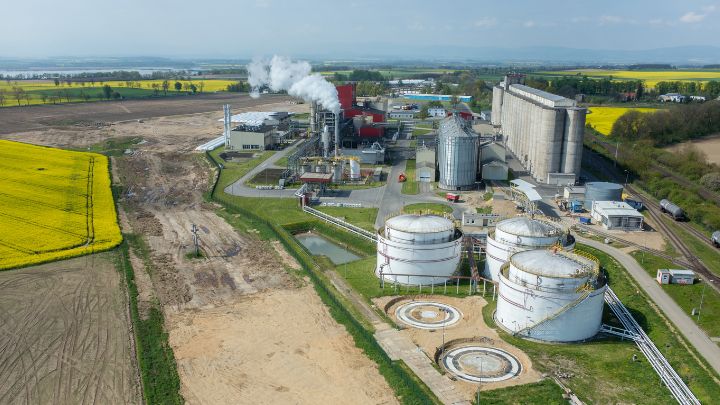
According to the International Energy Agency (IEA), there’s just over 110 billion liters of ethanol, over 50 billion liters of biodiesel, almost 20 billion liters of renewable diesel, and almost two billion liters of biojet (used by aircraft) in use today. That’s a total of 172 billion liters—a number that’s expected to climb to 200 billion liters by 2028.
Current demand is focused in markets like Brazil, Indonesia, and India, so if Europe and North America can cop on, and the maths makes sense to drivers in these regions, the demand will spike.
NOTE: This article first appeared on TopGear.com. Minor edits have been made.