Act number one in ‘how to annoy a traditionalist’: Get yourself a sought-after classic car. Act number two: Swap the combustion-powered drivetrain for an electric motor and battery packs. Act number three: Wave the finished product in the face of said traditionalists.
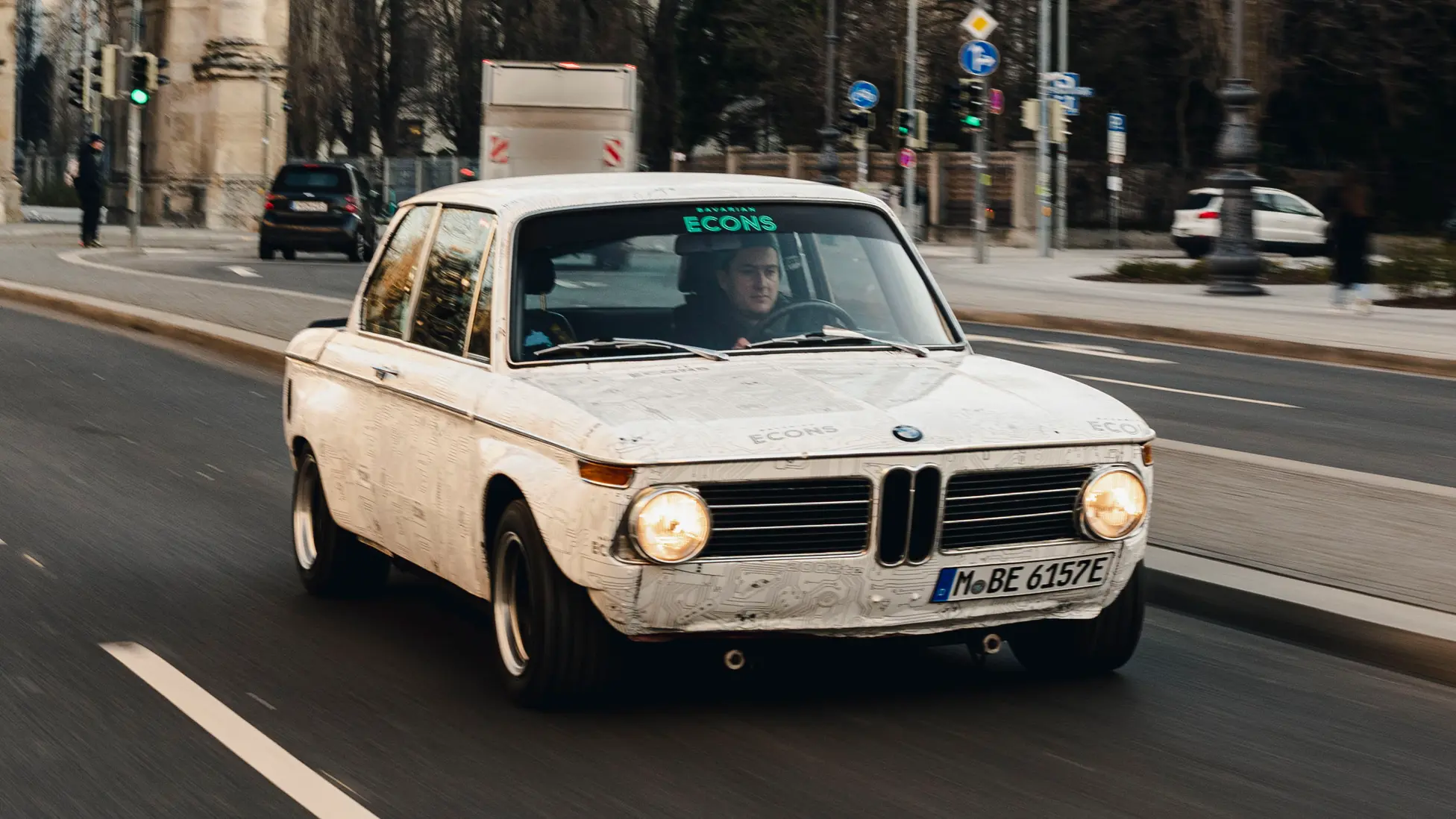
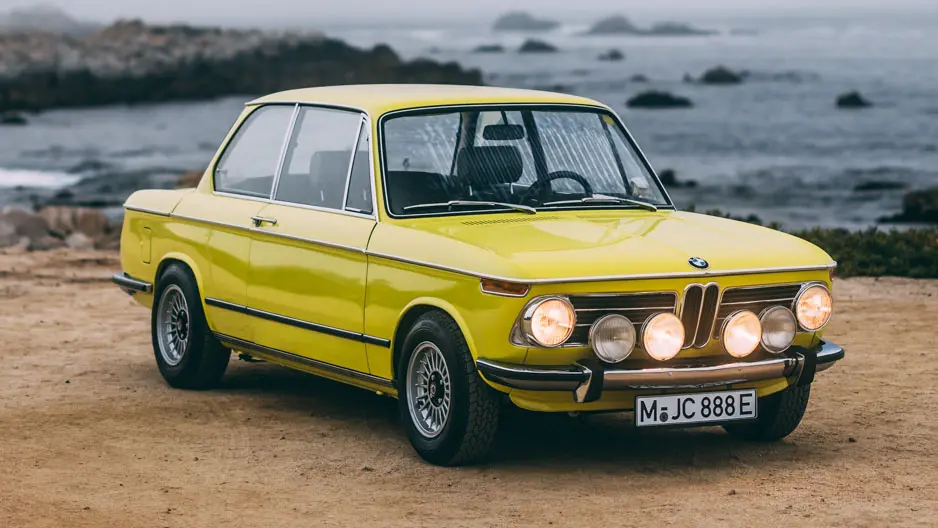
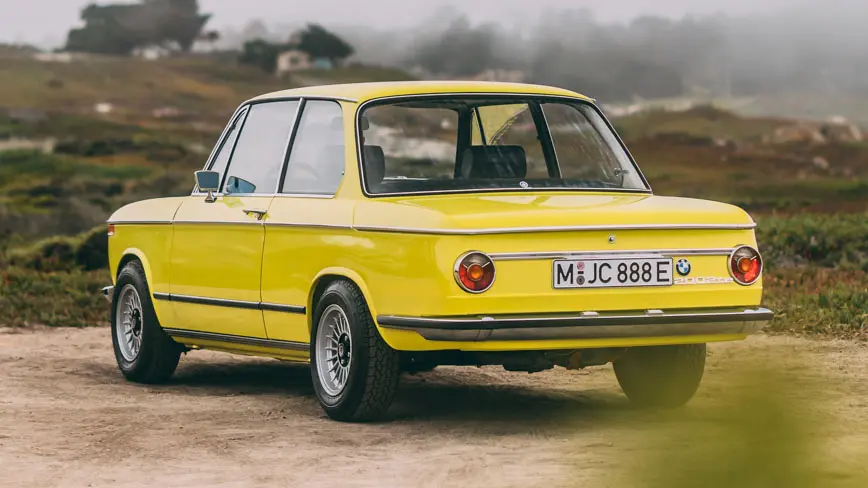
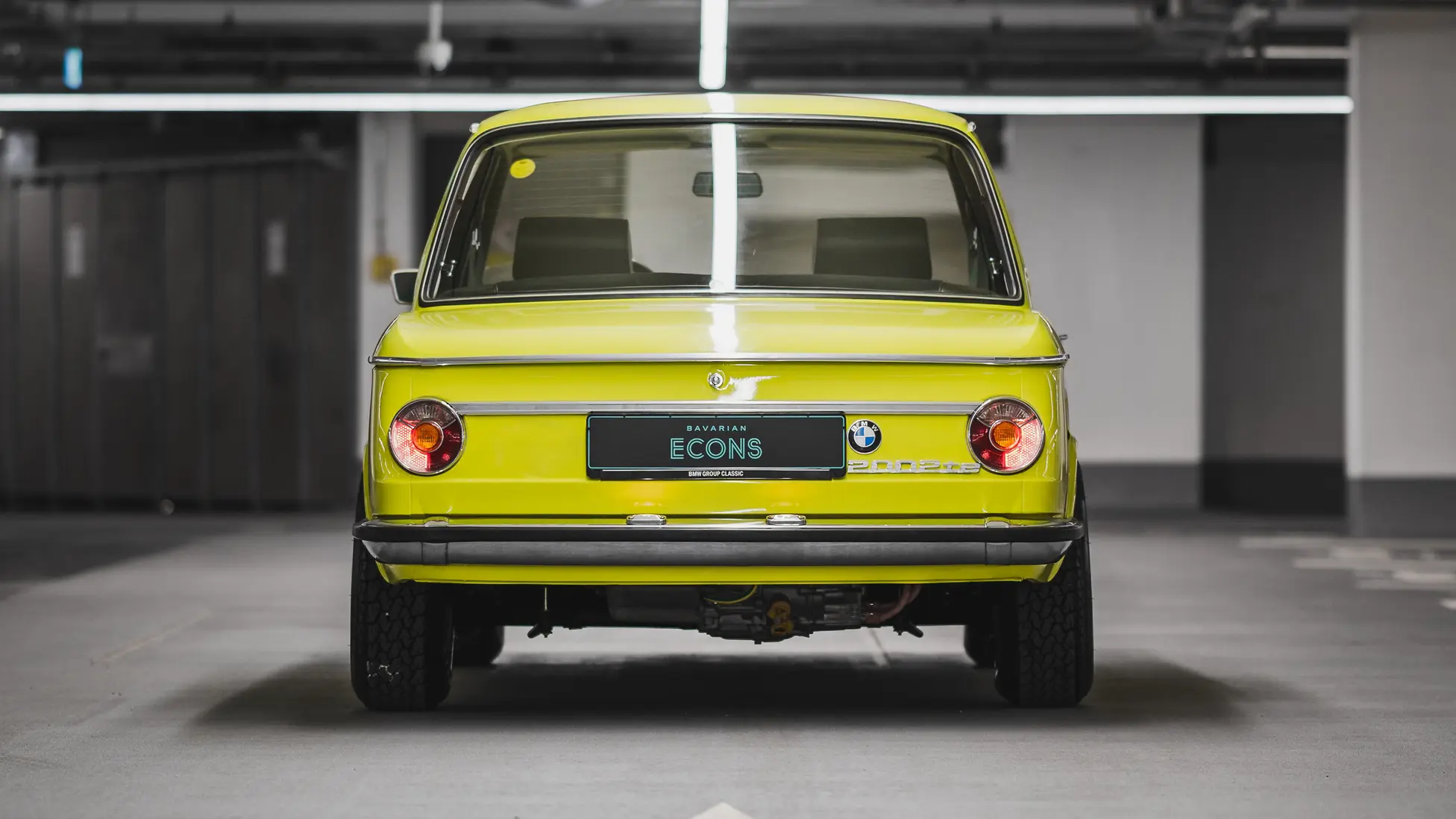
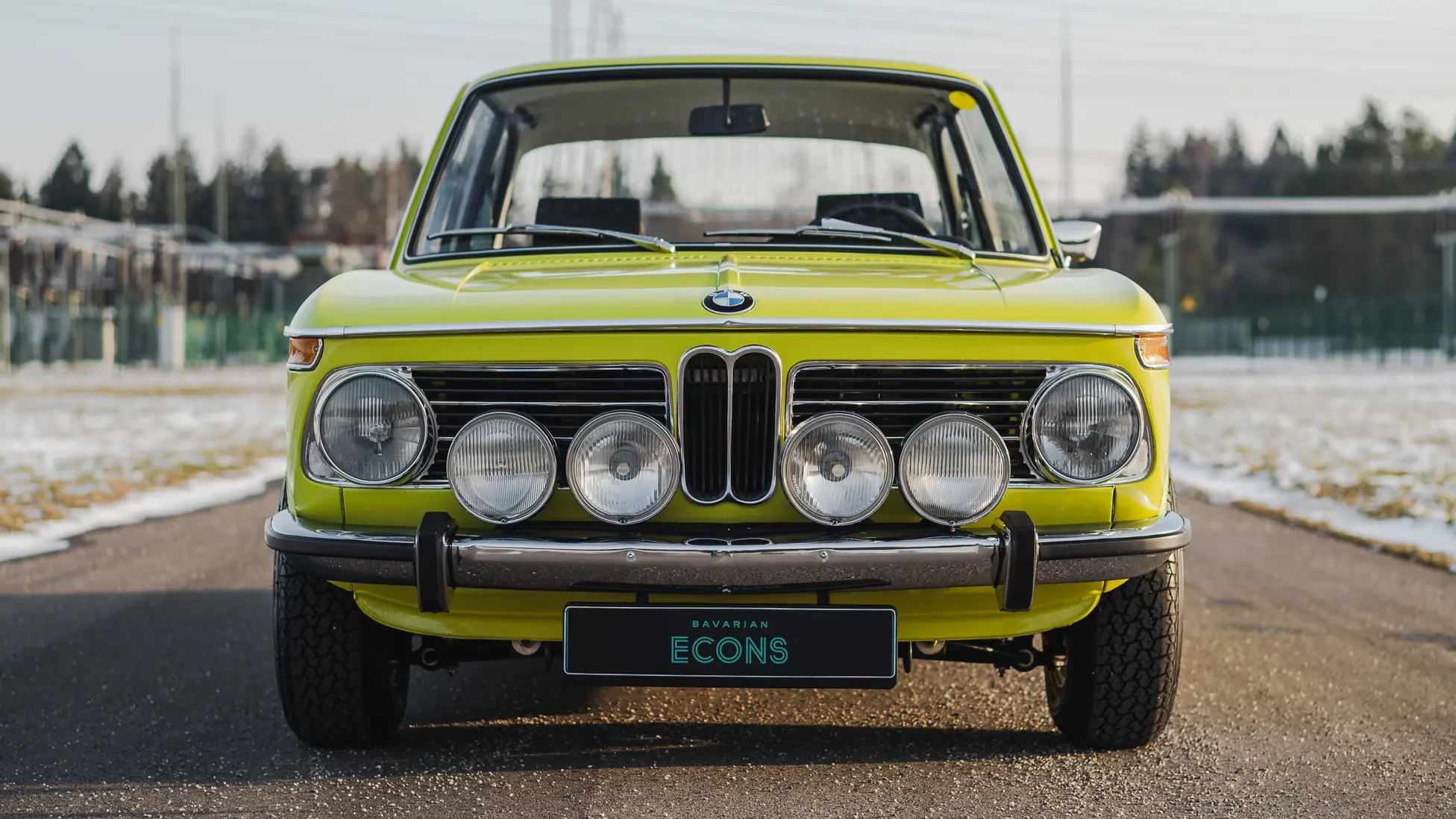
As it happens, we've just stumbled across the perfect car for the job: three polar-bear-friendly iterations of the BMW 2002, built by Germany's Bavarian Econs. We feel trouble brewing.
OTHER STORIES YOU MIGHT HAVE MISSED:
Watch: This wild Subaru WRX STI rally car is powered by a nat-asp Ferrari V8
A Dutch coachbuilder has hammered together a convertible Land Rover Defender 90
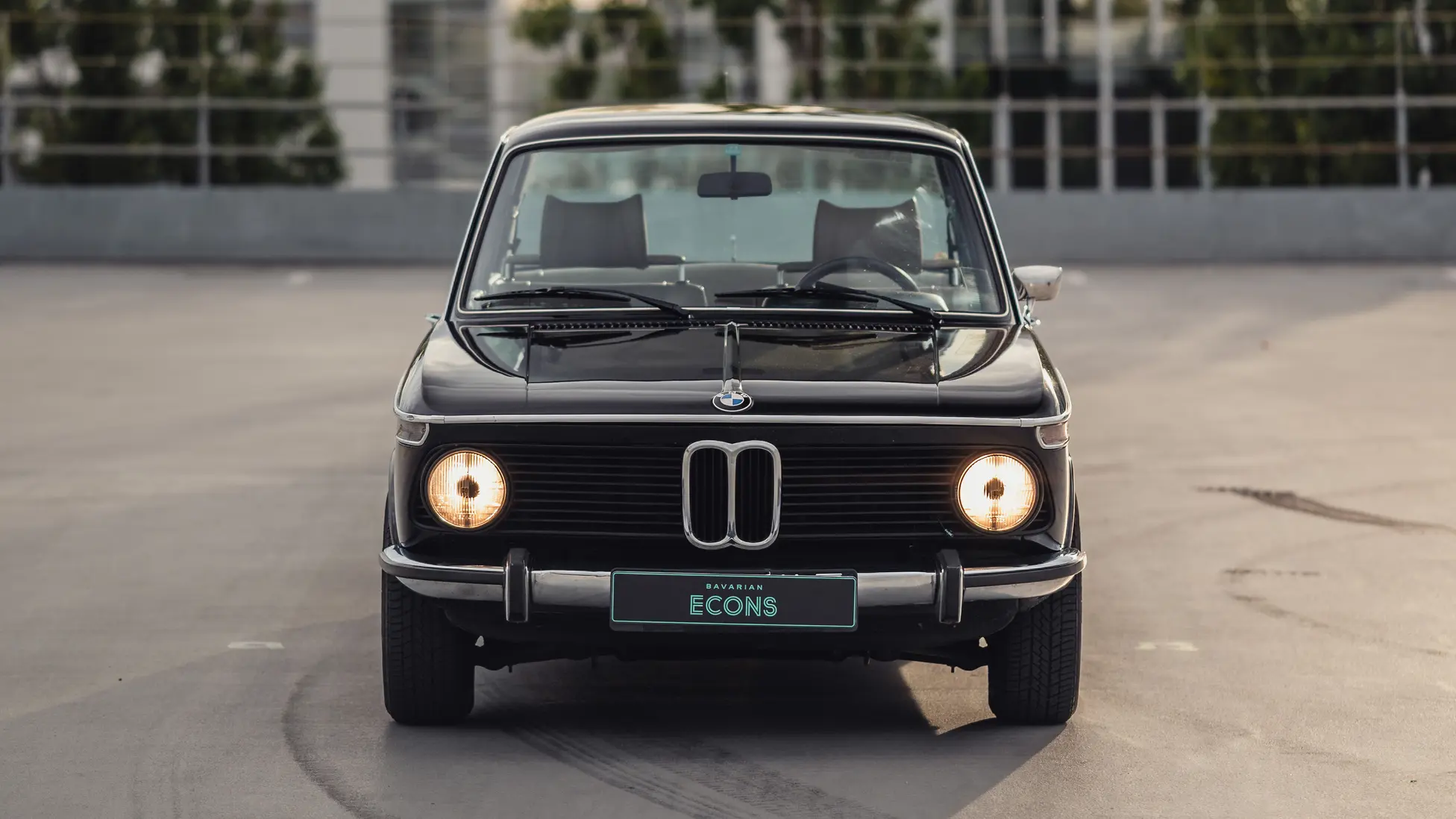
The entry into the lineup is the ‘2002te,’ whose electric motor and 33kWh battery produce 180hp and 169Nm of torque, while its 1.1-ton weight culminates in a 6.2sec run to 97kph. Nice. Combined with the KW Classic V3 sport suspension—which has been tuned specifically for these 2002s—even this skimmed version sounds delightful.
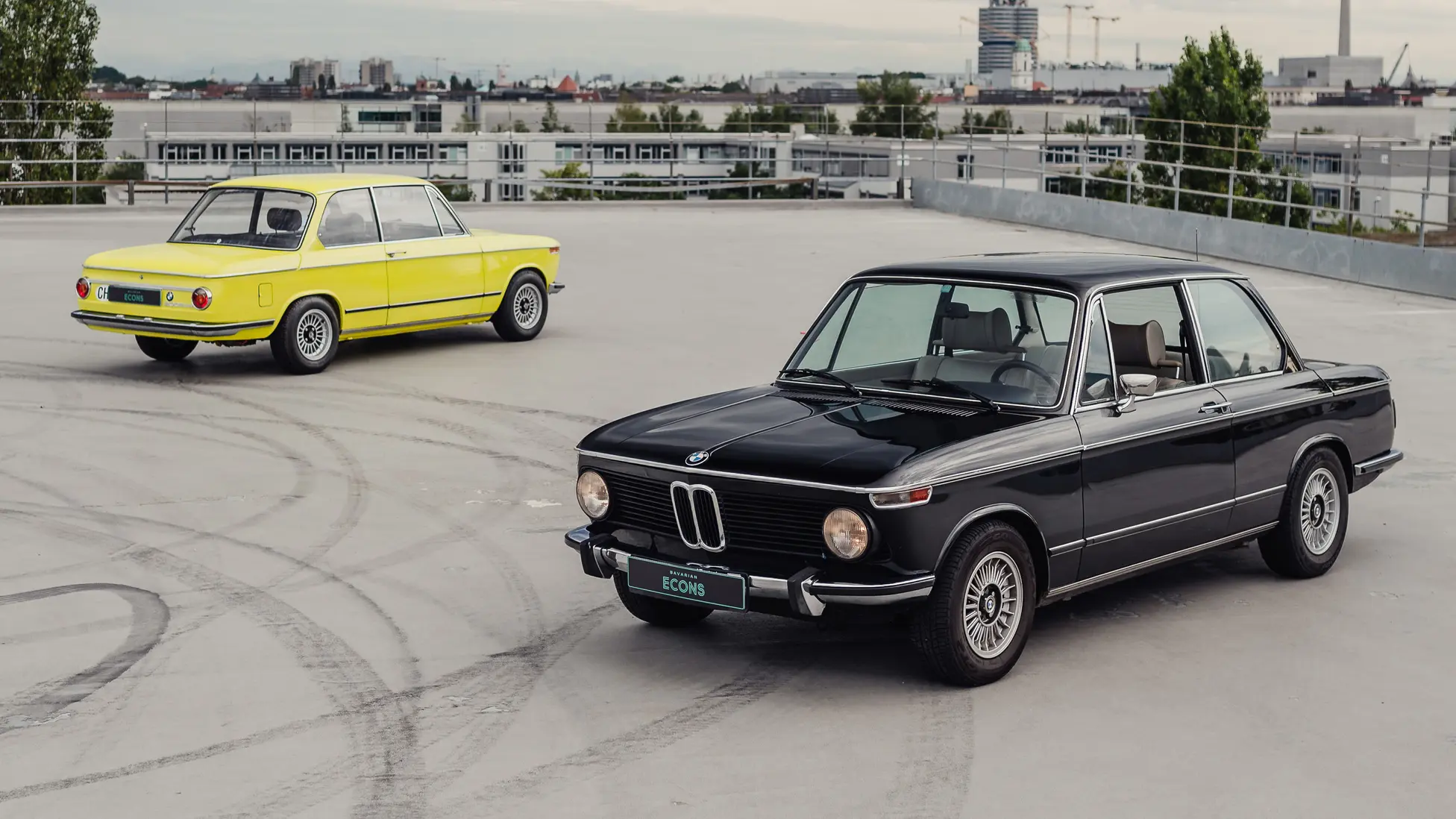
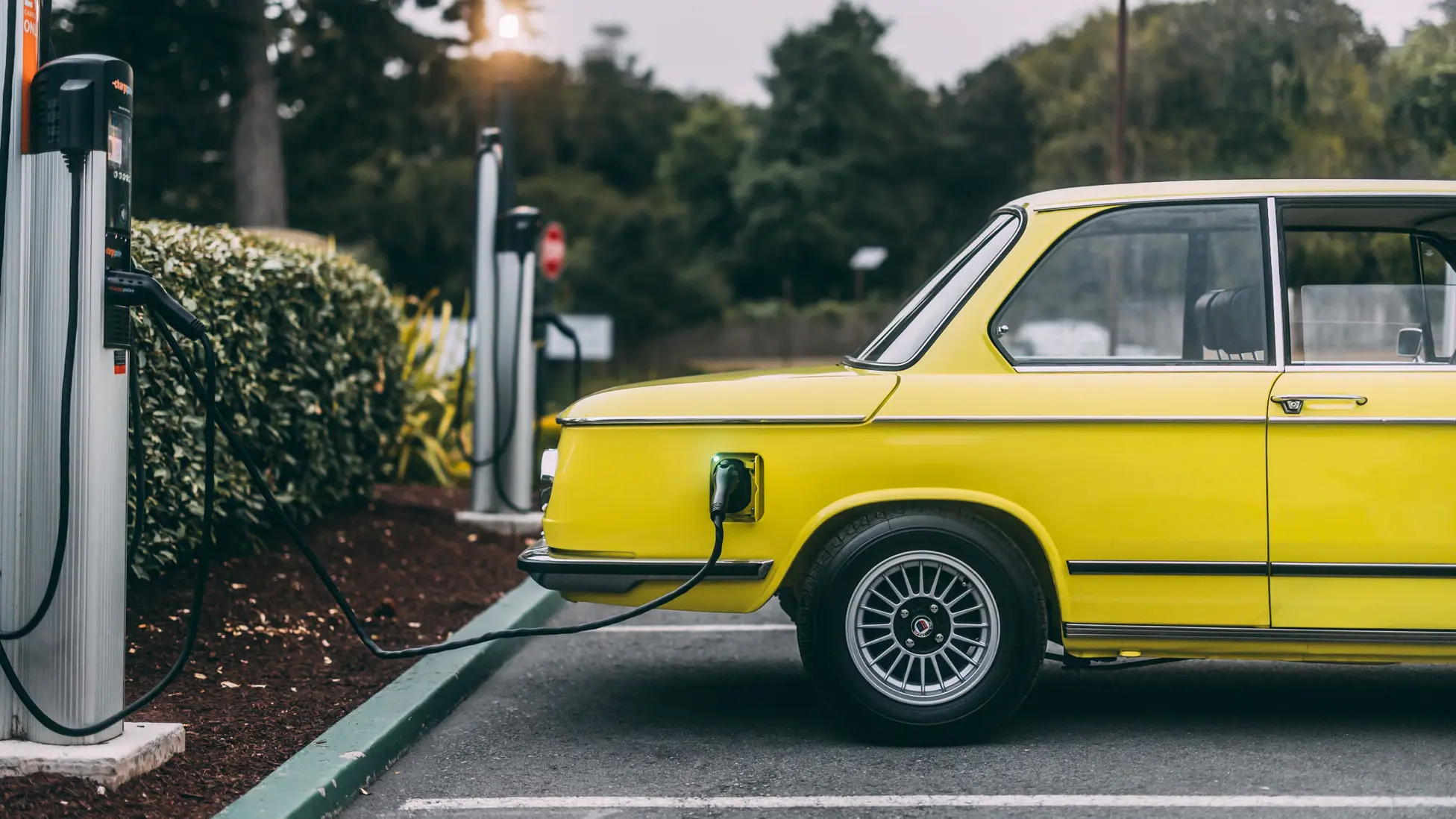
The mid-range ‘2002tee’ model comes next and boasts a bigger 45kWh battery and 250hp e-motor. Though technical specifications remain largely similar to its less spirited sibling, the 2002tee is capable of an increased 80kW charging speed. So, less time faffing around deciding which flavor of McCoy’s crisps to buy, then.
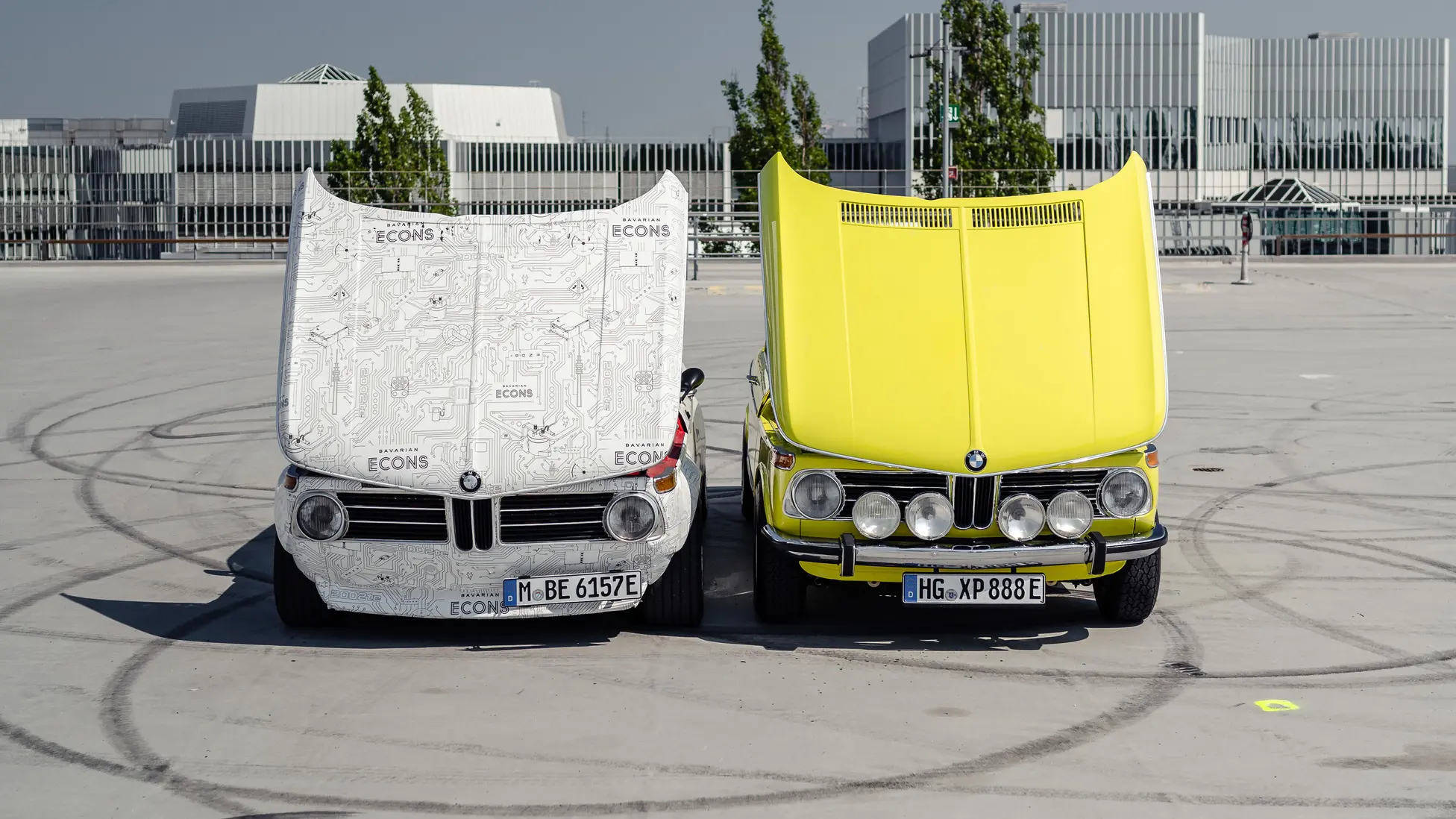
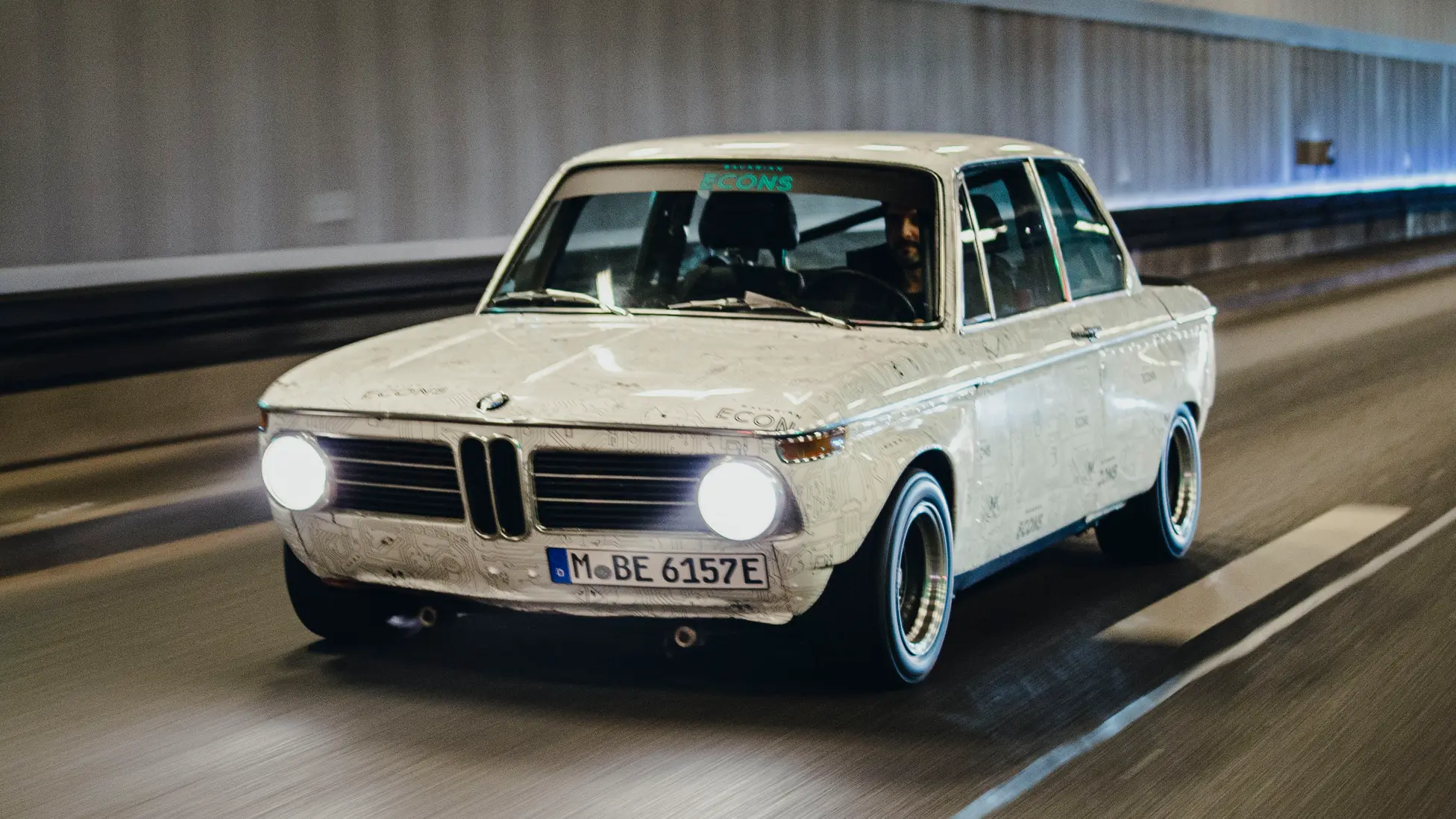
Leave the best till last, right? The ‘Turbo e’ is the most sought-after version of the standard 2002, and while the output and battery pack size are unchanged from the 2002tee, as is the charging speed, you do get a host of external upgrades to really up the ante.
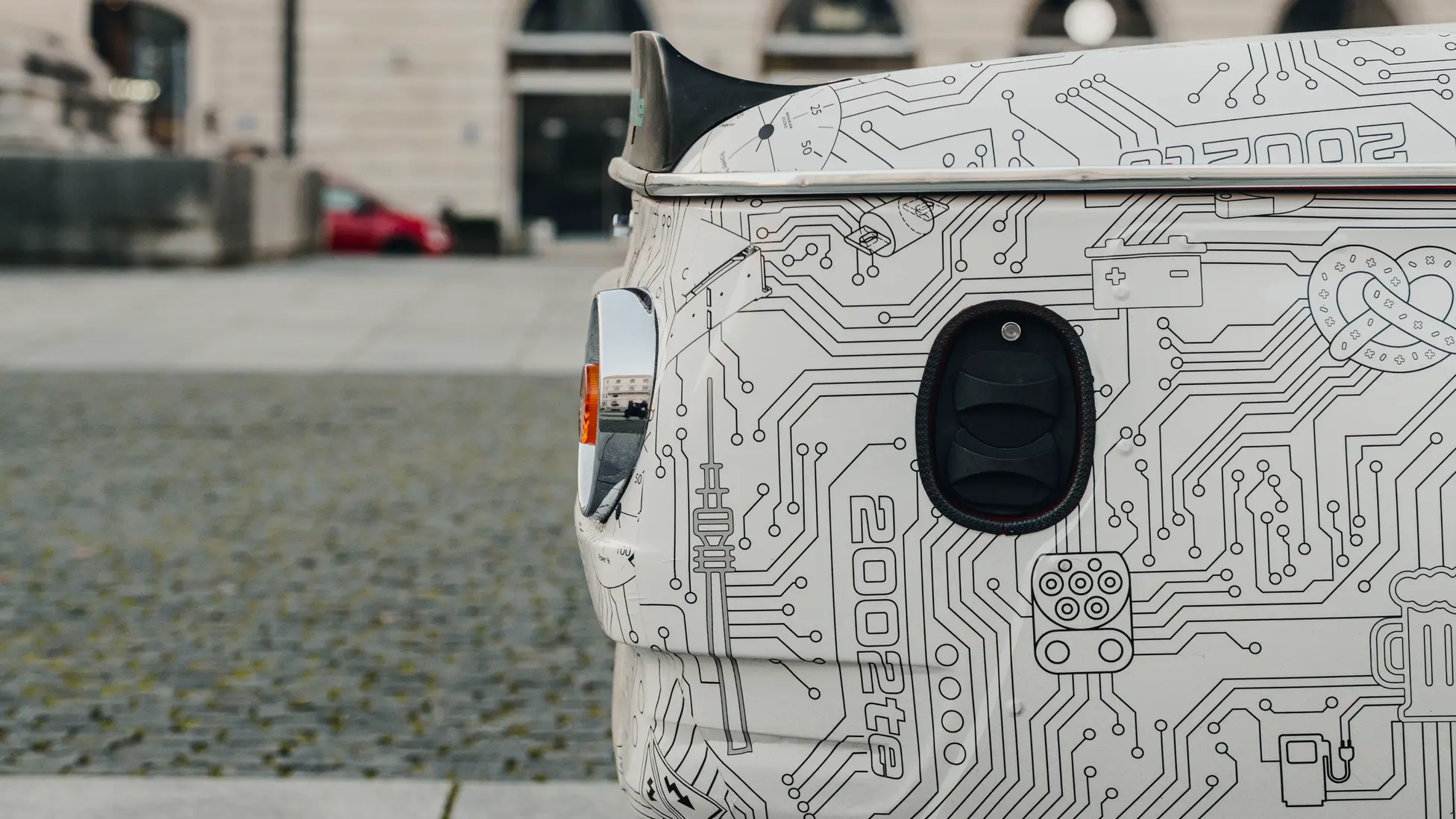
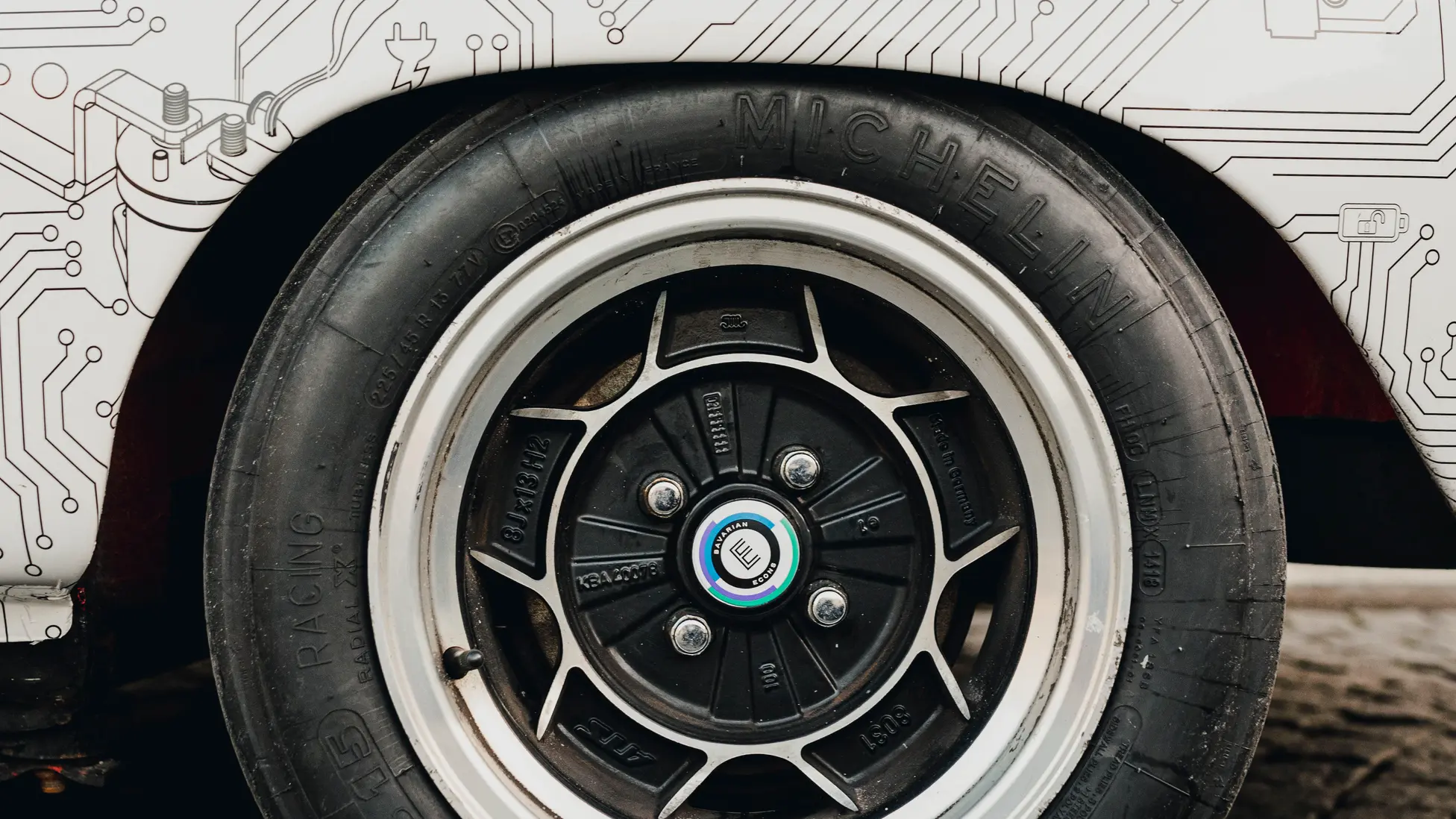
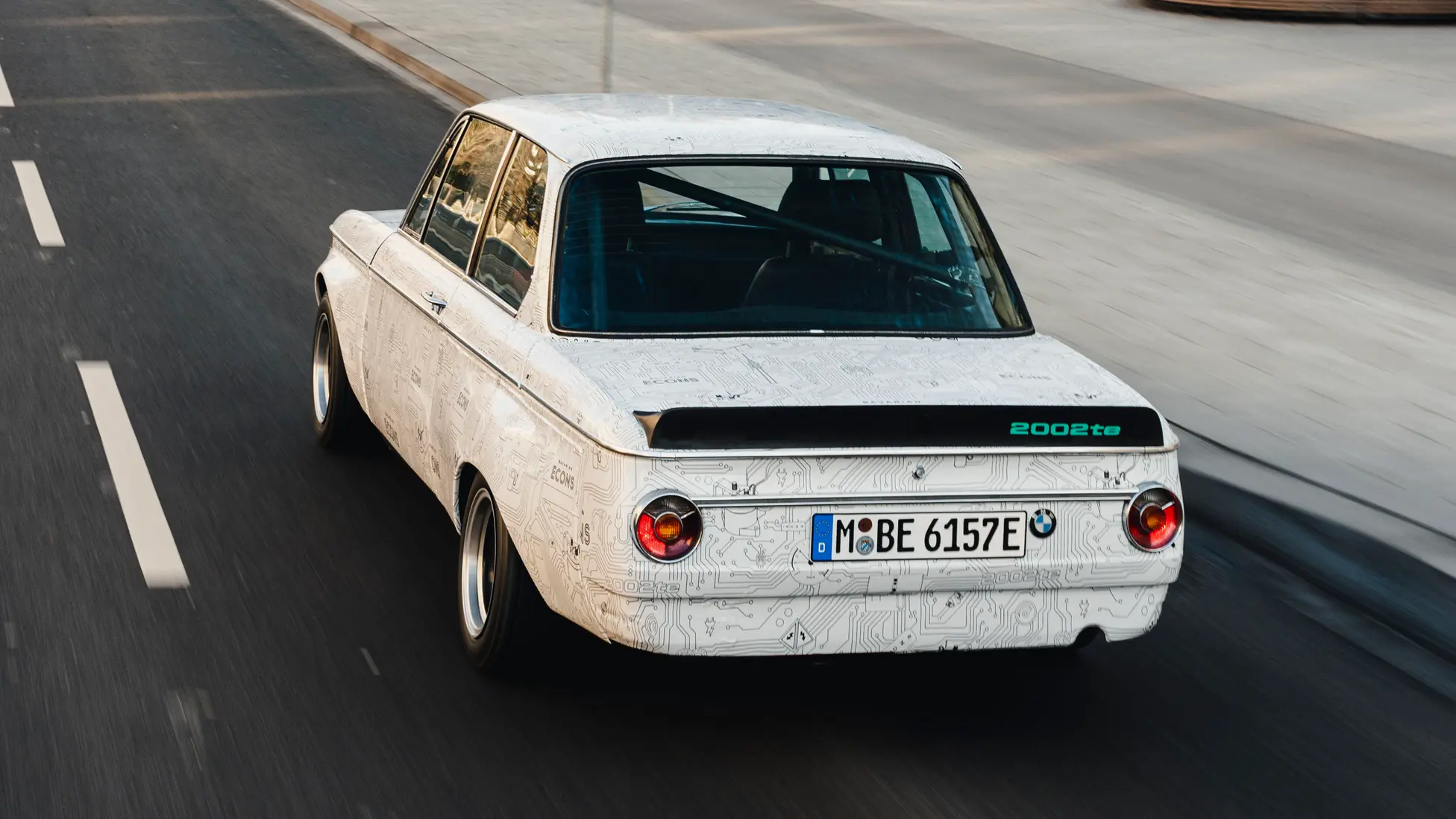
Painted in all-white and championing the BMW racing colors by way of a funky vinyl design across the sides and the bonnet, the Turbo e has wider arches and BBS alloys attached to Michelin TB15 tires. The original 2002 Turbo’s brake system has also been retained, albeit with bigger boosters and ventilated front discs. Finally, the front bumper has been swapped for an aluminum ‘air dam,’ because ‘vented bumper’ is too simple a phrase.
Mechanically, all three cars have an electronically limited top speed of 170kph, but the real gem here is the 50/50 weight distribution. Though, a couple of things to consider: there's no ABS or ESP, and the 124-mile expected range across the lineup can certainly be bettered, considering an electric tin of sardines can travel further.
Speaking on what we can expect from the driving feedback of these cars, Bavarian Econs co-founder, Edgar Navarro Soto, said: “With the new weight distribution, the car has more traction. The biggest difference is on curvy roads or in wet conditions. The ICE 2002 loses traction in the rear axle much sooner while the Econ can stay on track while turning.” Handy, that.
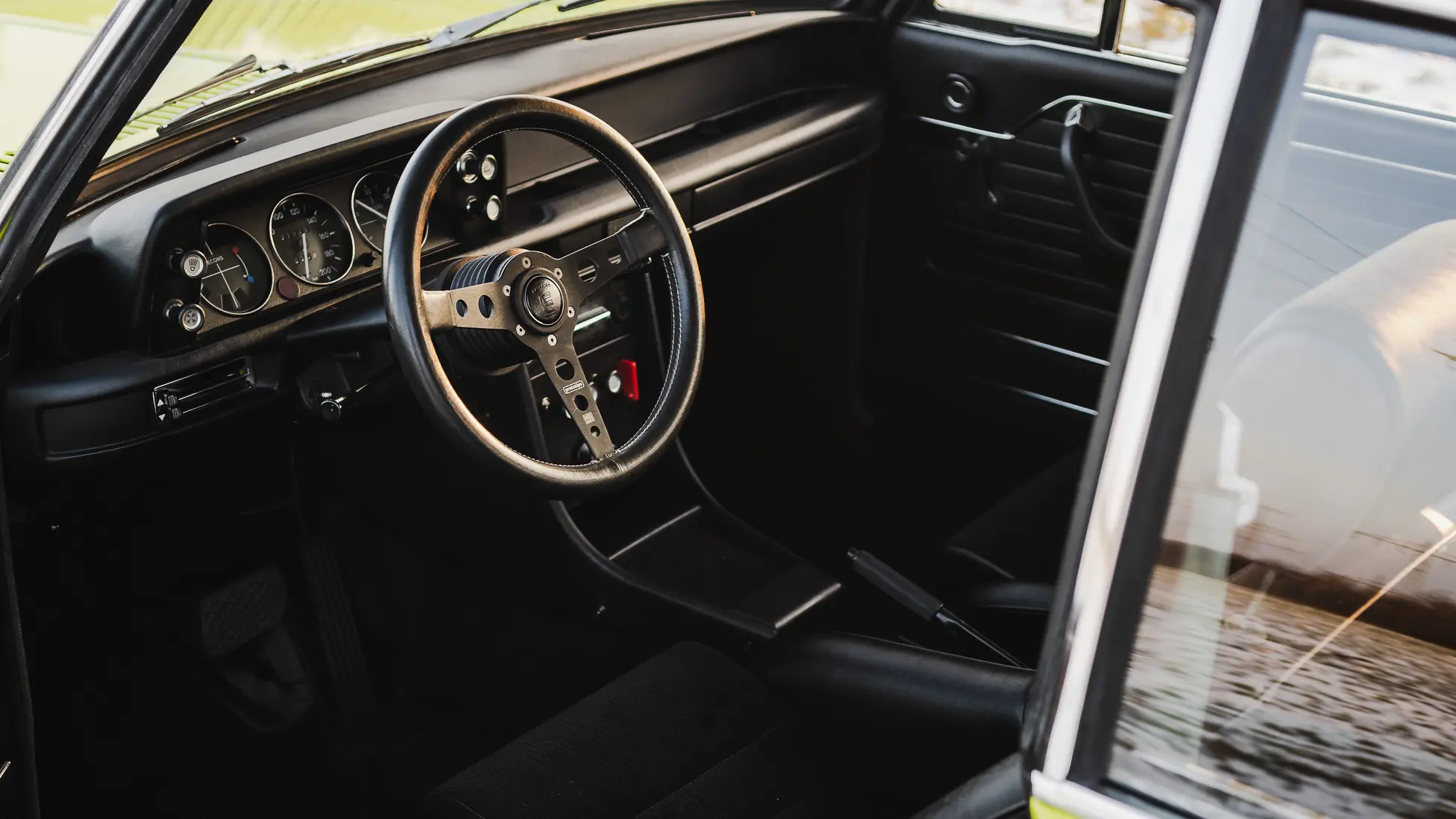
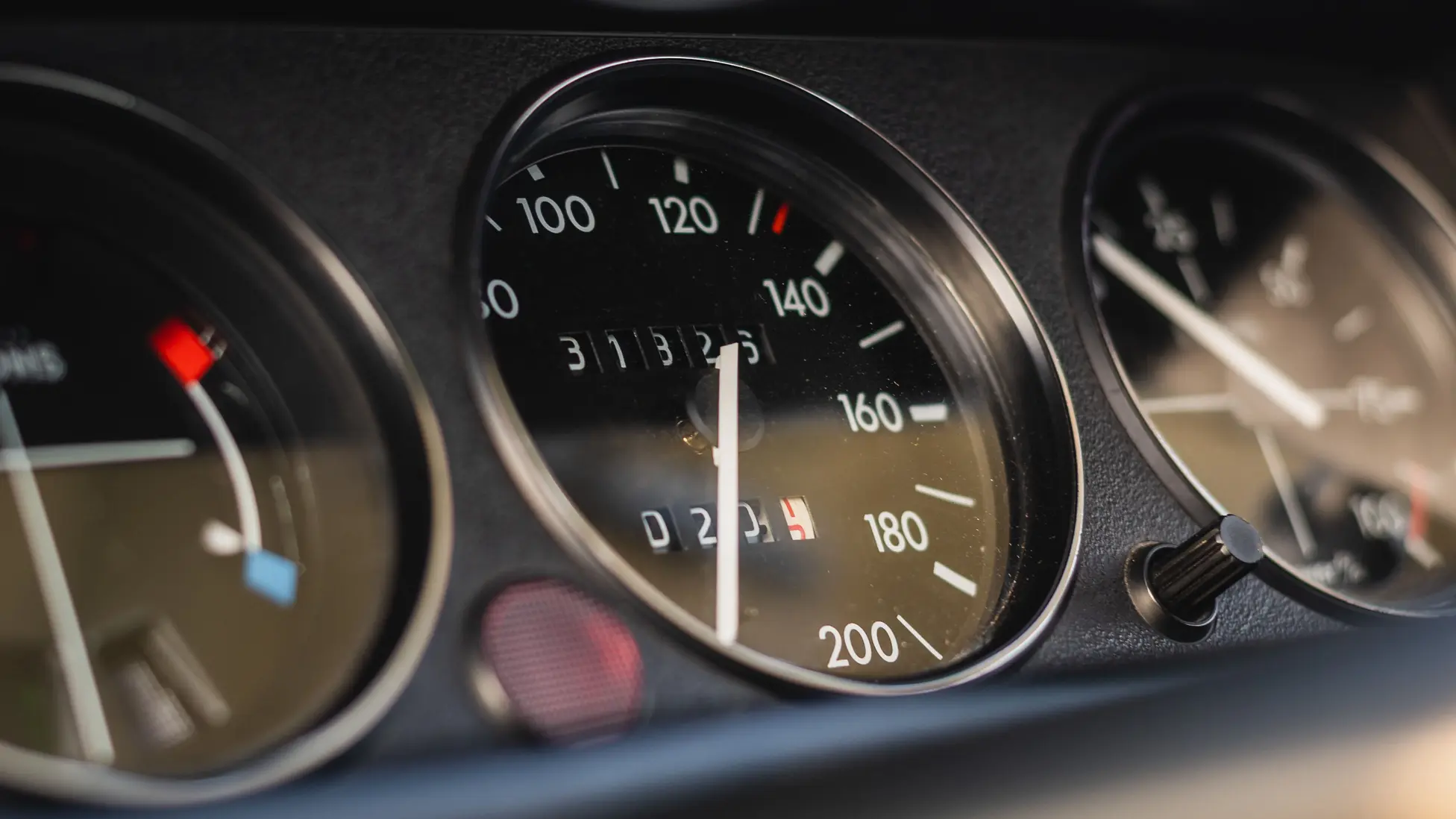
The interior of all three versions remains practically identical and puts an emphasis on retaining the original 2002’s identity. That means bespoke, analog gauges displaying the state of charge, battery pack temperature and power delivery.
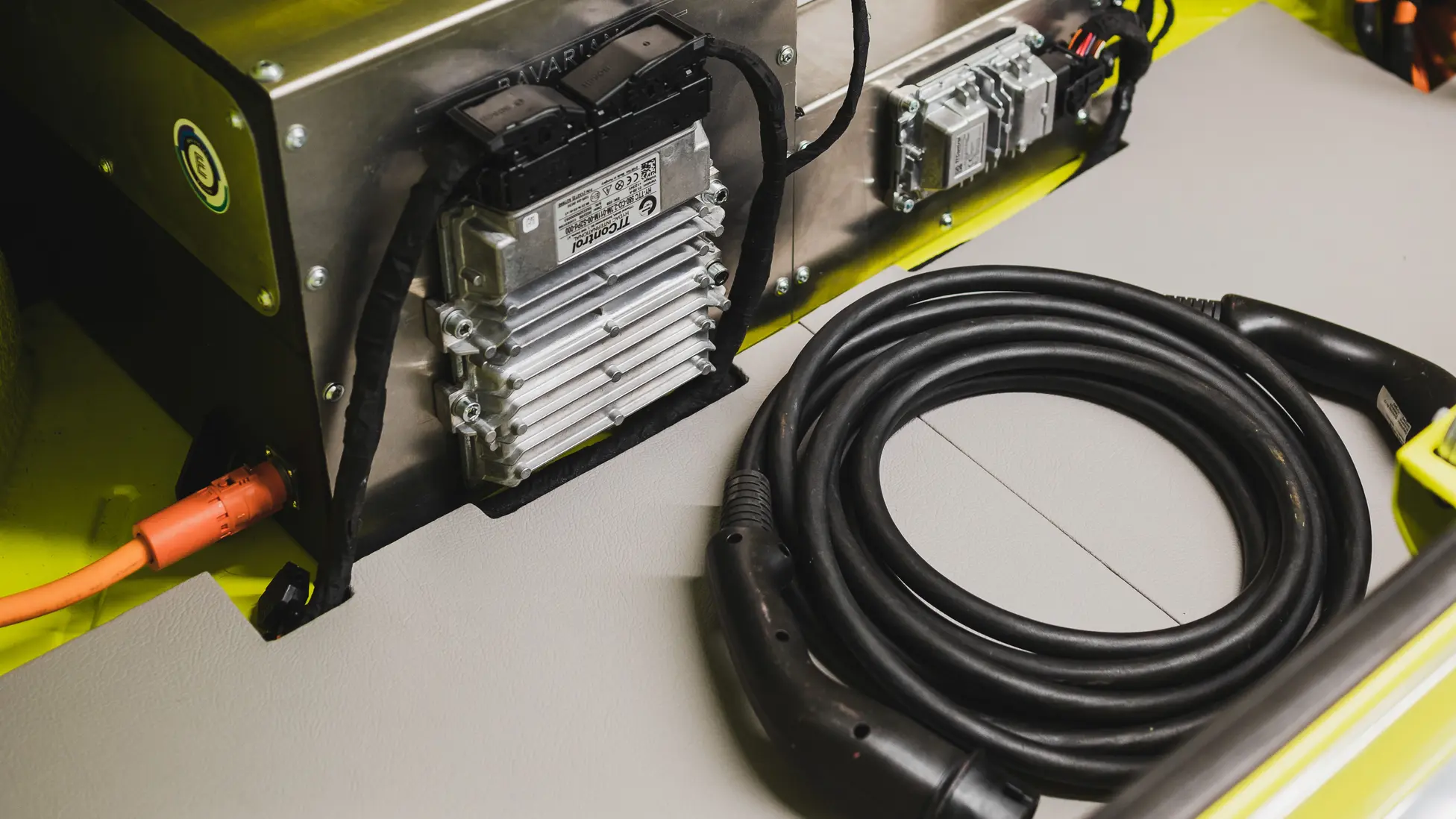
The revamped center console utilizes original knobs for the ‘Sport Driving’ mode, A/C unit, and charging port release. Meanwhile, the front compartment acts as the storage bay for the first of two battery packs, with the second nestled into the rear compartment alongside the fast-charging unit, ECUs, and empty McCoy’s packets.
The price for all this extravagance? The 2002te will start at £120k (P8.52 million), while its double-e alternative is another £34k (P2.4 million) on top. Both will take around nine months to create. The Turbo e bumps both figures up considerably, setting interested buyers back a whopping £232k (P16.47 million), and forcing a 12 to 16-month wait before taking delivery. It’s also worth mentioning that none of these prices includes the donor car, which in itself can cost anywhere from £20,000 (P1.4 million) to a remortgage of your house.
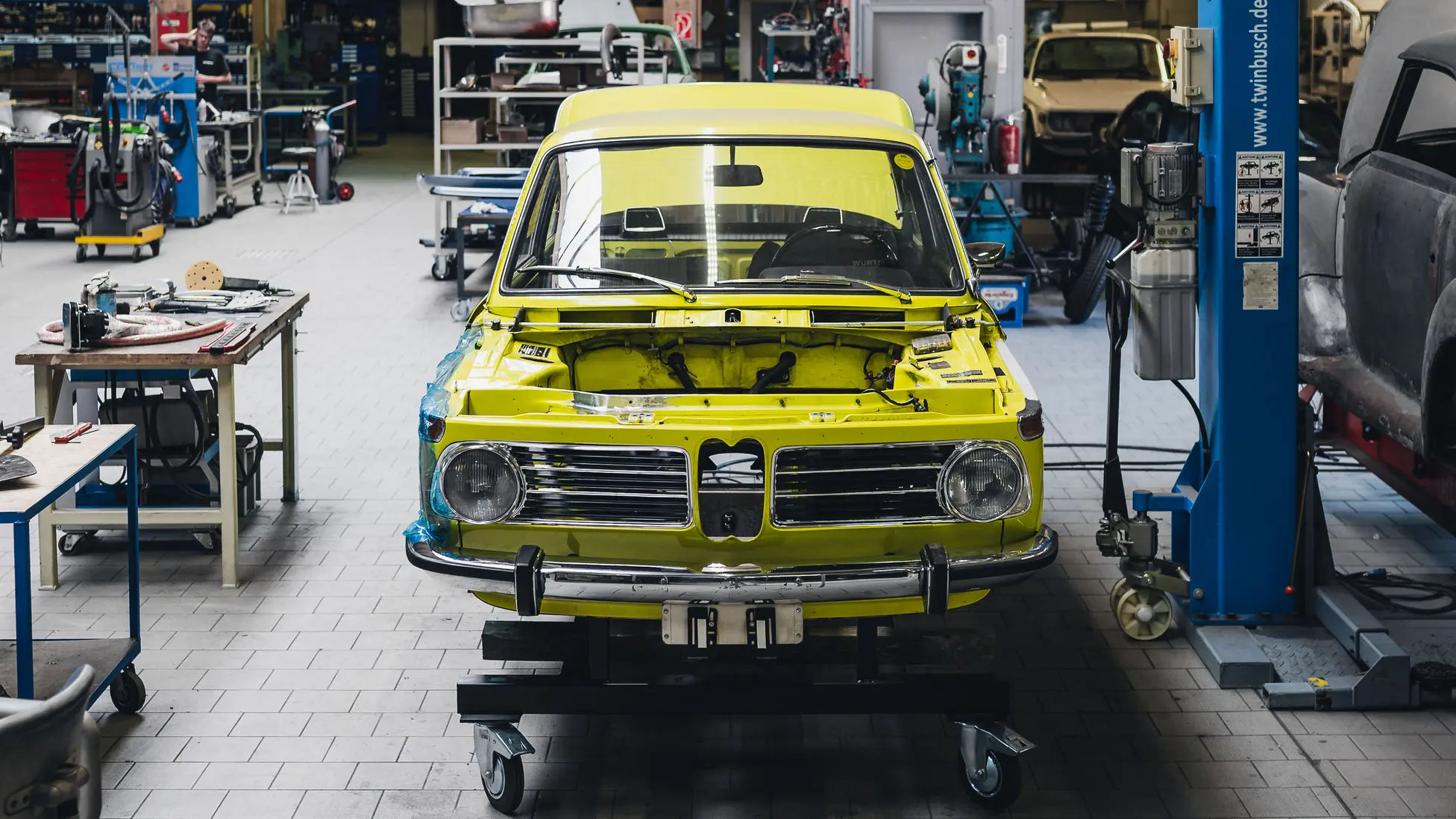
Right, now we’ve got over the ‘IT COSTS HOW MUCH?’ hurdle, who’s up for a bit of a heart-warmer? Founded by two brothers and a friend, Bavarian Econs is the realization of a childhood dream by the trio, who grew up mesmerized by the BMW 2002, and other in-period vehicles just like it.
Their idea is to ensure the next generation—and beyond—can continue to keep cars like them on the road, with plans to add the BMW E30 and E9 to the line-up.
“The prospect of allowing our children and grandchildren to experience the golden age of the German automotive industry motivates us,” said Soto. “In the future, we aspire not to confine these cars solely to museums; rather, we desire that our descendants can truly grasp the essence of the bygone era.”
More photos of the electrified BMW 2002:
NOTE: This article first appeared on TopGear.com. Minor edits have been made.