
If you want to know how a car fares in an emergency maneuver, all you have to do is watch something called the moose test. It simulates an animal, say a moose, suddenly appearing on the road and forces the driver to take evasive action.
There have been, er, notable incidents, in these tests before. Some examples include the first release of the current Hilux and the previous generation Jeep Grand Cherokee. It’s not an easy test to pass.
OTHER STORIES YOU MIGHT HAVE MISSED:
From world’s worst in 2023 to 15th worst in 2024: Has Metro Manila traffic really improved?
Size comparo: How big is the 2025 Honda Civic versus the 1994 Honda Accord?
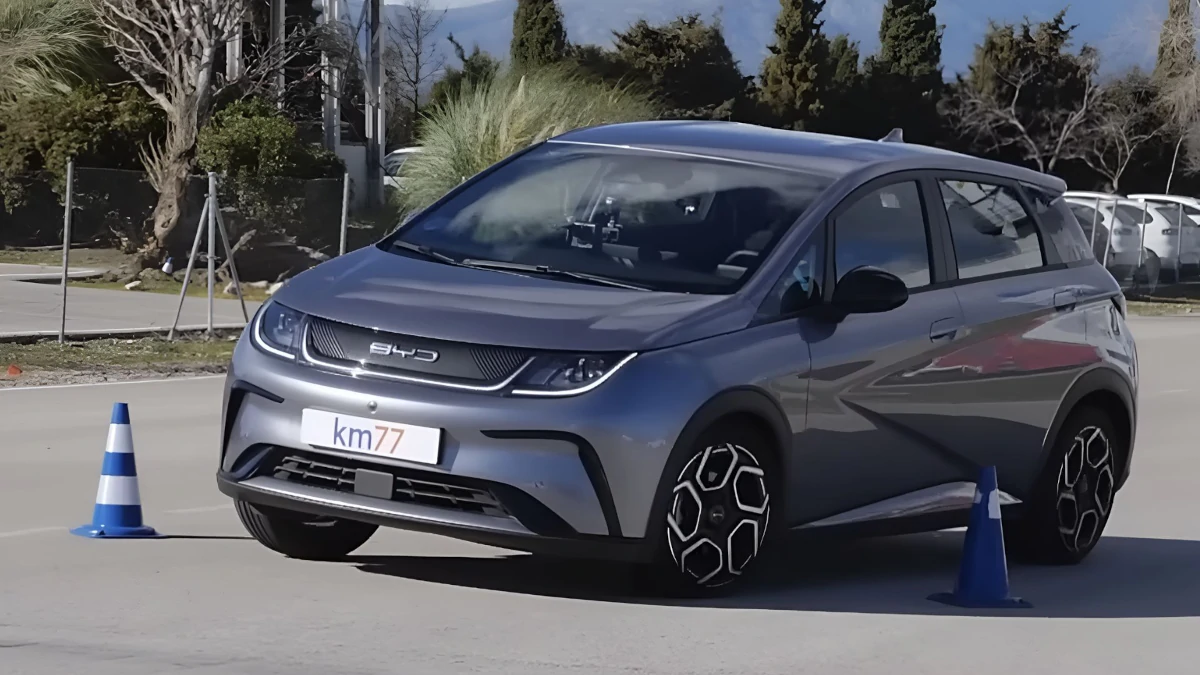
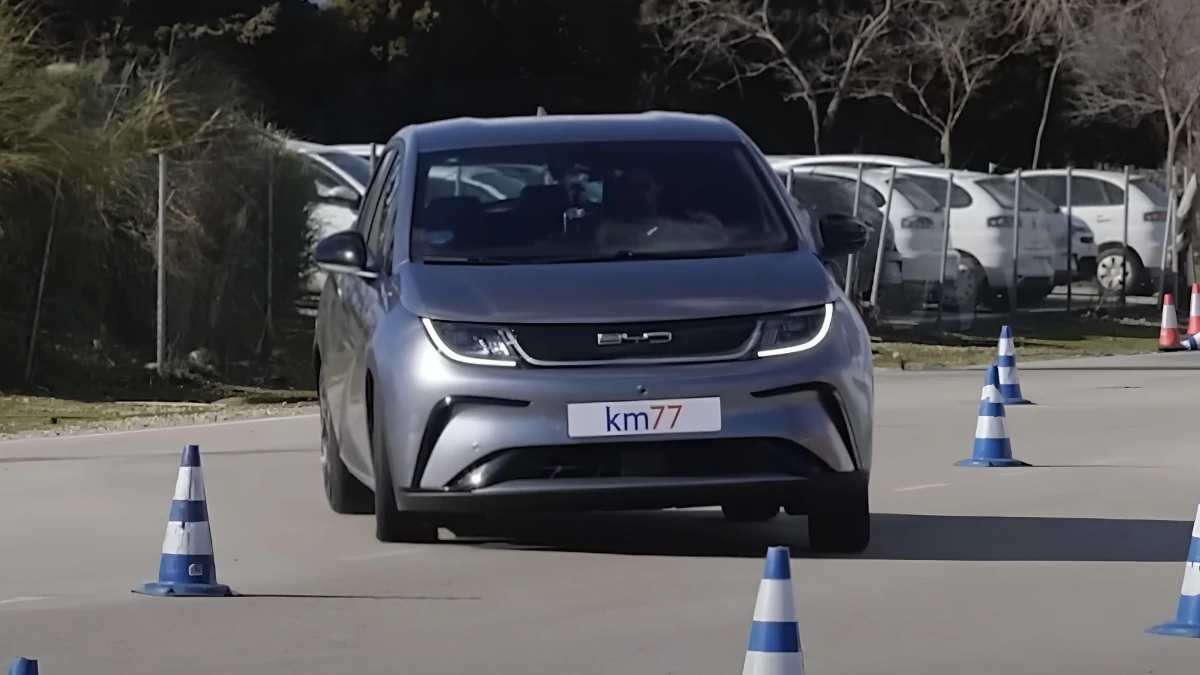
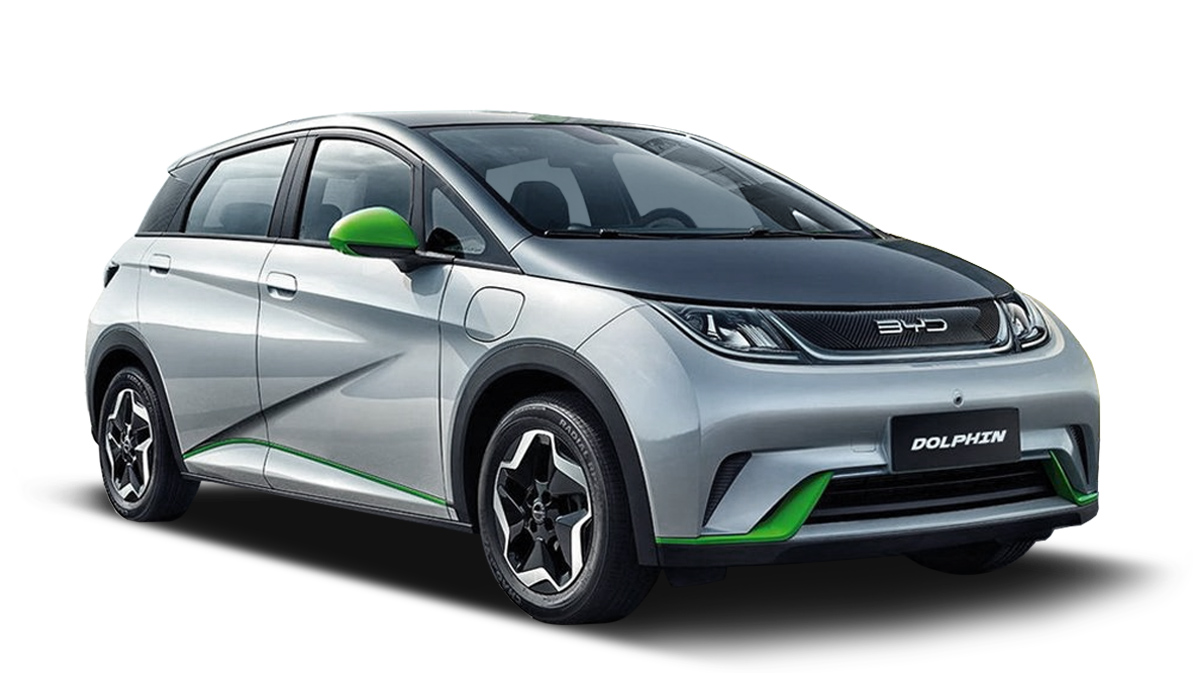
Spanish automotive publication km77 has been known to perform this test. They take anything from sports cars and sedans to affordable hatchbacks and pickup trucks. For this episode, they tested the BYD Dolphin.
At first glance, it looks like it’ll have an average performance at best. It’s tall, upright, and because of the batteries, heavy, ingredients that don’t make for a highly capable handler. The thing is, looks aren’t everything, and it’s time to see how it actually performs.
km77 is called as such because they perform the test at, well, 77kph. As a baseline, anything that gets close to that figure can be considered good. The fact that the Dolphin did 78kph is a huge surprise in itself.
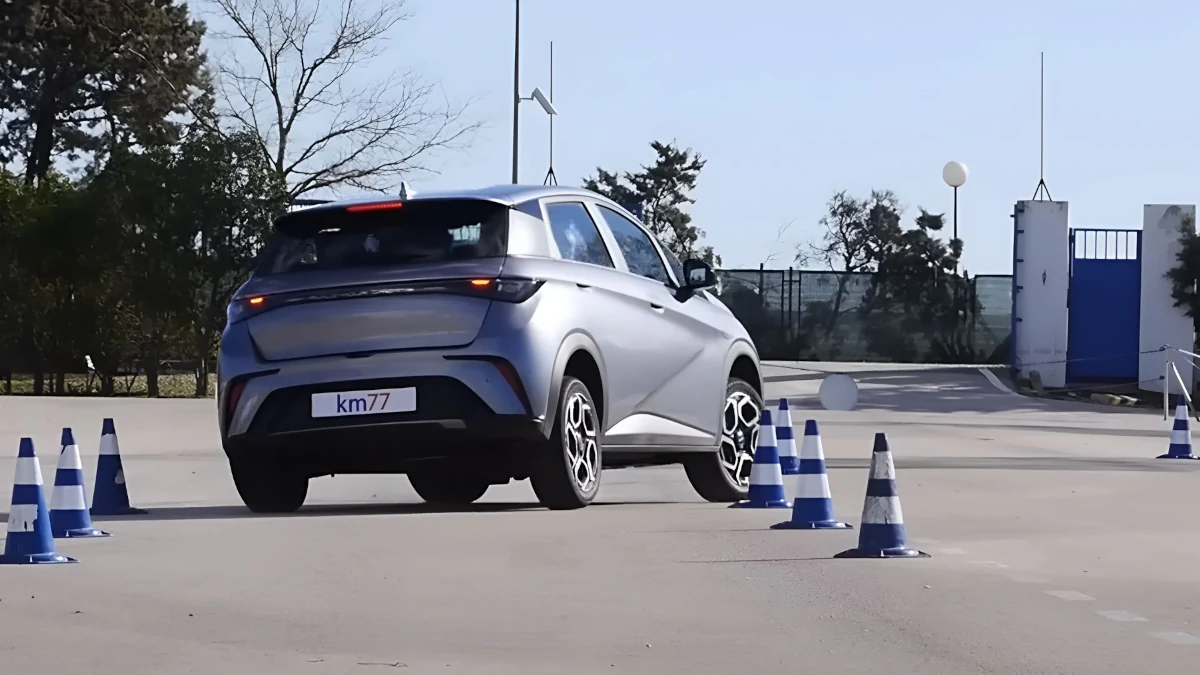
Now, we’re not saying that the Dolphin drives like a sports car. After all, it’s a small EV made for city commutes and the occasional highway trip. But given that it’s just 2kph shy of the GR Yaris’ entry speed shows a high level of handling and stability at relatively high speeds. The stability control intervention was rated good and reeled the car in to complete the test without knocking off any cones.
So, if you’re a BYD Dolphin owner and have the need to pull an emergency maneuver, you’re pretty much safe in the knowledge that your car can handle it.