
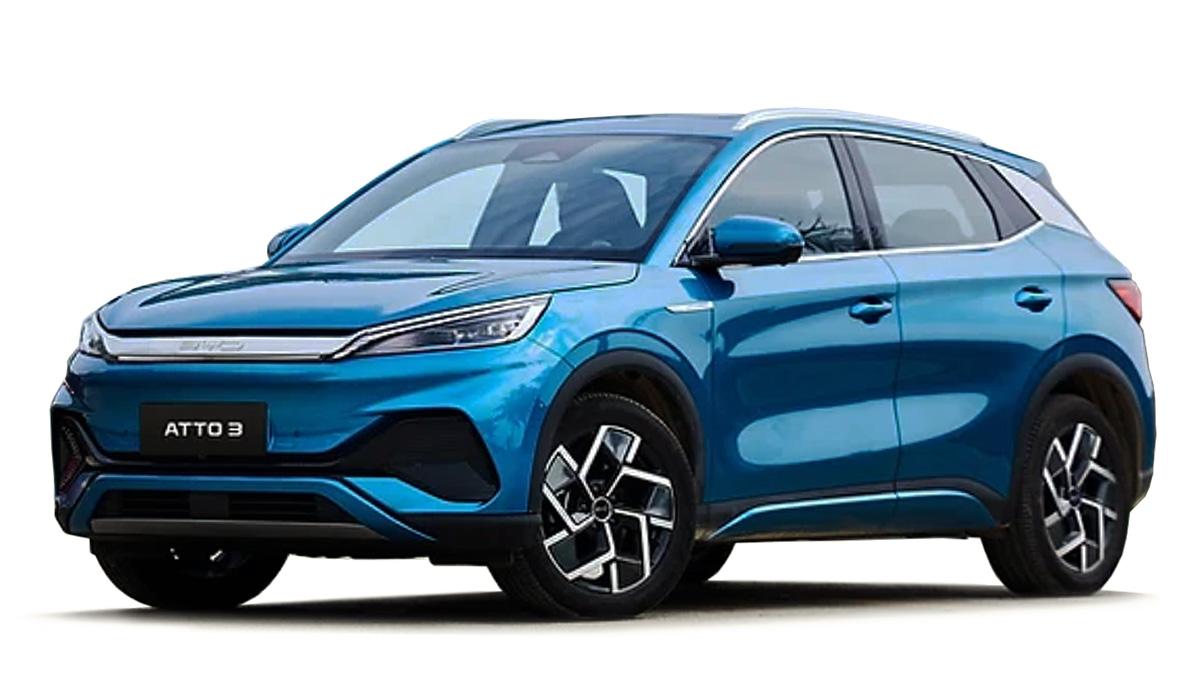
A decade ago, BYD’s one EV was the E6 MPV, a 122 horsepower 2.4-ton brick that struggled to keep up with traffic and was about as exciting to drive as a, well, a brick. High taxes meant a projected retail price of six million pesos for middle-class trim and middling performance. And the only quick chargers available were at the dealership and that one gas station on EDSA whose office closed at night, meaning no one was around to bring out the charger adapters.
But what BYD has in front of us today, at its ‘Performance Experience’ event at Vermosa Sports Hub in Cavite are unquestionably luxury-level vehicles, in all ways that matter. BYD’s Blade battery costs have gotten significantly cheaper and new tax breaks have lowered the cost of entry greatly. The Atto 3, for one, offers more power, range and comfort than the old E6 in a slightly smaller package at less than a third of the price. But if you want extra luxury, power and space, BYD will gladly sell you its newest flagships, the Han and the Tang.
OTHER STORIES YOU MIGHT HAVE MISSED:
VinFast opens first PH dealers; here are the initial prices for VF5, VF7, and VF9
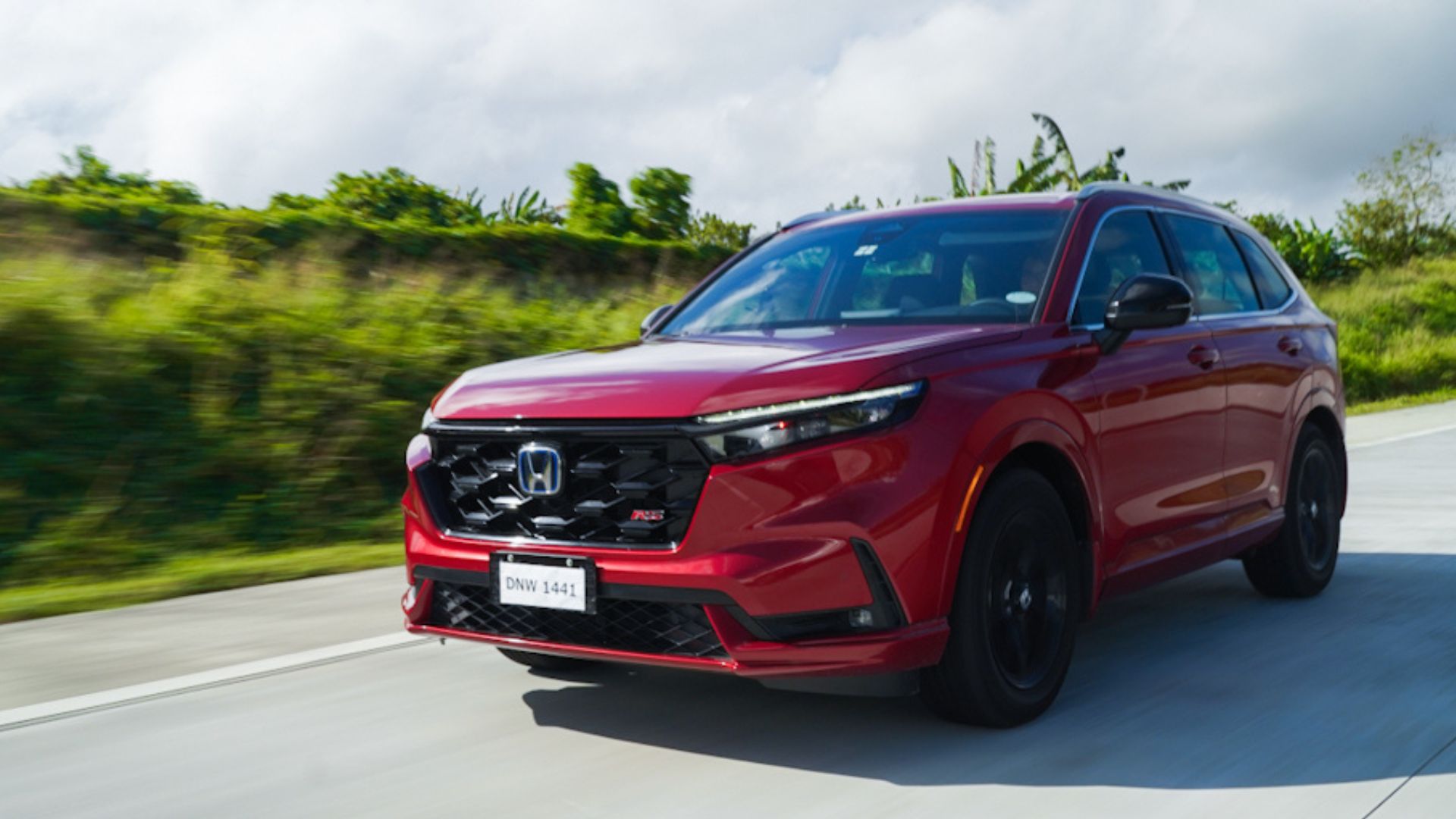
Honda explains how its e:HEV system in the CR-V RS works
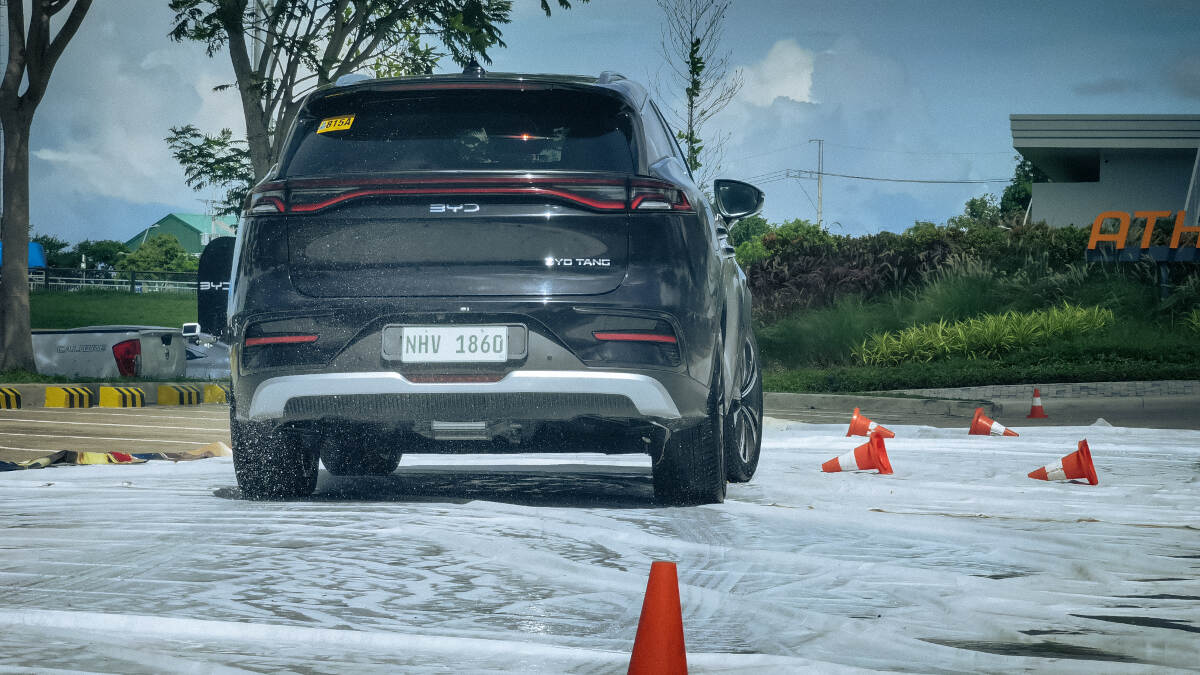
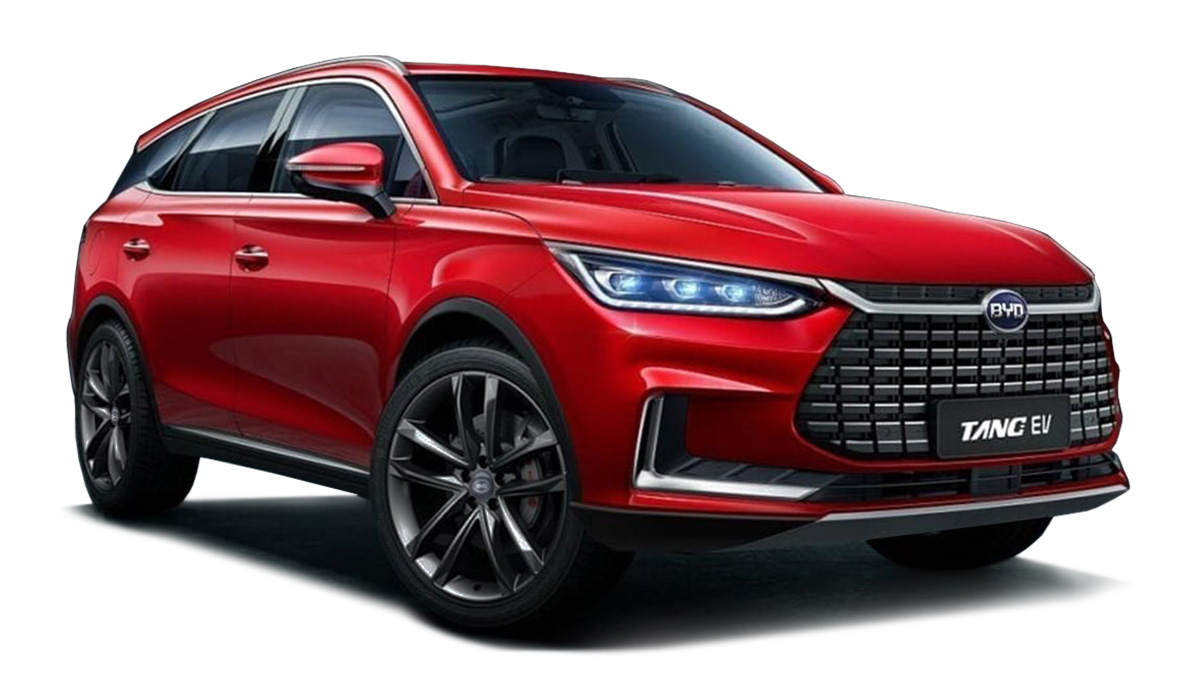
I drove the original Tang several years ago, and found it quite exhilirating, with performance that is still impressive today. But it did feel, in some ways, like a knock-off Lexus, and not convincing as a luxury SUV alternative. The new EV variant gives you more of everything at the same price, in a package that now feels thoroughly modern and class competitive, rather than like a Chinese Lexus knock-off.
Both the Han and the Tang feature a fully electric drivetrain with 517 horsepower, an impressive array of safety technologies, and impressive structural upgrades that aid in refinement, safety and performance—which they relate to us in great detail over lunch. But it’s hard to pay attention with the excitement buzzing over actually getting to drive both cars in anger—or at least mild petulance—after we’ve cleaned our plates. Besides, the question everyone wants answered is: “What are they like to drive?”
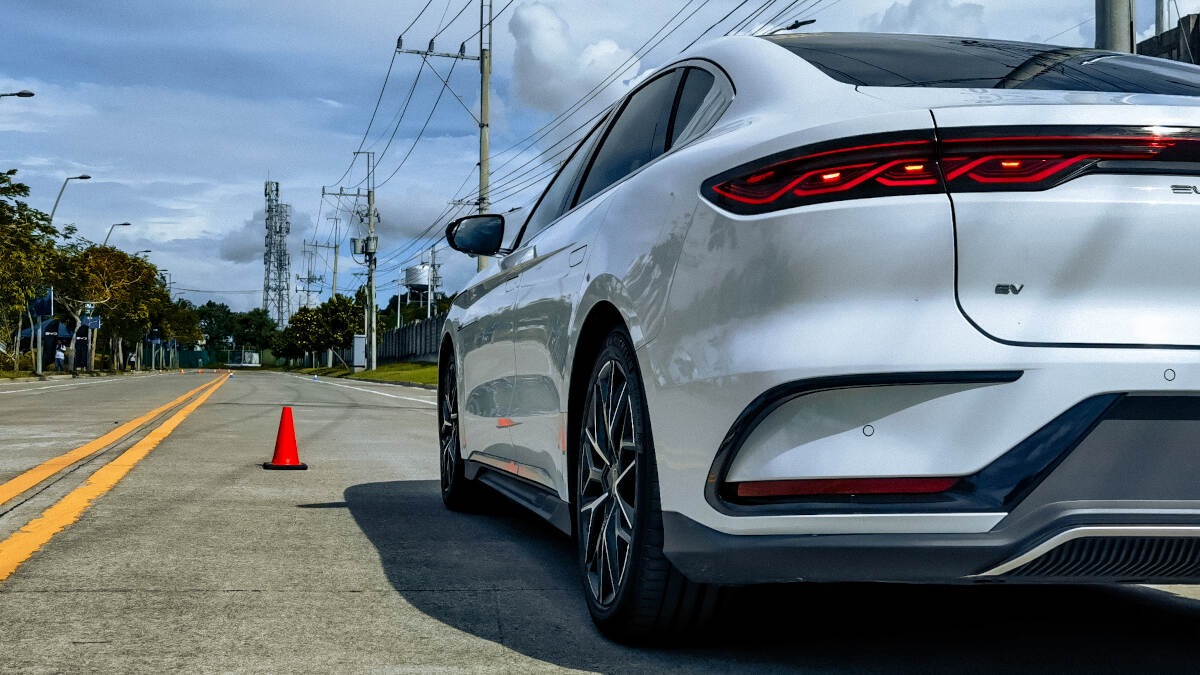
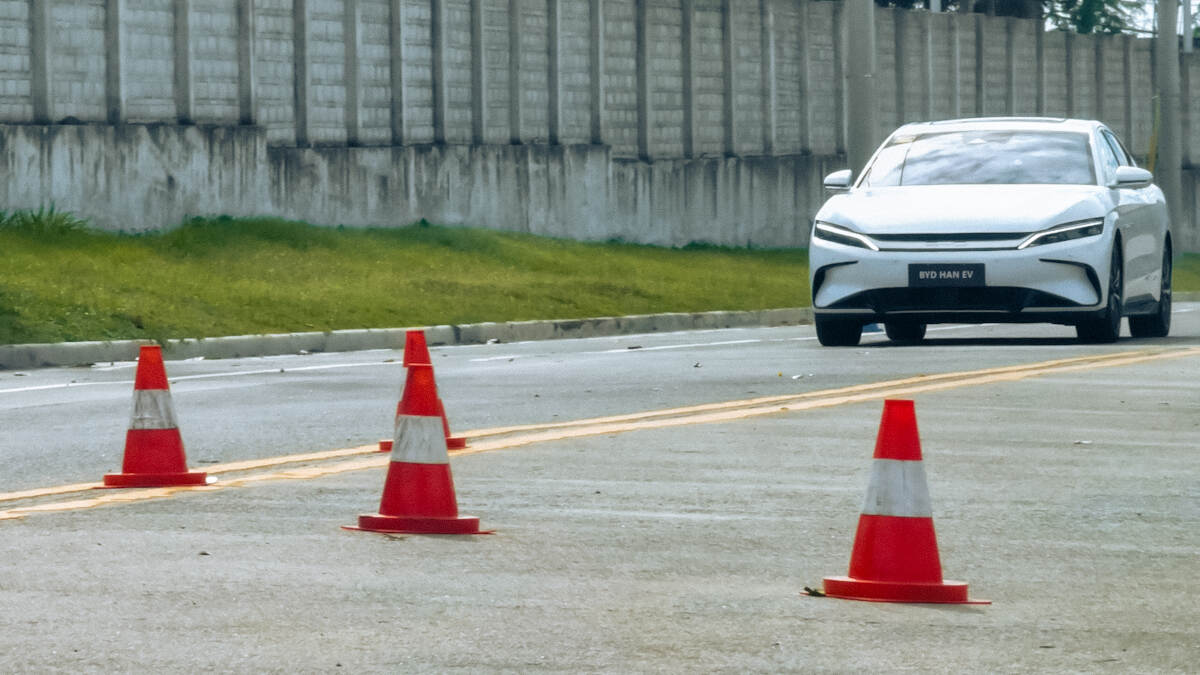
Part of that question is answered by the Han. Resplendent in sparkling white under the glaring sun on one of the back streets of the Sports area, it sits staged for the first of many acceleration runs it will do over the course of the day. With all-electric all-wheel drive, a fully independent suspension and Brembo brakes, it is an incredible performer. A few drag-strip runs—uphill, with two people on board, in searing heat—net us a 0-100 km/h time of 4.1 seconds. Just 0.2secoff the claimed 3.9 second time. On level ground, I fully believe that 3.9s time is possible. And it stops quickly, as well. There are a scant few sedans more capable, and they all cost a lot more. And BYD demonstrates this again, and again, and again. The resiliency and consistency of the all-electric system is remarkable. And this is all done in air-conditioned comfort. No need to turn off the AC compressor to limit parasitic power losses—with track mode set, you get full power on demand, at all times.
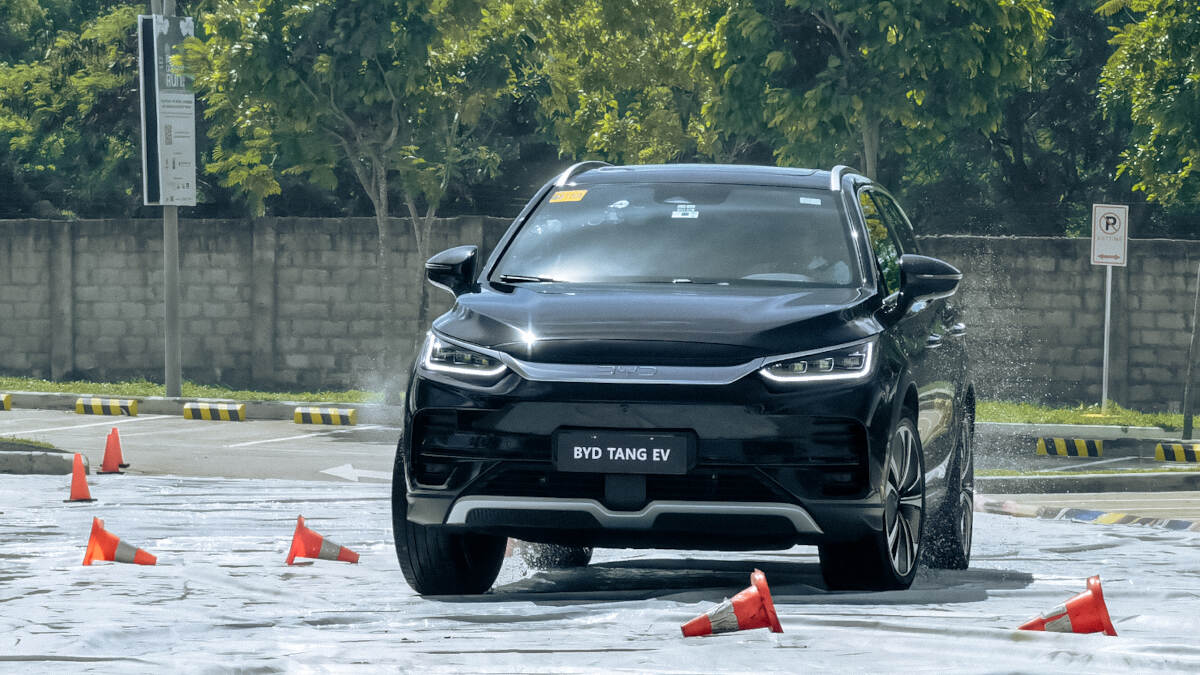
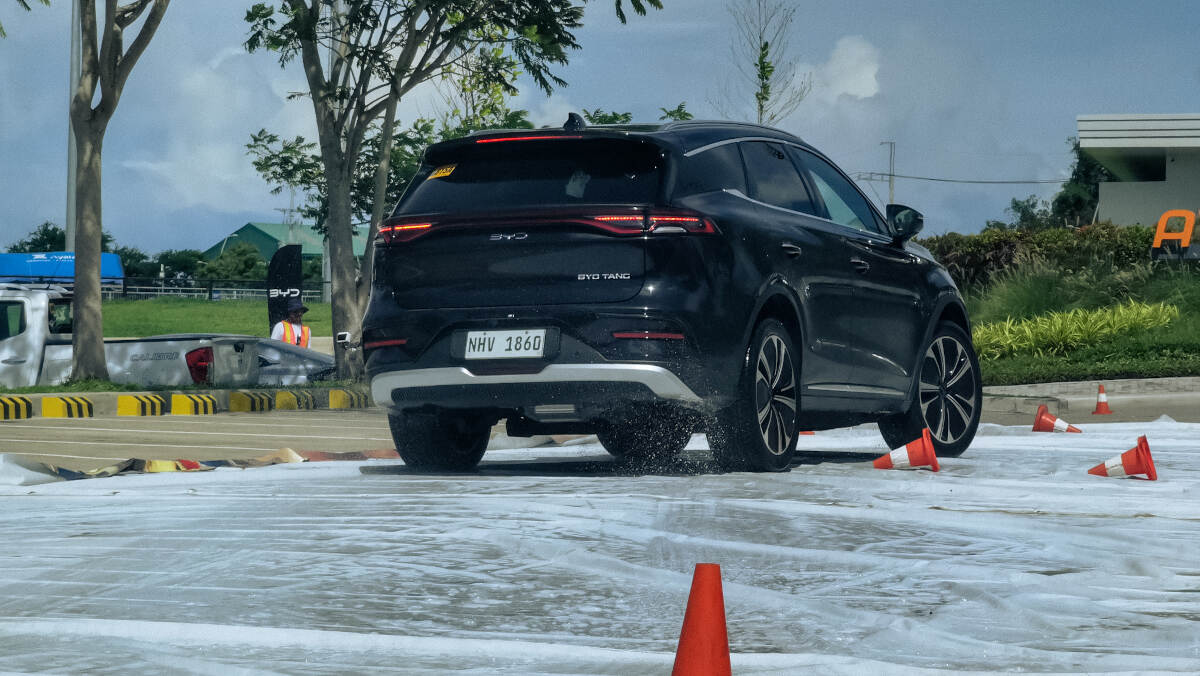
But power is nothing without control, and here is where the Tang comes in: a demonstration of control, on George Ramirez’s infamous split traction test, using a slick, soapy surface to demonstrate the advantages of electric all-wheel-drive. Only in this case, it’s more a case of no traction than split traction, as the assorted media and influencers present take the Tang through the equivalent of the slaloming ‘moose test’ at full speed on a surface slicker than ice, in the middle of a parking lot with wheel-scraping concrete curbs.
These are not the kind of conditions you want to be driving a 517-horsepower, 2.6-ton SUV in, but here we are. And it is a wonderful place to be. My time in the pilot’s seat is short, but the tan leather and powerful AC are a godsend after standing in the hot sun taking pictures all day. Puts you in a mood to enact some violence on that short slalom course, really.
No alloy wheels are sacrificed to the God of the Curbs during this exercise. Not even the most ham-fisted of drivers manage to completely lose control of the vehicle, the advanced stability control systems and sure-footed electric drive keep things neatadxa and tidy. On my turn, I trample off the line in a spray of soapy suds, the Tang building an impressive head of steam despite the lack of traction. I trail-brake to nose the heavy SUV into the chicane, finding it surprisingly centered and eager to change direction. Even in the absence of grip, there’s no excessive wheel spin or unbalanced power delivery—electric drive means you have total control of power delivery at all times.
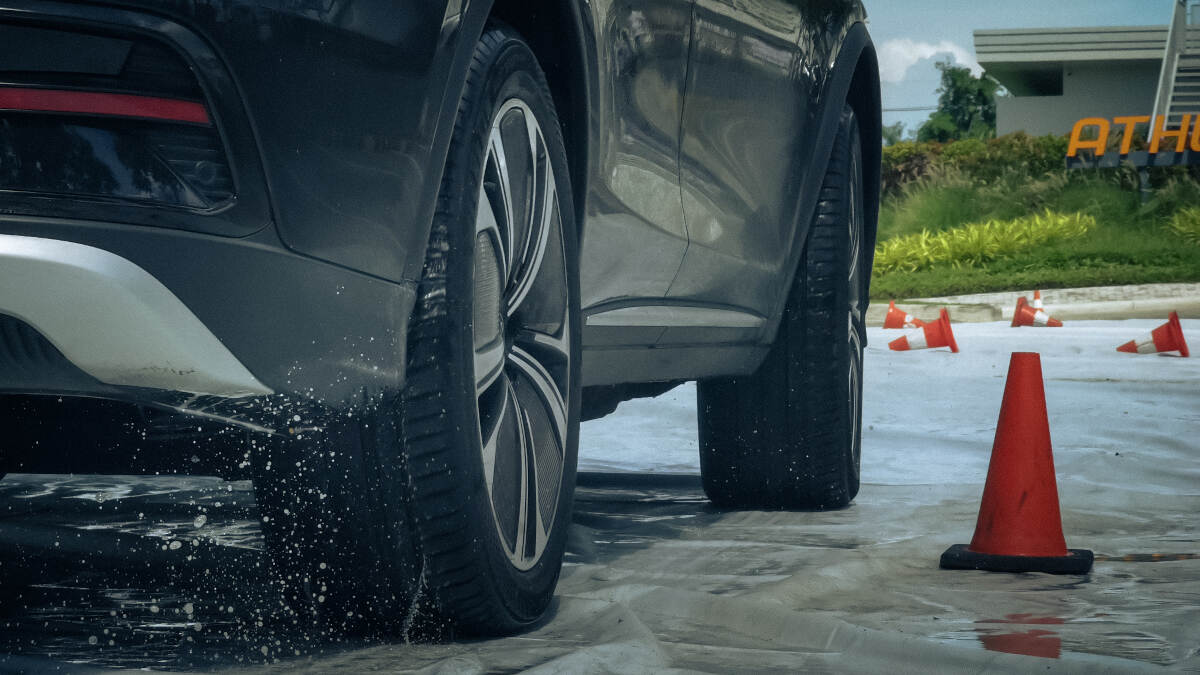
On the second run, I purposely push harder and brake later. The Tang pushes on into the second set of cones, but there is no sense of it wanting to veer off in random directions. A momentary unsureness as the tires bite into the correction, but this doesn’t translate into any untoward drama.
Instead, the drama is reserved for the drag strip, later in the day, as the Tang and Han face off against more expensive, more powerful gasoline cars on the drag strip. On hand are the potent V8 Camaro, a track-focused Radical race car and a 911 Turbo S. The Chinese EVs go one for three in the face-offs, there’s little expectation, of course, that they can beat the more race-focused machinery. But it is closer than expected. Especially considering the wide gap in prices.
So EVs are powerful. We know that. Over the past few years, makers like Tesla have released extremely high performance vehicles. But those cars aren’t here, not officially. And the gray imports that are here cost more for less performance. BYD’s greatest advantage over most EV makers is that they are battery manufacturers—allowing them to bundle costs of battery manufacture and logistics into their cars for incredibly low prices compared to those of just eight years ago.
Which is why Tesla and Toyota are partnering with BYD for battery technology. And why the Atto sells so well—up to 250 units a month, locally. That production efficiency should lower battery replacement costs drastically over the next decade, as well. Whether this pushes sales of BYD’s new flagships, we don’t know, but this small demonstration shows the confidence the brand has in its cars. Performance and luxury rivaling the Europeans for a mere fraction of the price?
Yes, please.
Now where did I put that extra three million pesos?