There are a lot of hybrid systems out there, but most work in the same basic principle. But given that hybrid power is just taking off in the country, perhaps a quick explainer is in need.
Enter Honda. Honda is one of the pioneers of hybrid-powered vehicles. It was actually one of the first automakers to mass produce electrified cars alongside Toyota.
OTHER STORIES YOU MIGHT HAVE MISSED:
Flood-prone areas in Metro Manila to avoid during the rainy season
Should Subaru PH bring in the Levorg Layback?
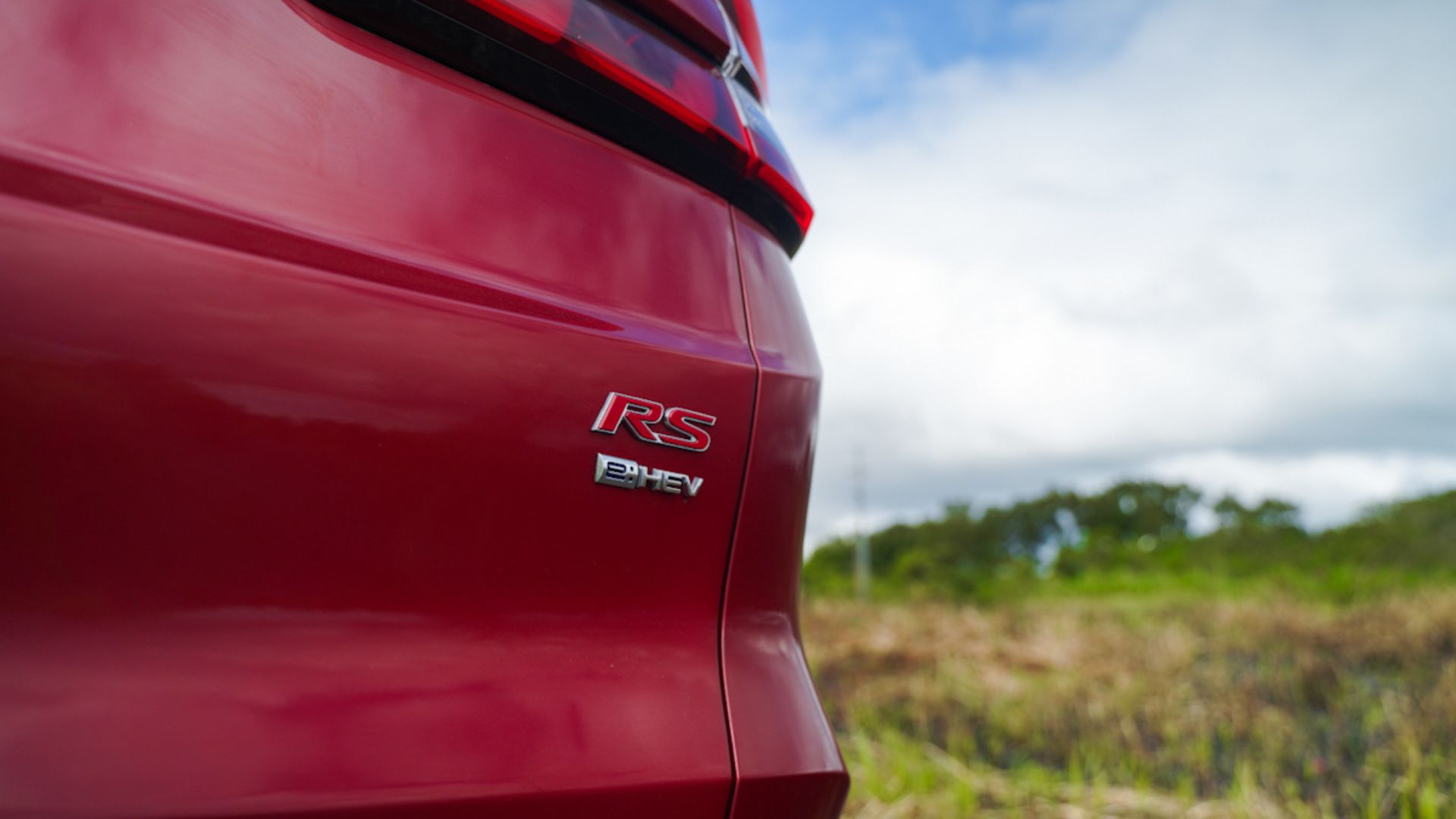
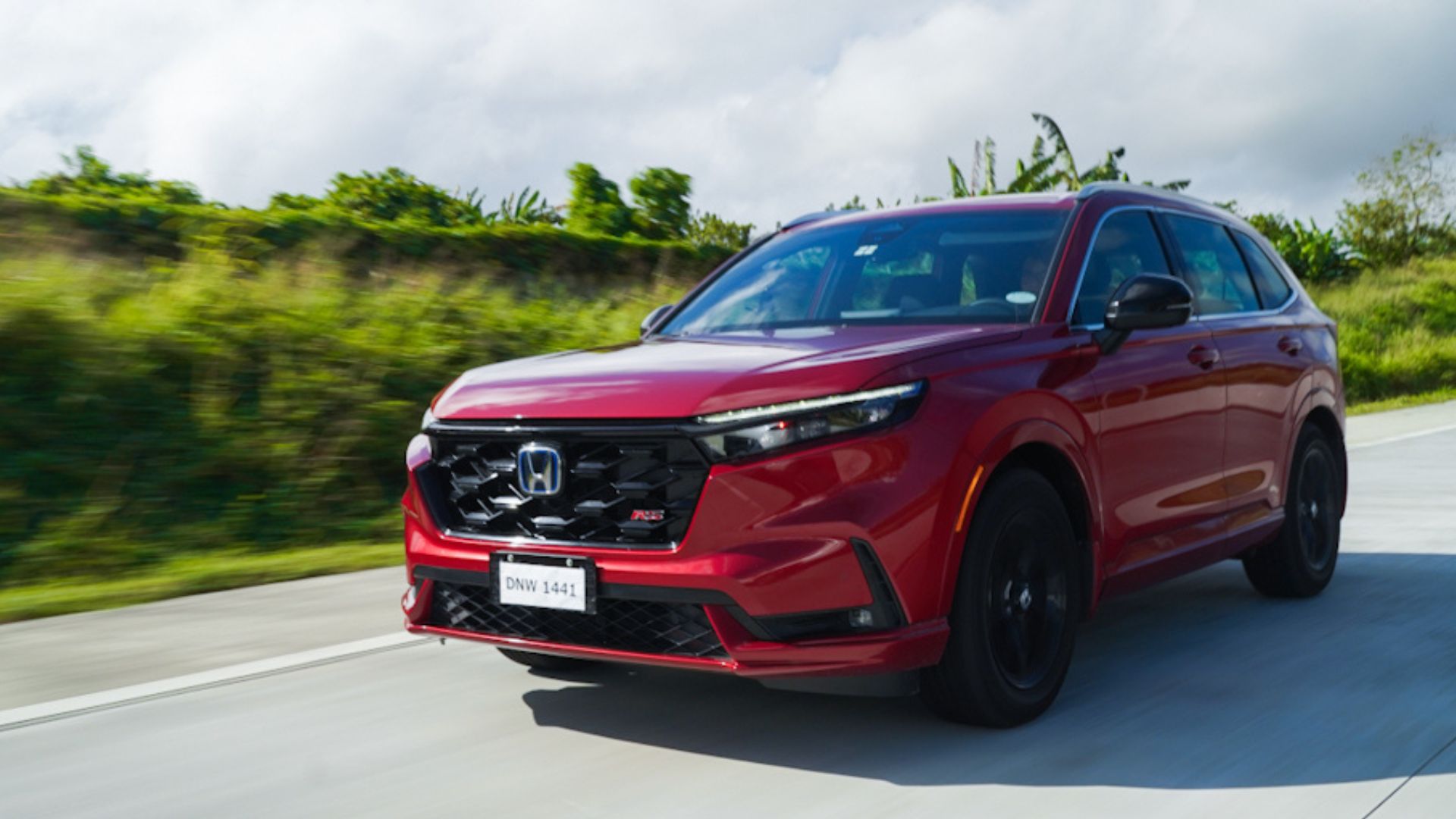
So, who better to explain how hybrids work than one of the first car companies to make it? If you’ve ever wondered how gas and electricity come together to power the car, read on and you’ll probably better understand how Honda’s e:HEV system in the CR-V shifts power around.
Honda’s e:HEV system has three main ingredients. First is a 2.0-liter Atkinson Cycle gas engine. The second and third consist of two electric motors, namely the traction motor and generator motor. The traction motor, along with the regenerative braking system, harvest energy from braking and deceleration, recovering friction losses that would otherwise be unused.
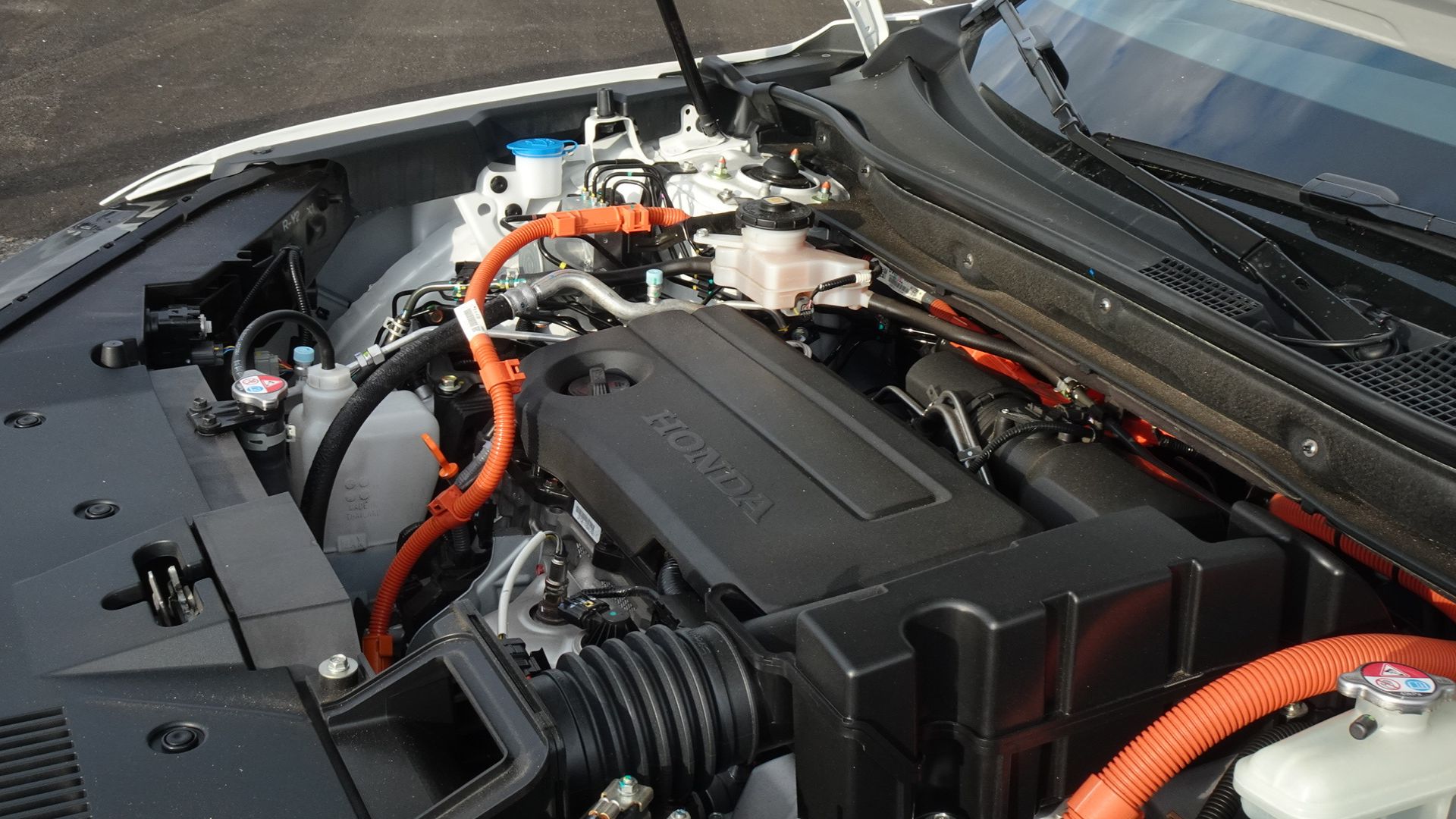
The generator motor also assists in recouping energy to recharge the batteries. But as it’s directly connected to the engine, it also provides extra power to give it a higher total horsepower rating. From the engine alone, it makes 146hp and 183Nm of torque. Meanwhile, the electric motors pack 181hp and 335Nm of torque. Combined, it doles out a strong 204hp.
Of course, the power benefits are good, but where hybrids shine is in the field of fuel economy. In the CR-V, it adapts to different driving situations to maximize efficiency. If there is more than enough charge in the self-charging batteries, the car goes into EV Drive mode with no assistance from the engine.
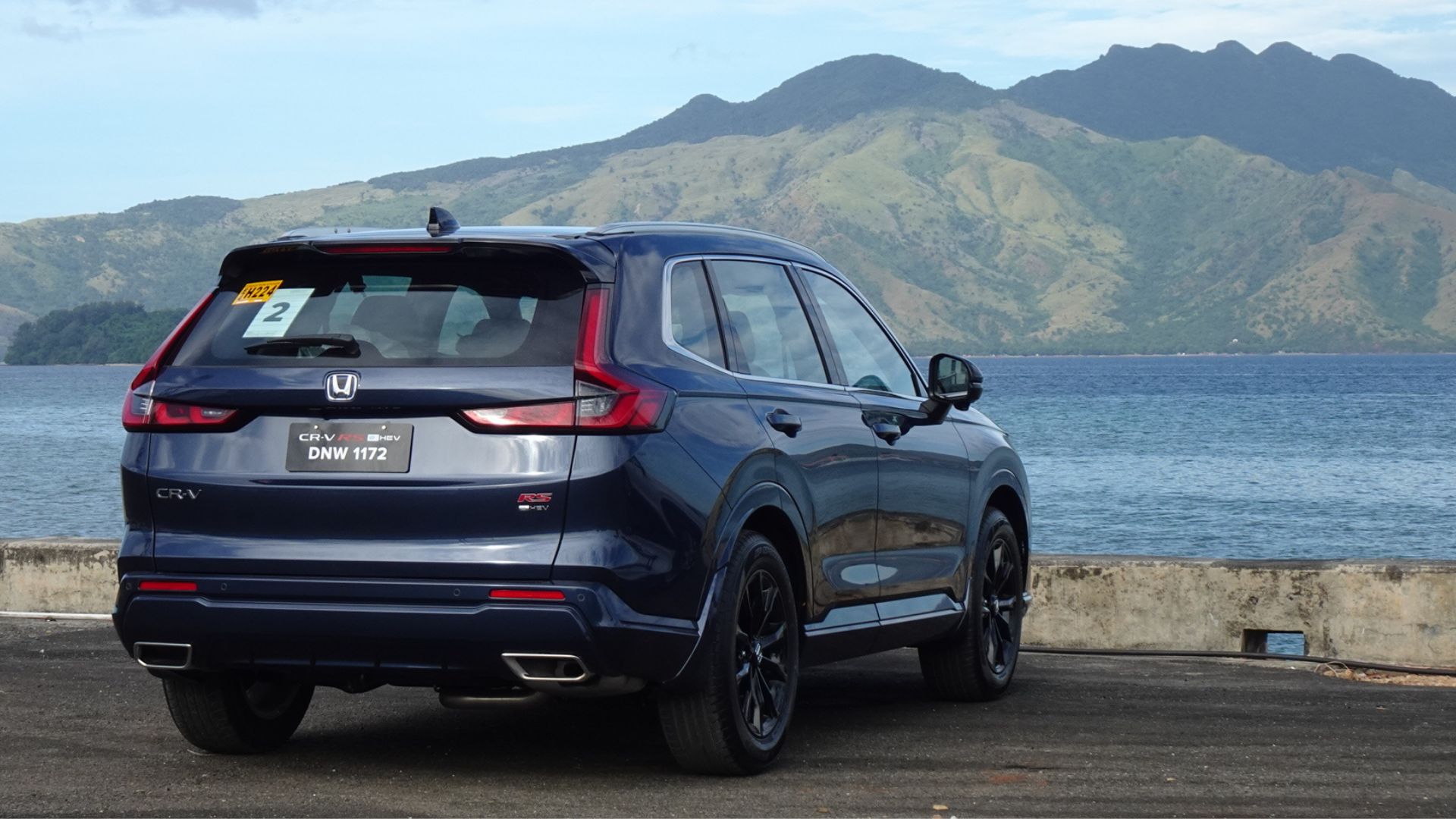
In Hybrid Drive mode, the engine both powers the car and serves as a generator for the battery, all while the electric motors assist in moving it. Lastly, Engine Drive mode, it runs solely on the internal combustion engine with no electric assistance. The result of all that is a fuel economy figure of up to 29.4 km/L.
But what about longevity and reliability? In countries where hybrids have been sold for decades, mileages over 300,000 kilometers aren’t a surprise anymore, running on their original batteries. But for those who want a little more reassurance, Honda offers an 8-year/200,000km warranty on its battery. Other automakers who offer hybrids also offer lengthy battery warranties as well.
So, do these facts alleviate any doubts about hybrids? If so, perhaps it's time to try out these electrified cars for yourself.