


Not everyone is blessed to have the means to have two cars. Heck, a proper two-car garage is a privilege already as it is. For households that can only truly have one car, number coding schemes can put a dent on plans.
But thanks to the EVIDA law, there is a way to get around it. Part of the benefits is coding exemptions for electrified vehicles. It covers hybrids, plug-in hybrid, range extended electric vehicles, and, of course, pure electric vehicles.
The thing is, most electrified options out there are over a million pesos. Don’t fret, though, as there are still those under that price barrier. Here are five coding exempt options to consider.
OTHER STORIES YOU MIGHT HAVE MISSED:
Rumors: Triumph is building a Thruxton 400
Tokyo Auto Salon 2025 recap: Some of our best picks from this year’s show
1) BYD Seagull (P898,000)
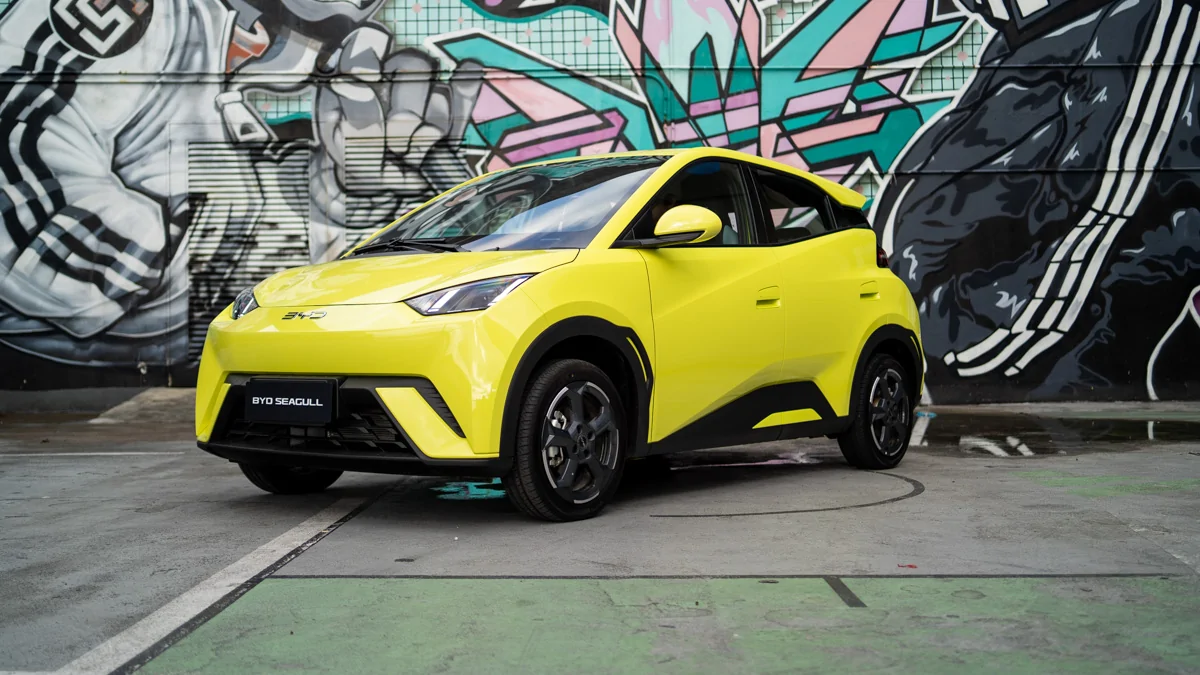
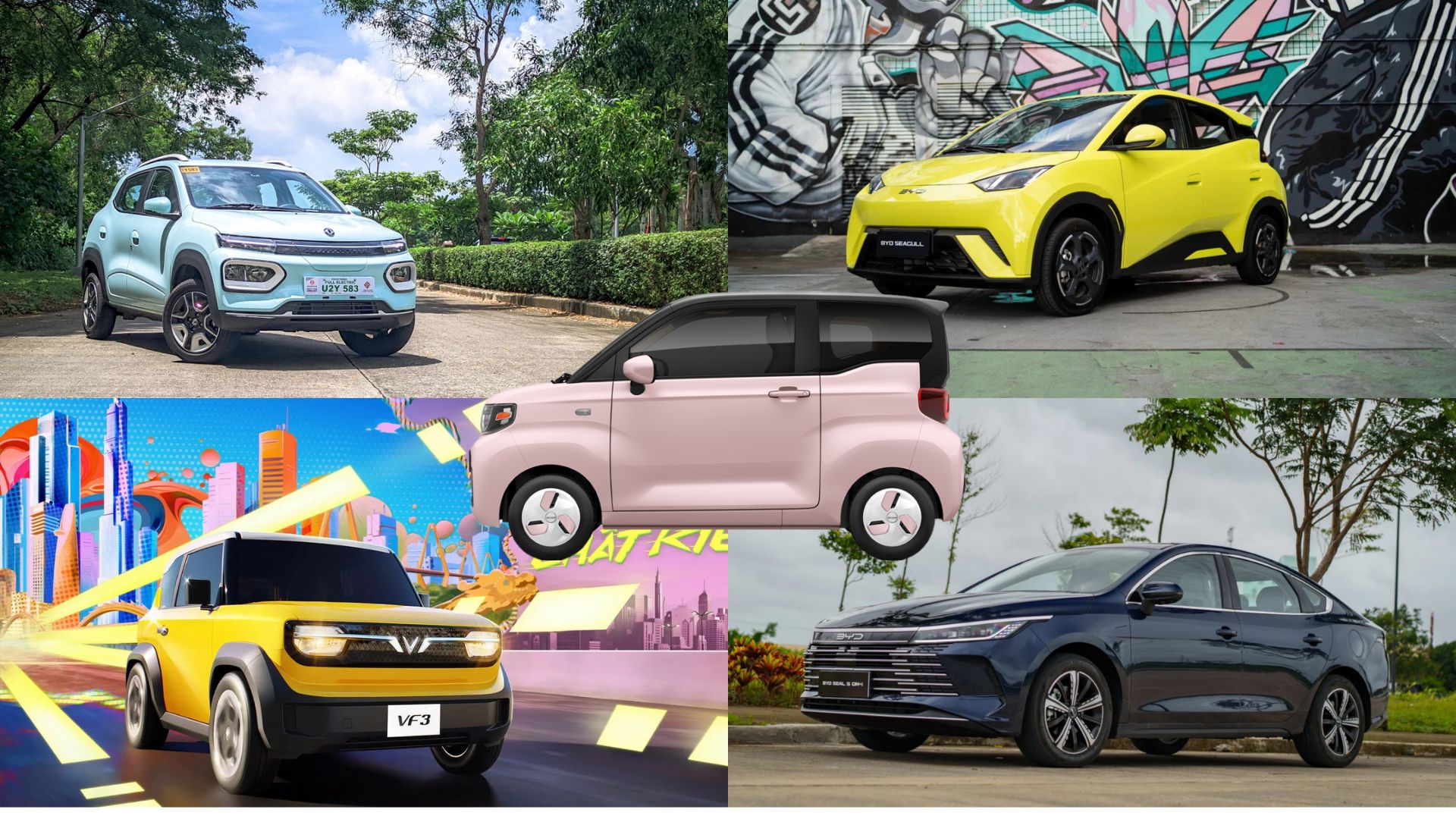
We kick off the coding exempt list with the BYD Seagull. It may only come in one variant, but it’s fully loaded nonetheless. You get niceties such as cruise control, a comprehensive infotainment system instead of just a touchscreen audio display, and even 4G Connectivity.
It’s powered by a single electric motor with 74hp and 135Nm, which should give this small EV a bit of a kick off the line. As for range, it can get up to 300km on a full charge. Its 30kWh battery takes 30 minutes to charge from 30 to 80 percent with DC charging and five hours for 0 to 100 percent with AC charging.
2) BYD Seal 5 DM-i Dynamic (P948,000)
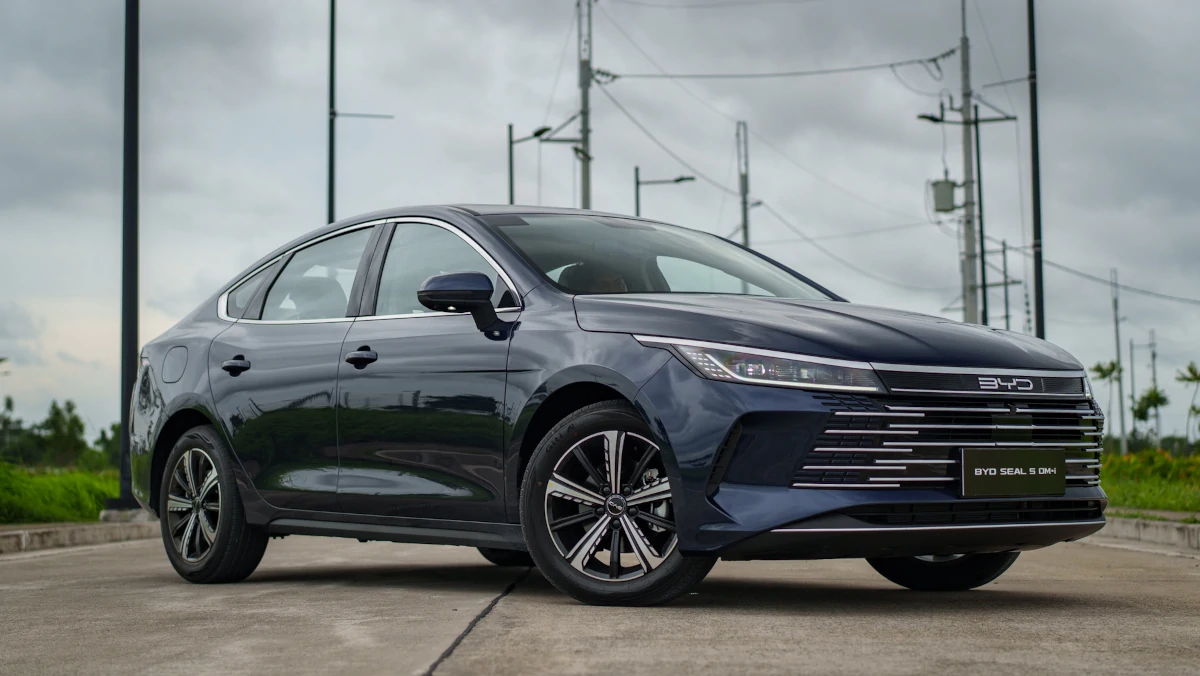
Yes, it’s another BYD, but the Seal 5 DM-i is a different kind of EV. It’s a range extended electric vehicle that uses a 1.5-liter engine solely as a generator to charge the batteries that then powers the motor. The variant under P1 million is the base Dynamic version, but it’s still well equipped. There’s cruise control, a proper infotainment system, and unusually for a sedan, a terrain select system.
In base form, the Seal 5 DM-i makes 177hp and 316Nm. There are two ways to charge the lone sedan in this list. One can rely on the engine generator to top it up or through AC charging and takes three hours to fill up the 8.3kWh batteries. Range is estimated to be over 1,000km.
3) Dongfeng Nanobox (P888,000)
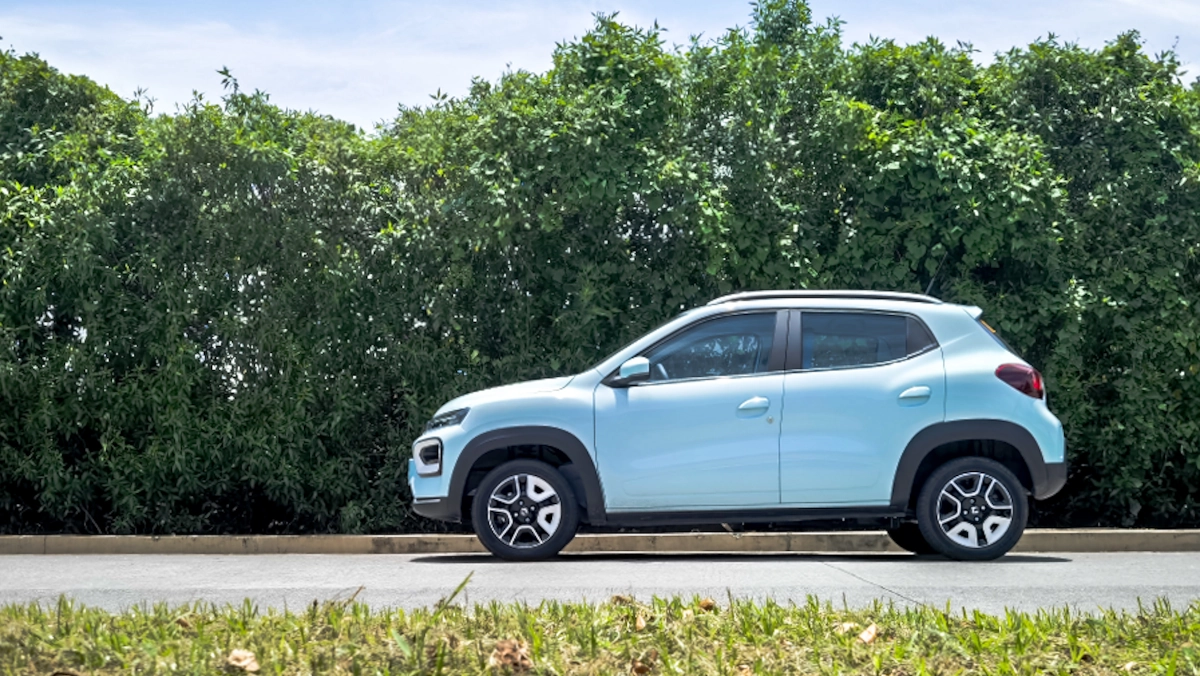
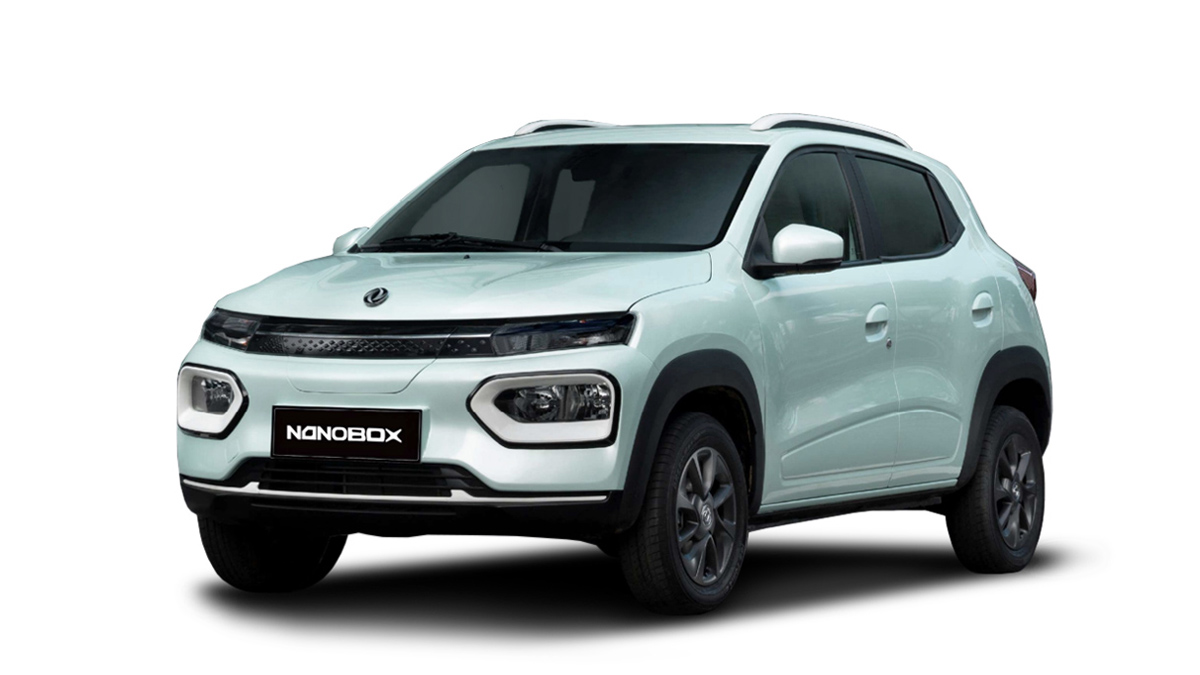
We’ll start with a little fun fact about the Dongfeng Nanobox. In reality, it’s actually a Dacia Spring or Renault Kwid E-Tech over in Western markets. As a certain former Top Gear host would say, ‘Great News!’
The Nanobox comes with a 26.8kWh battery with a range of 301km on a full charge. It’s a promising figure given the relatively limited capacity. As for power, it makes a conservative 45hp and 125Nm, so don’t expect earth-shattering performance from it. Charging times, on the other hand, are ‘under 30 minutes’ for DC charging from 30 to 80 percent and ‘under four hours’ in AC charging from flat.
4) Jetour Ice Cream (P699,000)
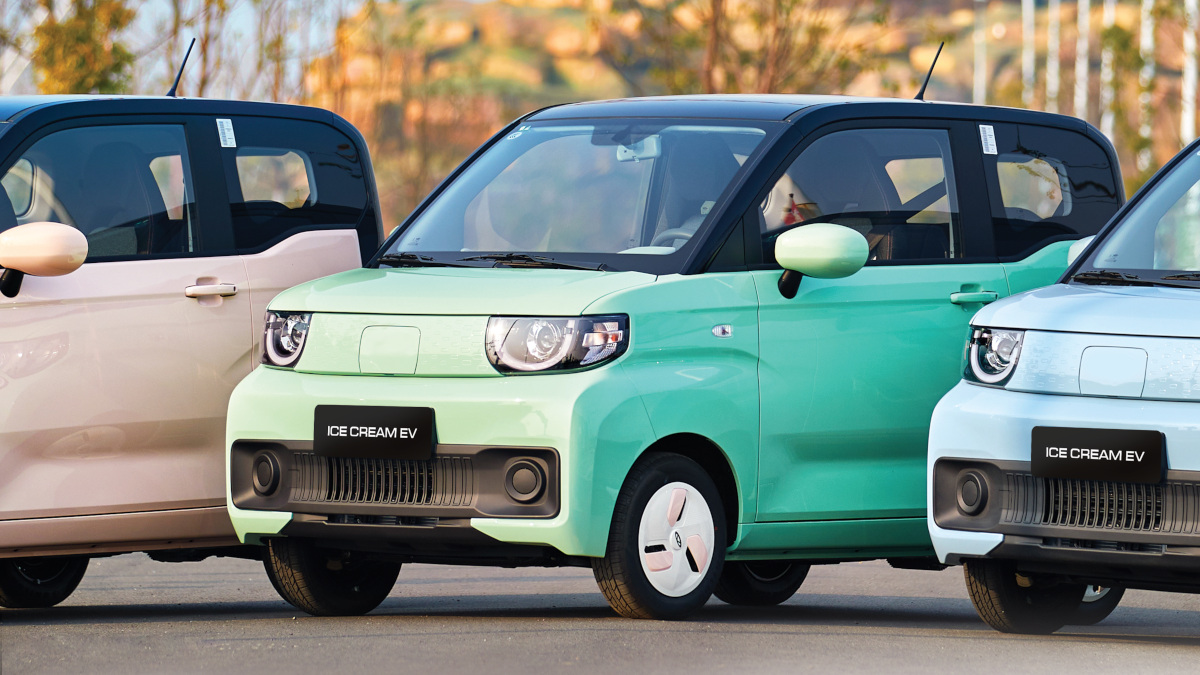
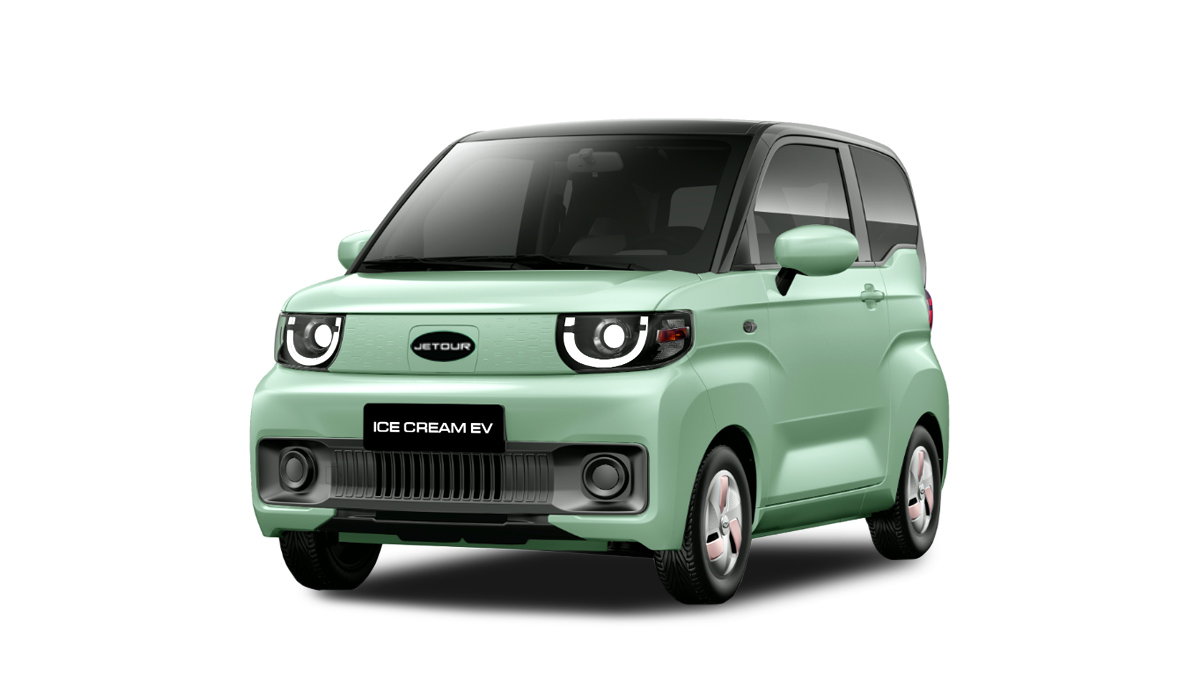
But say you need just a small runabout that doesn’t need to use gas. You also wouldn’t want to use an e-trike as you prefer to get from short distances in relative comfort. A solution we can provide you is the Jetour Ice Cream. It’ll fit four in a pinch but two in comfort, and the tiny size means there’s zero excuse to park badly in it. It can do the occasional long-distance drive (if you dare), and it has all the trappings of a modern car.
The Ice Cream is powered by a 27hp motor that also churns out 85Nm. A 13.9kWh battery charges up the motors, and it takes eight hours to top up through 220v charging. Range hovers between 120 to 170km.
5) Vinfast VF3 (P745,000 with battery)
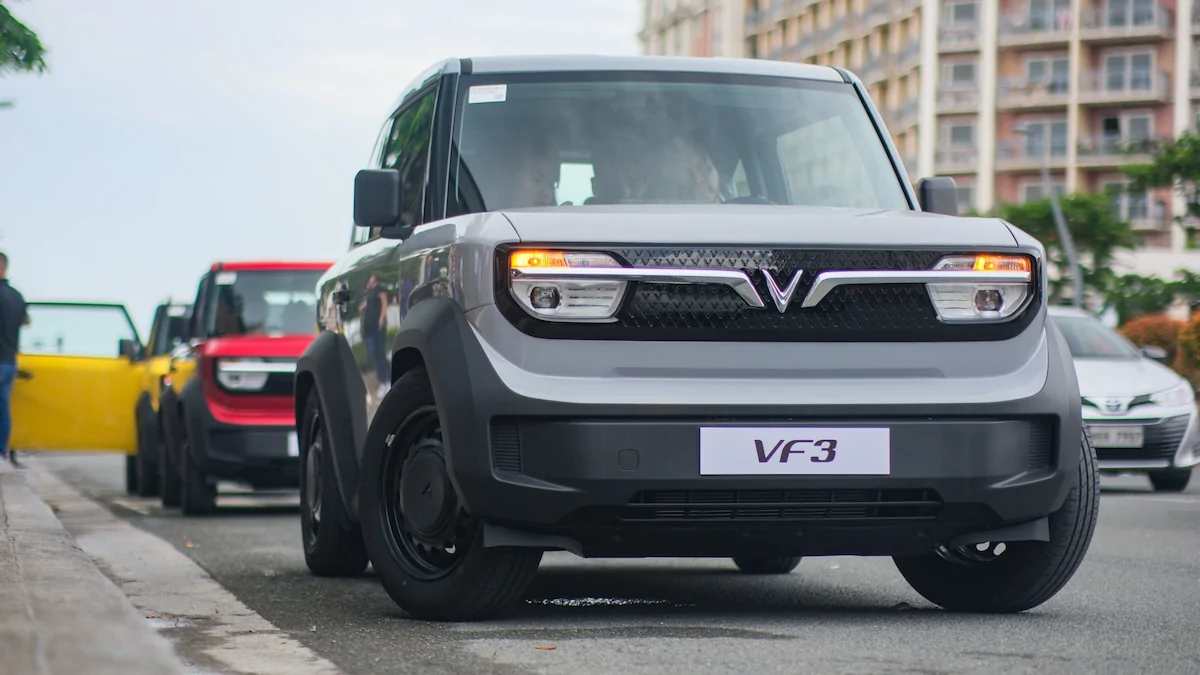
The lone entry here to not come from China hails from Vietnam with the Vinfast VF3. Yes, you can get a VF5 under P1 million, but just look at the VF3. Its boxy and upright styling oozes charm and costs significantly less than its big brother. Space is, er, reasonable, and it’s relatively well equipped for a low-priced EV. With a ground clearance of 191mm, it might be worth considering the VF3 if you live in a flood-prone area.
Powering the VF3 is a single electric motor that puts out 40hp and 110Nm. Battery capacity is rated at 18.64kWh to give it a range of up to 215km. Meanwhile, DC Charging takes 36 minutes from 10 percent to 70 percent.