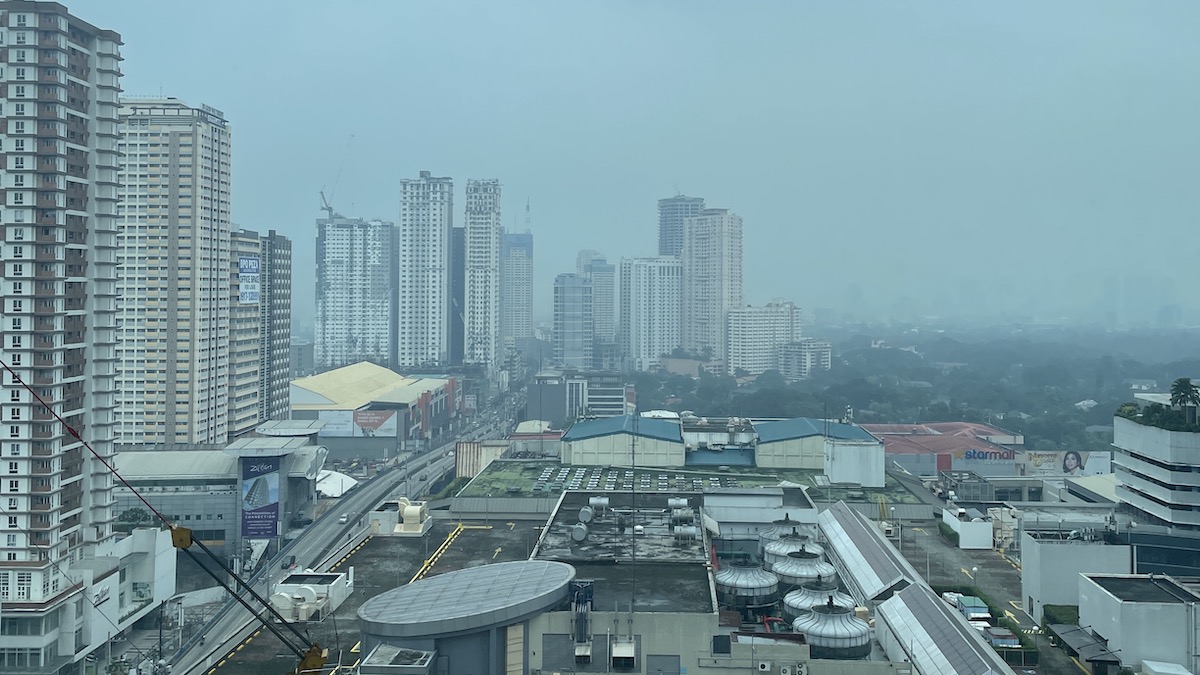
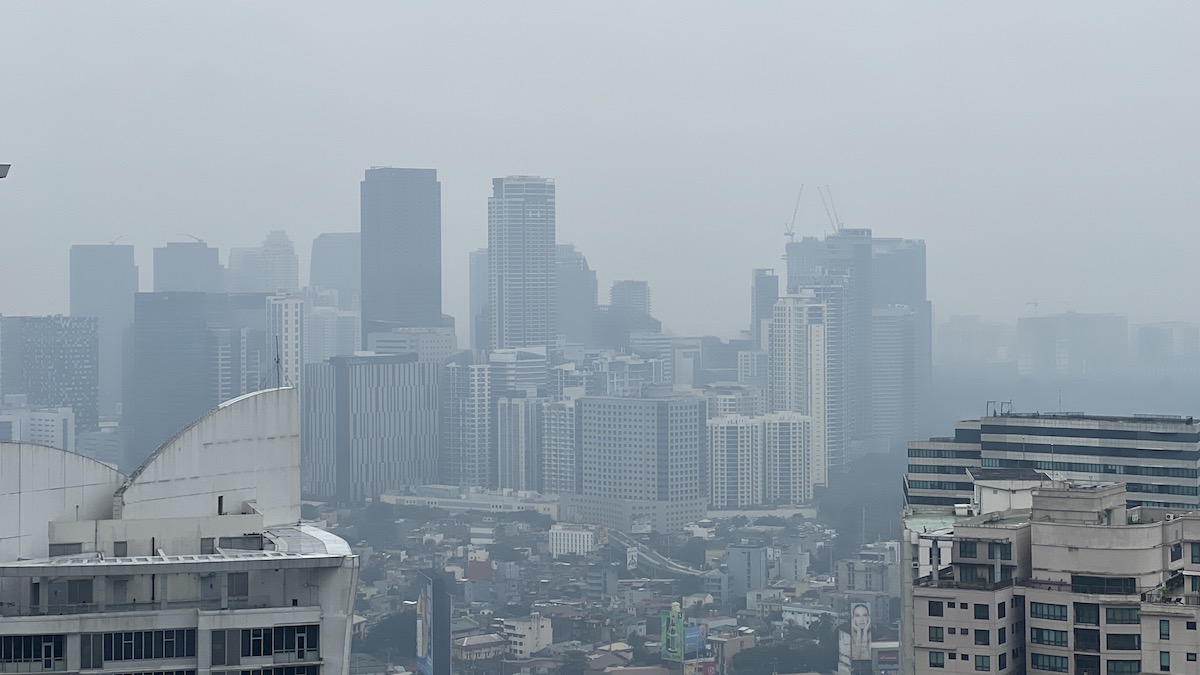
Various parts of the country are currently experiencing poor air quality. Vog or volcanic smog from Taal Volcano is affecting the province of Batangas and surrounding areas, while gray skies loom over Metro Manila as a result of increased vehicular emissions from traffic congestion and poorly maintained vehicles.
People with respiratory or cardiovascular diseases, in particular, are prone to suffering the adverse health effects of smog and vog. Both forms of air pollution carry minuscule particles and aerosoles that can penetrate airways and cause asthma attacks, aggravate symptoms of pulmonary disease, and increase the risk of heart attack and stroke. Even among healthy individuals, they can cause coughing and shortness of breath. Vog, which contains sulfur dioxide, can bring on watery eyes, flu-like symptoms, and nausea, and cause long-term health issues.
ALSO READ:
Volcanic ash: What it does to you and your car, and how to stay safe on the road
Not vog? Gray Metro Manila skies caused by ‘emissions from heavy vehicular traffic,’ says DENR
Pedestrians, active transport users, and public transport passengers are especially vulnerable to air pollution. Unfortunately, not everyone has the option to stay indoors. If you must travel, follow these guidelines from the Department of Health (DOH) to help minimize the harmful effects of vog and smog:
1) Limit outdoor activities.
People with heart or lung disease are strongly advised to stay indoors. Those that need to go out for work or school should head indoors once they get to their destination.
2) Keep doors and windows closed.
Ensure that air pollutants remain outside your home or workplace. If you have an air purifier with a high efficiency particulate absorbing or HEPA filter, it’s time to put that to work.
3) Wear an N95 face mask.
If you still have a stash of N95 masks, wear them to filter out harmful particulate matter. We know they’re not comfortable, but three years of the COVID-19 pandemic has given us enough practice with these masks.
4) Drink lots of water.
Increasing your water intake will help soothe throat irritation and nasal congestion. Proper hydration will help flush harmful toxins from your body, too. While you’re at it, rinse your eyes with water whenever you return from doing something outdoors.
The DOH also stresses that if you experience serious or prolonged health issues resulting from vog or smog exposure, you should consult a doctor immediately.