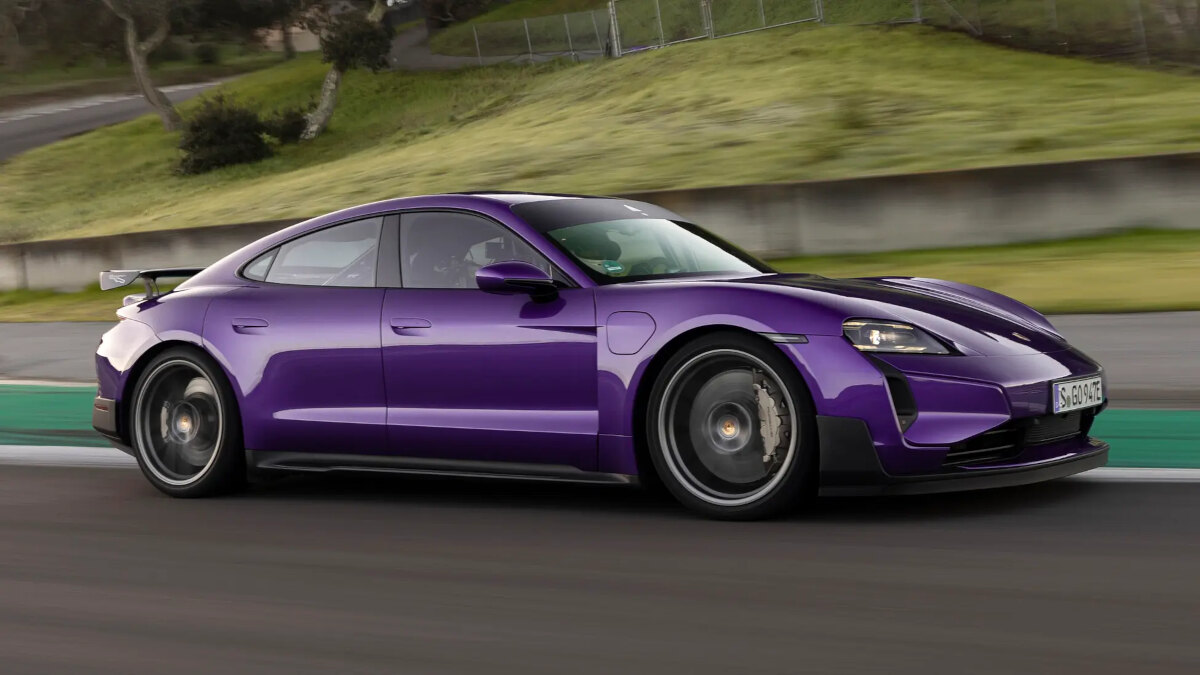
Electric powertrains all feel much the same. This is truth, not myth, so I’m not here to bust it. They all give a smooth, instant, and proportional answer to the right pedal. They even sound the same. If silence is a sound.
We petrolheads tend to grumble about this. But let’s face it: 10 years ago, very many cars had boringly similar combustion powertrains. Nearly half of those sold had a four-cylinder diesel and a six- to eight-speed auto box. Let me tell you, they were pretty hard to distinguish.
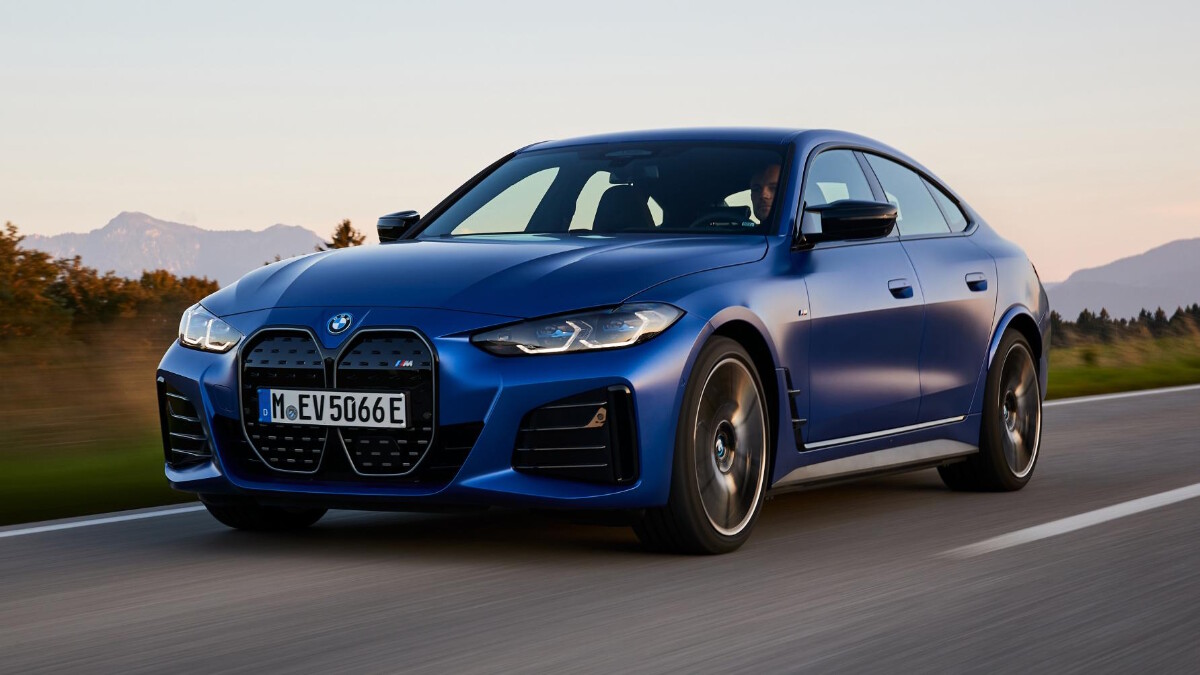
And nearly all drivers would have found them vastly worse than an electric drive. They were noisy and rattly. Their gearshifts were often a thunk, and they’d find themselves in the wrong ratio so when you hit the accelerator, you faced a delay while they shifted down and came on boost.
OTHER STORIES YOU MIGHT HAVE MISSED:
Toyota has given the GR86 the glorious Hakone Edition treatment
Lexus is building the 300hp LBX Morizo RR—and it will be available with a manual gearbox
Personally, I do miss combustion engines. But I have to acknowledge that what I enjoy mostly is driving around the problems. Nudging the transmission into the correct gear by the paddles, anticipating turbo lag by pushing the accelerator early, modulating the brakes to come to a smooth stop. And if it’s a manual, coordinating clutch, throttle and shift so as to approximate an EV’s seamless urge.
One blessed day, I drove a flat-six Porsche and a V12 Ferrari, both nat-asp. They’re a high water mark. But the combustion powertrains we drive most days are more interesting than electric only because they’re more imperfect.
NOTE: This article first appeared on TopGear.com. Minor edits have been made.