From a young age, we’re taught that water and electricity do not mix. We can write an entire essay as to why that’s the case, but the oversimplified version is that water isn’t a conductor and will shock or electrocute anyone unfortunate enough to come across a wet and exposed electrical line.
That then begs the question: Is it safe to charge a vehicle when it’s raining? It sounds silly to even ask that, but given that electric vehicles and plug-in hybrid vehicles are more prevalent now, it’s well worth answering that.
We can end this story by simply saying yes, but of course, you’d like to know why that’s the case. So, why is it safe to charge an EV or plug-in hybrid even when it’s wet? Read on.
OTHER STORIES YOU MIGHT HAVE MISSED:
Specs, prices, features: Everything you need to know about the 2025 Hyundai Ioniq 9
The first AAP-sanctioned inter-island rally was held in Lubang, Occidental Mindoro
Safety first
Bear in mind that automakers factor the weather in when it comes to development. If they didn’t, then it totally defeats the purpose of having a car in the first place, which is designed to be practical, and more importantly, dependable no matter the weather. From the car’s end, there’s extremely little risk of electrocution thanks to the safeguards set in place.
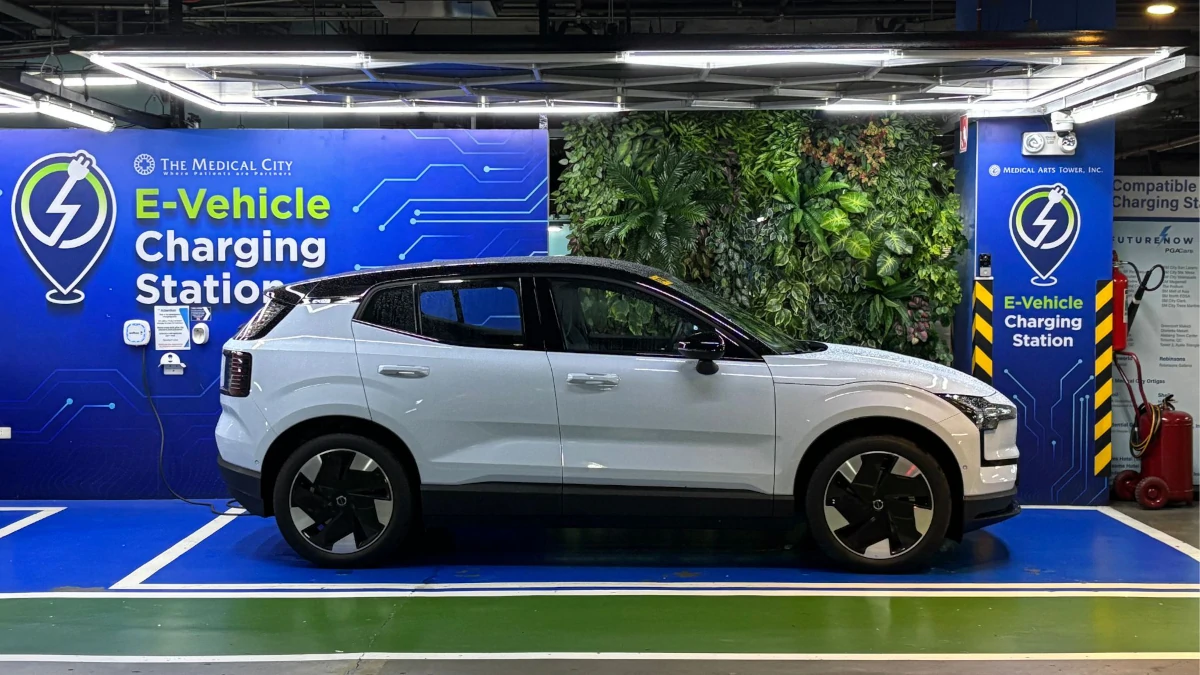
That’s cool and all, but what about the charging station? It’s safe to say that the same applies to those as well. Those chargers are tested to the extreme, and thus, designed with weatherproofing capabilities that allow them to keep working even in adverse conditions. There’s a reason why those cables are thick, and the components inside the station are built to withstand punishing circumstances.
Built to standards
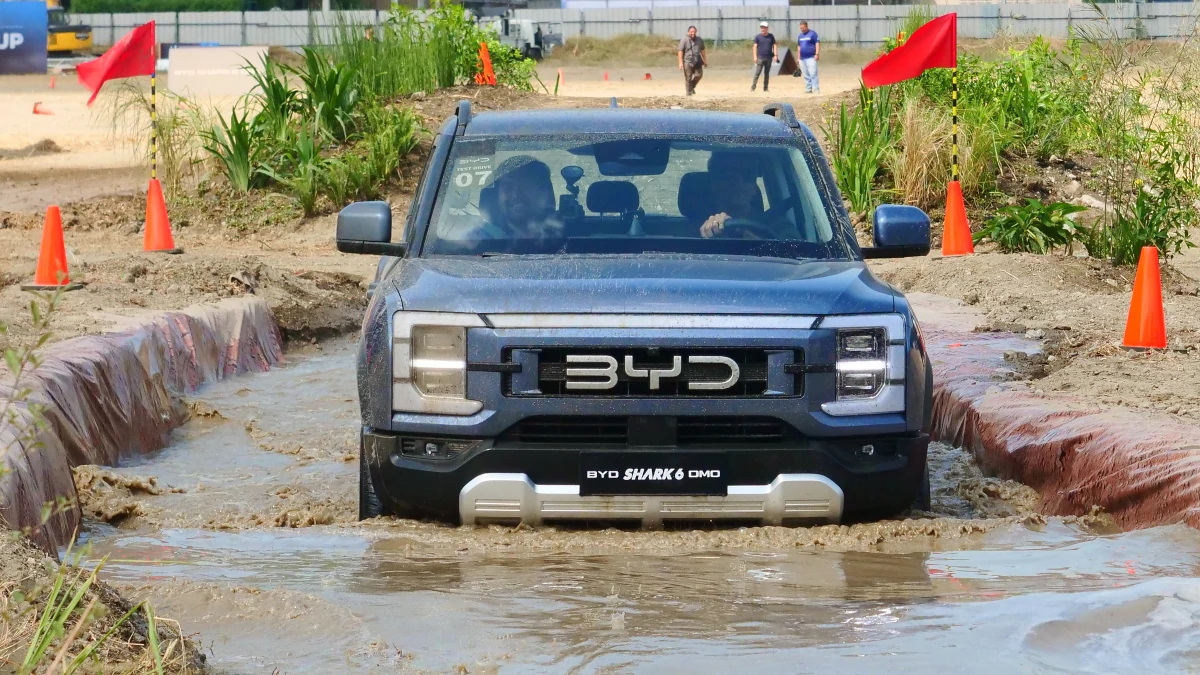
There are two standards you need to know for that extra peace of mind: IP65 and IP67. IP stands for Ingress Protection, and each digit stands for something. In this case, the 6 means these ports and chargers are dust tight, while the second digit can mean either protection from high pressure water jets or can be submerged in water for up to 30 minutes. That also means the need for a charging port cover isn’t totally necessary.
To decode that, IP 65 means it’s dust tight and can withstand water jets, while IP67 can offer watertight protection for a certain time. Mind you, manufacturers have to pay for this rating, but rest assured charging ports and sockets are tested to these levels.
Other safeguards
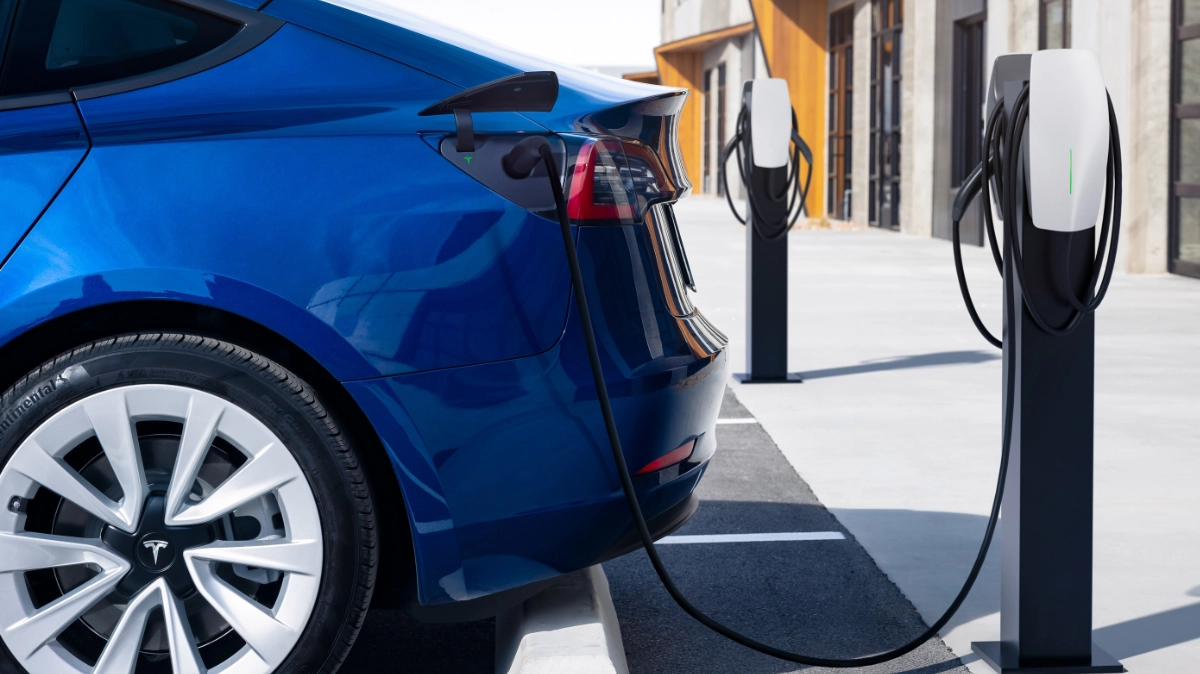
What happens when you plug in a wet plug into a socket? We’re here to tell you that it won’t zap you immediately. That’s because the charger and the car communicate with each other to see if it’s safe to continue the connection. If not, then it simply won’t charge. Conditions must be met before any current is drawn.
But don’t charge if…
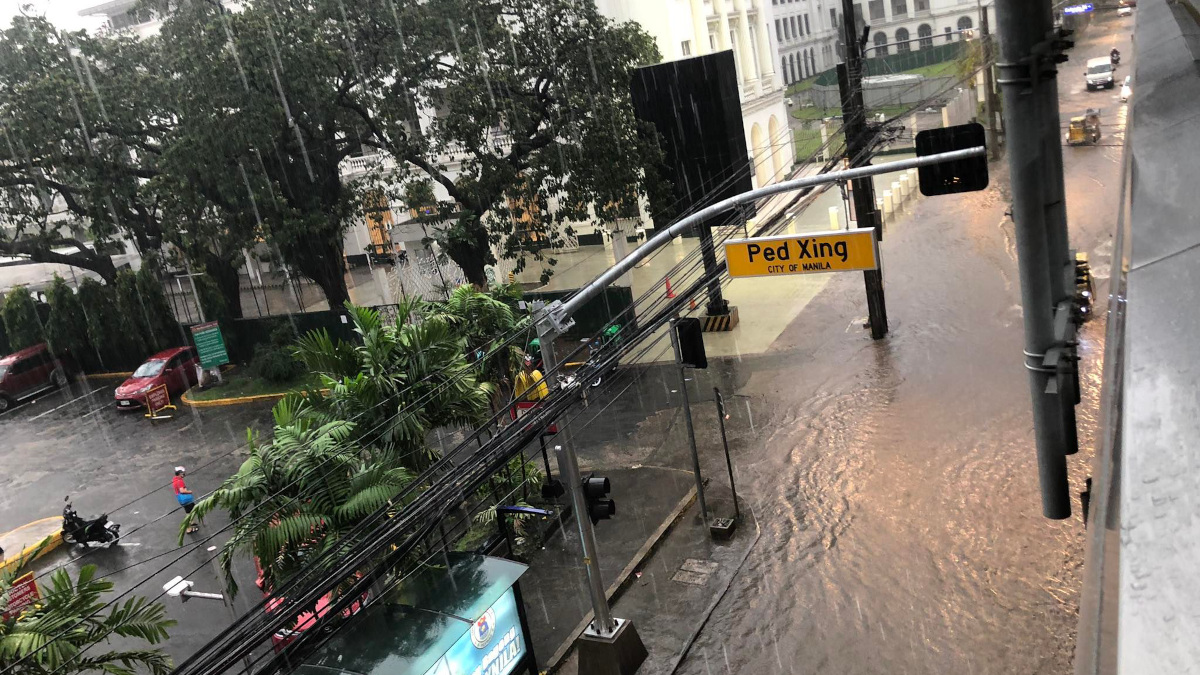
Obviously, you shouldn’t charge when you’re at risk of hurting yourself. Storms bring with it strong winds and possible debris that can fly towards you. At the same time, don’t plug your car in when it’s submerged in a flood. It’s less about electrocution but more of risk damaging the vehicle.
It’s also worth checking the condition of the charging station itself. Is it clean and new or battered and bruised? It’s not just about aesthetics, but rather, it gives you an indicator of how well kept a station is. At the same time, check for any cuts in the cable, exposed wiring, or any of the sort. It’s dangerous enough to have a wonky cable in the dry, more so in the wet.
Precautions
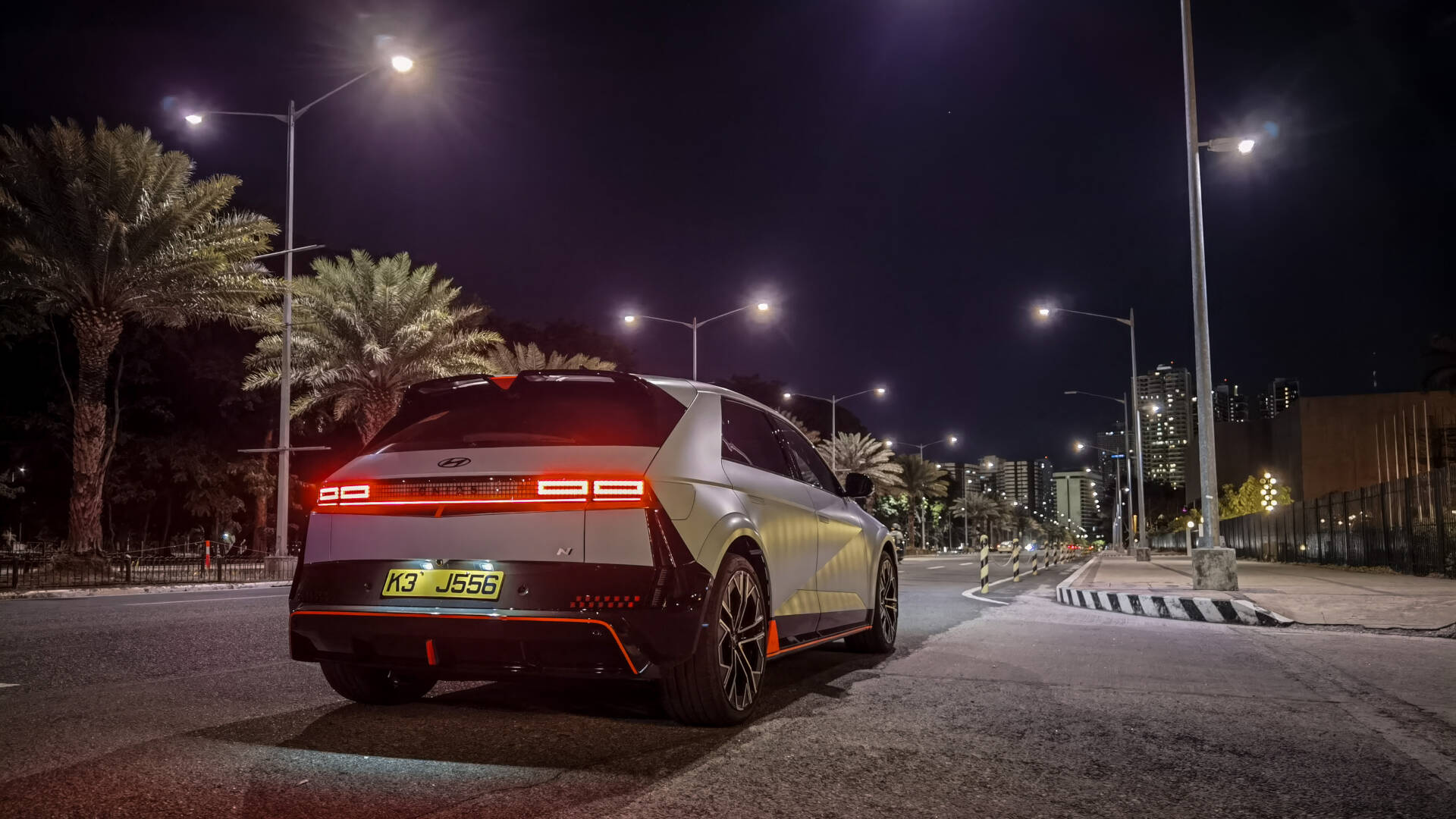
Of course, we’ll give a few more tips for extra peace of mind. If filling up a fuel-fed car comes with its own set of precautions, the same goes for EVs. In this case, it’s advisable to handle wet equipment with dry hands, or you can also pat down the cable itself. Avoid charging on standing water or puddles to lessen the already low risk of shocks. Lastly, it’s best to go for indoor chargers, or shaded ones at the very least.