

1) Benz Patent-Motorwagen
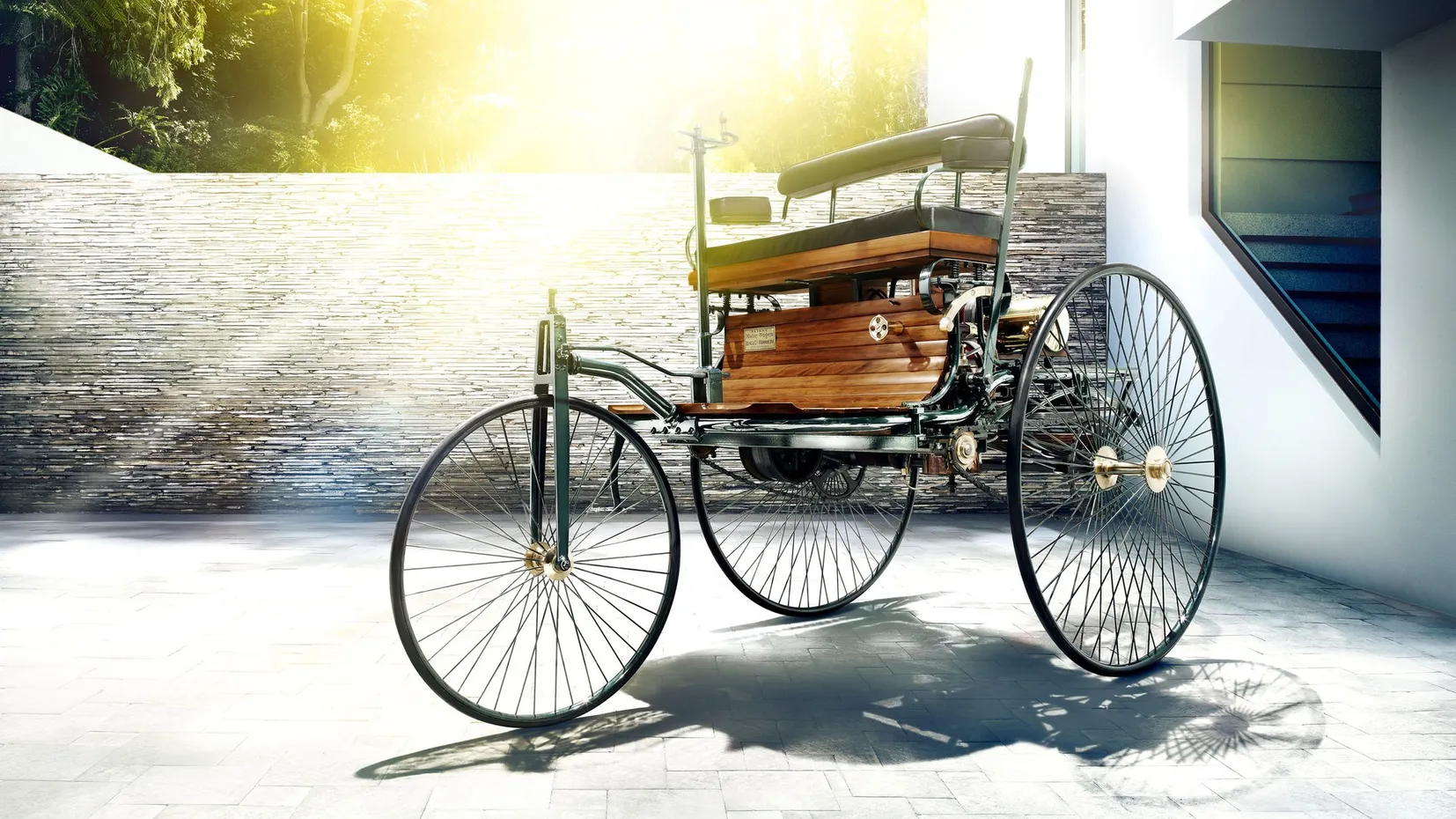
Right—hopefully, we don’t need to explain this one. While there were some semi-viable attempts to build self-propelled carriages as far back as the 1760s, the fact is that before the 1886 debut of Carl Benz’s Patent-Motorwagen, the only practical form of personal transportation had hooves. For most people, that remained the case until the emergence of the next car on this list, but the Motorwagen is genesis. No, not the posh Hyundais.
2) Ford Model T
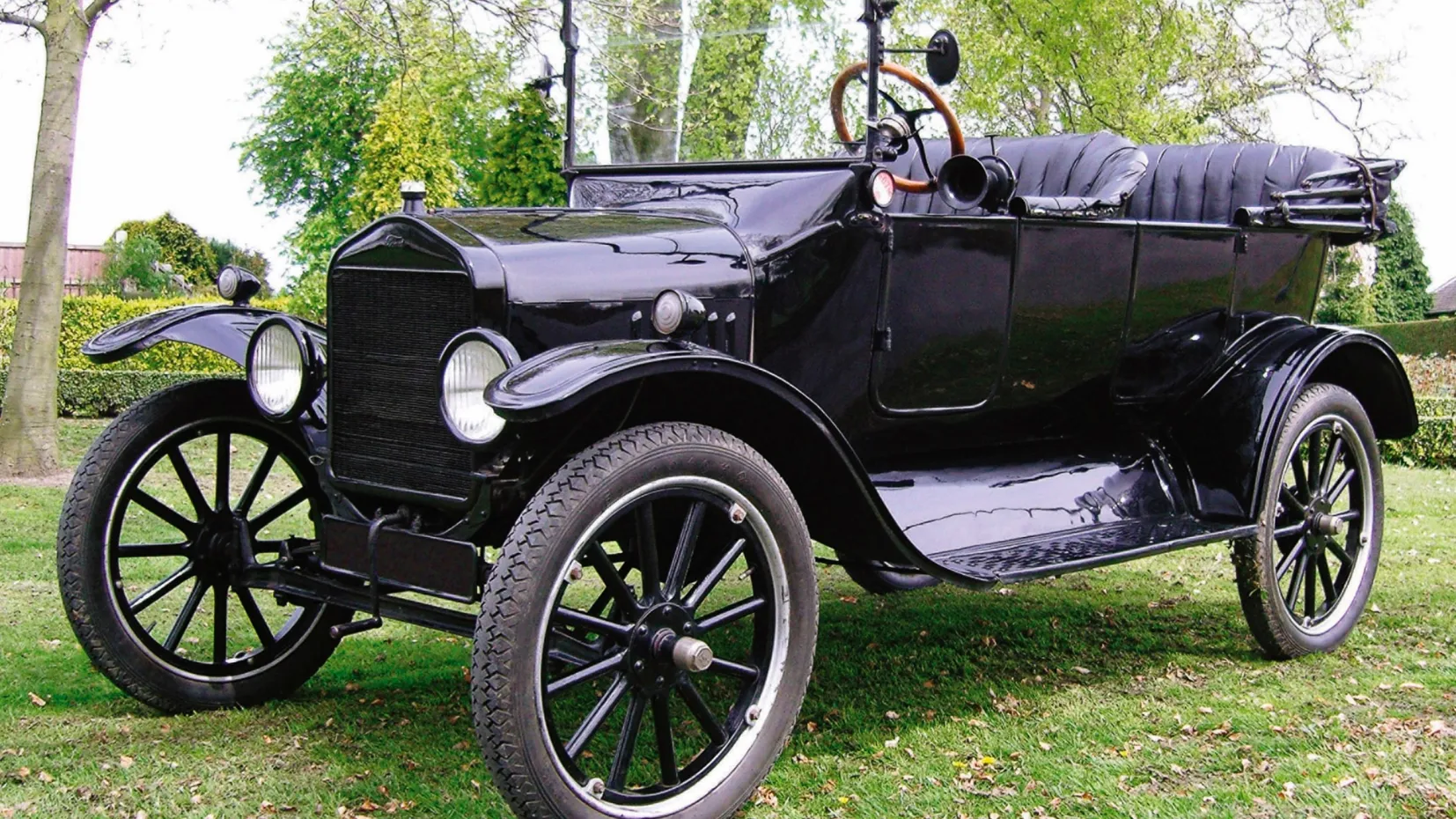
While the first car to be built en masse on an assembly line was 1901’s Oldsmobile Curved Dash (named for its, um, curved dash), it was Ford’s improvements to the system that allowed it to churn out over 15 million Model Ts between 1908 and 1927. The efficient production process meant that, by the end of its life, Model Ts started at just $380—around P441,000 in modern money—and car ownership was no longer the preserve of the ultra-wealthy.
ALSO READ:
Gallery: Cars with the funniest names, part 1
This Toyota GR Sienna concept is the minivan we desperately want
3) Austin 7
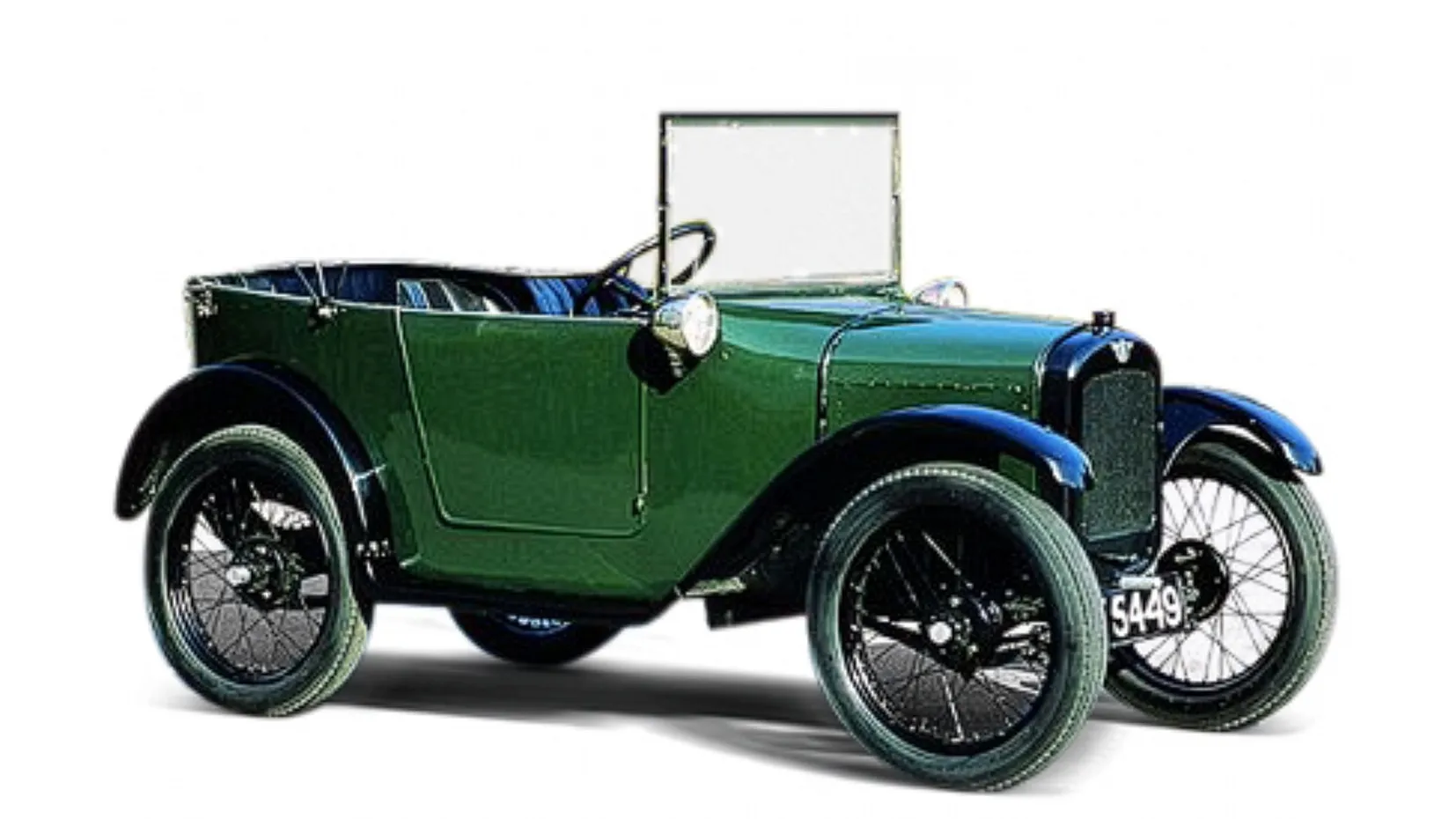
Not only did the little 1922 Austin 7 have a similar effect in Britain to the Model T in the US, it was also the car that popularized the pedal, steering, and gearshift arrangement that remains industry standard to this day (first introduced by Cadillac a few years earlier). Companies by the name of BMW and Datsun also produced license-built or copied versions of the 7 as some of their very first cars, too—wonder what happened to them?
4) MG M-type
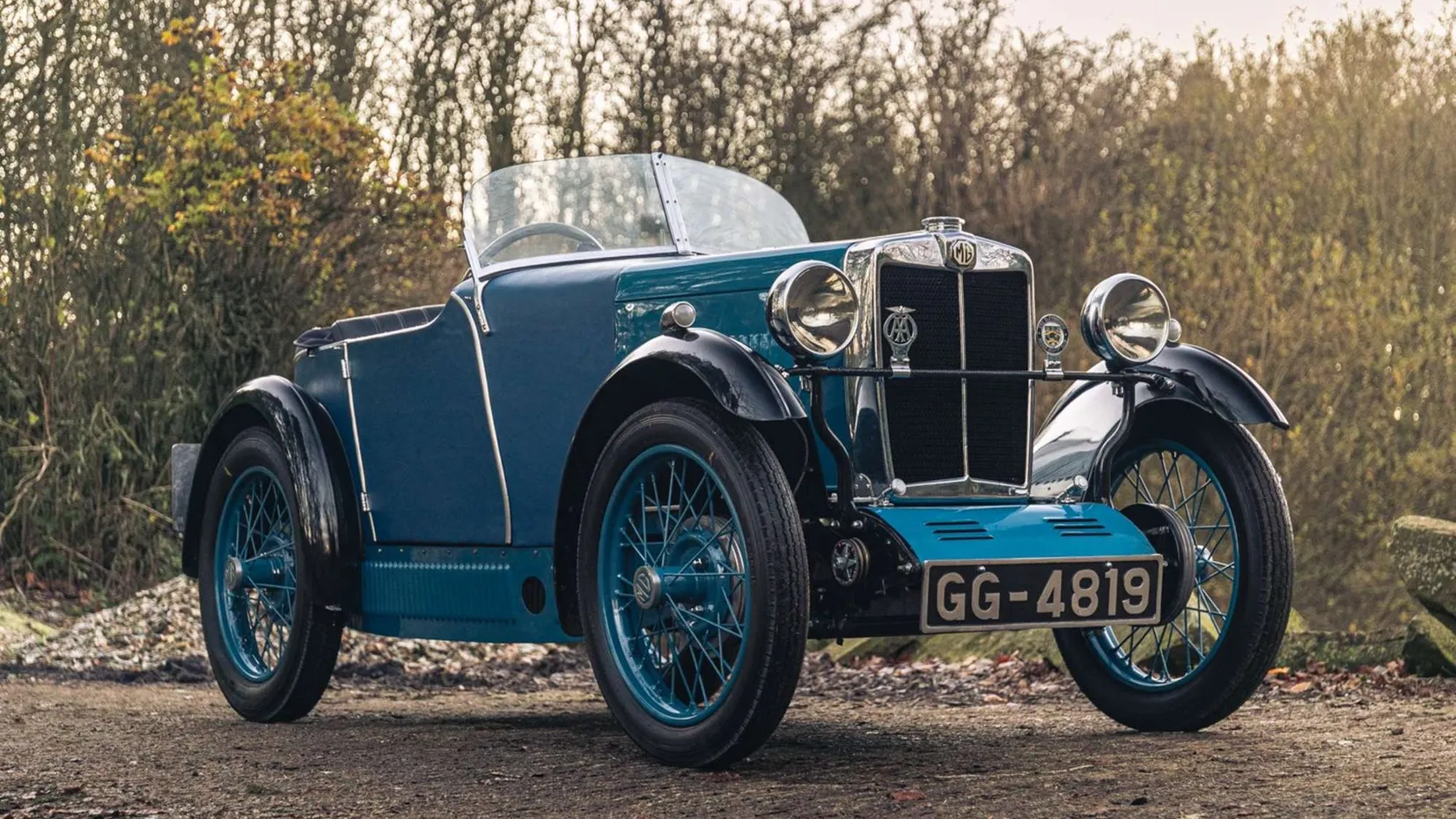
There had been cars designed expressly to go quickly prior to the 1929 arrival of this little MG, but they’d mainly been big, expensive and exclusive—more analogous to the supercars of today. The nippy little M-type was affordable, costing the 1929 equivalent of under £10,000 (around P801,706) in today’s cash and opening up sports car ownership to a far wider audience, and it provided the basic recipe that all subsequent two-seater roadsters would build on.
5) Citroen Traction Avant
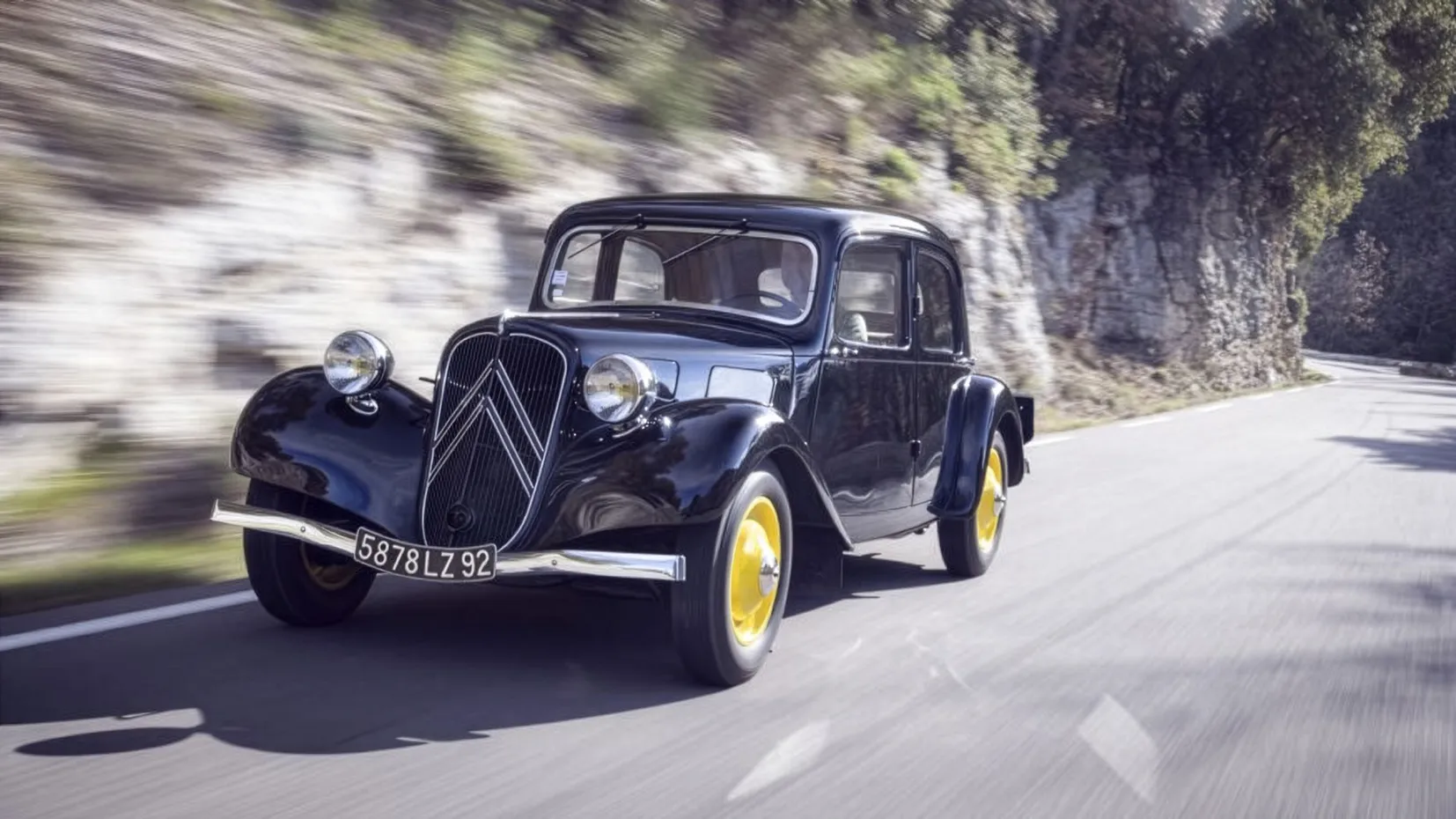
The list of innovations the Citroen Traction Avant brought to the world deserves more than this little paragraph, but there are several biggies in the way its influence is still felt over 90 years after its launch. Packaging together front-wheel drive and a unibody construction in a mass-produced car for the first time, the Traction Avant was a glimpse at the way nearly every ‘normal’ car would be laid out in subsequent decades.
6) Chrysler Airflow
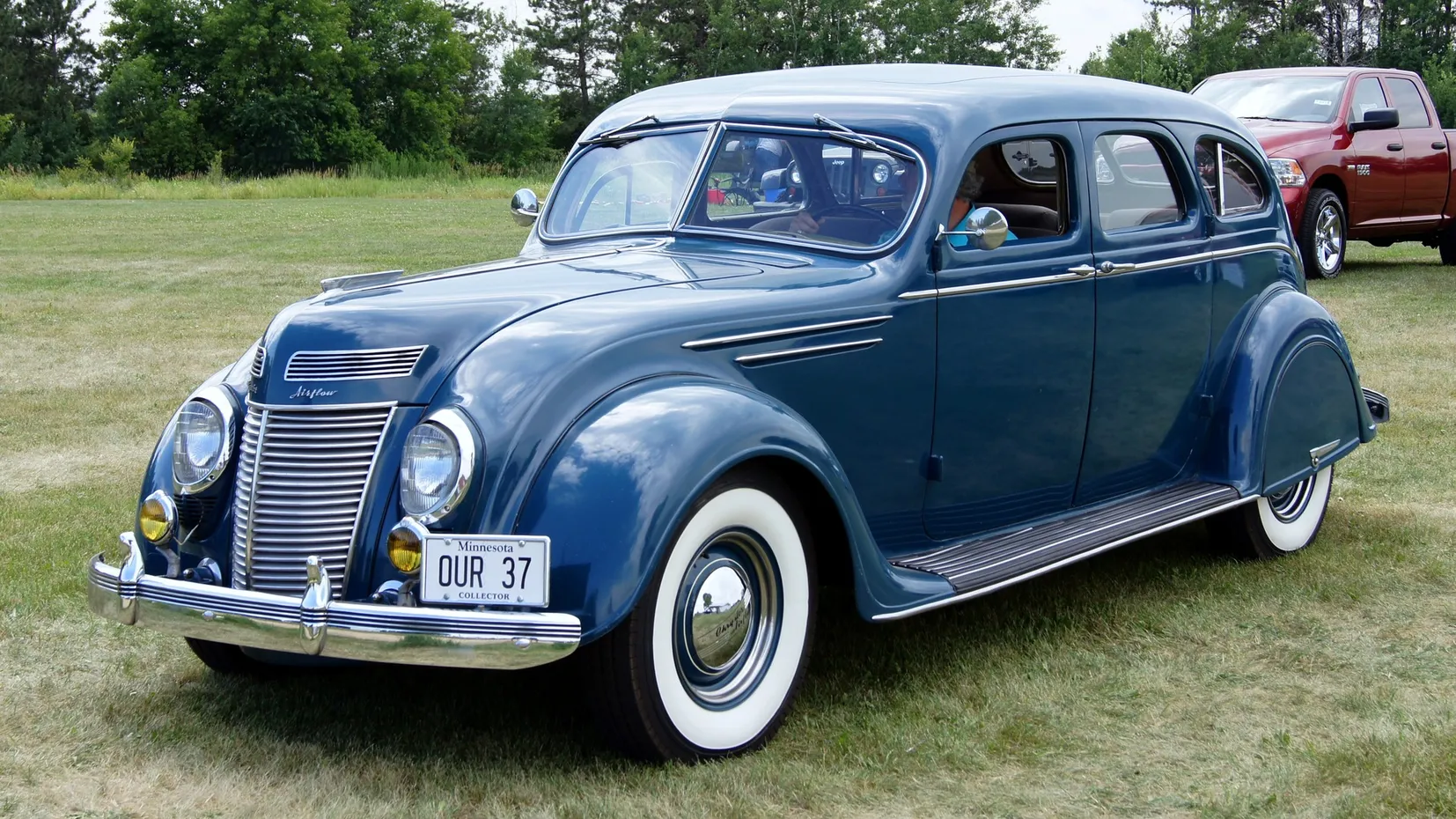
Aero efficiency is more important than ever in car design today, but it started being taken into consideration almost as soon as some clever people realized that, actually, a car with an entirely vertical grille and windshield might not cut through the air that cleanly. The first car built in meaningful numbers to take this on board was 1934’s Chrysler Airflow, and while it was still a comparative commercial flop, its influence can still be felt in all of today’s super-slippery EVs.
7) Willys Jeep
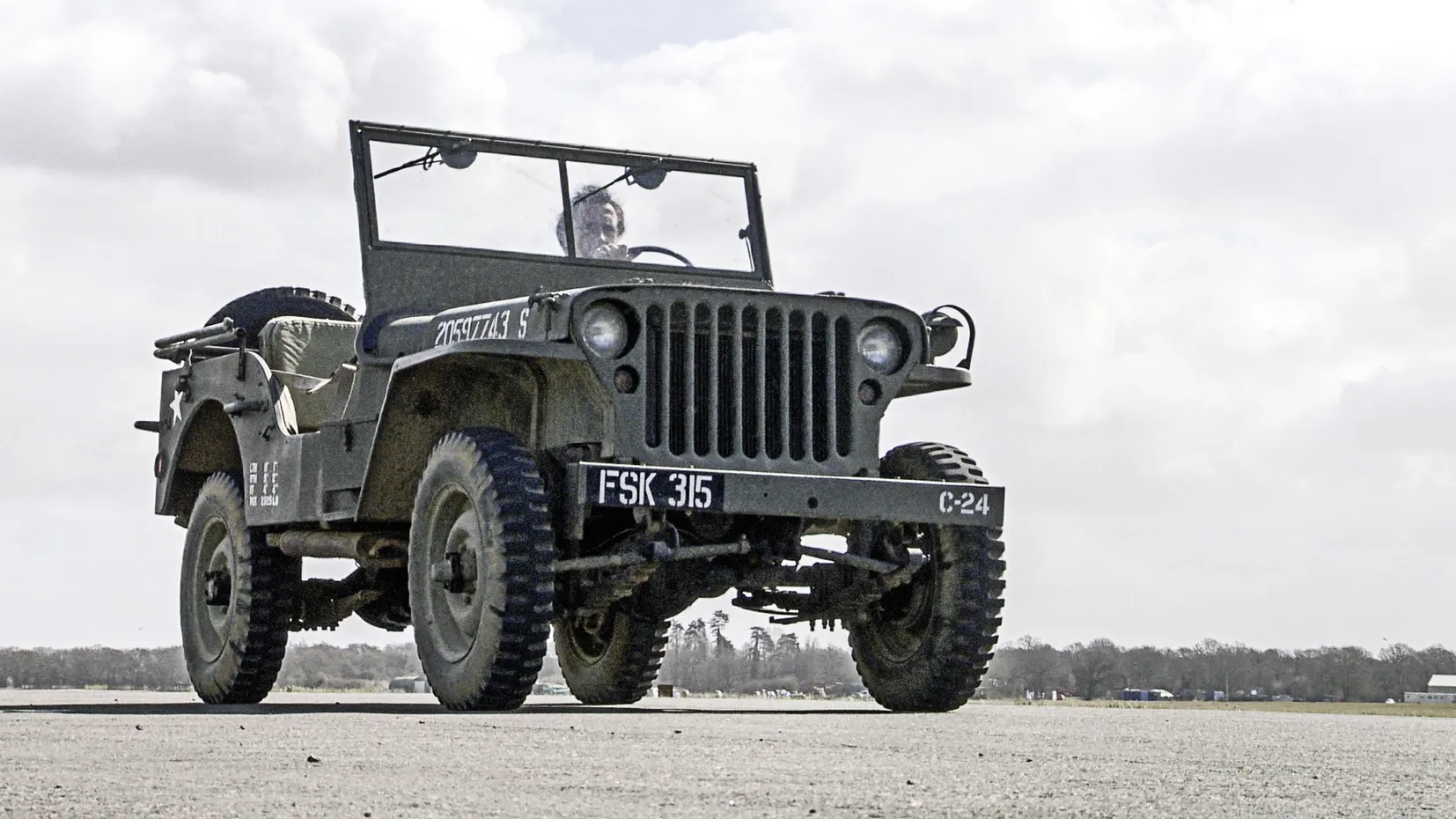
Today’s rufty-tufty 4x4s—Defenders, Land Cruisers, G-Classes, Broncos, Wranglers—are first and foremost lifestyle vehicles, but each and every one can trace its roots back to something designed for entirely pragmatic reasons: the US Army’s need for a nimble, capable off-roader for its World War II efforts. Several companies came up with designs; the Willys one won (try saying that three times quickly), and from it, a new kind of car was born.
8) Volkswagen Beetle
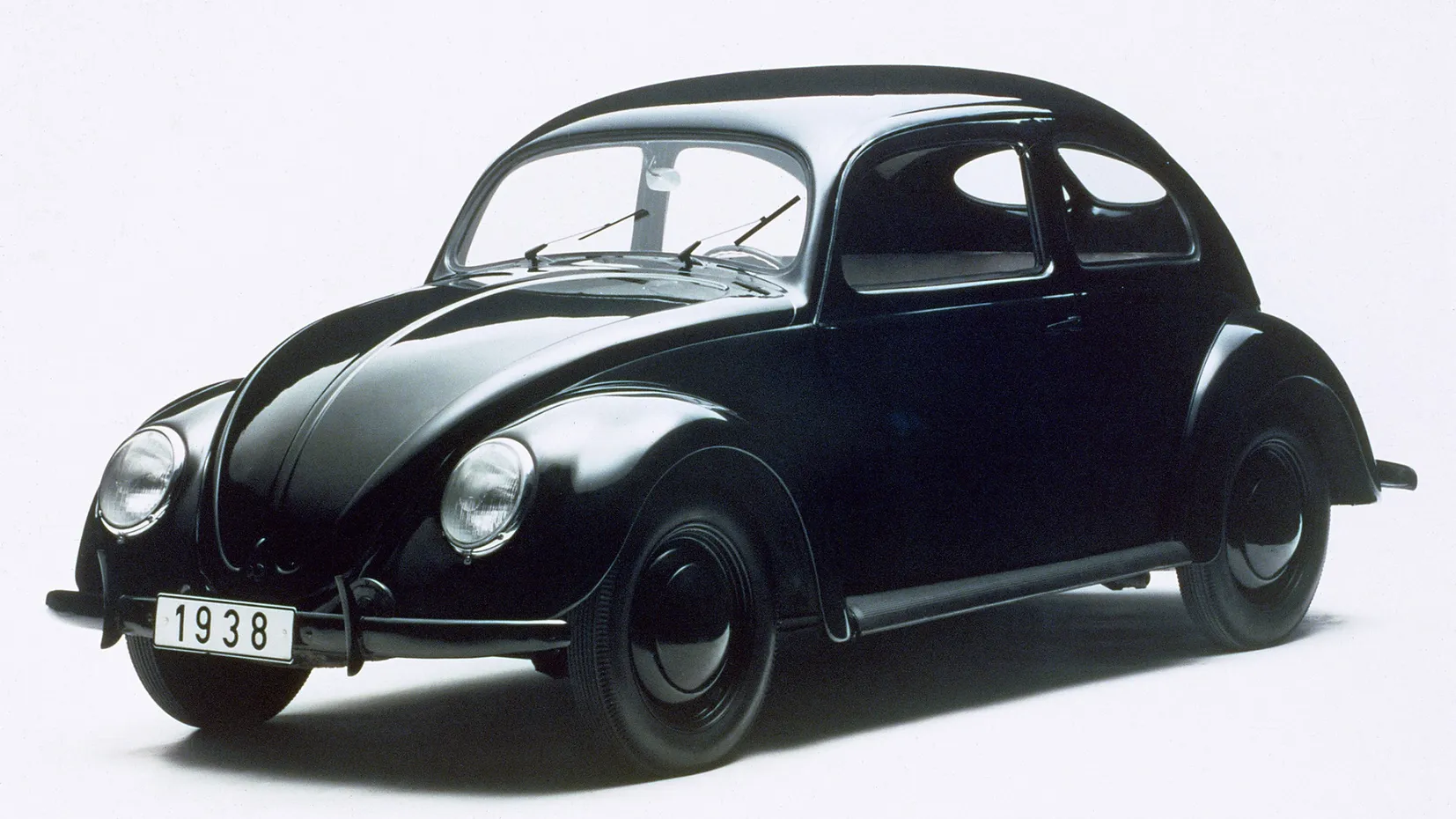
Talk about a redemption arc. From its origins as a product of a regime shot through with pure evil, the Beetle went on to not only become a countercultural symbol, but also to put more people on four wheels than any other single car design. The ‘People’s Car’ name may have been applied for entirely inward-looking reasons, but the fact that it was built on every continent (except Antarctica, obvs) feels far more worthy of that moniker, and every car that’s been described as such since has the Beetle to thank.
9) 1949 Ford
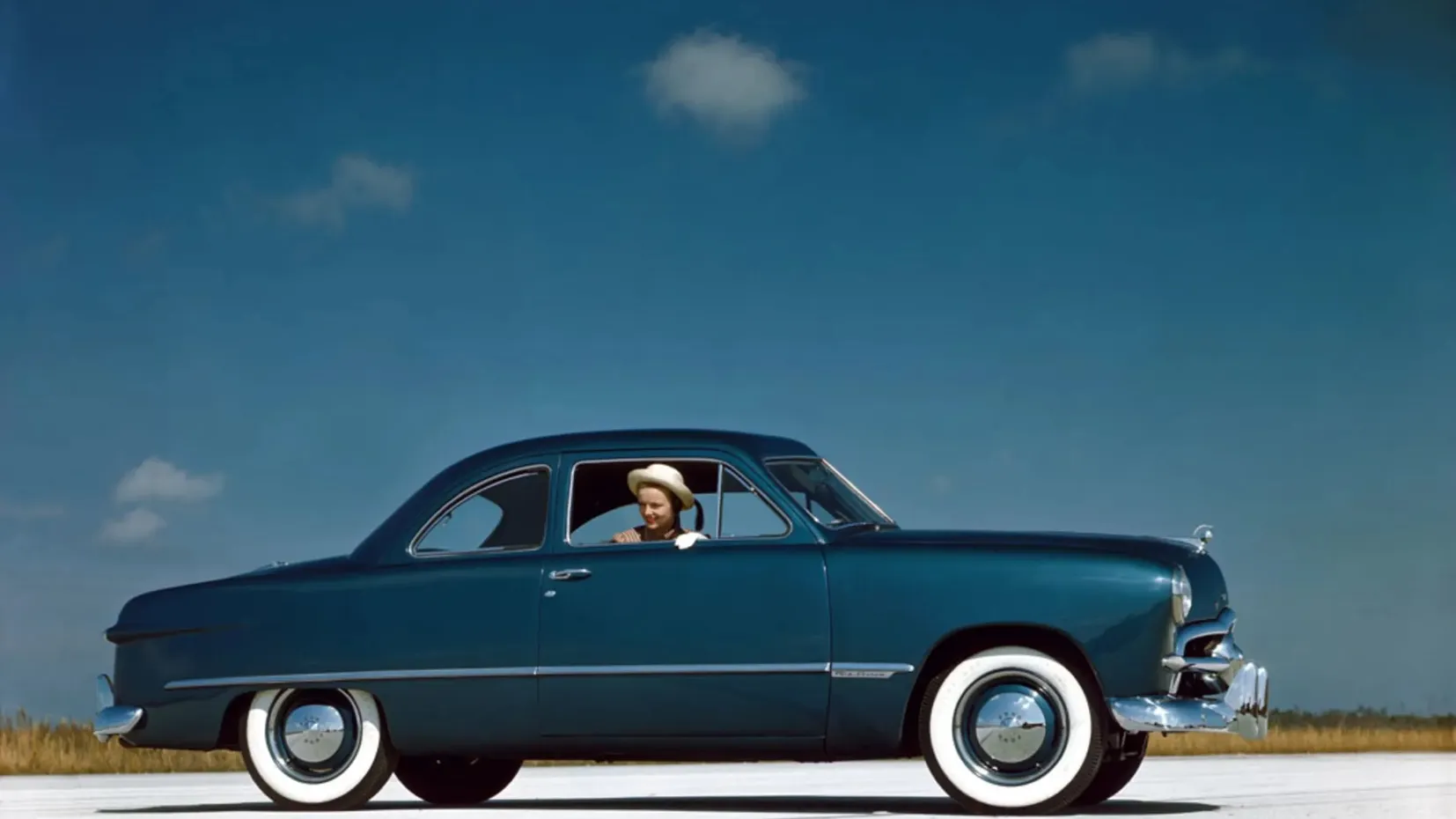
The 1949 Ford, launched in 1948 (thank you, confusing American model years), could well claim to represent the single biggest turning point in car design ever. Before it, running boards and distinct, separate wheel arches were the norm, and while it wasn’t the first car to integrate everything into one continuous form, it was the first to roll it out in a major, industry-shaping way. It’s because of this car that the car you drive today looks the way it does. Unless you drive a Caterham.
10) Mercedes-Benz 300SL
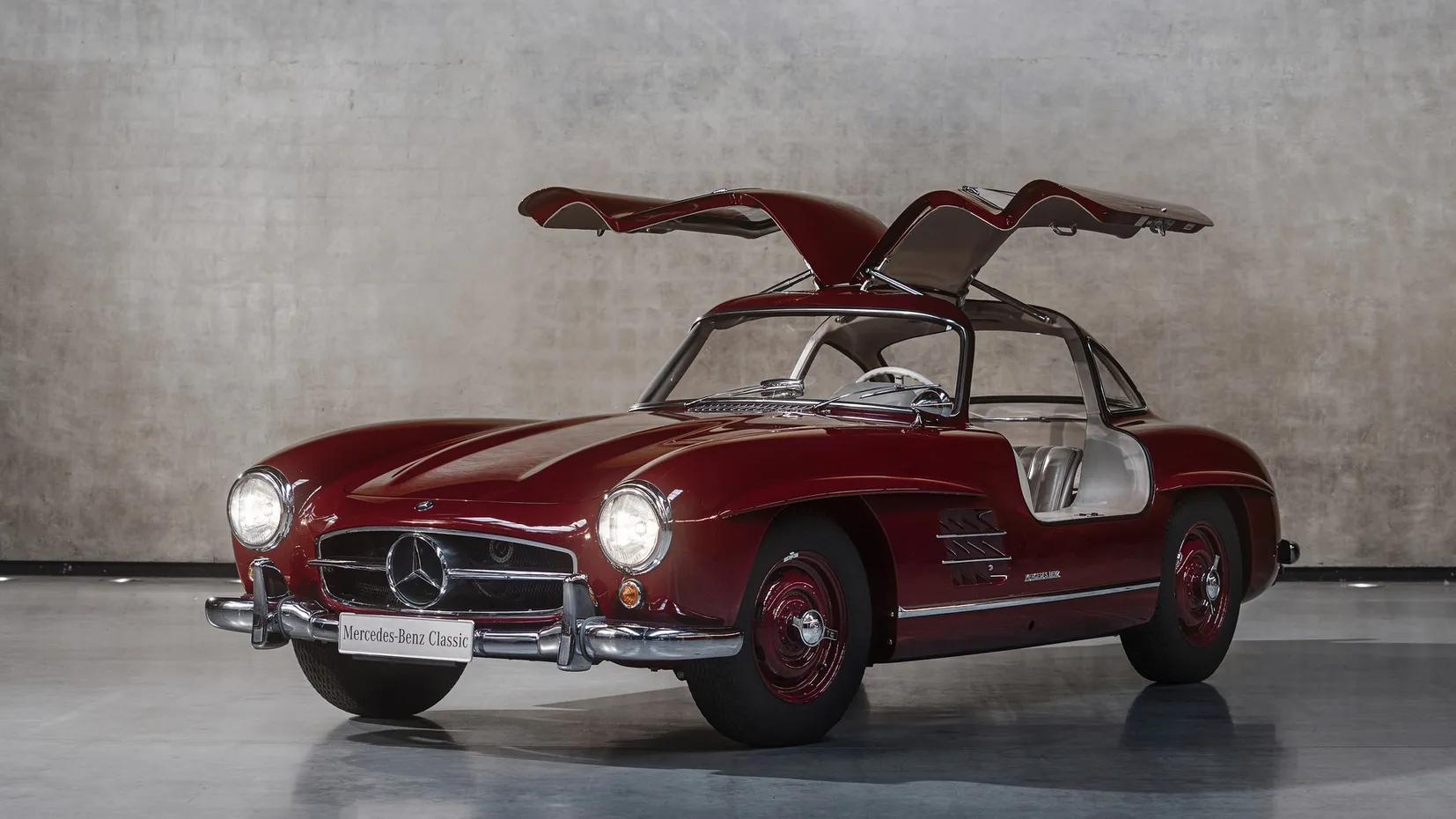
The 1954 gullwing 300SL wasn’t just utterly gorgeous—it was highly influential, too. As well as being one of the very first sports cars designed with that fully integrated bodywork we were just talking about, elements like its lightweight chassis, fully independent suspension, and big, fuel-injected engine caught other sports-car makers napping. In many ways, it was the blueprint for what we’d come to know as a supercar.
11) Trabant

Who’d have thought that the smoky, stinky two-stroke Trabant would one day be considered a pioneer in eco-friendly cars? Car manufacturers today like to shout about the amount of recycled material they work with, but the Trabby was doing it way back in 1957 with its body made of Duroplast, a plastic reinforced with cotton waste fibers. This was more down to the economic realities of building a car in Communist East Germany than to any environmental reasons, but it doesn’t half-sound groundbreaking now.
12) Mini
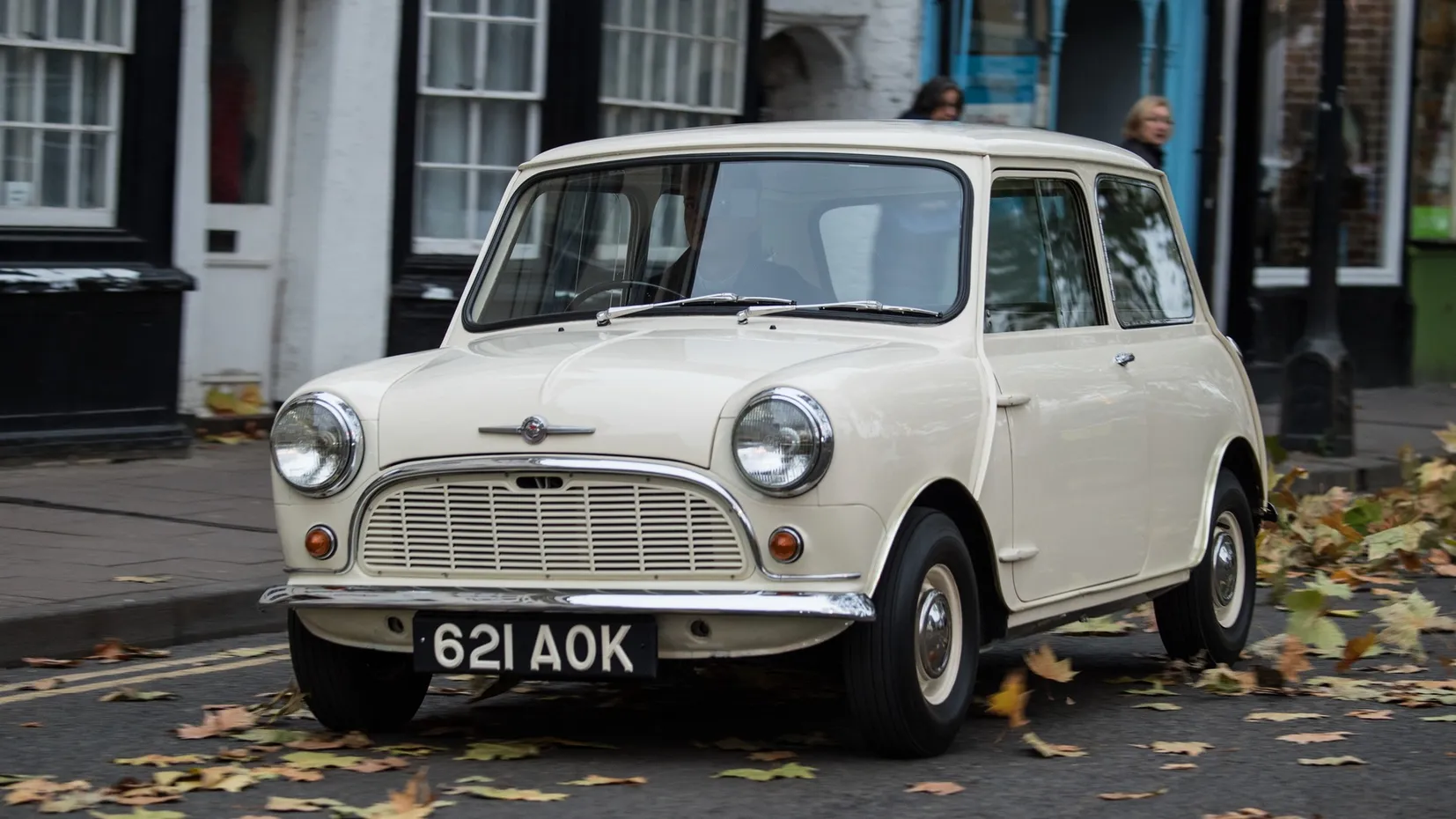
One of the final ingredients in the Standard Modern Car recipe started by the Citroen Traction Avant came with the Mini in 1959. It was famously the first car to make a real success out of a transverse-mounted engine, bringing huge packaging and interior space advantages to the little car. While it’s rightly regarded as a cultural icon, this is the Mini’s and designer Alec Issigonis’ most lasting legacy on the automotive industry.
13) Mercedes-Benz W111
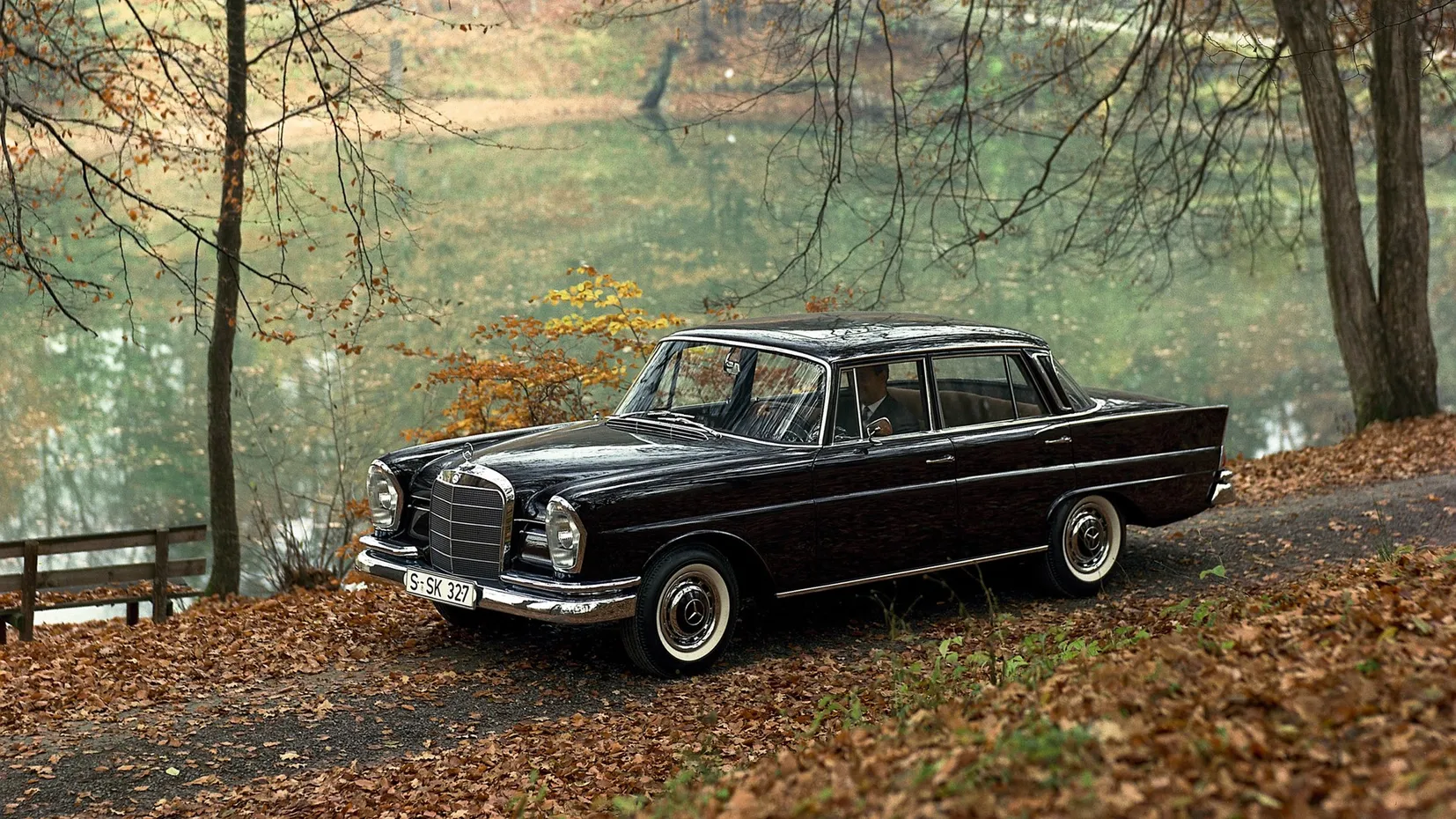
Before 1959, the car industry’s approach to safety was to make a car as rigid as possible and say, ‘Well, just don’t crash.’ That year, though, two separate manufacturers both introduced safety innovations that would go on to be widely adopted by the whole industry. One was energy-absorbing crumple zones, developed by Béla Barényi in the ’30s but not introduced until ’59 on the W111 Mercedes sedan.
14) Volvo PV544
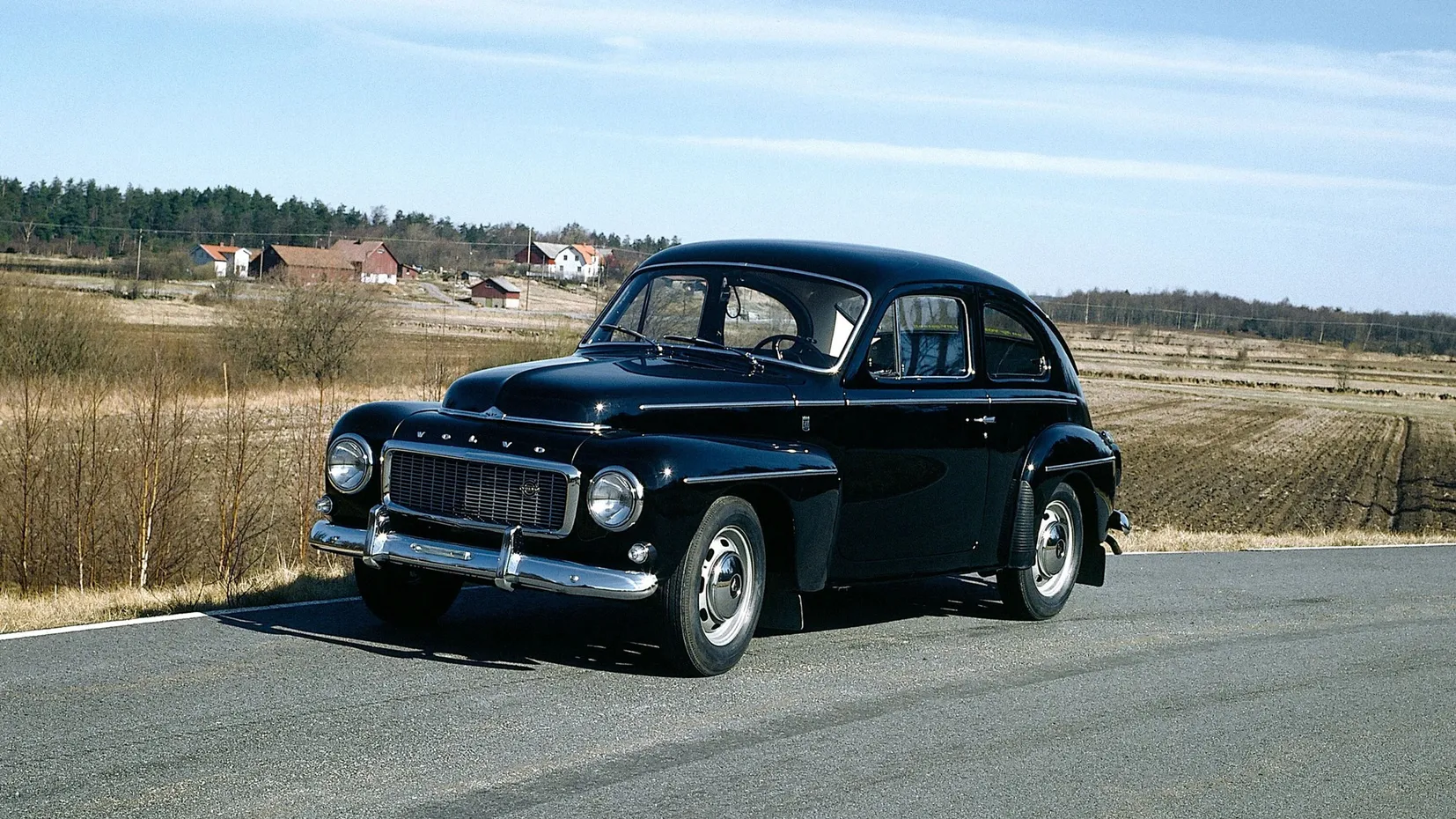
The other big safety breakthrough of 1959 was the three-point seatbelt, developed by Volvo engineer Nils Bohlin and fitted that year to the handsome PV544. A vast improvement on the lap belts that had previously been fitted to some cars, the three-point belt quickly proved its worth, and once it and Barényi’s crumple zones became commonplace across the industry, car accidents became a lot more survivable.
15) Jeep Wagoneer
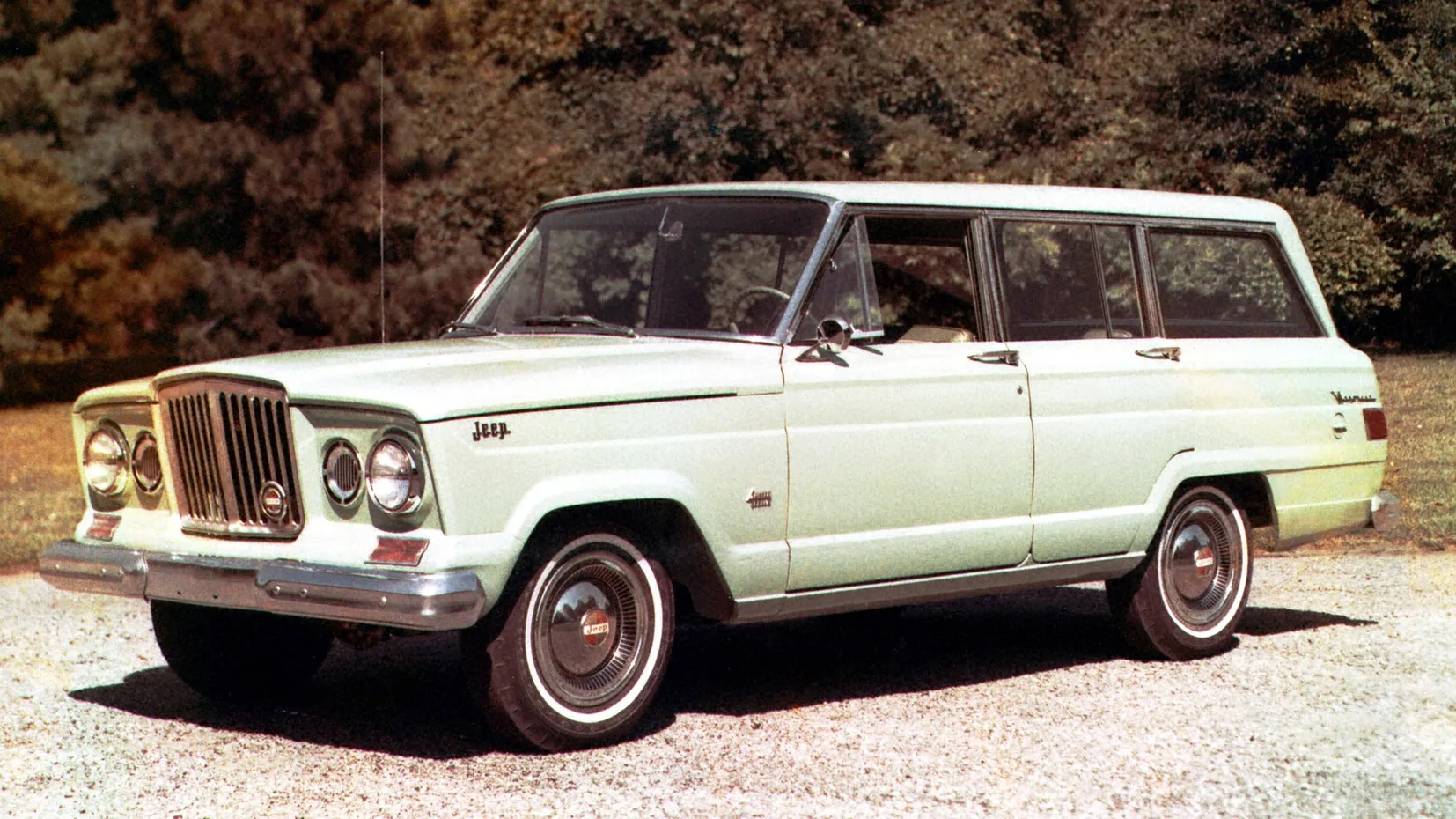
Any manufacturer wanting to compete in a proper luxury space these days has to make an SUV—otherwise there’s simply no point trying. You might think the Range Rover was the first car to alight on this money-printing formula, but the original Wagoneer got there six years earlier in 1963. Although based on the utilitarian Gladiator pickup, it had a far plusher cabin and less agricultural styling than any other big 4x4 at the time, inadvertently spawning a segment that would become truly massive in a few decades.
16) Pontiac GTO
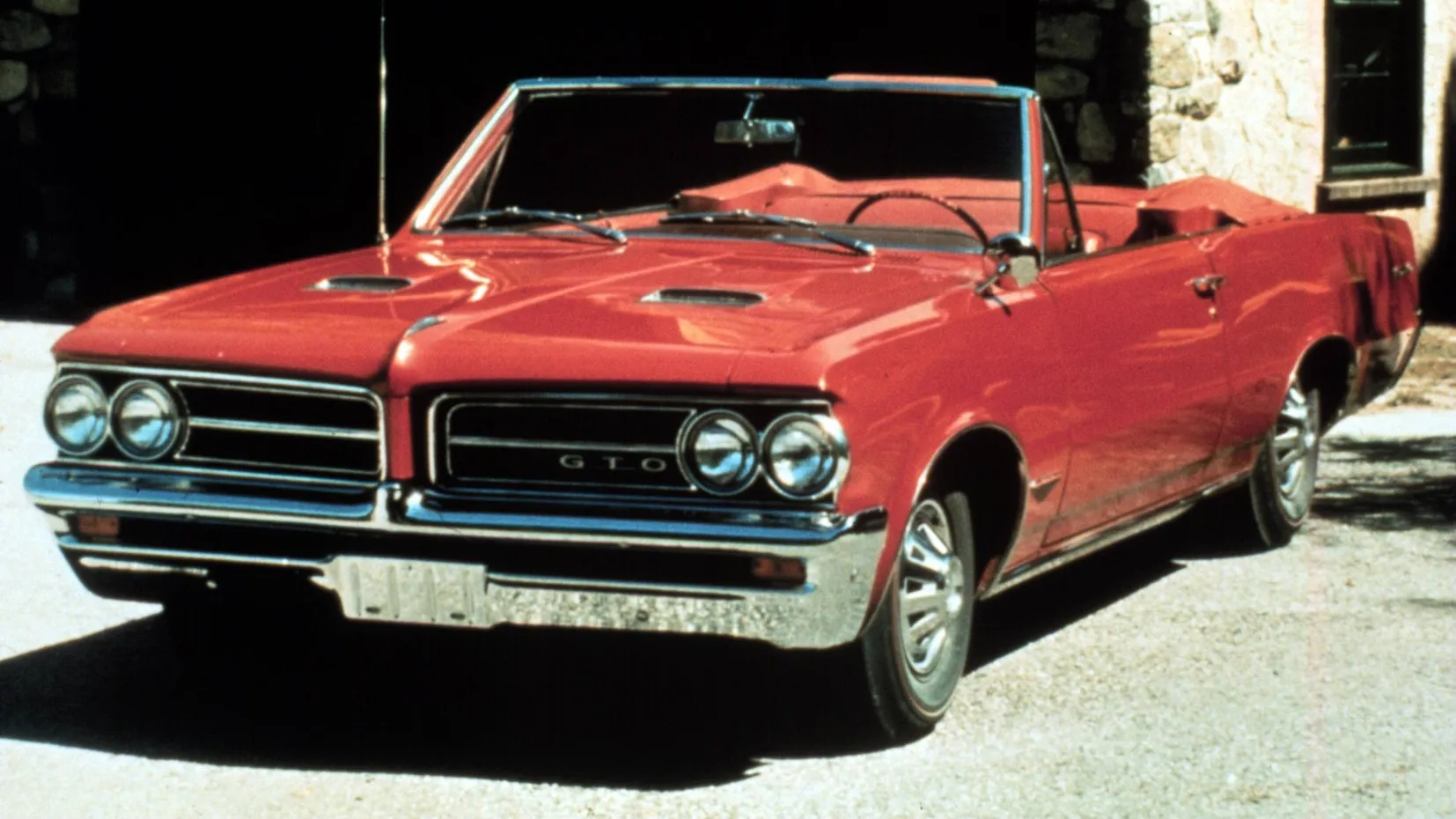
America’s ongoing love affair with the muscle car begins here, in 1963, with the high-performance GTO package for the LeMans luxury version of the Pontiac Tempest. Slightly inauspicious beginnings, you might argue, but the fact is that the Tempest LeMans GTO, to give its full name, well and truly kicked off the breed of cars that continue to define American performance today. Wonder if its creator, John Z. DeLorean, ever did anything else?
17) Ford Mustang
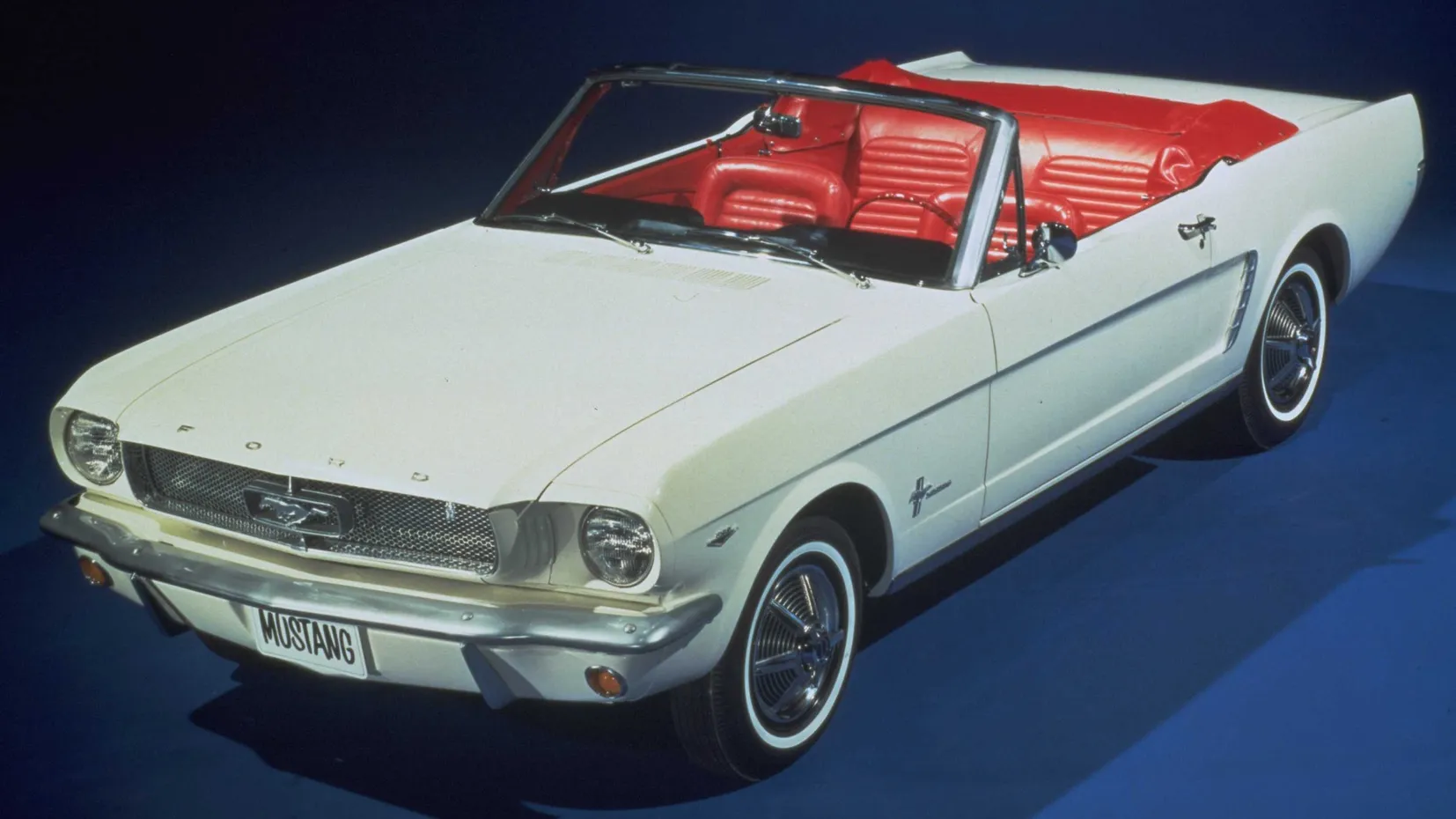
Arriving less than a year after the GTO, the Mustang would never have been considered a muscle car back in those days, but a pony car. Whatever that’s supposed to mean. That’s all semantics, though—the Mustang helped make sporting looks and decent performance attainable for the typical American, becoming one of the first real automotive working-class heroes and spawning a legion of imitators.
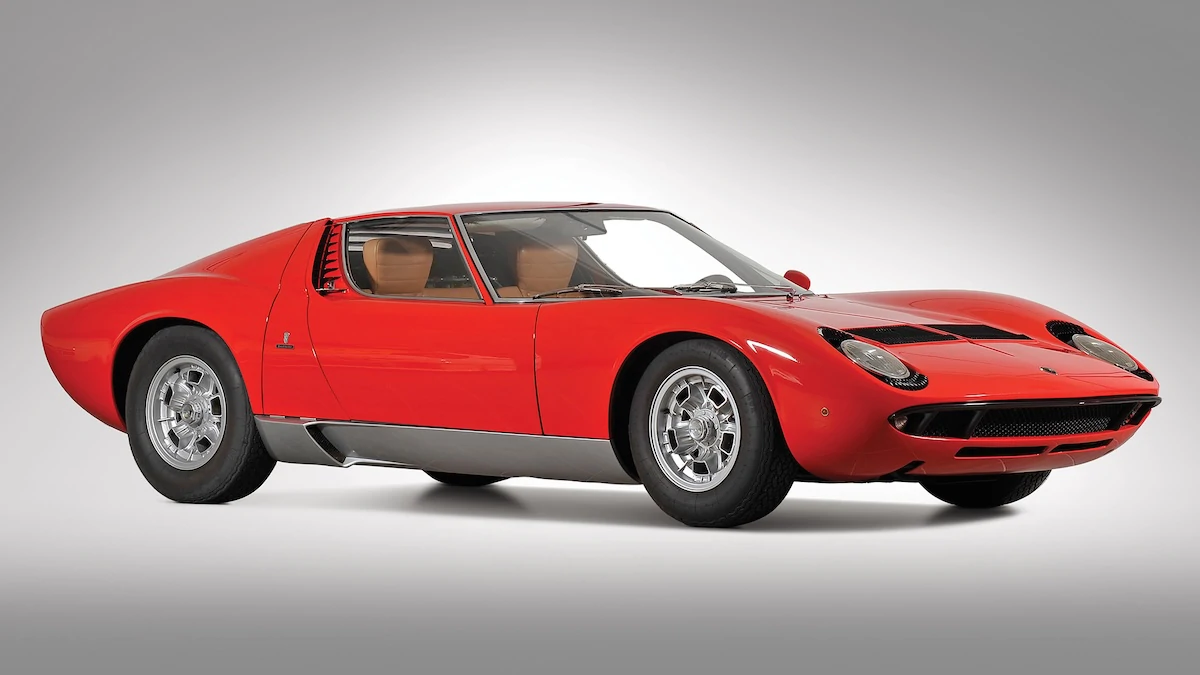
18) Lamborghini Miura
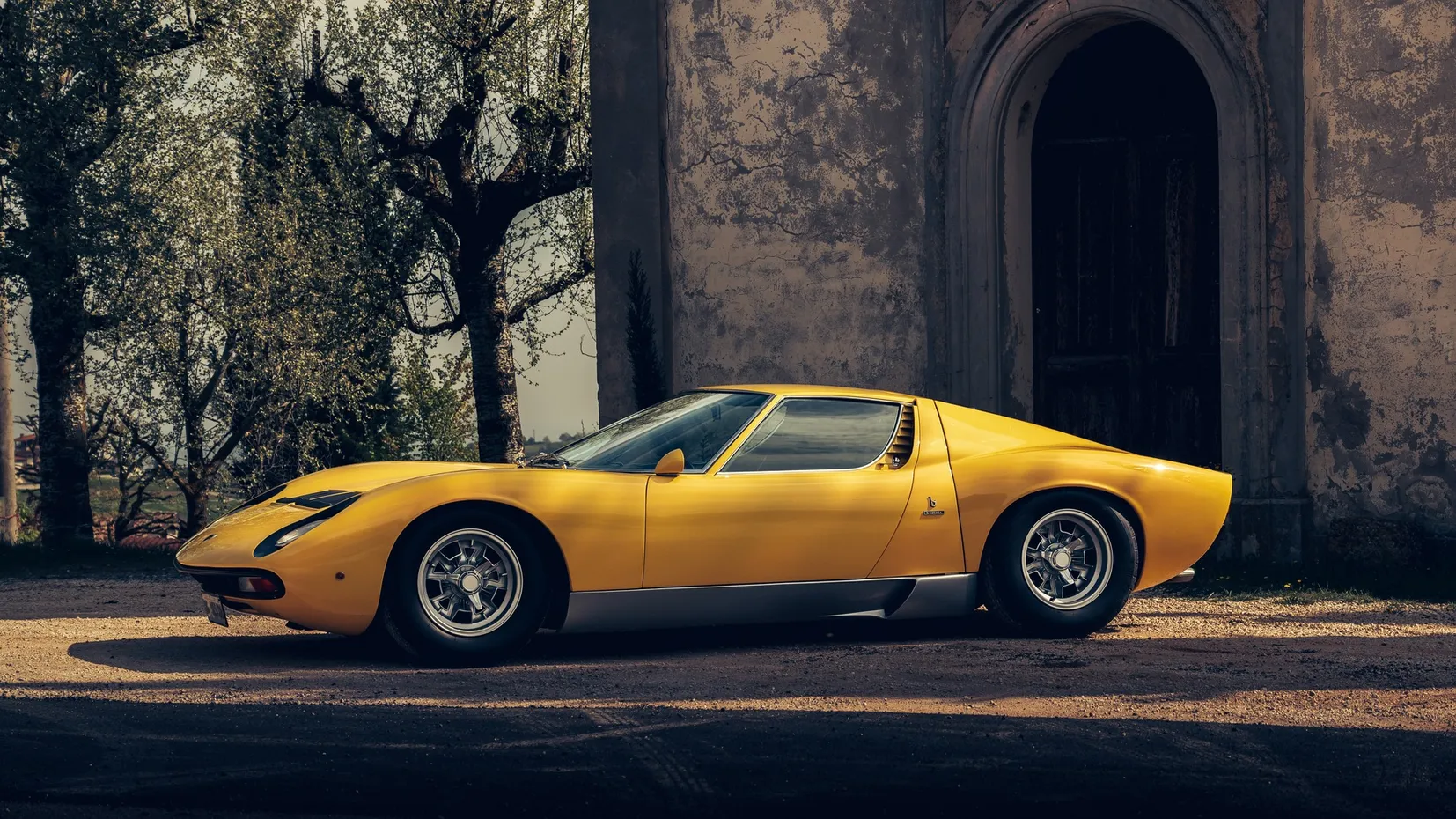
Everything you associate with supercars today—speed, rarity, glamour, noise, impracticality, eye-popping wedge styling, a huge mid-mounted engine, an alarming tendency for the nose to go light at high speeds—begins here. Okay, not that last one, that was just the Miura. But the fact is that everything that’s been called a supercar in the ensuing 60 years owes a debt of gratitude to this staggering monument to beautiful excess.
NOTE: This article first appeared on TopGear.com. Minor edits have been made.