The world is awash in restomods, continuation cars, and misty-eyed tributes these days, cars that lean on stories from the past to charge exorbitant amounts in the present. Monterey Car Week is the epicenter of this feeding frenzy, and this year saw an explosion of short-run specials with telephone-number price tags. Only one forced us to park our cynicism.
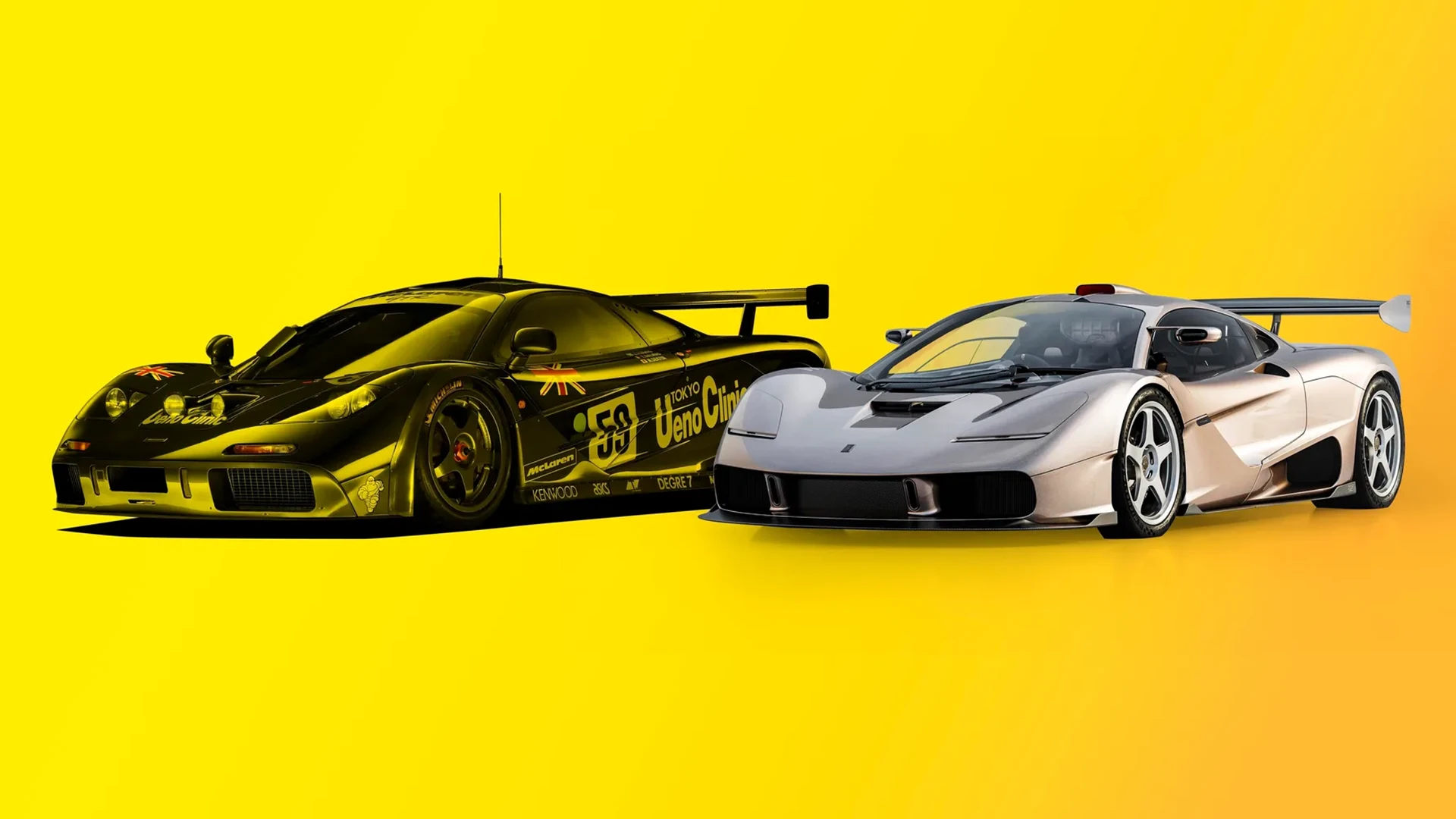
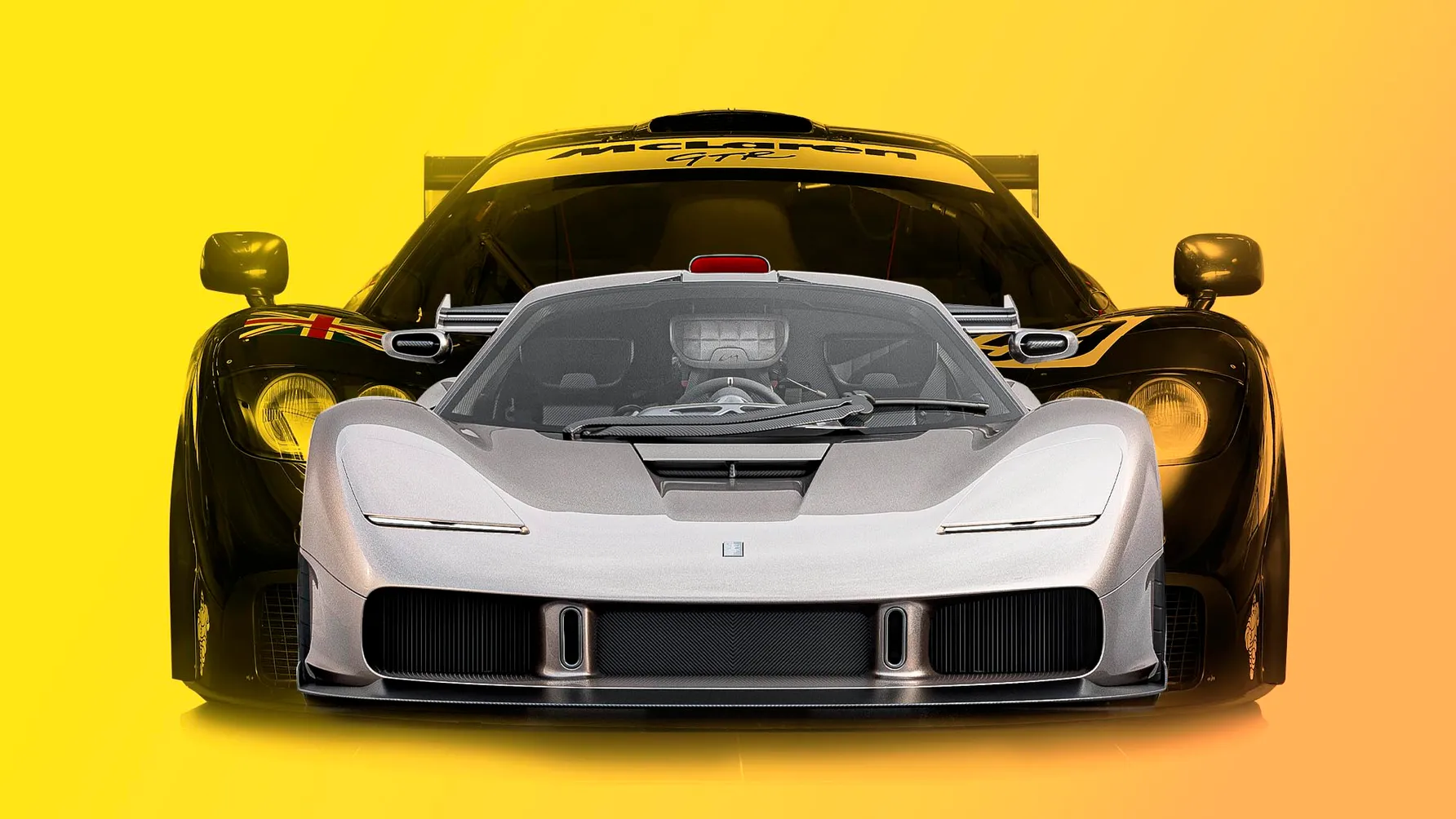
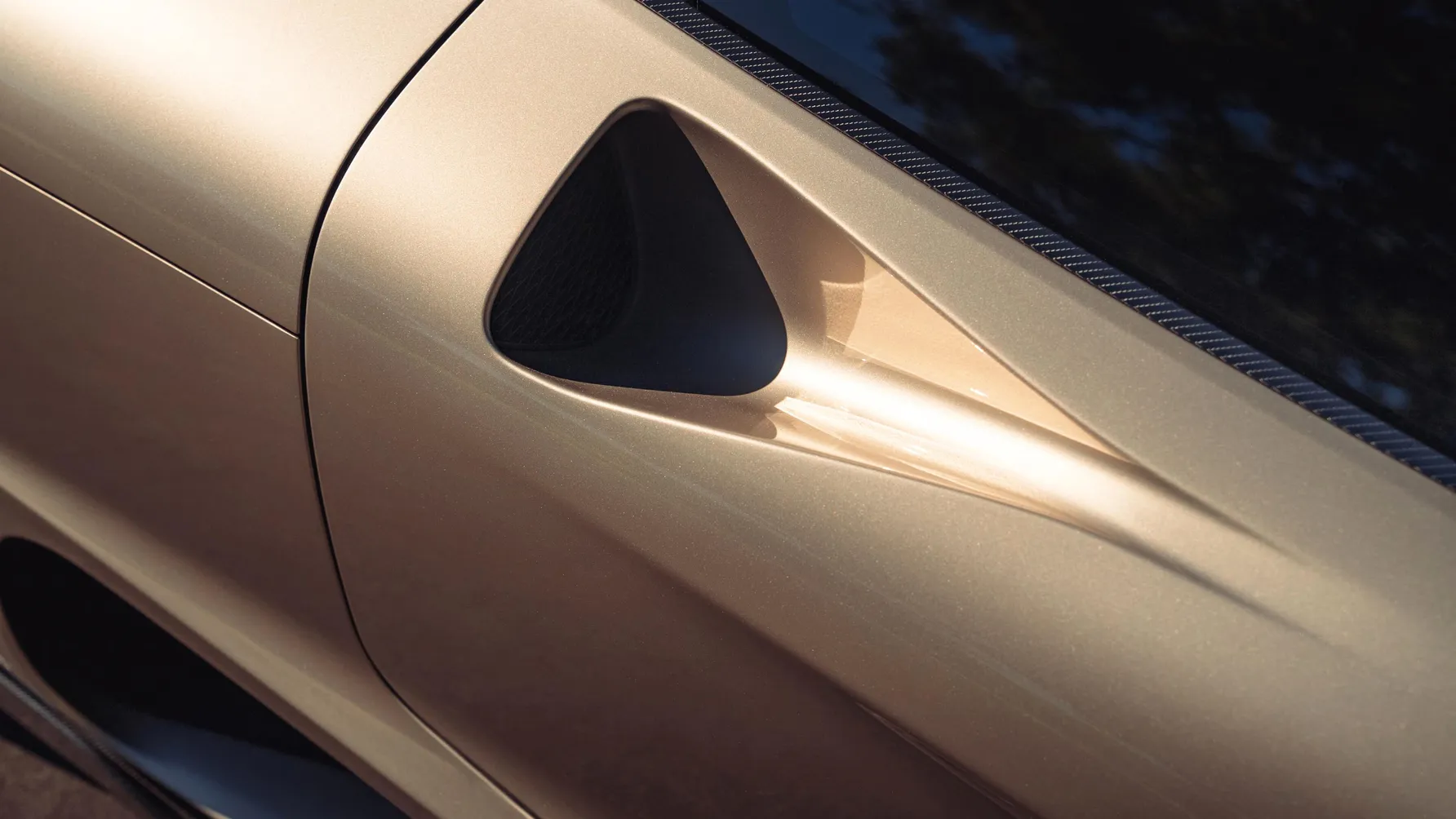
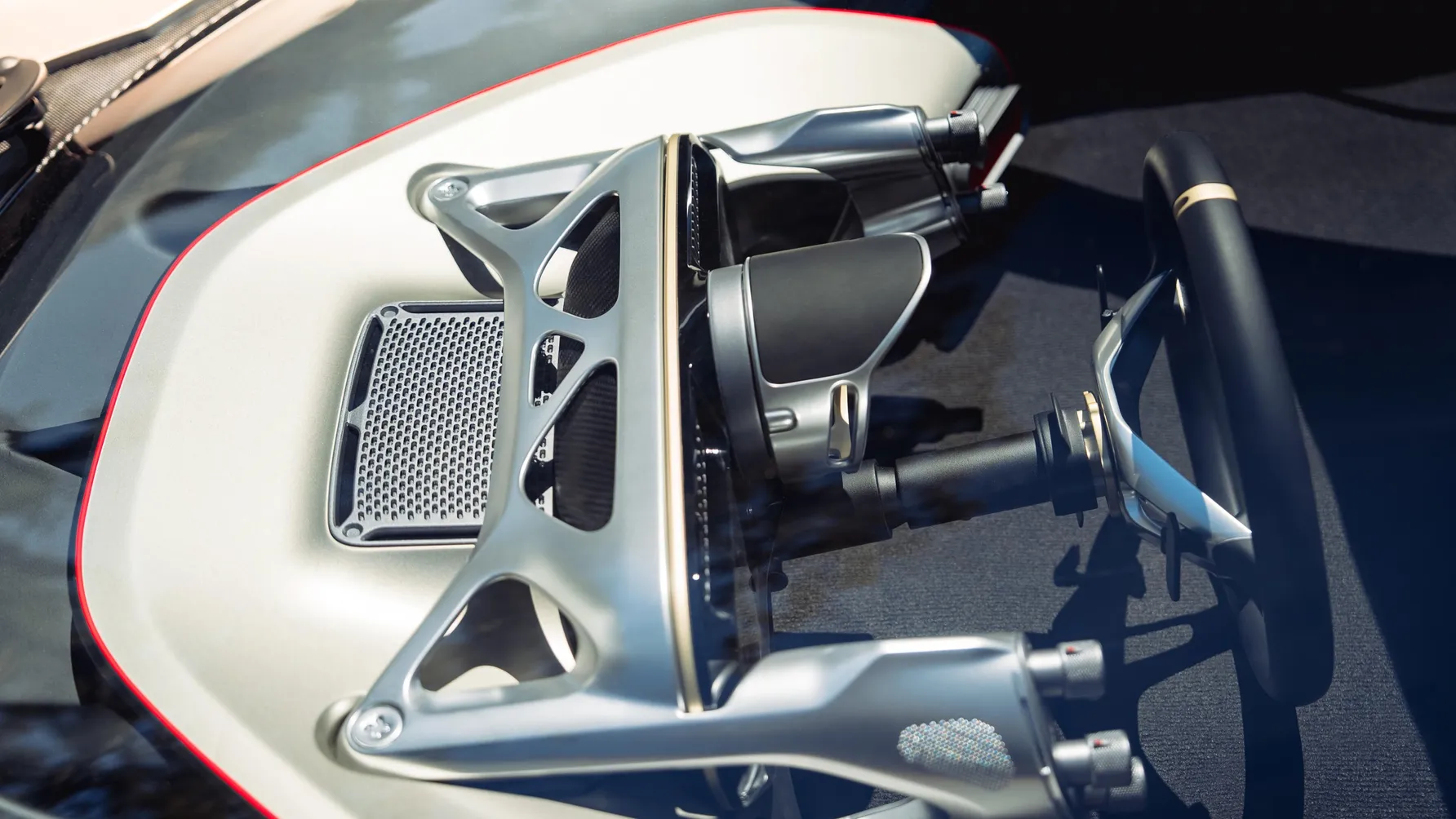
Here was something based on the otherworldly V12, manual, three-seat underpinnings of the GMA T.50, styled to look like a Le Mans-winning McLaren F1 GTR that had tripped into a time machine and been lavished with an even more exotic mechanical menu. Only five will ever be built, costing many millions each, all sold to the same man.
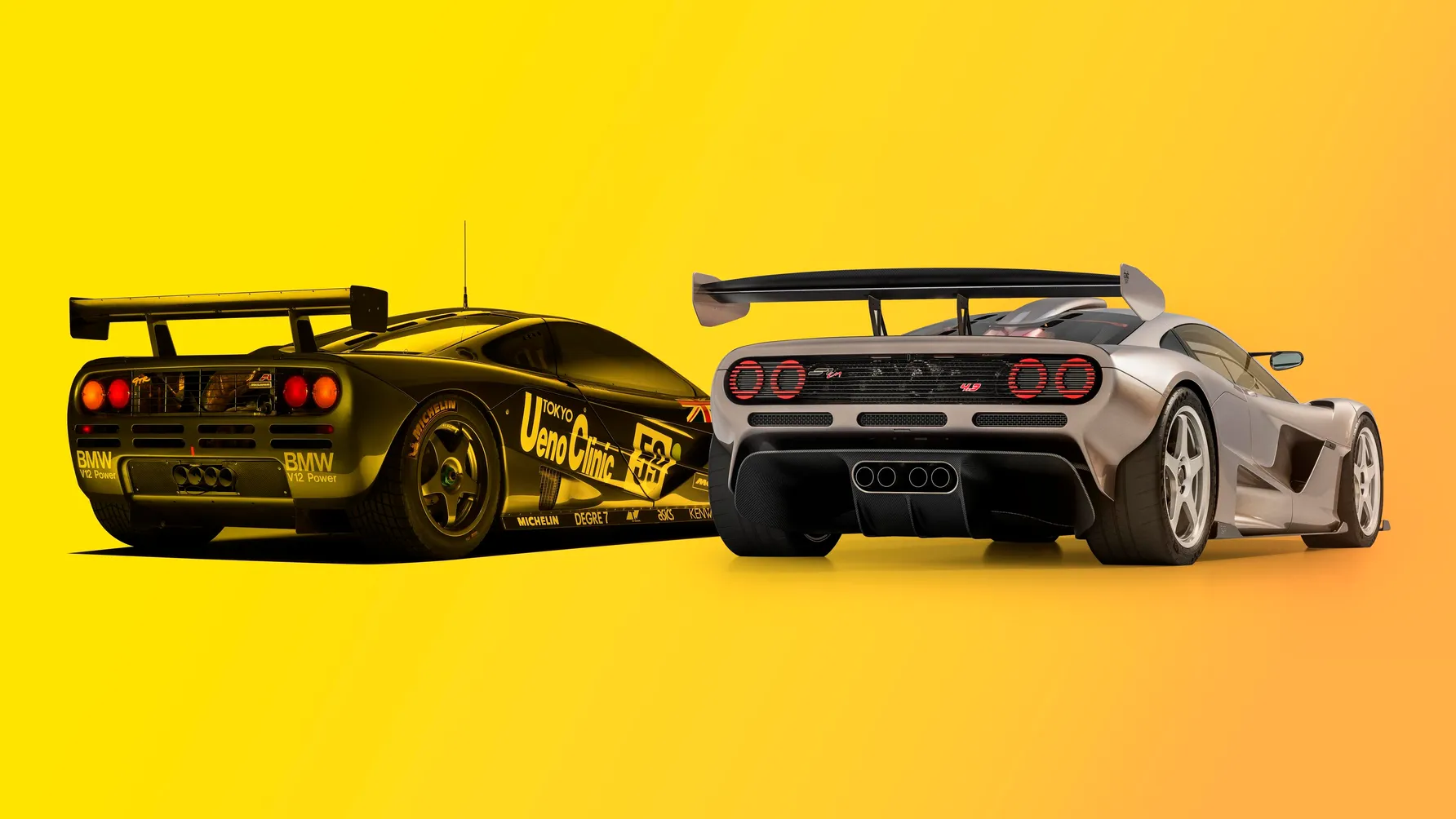
But this isn’t Gordon Murray plundering his back catalog and hawking it to the highest bidder—it was an intense collaboration with one customer who had a vision and goaded Gordon into green-lighting the project...then drove it through with determination, obsessive attention to detail, and yes, quite a bit of cash.
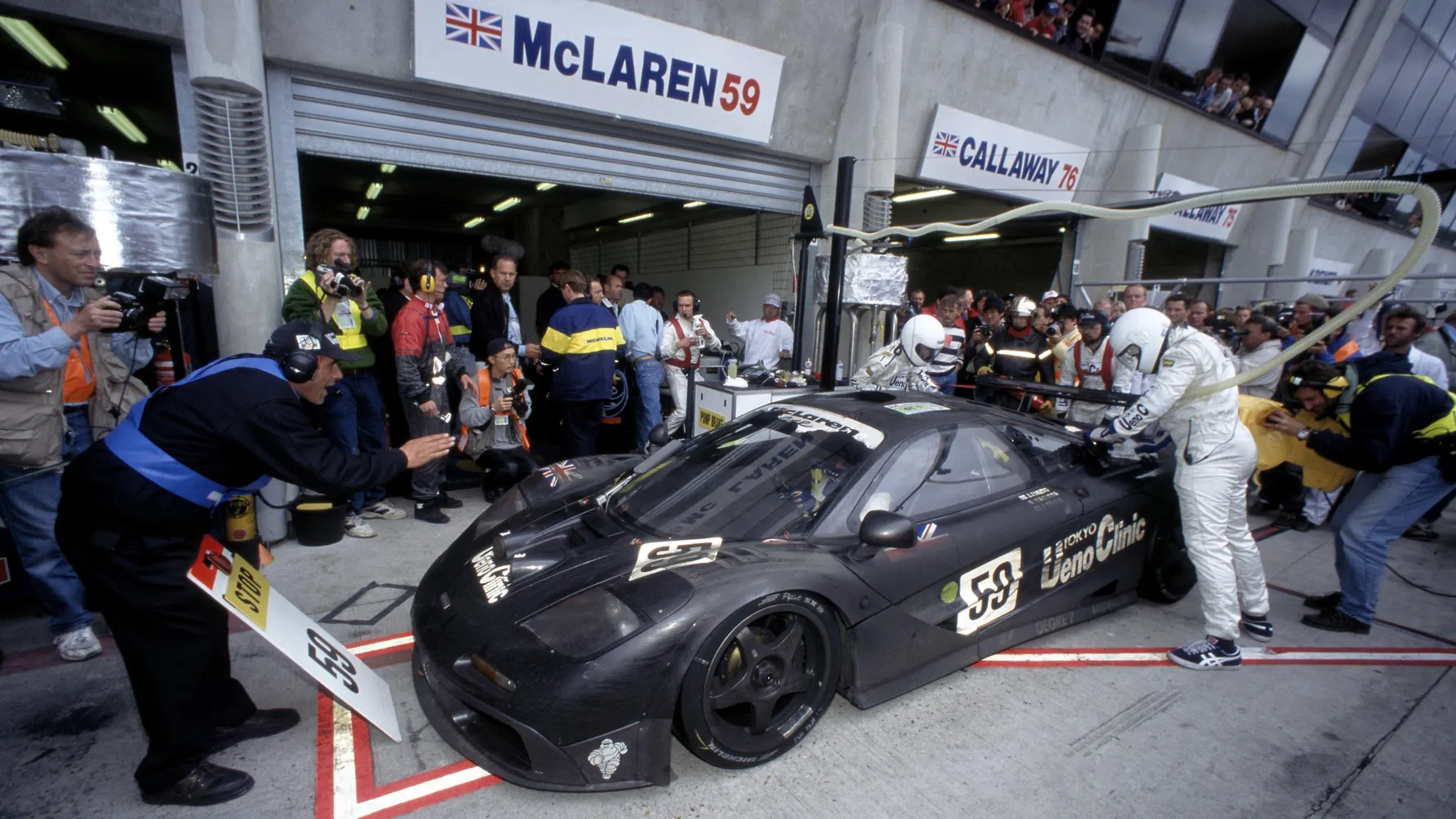
Historic images: McLaren, Mark Roberts, Colin Curwood
We tracked down that customer, who wishes to remain anonymous, sat with him just a few hours before the car’s public debut at the Quail, and asked for the GMSV S1 LM story, beginning to end. Here it is, in his words...
I was born in a tiny village in northeast Morocco—no running water, no electricity—to parents who never went to school. As humble beginnings as you can get, but from a really young age, I always loved cars, especially sports cars. That fueled my ambition, because I realized to get close to any of them, I had to make real money—it was a selfish thing, but I also wanted to look after my family. I dropped out of school at 16, got into business, did well at an early age, retired my dad when I was 19 years old, and then I started by cars in my early twenties. I was a big BMW M3 nut—I bought an E46 CSL recently, in fact. I’ve had the manual conversion.
I remember the first time I went to London, going to the [McLaren F1] Park Lane store and pushing my head against that glass, just staring at this thing. It felt like a spaceship. It was so beautiful, so ahead of its time, and it just looked like it was worth every penny. That’s when I became a fan, learning more about Gordon’s history—the F1, the Brabham fan car, the MP4/4. Another hero of mine is Aryton Senna, which is why I had a bespoke P1 GTR made called ‘Beco,’ celebrating his 1988 world championship.

I reached out to McLaren because I wanted Ron Dennis and Gordon to sign it for me—Ron was the team manager and Gordon was the designer at the time. I also got full endorsement from the Senna Foundation to use the name. This was before the McLaren Senna existed—I think I sparked a little bit of an idea there. Ron kindly invited me to his house, showed me his collection, and then signed the car. I wanted Ron to sign on the left of the dash and Gordon on the right, but they don’t like each other very much, so Ron signed right in the middle.
Then I left to go to Paris and, unbelievably, walked into the Peninsula Hotel and Gordon Murray was checking in at the same time. I went and said hi, explained the situation, and he said he’d love to do it, but wanted to sign right on top of Ron. In the end, he didn’t sign the P1, because we got talking about something else.
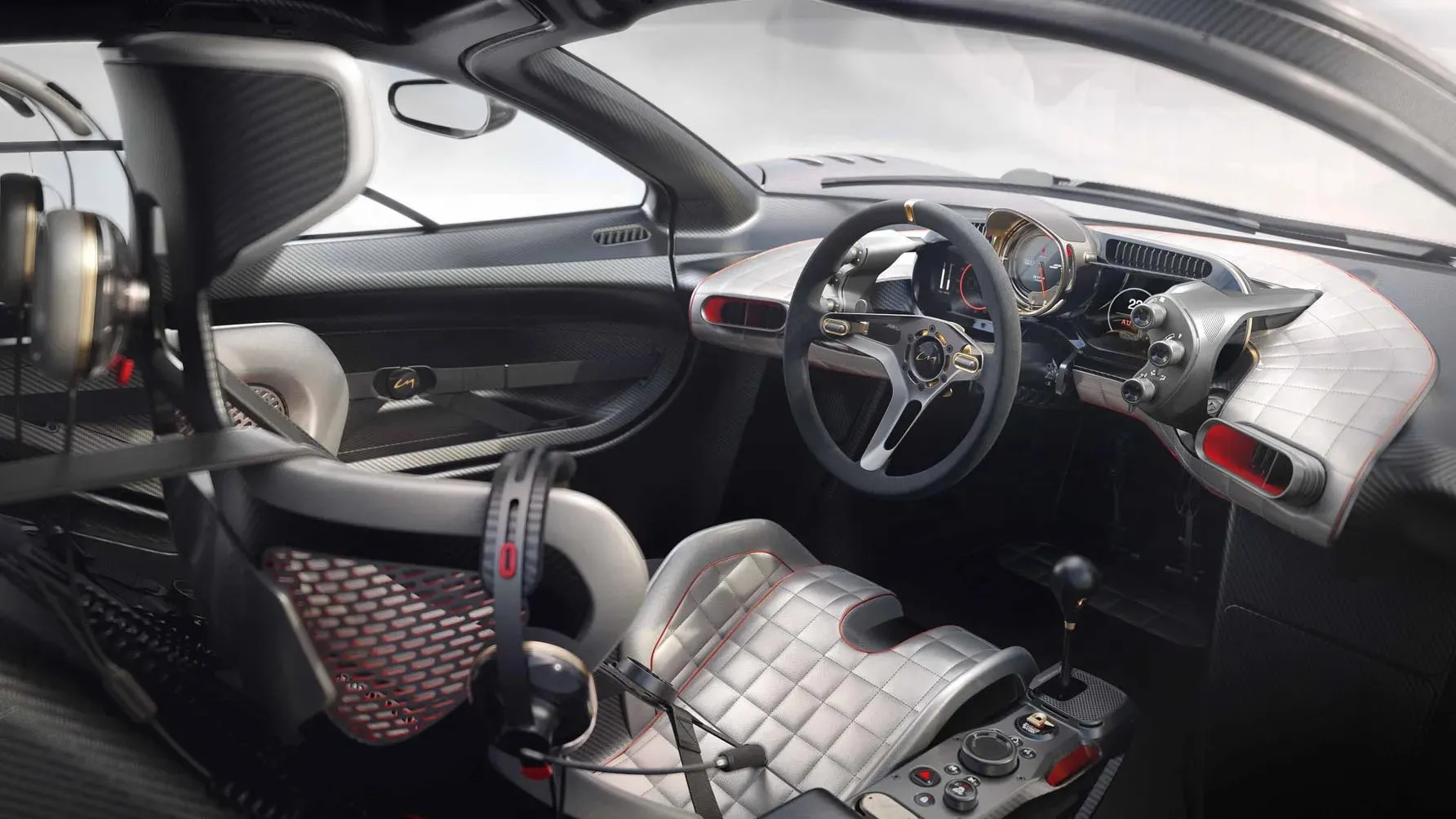
He told me he was there to meet some clients because he was working on a new project. “Nobody’s ever done the F1 recipe again,” he told me. He wanted a naturally aspirated bespoke V12 engine, only 100 cars, manual gearbox, lightweight, central driving position, three-seater, an 80-liter fuel tank, 240 liters of luggage space, headlights that work, and proper air-conditioning.
He’s raving on about it and I’m like, “That’s perfect, but it can’t be as light as the F1.” He replied, “Oh, no, it won’t be that light. It’ll be a lot lighter, under a ton." And my mouth dropped and I said, “Gordon, can I please give you a check right now?” He starts laughing and says, “Slow down, hold on, I love your passion—here’s my business card, get in touch with me, and we’ll sort something out.”
I got in touch with him that same night. A week later, he emailed me back, sent me the contract. I signed it, sent the deposit, and then 18 months later came the global reveal. I got a call saying we’d like to show you the car personally. Gordon told me, “You’re a very special person to us, you’re the first customer ever to put a deposit down. You gave us a vote of confidence and you’re like part of the family." I got chassis 50 and then I ended up buying XP2—the first car that was built before XP1, the first car that Gordon tested personally with an engine, the first car with a working fan, the first car to hit 12,100rpm. And it’s all documented.
And then I bought everything—the T.33, the T.50s—and Gordon and I became close over this time. I know his wife, he knows my wife and son, we’ve spent time together. It’s a privilege. I told Gordon I love the T.50, but he needed to do something special to celebrate 30 years since the F1 GTR’s Le Mans win—like the five GTR-aping LM road cars they built back then to celebrate.
This would be a different animal to the T.50, something very distinct in character and looks—something you’d have in addition to a T.50. Something that feels even more connected, more focused, telepathic steering, but not just a track toy—an even more precise road car. It’ll be a little bit firmer than T.50—it has to be—but I wanted to work with Dario [Franchitti] to make sure it can devour bumps and twisty, windy roads.
Gordon started seeing what I was seeing. It coincided with the 60 years of Gordon Murray design, and once you spark Gordon’s creativity, you’re off. From the outset, we agreed it needed to be more separated from T.50 than the F1 was from the five LMs, at a completely different price point. A true halo car. And we went through that process. I shared my ideas, he shared his, and then I got the email saying the project was green-lit.
The GMA Le Mans GTR was a project that came from the S1 LM, because if you did just five cars, it would be over £20m for each one. So we had to share some development costs around the solid-mounted engine, suspension, and chassis. But then we took everything to another level.
I’ve ordered all five and will be able to decide who gets one—but it has to be the right kind of person, not someone after a shiny object. Someone who understands its meaning, its importance, and who’ll use it in the way it’s been designed. I’ve only spoken to a few people about it and word is already out—let’s just say I’ve got three or four times more demand than cars available already.
In the beginning, Gordon gave me permission to come into the office and be in some of the meetings. He got a lot more than he bargained for. I dived in—I went to art school, and was constantly sketching and listening. Problem is, they’re working on a lot of things in the GMA studio, so I couldn’t get enough time to express my ideas.
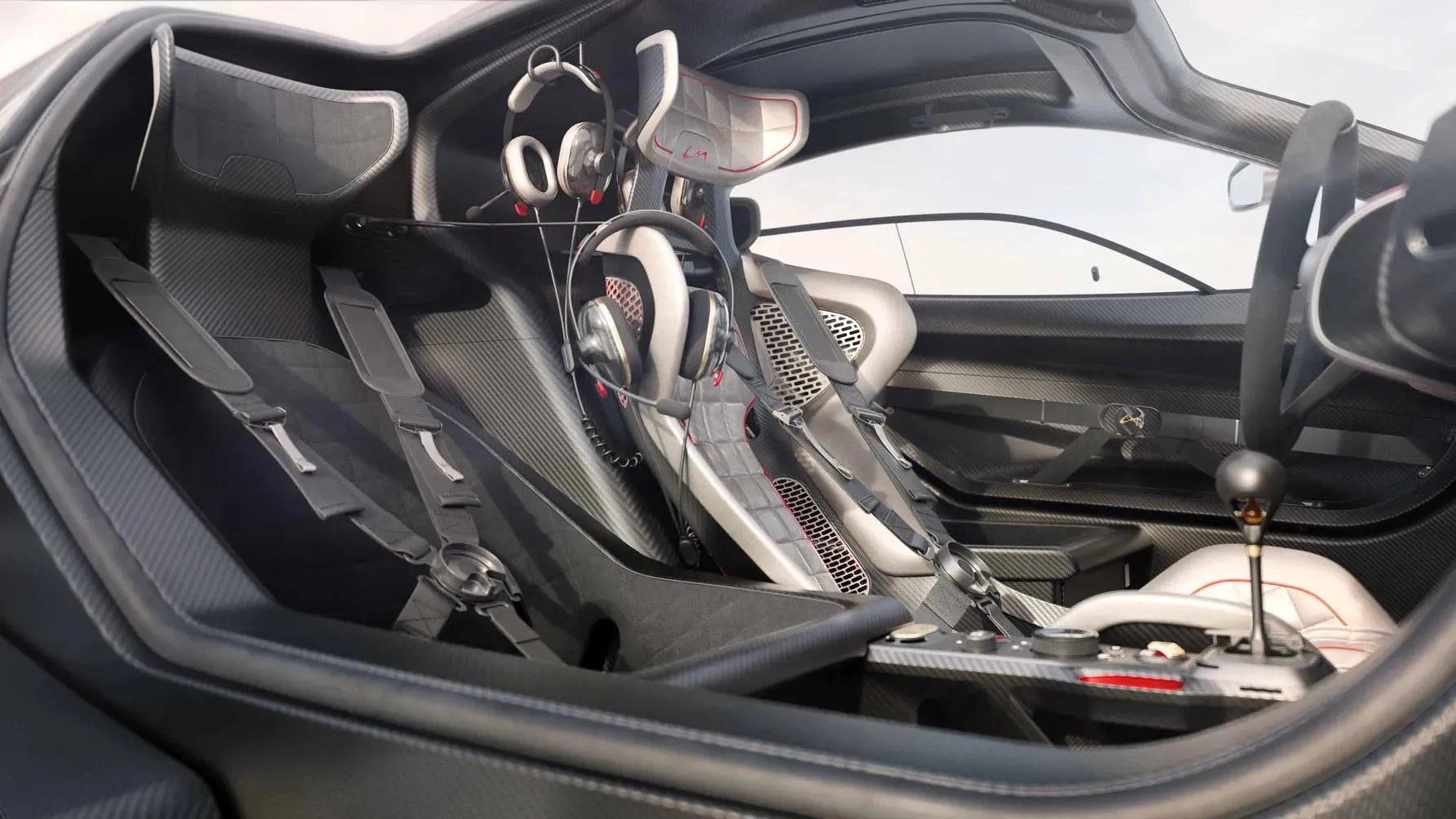
I needed to hire somebody whom I could work with, channel my creativity, and turn it into something we could give to GMA—it was a collaborative process, and that’s where Florian Flatau came in. The Tuthill GT One he designed had just been revealed, and it was trying to do the same thing—to catch the essence of the original car, but in a modern way. I was also a big fan of the stuff he’d done for Singer. He told me he was busy at first, and I said, “No, listen—this is the coolest project ever.” I asked him to sign an NDA, and the rest is history.
Normally, he’s left alone to do his thing, but I was always staying up late and firing ideas at him. Which was difficult at first, but then trust was built and we worked brilliantly as a team. He lives in LA, which worked because I just stayed up until 5am. Meanwhile, we were really pushing on the engine project with Cosworth. We wanted more power, but I didn’t want just a calibration exercise—I wanted to change the internals and make it more exotic.
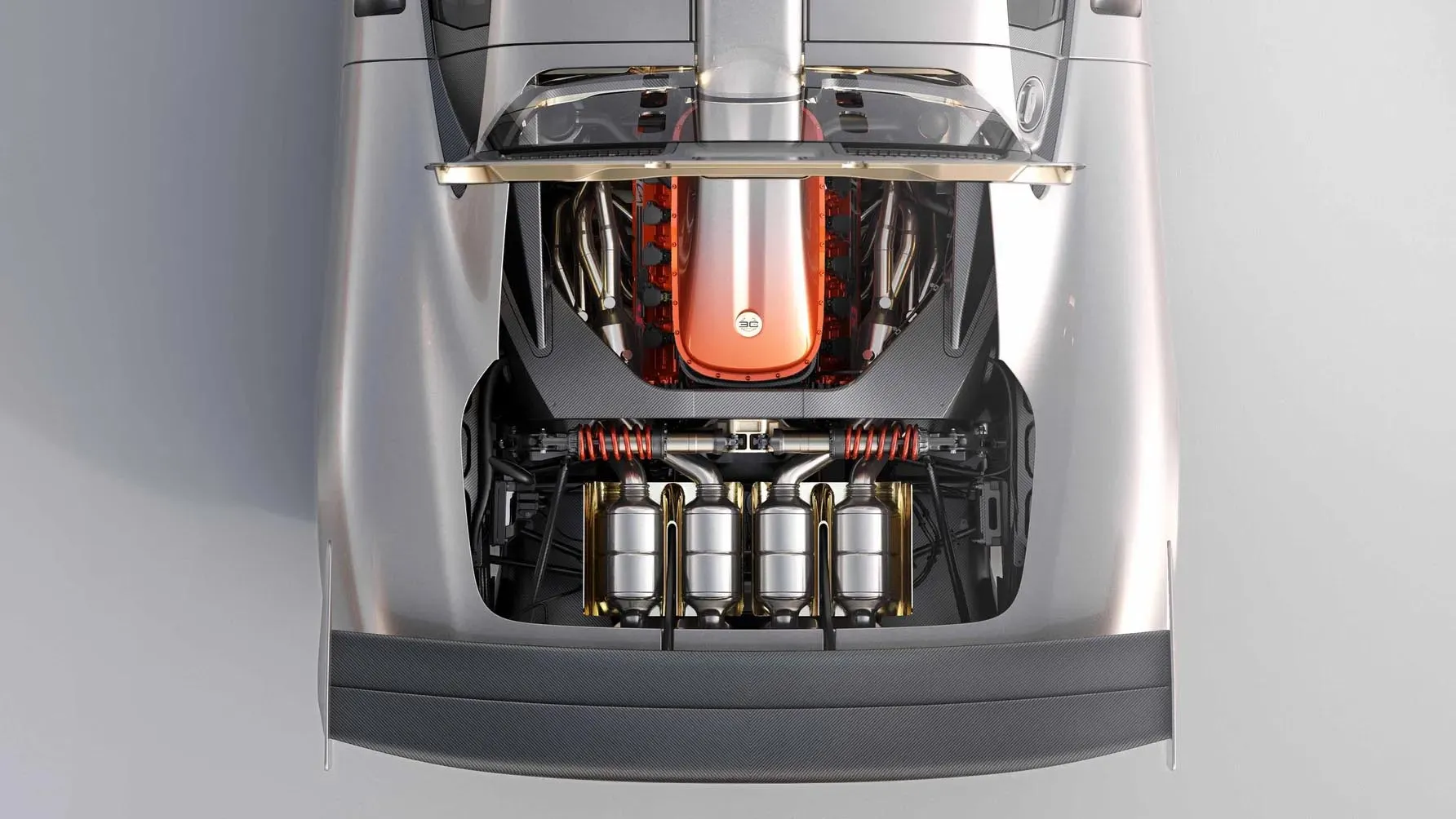
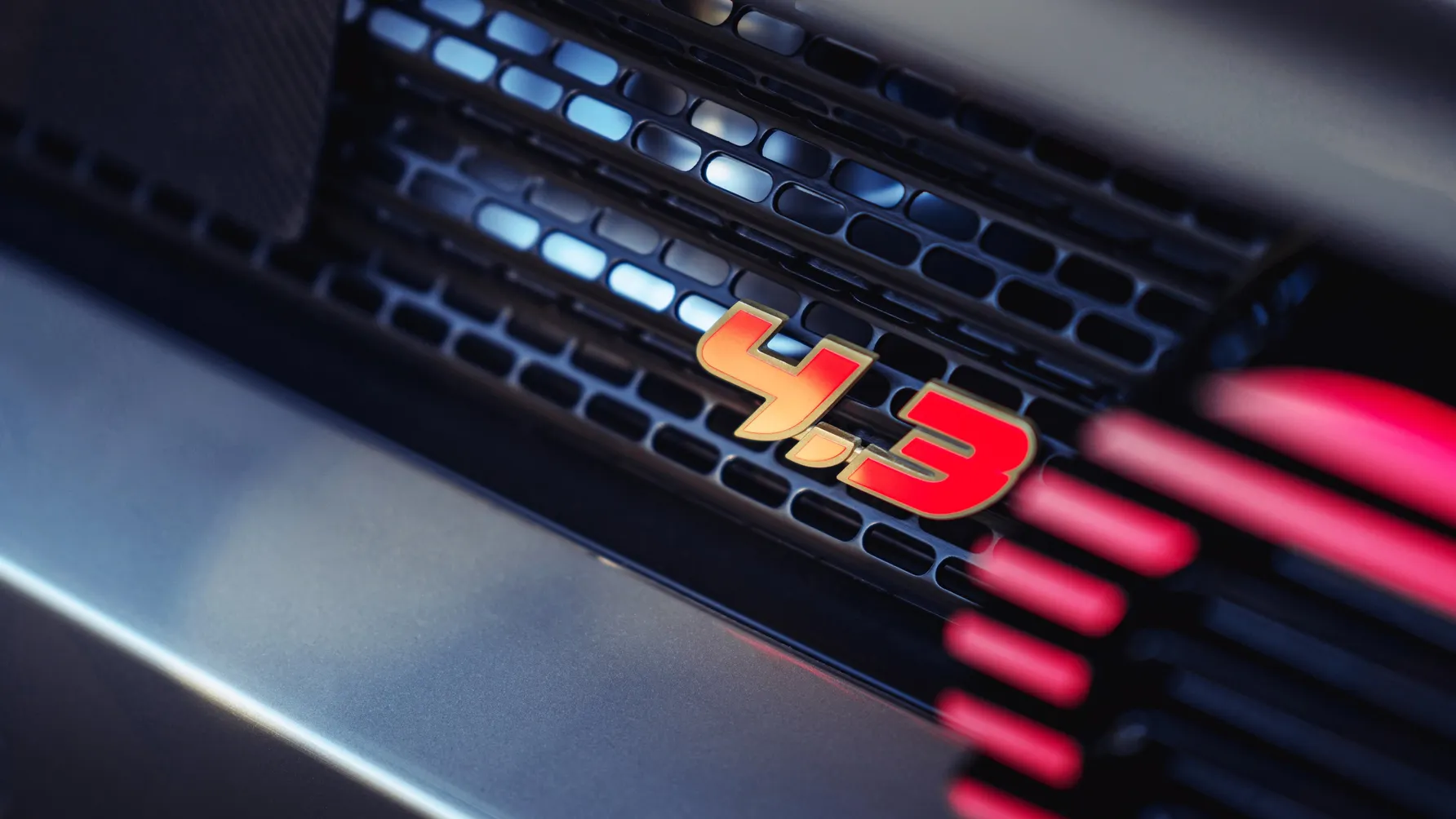
Honestly, Cosworth didn’t really want to take on a project that involved increasing the capacity since their resources were stretched. But I just insisted and pushed, and yeah, money helped as well. We also agreed to keep the 4.3 engine exclusive to this project—the rawest, purest expression of the Gordon Murray Cosworth V12. It will set new benchmarks for the most power-dense engine in the world, the lightest V12 engine in the world, the most responsive engine on the planet.
When it comes to testing, Dario is of course the main man. How involved will I get? Well, if the design process is anything to go by, I’m going to be sleeping in his garage for the next year or so. I’m ready. I want to be as involved as possible because, look, I owe it to myself. I want to give everything I can to this car. And it can’t just be the aesthetics. It has to uphold Gordon’s seven principles, every single one of them—exclusivity, return to beauty, premium brand, engineering art, lightweight, the customer journey, and of course, driving perfection.
The truth is, this isn’t really about me. All I’m doing is pushing and enabling Gordon’s true expression, his philosophy of what a car is. I’m just in the background—it’s him. It has his badge. This car exists because of Gordon’s legacy. When the project was green-lit, all the happiness and the joy were dampened because we found out about his condition. Gordon is a guy who sleeps very little, like me. He wakes up at five o’clock in the morning, he’s in the office by six or seven, and he works 14-hour days. That’s who he is. It was the first time ever that he wasn’t able to do that. He had to be secluded and go through some really aggressive treatment that was incredibly painful.
At Goodwood last year, after he completed his treatment successfully, his wife met me and said, “This car saved Gordon’s life. Working on it was the one thing that gave some relief.” It’s been very emotional. This car deserves a story and a buildup because, look, I want to deliver on the design and the engineering art, but it has to be pure driving perfection. This will be the best driver’s car ever.
Gordon Murray never designed the F1 to go racing, but a few wealthy customers convinced him and McLaren boss Ron Dennis otherwise. Time only allowed for minimal modifications to be made, but the F1 GTR duly romped home first, third, fourth, and fifth on its debut at the 1995 24 Hours of Le Mans—a legend was born.
To celebrate, McLaren created five GTR-esque LM road cars, but with the added bonus of a more powerful V12 than was in either the race car or the standard road car. Over the years, other F1 road cars have been treated to the lookalike High Downforce kit, while a special few also got the unrestricted race engine.
GMSV S1 LM
Price: Over £10 million (estimate)
Powertrain: 4.3-liter V12, 700hp+, n/a Nm
Transmission: 6-speed manual, RWD
Performance: 0-100kph in n/a secs, n/a kph
Weight: 997kg (estimate)
NOTE: This article first appeared on TopGear.com. Minor edits have been made.