The risk of contracting leptospirosis, a potentially life-threatening bacterial infection, is just one of the many dangers that motorists and commuters have to deal with during the rainy season.
According to the Department of Health, the rainy season, which causes streets to flood in Metro Manila, increases the risk of outbreaks due to exposure.
Whether you’re driving a car, riding a motorcycle, bike commuting, or taking public transport, motorists and pedestrians are at risk, especially if you’re forced to drive or wade through flooded roads to get home.
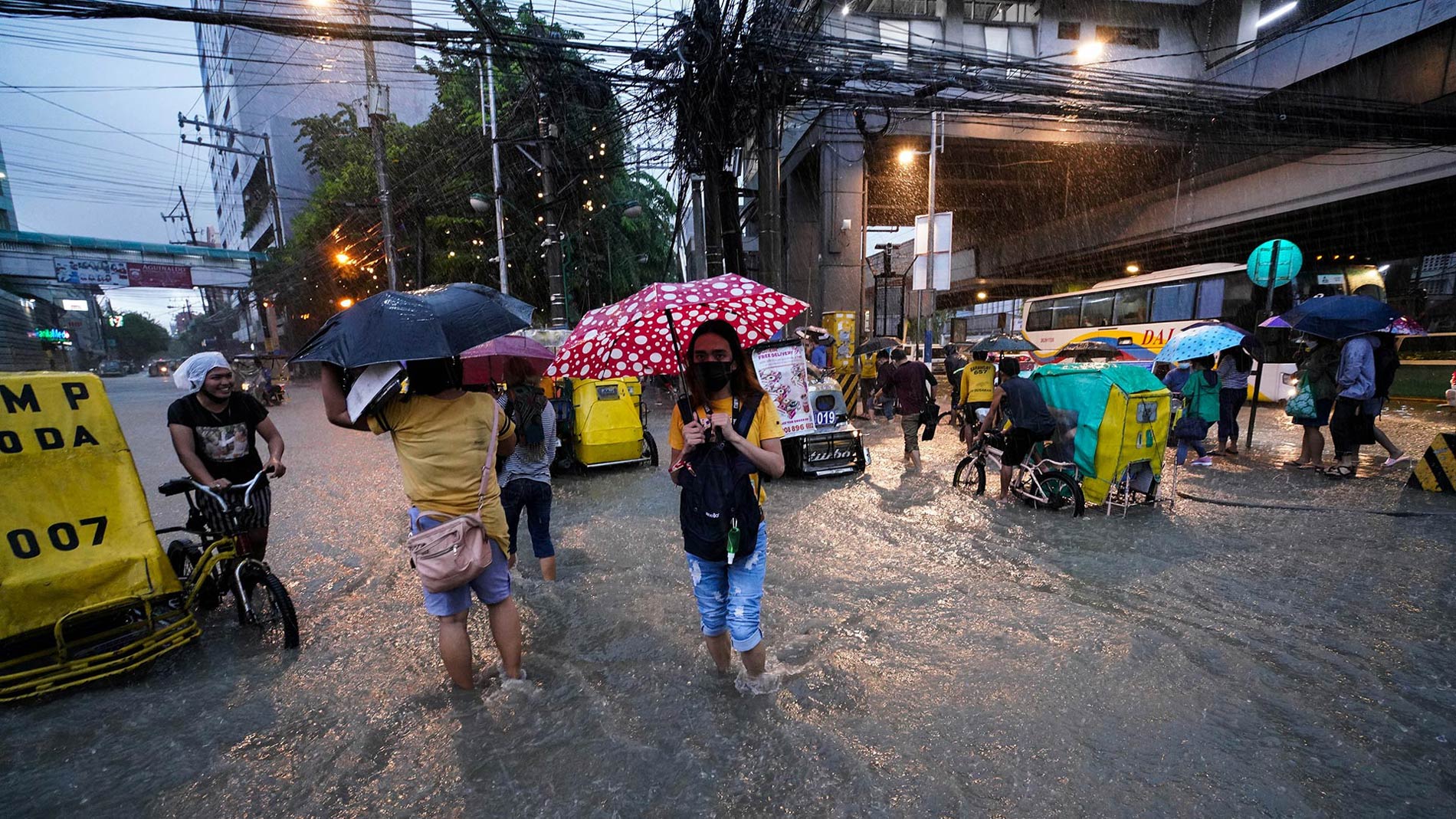
From July 13 to August 6, the health department recorded 1,272 leptospirosis cases nationwide, as cited in news reports. This number could still rise following the widespread flooding brought on by habagat last month, and given that the disease’s incubation period is one to two weeks. With the recent flooding in Manila this past week, we thought it would be timely to share some basics and safety prevention tips, so commuters and motorists are fully informed and prepared.
What is leptospirosis?
Leptospirosis is an infection caused by Leptospira, a type of bacteria commonly passed to people through mud or water that has been contaminated by the urine of infected animals, such as rats.
How do people get leptospirosis?
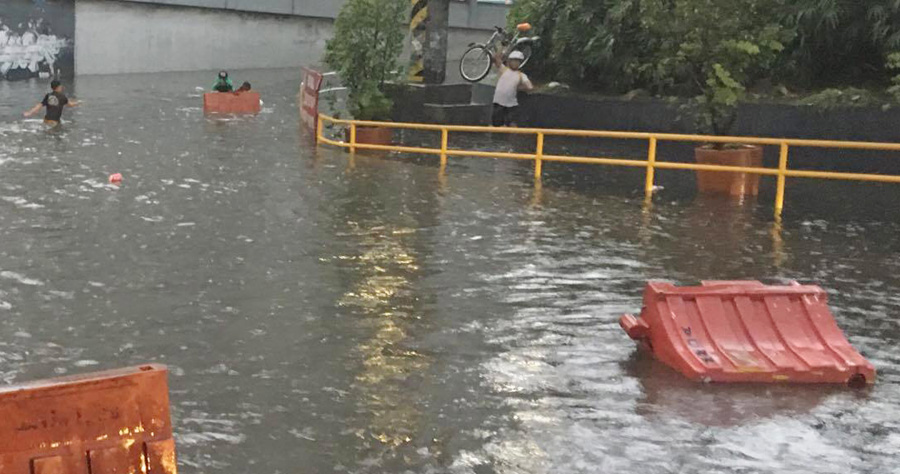
People can get leptospirosis by swimming and wading in dirty floodwaters. The bacteria can also enter the body through skin breaks (cuts and wounds) or through the eyes, nose, and mouth or by drinking contaminated food and water.
What are the common symptoms of leptospirosis?
According to the Centers for Disease Control and Prevention (CDC), possible symptoms of leptospirosis include:
- High fever
- Headache
- Shivering
- Vomiting
- Yellow tinge of the skin
- Redness of the eyes
- Abdominal pain
- Muscle pain
- Diarrhea
- Rashes
Most infections result in no or only mild symptoms and antibiotics can help shorten the illness if given early. However, if left untreated, leptospirosis can be potentially fatal, as per Cleveland Clinic. In severe cases, leptospirosis can cause kidney damage, brain inflammation, liver failure, respiratory diseases, or worse, even death. The CDC notes that about 1 million cases occur globally each year, with nearly 60,000 deaths.
So, is there anything you can do to protect yourself from leptospirosis?
According to the health department, the best way to prevent leptospirosis is by not swimming or wading in potentially contaminated floodwaters and by drinking only treated water.
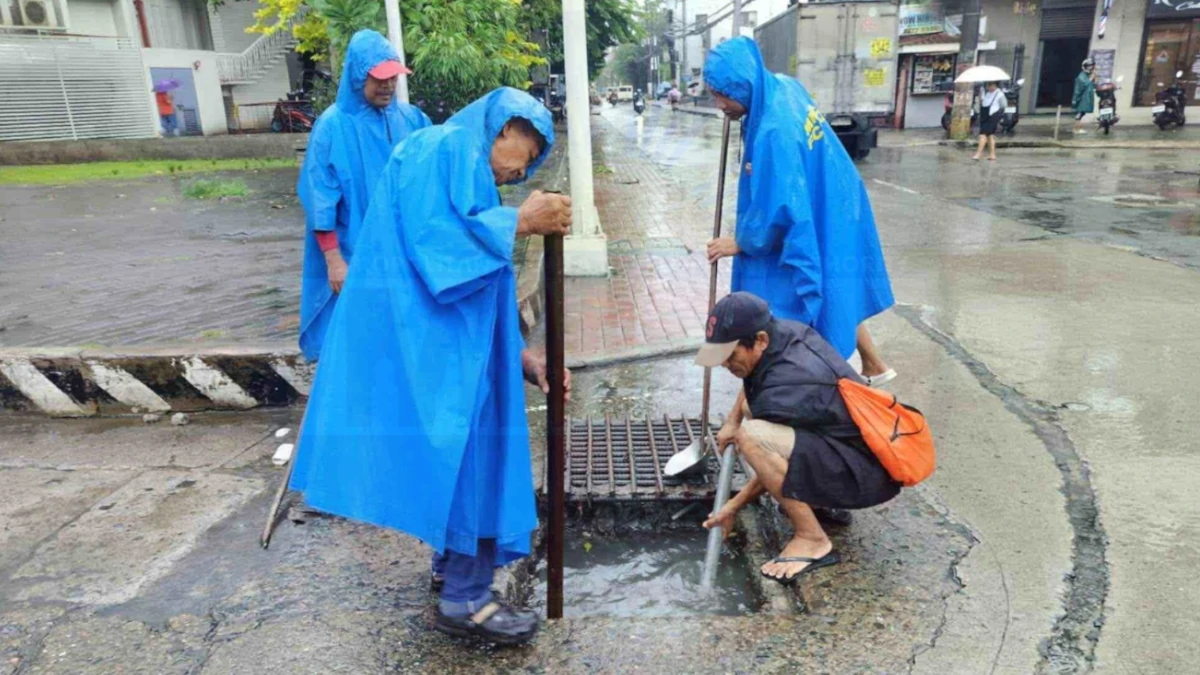
Of course, given the “new normal” effects of climate change where floods have become the norm, our trash-clogged pumping stations, and the ineffective or non-existent flood control projects in the metro, telling people to avoid passing flooded areas is much easier said than done. Sadly, most commuters don’t really have much of a choice.
Here are a few more practical tips and reminders for motorists and commuters to take note of.
1) Avoid contact with floodwater whenever possible
- Stay informed of weather forecasts and flood alerts.
- Be aware of flood-prone areas in your locality and reroute your drive or consider alternate routes to avoid these during rainy months.
- Avoid parking your vehicles in low-lying areas, near drainage systems, or beside esteros (waterways).
- If you have to park when heavy rain is expected, seek higher ground or elevated parking structures like malls or buildings to wait for waters to subside. Many malls usually waive parking fees in anticipation of a storm or floods.
- Wait for floodwaters to recede before returning to your home after a flood.
- Avoid touching your face after exposure to floodwaters.

- If wading through floodwater is unavoidable, wear protective gear, such as knee-high rubber boots, waterproof pants and gloves to avoid exposure to contaminated water.Keep a pair of boots in your vehicles (along with protective rain gear) and top boxes during rainy months.
- Rainy day essentials for commuters include a foldable umbrella, rain poncho, slip proof shoes, and hand sanitizer. Bring an extra change of clothes and consider bringing boots if you live or work in flood-prone areas.
3) Cover wounds before heading out
- Even small cuts or abrasions can allow bacteria to enter.
- If you have open wounds (especially in areas that will be exposed to floodwaters) be sure to use waterproof bandages and dressings.
4) Consider the public transport options
- For those who regularly commute, the LRT-1, LRT-2 and MRT-3 are usually the safer option to avoid traffic and floods, especially for routes near their stations.
- Make use of the EDSA Carousel bus and other P2P bus systems.
- Avoid taking other road-based public transport like jeepneys, or trikes which can be vulnerable to traffic and road flooding.
- In case you get stranded, look out for “libreng sakay” (free ride) trucks and buses provided by the Department of Transportation (DOTr), the Philippine Coast Guard (PCG) and the Philippine Ports Authority (PPA), which are usually deployed in NCR for stranded commuters in select routes.
5) Wash and disinfect yourself immediately after exposure
- Once you get home, bathe or wash your legs, feet and hands exposed to floodwaters with clean water and soap.
- Disinfect small wounds after contact with floodwater.
6) Consult health experts immediately for proper treatment
- C physician.
- Seek medical help early, especially if you have wounds that have been exposed to floodwaters or have to be constantly exposed to floodwaters
- The DOH has launched Leptospirosis Fast Lanes in at least 49 DOH hospitals to quickly respond to cases.
7) Keep your surroundings clean and free from garbage
- Maintain proper sanitation and eliminate rat breeding grounds.
- Drain potentially contaminated water when possible.
- Following exposure to floodwaters, wash and disinfect flood-soaked mats, pedals and riding boots. Use gloves when handling flood-exposed items.
What is the treatment for leptospirosis?
According to DOH, a prescription is needed for medication such as Doxycycline, an antibiotic used as prophylaxis against leptospirosis, which should be taken within 24-72 hours of floodwater exposure. Take note that Doxycycline is not recommended for pregnant women, breastfeeding moms, and children under 8 years old.
While it is not routinely recommended, individuals who are at high risk (such as soldiers, those engaged in water-related occupational activities, and disaster relief workers) may beconsidered for pre-exposure prophylaxis, according to a DOH memorandum released in 2023.
Reminder: MMDA has banned swimming and playing in floodwaters for fun
In case you didn’t know, the Metropolitan Manila Development Authority/ released a regulation last year banning swimming, playing, loitering, or unnecessary walking in floodwaters for fun.
To avoid a spike in leptospirosis cases, the agency passed MMDA Regulation 24-003, which explicitly prohibits both children and adults from “swimming, playing, gallivanting, and/or unnecessary wading or doing any other leisurely activities in floodwaters.”
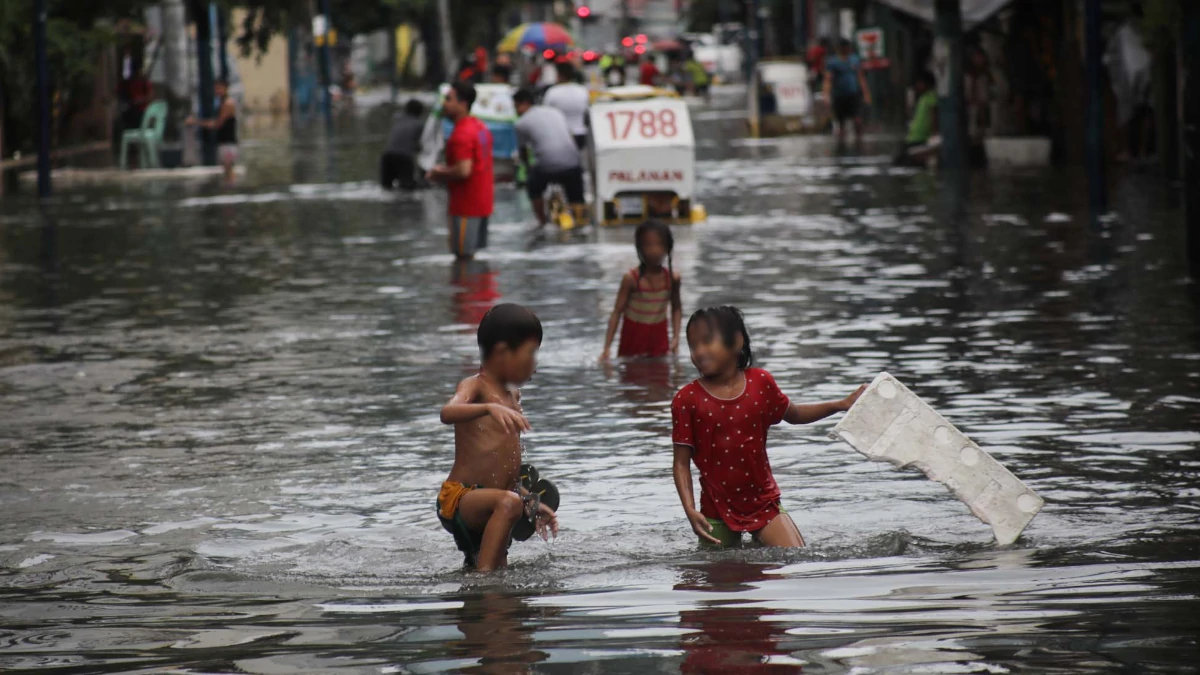
This regulation makes a clear distinction between swimming in floodwater for recreation, and commuters who have no other choice but to walk through floods to go to work, school or to evacuation centers.
Aside from banning people from frolicking in floods, the resolution also urges local government units (LGUs) in the capital region to conduct information and education campaigns that will raise leptospirosis awareness. The public is also being reminded to practice proper waste disposal to prevent clogging of drainage and infestation of rodents whose infected urine is seen to be the main cause of leptospirosis.
What other concrete measures in terms of urban planning and flood control do you think would actually help prevent floods from happening in the first place? Let us know in the comments section.