Fun fact: Did you know that the modern light rail trains we use today are the spiritual heirs to the horse-drawn tranvias, pre-war Manila’s electric trams? And that the original railway stations built in the 1980s were designed by a national artist who took inspiration from the bahay kubo and bahay na bato? The original stations were also designed to have cafes, bookstores, and shops underneath with closed-off streets beneath each station.
These are just some tidbits I learned after joining a heritage transit tour along the Light Rail Transit Line 1 or LRT-1.
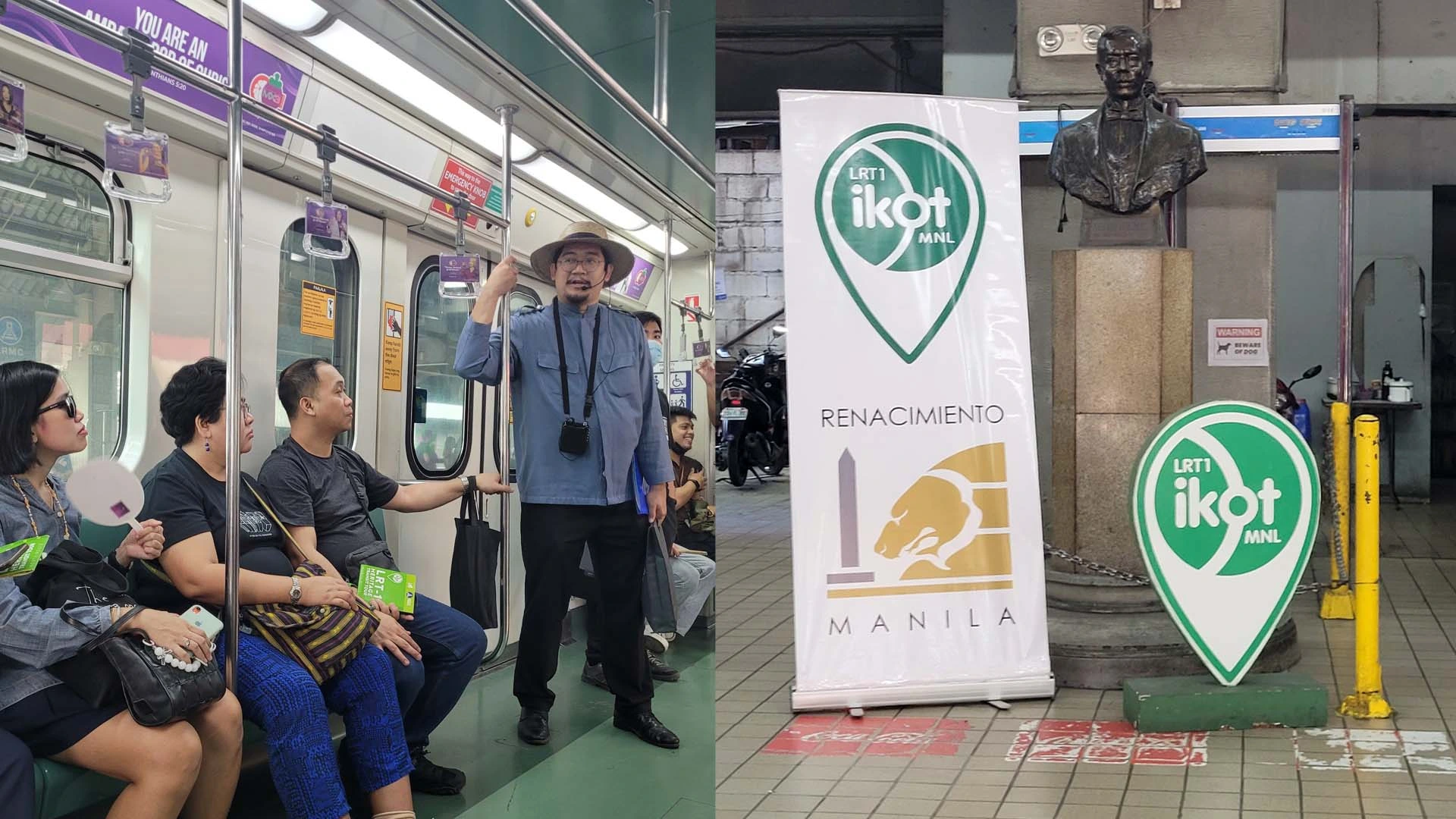
The ikotMNL Heritage Transit Tour offers guided walking tours to sites near train stops in a bid to boost urban tourism and encourage the use of mass public transport. The unique tour is operated by LRT-1 private operator Light Rail Manila Corporation (LRMC) and Renacimiento Manila, a cultural advocacy group that holds regular walking tours in the City of Manila.
Interested in exploring Manila by LRT? Here’s all you need to know about the tour.
What is the LRT-1 Heritage Transit Tour?
The LRT-1 ikotMNL Heritage Transit Tour, launched in October 2023, aims to promote Manila’s cultural heritage through one of its most vital mass transit systems. The LRT-1, which opened in 1984, is the first light rail transit service in the Philippines and the first in Southeast Asia as well.
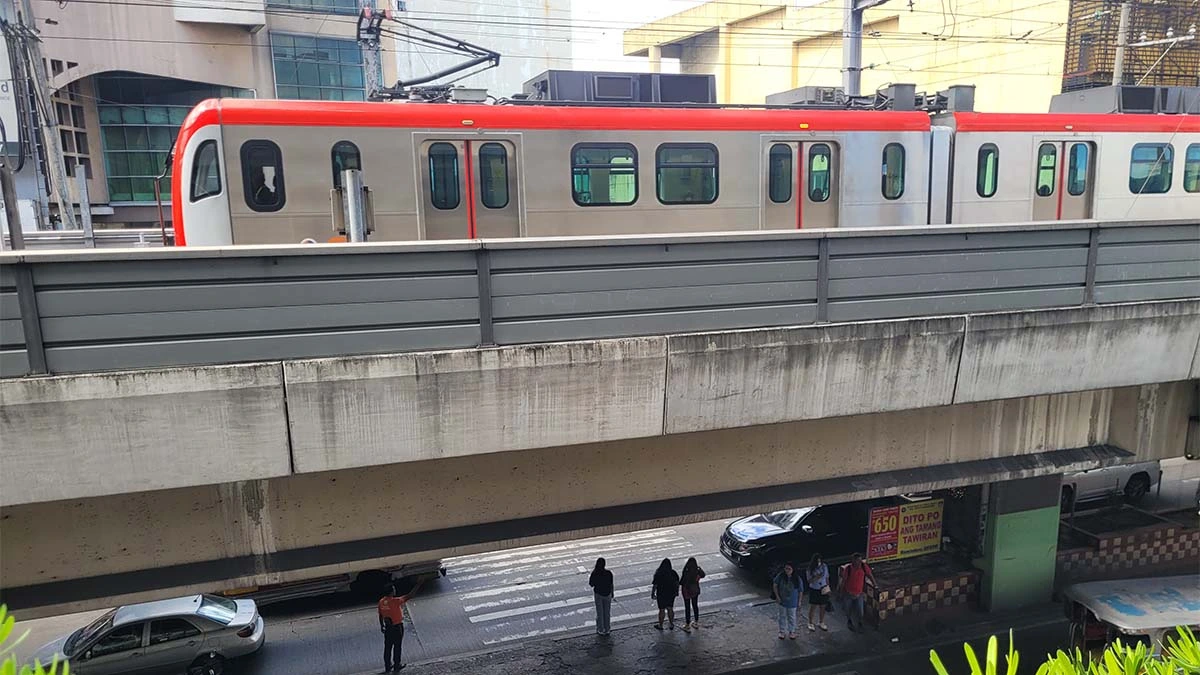
With the recent launch of five new stations along the Cavite Extension Phase 1 Project, the fully elevated railway now has 25 stations running through the cities of Caloocan, Quezon City, Manila, Pasay, and Paranaque.
There’s been higher interest in riding trains as a way to beat the worsening city traffic and this vital line gives those based in the south of the metro access to key sites in the capital and northern stations and vice versa.
What are the route options for LRT tours?
Renacimiento Manila launched its pilot Central Route in November 2023, which includes stops near the Central Terminal, Vito Cruz, United Nations, and Carriedo Station.
Central Station brings passengers within walking distance of Manila City Hall, Liwasang Bonifacio, the newly rehabilitated Metropolitan Theater, and Arroceros Park. The Central Route covers Calle Vito Cruz and the United Nations Station where you can enjoy views of the National Museum and historic Luneta Park before heading to Carrriedo Station to discover Manila’s old downtown.
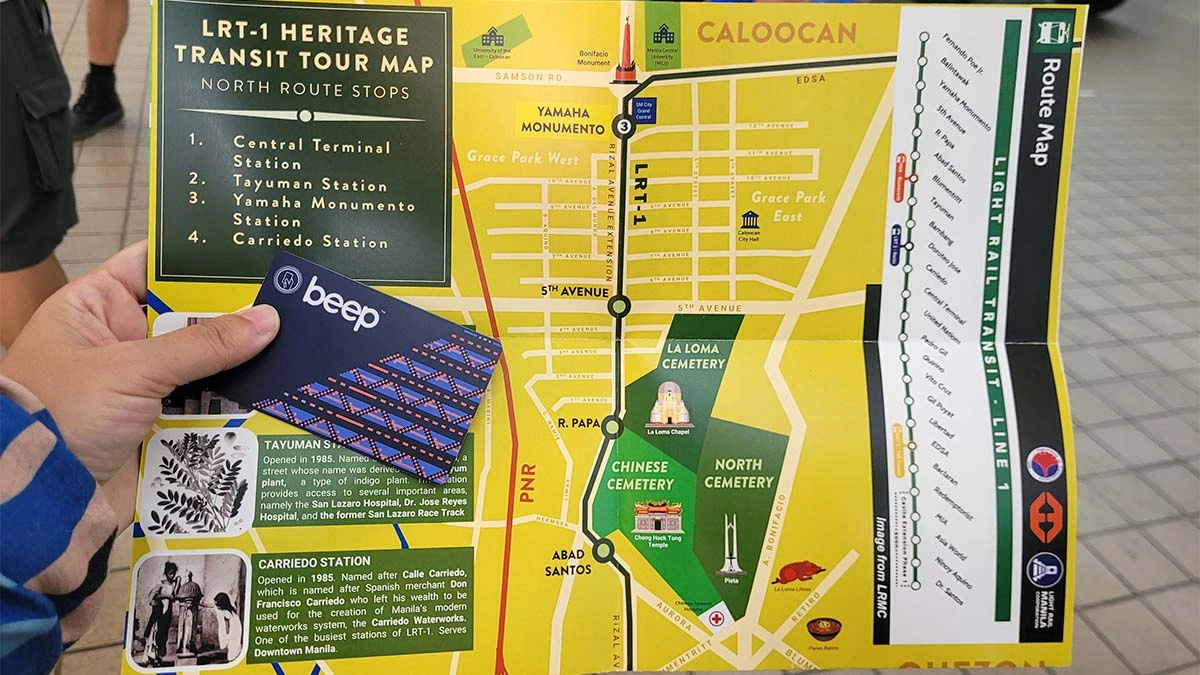
Meanwhile, the North Route, which kicked off in late September 2024, takes participants to stations north of the Pasig River from Central Station, including Tayuman and Yamaha Monumento, before ending at Carriedo Station.
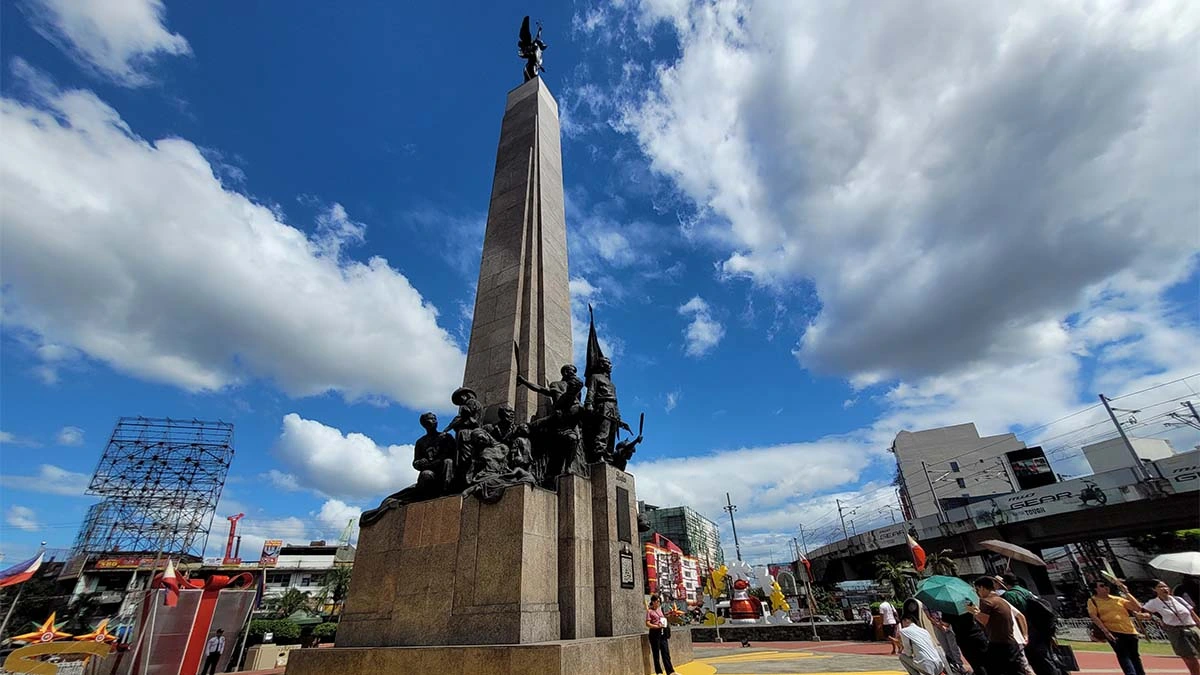
The North Route includes visits to nearby churches like Espiritu Santo Church and the San Lazaro hospital ruins and delves into the history of Grace Park Airfield and the Andres Bonifacio Monument in Caloocan. It was cool to get up close to the historic Bonifacio Monument (ahead of Bonifacio Day) as it’s located in the middle of a busy roundabout and isn’t normally something pedestrians can visit.
While the tours offer different points of interest in between, they end in Carriedo Station, one of the busiest stations in downtown Manila. It’s a great choice for an endpoint since it’s close to Binondo and Escolta for DIY food trips.
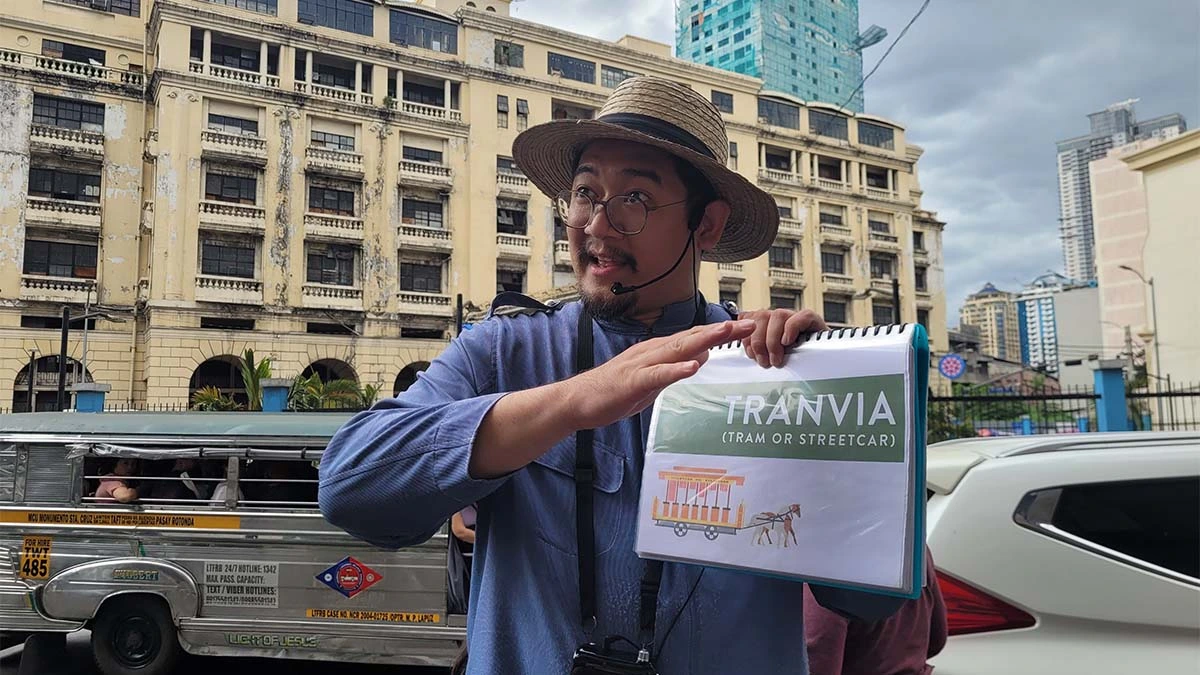
What to expect from the ikotMNL LRT tour
Compared to typical walking tours which can only cover a certain geographical area, this tour lets you explore more of the city and takes you to overlooked heritage sites most of us never knew existed. Each tour lasts three to four hours and includes visits to one or two key sites per stop. While you won’t be visiting every single landmark near each station, you’re definitely in for some surprises.
Tour guides give an overview of each area and explain the history behind some of the landmarks and how stations were designed. During the tour, we were given a LRT Heritage Maps and Beep cards with unlimited rides on that line for the day so we could revisit the sites we wanted after the tour.
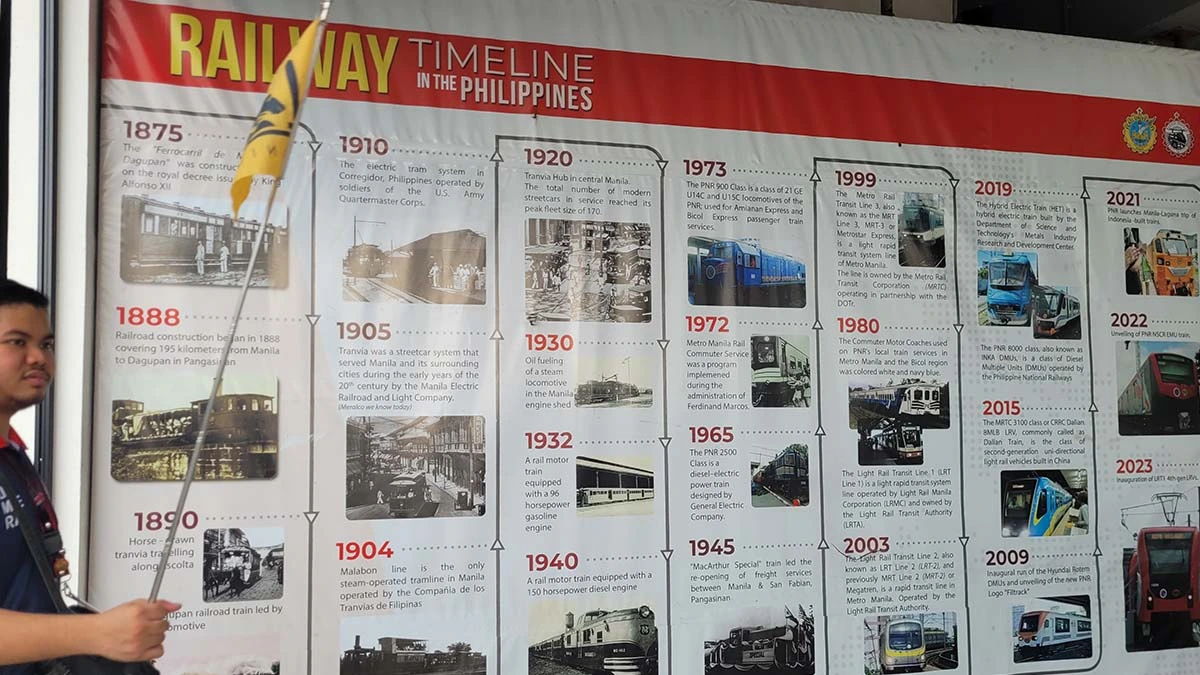
We walked a lot, braved a local version of the Shibuya scramble, and got a firsthand look at the gritty conditions in some districts we’ve never been to. I’d recommend, wearing comfortable shoes, and bringing a tumbler of water and light snacks in case you get hungry with all the walking.
The air-conditioned train rides in between the stops were a great way to cool down in between the walking, especially towards noon. Since you’ll be traveling mostly by train, I recommend taking a rideshare service to the nearest station for flexibility in going there and back. Not having to worry about traffic and parking was great.
What are the points of interest near the train stations?
Since you get to keep the Beep card, you can revisit any station and explore freely after the tour. According to handy infographics provided by the Renacimiento Manila, here are some of the key sites you can visit near each station.
Central Terminal
- Metropolitan Theater
- Arrocerros Forest Park
- Manila City Hall
- Post Office & Plaza Lawton
- Intramuros
- SM City Manila
Vito Cruz
- De La Salle University (Manila Campus)
- De La Salle - College of Saint Benilde
- St. Scholastica’s College
- Rizal Memorial Sports Complex
United Nations
- National Museum of the Philippines Complex
- Manila Police District
- NBI-DOJ-Supreme Court Complex
- Paco Park
- Central Methodist Church
- University of the Philippines
- San Vicente de Paul Church
- Rizal Park Luneta
Tayuman Station
- San Lazaro Hospital Ruins
- Capilla de San Lazaro
- Espiritu Santo Parish
- DOH-San Lazaro Complex
- Jose R. Reyes Memorial Hospital
- SM San Lazaro
Yamaha Monumento Station
- Bonifacio Monument
- SM City Grand Central
- Manila Central University
- Our Lady of Grace Parish
- Grace Park
- University of the East-Caloocan
Carriedo Station
- Plaza Goiti (Lacson)
- Santa Cruz Church
- FEATI University
- Avenida Rizal
- Calle Escolta
- Carriedo Fountain & Plaza Santa Cruz
How much do tours cost and what are the inclusions?
The LRT-1 Heritage Transit Tour fee is P600, which includes a Beep card with unlimited LRT-1 rides for the day and exclusive tour souvenirs.
Who should join this tour?
This ikotMNL tour is ideal for history buffs, urban explorers eager to see more of the city beyond the usual spots, and those who don’t normally use the trains and want to familiarize themselves with mass public transport and where to go.
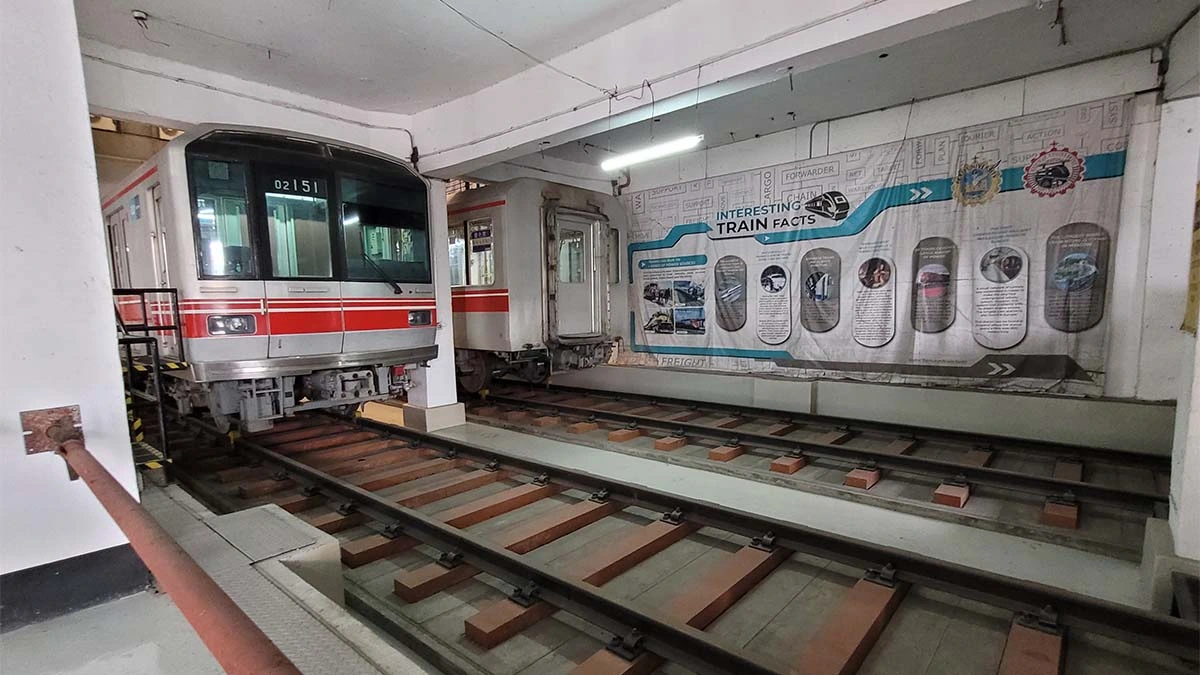
Railway fans might enjoy the visit to FEATI University, the only school in the country that offers a Railway Engineering specialization as part of its Engineering program. The school has a train simulator and an actual train cabin inside the campus.
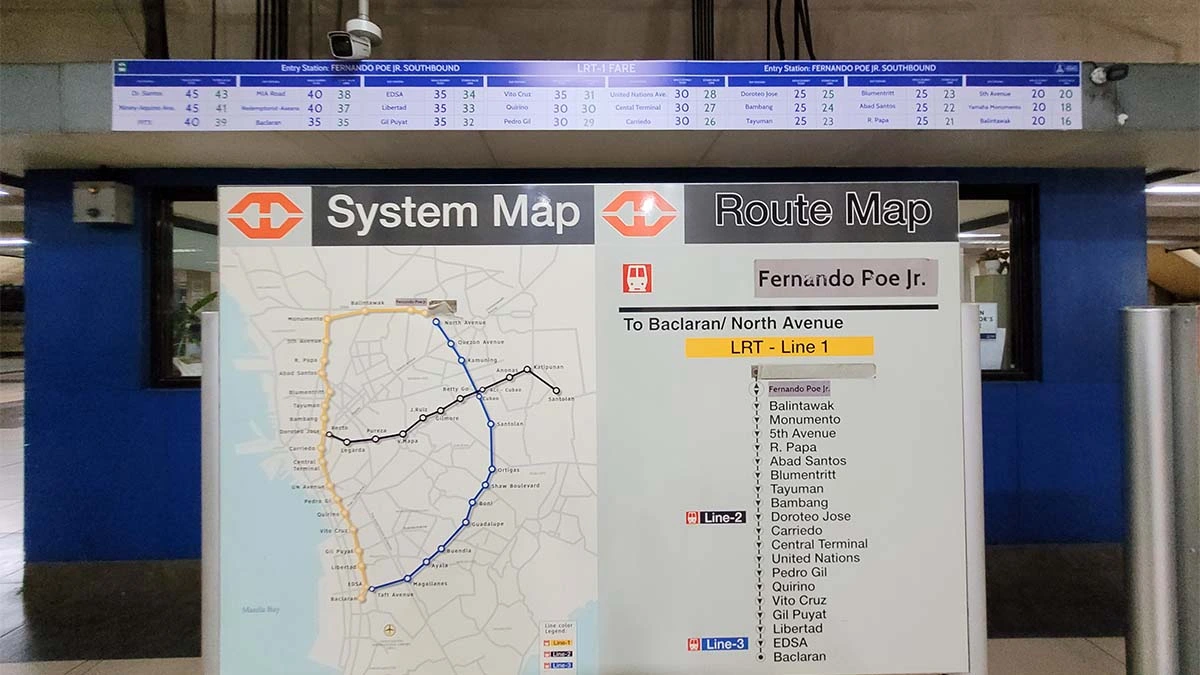
On a side note, since I already had an ‘unli-ride’ Beep card, I took the opportunity to visit the five newest stations later that day (Redemptorist, MIA, Asia World, Ninoy Aquino, and Dr. Santos) and rode it back from end-to-end. Apparently, it’s possible to get from Paranaque (Dr. Santos) to Quezon City (FPJ Station in Roosevelt) in 55 minutes for just P43!
Seeing the old stations versus the newer stations and experiencing the upgrades in mass public transport with the fourth-generation trainsets firsthand was definitely an eye-opening experience.
Check out the Facebook page of Renacimiento Manila (@Renacimiento Manila) for their next tour dates.