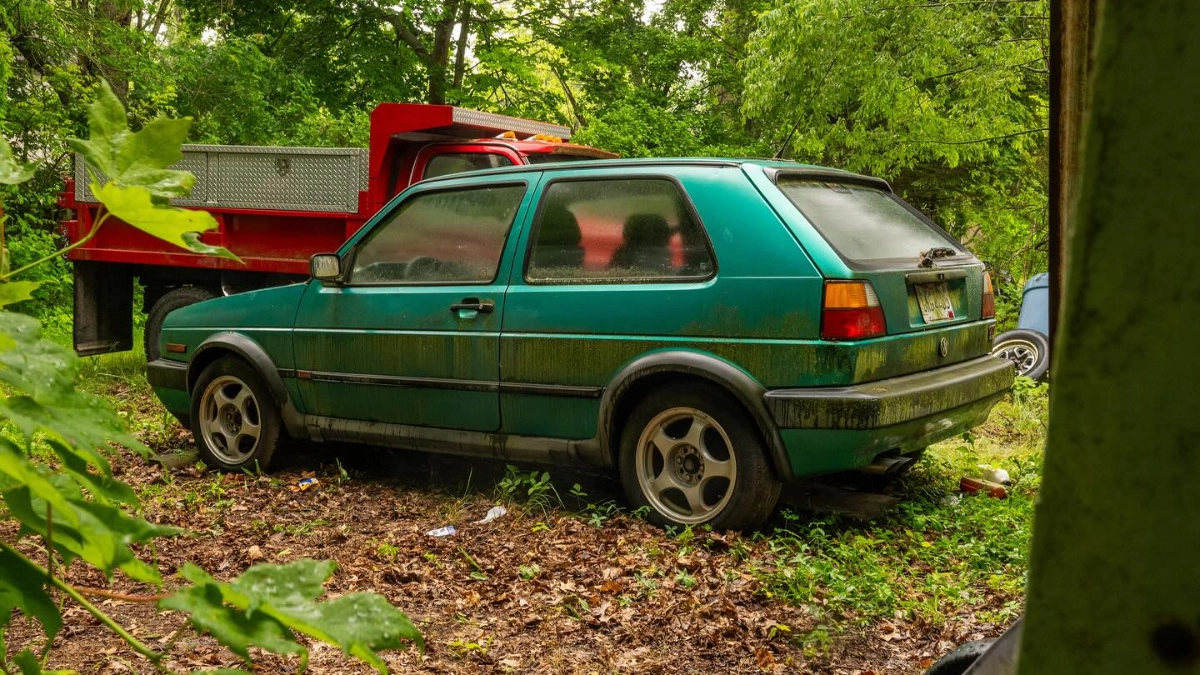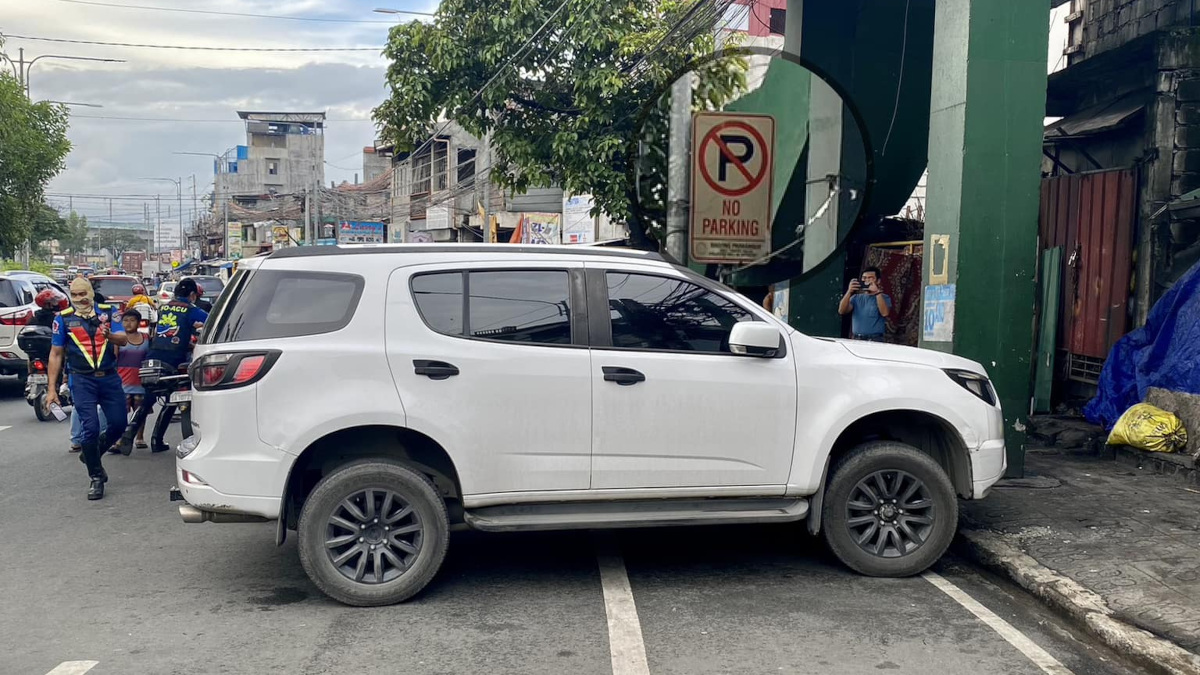
Illegal parking has long been a widespread issue in Metro Manila.
You would think it would be common sense for drivers not to park next to a fire hydrant or right in the middle of a major road. But in Metro Manila, parking incidents such as these seem to happen on a daily basis.
The Metropolitan Manila Development Authority has had its hands full with road-clearing operations and towing to curb illegal parking, yet some vehicle owners continue to commit the same violations.
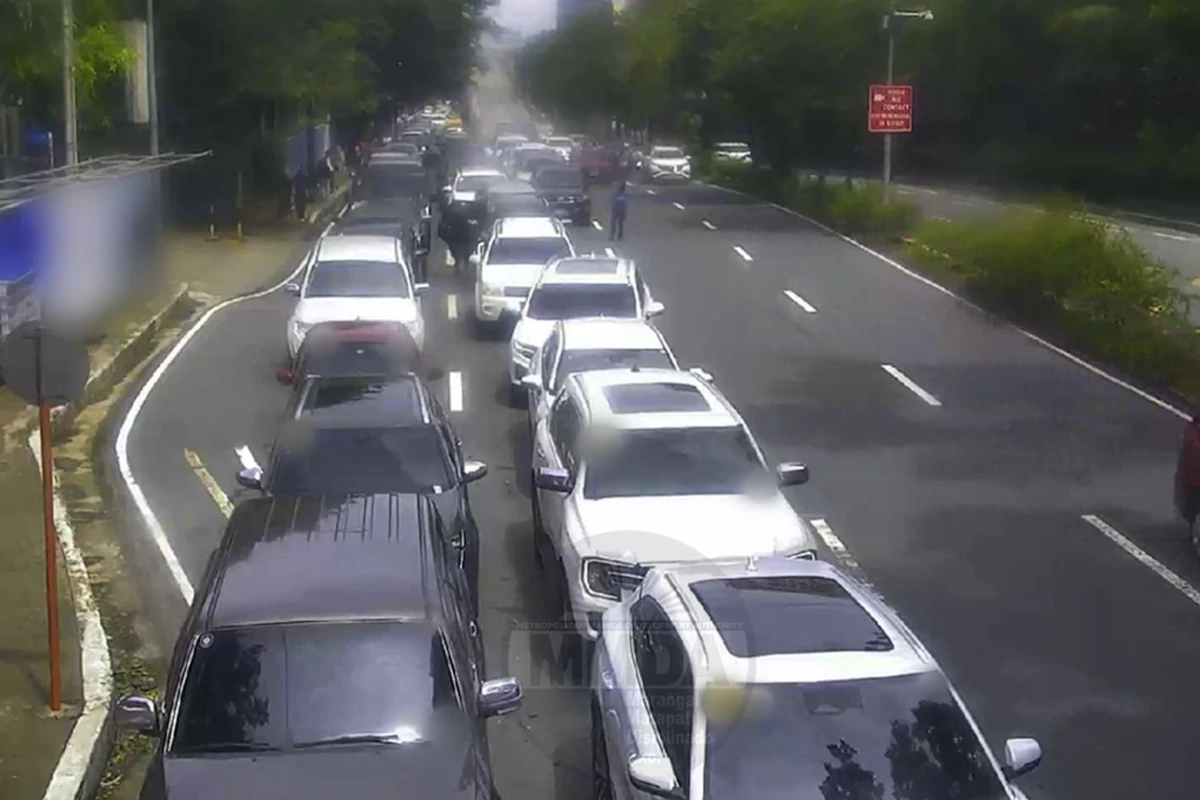
Illegally parked vehicles are one of the causes of traffic congestion that impacts other drivers passing through busy thoroughfares. These can also be a major hindrance for pedestrians, residents of nearby areas, and emergency vehicles.
As a refresher, we thought we’d revisit all the specific places where motorists shouldn’t park their vehicles as specified by Philippine law and local ordinances.
Republic Act No. 4136, also known as the Land Transportation and Traffic Code, clearly prohibits parking in specific places for good reason.
ALSO READ:
Quick guide: How to renew your driver’s license online through the eGovPH app
The definitive guide to ride-hailing options in the Philippines
1) Within an intersection
Article IV, Section 46 states that it’s illegal to park within an intersection. Parking where two or more roads cross or merge can block sightlines, increase collision risks, and disrupt the flow of traffic for turning vehicles. Many streets, especially in residential areas and subdivisions, are pretty narrow. Other drivers may find turning at intersections difficult if there are cars blocking the way, which can lead to gridlocks and accidents.
2) On a crosswalk (pedestrian lane)
Another spot where drivers shouldn’t park is crosswalks or pedestrian lanes. Obstructing these is downright dangerous for anyone attempting to cross the street, particularly children, parents with strollers, the elderly, and the visually impaired, as this forces them to cross in less safe areas.
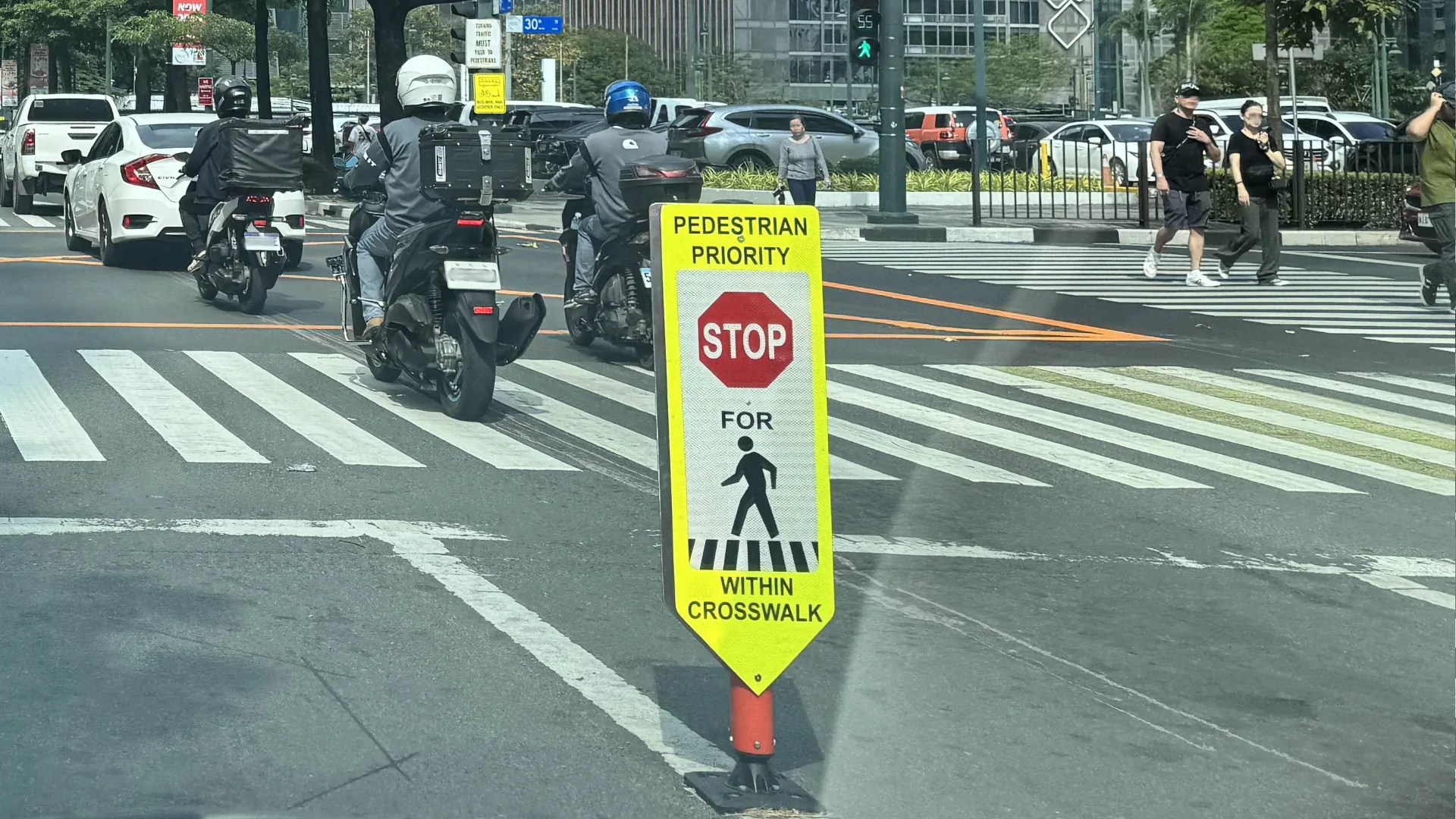
And while we’re on the subject, vehicles should always, always slow down when approaching a pedestrian crosswalk. Regardless of whether or not there are stoplights, drivers should always slow down instead of speeding up or honking at people crossing the street. In other countries, drivers seem to understand that pedestrians get priority every time there’s a crosswalk and automatically stop—a fact that we hope Filipino drivers would respect more.
3) Within six meters of the intersection of curb lines
It’s not enough to keep the intersection itself clear. Based on Section 46(c) of the Traffic Code, vehicles shouldn’t park within 6m of the intersection’s curb lines. This space is to maintain a safe buffer zone for turning vehicles and safe pedestrian entry and exit. Cars parked too close to the junctions can cause visibility issues, particularly for larger vehicles, and slow down the regular traffic flow.
4) Within four meters of the driveway entrance to a fire station
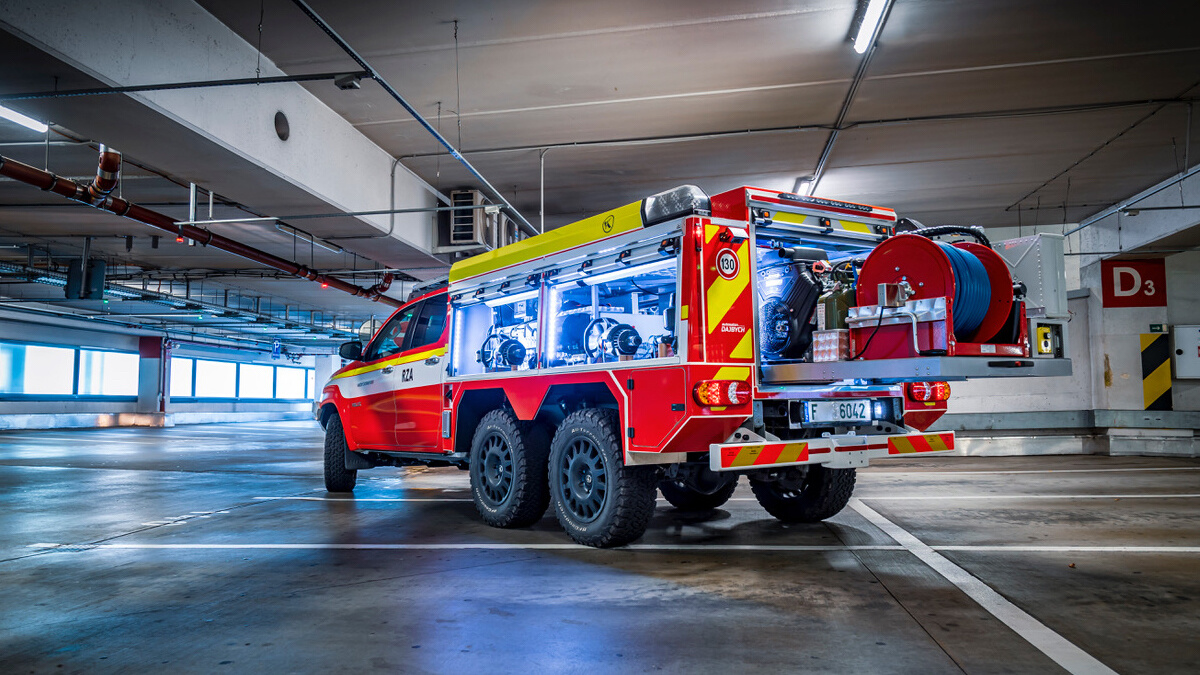
Drivers are not allowed to park in the vicinity of a fire station, particularly within four meters of the driveway entrance, in case of emergencies. Fire trucks are pretty big and require specific clearance to maneuver effectively and safely during emergencies, which can happen at any time. Stations also require adequate space for loading or unloading essential equipment.
5) Within four meters of a fire hydrant
Parking next to or near a fire hydrant is a serious safety hazard as it can obstruct firefighter’s access to water during emergencies, which can lead to increased damage, injuries, and loss of life during fires. Even a few seconds' delay in accessing the water supply can increase the risk of damage and loss of life.
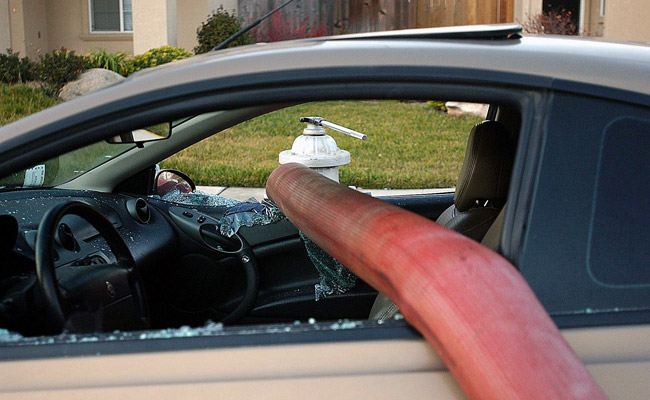
Aside from being specified in the Land Transportation and Traffic Code, under Republic Act 9514 or the Fire Code of the Philippines of 2008, obstructing designated fire lanes or access to fire hydrants is a prohibited act punishable by law, with corresponding penalties and the possibility of towing.
6) In front of a private driveway
Finding another vehicle parked right in front of or blocking part of your private driveway is one of the most frustrating scenarios residents face, especially in cases of emergencies or if you’re already running late. This can lead to serious altercations, especially when the driver parks for a prolonged period of time or can’t be found.
Section 46 of the Land Transportation and Traffic Code clearly states that “no driver shall park a vehicle within four meters of a driveway entrance.” Blocking a driveway can hinder emergency services, like ambulances or fire trucks, from reaching a residence, making it a serious issue for homeowners and emergency vehicles.
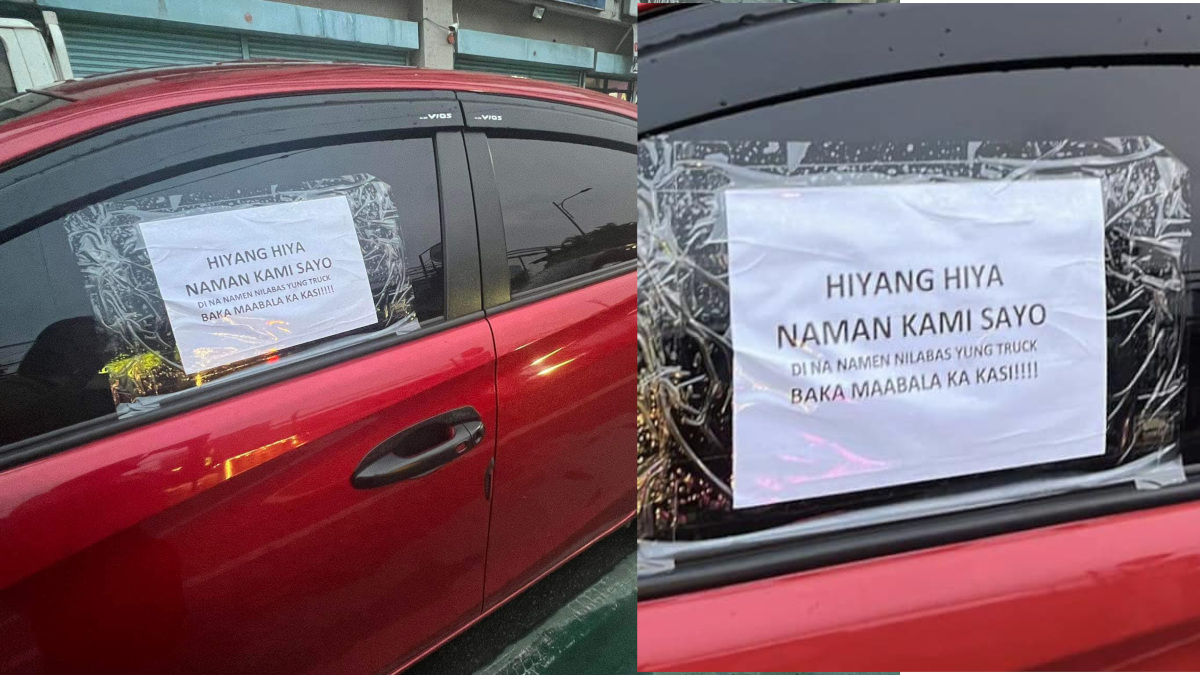
In case reasoning with the driver or leaving sarcastic notes on car windows doesn't work, affected motorists should take photos and videos of the parked vehicle for proof. You could try to reach out to local police and barangay officials to help step in or request that vehicles to be towed for obstruction for repeat violations.
7) On the roadway side of any vehicle (double parking)
We see double parked vehicles in residential areas with restaurants that have no other option except for street parking during peak dining hours. It’s also a fairly common occurrence outside private schools where students are chauffeured everyday and service vehicles tend to take up two to three lanes.
Double parking is not just an inconvenience, but can be a major cause of traffic congestion since it reduces the number of available lanes for the regular flow of traffic. It can also create safety hazards for residents in the vicinity and impede emergency vehicles, like ambulances, police cars and fire trucks, putting communities at risk.
8) Places with official ‘No Parking’ signs
Even if it’s not immediately obvious, there’s usually a good reason why a ‘No Parking’ sign is put up on some roads or areas. These could be hazardous or sensitive zones, such as construction areas, where debris could easily fall on vehicles. Trucks that park next to these areas need to have wide access to load/unload construction materials and equipment.
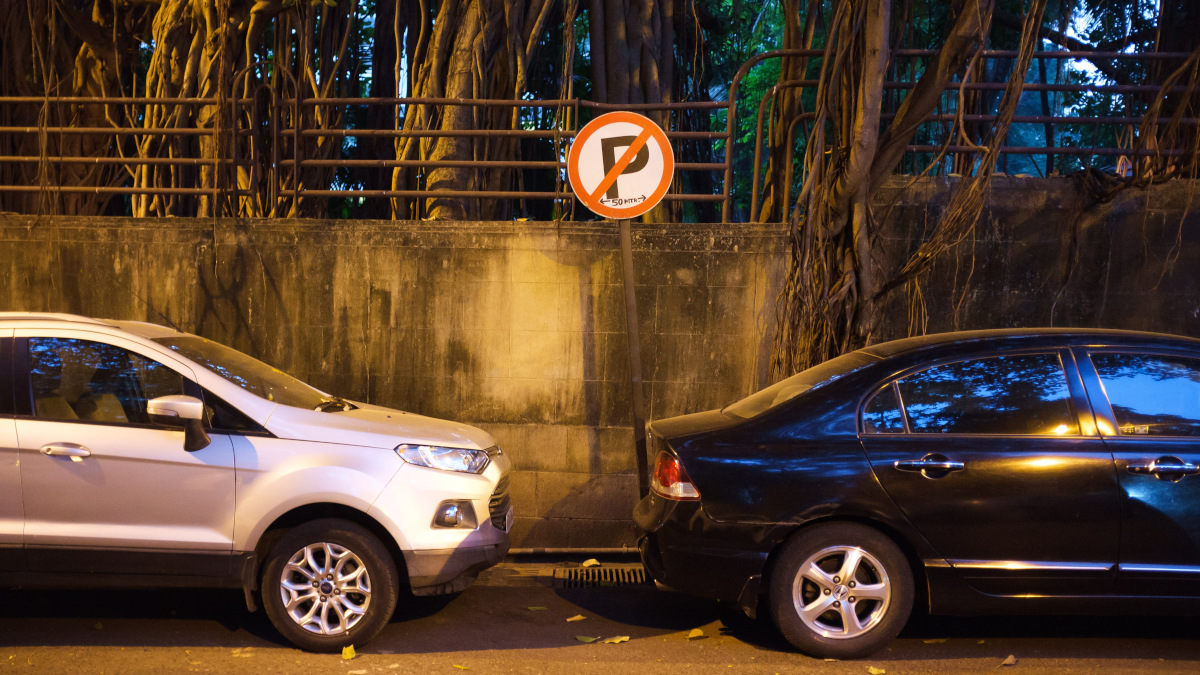
These could be bus stops, special lanes (such as fire lanes), narrow streets or alternate routes where parking is not allowed. In one case in Baguio, locals got revenge on an illegally parked SUV that blocked the designated garbage truck pick up point.
So if you see a spot with a ‘no parking’ or tow-away zone sign, just don’t park there. Always check for and obey traffic signs—even if you don’t immediately see a reason.
9) Sidewalks, paths, or alleys not intended for vehicular traffic or parking
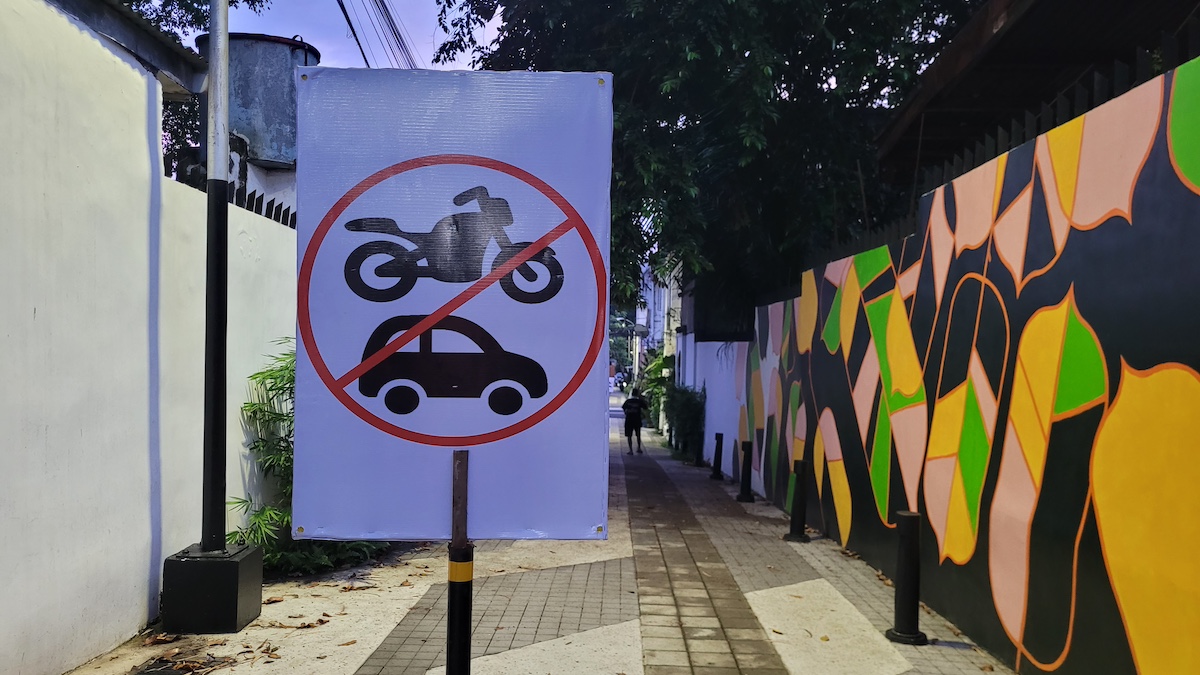
Section 52 of the Land Transportation and Traffic Code explicitly forbids motorized vehicles from driving and parking on sidewalks, paths or alleys not intended for vehicular use. When vehicles park here, pedestrians and cyclists are often forced to weave around the moving cars blocking the sidewalks.
10) National highways and Mabuhay Lanes
The MMDA also enforces a strict no-parking policy on all national highways and major thoroughfares such as EDSA, C5, and various expressways. Additionally, vehicles are not allowed to park anywhere along the Mabuhay Lanes or alternative routes around Metro Manila, to ease traffic congestion as these alternate routes are meant for motorists to bypass EDSA and roads going to commercial districts and shopping hubs. Check out the exact routes of the Mabuhay Lanes here.
11) Under footbridges
The MMDA has reiterated that parking under footbridges is prohibited. According to the traffic authority, parking vehicles in such an area is unsafe for those using the footbridge and illegally parked cars can disrupt the traffic flow.
Aside from cars using footbridges as convenient parking spots, motorcycle riders also tend to use footbridges as temporary shelter from the rain during the rainy season. This can be downright dangerous, as it can obstruct visibility and create accident-prone blind spots especially if you’re in high-traffic major thoroughfares like EDSA or C5. For your own safety, it’s much better to park and wait out the rain in gas stations or other sheltered parking areas.
12) Bicycle lanes
In case you still didn’t know, motor vehicles such as cars and motorcycles are prohibited from driving or parking on bike lanes to ensure the safety of cyclists. Parking on bike lanes can impede the flow of bicycle traffic and often forces cyclists onto the main road, putting them at greater risk. There have been tragic cases of deaths and accidents of cyclists getting in harm’s way, partly because of illegally parked vehicles.
Various ordinances and guidelines at the local level, in some cities like Quezon City, Manila, and Paranaque explicitly prohibit parking on bike lanes.
In Quezon City, City Ordinance SP-2988 S-2020 or the Ordinance promoting Safe Cycling and Active Transport penalizes motorists obstructing cycling lanes or walking paths.
Section 8.2.2 of City Ordinance SP-2636 S-2017 or QC Road Safety Code also states that, “no driver shall permit his/her vehicle to block any portion of the bicycle lane. At no time shall any vehicle use, straddle, or obstruct the designated bike lane.”
What are the penalties for illegal parking in the Philippines?
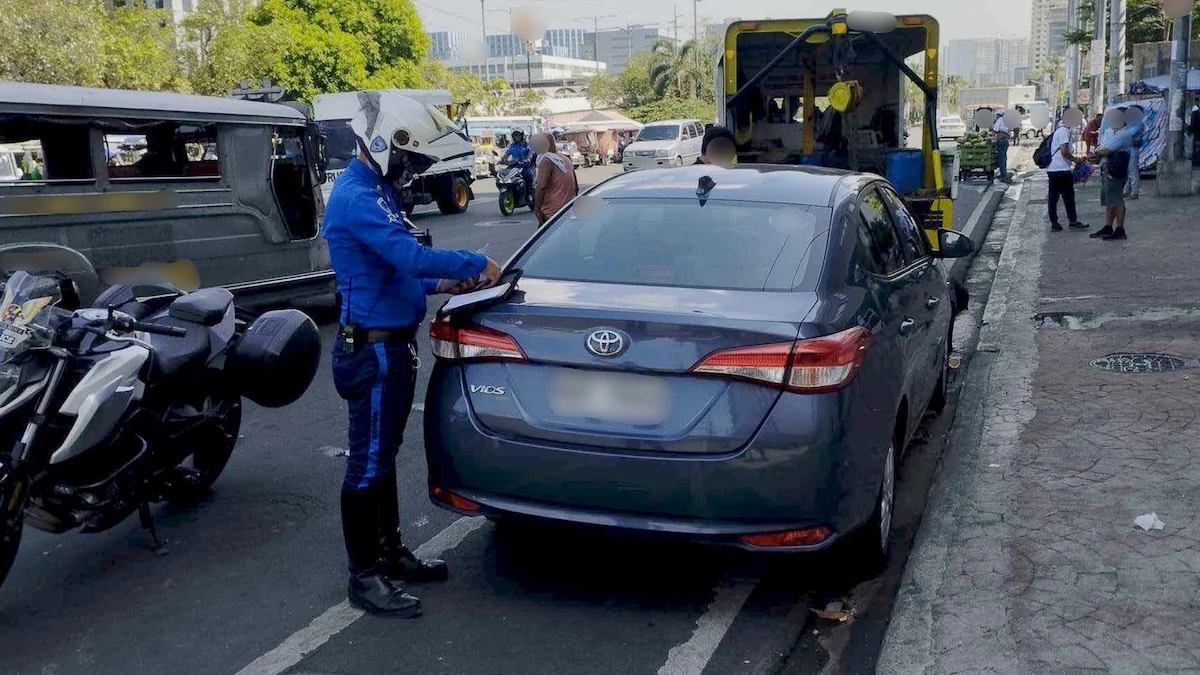
Violations of parking laws can result in fines, towing, and impoundment of vehicles. As of 2025, MMDA’s penalties for unattended illegal parked vehicles is P2,000 with impoundment for all offenses. Meanwhile, drivers of attended illegal parked vehicles will be slapped with a P1,000 fine.
Other related fees could include:
- Storage fee (impounded vehicles) – P80/day
- Stalled vehicle – P200 for all offenses
- Obstruction – P1,000 for all offenses
- Loading/unloading in a prohibited zone – P1,000 for all offenses