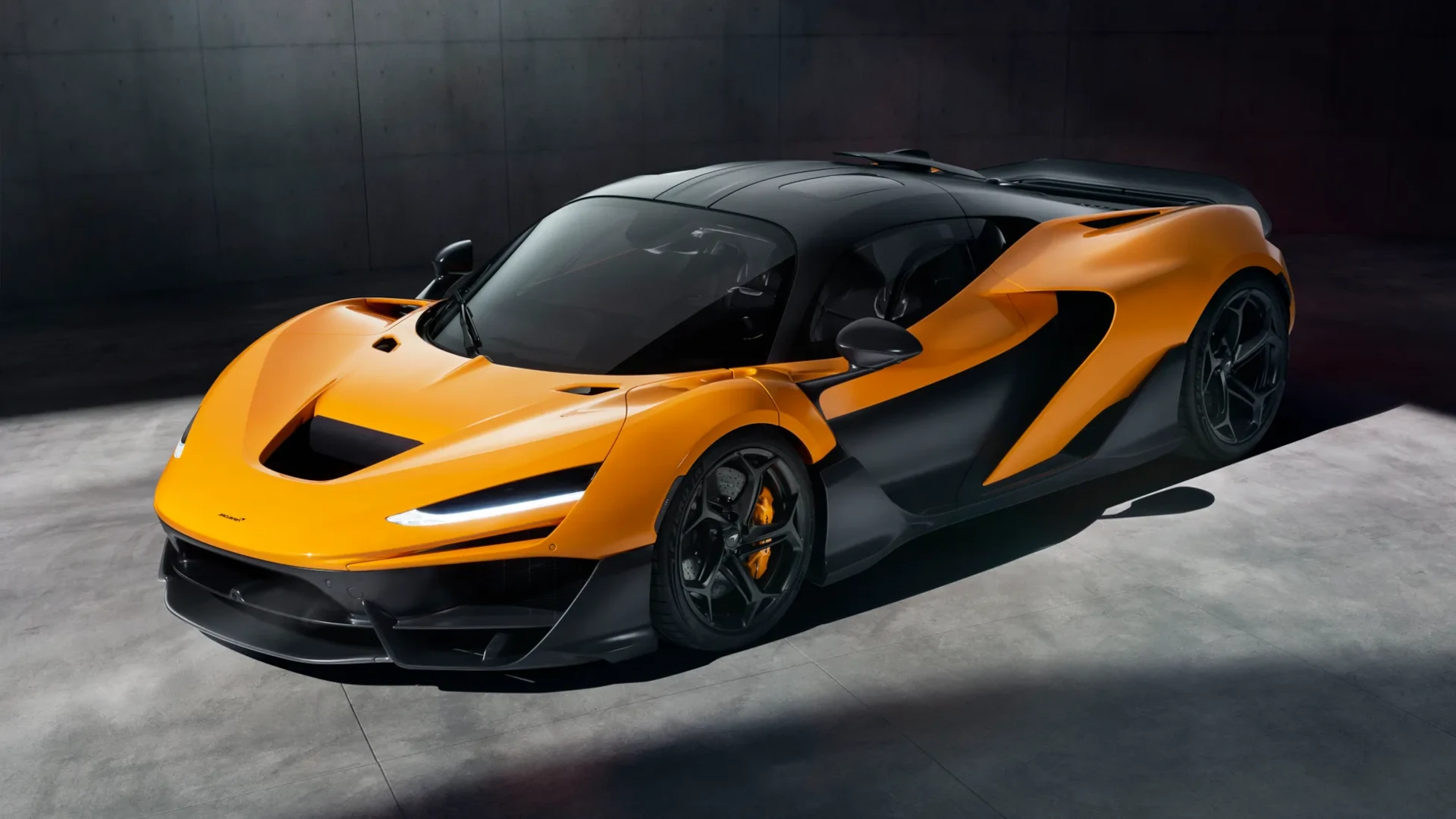
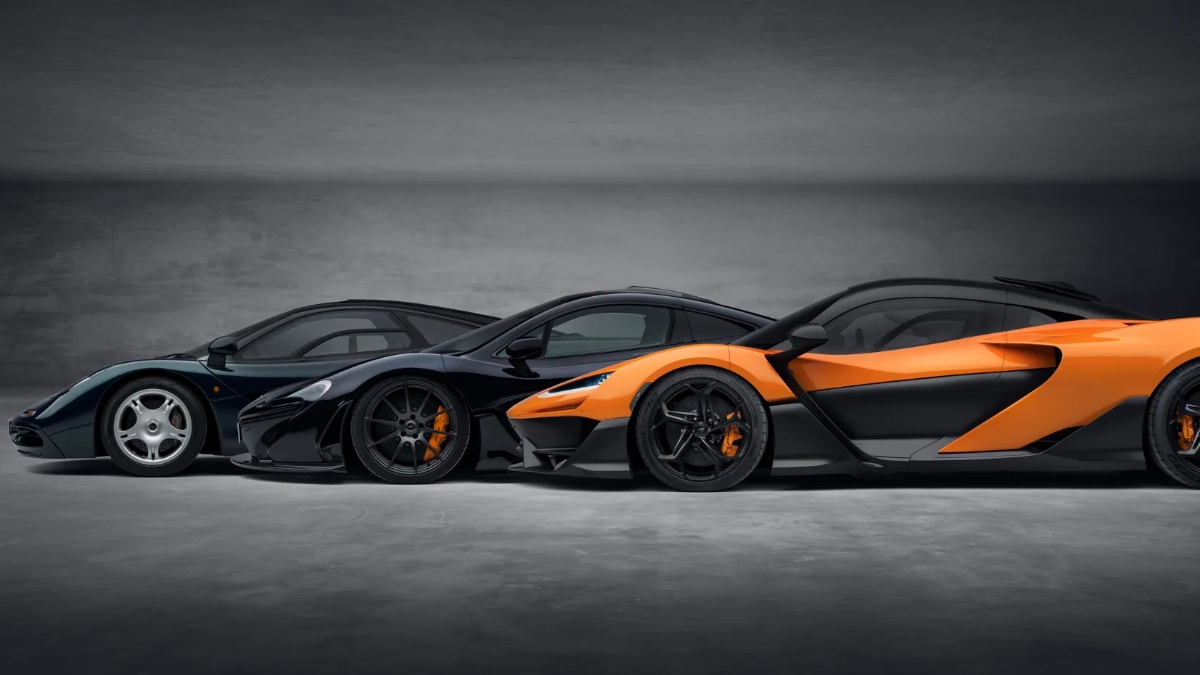
Attempting to follow in the footsteps of the F1 and the P1 is a like taking the mantle from Cristiano Ronaldo and Lionel Messi. Luckily (and on paper at least), things look very promising for McLaren’s third premier series hypercar, the W1.
It’s the hardest, fastest, and most unhinged road-legal vehicle ever created by McLaren—featuring a healthy balance of lightweight construction, ground effect aerodynamics, and outrageous power.
399 will ever be made, and unsurprisingly, each slot has already been taken.
We’ve pulled together some of the biggest numbers from the P1's successor for you to gawk over. Let’s start with the big one.
OTHER STORIES YOU MIGHT HAVE MISSED:
Watch: Big bosses Koenigsegg, Hennessey, and Rimac swap hypercars
Even the Toyota Corolla Cross has been turned into a race car
1) The hybrid V8 puts out 1,258hp
...and close to 1,356Nm of torque, sent solely to the rear wheels. Holy cow indeed. That powertrain comprises a 4.0-liter twin-turbo V8 (915hp) and a 1.4kWh battery powering an electric motor (342hp) mated to an eight-speed transmission. Result? McLaren’s most powerful production car.
2) It also creates around 1,356Nm of torque
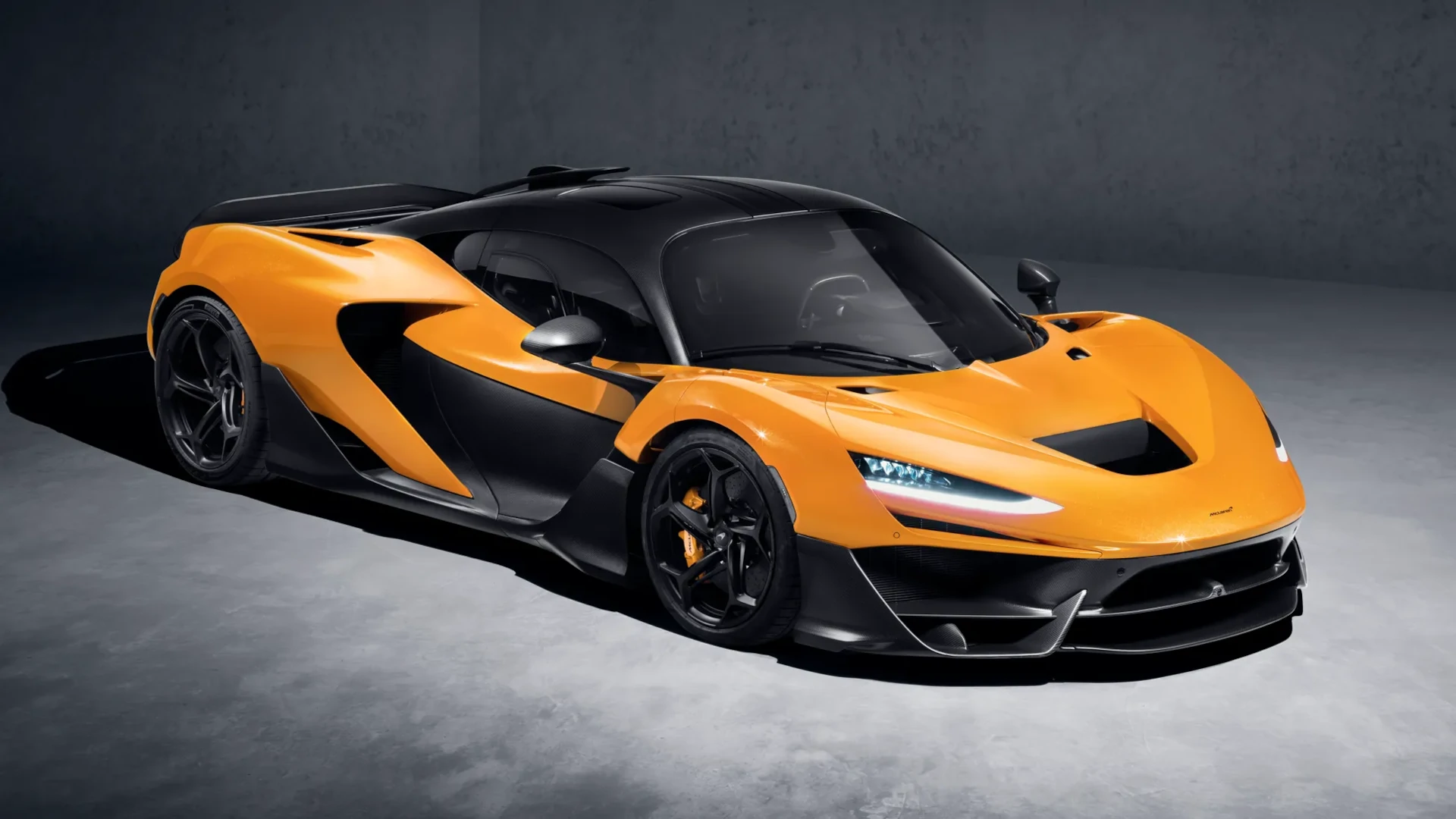
Thanks to some clever engineering and that e-motor. The grunt starts to kick in from just 2,500rpm. That’s far lower than the car it replaces and likely leads to a more linear power curve than a punchy all-in-one hit higher up.
3) It’ll go from 0-100kph in just 2.7sec
That’s a tenth shaved off the P1’s time, for reference. And the figures just keep getting faster: 0-200kph in 5.8sec and 0-300kph in 12.7sec. The Speedtail may still hold McLaren’s outright speed record of 400kph, but the W1 will give it a sweet slice of humble pie up until its electronically limited max of 217kph.
4) It needs just 29 meters to stop from 100kph
Impressive, right? And at 200kph, it’ll get back down to a standstill in just 100 meters, firmly rearranging your organs in the process. That’s courtesy of forged monobloc six-piston calipers at the front and four-pistons at the rear. There’s an extra layer of carbon ceramic coating too on the rotors, and Formula 1-style air ducts for cooling and increased longevity. Impressive stuff from the MTC’s resident anoraks.
5) It’s three seconds a lap faster than the Senna
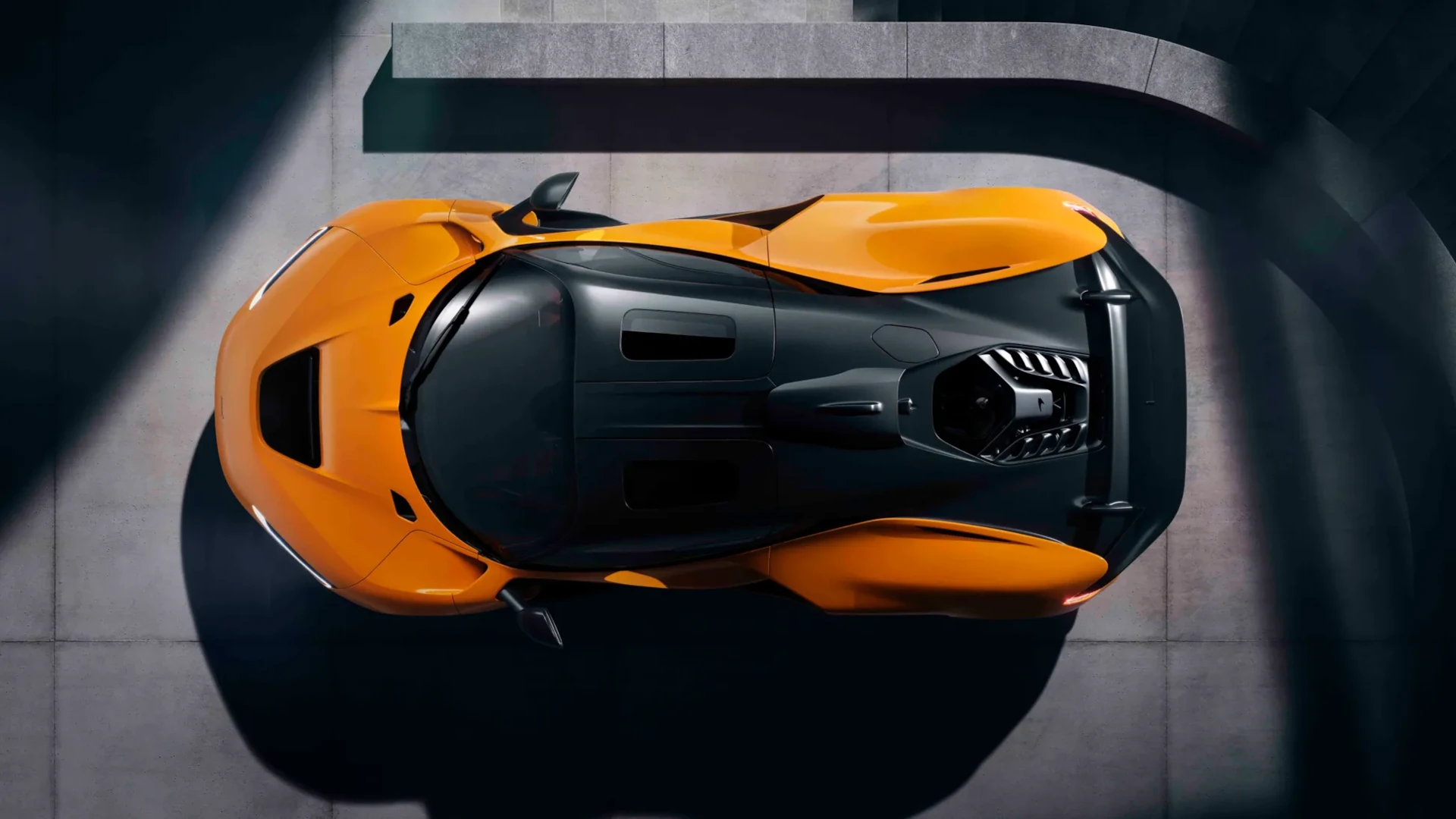
...around the Nardó ring, that is. Considering the Senna is one of the most hardcore, track-focused products on the planet (that isn’t called the McMurtry Spéirling), three seconds is an age.
6) The power-to-weight ratio is a hefty 899hp/ton.
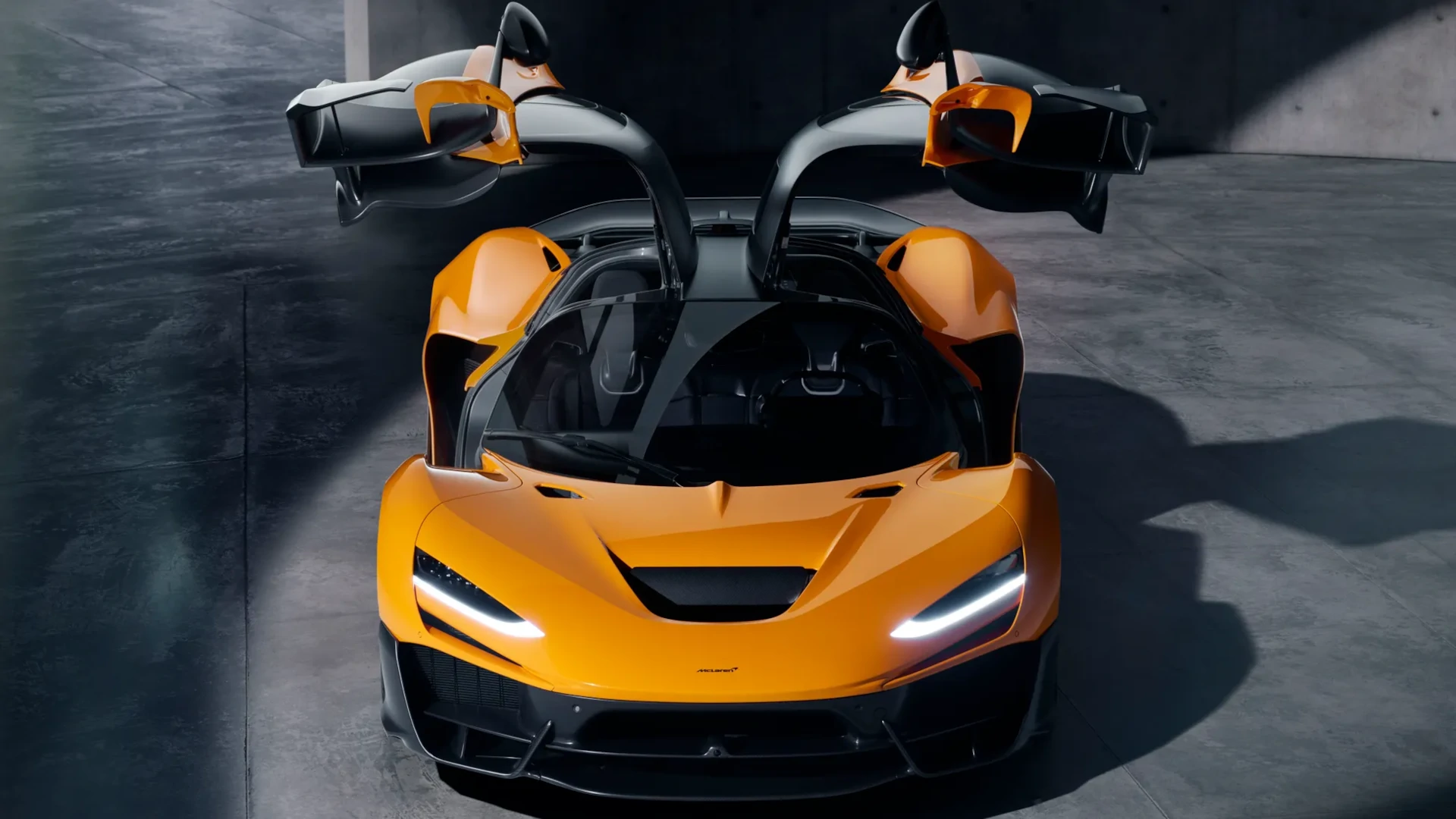
The W1 isn’t quite a one-megawatt car, but this ratio, at a weight of 1399kg, is still significantly higher than the P1’s 647hp/ton and the F1’s 540hp/ton. McLaren has shed weight wherever possible—the powertrain’s hybrid components, for instance, amount to 40kg less than on the P1.
7) There’s 1,000kg of downforce
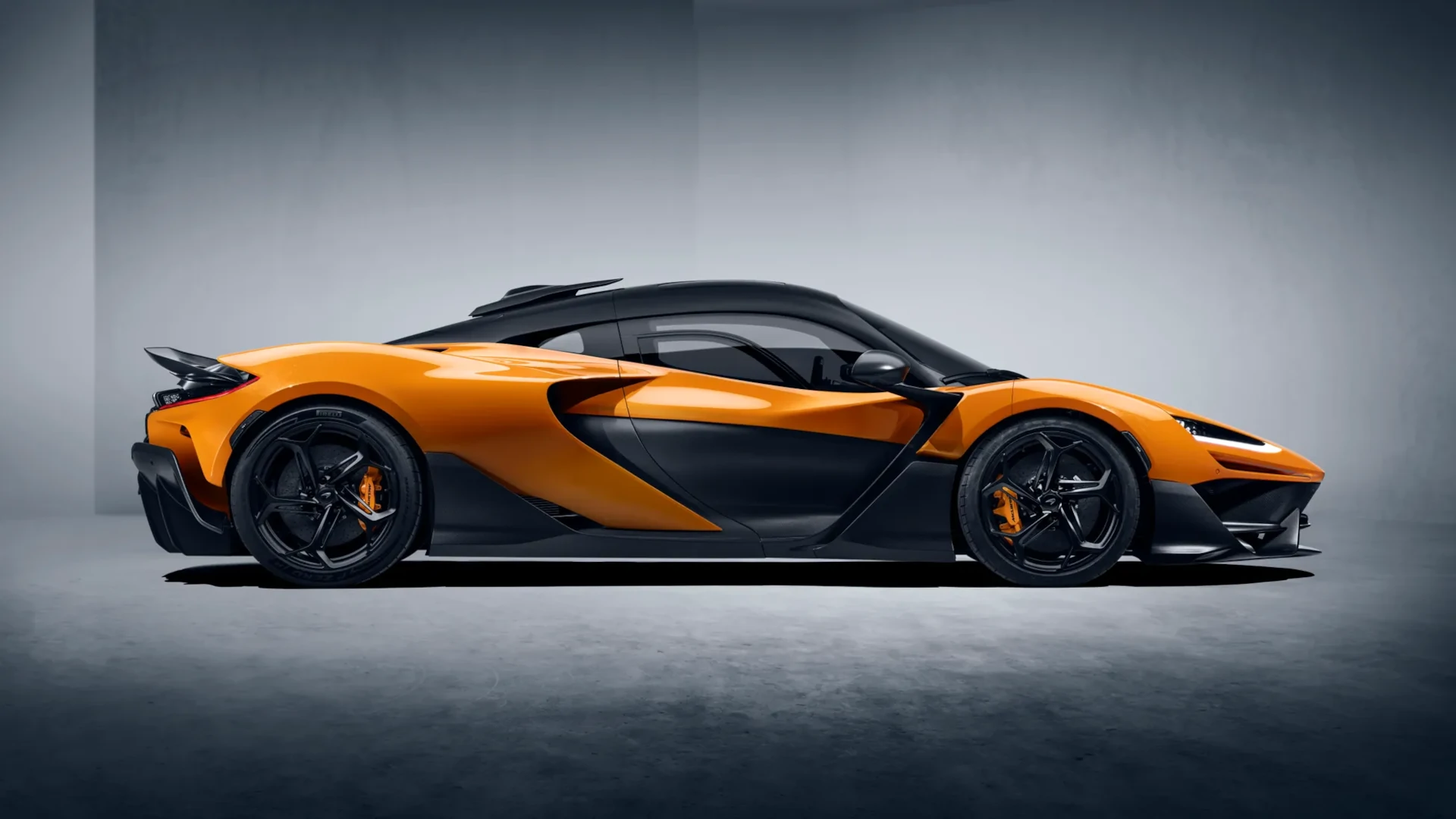
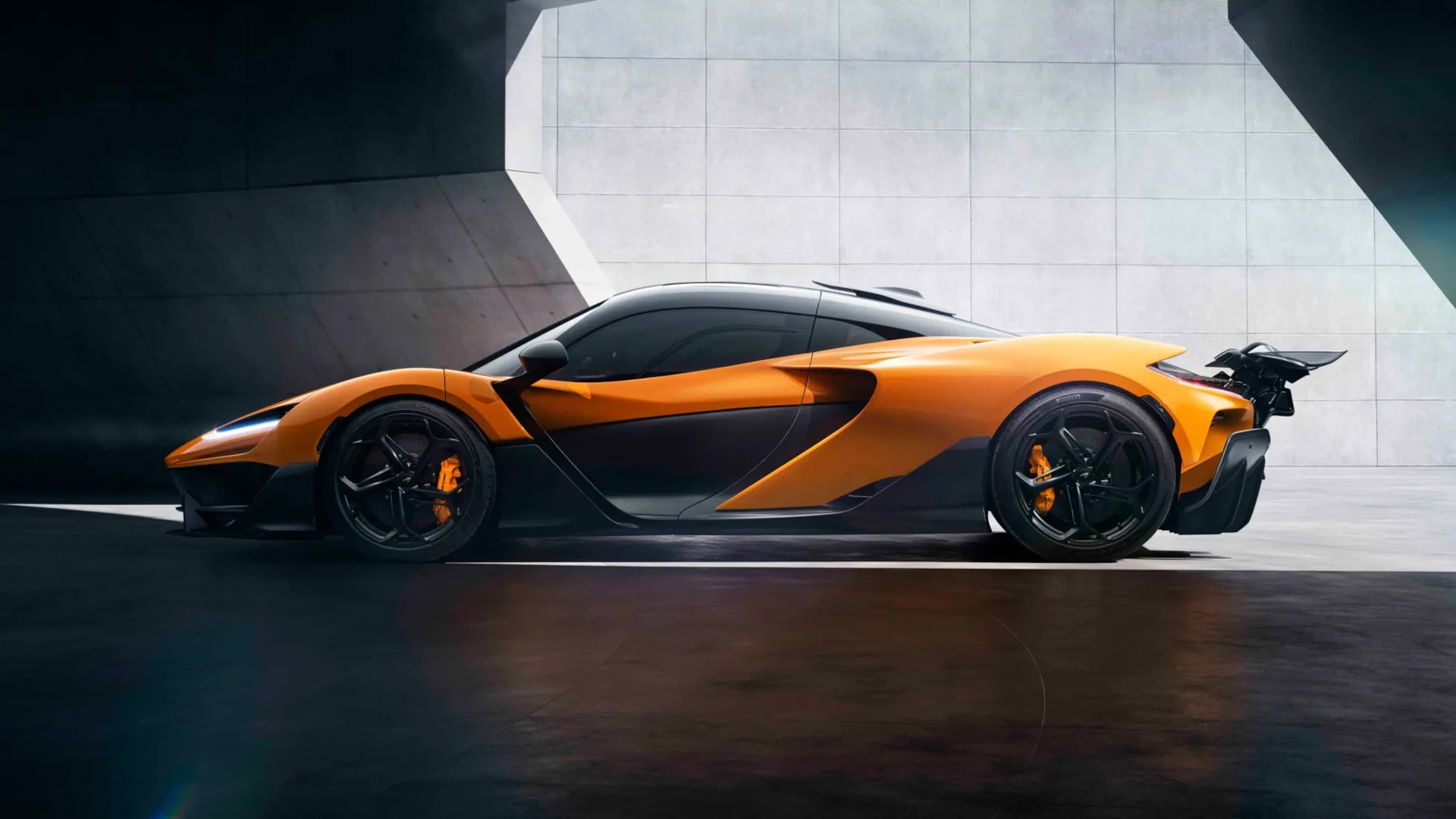
Yeah, that body isn’t just for show. There are lots of active aerodynamic bits, and ground effect working away around you, and in race mode, the suspension adjusts itself to drop the front by as much as 37mm and the rear by 17mm. The result of 1,000kg of downforce is quite literally the equivalent weight of an adult walrus. Jeez.
8) That rear wing lengthens by as much as 30cm
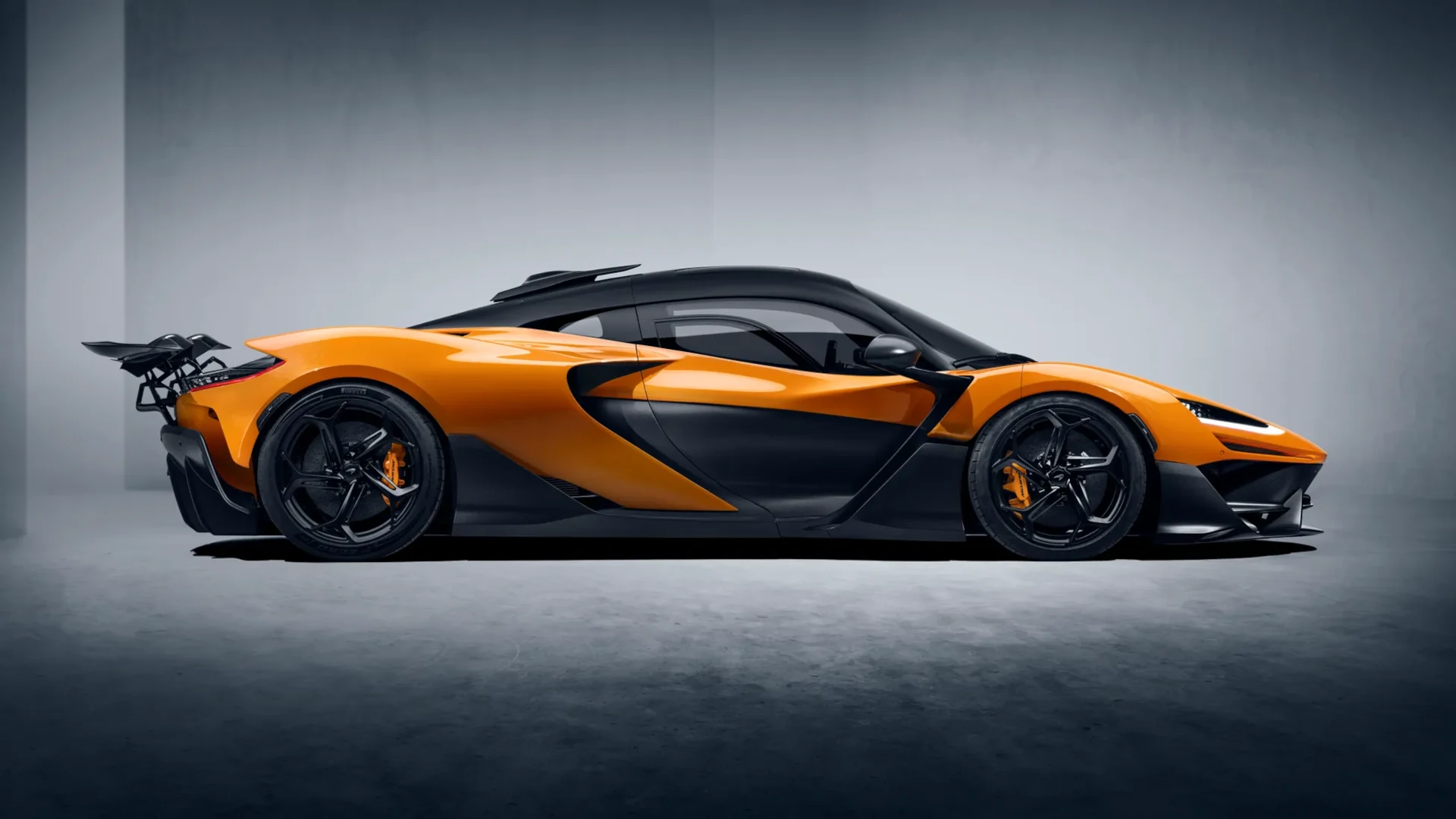
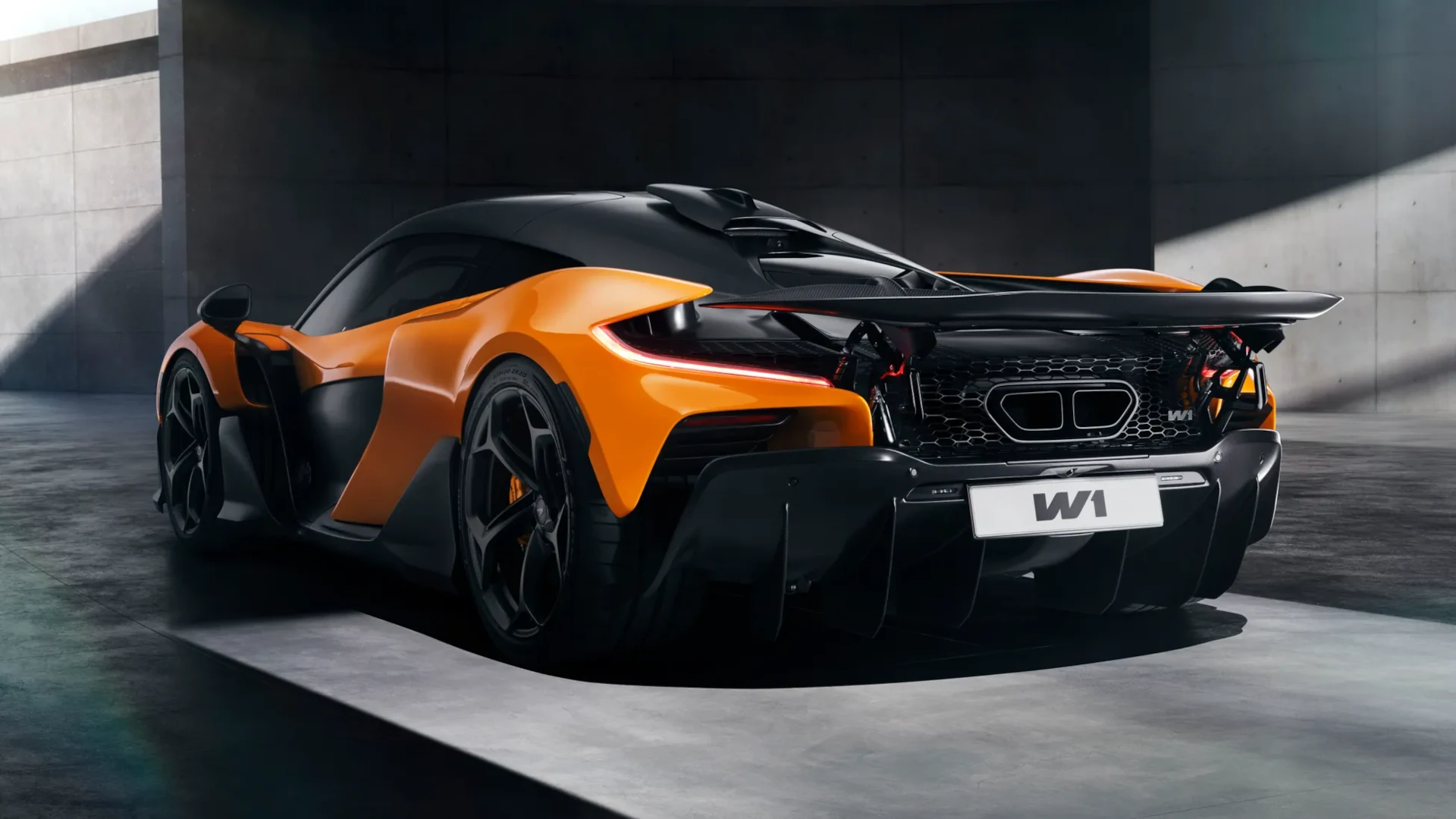
And don’t forget, it’ll still be pitching itself up and down to further improve airflow. McLaren even claims the W1’s party piece generates 20% less drag than the Senna’s does in DRS mode. Holy cow. Again.
9) It’ll set customers back around £2 million (around P149 million)
That’s without any options thrown in, and already amounts to more than double what the P1 cost when new. Given each of the 399 units is already pre-sold, what do you reckon W1s will be worth in a few years?
NOTE: This story first appeared on TopGear.com. Minor edits have been made.