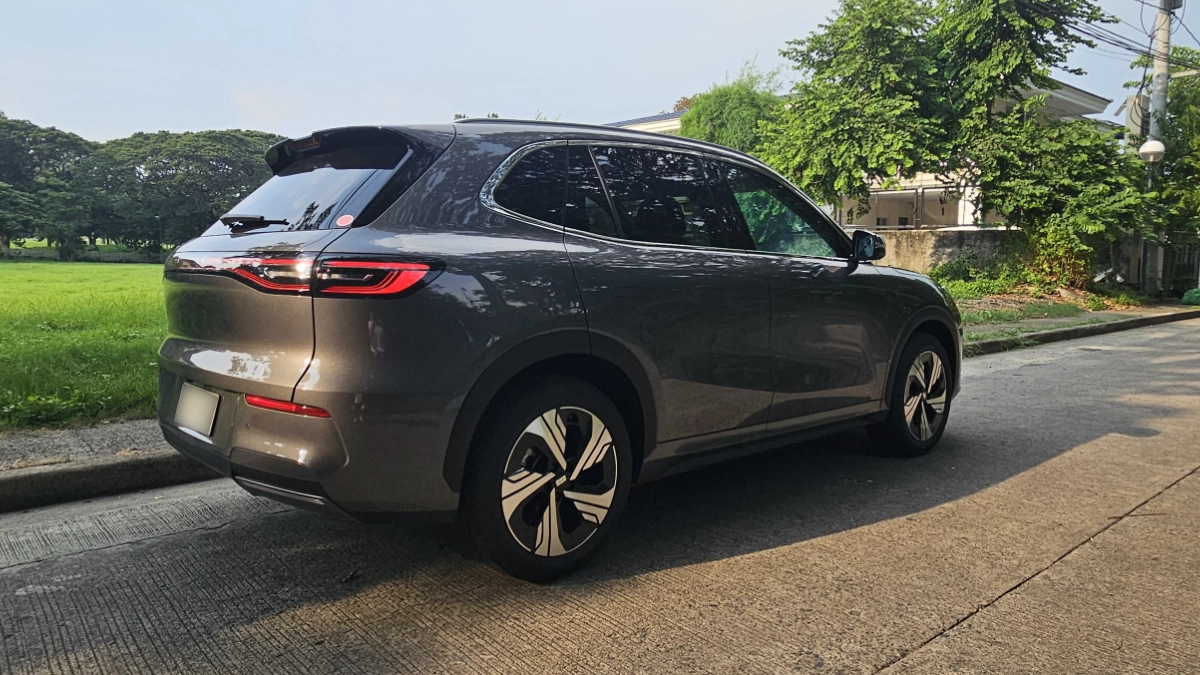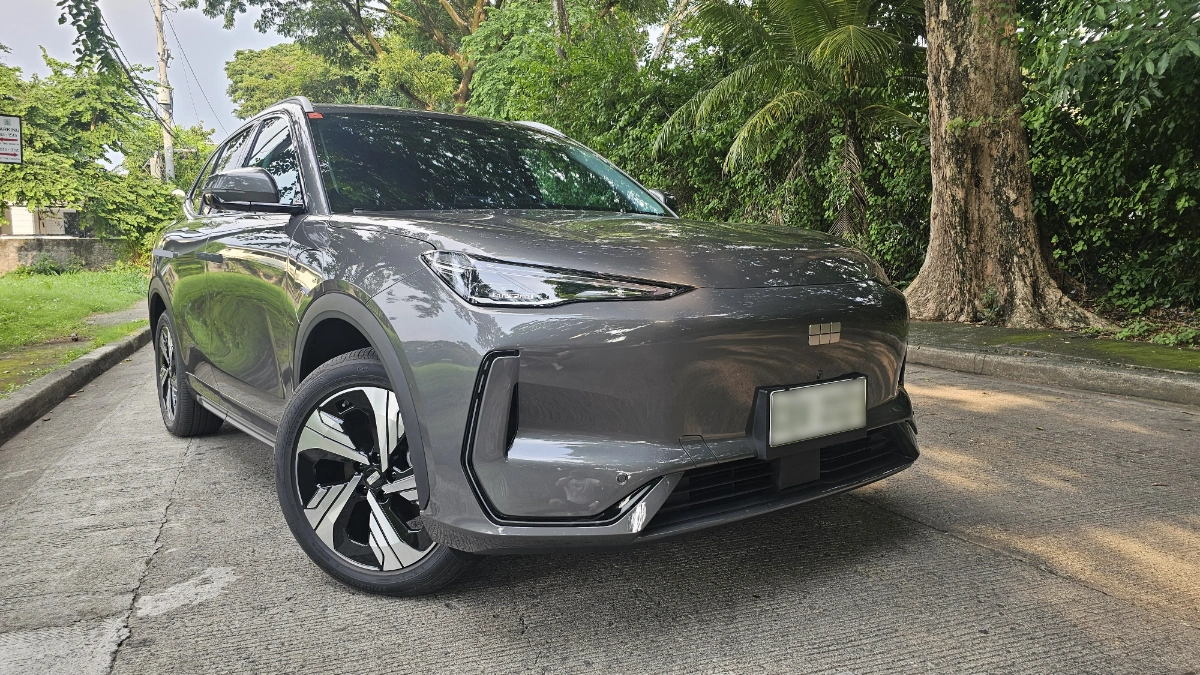

Over three months ago, the missus and I made a decision to replace her long-serving diesel Toyota Fortuner with a new battery electric vehicle (BEV). The decision to go with a BEV instead of an in-between hybrid electric vehicle or plug-in hybrid vehicle involved a long and hard look at our lifestyle and how we use our cars. But in the end the decision was purely an emotional one, so we made a leap of faith into the world of BEVs.
It’s been close to two months now since we took delivery of our first battery electric vehicle, the Geely EX5, and as of this writing the car has racked up over 2,500 kilometers. So far it has been great, and we have learned quite a bit along the way, and I am happy to share a couple of things about my EV shift with you.
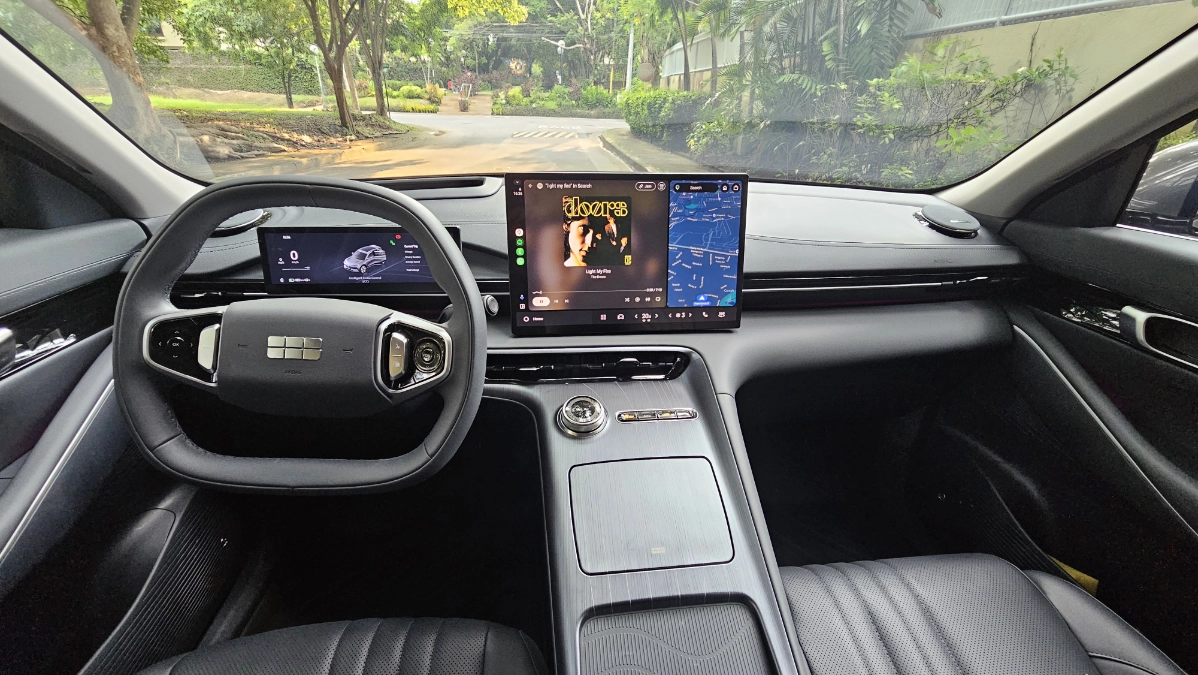
First of all, the mileage speaks for itself—it is more than double the monthly average number of kilometers we would normally put in the Fortuner. Being immune to the fluctuations of pump prices has given us a newfound freedom to go anywhere just for the fun of it. From bulalo runs in Batangas to trying out tocino barbecue in Pampanga, there has been no hesitation in just doing it—sort of like reliving the lost art of just going for a drive.
ALSO READ:
Mitsubishi reconfirms its plans to build a hybrid vehicle in PH
Specs, prices, features: Everything you need to know about the 2027 GAC GN8 PHEV Executive
The Geely has become our primary car and is shared between the missus and myself. On occasions that we both need to go somewhere, the one with the longer trip gets to use the EX5. While one factor for this way of thinking is lower overall fuel consumption, another big consideration is making sure to maximize the use of the car. You see, even prior to taking delivery of the BEV, I have accepted that residuals of electric vehicles and Chinese ones at that are still a big unknown, so as not to expect too much I put it at the lower end of the spectrum. And because of this, I want to maximize the use of the vehicle to the point that in maybe eight, 10 years or when the time comes to replace the car, I can say that I got the most out of it and any amount I get from the eventual sale of the Geely will be a bonus.
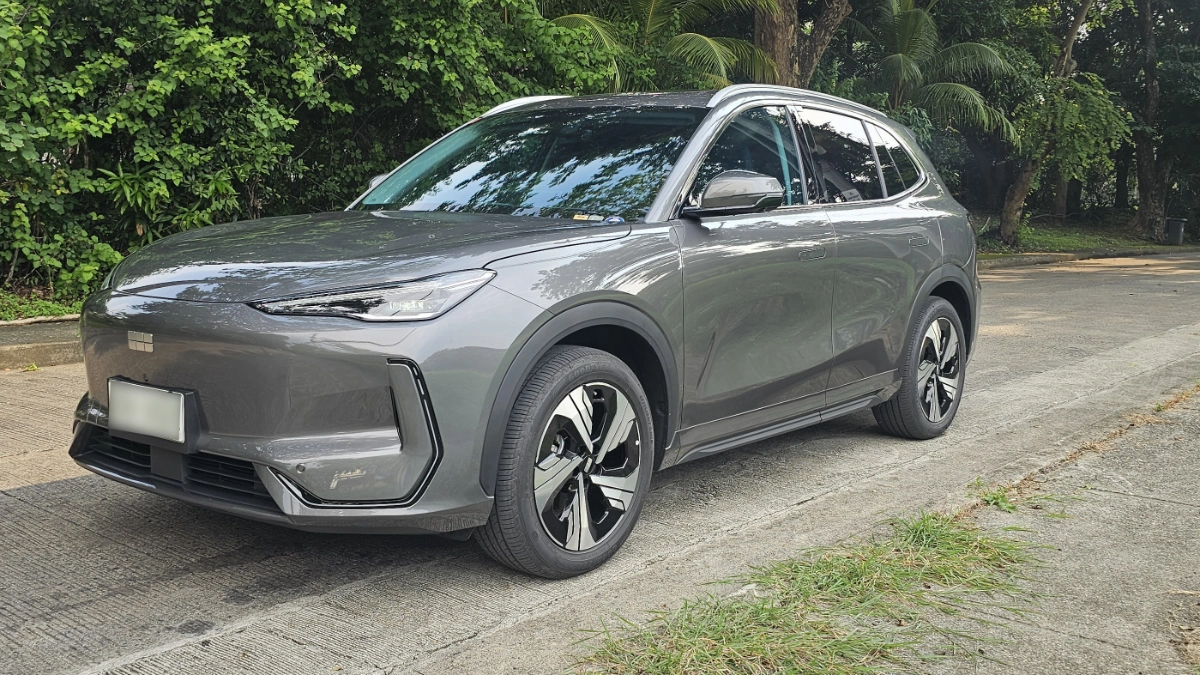
Secondly, everything in and around the use and charging of the BEV has to be planned. Planning a trip to Tagaytay with the amigas next week entails looking at the remaining range today, estimating where the car will be going in the next few days, then deciding when the best time to charge would be so that the BEV goes to Tagaytay trip with close to a full charge.
Fancy a trip to Subic for lunch or an overnighter in Baguio with the EX5? Sure, no problem. Let’s take a look at the list of available DC charging stations along the way. Is there a place to eat at the charging station? How many kilometers away from Baguio or Subic is the charging station? It’s not a big deal, but it is no longer as simple as jumping in your car without needing to worry about the amount of fuel in the tank. Stopping for lunch along the way used to be dictated by what restaurant you wanted to eat in; today it is dictated by what restaurant is near the charging station.
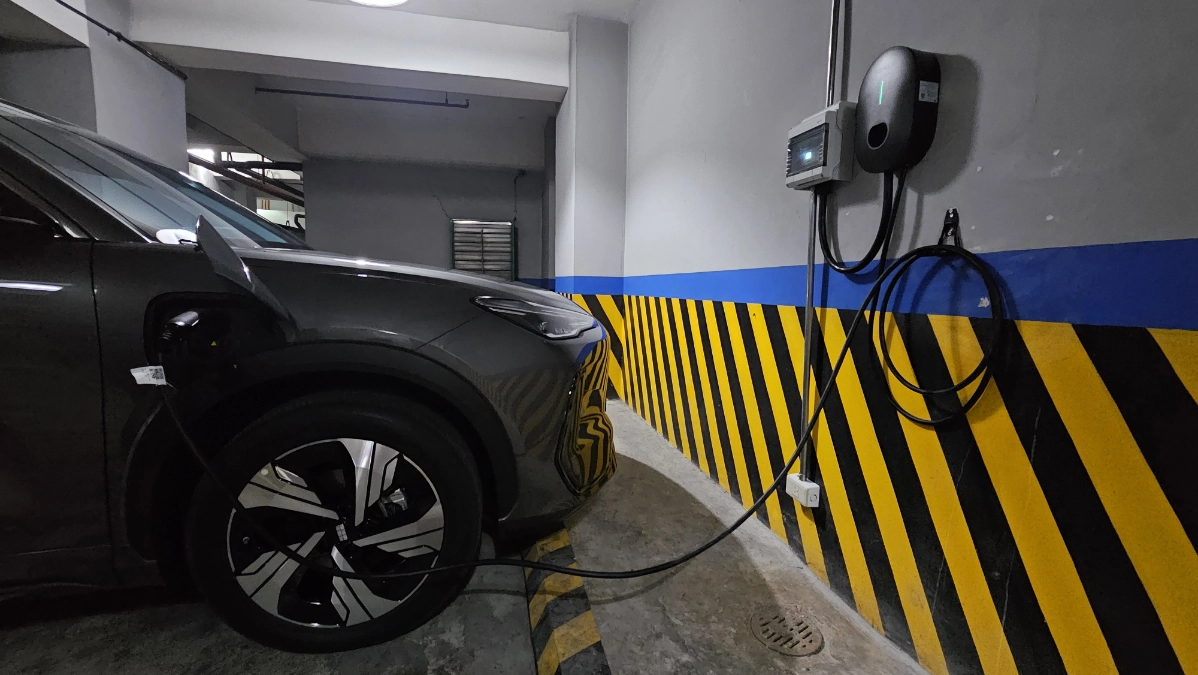
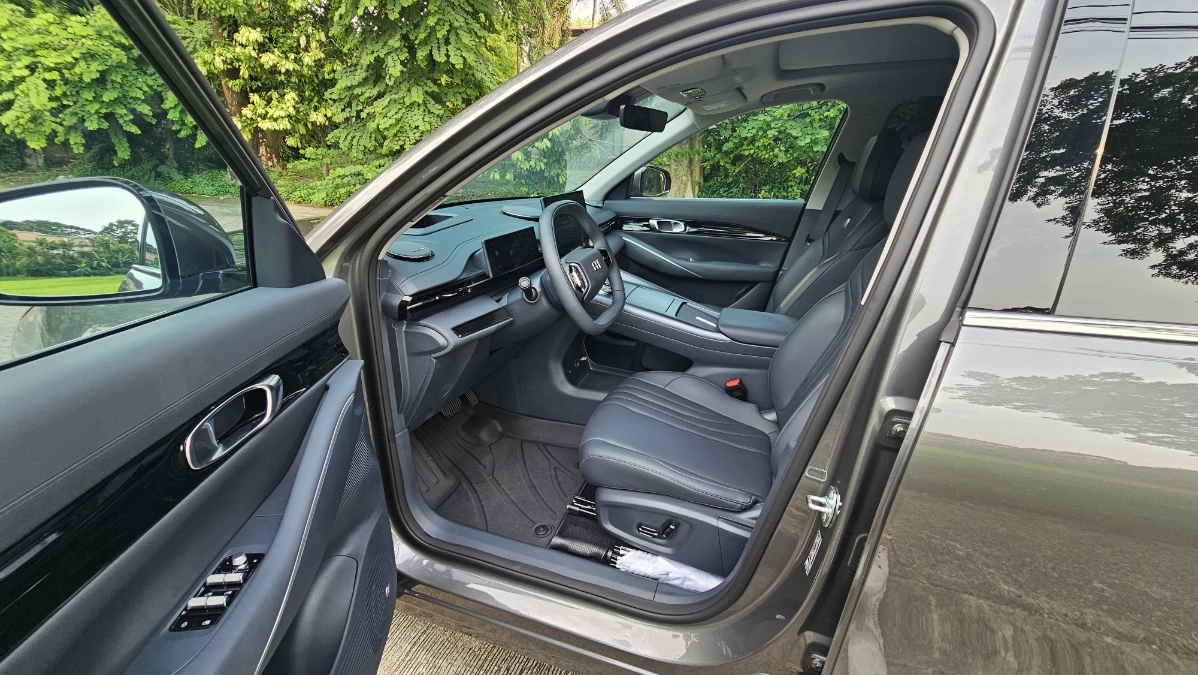
You might be wondering: The Geely EX5 claims to have a driving range of 430km so Manila to Baguio should not be an issue at all. This is absolutely correct, and to be fair, the Geely is quite efficient. I am getting a real-world range of 410km—so yes, Manila to Baguio is a non-issue. So why am I looking for charging stations along the way? The answer is simple: I want to be flexible and be ready just in case things don’t go my way; I do not want to reach Baguio City with only 4% battery left, only to find out there are two other cars waiting their turn at the DC charger.
And this is perhaps my version of range anxiety. It’s no longer getting anxious about whether the car will make it to the destination or not, it’s thinking about the possible worst-case scenario and making plans just in case it comes into play.
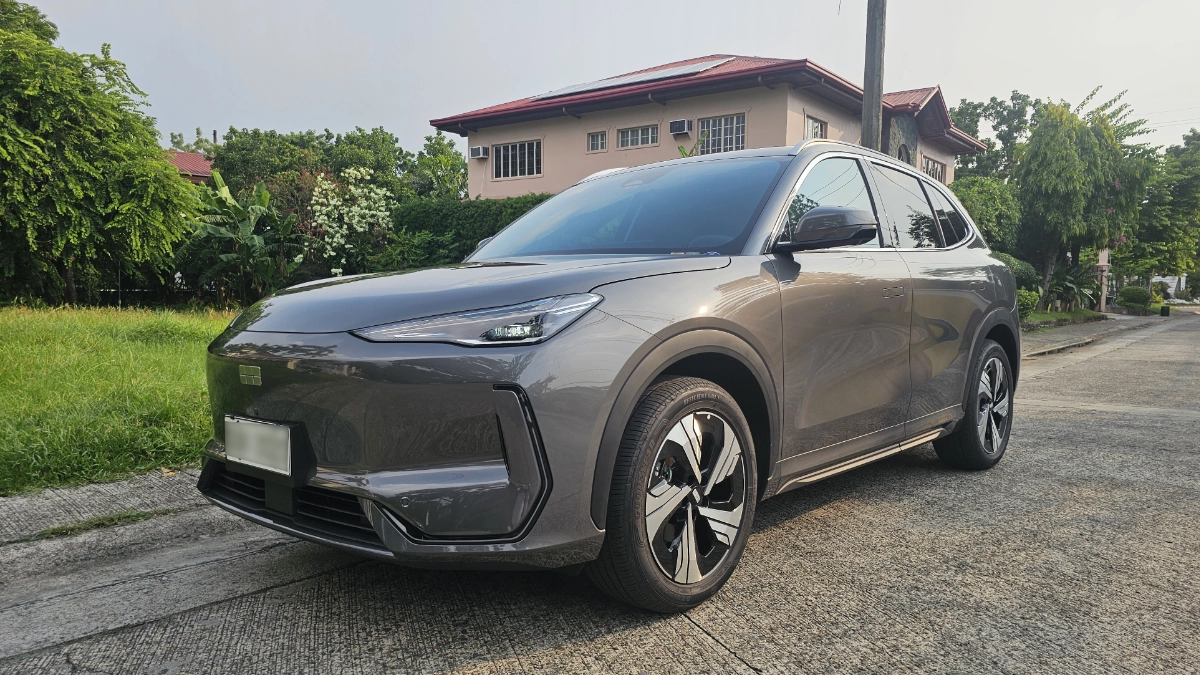
As mentioned at the beginning of this piece, the decision was purely an emotional one—the math was never going to work. I do have my own 7kW charger at home and in the last two months my electric bill for the EV was under P5,000—probably a third of what I would have spent on diesel. Huge savings but not enough to make up for the replacement cost of the Fortuner. And this is without even factoring in the higher insurance premiums, cost of the charger, installation, and the little accessories I consider mandatory in my cars.
Do I have any regrets about shifting to a battery electric vehicle? Absolutely not. If the time comes to replace my other ICE car, would I still get another BEV? No. Having two fully electric vehicles in the household will not work for me, so it will probably be one of those new-generation plug-in hybrids. But buying another car is quite some time away, so in the meantime we will continue to enjoy the guilt-free BEV experience and take those trips to Aling Mila’s, Sulyap, or Rose and Grace, just for the fun of it.