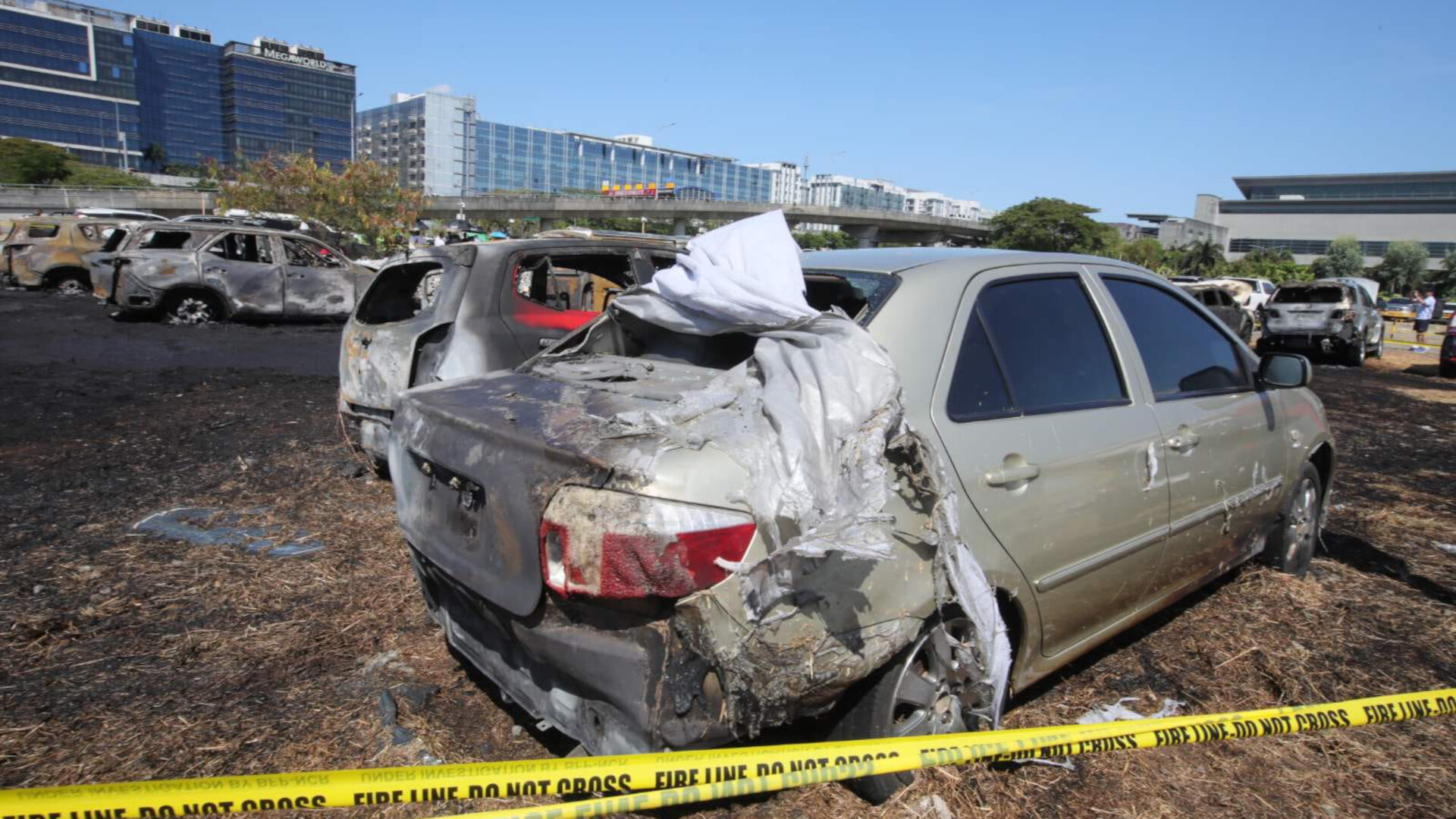
If you have even a passing interest in social media (and are not one of those that have shunned the medium), you no doubt have seen videos floating around of the Ninoy Aquino International Airport Terminal 3 car park on fire. In an interview with the Philippine News Agency, Manila International Airport Authority (MIAA) acting general manager Eric Jose Ines claimed that the MIAA has no liability for the 19 torched vehicles because the parking area is leased to a private concessionaire.
It’s a statement that begs the question, “So who then would be liable? And what should you do if you were unfortunately involved in the incident?”
RELATED UPDATE:
MIAA: NAIA T3 carpark operator has reached out regarding its liability for fire damage to 19 cars
First, a caveat: We do not yet know all the facts about the blaze. All we know is that around 1:28pm on April 22, 2024, airport authorities received a report about the fire, and after heroic efforts from the Fire Department, the fire was declared out about 30 minutes later. In that time, however, about 19 cars had already succumbed to the blaze.
We are thankful that nobody was injured in the fire, but that leaves about 19 families with property damage, so what can you do?
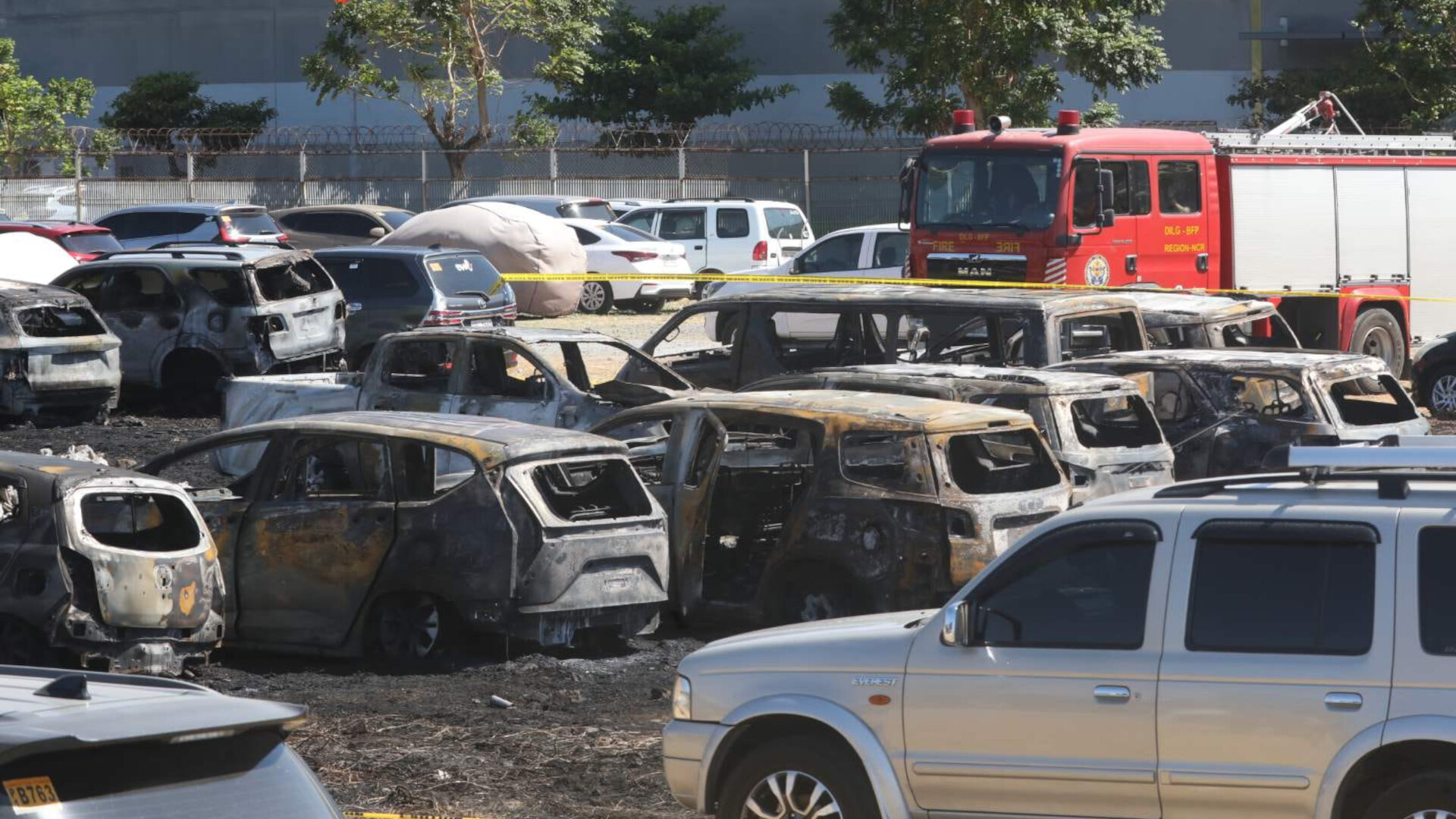
Firstly, if you were involved, we pray that you have decent insurance coverage—not that crappy third-party liability insurance you see being hawked on stalls outside the Land Transportation Office branch nearest you, but proper, comprehensive insurance. Insurance law provides for the concept of subrogation, in that what you are paying for, in case of the happening of a peril, the insurance provider will pay you the covered amount in order to subrogate (or step into your shoes) your right to sue or file a claim.
In essence, the insurance company becomes you, and they can then sue to recover on your behalf, given that they had paid out the value of your coverage. This would of course depend on your coverage and exclusions—just another reason for you to read and double read your insurance policy before signing on the dotted line.
OTHER STORIES YOU MIGHT HAVE MISSED:
Rider enters EDSA Busway, refuses to surrender license: “Dapat may exemption”
EDSA-Kamuning Flyover closure begins May 1; to last 6 months, not 11
As a general rule, fires would generally be included in a comprehensive vehicle insurance policy, but again, this depends on your provider. What is important, however, is that you report this incident of loss to your provider in the contractually mandated period of time (usually a set number of days from when you discover the loss). You will have to go through the hassle of getting official police reports and other requirements, but we feel, given the value inherent in a car, that it would be worth the hassle of gathering up all these documents.
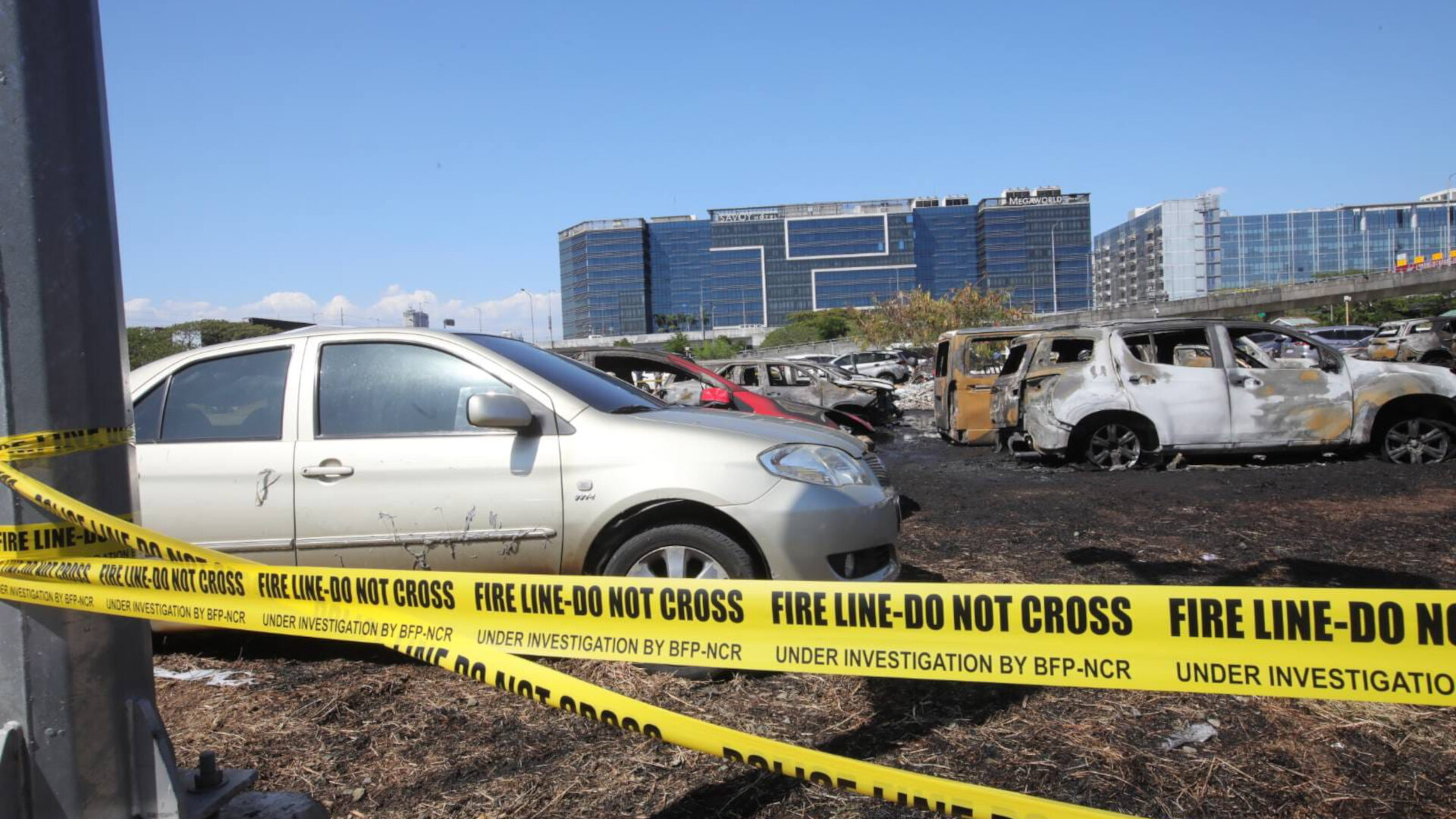
That being the case, what happens if you don’t have insurance? Well, it becomes tricky. As authorities are currently investigating now, we cannot conclude anything until there are specific findings released, but this then becomes a finger-pointing issue, and determining liability would generally be extremely difficult as the authorities’ investigation and resulting findings can also be challenged in court. This could lead to protracted litigation as parties tend to not want to pay for damage to 19 vehicles.
What makes things difficult in determining liability is the concept of proximate cause. The Supreme Court, in the case of Dy Teban Trading Inc. v. Ching and/or Liberty Forest Inc. et al., defined proximate cause as the “natural and continuous sequence, unbroken by any efficient intervening cause, produces the injury, and without which the result would not have occurred.”
In other words, a plaintiff (person who sues) would have to prove the causal connection between damage and the fault or negligence in order to prove that the proximate cause of the damage was the fault or negligence of the defendant—and this is easier said than done.
Hypothetically, would the person or entity who directly caused the incident possibly be a person who left the engine running while parked over some dry grass? Or could it be a person who didn’t maintain their car at all, resulting in a leak of flammable fluids? Or the remote possibility of even just a bystander tossing a cigarette onto a dry bush? Or is this entirely an event that can be considered an act of nature, like a (unlikely, we know) stray lightning strike? Until we find out more—and possibly, until the courts have weighed in on the matter—we will have more questions than answers.
The law places the burden of proving negligence on the person who alleges it. This, as well as an intricate myriad of possible scenarios, including the possibility, however remote, of someone intentionally starting the blaze (which opens up an entirely new, more criminal legal discussion), would show that the issues at play in an incident like this are complex, multifaceted, but above all else, needlessly tragic.