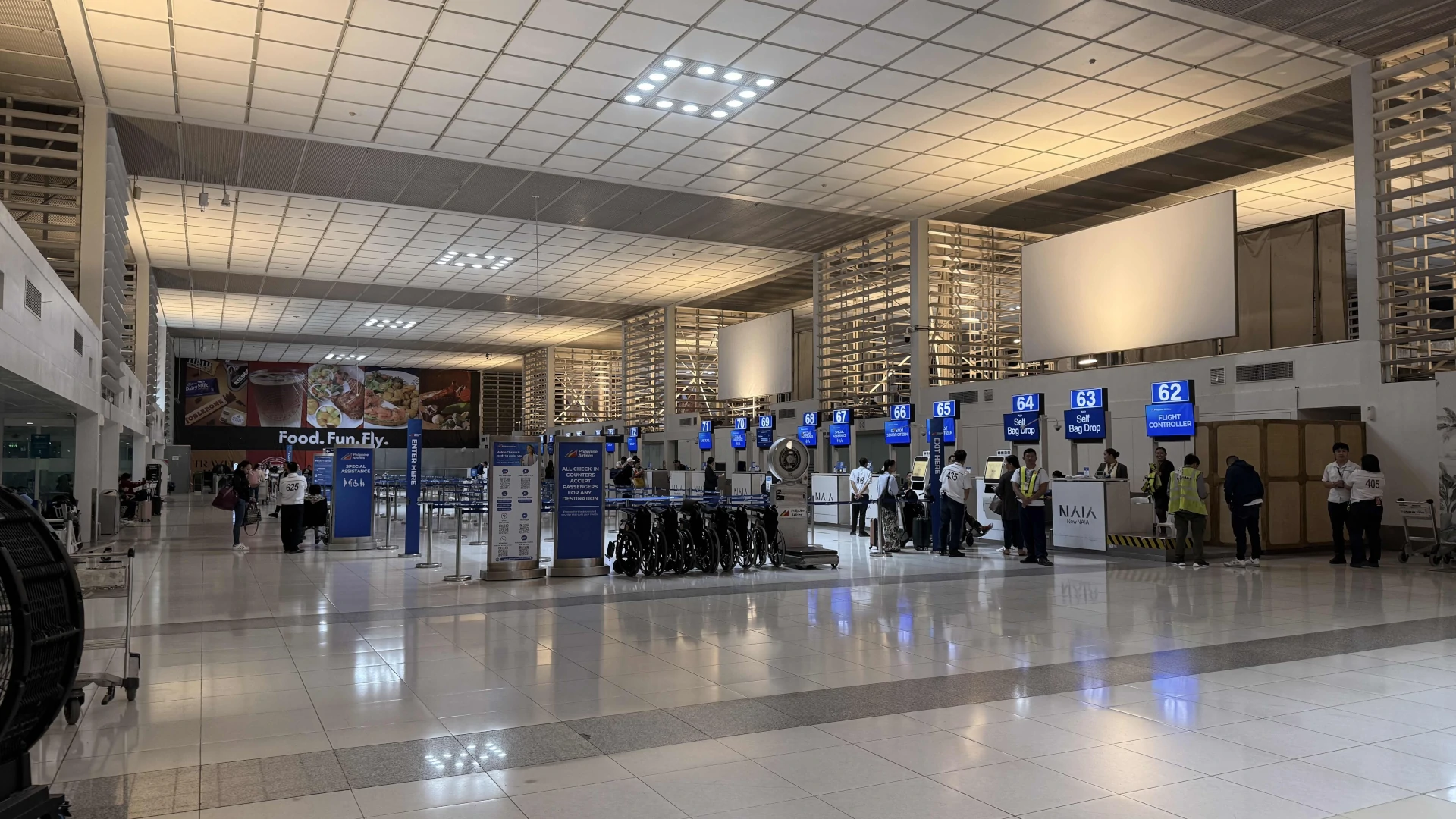
Seventy five minutes. That is how much time I give myself to arrive at the Ninoy Aquino International Airport (NAIA) before an international flight; for a domestic flight, it’s 60 minutes. A far cry from the recommended three to four hours in what is supposedly the worst airport in the world.
Check-in, immigration, security, gate, a toilet stop along the way, but very direct—no coffee, no lounge, no shopping. Have I ever missed a flight?
No, never—period. Arriving at NAIA? I have done 15 minutes from plane door to car door on a domestic flight from Terminal 2. For international flights, my personal record is 30 minutes in Terminal 3, with checked bags.
OTHER STORIES YOU MIGHT HAVE MISSED:
Review: 2026 Mitsubishi Destinator GLS 1.5G Turbo 2WD CVT
The all-new Chevrolet Captiva is now in PH, can be had as a plug-in hybrid or EV
I am lucky to have been able to travel quite frequently the last few years, taking about 15 to 20 trips a year on average, both local and international. I have seen my fair share of airports around the world, and I can definitely say that NAIA does not deserve the unwieldy title it has earned. Sure, it is not Singapore's Changi or Hong Kong International, but it’s definitely way better than most airports I have flown through.
Consider this: Long lines at immigration and security—you probably have not experienced the lines upon arriving at Munich International Airport or Los Angeles International Airport. Poor interconnection between terminals? Tell me what you think after you have experienced transferring between Terminals 5 and 4 in London's Heathrow or between Terminals 2 and 4 in Madrid Barajas Airport. Had to wait a while for your bags? I once waited over an hour for my one baggage in Milan Malpensa.
Reading past reports on NAIA online, the top concerns that usually pop up are the warm air-conditioning, slow internet, dirty toilets, and the broken escalators. These are hygiene items and, as of this writing, have been addressed by the San Miguel-led New NAIA Infrastructure Corporation (NNIC), which took over the operations in September 2024.
Last January, the aviation data and analytics company Cirium ranked our very own Philippine Airlines as Asia-Pacific’s most on-time airline, ahead of other five-star legacy carriers like Korean Air and Japan Airlines. Some credit here must go to the Civic Aviation Authority of the Philippines (CAAP), Manila International Airport Authority, and NNIC for improvements done behind the scenes, to ensure that air traffic controllers properly time the flights, the runways are in tiptop shape with no foreign object debris, and that on-ground services are able to turn an aircraft around within the prescribed time.
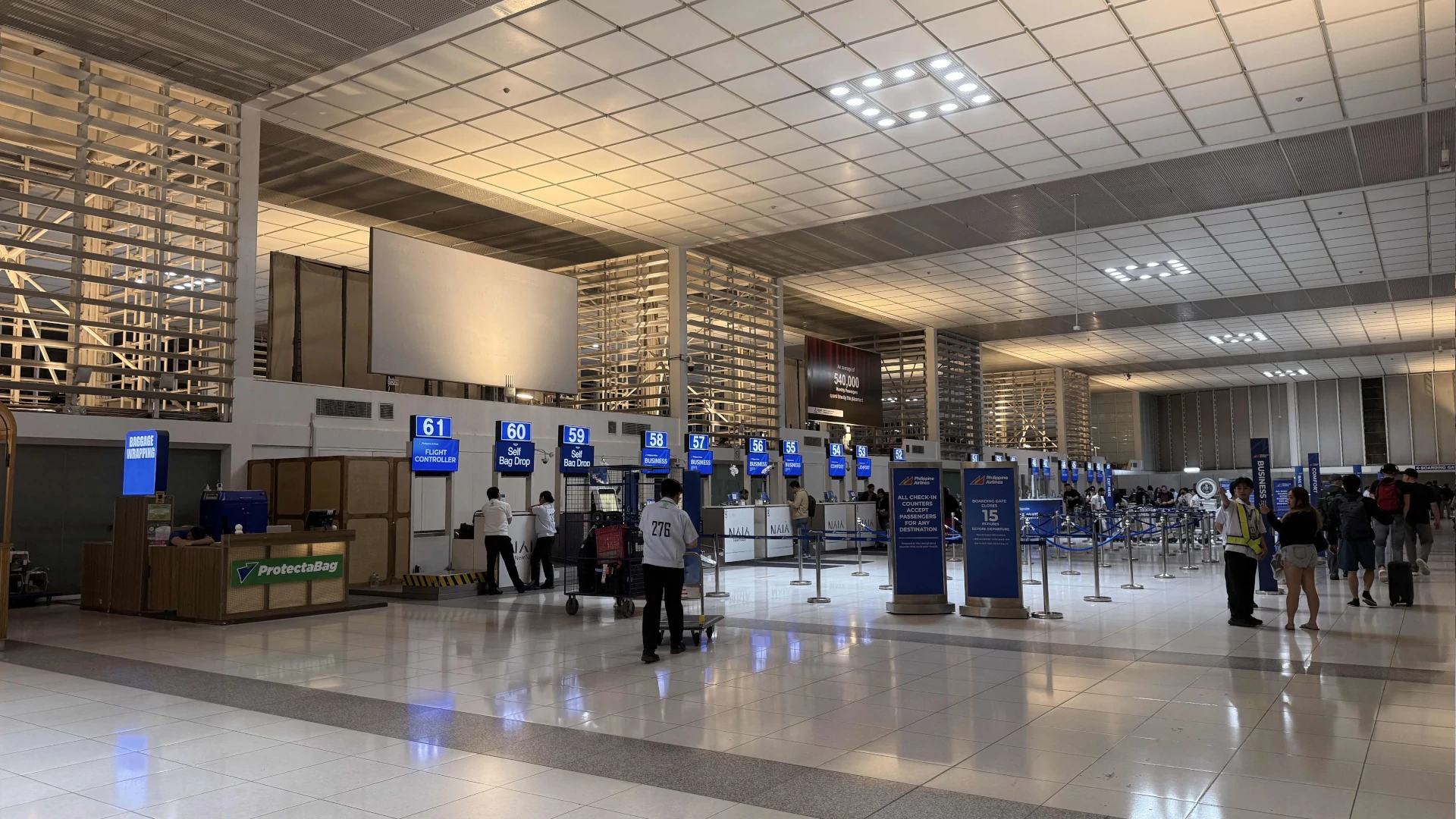
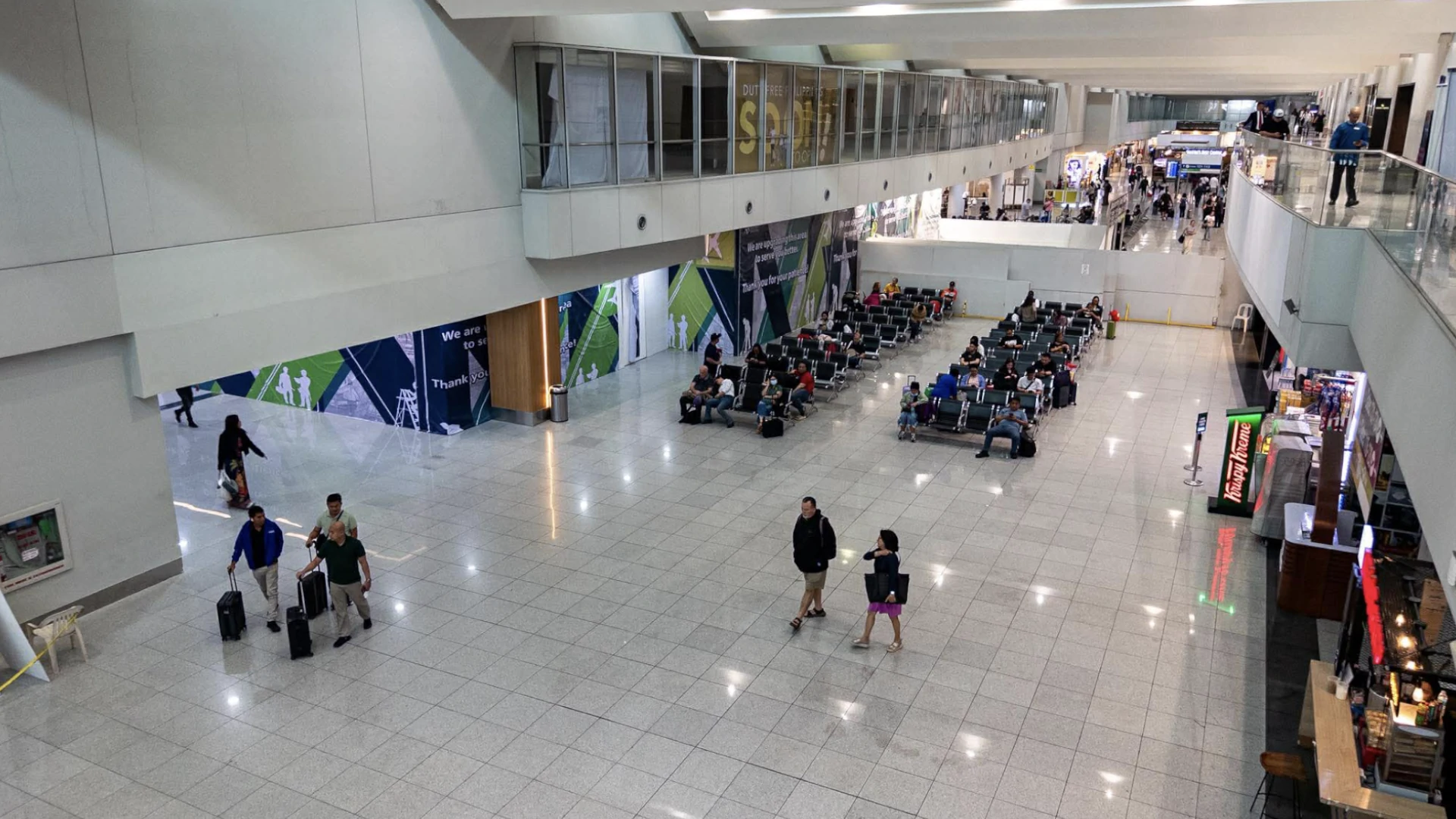
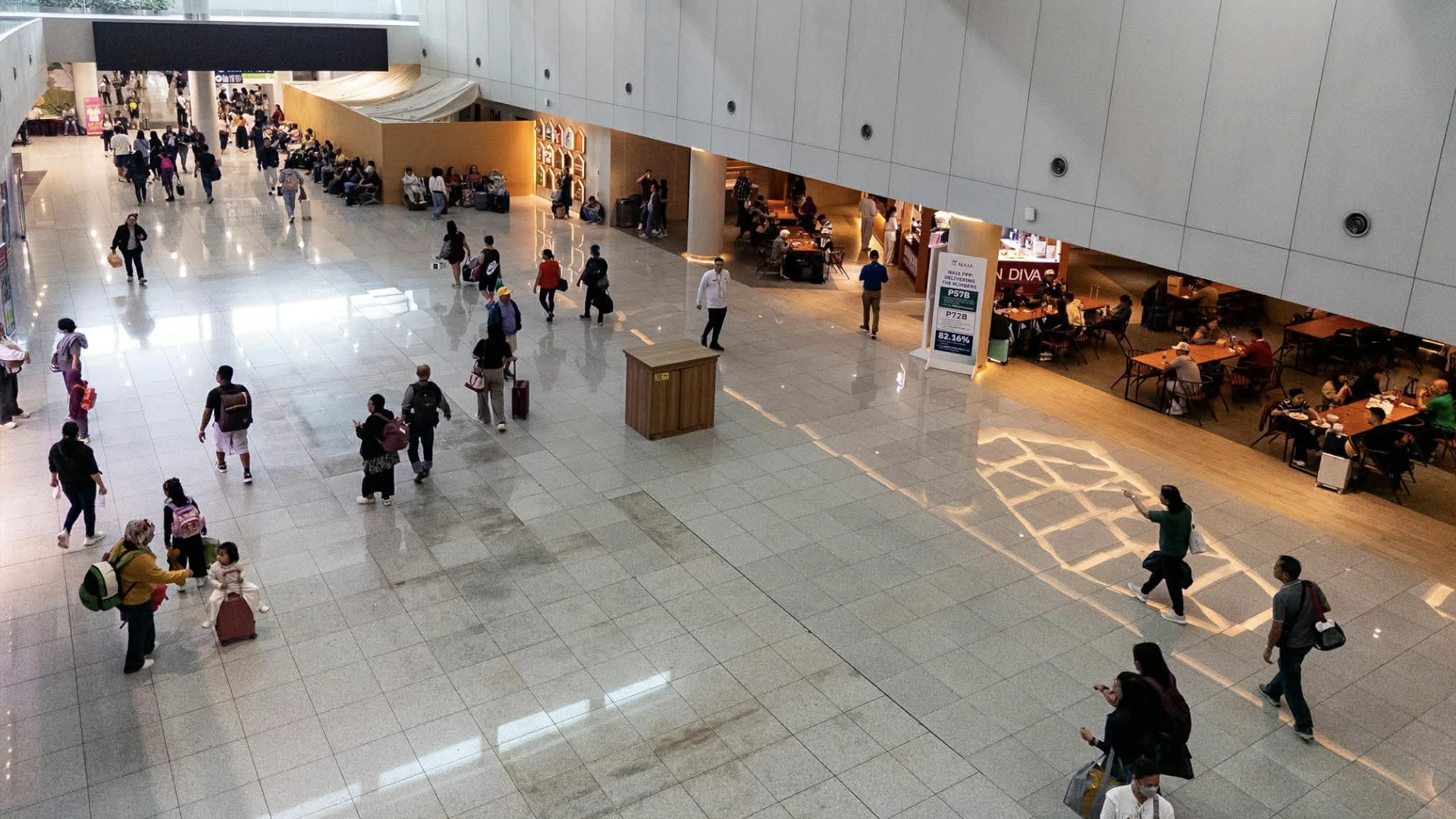
During a family holiday last December 2025, we actually arrived at the airport two hours before our flight (which was already short enough to stress out my parents). This gave me enough time to stop and smell the roses, as they say, or see the improvements done by NNIC in the last 16 months. I immediately noticed the wider areas for pick up and drop off, the new food hall, the OFW lounge, and all the biometric scanning equipment. There were a lot more immigration counters and security lanes, all of which were well-staffed.
As you walk through the terminal, you will notice a lot of areas that were boarded up, indicating work in progress. From the gates you can see that the former Philippine Village Hotel is no longer there, and a new taxiway is being constructed from Terminal 1 all the way to the former Terminal 4 and general aviation area. All this is an indication of even more changes coming our way; this brings a different vibe or positive energy as you go through the terminals, further reinforced by the enthusiasm you see from all the airport workers you encounter.
Having said that, let’s keep in mind that NAIA still has a lot of problems—just like other airports around the world. But the big difference here is that despite all the shortcomings, you never hear the Germans, Americans, English, Spanish and Italians complain about their airports (or their country for that matter). This was brought up by NNIC Chairman Ramon S. Ang during an interview about a year ago, while doing a walkthrough in Terminal 3.
Ang hit the nail on the head when he said that the reason why other nationals do not complain (and post) about the shortcomings of their airports is because of their love of country. Ang goes on to say that it is so ironic that our fellow Filipinos are first to broadcast every little inconvenience they encounter in NAIA on social media, but patiently wait it out when the same happens on foreign soil. This and other unnecessary negative publicity generated both by individuals and select media outfits destroy not only NAIA, but the Philippines’ fragile reputation and alienate foreign investors and tourists.
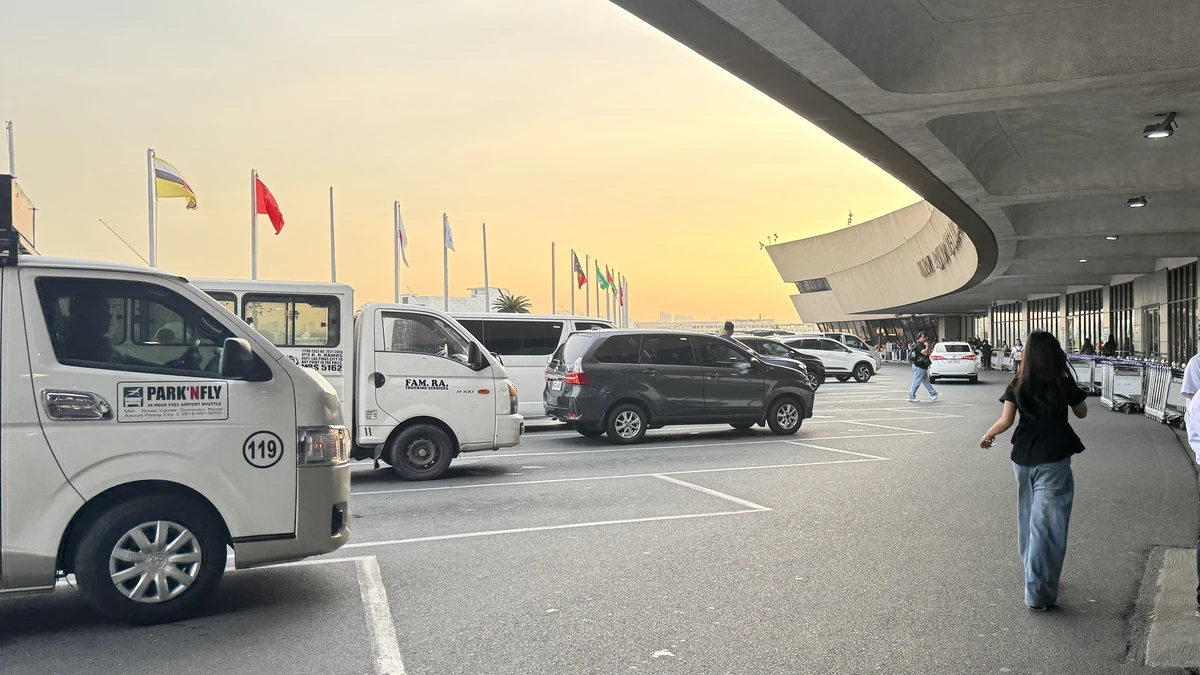
Reading between the lines, I take Mr. Ang’s message as a call to action to have a deeper love of our country—a shift in behavior and mindset. It is time to look at the glass half full, to start thinking positively and better appreciate what we have and not to always grumble (and post!) about what we do not have. Its time to focus on what we can do as Filipinos to help build our nation, not destroy it.
I totally agree that we have an old airport built right after the Second World War. Yes, it is small and crowded. Yes, it has all sorts of other problems, but for the first time in decades, someone is actually doing something about it.
Remember that over 52 million passengers flew through NAIA in 2025. It brought you, your friends, family and colleagues to their destination and back safely, so it’s about time to shake off the “Worst Airport in the World” title and start showing the old girl some love.
For me, departing via NAIA represents the start of a journey, be it a holiday or a business trip—it brings a level of excitement. Arriving via NAIA brings an even higher level of excitement; it gives me that same warm fuzzy feeling like when you board a PAL A350 from New York or a Qatari 777 from Doha crewed mostly by Filipinos. It means that by evening, I see my family, eat a home-cooked meal, and get to sleep in my own bed. It means I am home.
And as the saying goes: There’s no place like home.