
Mitsubishi’s product planning department must be stacked with comic/manga geeks. Names like ‘Xpander’ and ‘XForce’ scream speed lines and spandex, while the cars themselves look like straight-up Japanese mecha. But the Philippine market loves these crazy new mecha-bishis. The Xpander MPV was, after all, the best-selling car in the country last year.
But in this crossover-crazy market, everything eventually evolves into an SUV— hence the Xpander to Xpander Cross to XForce pipeline. And now the XForce has become the Destinator, filling an Outlander-sized hole in Mitsubishi’s lineup. We guess ‘XTerminator XTreme’ was taken.
Whatever you call it, was it worth the wait?
Styling
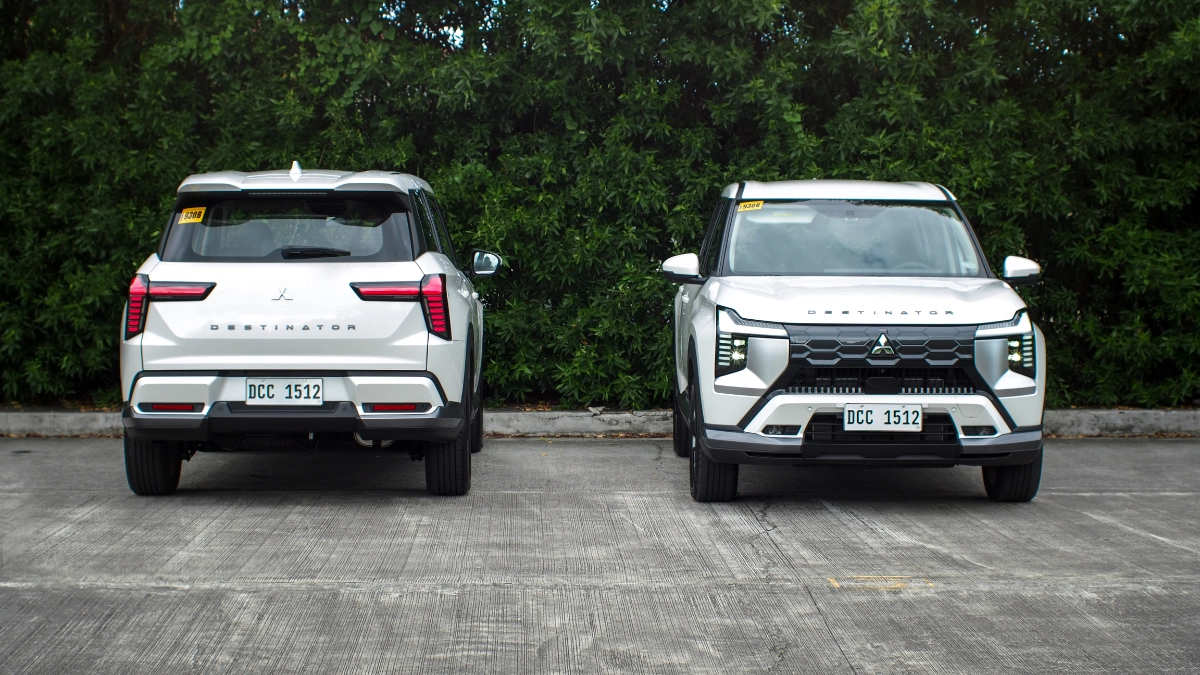
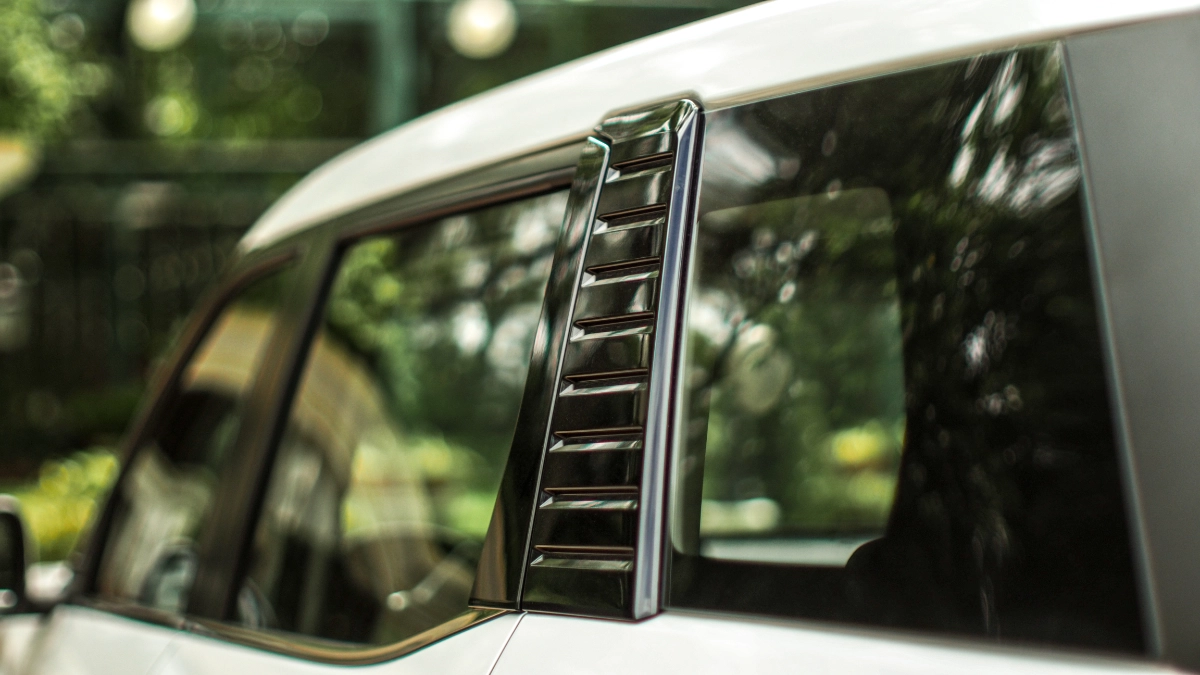
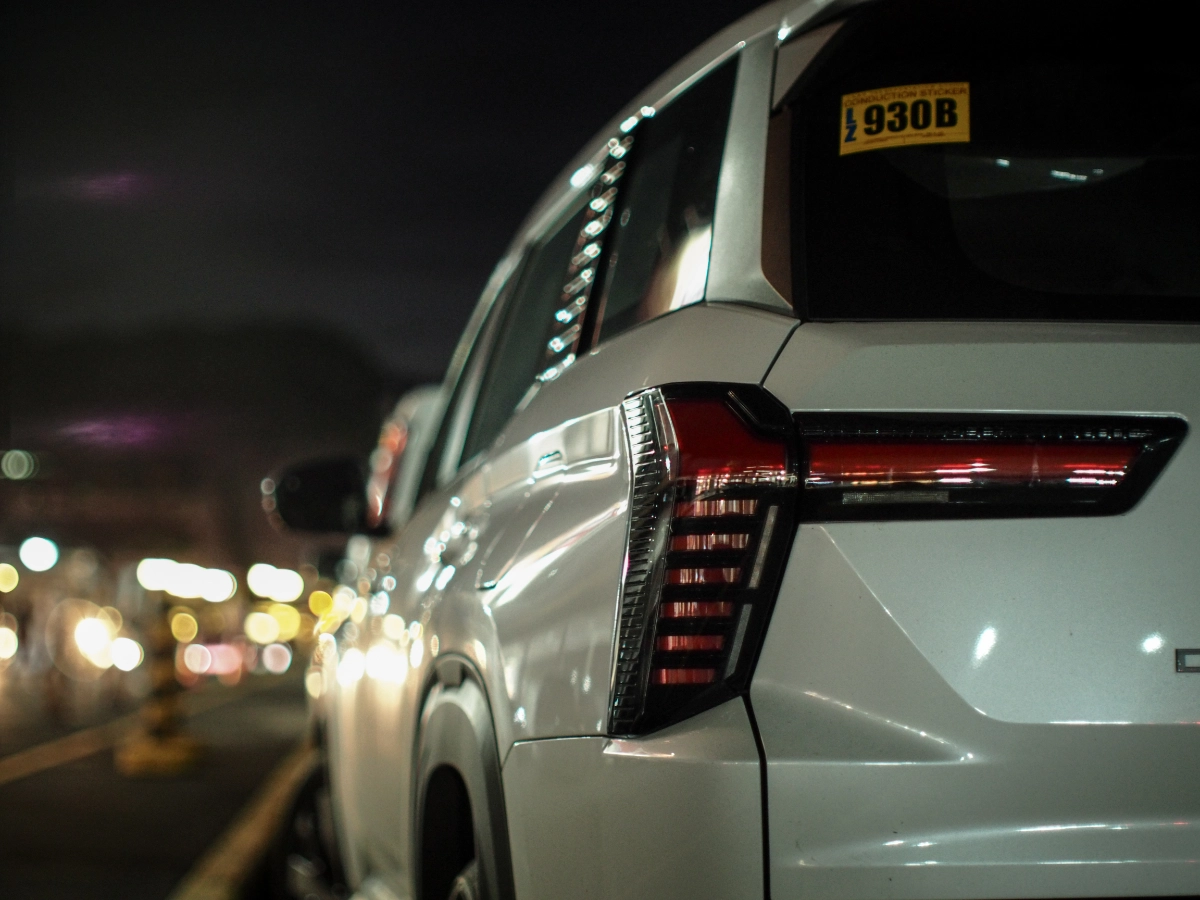
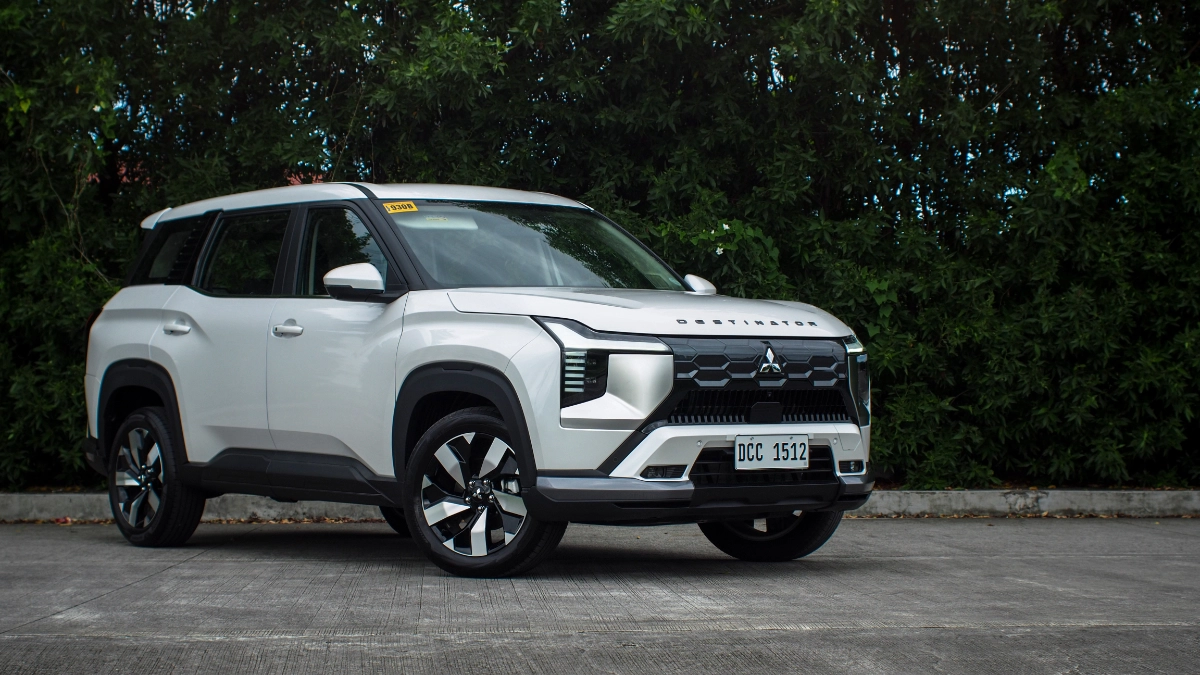
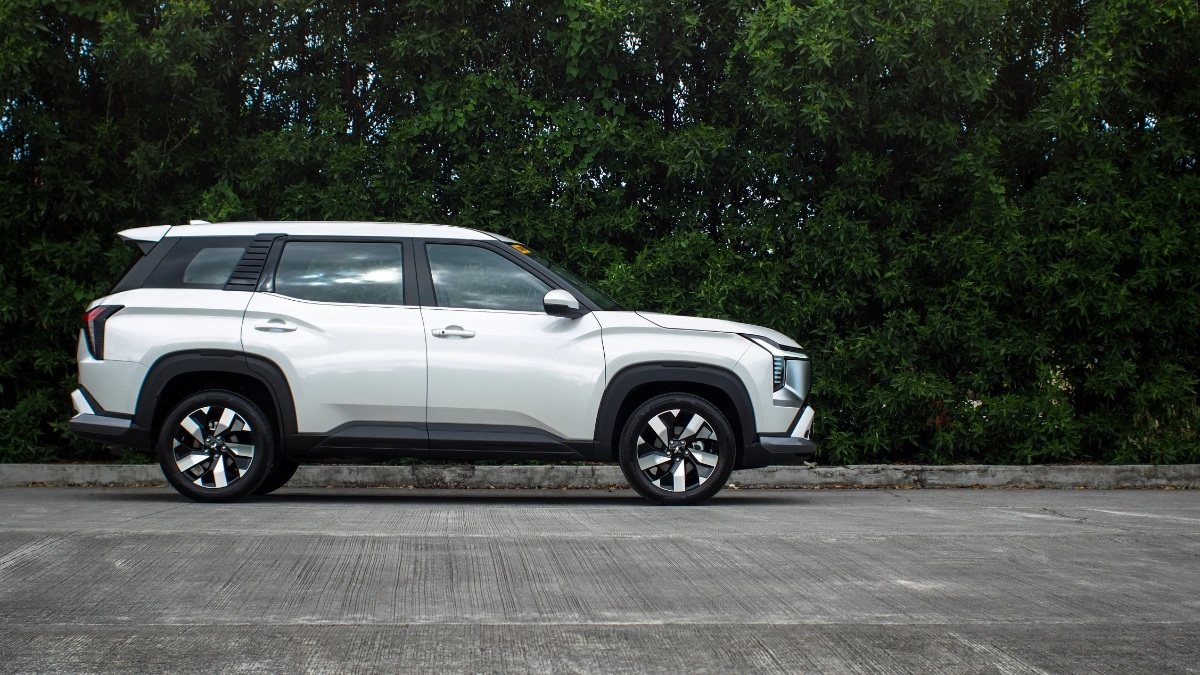
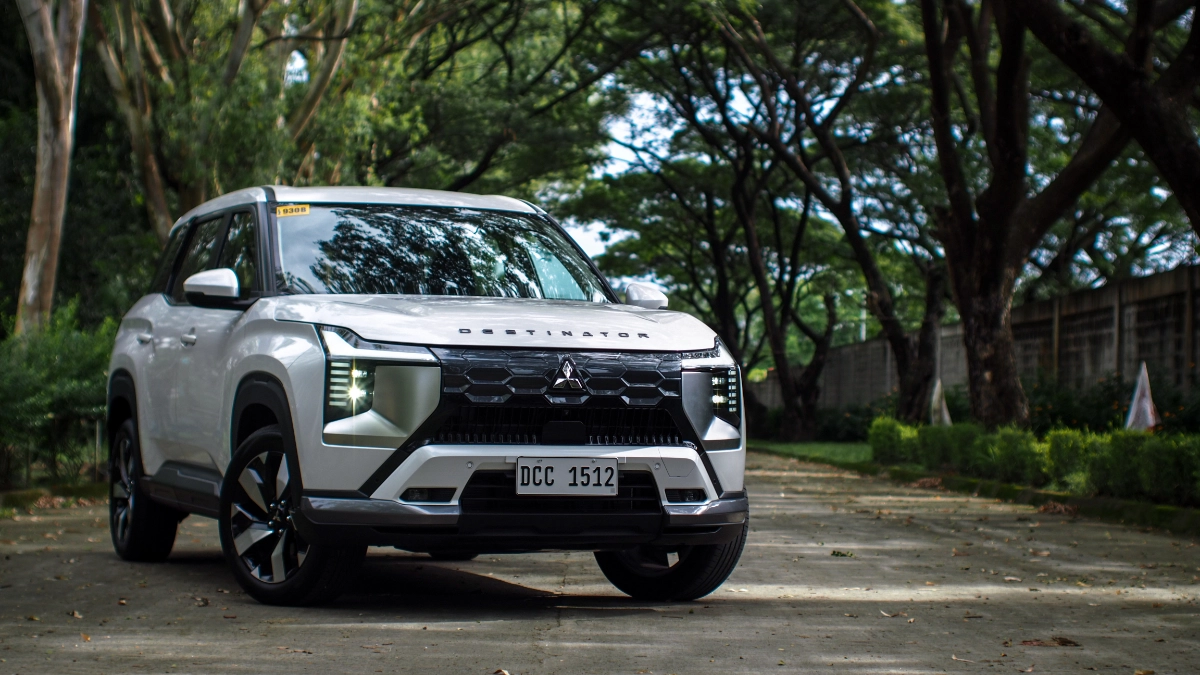
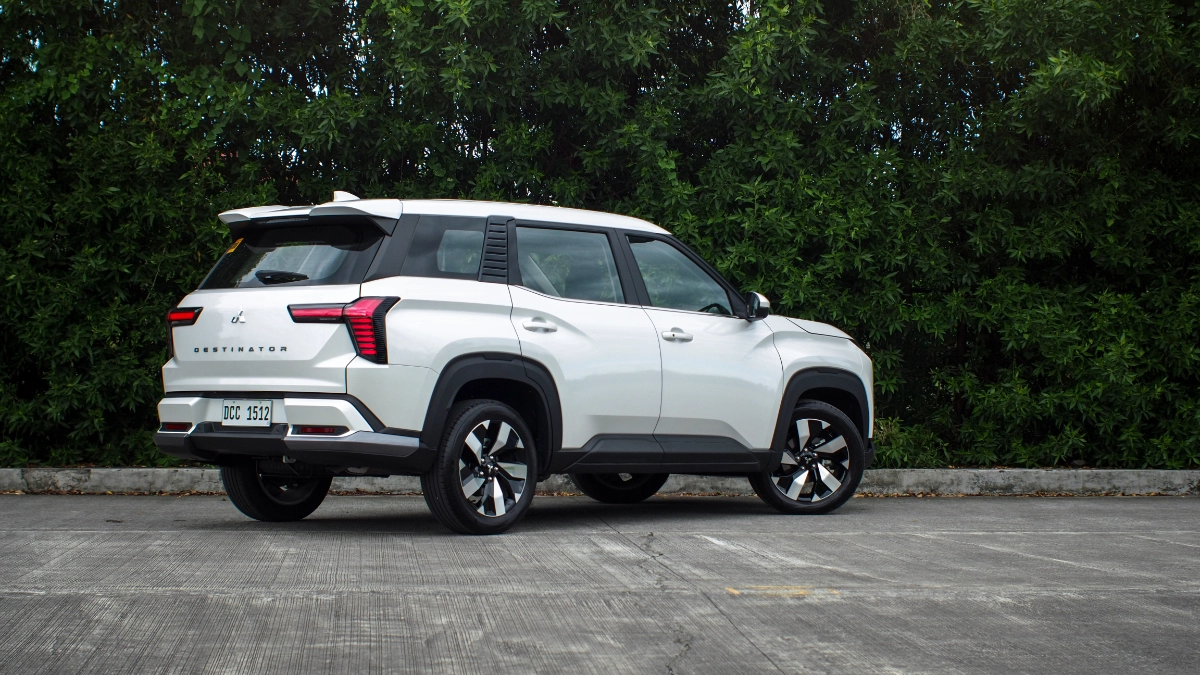
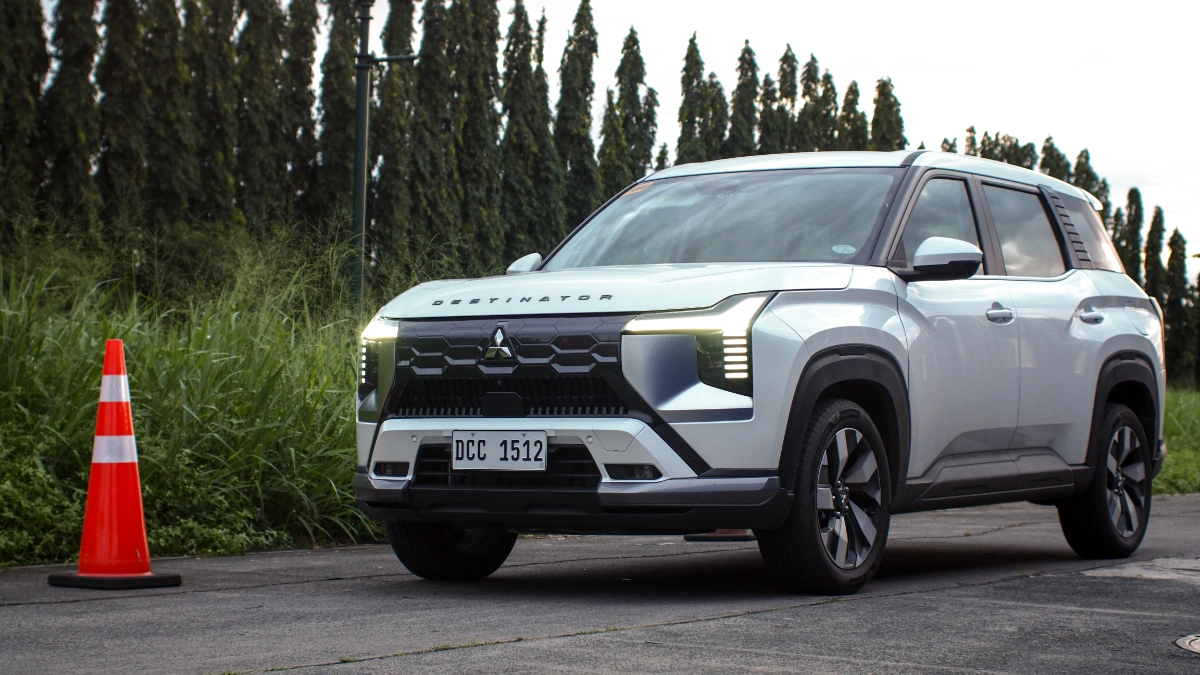
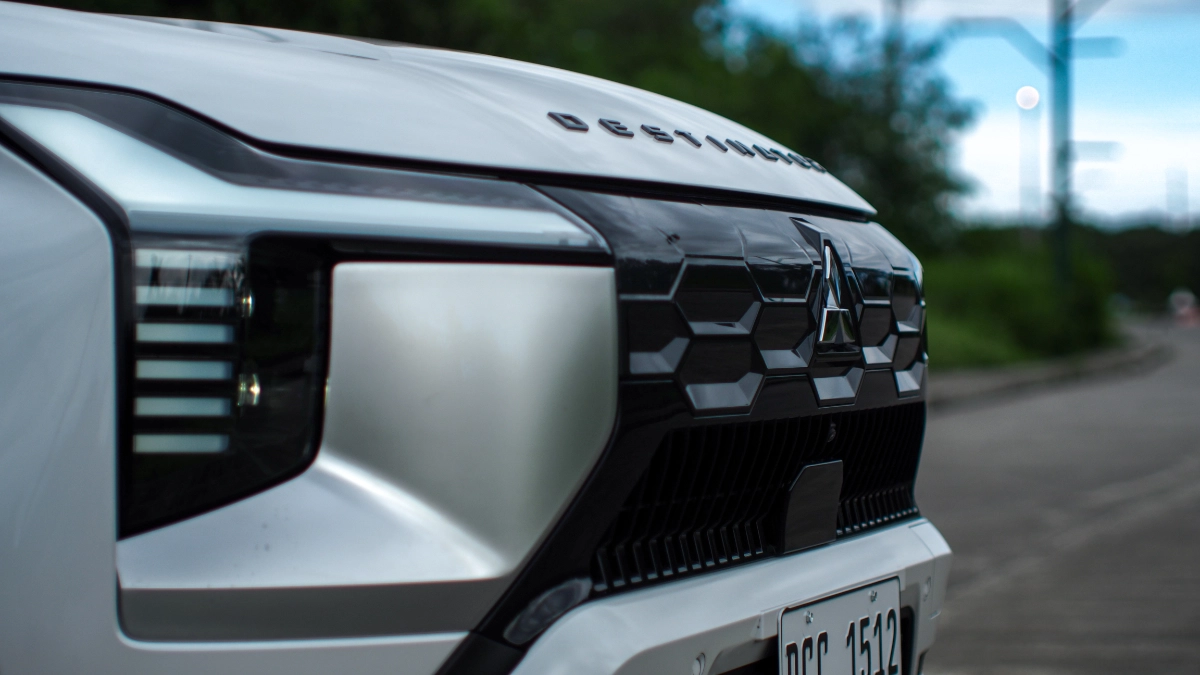
The Mitsubishi Destinator’s looks are a cross between the Montero Sport and the XForce, with bulging bodywork and fender flares emphasizing the extra height and heft over smaller X-cars. Notched plastic claddings on the rear pillars—echoing similar patterns on the lights—give the suggestion of an access ladder or pannier mount without having any actual function. The rooflip spoiler, on the other hand, is aerodynamically functional, and makes the Mitsy look like a chad in a backwards ballcap.
OTHER STORIES YOU MIGHT HAVE MISSED:
Behold, the next-gen Toyota Highlander—an all-electric three-row SUV
Review: 2026 Hyundai Kona 1.6 HEV Premium 6DCT
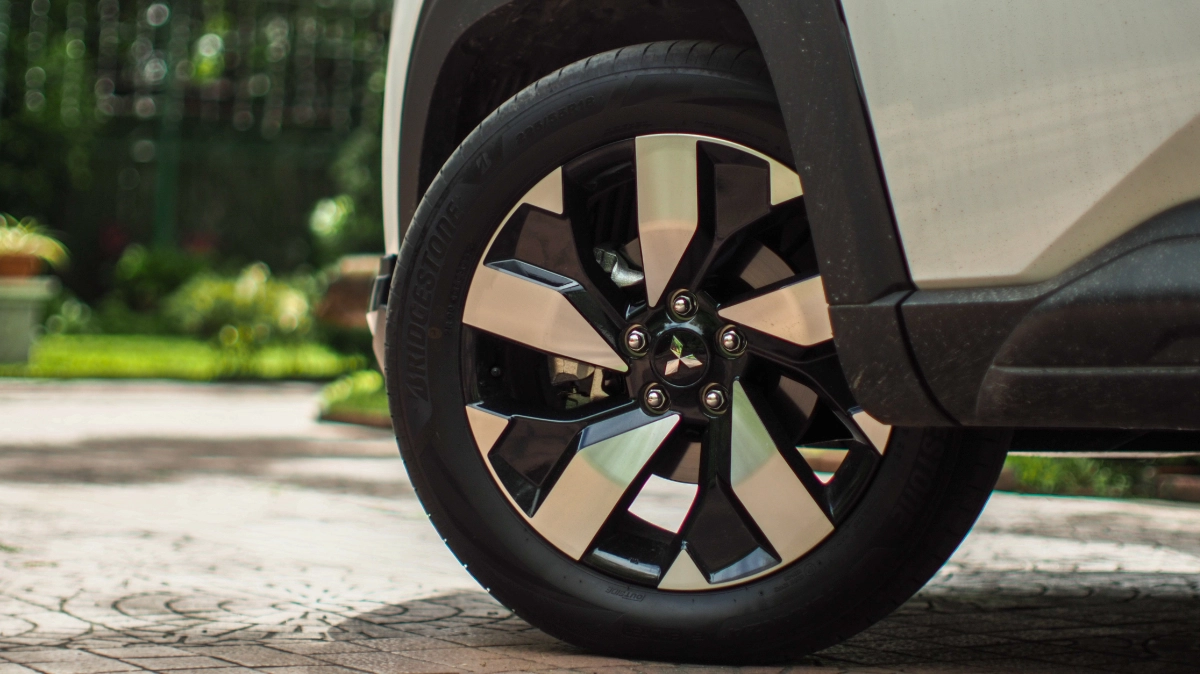
Bulging flared fenders ringed in black plastic give a lot of curb appeal, despite the squarish proportions. There’s a hard edge on the lower doors, giving the side profile a nice Coke bottle shape. And for those of you who have never seen a classic Coke bottle—well, basically, it’s sex-ay. On the debit side, the two-tone 18-inch alloy wheels feel a bit too small, and the gaps around the door and hood shutlines feel a bit too big, but overall, it is an attractive design.
Interior
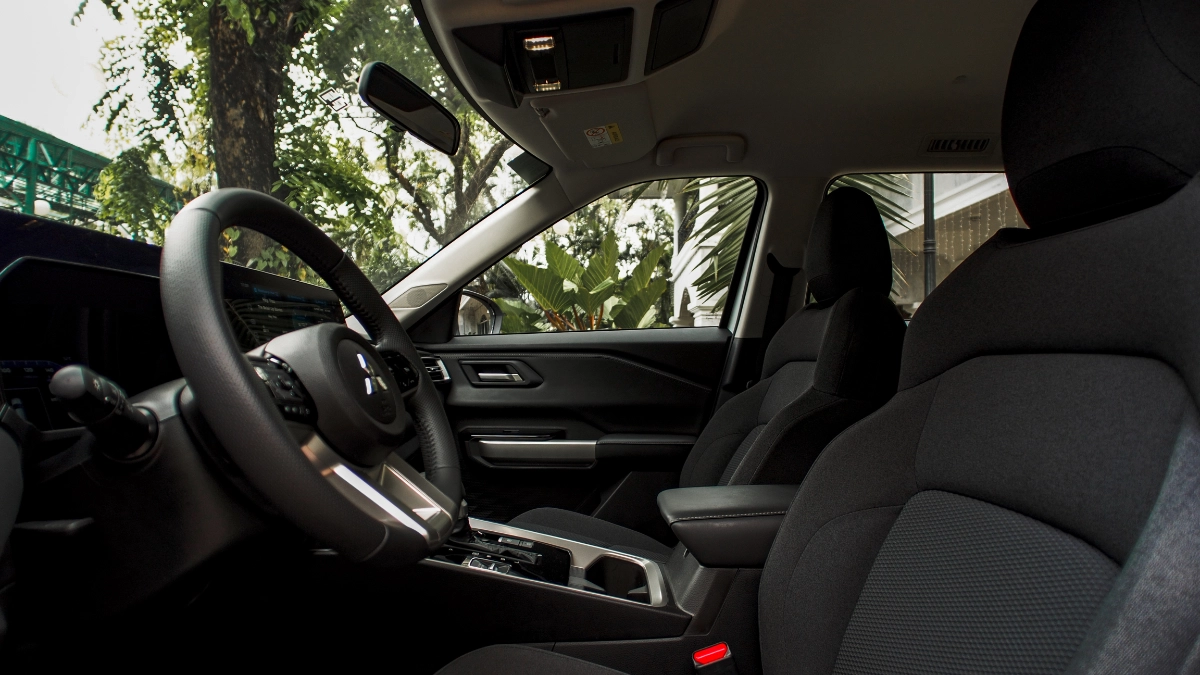
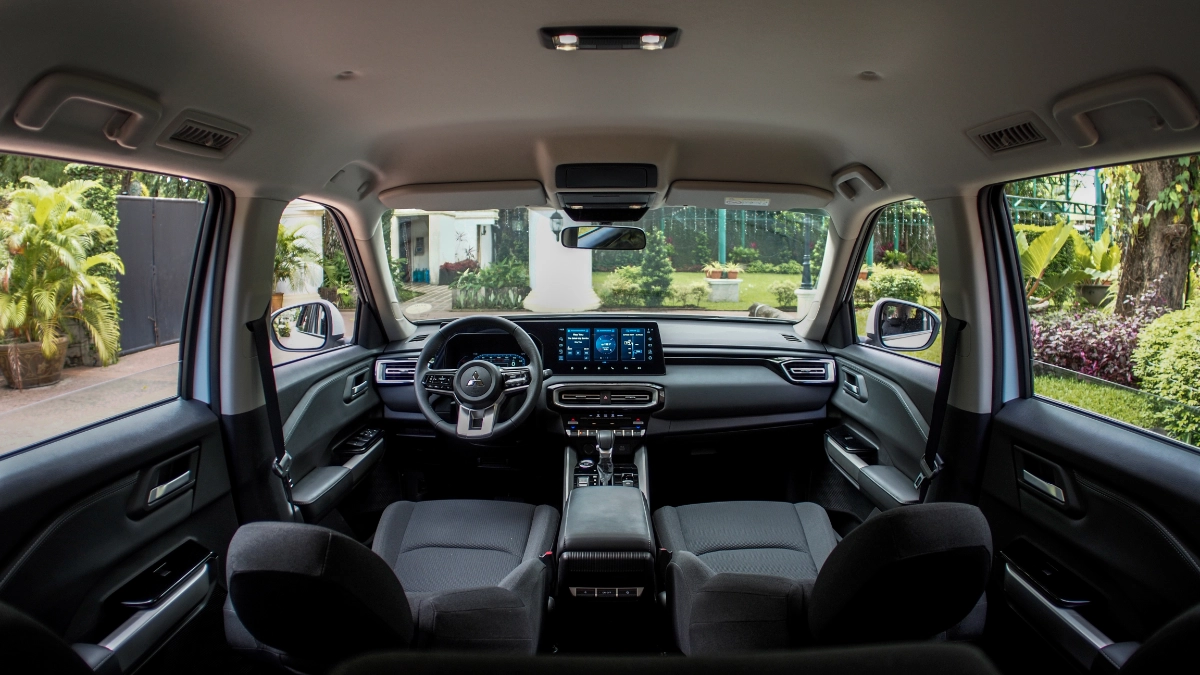
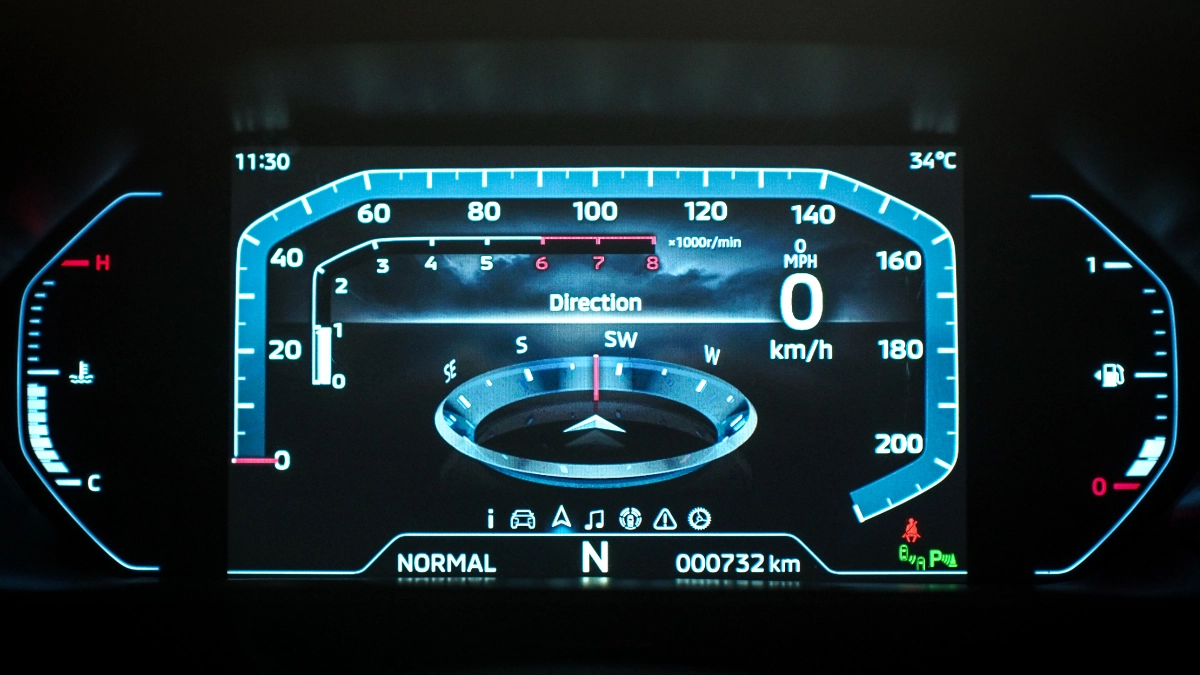
The familiar bits from the Xpander and the XForce should please Mitsubishi fans trading up at the dealership. The uprated interior quality and soft-touch materials should please everyone else. The dashboard features the expected dual LED screens, but the instrument screen is countersunk to curb reflections and glare. It’s a bit weird having a screen inside a screen—breaks the illusion. A regular cowling or hood would have looked more proper.
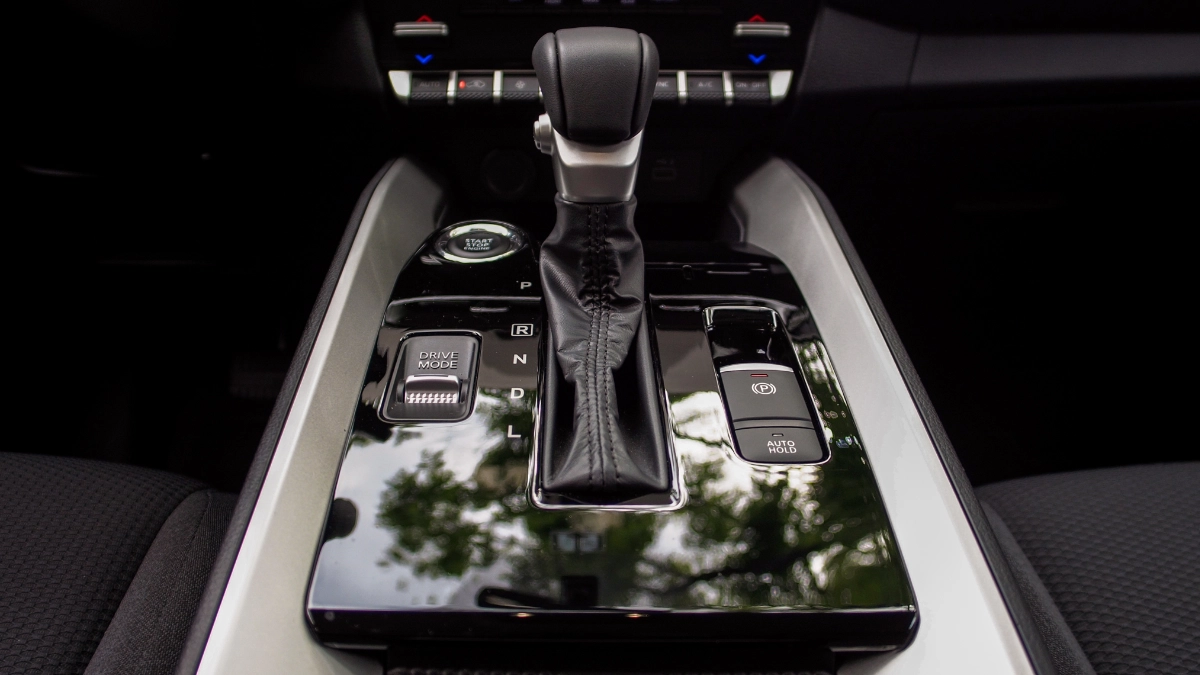
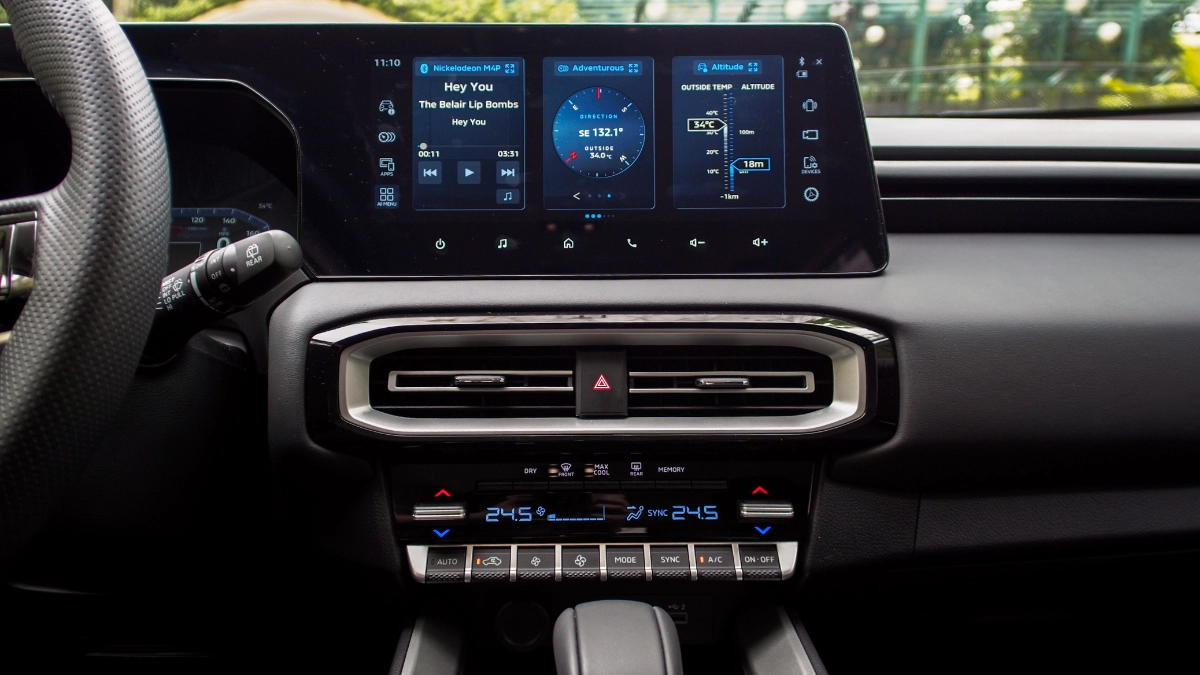
The front seats feature lots of wiggle room and a high ceiling. Control ergonomics are very traditional: The medium-sized wheel sits perfectly in your lap, and a traditional shifter sits on the console. There are even fully physical A/C controls—hallelujah! Storage around that shifter includes a big wireless charging pad up front, side pockets for phones and wallets, big hexagonal cupholders behind, and a short but deep center box with interior cooling.
Second-row seats are flat, but with well-bolstered backrests. Table trays and phone pockets in the front seatbacks make for easy drive-through dining, mindful of the fact that the GLS has fabric seats rather than spillproof leatherette. The big, wide center squab for the middle passenger folds down into a center armrest, leaving a gap wide enough for children to clamber through into the third row.
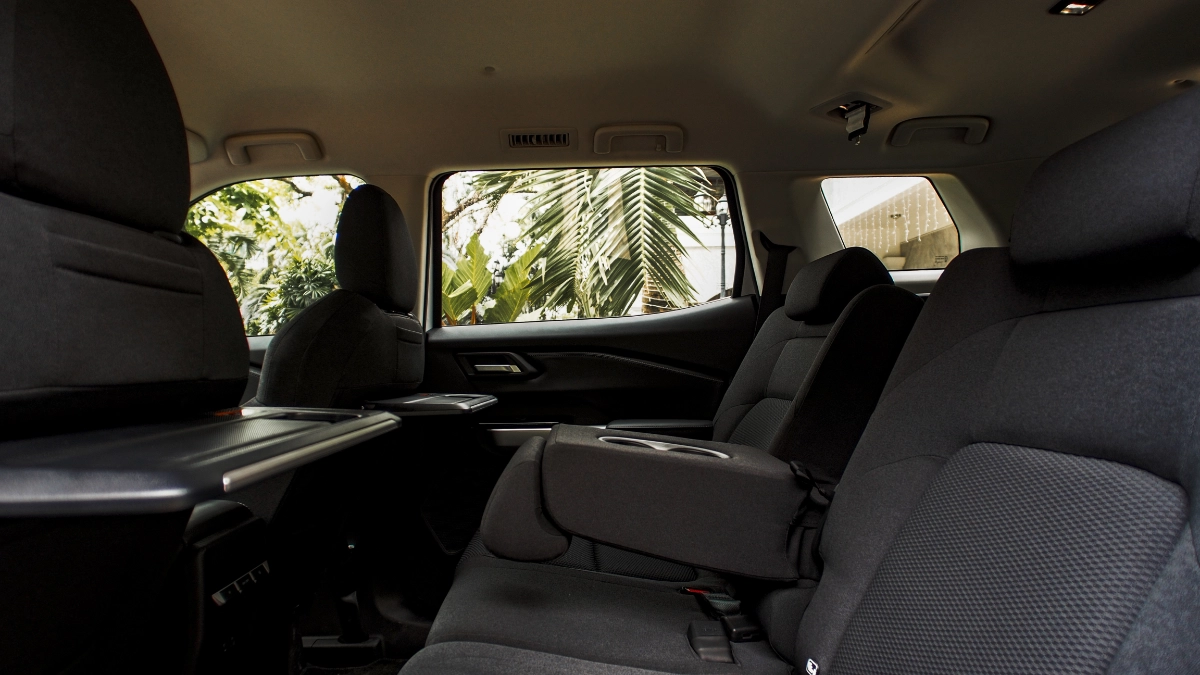
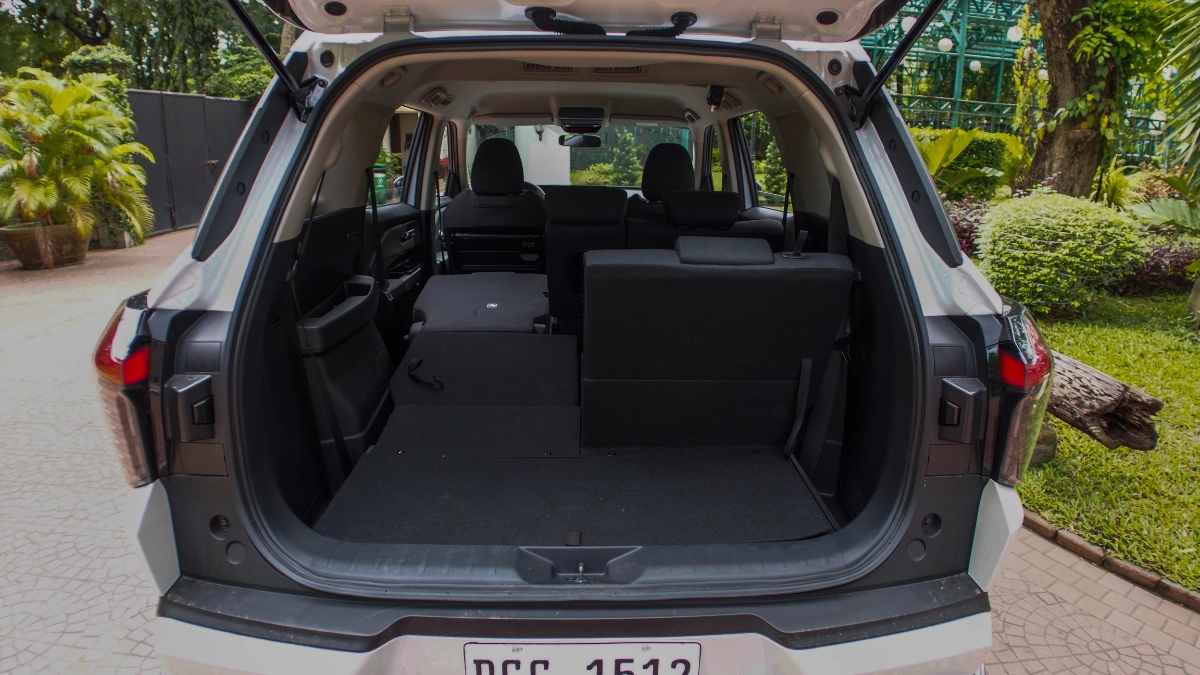
The more conventional access into that third row is easy—the second row slides forward and flips down, leaving just enough space to walk in. Despite the long wheelbase and thin setbacks, this still isn’t a full-size MPV/crossover. Legroom can be either generous in the first two rows or simply serviceable in all three. On the bright side, third row passengers get big cupholders and their own ceiling-mounted A/C vents, making them more comfortable than most third-row passengers in this price range.
ALSO READ:
The all-new Destinator is the most exciting Mitsubishi we’ve seen in quite a while
Size comparo: How big is the Mitsubishi Destinator compared to the Zenix and Okavango?
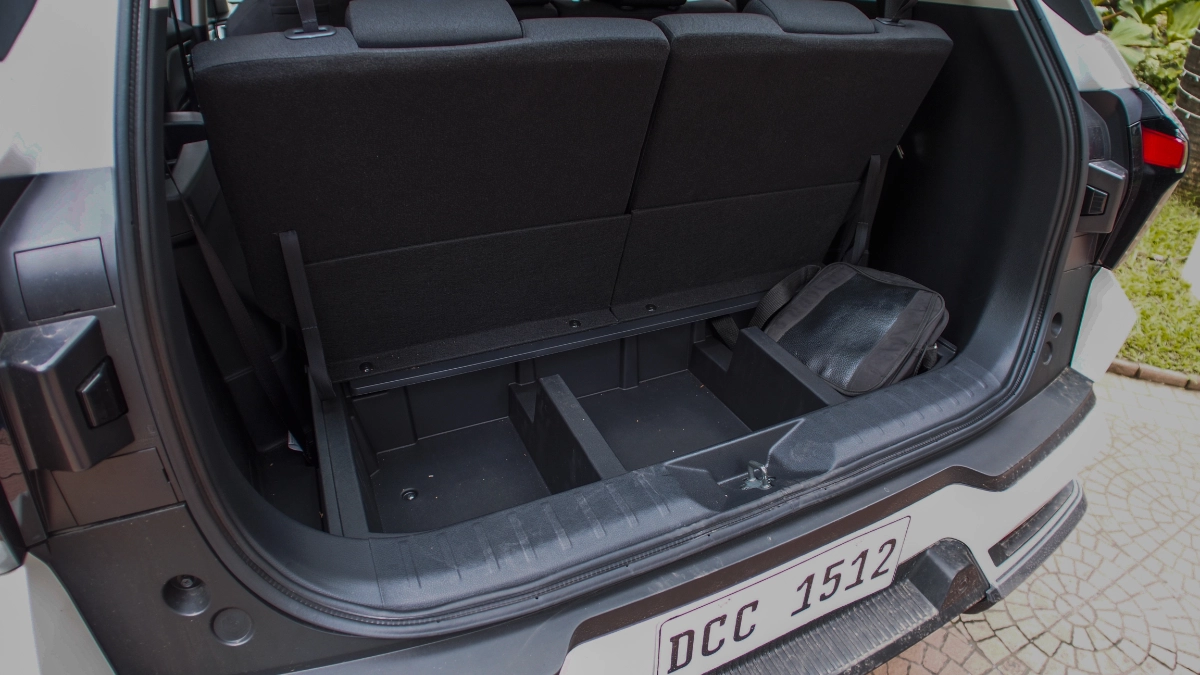
Trunk space is not explicitly stated, but it is decent. The loading lip is the perfect height, and while there is little space with the third row up, there’s a deep underfloor tray to hide wet or valuable items. It’s stupidly simple to fold down the third row to reveal an astonishingly large cargo bay. More than five people would ever need. Second row folded, there’s enough space to sleep two or three people—provided you’re all good friends. Be careful of the ‘lawanit’ cover on the rear floor, it’s rather thin. But distribute your load properly, and you can haul a lot of cargo in here.
Engine performance
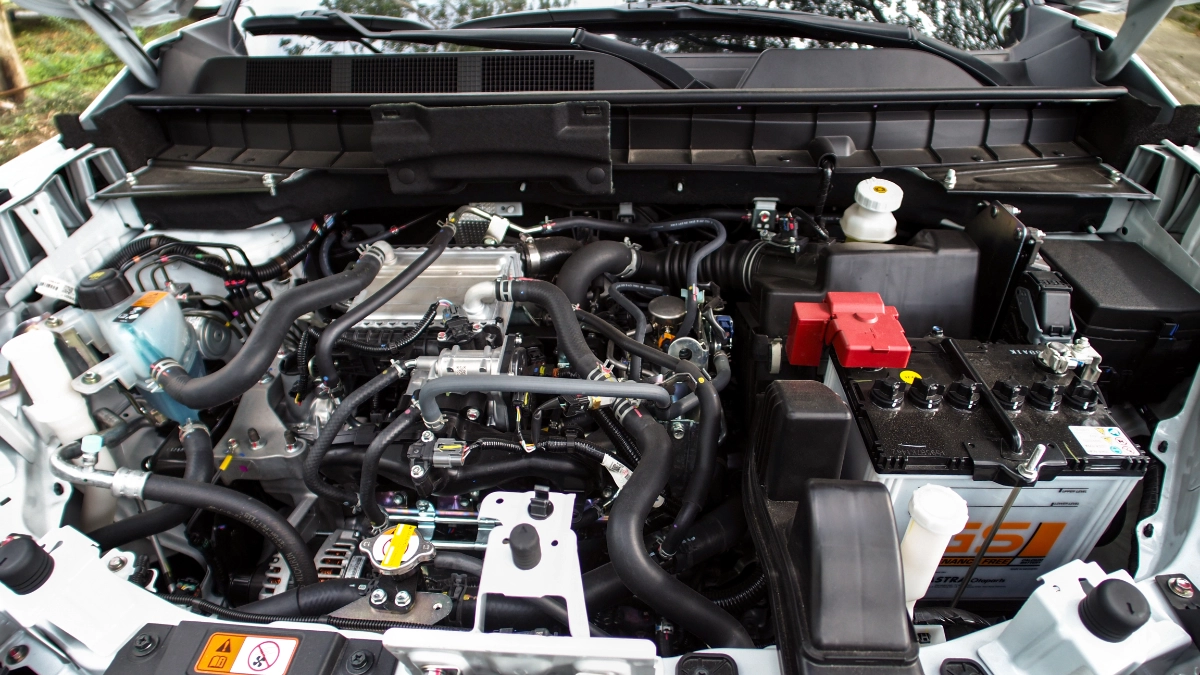
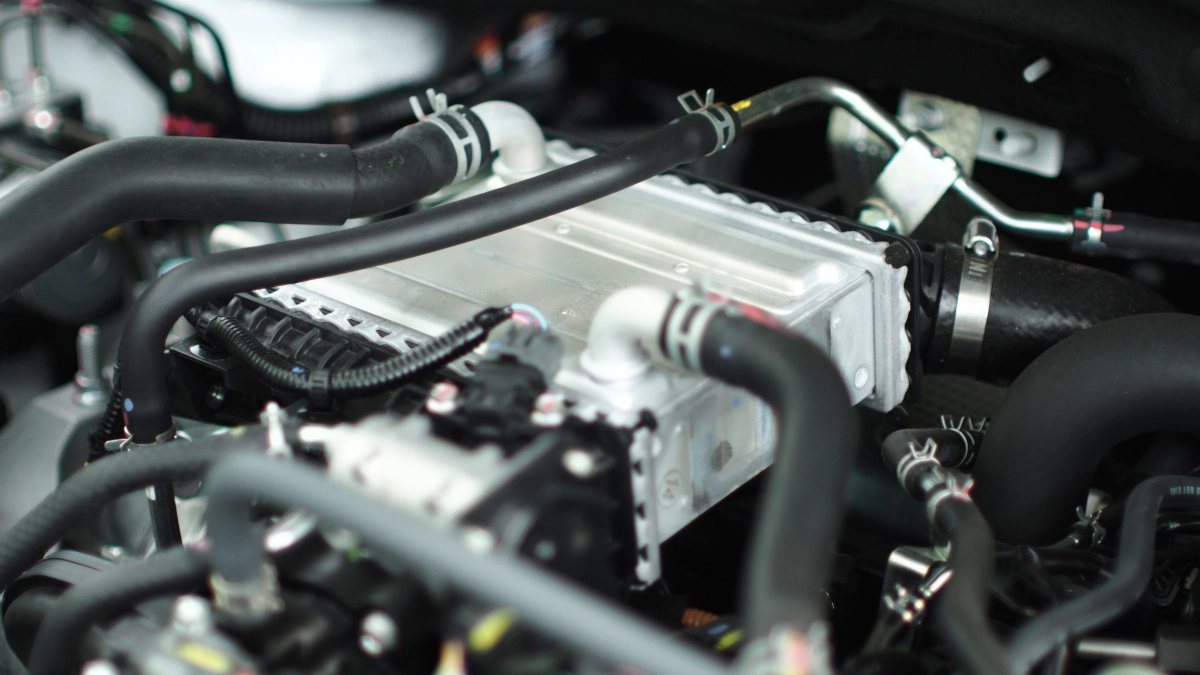
Of course, hauling cargo takes power—something the Destinator has in surplus. Behind the hybrid half-grille sits a 1.5-liter 4B40 dual-injection Atkinson-cycle turbo gasoline four-cylinder engine with no hybrid hardware. Its 161hp and 250Nm of torque get the Destinator from 0-100kph in around 8.1sec. There’s a bit of delay and surge, but nothing out of the ordinary for a modern turbocharged 1.5-liter mill, and the powerplant is smooth and unobtrusive.
Observed fuel economy was a bit disappointing given all the technology, but expected for a 1.5-liter turbocharged vehicle the size of a CR-V: 6km/L or so in traffic, and about 16km/L on the highway at 80kph. Not as good as the non-turbo 1.5s, but I’ve driven 1.5-liter turbos seven-seaters that do a lot worse. And some 1.5 turbo five-seaters, to be fair. More of an issue is the size of the fuel tank: 45 liters only gives you about 350km in traffic before the warning light comes on.
While it may loathe traffic, the air-to-water intercooler provides consistent performance and efficiency even on the hottest of days. The continuously variable transmission does lose a little bit of shine in the heat, but really, no one is happy in this traffic. So it’s out to the open road, where the Destinator truly shines.
ALSO READ:
Review: 2026 Chery Tiggo rEV Luxury Edition C-DM
Review: 2026 MG HS Hybrid+
Ride and handling
As befitting a Mitsubishi, this crossover boasts a laundry list of drive modes, featuring everything from your basic “mud ’n’ snow” up to an Evo-licious “tarmac” mode, complete with Active Yaw Control. Sounds exciting, sure, but as this is a square-ish seven-seater sitting on a soft suspension and squidgy tires, it really isn’t. The steering is nice and direct, more Xpander than Montero or Mirage, but there’s much more body roll, squat, and brake dive here—basically, think of any pitching movement along the yaw axis, and the Destinator has it. Thanks to the modern underpinnings, it’s surefooted at the limits of grip, but the squidgy suspension and tires set those limits rather low.
Throttle back, and the Destinator delivers relatively relaxed running on the highway, that supple suspension soaking up road imperfections like a sponge. Rumble strips no longer cause the steering wheel to jump around in your hands, as in the Xpander. They merely wiggle it a bit. Road noise isn’t a big issue, either. It’s no Lexus, sure, but what is, at this price?
Around town, that boxy body does pose some challenges. The Destinator feels a bit bigger than it is, thanks to that high nose. It’s not egregiously wide or long, but you do have to mind the inside rear wheel in tight turns. Thankfully, the 360-degree cameras are very sharp, with a good refresh rate. Not as fully featured as some, but I’ll take smooth video over gimmicks any time.
Extra features
In terms of gimmicks, this mid-tier GLS is a mixed bag, as you’d expect of any mid-tier car in this economy. You do get blind-spot monitoring and dynamic stability control, as well as those extra extra drive modes, but no lane-keeping assist or adaptive cruise control. No fancy sunroof, leather, or powered seat, either.
You get keyless entry and push-button start, a wireless charging pad—iPhone level, not one of those fancy 50W Chinese ones—and Wireless Apple CarPlay and Android Auto. Oh, and the unbranded six-speaker sound setup is actually pretty good. Not the most articulate, but the output is strong, with clean and heavy bass. There’s A/C in all three rows, and roof-mounted rather than crotch-mounted, so while your nethers might get a bit sweaty in noontime traffic, your head won’t. A lot of decent features, but not really anything that stands out as luxurious.
Verdict
That said, nothing from the Thai Truck Mafia matches the Destinator in terms of seating capacity versus size and performance. Perhaps this is the ultimate form of the compact seven-seater—a compact masquerading as a medium-sized crossover. Less than an inch narrower than a CR-V or a RAV4, while matching or exceeding them in all other dimensions. Perhaps the only comparable mainstream rival is the China-sourced Ford Territory, which lacks a third row but is cheaper, wider, and comes in hybrid flavor. A flavor the Destinator currently lacks.
That said, the Destinator still outsold the new Territory Hybrid last year, despite launching four months later, so we’d say Mitsubishi knows its market. In this country, the greatest luxury is space. And in the Destinator’s small corner of the market, it is the Space Wizard of not-so-small SUVs.
SPECS: 2026 Mitsubishi Destinator GLS 1.5G Turbo 2WD CVT
Price: P1,599,000
Powertrain: 1.5-liter turbocharged gasoline
Transmission: Continuously variable
Power: 161hp
Torque: 250Nm
Layout: FWD
Seating: 7
Score: 8/10
More photos of the 2026 Mitsubishi Destinator GLS 1.5G Turbo 2WD CVT: