No one likes change, particularly not when something’s working fine. So, the fact that Formula 1 will undergo the biggest technical overhaul in its sport’s history this year, following the otherworldly 2025 season, brings with it both excitement and scepticism.
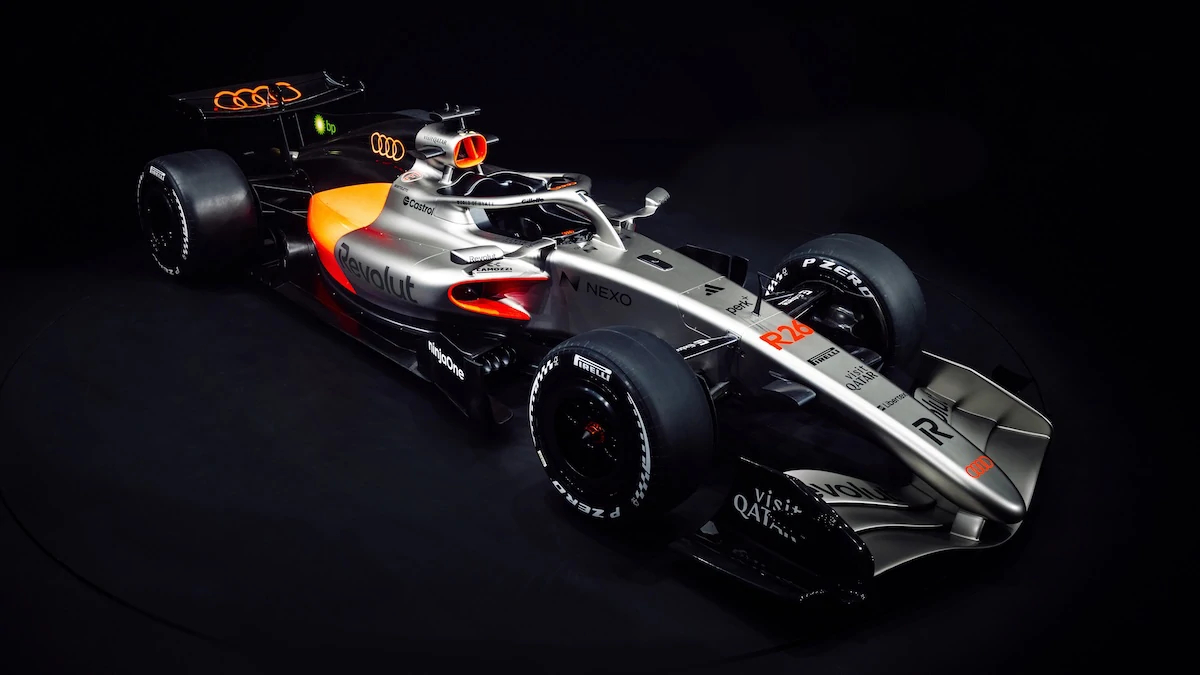
The new rules mean the cars will be lighter (down by 30kg), narrower, and shorter in wheelbase and width, with the aim of making them a bit more nimble. Aerodynamics get a big shake-up—less downforce (-30%) and less drag (-55%) meet moveable front and rear wings that allow switchable high-downforce and low-drag modes. More strategic distraction or a flurry of overtaking possibilities? We shall see.
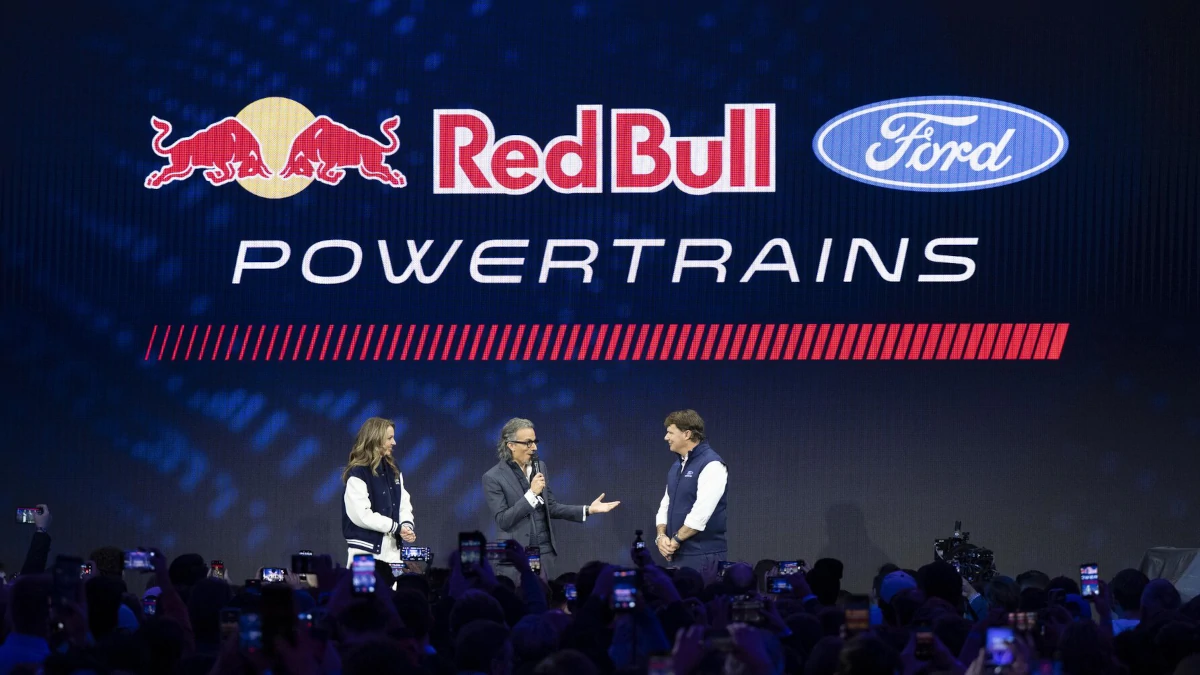
The power units are also changing: The V6 hybrid internal combustion engine stays, but the electric side gets a big boost and the split between ICE and electric moves closer to 50:50. We are saying goodbye to the famous overtaking aid DRS (drag reduction system), which is being replaced by an overtaking concept: a Manual Override style system (or e-boost to you and me) when close enough to another car. Sustainability, lower barriers to entry, and safety are all big themes: We’re talking advanced sustainable fuels, simplified power unit architecture, and more stringent safety structures.
OTHER STORIES YOU MIGHT HAVE MISSED:
Arriving soon? The next-gen hybrid Toyota RAV4 gets DOE recognition
Toyota PH issues customer satisfaction campaign for 103 Alphard and Lexus LM units
So, what will we get? Closer racing? Hope so, since that’s the whole point—more ‘wheel to wheel’ and less ‘damn, I can’t follow because of dirty air.’ Teams, engineers, and drivers are all going to have to adapt, too. That usually means innovation, unexpected winners, a few surprises, and a field with the potential to be blown wide open.
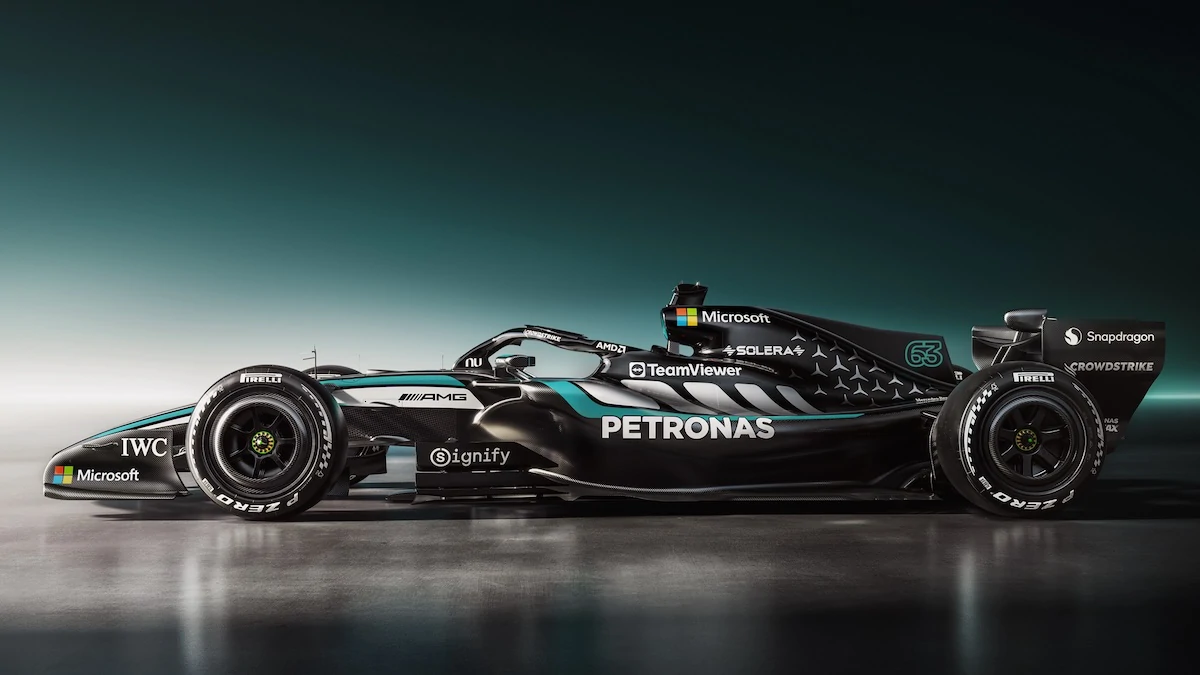
But why change for change’s sake? We’ve had some hugely compelling racing as the field has converged toward the end of this regulation cycle. Could messing with the recipe backfire? And could there be unintended side effects? Every regulation change has them after all...remember porpoising?
F1 is brilliant precisely because it never sits still and stagnates. It’s the sport that keeps asking questions of itself and pushing boundaries, which makes it energizing and inspiring to be a part of. If you stay static, you risk becoming boring, predictable, or irrelevant—especially with the wider world moving at such a pace.
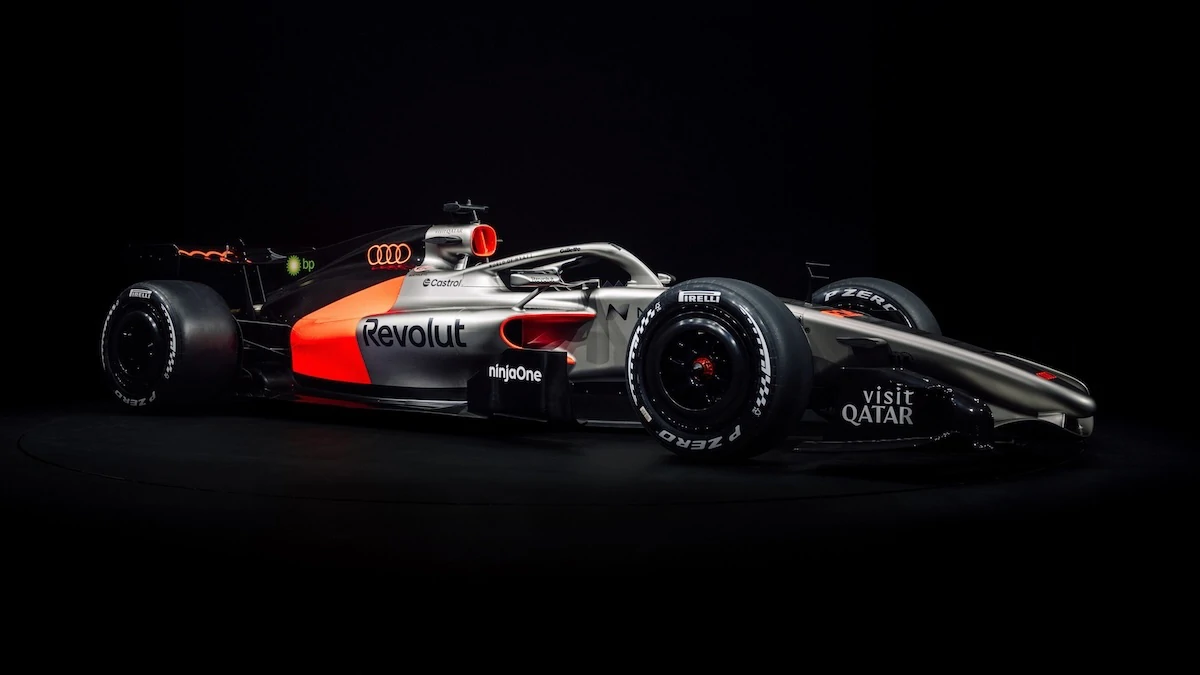
F1 changing its skin doesn’t mean it’s losing its soul. The very core of what makes it exciting—driver skill and team strategy—will still be there and stressed in new and interesting ways. So, let’s embrace the chaos and recognize that every rule change feels as uncomfortable as the last. Who knows where F1 will go next—a return to V10s and ditching the hybrid gubbins?
Stranger things have happened.
NOTE: This article first appeared on TopGear.com. Minor edits have been made.