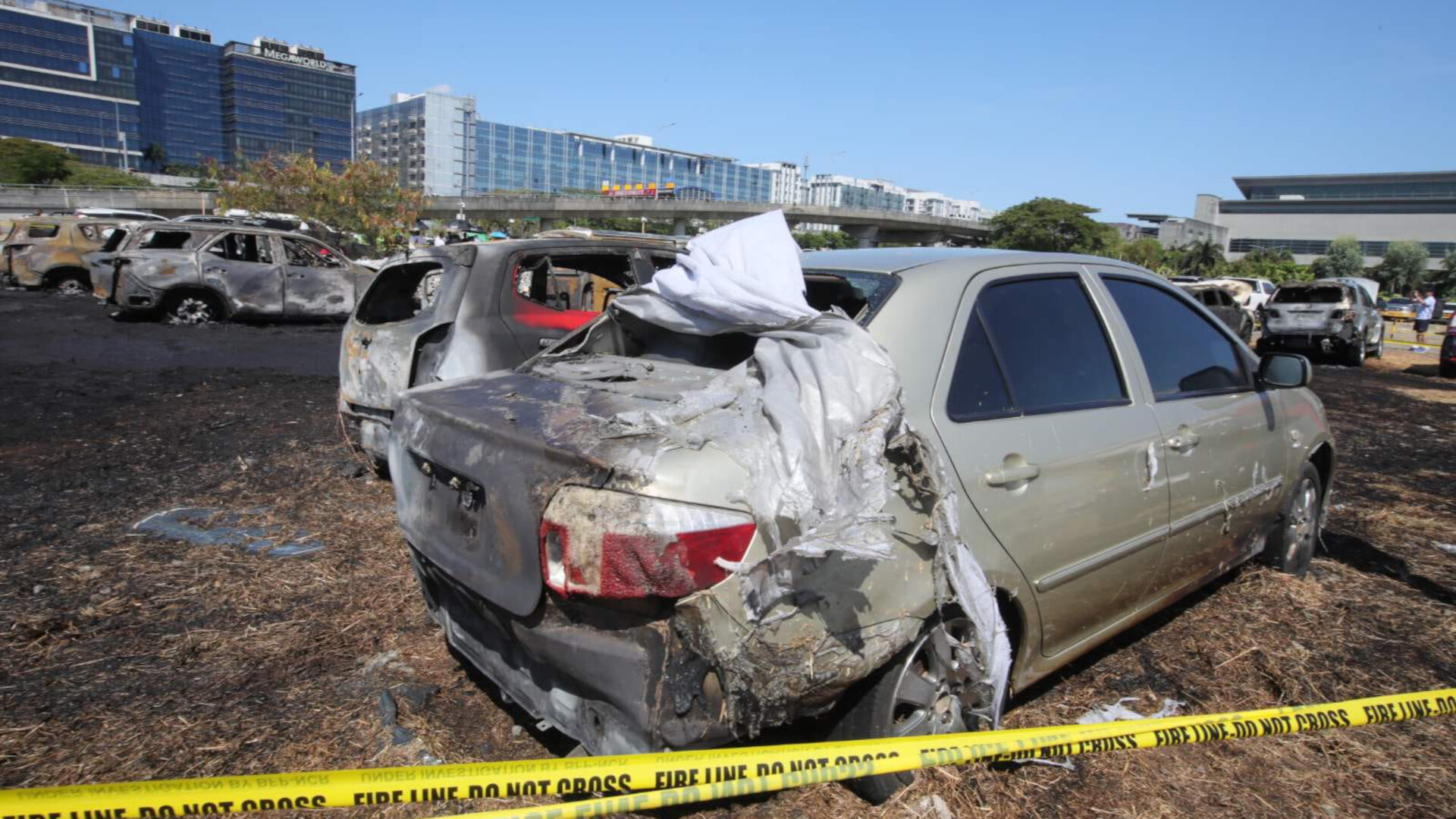
It’s been scorchingly hot this past month. But expect the heat to get even worse. PAGASA has warned of even hotter days and nights ahead. According to the weather bureau, the heat index in the country could reach 52 degrees Celsius, categorized as ‘extreme danger’ due to El Niño.
Sweltering summer heat means extra care should be taken for your family’s health and personal items whenever you go for drives. There are certain things you should never leave in a hot car such as pressurized canisters, lighters, and battery-powered electronics because of the danger of combustion. Food and medication could easily spoil or their shelf life shortened significantly.
But most importantly, you should NEVER leave the most precious cargo, your kids and pets, behind in parked vehicles. You think this would be common sense, but sadly, this still happens around the world.
There have been numerous incidents where babies and pets were left—either intentionally or unintentionally—inside vehicles by busy parents or caregivers on their way to work or errands, with some left for several hours in parked vehicles, leading to their untimely demise.
Back in 2018, an incident where parents left a two-year-old in a parked car with windows up and no aircon to go drinking in a Pasig bar caused outrage on social media. The child survived because a witness heard his cries at 4:00 am and alerted security guards. Earlier this year, two young children (aged 2 and 3 years old) were found to have died from suffocation after playing and being trapped inside a parked car in Pampanga. There have also been cases when pets were spotted in parked cars outside pet-friendly malls for hours.
What’s the danger of leaving kids and pets in cars?
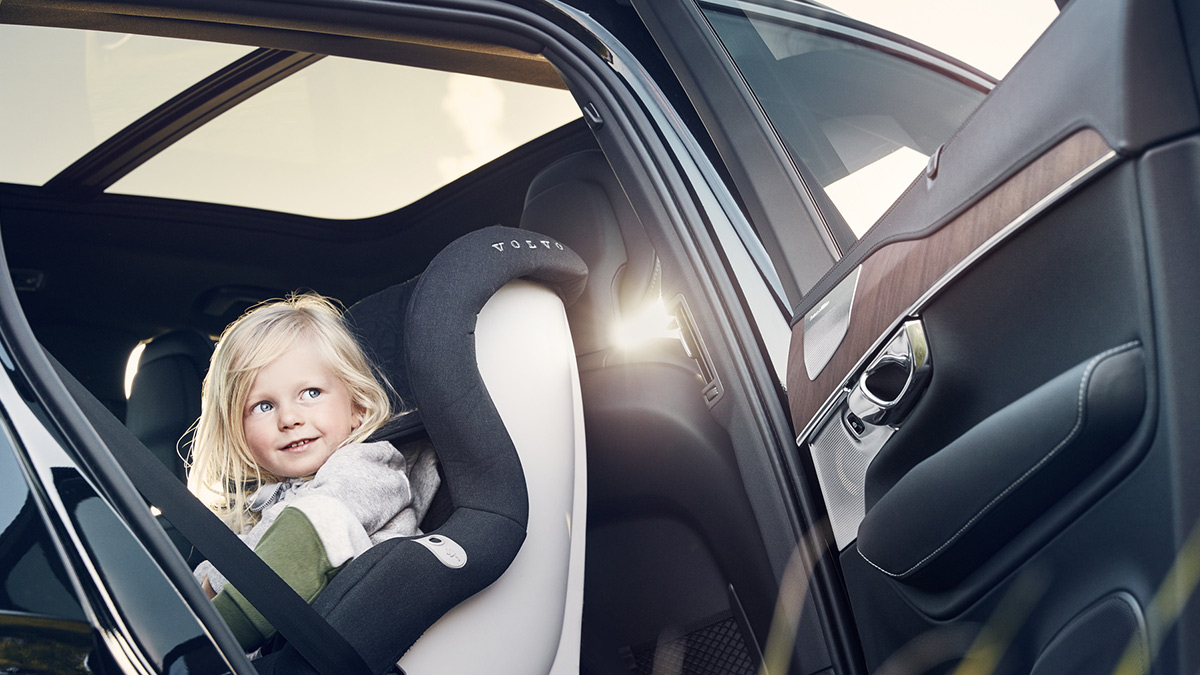
Anyone left in a hot car is in danger of vehicular heatstroke, the most serious heat-related illness. According to the Centers for Disease Control and Prevention (CDC), heat stroke occurs when one’s body is not able to cool down quickly enough by sweating because one’s body temperature rises rapidly.
When heat stroke occurs, the body temperature can rise to 106°F (41 degrees Celsius) or higher within 10 to 15 minutes. Heat stroke can cause permanent disability or death if the person does not receive emergency treatment.
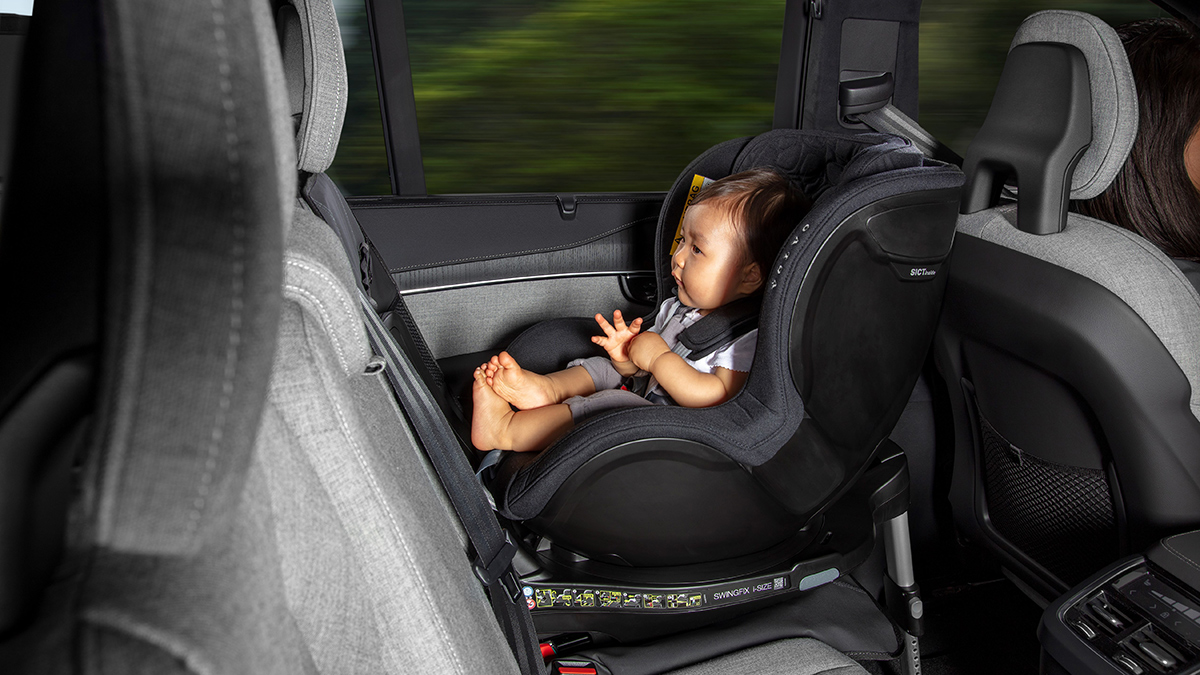
While the heat may seem bearable to adults, a child’s body heats up to 4 times faster than adults, making them more susceptible to heat stroke.
We all know that cars tend to heat up inside very quickly during the summer months. A U.S. National Highway Traffic Safety Administration study shows that cars parked in direct sunlight can reach internal temperatures of up to 51 to 82 degrees Celsius in the summer.
Once a child’s internal temperature reaches danger levels, major organs begin to shut down, causing devastating injury, permanent brain damage or death. Similarly, pet dogs or cats may also succumb to heat stroke after being left inside a parked car for too long given the high cabin temperature, even if you leave a window slightly open for air.
What should you do instead of leaving them in a car?
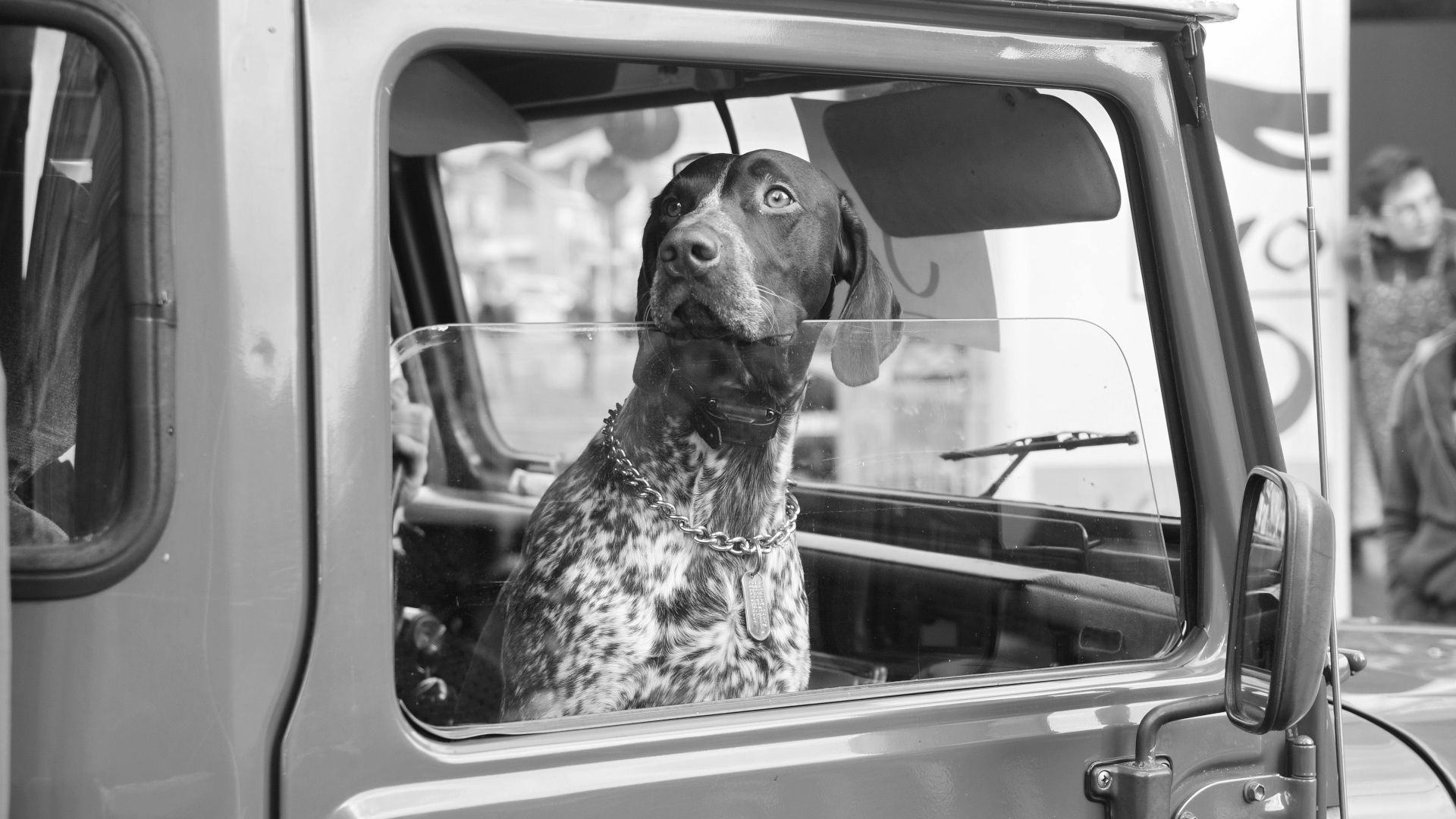
First of all, never intentionally leave a child or pet alone in a parked car, especially with windows closed and the engine/aircon not running, even if it’s just for a quick errand or to visit the restroom.
A lot can happen in a few minutes. Aside from putting their life at risk, leaving them unattended might invite criminals to take advantage of the situation. Well-meaning individuals, who believe they may be in distress, might also cause more harm to your child and your vehicle if they try to help.
If you need to run errands or go to the restroom, bring them along with you or leave them with a responsible adult such as your spouse/partner, a family friend or caregiver. For those with pets, opt to visit pet-friendly malls and establishments or simply leave pets safely at home.
Safety tips for parents and caregivers
But even if you don’t intentionally leave them, it’s possible to forget. Forgotten Baby Syndrome (FBS) is a condition wherein loving parents unknowingly leave their children in the car due to changes in routines, lack of sleep, stress, and other distractions. Since babies fall asleep and are quiet, it’s easy to forget them. Here are some safety tips to make sure you don’t forget.
- Make it a habit to always check the back seat before you lock the door when dismounting from a car.
- Place the child’s diaper bag or item in the front passenger seat as a visual cue that the child is with you.
- Leave something important you’ll need for the day in the back next to the child seat, such as your bag, laptop, wallet or cell phone, so that you physically need to open the back door to get it.
- Place the child’s car seat so that it’s not directly behind the driver’s seat. Having the car seat on the rear passenger side allows the driver to see the child more easily from the mirror.
- Ask your childcare provider or partner to call you right away if your child hasn’t arrived as scheduled. New parents should clearly announce and confirm who is getting each child out of the vehicle, to avoid miscommunication.
How to make sure children can’t get into a parked car
There have been cases where toddlers and older kids have ventured into a car to get a toy inside or play, only to be trapped inside. Here are tips to avoid that from happening from a factsheet from KidsandCarSafety.org.
- Keep vehicles locked at all times, especially in the garage or driveway. Ask neighbors and visitors to do the same.
- Never leave car keys and fobs within reach of children.
- Use childproofing knob covers and door alarms to prevent children from exiting your home unnoticed.
- Teach kids to ask adults if they need something from the car instead of trying to get it themselves.
- Instruct toddlers and older children to honk the horn or turn on hazard lights to signal for help if they get trapped inside a car.
- If a child goes missing, immediately check the inside, floorboards and trunk of all vehicles in the area carefully, even if they’re locked.
What should you do if you accidentally lock your kids in the car?
Most new cars won't auto-lock the vehicle when the keys are still inside unless you press a fob. However, some models may auto-lock no matter whether the keys are.
In case you accidentally left your keys inside the car after locking it or lost the keys and your child or pet is still inside, stay calm. Try obvious solutions first, like checking all four doors in case any are still open. Signal to them that you will get them and find a spare key at once.
It helps to stash a spare key inside your wallet or bag, which you’re likely to take that with you when you exit. You should also keep spare keys in an easily accessible location at home where other family members can easily grab them if needed.
If you don’t have spare keys, can’t get immediate help, and their life is in immediate danger, the last resort is to break a window to rescue them. Just make sure to break the glass furthest from where they’re sitting.
What should you do if you see an unattended child or pet in someone else’s car?
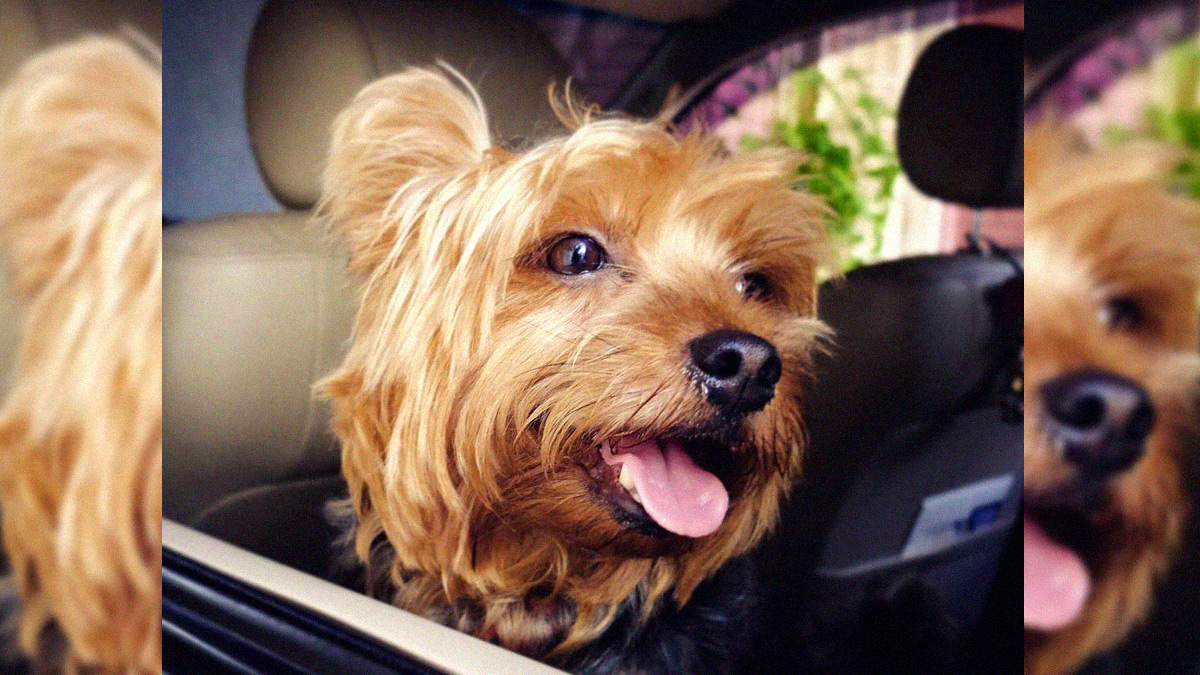
Look around to see if the driver is nearby and warn them in case they forgot altogether or let them know that they shouldn’t be doing this if it was intentional.
If you spot this with no other people nearby, don’t wait too long for the driver to return. Aside from capturing photos and videos as evidence, look for security guards or alert authorities at once, especially if you think the child or pet is in immediate danger. If the car is in the parking lot of a store, mall, or office building, the guards could help by paging the driver of the vehicle at once. You could also try contacting mall establishments directly through social media channels to alert them.
While most people would be wary about opening someone else’s car to avoid conflict with owners, you can still help alleviate the occupant’s discomfort. If the car is parked in an open area, try to provide some shade with with an umbrella, towel, cardboard box or any item to block the heat. Check if the pet has been left with water. If a pet is visibly panting and the window is slightly open, providing water could help.
Report the incident and call for help. Simply calling 911 from any phone, through a mobile phone or landline should connect you to the National Emergency Hotline which will give you further instructions or send help depending on the situation.
Are there any legal implications for leaving kids or pets in cars in the Philippines?
Republic Act 11229 or the Child Safety in Motor Vehicles Act, which was signed into law in February 2019, requiring the use of child safety restraints for children when traveling in motor vehicles specifically mentions that children should never be left unattended in vehicles.
Section 4 of RA 11229 states: “Notwithstanding the child being secured in a child restraint system, at no instance shall such child be left unaccompanied by an adult in a motor vehicle.”
Drivers caught violating the Child Safety in Motor Vehicles Act will be fined P1,000 for the first offense, P2,000 for the second offense, and P5,000 with a one-year driver’s license suspension for the third and succeeding offenses. Read more about the law here.
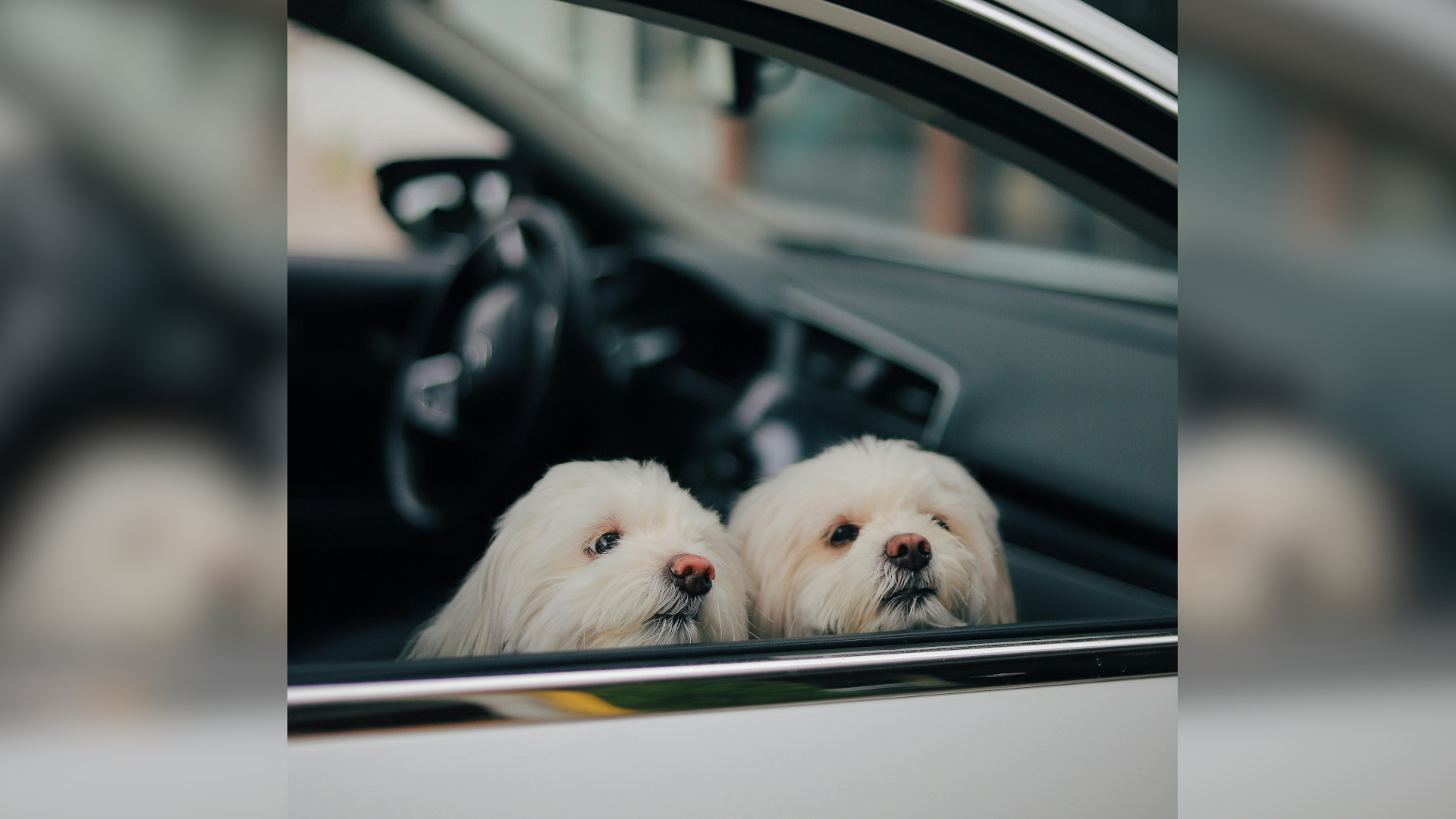
Meanwhile, Section 6 of Republic Act 8485 or the Animal Welfare Act of 1998 says: “it shall be unlawful for any person to torture any animal, to neglect to provide adequate care, sustenance or shelter, or maltreat any animals.” This is strengthened by an amended Republic Act 10631 or the Philippine Animal Welfare Act of 2013 which includes provisions on responsible pet ownership. The law imposes stricter penalties for animal cruelty, with higher fines and longer imprisonment terms for offenders.