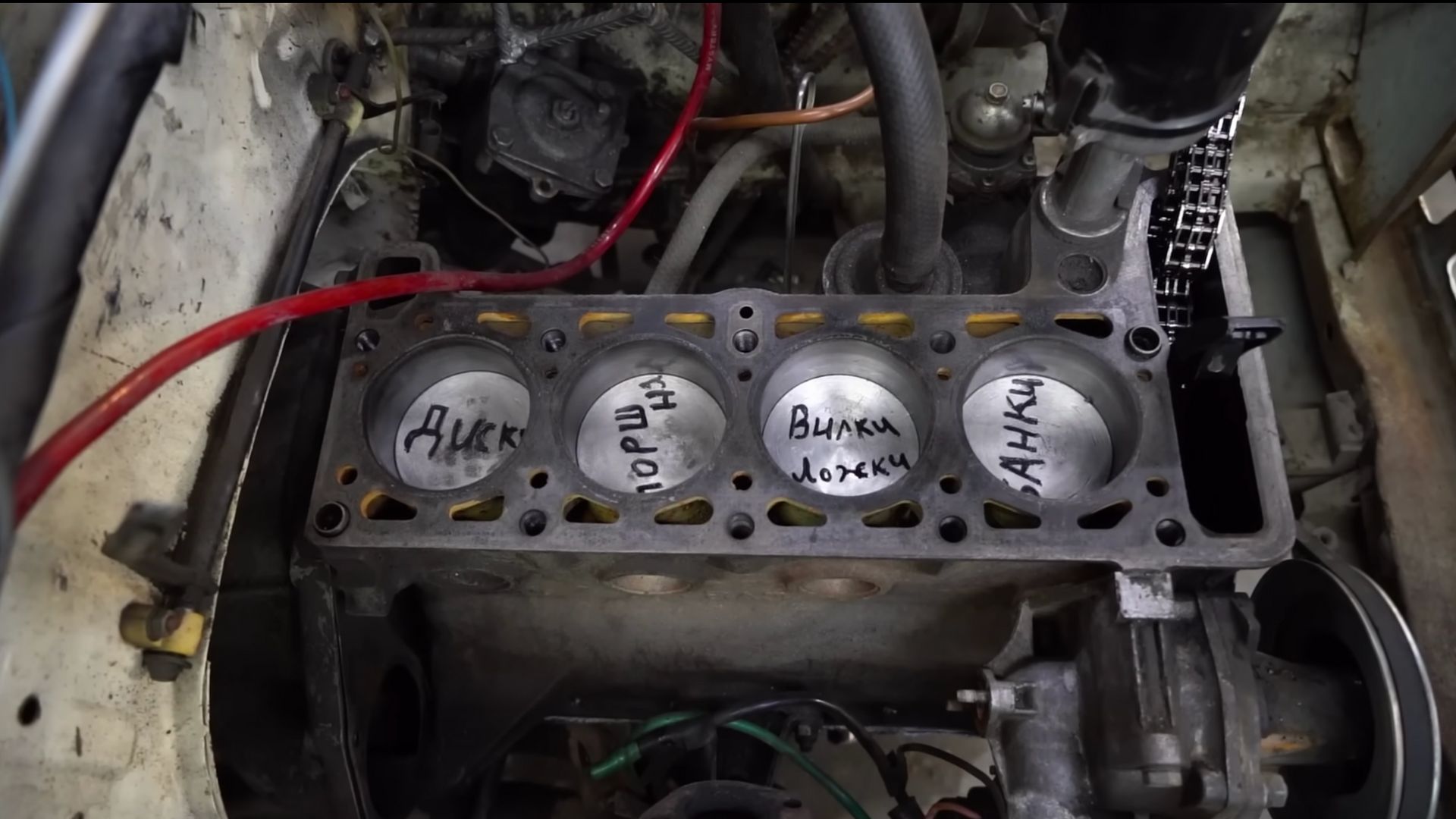
When you stop and think about it, engine materials are incredibly robust. They’re designed to withstand extremely high temperatures, all while dealing with mini explosions in the cylinders, a whole range of compressions, and also heat cycles.
There’s a reason why engines are made of complex aluminum alloys and, in older cars, cast iron. When it comes to pistons, these must be cast or forged, high-temperature resistant aluminum silicon alloys to cope with the serious demands of an engine. But what happens if you, say, make your own pistons from recycled materials.
OTHER STORIES YOU MIGHT HAVE MISSED:
What could be the four new Kia models coming here soon?
Three new bus routes will serve commuters affected by PNR closures
If you’re familiar with the Russian Youtube channel, Garage 54, you know what will happen next. If not, Garage 54 comes up with some of the wackiest automotive experiments and answers car-related questions you (probably) never thought of asking. So, for this week, they’ve gathered some cans, pots, pans, utensils, and a melting furnace to make DIY pistons. Garage 54 also chucked in old pistons and an alloy wheel because, well, why not.
After much effort and molding, the Garage 54 guys were able to make DIY pistons. They then proceeded to install it in a Lada engine for, um, testing. It’s a bit of a surprise that the car started and didn’t immediately melt the home-made engine part. Of course, it was bound to fail at some point, but to find out how long it ran, check out the video below.