Mobility in a rapidly expanding and crowded urban environment is evolving. Changes are steered towards the path of least resistance. The use of electric vehicles, particularly the affordable kinds, has seen that kind of resistance even from government regulatory agencies. The growth in acceptance has been accelerated by the need for personal transportation amidst our inadequate, unreliable mass transit system.
With wider adoption allowed by enabling rules, electric bicycles, tricycles, and mopeds can share the roads with conventional motor vehicles and pedaled bicycles. Bike lanes are more common now, though they need a lot of infrastructure improvement to make them more accessible and safer. Road safety, has to be said, is for everyone, including pedestrians.
ALSO READ:
Watch: How does the Sundiro Honda S07 fare on PH roads?
Is the Muji Honda MS01 as impressive as its sleek looks suggest?
The wide variety of e-bikes, e-trikes, and powered pedal boards have changed how we move around our communities. Low-cost options, road use regulations, and varying portability have made them ubiquitous and useful modes of transport.
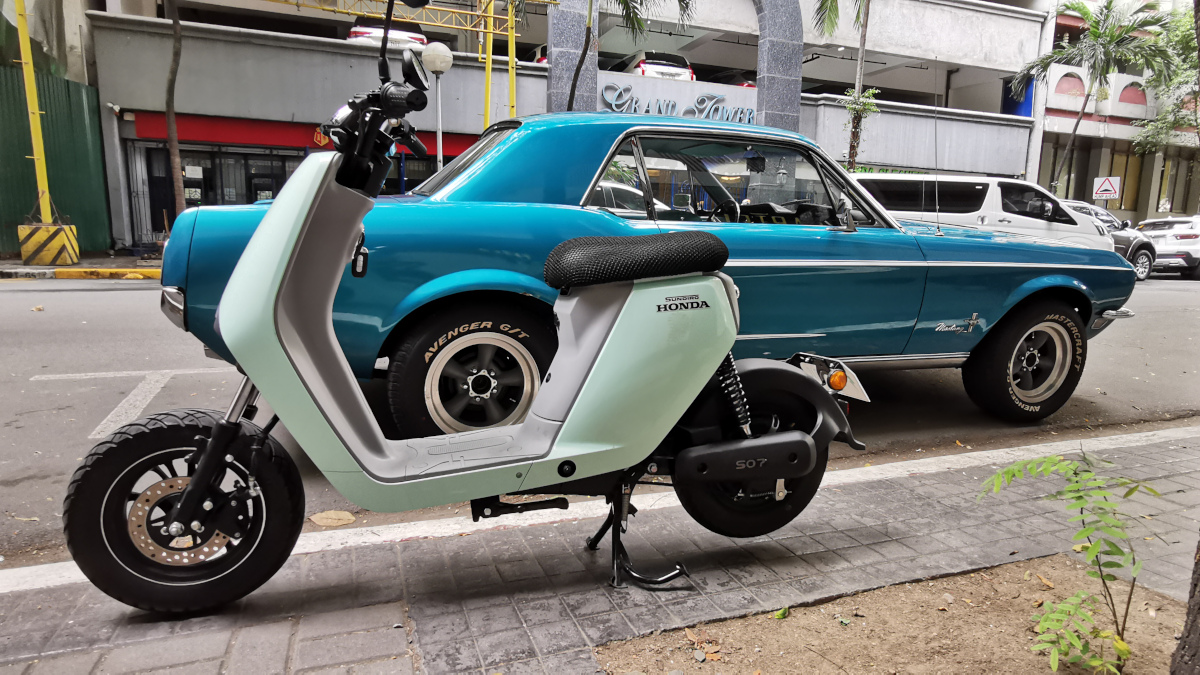
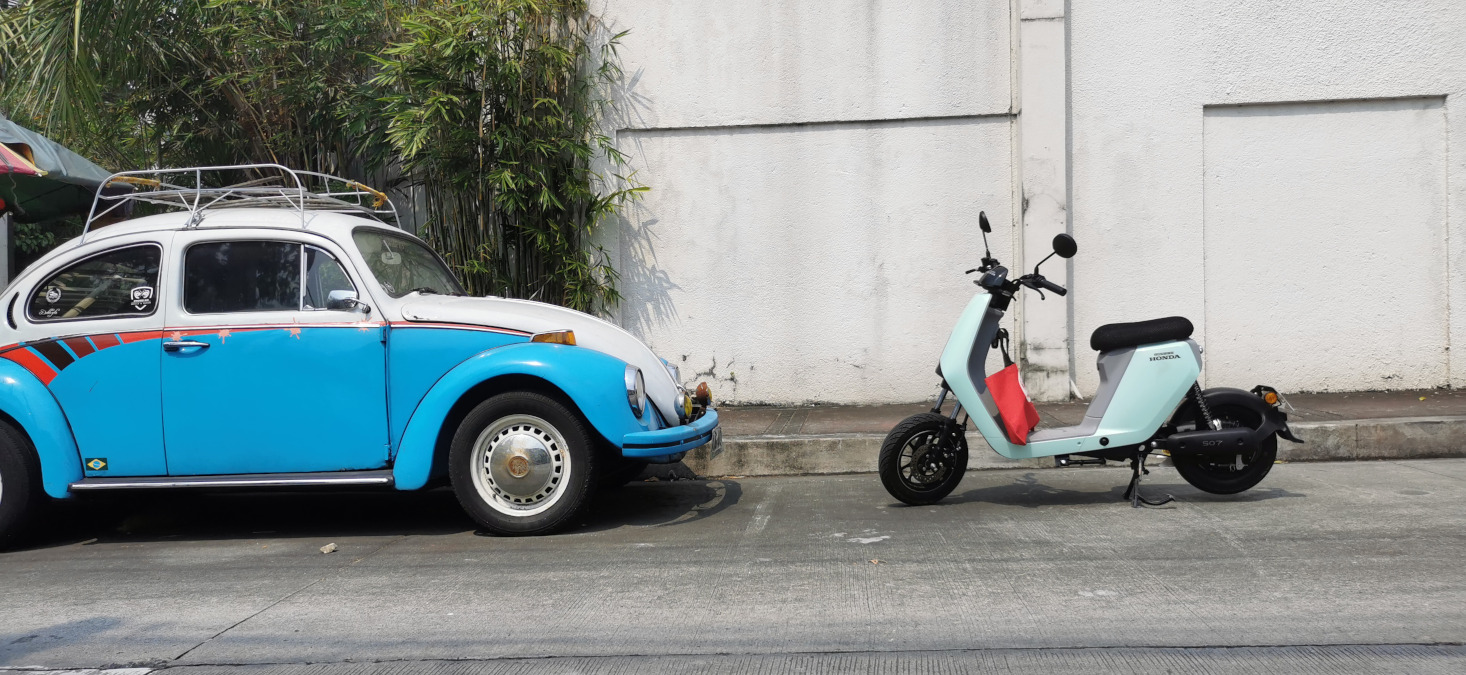
Those who have them swear by how handy they can be and have incorporated them into their daily lives. The Sundiro Honda S07 is aimed at someone with an upscale lifestyle. But even its steep price of P75,000 does not deter the average commuter from considering it. Acquisition cost is the same as the popular single-cylinder, internal-combustion-engined scooter, but buyers can save money elsewhere. Maintenance costs are minimal, electricity is cheaper and better than gasoline or diesel. There are no recurring expenses like annual emission tests and registration renewals, and there’s no need for a driver's license.
Compared to electric bikes in any class, the S07 is well-designed. Every component functions as it should and features are utilized but rarely noticed because as they say, “great design is 99% invisible.”
The 13kg battery pack occupies most of the underseat space and you can easily pull it out, carry it indoors, and conveniently charge it at your bedside table. Plugging the charger while the battery is installed is an option. The suspension is excellent, tuned for comfort with an average-sized rider and minimal cargo—more on that later. The hub motor pulls with the same torque as a 125cc-engined scooter, but with less than half the curb weight plus instantaneous torque delivery, it flies off the line.
OTHER STORIES YOU MIGHT HAVE MISSED:
Slept on the bus and missed your stop? This guy woke up in the next town and missed class
This rider’s attempt to cheat the motorcycle dress code is just... baffling
Wheel speed, though, is limited by the electronic controller to 25kph. It can be reprogrammed to allow a maximum speed of around 50 kph, but this boost is at the cost of mileage per charge. Instead of the manufacturer-quoted 70km range, it will be less. Even at full power to keep up with traffic, riding across the metro for over a distance of 20km decreased the battery strength indicator by just one bar. At maximum load, the battery indicator declines by two or three bars reflecting how much amperage the electric motor draws. Going up steep inclines is where there is noticeable lag in power from the 400W motor. If you compare that performance with an ICE scooter, it's slow. But if you think of it as a motorized bicycle, it’s fast.
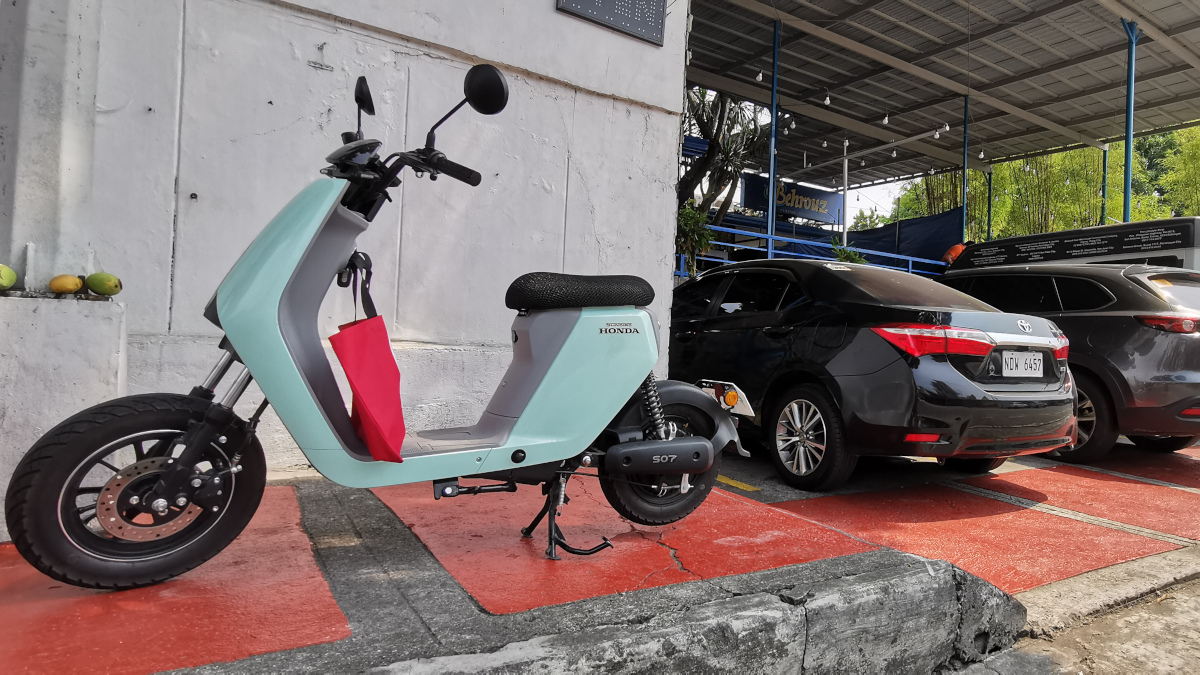
As a backup, the S07 has a sprocket on the rear hub which can be driven by a chain and detachable pedals. I don’t think owners will leave the pedals and chain on given its typical use and long battery duration. I reckon a fully charged battery will last most extended trips, even if you continuously charge a phone on the USB port located under the five-inch negative LCD display. LED headlights, turn-signals, and brake lights are bright and power-efficient too.
The small 10-inch tubeless tires offer plenty of grip and the front disc and rear drum brakes are more than adequate. That combination plus the 50kg curb weight makes the S07 astonishingly nimble. Similar to a scooter, the center and side stands are standard.
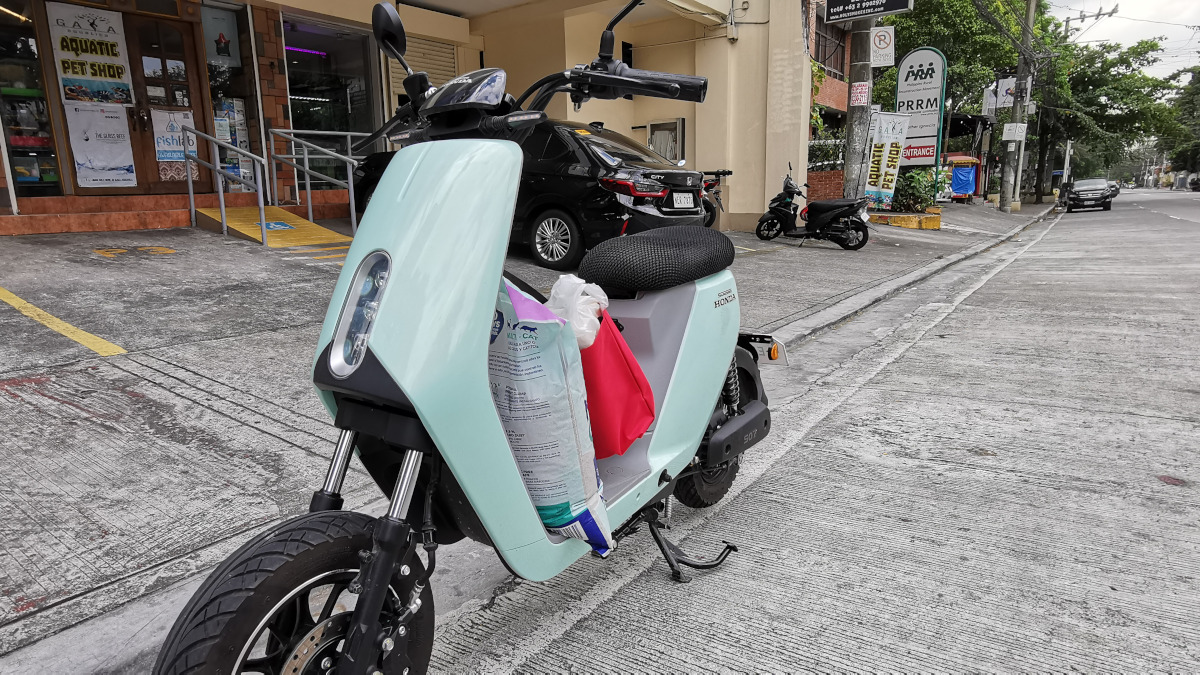
As a recreational bike, it’s a lot of fun. Going at a decent pace over a speed hump, it can actually jump and land with finesse thanks to the superb suspension. Giggles galore. As a service bike, there isn’t as much space to carry baggage. The floorboard is narrow but I could fit a 10kg bag of kitty litter, and an eco-bag hanging on the front hook can carry a couple of trays of eggs. A backpack can haul more payload if needed.
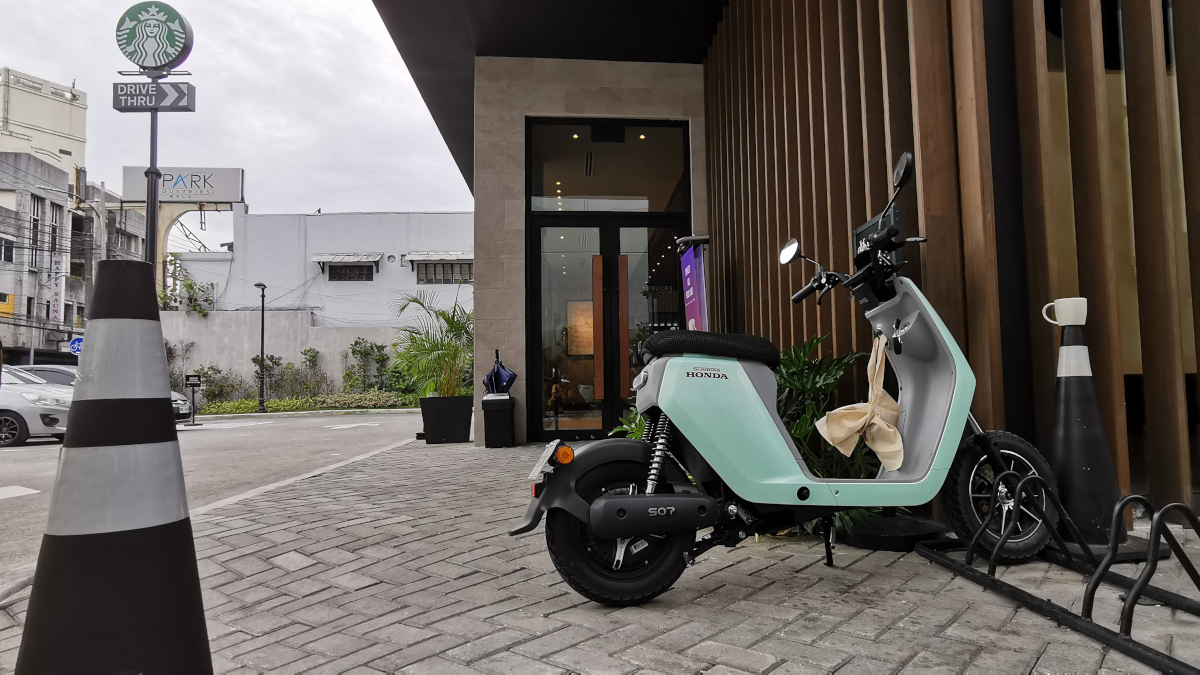
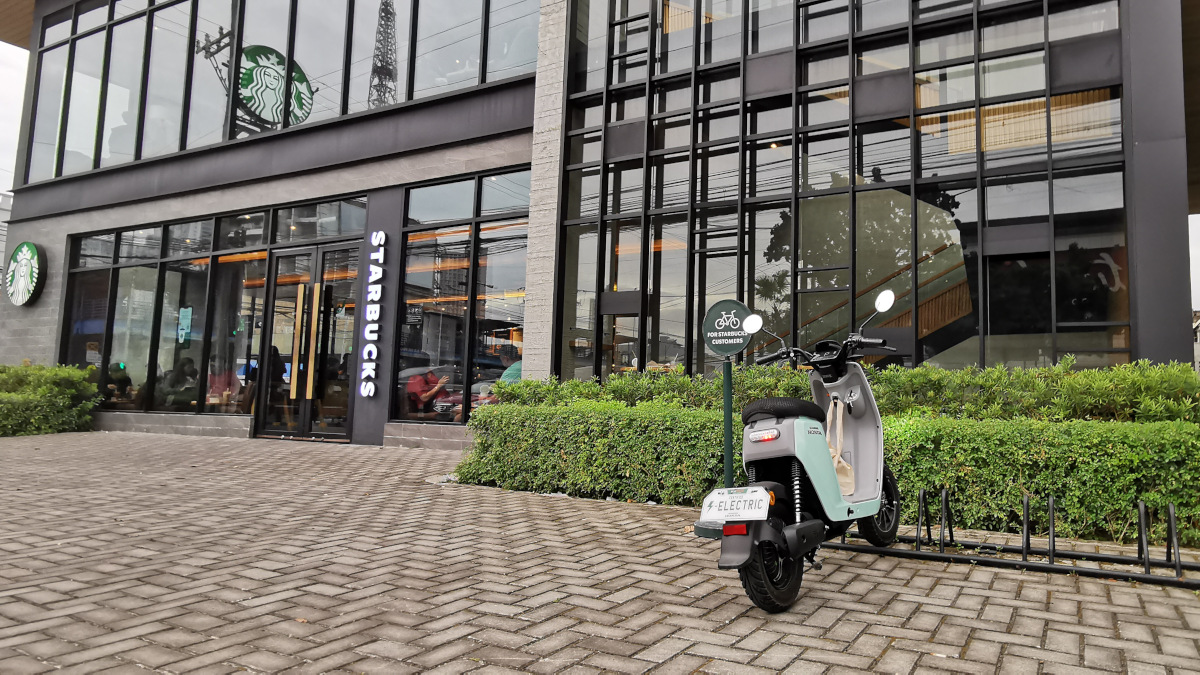
It's so light and compact that condo-dwellers may be able to bring it up to their unit, if it fits the service elevator. Or they can leave it in a bicycle rack, with the security alarm on. Inside a gated village, it’d be a noiseless, carefree stroller. In a crowded city, it could be a practical runabout for errands. It can be a ‘cafe racer’ to the nearest or furthest coffee franchise to get a caffeine fix.
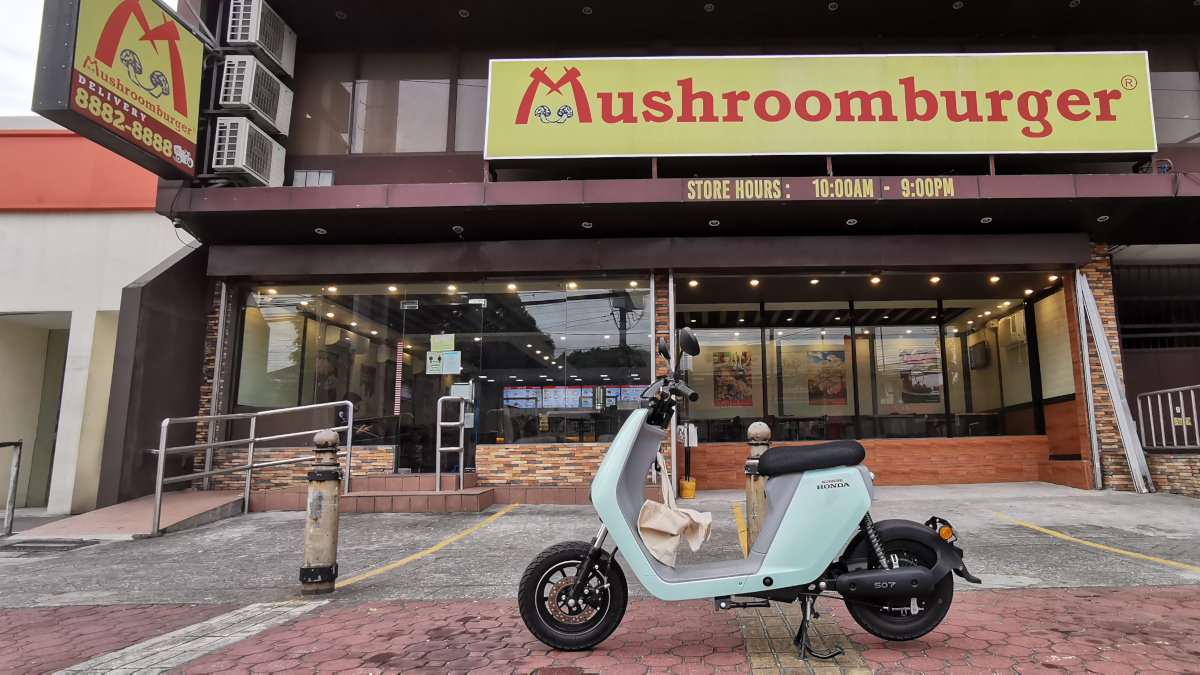
I’ve used it for commuting to work. Granted it’s a short 2km hop, it’s faster to ride it than to drive a car and park. If my workplace allowed it or had the space for it, I’d probably bring it inside the locker room. Surprisingly, the supermarket I frequent allows e-bikes to park in front of the package counter.
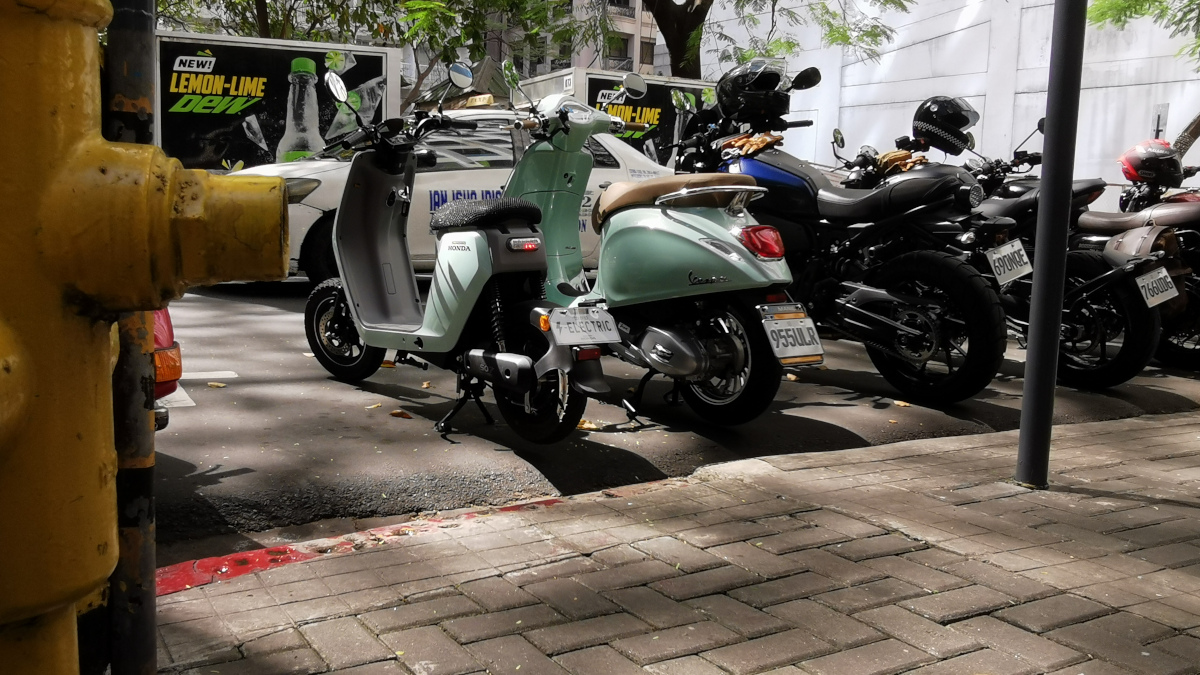
The usage of e-bikes is expanding. And while supporting facilities like dedicated parking spaces, curb cuts, and ramps for commuter buses and trains are already existing, they’re not yet widespread. If local governments find ways to make bike lanes truly protected for all road users, it may create a shift in the mobility paradigm.
Electric vehicles are already beyond novelty—they are the tip of an imminent transport revolution.