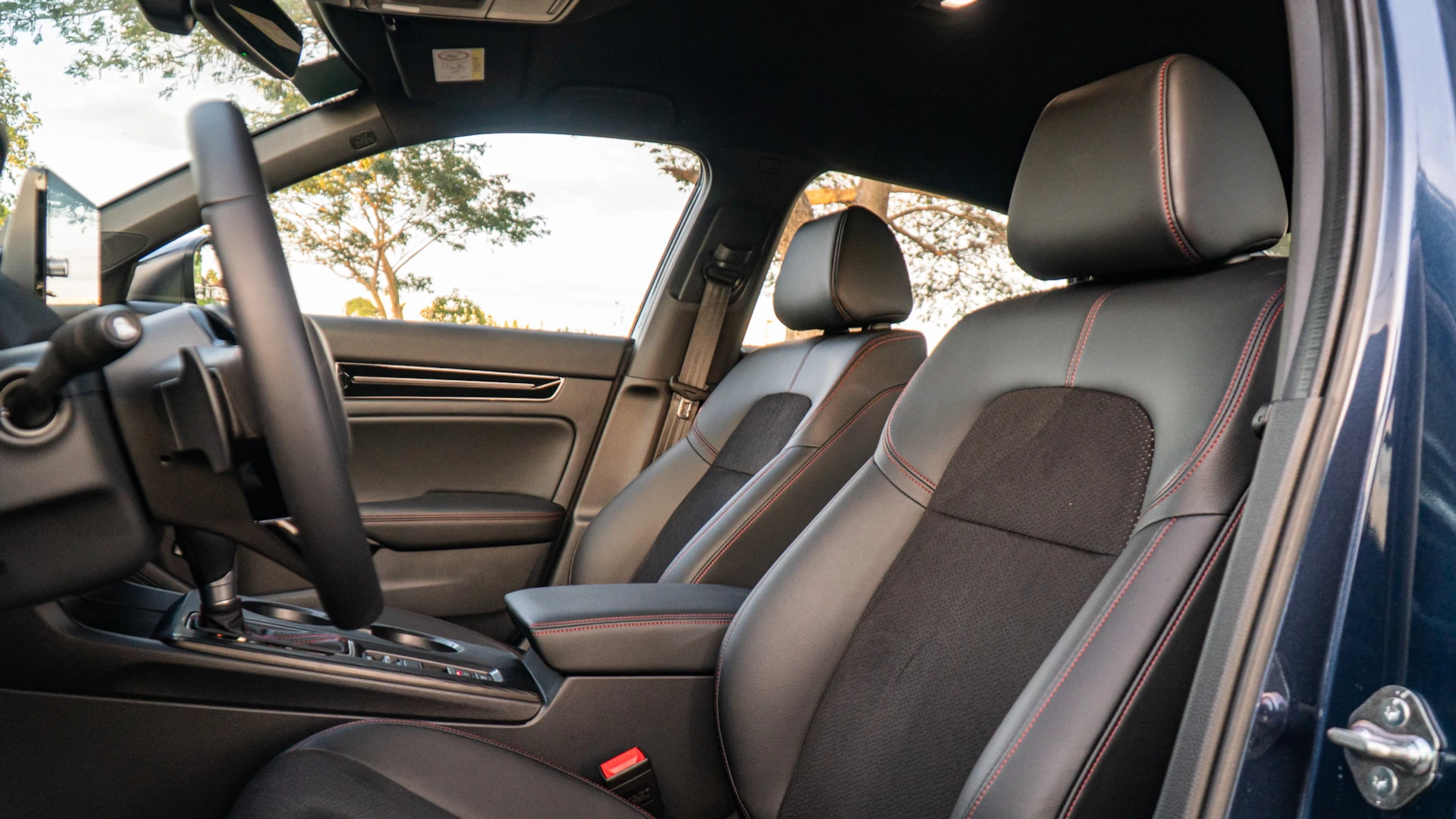
As car brands compete to offer the best value for money in the market today, several amenities and features have trickled down to more affordable trims. Once reserved for range-topping variants, you can now experience several creature comforts in mid-spec or even base models.
Sitting in the driver’s seat, two features are particularly helpful: seat ventilation and power adjustment. These are steadily becoming more accessible in the market, and both make vehicles that much more liveable. That said, if you could only have one of these features in your car, which one would you rather have?
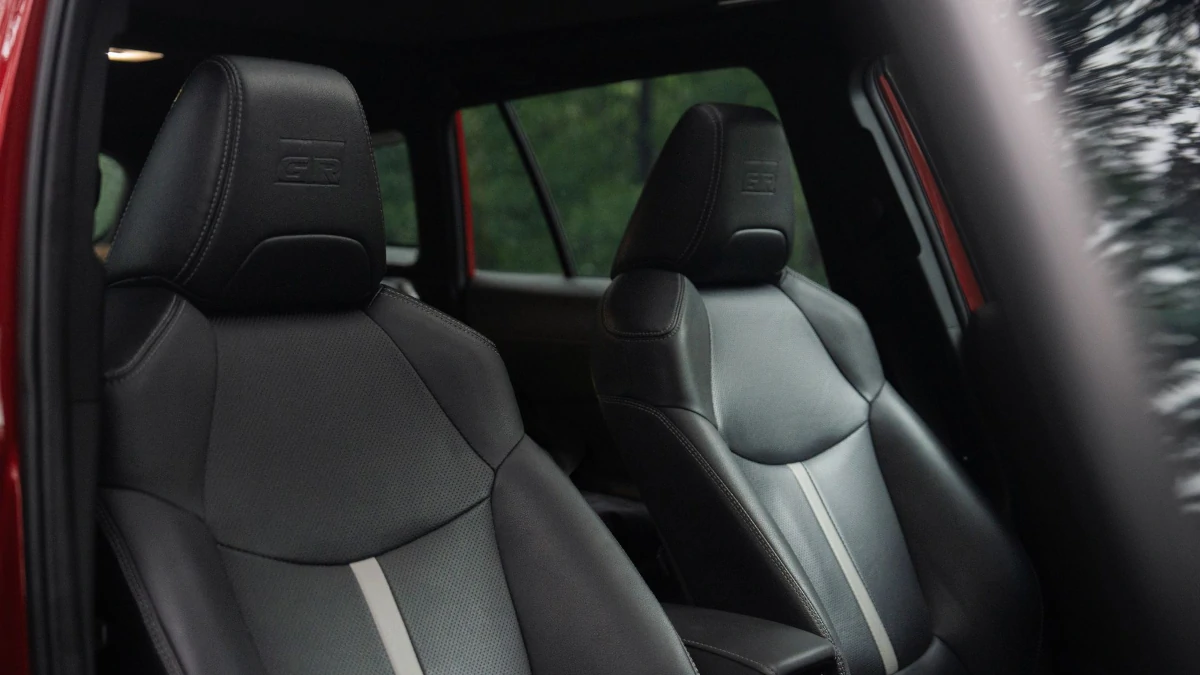
Let’s start with power adjustment. This offers a straight upgrade over mechanical levers and sliders used for, you guessed it, adjusting your seating position. It doesn’t sound that crazy on paper, but it’s a significant quality of life improvement when you’re actually in the car. It saves you from having to do acrobatics to find your ideal driving position, and there’s much less telling your passenger, “yeah, use that lever—no, your other left” when they ask how to slide the seat backward.
OTHER STORIES YOU MIGHT HAVE MISSED:
Modern essential: Why remote engine start should be standard in 2026
This is what the inside of Geely’s upcoming premium SUV will look like
Granted, not all power adjustment systems are built equally. Most modern cars have decently intuitive controls for power adjustment these days, but there are still real head-scratching controls out in the market. There’s also the fact that you sacrifice speed for convenience with power adjustment. Your seat can only adjust itself as quick as the electric motor can spin, which isn’t too fast since manufacturers want to provide you with fine control. Speaking of electric motors—what if they go out on you? Hopefully, your car’s manufacturer has manual options built in.
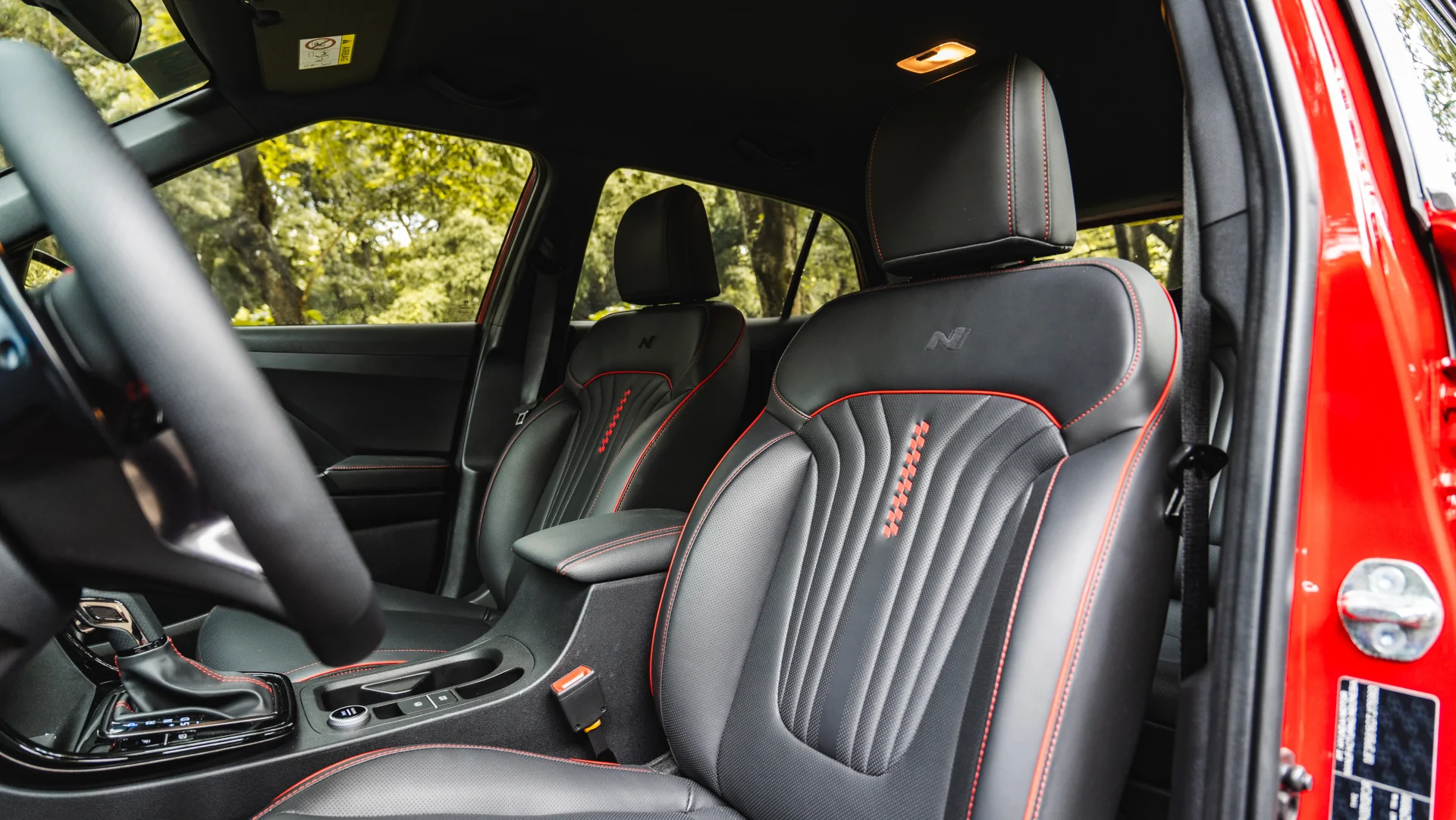
On to ventilated seats. Like it says on the label, this feature hooks up your seats to the car’s air-conditioning system to provide comfort and mitigate heat buildup during extended stretches of driving. Depending on the spec, this feature could be on a simple on/off toggle or could come with different levels of strength. Besides the obvious comfort benefits, it also helps protect the perforated leather by preventing sweat from building up and soaking the upholstery.
As with power adjustment, however, having a ventilation system in your seat adds another point of failure. If debris somehow infiltrates the system through the seat perforations or elsewhere, that’s going to be a costly repair. Also, vent placement varies from one seat to another. I personally prefer to have the ventilation towards my upper back and under my lower thighs; my car’s seats has its vents focused mostly on the lower back. Unlucky.
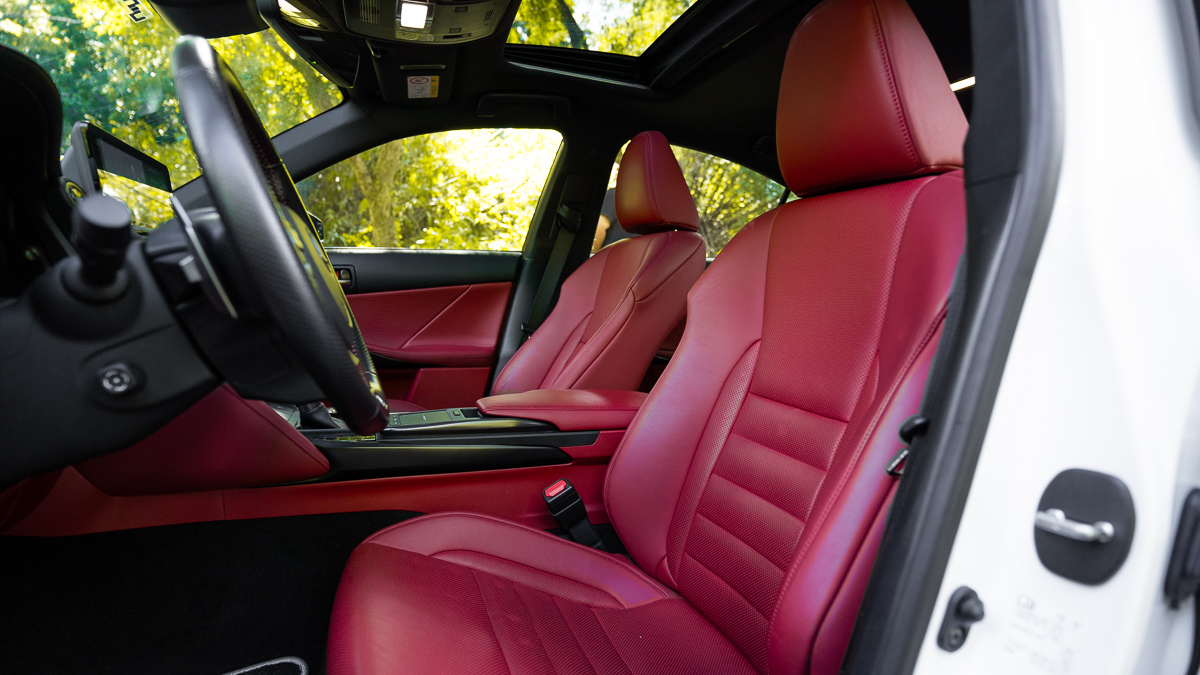
So, which one are you sticking with? Both have their own pros and cons—one or the other might not even be available in the new car you’re eyeing. Regardless, I think I’d stick with ventilated seats. Living the climate we have, it just comes in handy more often. Don’t get me wrong, power adjustment makes life easier too—but after getting spoiled by self-cooling seats, I find myself missing them when I hop in a car and need to deal with the heat for a while before the A/C spins up.
What say you, though? Sound off in the comments and let us know what you think.