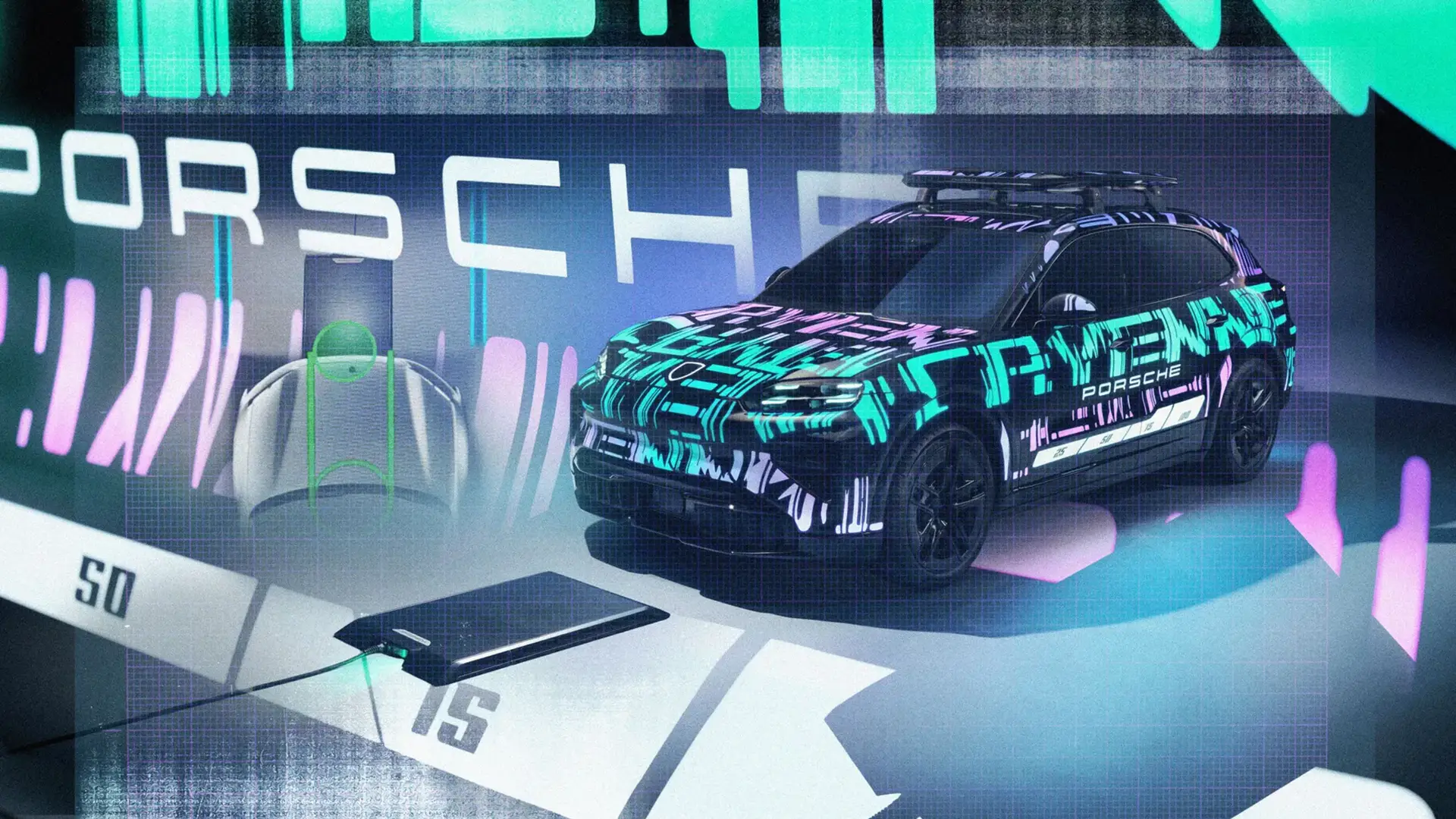

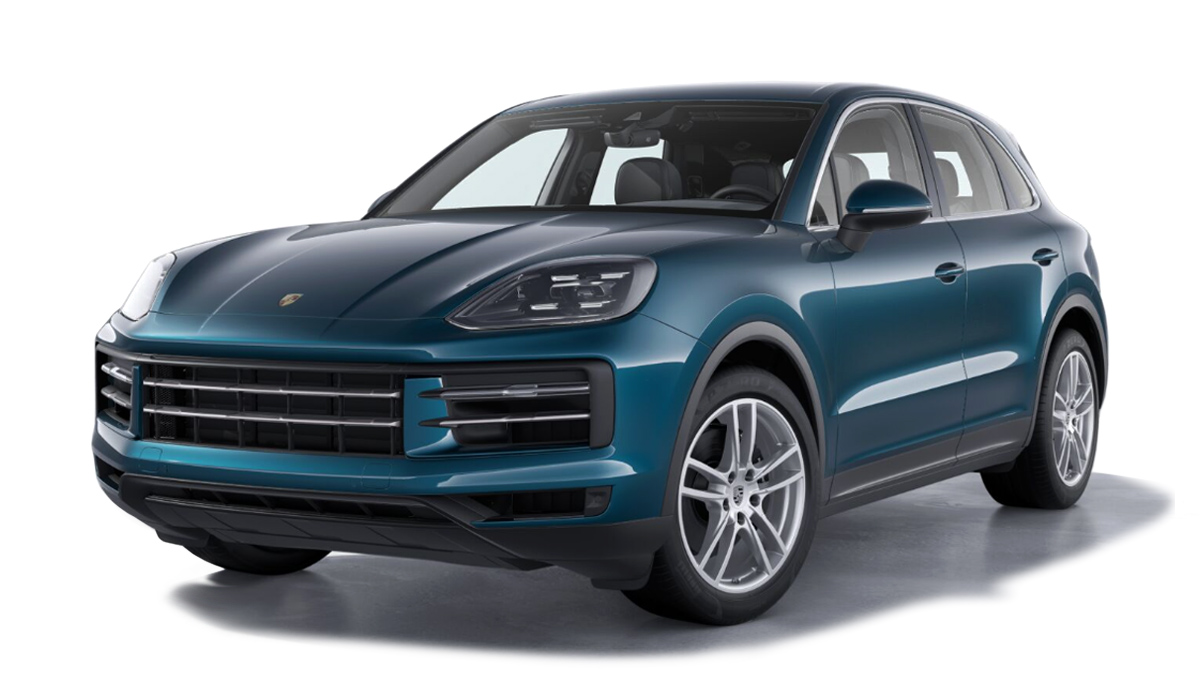
The electric Porsche Cayenne looks like it will be the world’s first car where you can option wireless charging. Fortunately, there’s now a defined standard for this—SAE J2954. It’s neater than trailing wires, and wouldn’t need socket boxes mounted on walls or poles. It’s a boost for disabled drivers who find heavy cables and plugs a struggle.
As with a Qi phone charger, the pad on the ground contains coils powered by alternating current, producing an alternating magnetic field. That induces a current in the coils in the charged device or car. For your phone, the pad and the device need to be touching. In a car, there’s an air gap. The Porsche reduces it by lowering itself on the air suspension. It can charge at 11kW, so efficiency is comparable to cable charging.
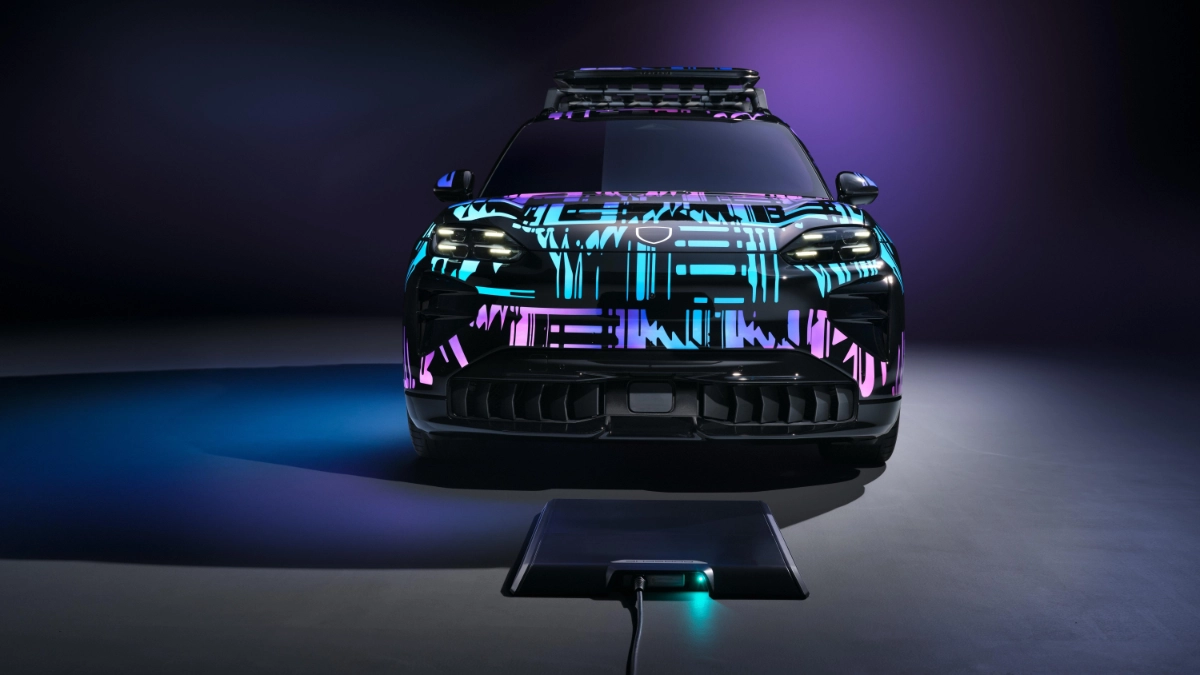
The ground coil sits at a tiny standby power all the time. The approaching car senses this and uses triangulation between a set of small auxiliary coils to figure out the position of the ground pad, so the car’s display helps you to maneuver into the exact spot for charging. That part of the standard is called Differential Inductive Positioning System (DIPS).
OTHER STORIES YOU MIGHT HAVE MISSED:
Review: 2026 Chery Tiggo rEV Luxury Edition C-DM
Hyundai buyers can win a brand-new Santa Fe this January
Full charge power then begins automatically, or whenever you’ve set the car’s app to take advantage of cheap electricity. Don’t fret about your pet or the local wildlife: a motion detector cuts power if a creature crawls into the warm, snug space between car and pad. There’s also protection against metal foreign objects, which would get hot otherwise.
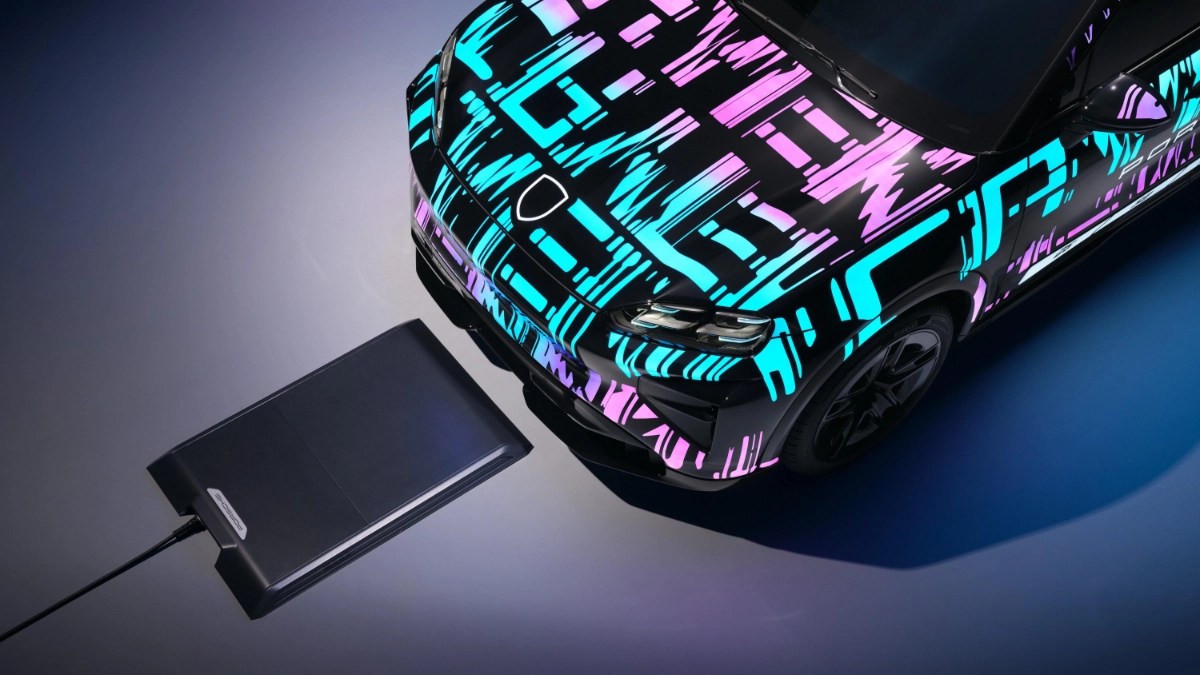
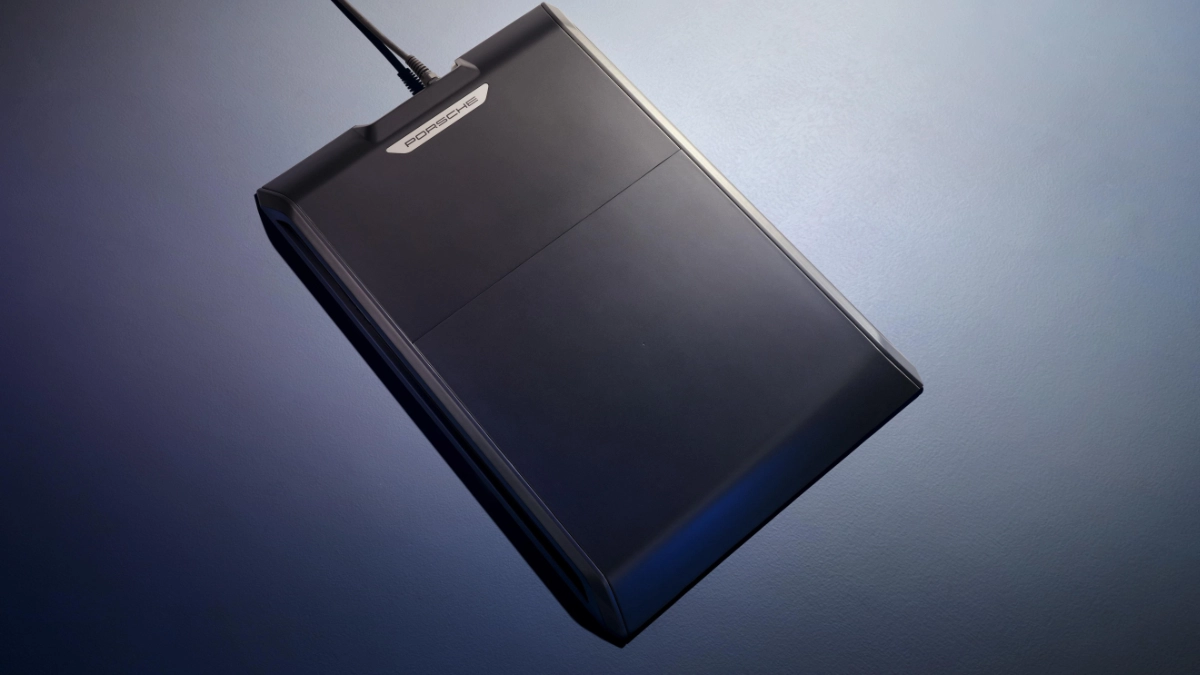
It’s going to be an expensive option at £5,000 (around P396,000) plus. As well as needing armoring for both the ground and vehicle pads, the electronics aren’t simple. The ground pad takes 50Hz AC from the mains, then converts to DC, then back to AC at the standard 85Hz.
On the car side, the 85Hz current coming out of the pad coils is converted to DC and feeds directly into the battery. Because different cars have different battery voltages and charge systems, you can’t just strap a universal accessory pad under your car and hope for the best.
Since most car charging happens at home, this’d be a very frequent saving of a couple of minutes a time versus wrestling with a cable at the start and end of a charge. Adds up in the life of a busy Porsche driver.
NOTE: This article first appeared on TopGear.com. Minor edits have been made.