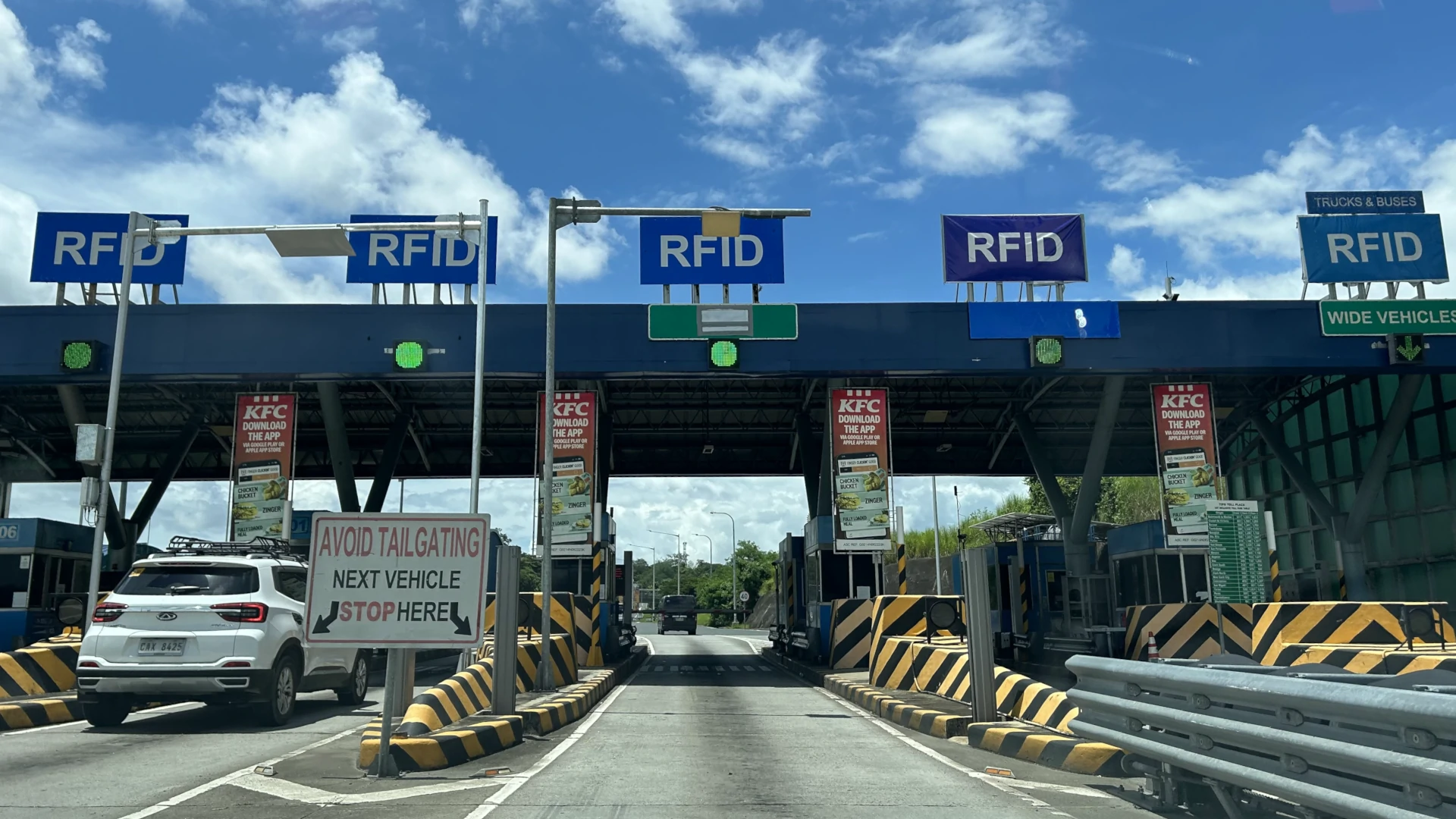
Concerns have risen among motorists ever since the Department of Transportation (DOTr) mandated toll concession holders to implement cashless systems.
Passing through expressways now uses radio frequency identification (RFID) for automatic tracking. The cashless electronic toll collection (ETC) systems and RFID stickers are supposed to make the toll payment process seamless and faster by eliminating the need for long stops and cash transactions.
In the past, some motorists claimed they didn’t want to get RFIDs since they don’t use tollway roads regularly and still prefer to pay in cash. Then there are the very valid concerns about scanners not working properly. Since RFID relies on wireless transmission of signals between readers and tags, interference could mean the system won’t work automatically all the time.
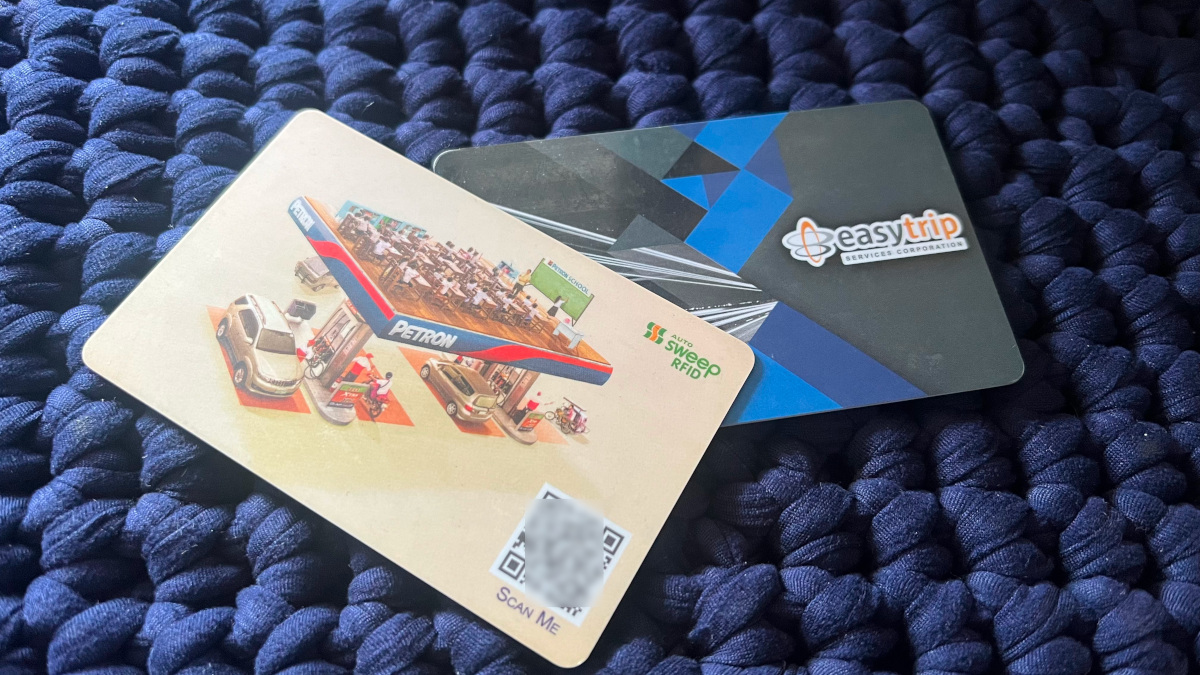
It doesn’t help that there are two separate systems in use causing motorists confusion. Autosweep RFID is required for SLEX, Skyway, NAIA Expressway, STAR Tollway, TPLEX, and MCX (Muntinlupa-Cavite Expressway). Easytrip is the RFID system for NLEX, SCTEX, CAVITEX, CALAX and C5 Link.
If you encounter problems during the scanning process of your RFID stickers, here are some possible causes they aren’t being read properly and what you can do about it.
ALSO READ:
What should you do if your brakes fail?
How to use Grab’s Advance Booking for airport trips
Wrong RFID sticker placement
According to the Toll Regulatory Board (TRB), a common cause of RFID stickers not being read by scanners is that they are installed in the wrong place so it’s difficult for sensors to detect them. If stickers are placed incorrectly on vehicles, they may not align well with the reader or are more prone to damage.
The TRB says the best location for your RFID Sticker to be installed is at the non-tinted, top middle portion of the vehicle's windshield, as it is not prone to external damage. Take note that the RFID tag should be placed in the interior of a car, as putting it on the exterior of your windshield will cause it to get damaged especially if it’s in the way of your wiper blades.
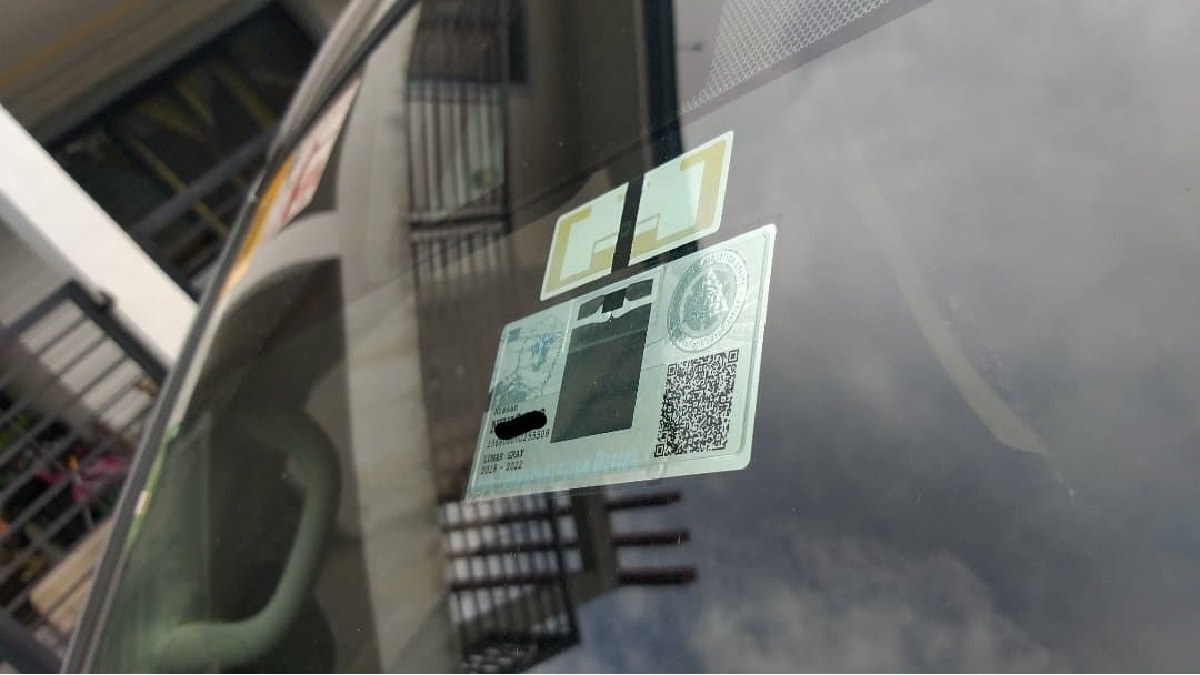
Formerly, Autosweep and Easytrip stickers were installed on either the windshield or the headlight. However, the TRB will soon ban placing RFID stickers on headlights, since this is a major cause of sticker damage.
Vehicle owners can't simply remove their existing RFID stickers or get a new one if their vehicles are already associated with existing RFID accounts. If your RFID sticker has already been installed on your headlights, don’t tamper with it. Instead, go to a designated RFID installation site so they can reinstall the sticker properly for you.
Damaged stickers
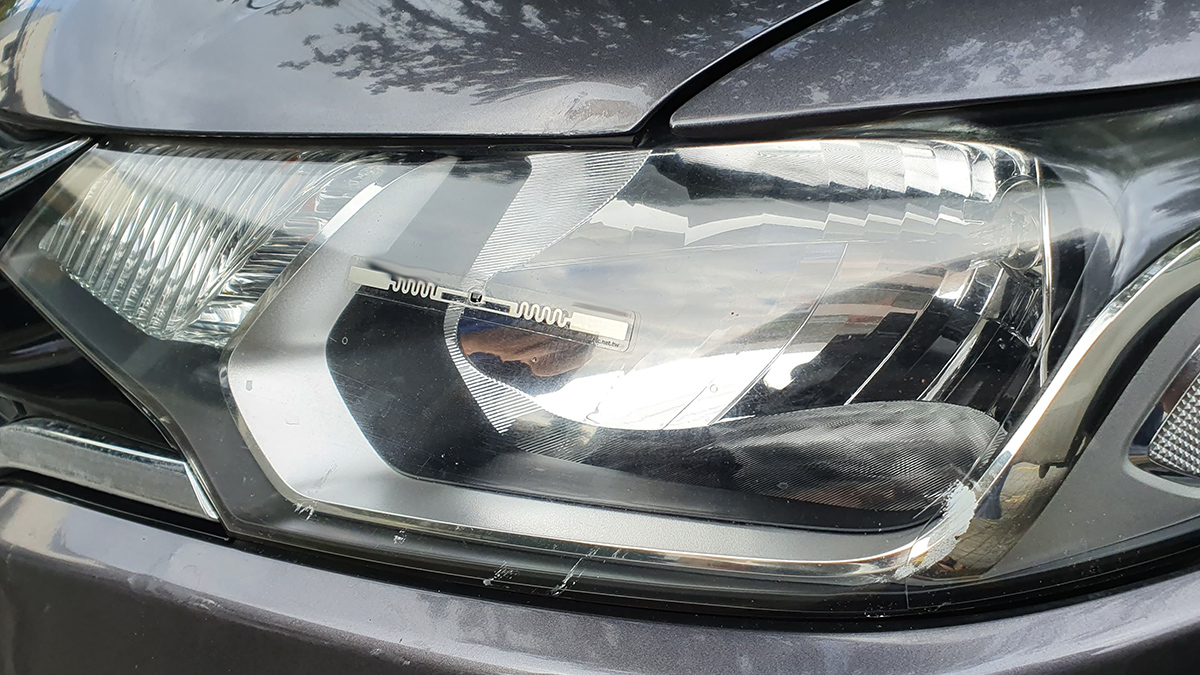
Damaged RFID stickers (especially those installed in the headlights) are another reason why they are not being read properly.
Like cars, RFID stickers have a shelf life and can be more easily damaged from direct water pressure or harsh chemicals during car washing sessions or by natural elements. When stickers are damaged or worn out, their readability is affected.
Easytrip previously released an RFID Sticker Care Checklist, which includes the following tips:
- Go easy on the RFID sticker during the carwash. Avoid pointing the pressure washer directly at it.
- Choose mild cleaning materials.
- Leave the RFID stickers where it was installed. Don’t transfer it to another part of the car or a different car.
- Have your RFID checked regularly at any Easytrip RFID Station.
So what can you do about damaged stickers? If you feel like your sticker has been damaged or tampered with, TRB advises motorists to visit their RFID provider and have their sticker checked for its health condition and possibly replaced.
Easytrip users can visit any Easytrip Installation site and have their Easytrip RFID sticker checked. If a defect has been found on the sticker, motorists may have it replaced by their installer. RFID check-ups and the replacement of stickers are FREE, but motorists may have to pay the initial load.
AutoSweep users can have their RFID sticker replaced if it is unreadable or already damaged. Motorists need to fill out the RFID Sticker Replacement form and pay P200 for the replacement fee at any AutoSweep RFID station to have their sticker replaced.
Car tint with metallic elements
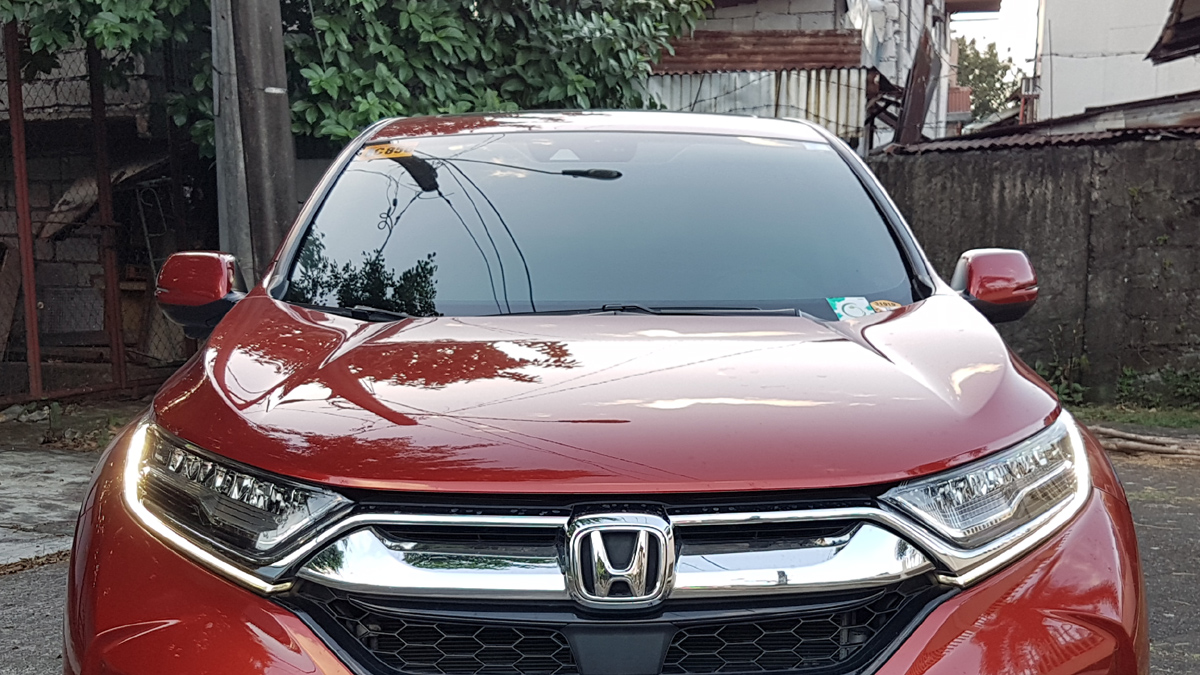
Did you know that certain car tints, especially those that contain metallic particles can create interference with RFID signals? According to toll operators tint with metallic content may disrupt RFID signals, which makes it harder for scanners to read the stickers automatically.
This can block the reader system and prevent correct data from being transmitted and received. Unfortunately, once stuck on the windshield, these stickers can’t be removed without destroying it.
Before installation of the sticker, make sure your car’s tint is RFID-friendly. However, if it’s already tinted, a possible solution is to cut out part of the fully tinted windshield to put the sticker. If you don’t want to do that, because who does, make sure to let those in installation sites know what tint you’re using, so they can find a better spot for the sticker. Some installers may refuse to install RFID on cars equipped with certain tints. To be safe, if your vehicle isn’t tinted yet, you shouldn’t put tint over where the RFID is installed.
Aside from the tint, some motorists say you shouldn’t leave other metallic objects on the dashboard as this may also interfere with the signal.
ALSO READ:
How to protect your car from the damaging effects of sunlight
How to protect your car from the damaging effects of sunlight
The vehicle is too far to detect
Readers are commonly positioned on the left side (for AutoSweep) so the farther you are from it, the harder it will be for the sensor to read your tags. Slow down and drive closer to the toll booth so the scanner can detect your sticker.
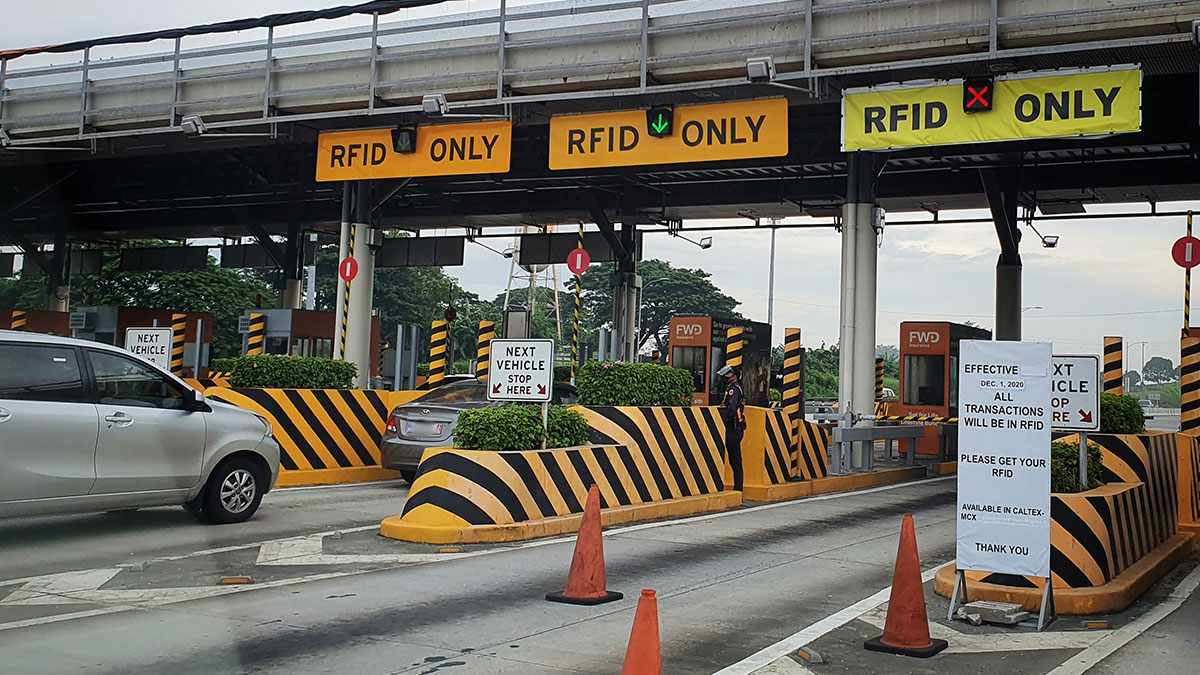
When approaching the gate, give the reader time to recognize the tag and lift the barrier. Be prepared to stop if needed and avoid tailgating. Following another vehicle too closely could cause the RFID reader to get confused and scan the wrong sticker, causing a delay.
If your RFID sticker still can’t be read, bring out your account card and have the attendant scan it. TRB highly recommends that motorists always keep their RFID account cards on hand, or in their vehicle whenever passing on tollways in case RFID readers can't read data from your device.
Reader malfunctions
Stickers aren’t always the problem. It’s possible that certain RFID readers may have reader malfunctions or don't have the range to capture signals effectively.
Some advocacy groups claim that “the RFID technology being used in the Philippines is outdated and unreliable” which leads to delays and inconvenience for motorists and calls on toll regulators to improve their systems before fining motorists.
“The TRB must first focus on improving and modernizing the toll collection system. The perennial congestion on tollways, especially in Metro Manila, is largely due to defective RFID readers and the lack of a uniform payment system across various tollway concessionaires,” said Nick Conti, convenor of CLICK party-list and chief executive officer of Capstone-Intel in a PhilStar.com report.
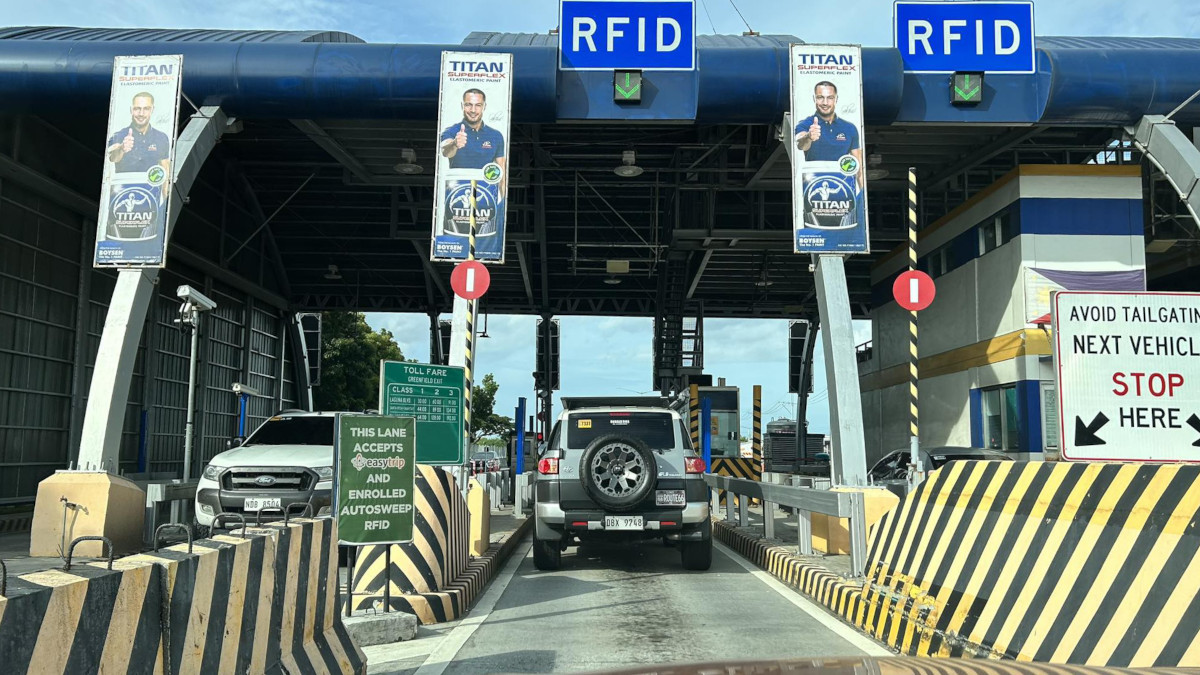
If you get stuck in a lane with a defective reader, the only option is to change lanes, which can cause traffic chokepoints, and affect all the cars behind your lane.
Ultimately, the responsibility should fall on toll regulators to ensure their readers are in good working condition all the time to boost driver confidence that the system works.
The concession holder of South Luzon Expressway (SLEX) said they installed automatic license plate readers (ALPR) to enhance its toll collection system and allow for barrier-less toll plazas. The company also said it is upgrading its servers to improve their capacity to handle the growing number of vehicles using the facility.
To avoid further hassles on the road, it's best to visit a designated RFID Installation site for a sticker check-up or replacement before the full rollout of unified RFID for all tollways. Make sure you have enough load in your RFID wallet and always keep your account card handy in your vehicle as a backup to the sticker.
What should you do with your RFID if you’re selling your car?
Are you planning to sell your car soon? The RFID is non-transferable, as it’s tied both to the car registration and account owner. If you plan to sell your vehicle, you'll have to fill out an account deactivation form for the RFID installed on a car.
In the FAQ section of Autosweep's website, it states: “If you sell your car with an Autosweep RFID sticker, you must remove the sticker and surrender the assigned Autosweep RFID card along with duly filled up Customer Request form requesting for the cancellation of your Autosweep RFID sticker and Autosweep RFID card. Otherwise, the toll charges incurred by the Autosweep RFID sticker will be charged to the account holder. Please note that you will need to submit an ADA (Auto Debit Arrangement) Cancellation form if your vehicle was previously enrolled to ADA.”
You may download the Customer request form through their website: www.autosweeprfid.com or any Autosweep RFID stations to get the form.
Meanwhile, Easytrip recommends that users subscribe for a new Easytrip RFID under their name and have the previous RFID canceled first before applying for a new one.
Once completed, providers will deactivate the RFID from the old vehicle tied to a person’s account. After that, car owners are free to remove the RFID from the old vehicle and get a new one installed linked to the right person’s account.