“The most important thing about the new Ativ is its mere existence.”
For years, Toyota has maintained a foothold on the Philippine automotive industry. It has topped sales charts year in and year out, and it doesn’t look like it’ll be relinquishing its crown anytime soon. This much is clear.
But in this day and age, where electrification is the name of the game, some people may have forgotten that the driving force of Toyota’s dominance still isn’t any of these new-age hybrids—it’s still the Vios. Despite its aging platform and the sheer lack of any form of electrification, the Vios has continued to enjoy a comfortable lead not just as the best-selling Toyota but also as the best-selling vehicle in the Philippines, full stop.
This dominance, however, is now under threat, specifically from the more affordable hybrids and EVs from the Chinese car manufacturers. While we haven’t seen how 2025 has shaped up yet in terms of sales figures, we wouldn’t be surprised if the Vios’ numbers drop this year while that of its direct competitors like the BYD Seal 5 skyrocket.
Toyota has no other way to address that other than by answering with a truly capable and bang-for-your-buck hybrid of its own. Fortunately for the Japanese giant, it now has quite the answer on its hands: The all-new Toyota Ativ.
PHOTO: Leandre Grecia
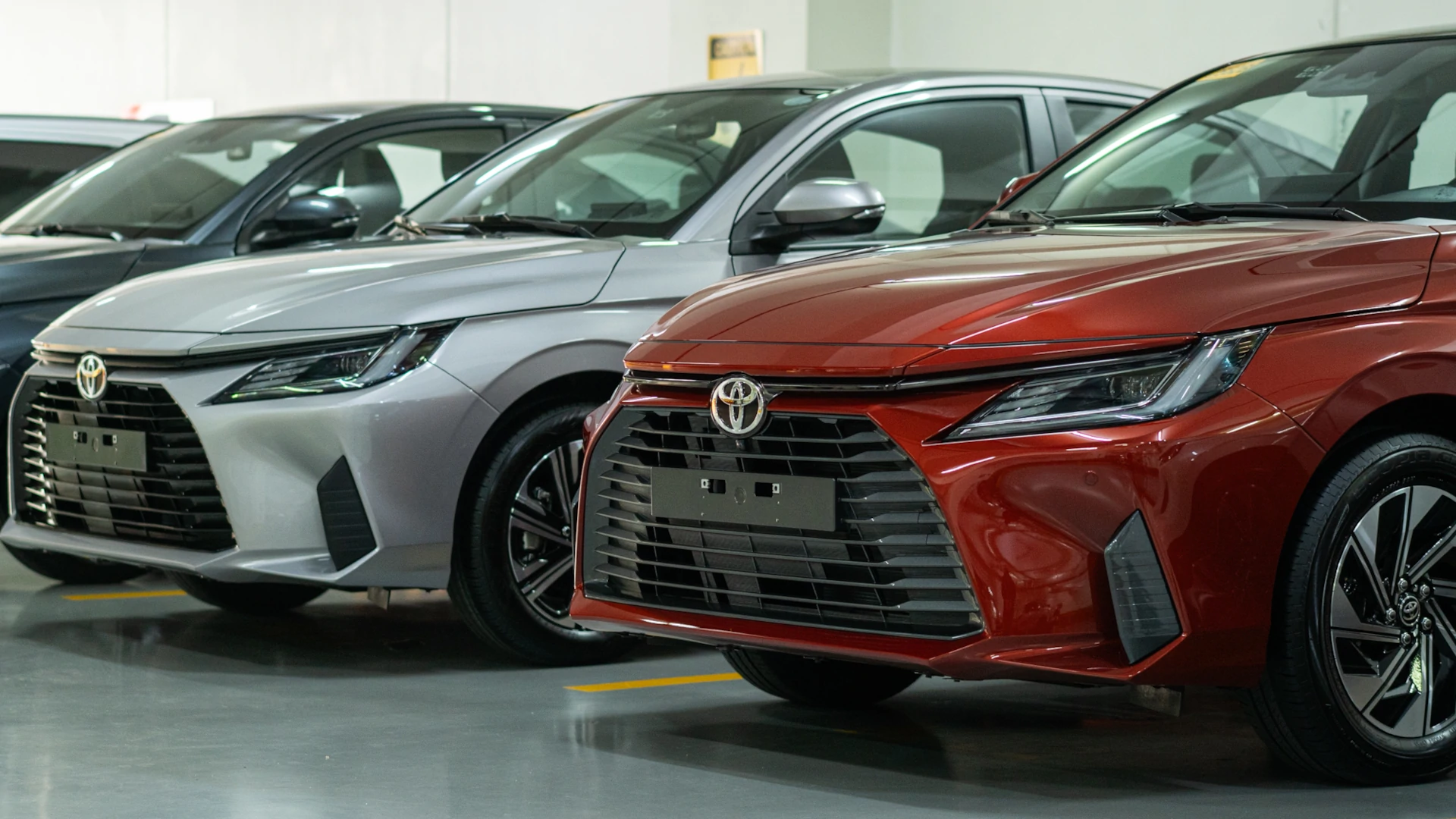
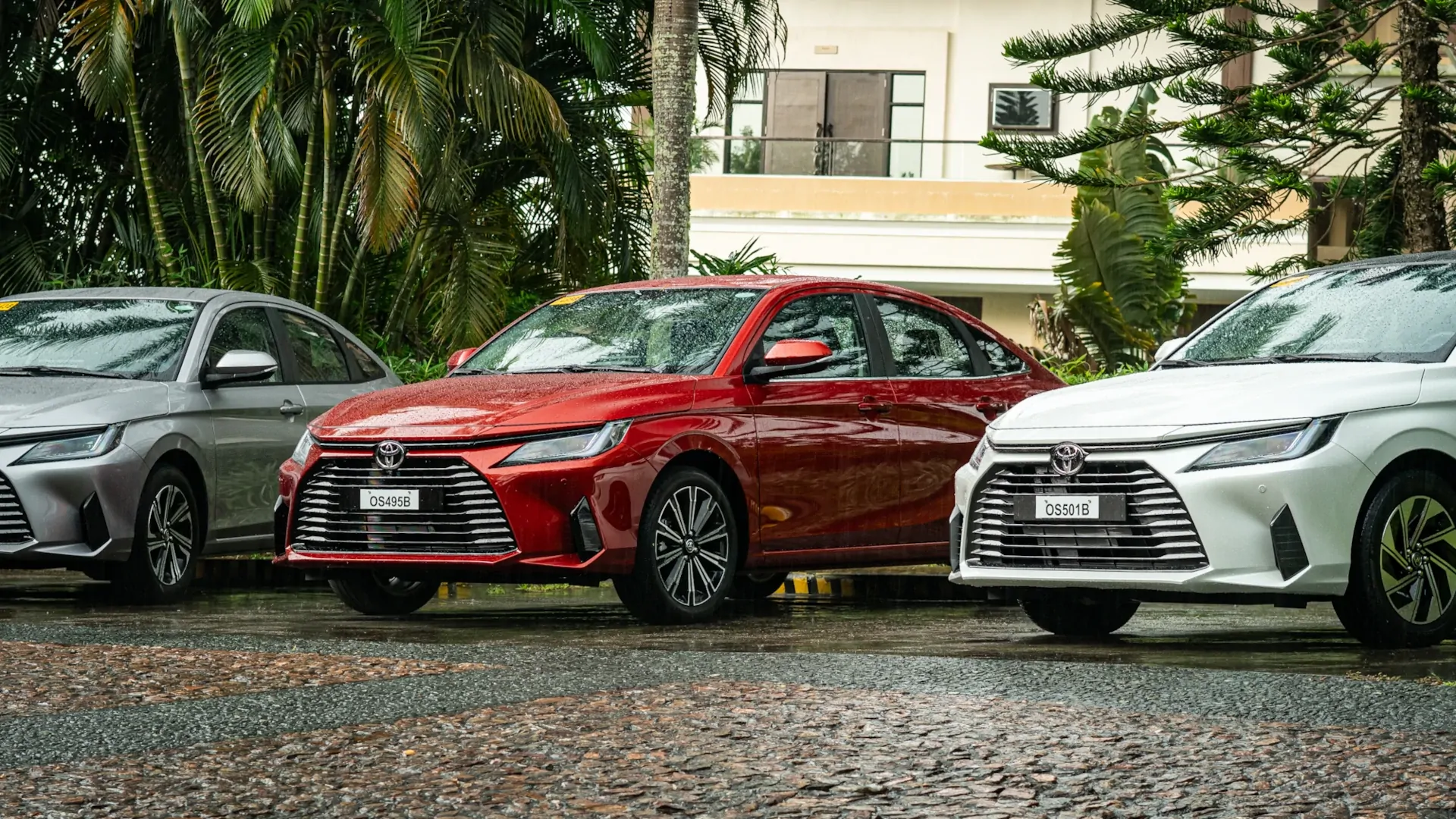
It’s a sunny morning in Makati as we start gathering for our quick one-day drive with the all-new Ativ. We know it’s going to be a packed itinerary, so TG associate editor Sheng Banzon and I start shooting the moment we get into the parking lot with the new Ativs, even before the official briefing starts. I begin my spiels not knowing how to actually pronounce ‘Ativ,’ and it feels like the Zenix all over again. Zee-nix, zeh-nix, ah-tiv, ey-tiv—tomato tomahto, potato potahto. It’s all the same to me.
We head to the briefing area, and it doesn’t take long for us to learn that it’s actually pronounced Ativ as in ‘native.’ From a marketing standpoint, I know that matters, so as much as I know I’ll keep messing it up, I’ll try my best for the rest of our drive.
Speaking of our drive, the destination for the day is Anya Resort Tagaytay. I have home court advantage today, and I’ll keep that in mind because you never know when it can come in handy. We get our car assignments, and we start organizing ourselves. We have the pleasure of sharing our car with Kap Aguila, a respected veteran motoring journalist and a friend of ours, who also willingly let me get behind the wheel for the first stint of our trip.
Luckily, we were also given a hybrid unit, so I reset the fuel economy, and it’s off to the races. It’s also a no-convoy, see-you-at-the-next-stop type of drive today, so overall it’s just been very chill so far.
PHOTO: Leandre Grecia
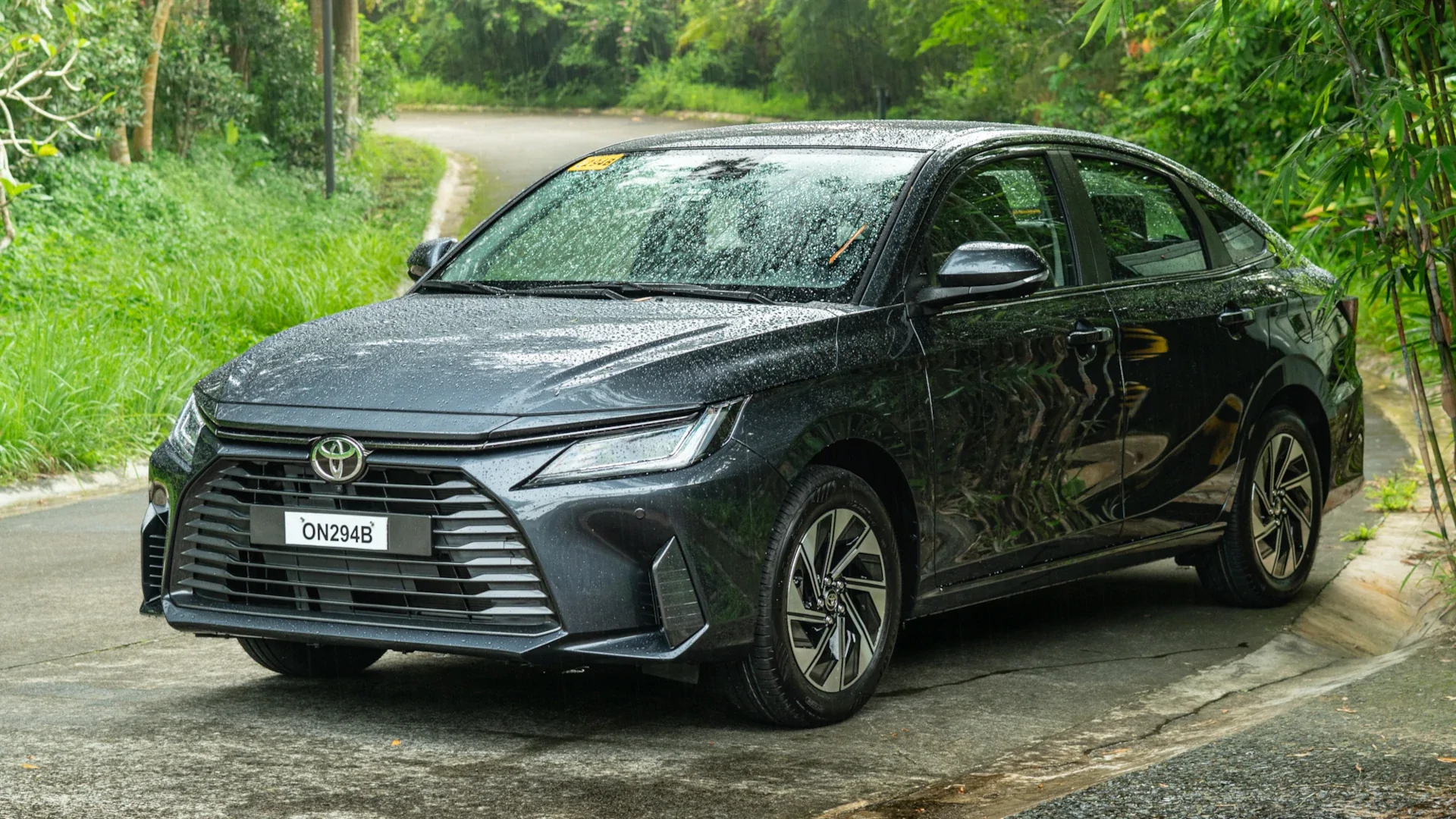
We hit the road, and right off the bat, I could feel how different the Ativ is from the Vios. The throttle is smoother from a standstill, the cabin is quieter than before, and the materials inside are more upmarket than ever. I’ve only been sitting behind the wheel for a few minutes at this point, yet it’s already a better, more comfortable experience than in the old Vios. There are soft-touch materials on the dash now for the HEV variants, and the ‘stitchings’ are actual contrast stitchings. The layout and the screens make it feel like a proper modern car, not one that’s just been receiving mere facelifts every few years or so.
I weave through light city traffic before we hop onto the South Luzon Expressway, where I’m able to stretch the Ativ’s legs for a bit. I floor it, and I feel the gasoline engine kick in. That’s the 1.5-liter petrol mill in this top-spec HEV, with a hybrid system similar to what you’ll find in other Toyotas. I also feel the steering getting heavier as we get up to speed, and it’s exactly how I like it.
We’re not gunning it all the way south today, as we’re still keen on getting the most realistic fuel economy possible, so I go easy on the pedal despite being on the expressway. I opt to fiddle with the steering wheel-mounted controls instead, and I’m immediately reminded of how big of an upgrade the Ativ is—there’s Toyota Safety Sense, something I never even imagined the Vios would ever get. It’s the basic package without the high-level autonomous features, but there’s adaptive cruise control, among many others, so I’ll take it.
PHOTO: Leandre Grecia
We eventually reach our first stop right around ETON City, which means it’s time for a driver change. Having noticed the ride was a bit stiff on the highway, we get the tires checked, and lo and behold, they’re 10psi higher. No wonder it felt like there was a ‘lagutok’ on the front end every time we would drive over a speed bump or a sizable pothole.
With that out of the way, we start with the final drive up to Tagaytay. To get the full Ativ experience, I decided to switch with Sheng and sit in the back. It’s a mixed bag back here. There’s enough room for my feet, leg, and knees, but the headrest is somewhat uncomfortable because of how narrow it is. There are cup holders on the door handles, which I think is pretty cool. The front headrest, however, blocks the view from the back, which is bothersome for passengers like me who always look to the road ahead regardless of where we sit in a car.
Complaints aside, the ride did get much more comfortable. The proper tire pressures drastically softened the ride, and it’s quite pleasant now, even when you’re in the second row. Since I’m just a rear passenger now, I decide to take over DJ duties and plug my phone in. Apple CarPlay immediately turns on and asks me if I would like a wired or wireless connection. These days, having those options feels like a luxury in newer cars.
Now, since there isn’t a convoy and as I mentioned, I had home court advantage, I didn’t bother turning on Waze or Google Maps anymore. I realize soon enough that this would become my undoing. I tell Kap to head straight on via the Sta. Rosa–Tagaytay Road. We run into heavy traffic, and a few minutes’ worth of delay quickly turned into more than half an hour. Unusual for a Thursday morning, I think to myself, so I decide to exit the car and walk up the road.
To my dismay, I see a portion just after the major bottleneck with a fallen electrical post and only one passable lane. No wonder traffic was like this, because this normally doesn’t happen. At this point, however, we no longer have a choice but to continue, so we soldier on. I feel sorry for Kap, but there’s also relief because at the very least, we can get an idea of the actual fuel consumption through Metro Manila–like traffic.
PHOTO: Leandre Grecia
Finally, we arrive at Anya. Upon reaching the parking area, I move to the driver’s seat to check the fuel economy. The gauge reads between 14-15km/L, which is incredibly impressive, considering we got stuck for an hour in traffic—and going up to Tagaytay, even. An older Vios would probably barely scrape double digits. Our arrival here also marks the end of the day’s drive, which means it’s time to consolidate my thoughts.
I’m going to be honest here: I’m not a fan of the Vios. I’d even call myself a hater. The Ativ, however, is different—it’s not too shabby. Toyota’s hybrids have proven very durable over the years, and the Ativ’s will be no different. It sips very little fuel, and the feel inside the car is better than I expected, even if space can still be improved.
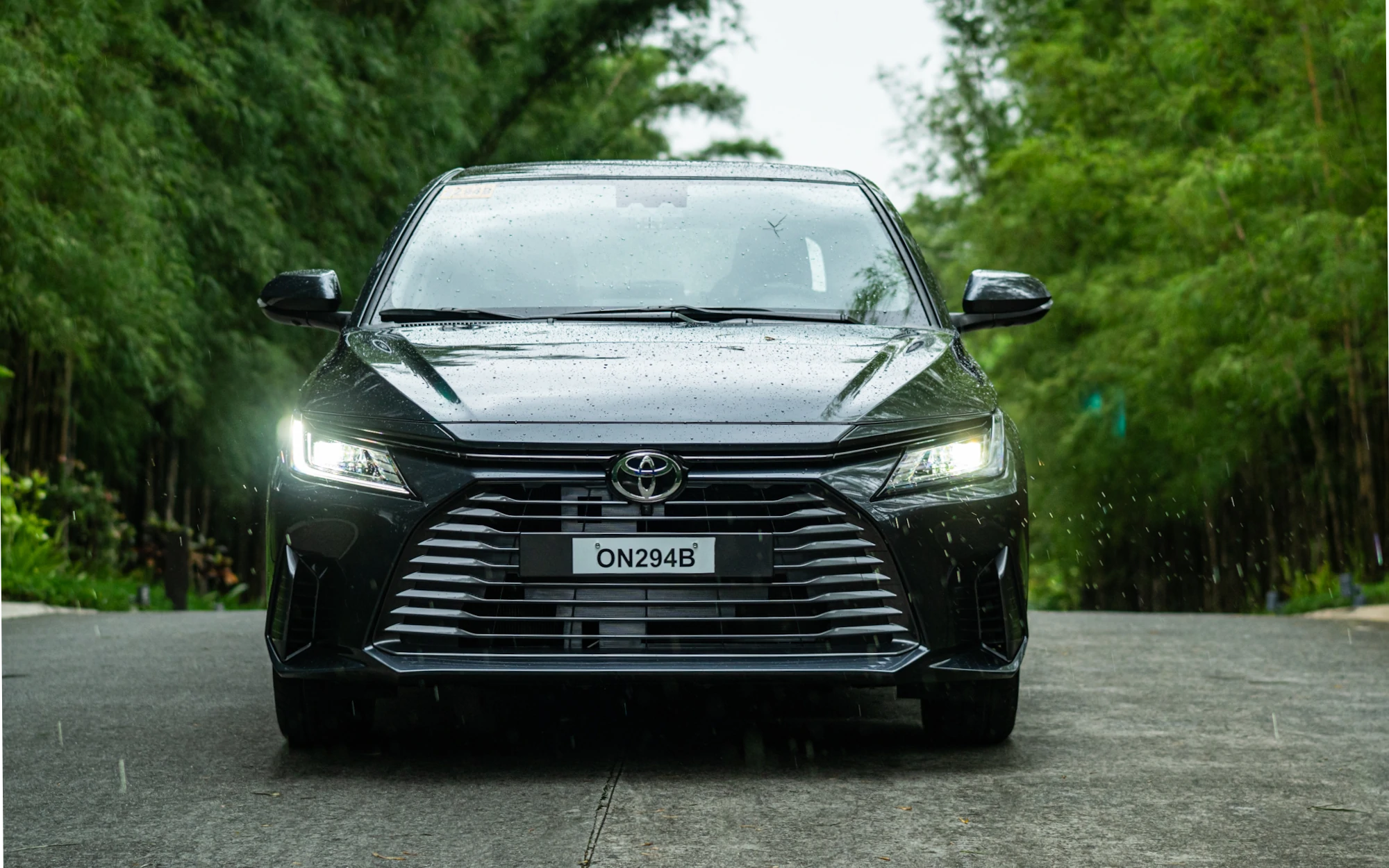
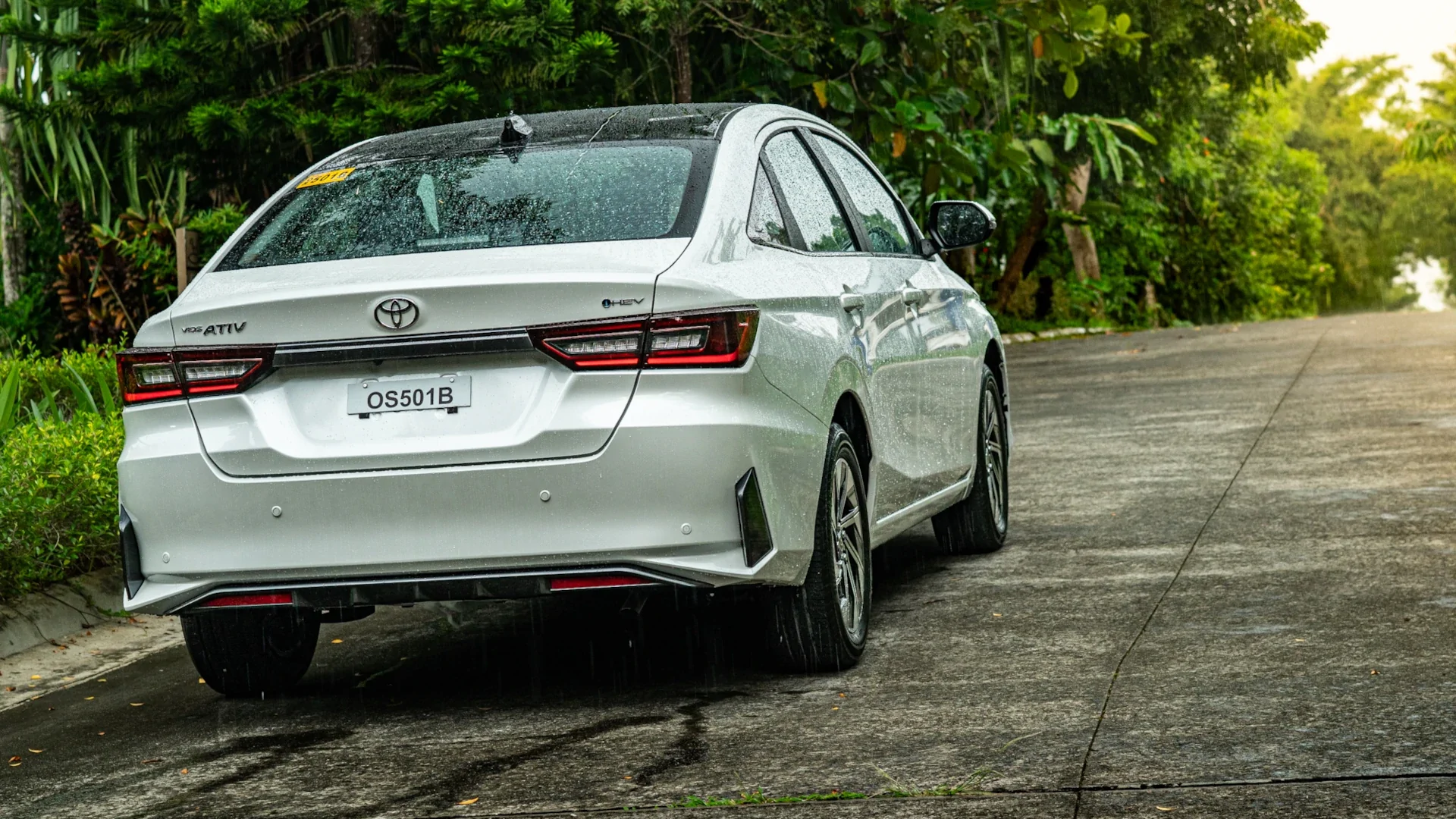
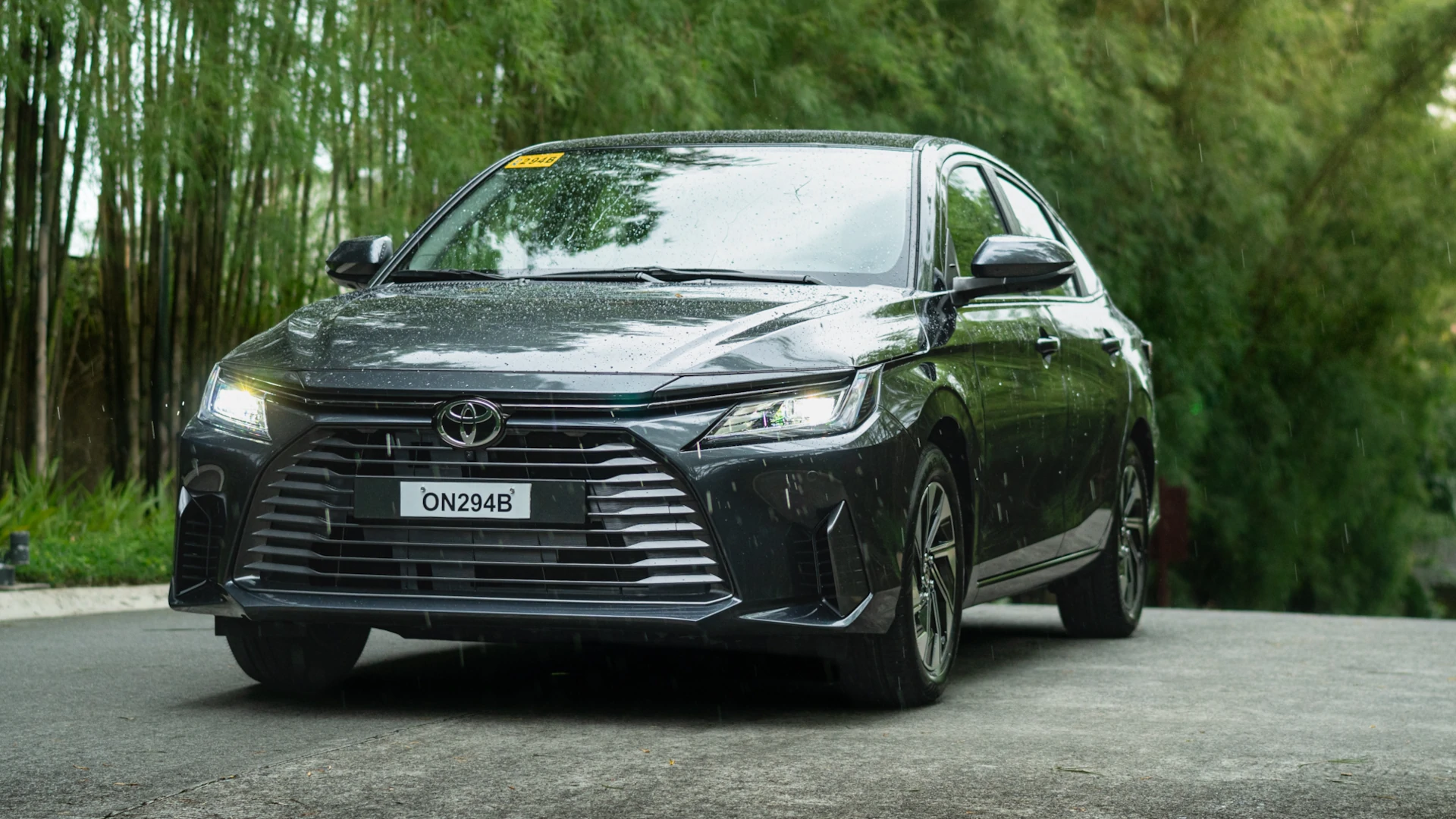
Visually, it’s also not bad at all. I didn’t touch upon it as we drove up, but I do like how the new car looks. It’s sportier and more macho than before, and it also looks the part of a modern Toyota with that Camry-slash-Corolla-esque front clip. I’m sure a lot of would-be customers would appreciate the fresh new look.
The most important thing about the new Ativ, however, is its mere existence. The fact that it’s now available in the Philippines is already doing our market a favor. You see, in the subcompact-sedan segment, there aren’t a lot of options for hybrid models. For these less-premium, more entry-level offerings, the electrified ones you can find come courtesy of the Chinese brands, and we all know a lot of people still aren’t ready to buy a Chinese car.
Unsurprisingly, Toyota Motor Philippines is taking direct aim at BYD with how it’s priced the Ativ HEV: P1,198,000. That’s an identical price tag as the higher-spec Seal 5 DM-i Premium, and that’s not a mere coincidence. It’s a statement against what is perhaps the biggest Vios rival since the Honda City or Mitsubishi Mirage. It’s also an announcement that the Vios has finally gotten the hybrid it has long deserved, and that the wait for it is over.
I remember when the facelifted Fortuner was launched—our editor-in-chief Dinzo Tabamo said all it needed to do was arrive. While the Ativ faces different circumstances and way bigger challenges than its midsize-SUV sibling, in a sense, it’s still the same. The Ativ is, at its core, a Vios—the king of subcompact sedans, and one of the most recognizable nameplates in Philippine automotive history. It may have a new name, but it’s still a Toyota through and through, and for most buyers, that’s enough of a reason to buy one.
This article originally appeared onTopgear.com.
Minor edits have been made by the TopGear.com.ph editors.
TGP Rating:
/20
Starts at ₱
TGP Rating:
/20
Starts at ₱
We use cookies to ensure you get the best experience on Topgear.com.ph. By continued use, you agree to our privacy policy and accept our use of such cookies. Find out more here.