
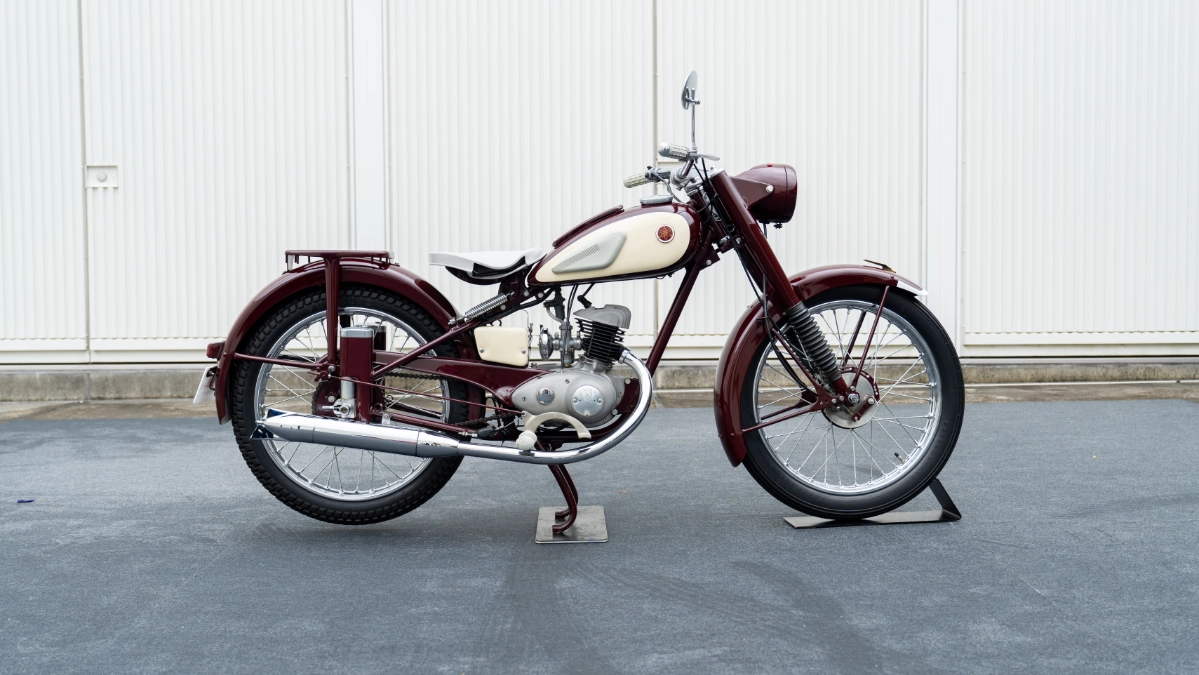
In a sea of black motorcycle models back in 1955, the chestnut-red Yamaha YA-1 stood out. Not just for its color, but for what it represented. It was Yamaha’s very first motorcycle, and from the start, the company has wanted to build more than just transportation. Their goal is to achieve Kando–that deep satisfaction you feel when something goes beyond your expectations.
At the heart of every Yamaha is a philosophy called Jin-Ki Kanno, which translates to “the oneness between human and machine.” It’s the moment when a rider and the bike move as one—when design, engineering, and emotion all meet in perfect harmony. You feel it in the way the controls fall naturally to your hands, how the tank fits your knees, and how the throttle responds exactly as your instincts expect. That’s not luck—it’s the design that was built with human connection in mind.
In 2012, Yamaha took that mission global by creating the Product Design Division, with over 80 designers across six studios worldwide. Together, they built on five core design pillars that define Yamaha’s identity today.
ALSO READ:
EICMA 2025: Yamaha has unveiled the new R7
Yamaha Motorcycle Day 2025: Speed, sound, and heritage
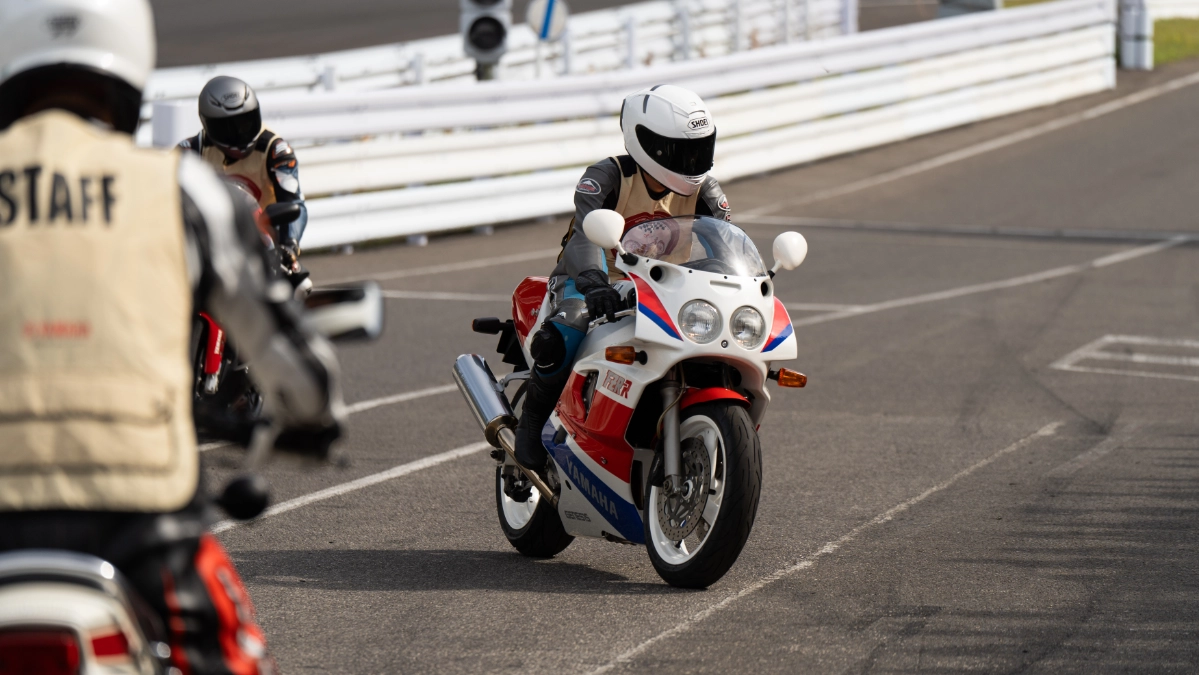
Dynamism, or the illusion of speed even when the bike is standing still, is embodied in the YZ and R series of bikes. Flowing lines across the bikes are designed specifically to convey speed and motion, and to make the bikes appear light and nimble.
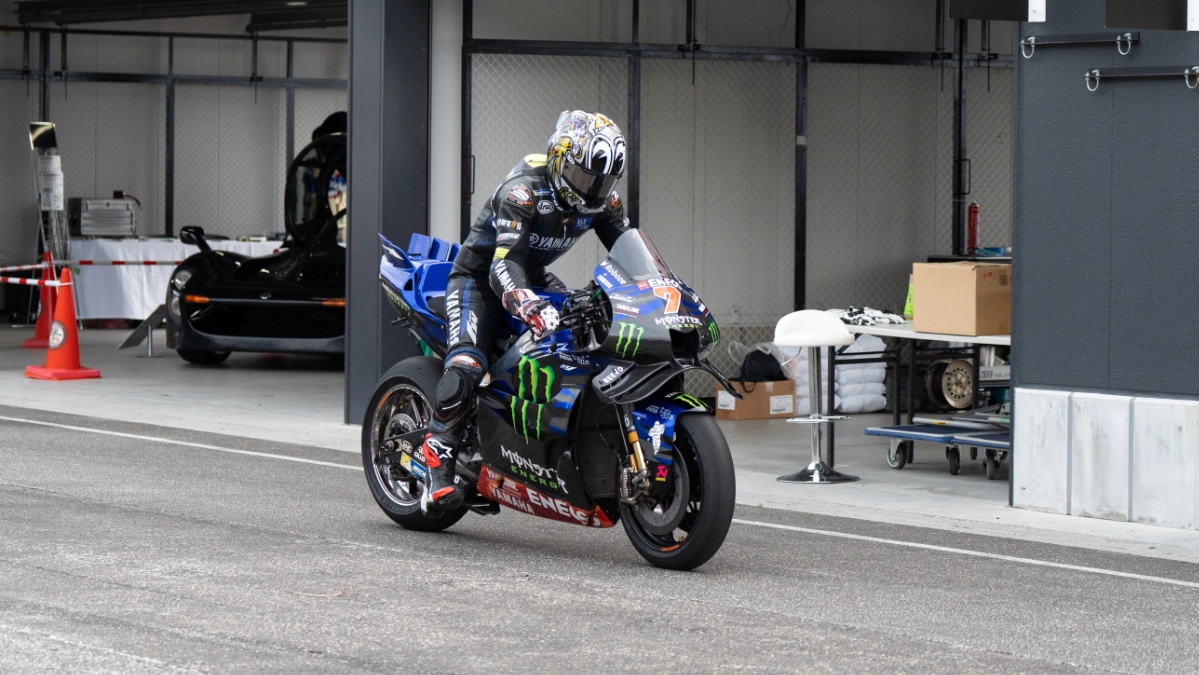
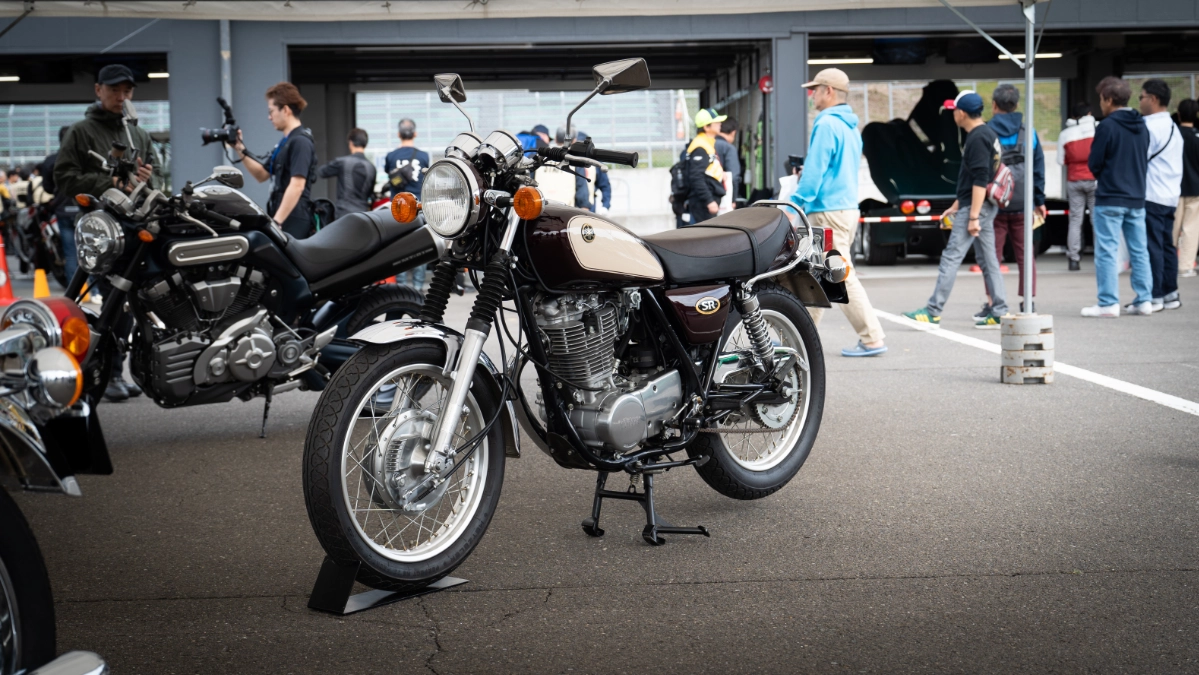
Juxtaposition is all about balance. It’s the meeting point of machine precision and human touch. An example would be the sharp exterior that slices through the air, while the gas tank cover is smooth and sculpted to be as comfortable as possible for the rider. It’s a mix of hard and soft surfaces that work together to make the motorcycle feel powerful yet approachable.
Dignity, on the other hand, shows up in the details. From headlights that resemble eyes or the whole front end that is made to look like a human face, everything is made with precision. Yamaha always believed in their design language–clean and subtle.
Functional beauty is the idea that everything should look as good as it works. For Yamaha, design isn’t about adding more—it’s about refining what’s already there until only the essentials remain. You’ll see this philosophy in Yamaha’s sportbikes, where the fairings don’t just create visual drama—they channel air efficiently to keep the engine cool and the bike stable at speed.
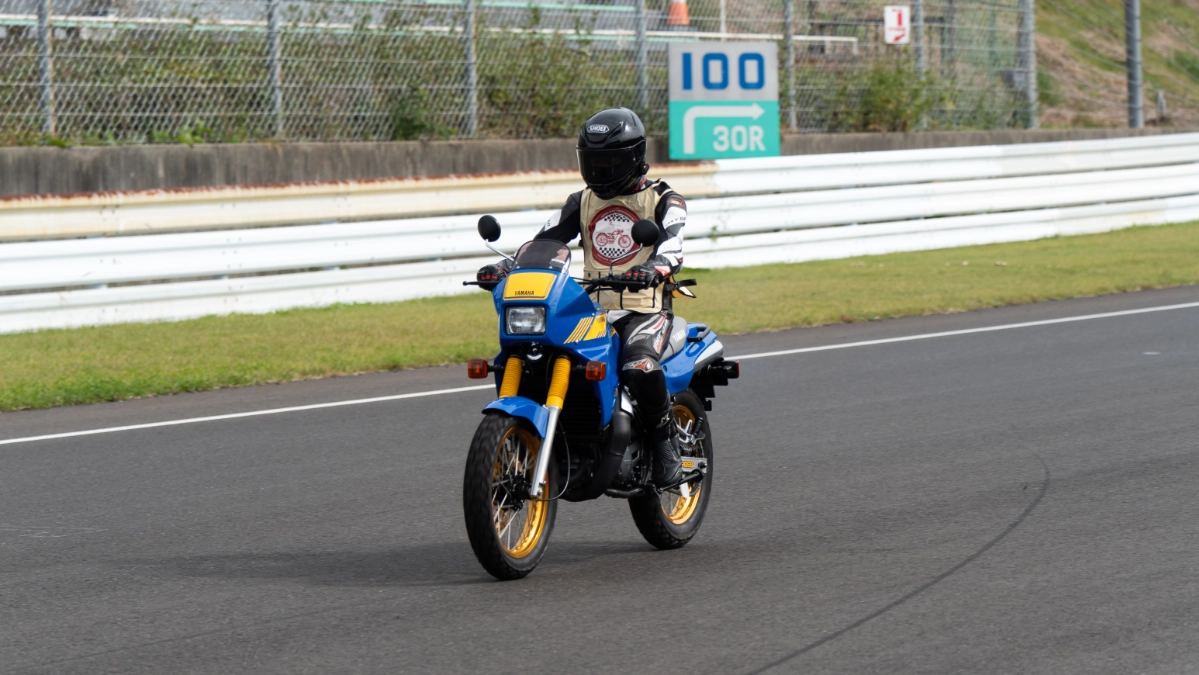
Sensibility is where emotion takes the lead. It’s Yamaha’s way of designing machines that connect on a human level. Every curve you touch, every switch you press, and every sound you hear is crafted to wake your senses. It’s not just about how the bike performs—it’s about how it makes you feel while doing it.
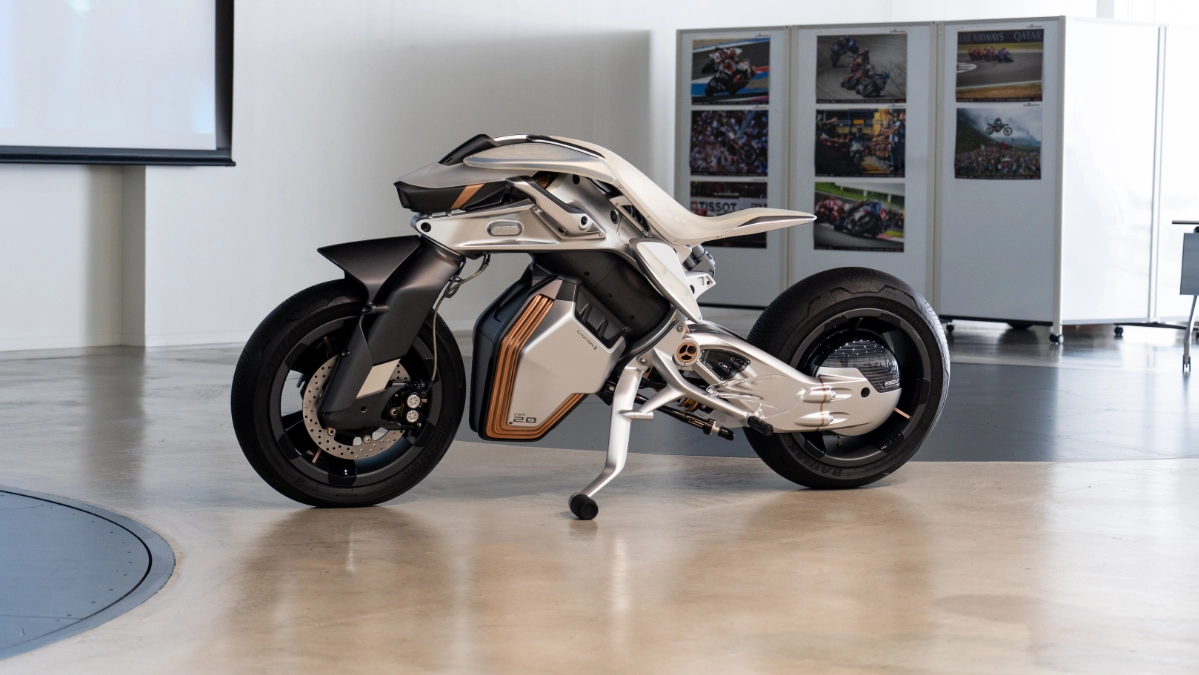
70 years later, that philosophy continues to evolve. At the Japan Mobility Show 2025, Yamaha showcased the MOTOROiD:Λ, the latest iteration of its self-balancing concept bike. It’s a glimpse into a future where machines don’t just respond, they understand.
From the YA-1’s chestnut-red simplicity to the intelligent presence of the MOTOROiD:Λ, Yamaha’s design story has always been about one thing: connection. A harmony between human and machine. Because for Yamaha, design isn’t just how a motorcycle looks—it’s how it feels the moment you twist the throttle.