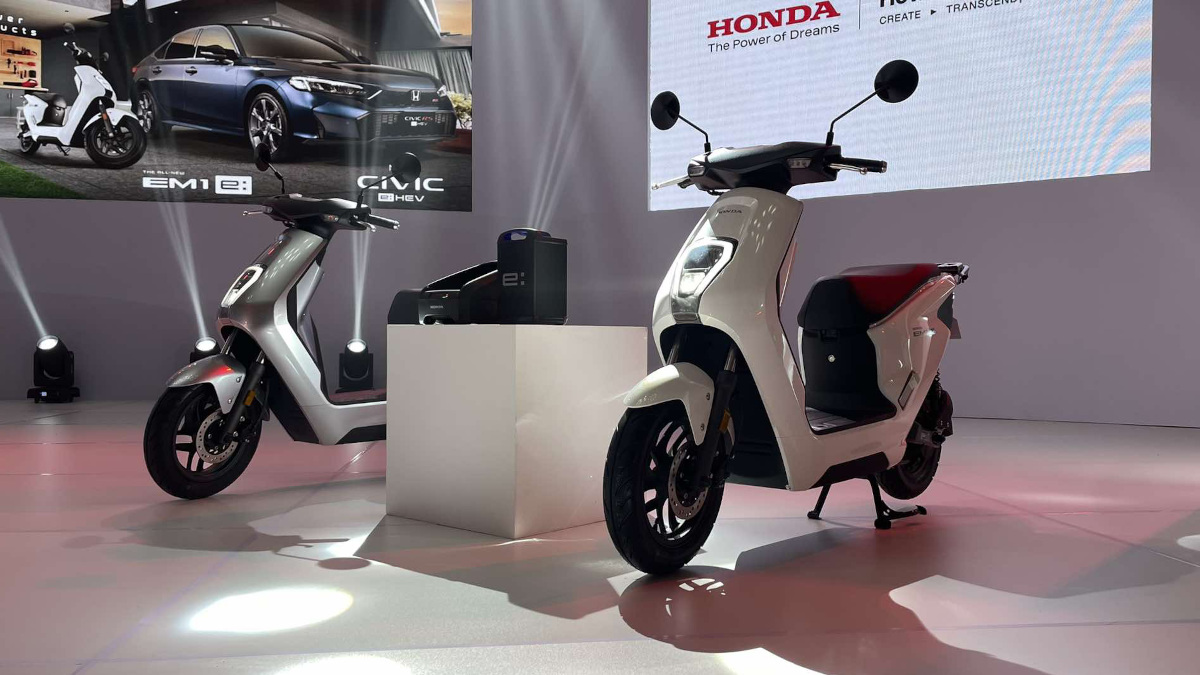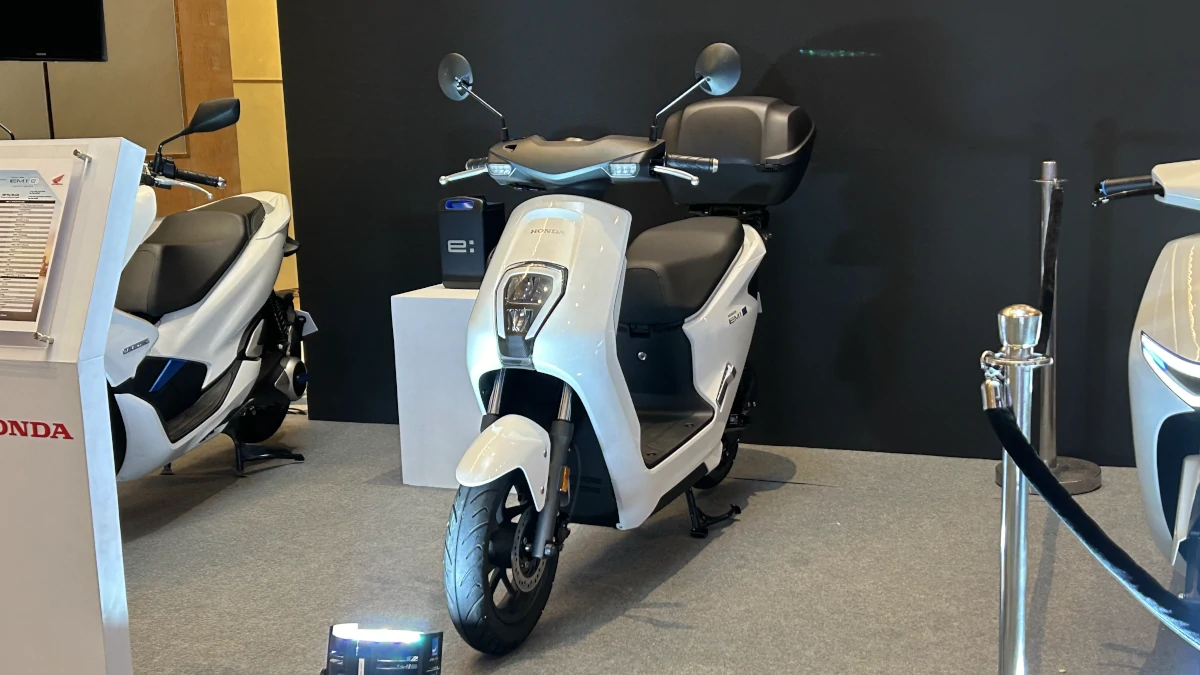

The all-new Honda EM1 e: is finally in the country, and with it, Honda Philippines (HPI) officially enters the new era of electrified motorcycles.
As impressive as the new model sounded, however, I still had an important question: “What are HPI’s plans regarding its battery-swapping stations?” The swappable-battery technology is what I believe can be the strongest selling point for the EM1 e:. It’s a system with great potential, especially considering there’s currently only one electric scooter brand that utilizes the technology, and that’s Gogoro.
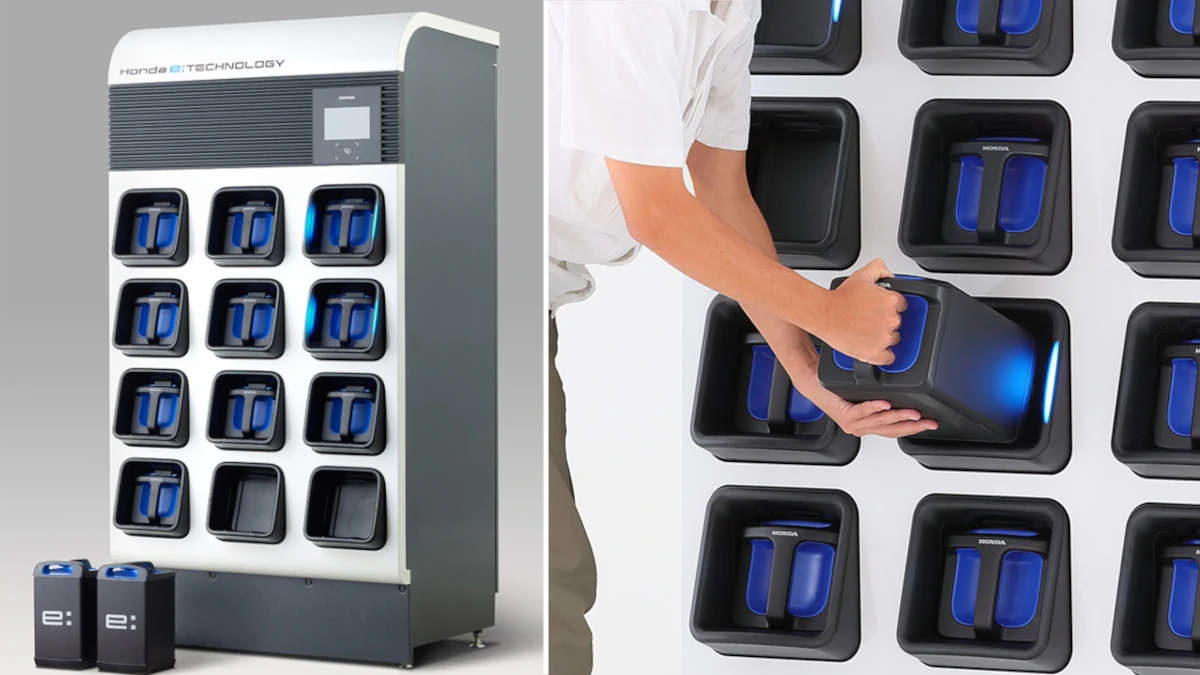
I asked about this during the launch, and I got a straightforward answer—HPI will still have to study the market first.
Fair enough.
OTHER STORIES YOU MIGHT HAVE MISSED:
Hybrid Honda Civic previewed in PH ahead of PIMS launch
Just launched: The hybrid BAIC B30e Dune starts at P1.488 million
A swappable battery system, while being very easy to use and understand in reality, is still a completely foreign idea to many riders and the majority of the EM1 e:’s target market. If anything, it may even intimidate and shoo away would-be customers.
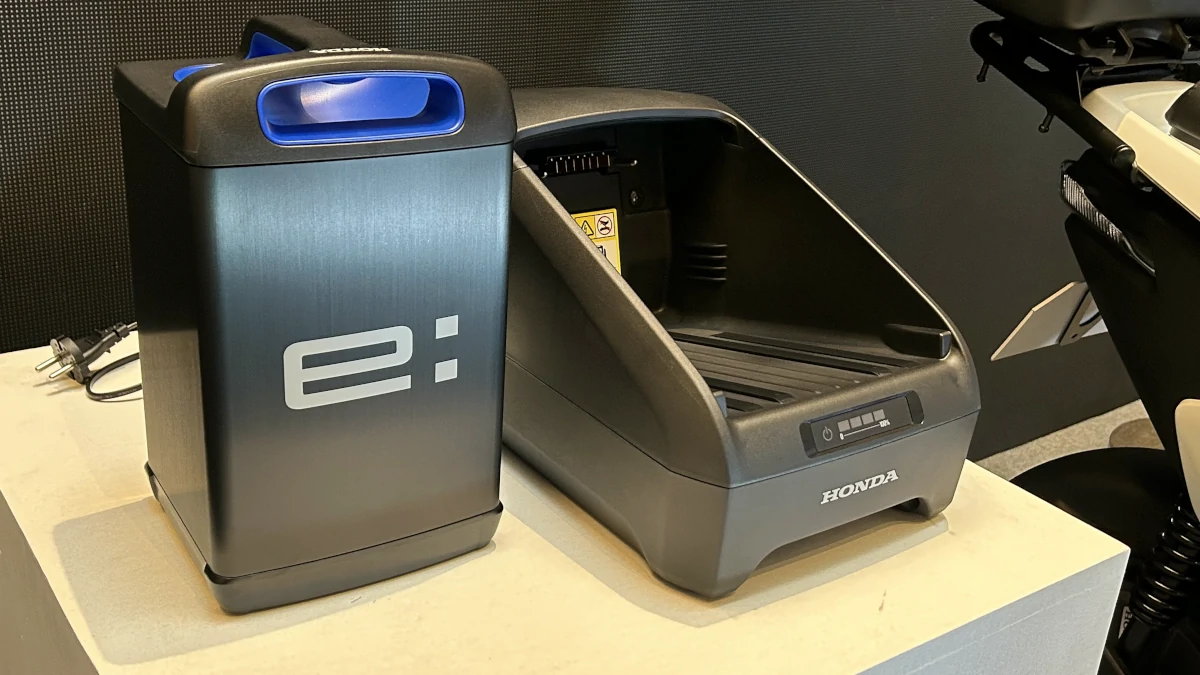
Fortunately for Honda, it has the luxury of not bringing in those stations yet since its swappable batteries—formally called the Honda Mobile Power Pack e:—can be charged separately using the Honda Power Pack Charger e:. That, however, could pose another problem.
See, the pricing has raised some eyebrows. The entire package isn’t that expensive for a small motorcycle, but P155,400 is a bit steep for a short-distance electric motorcycle intended to replace 50cc scooters.
Sure, the SRP already includes the battery and the charger, but without the battery-swapping stations, you’re taking out that huge selling point I mentioned. It also removes the possibility of, say, delivery riders using the bike because they will have to charge multiple times in a day given the short maximum range, and we can only assume that that’s time they can’t afford to lose. That’s something a swapping station could’ve addressed.
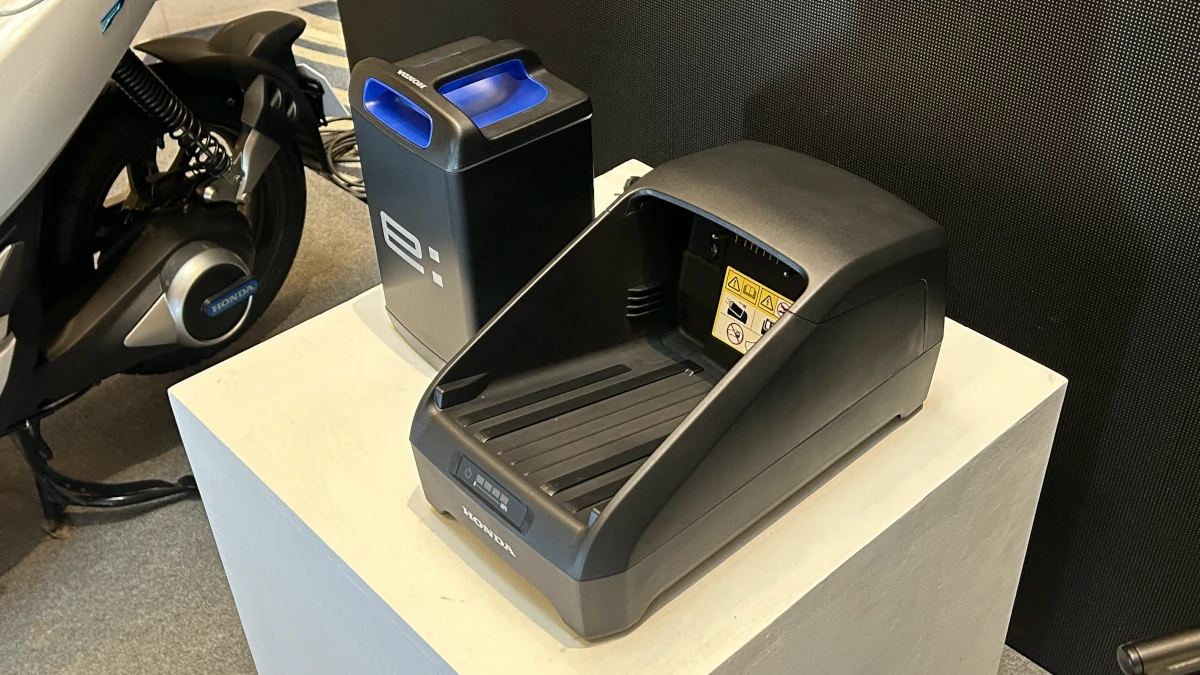
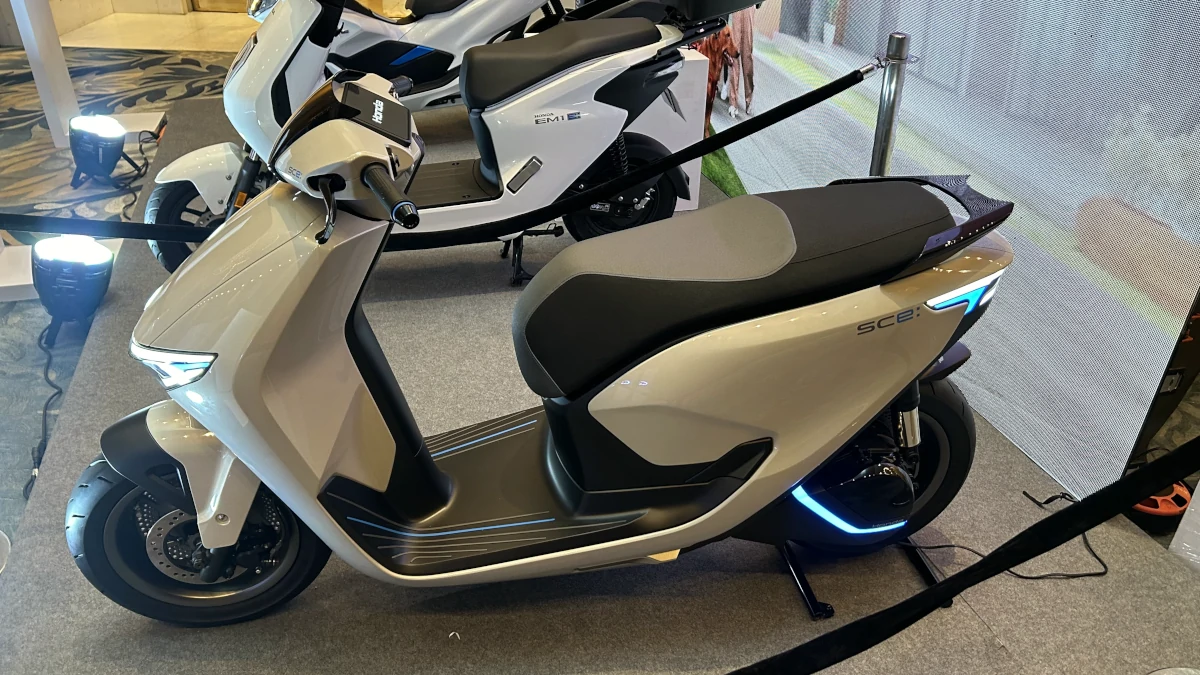
The real challenge now for HPI is how it’ll communicate the use case and the benefits of the EM1 e: to the market and convince riders that now’s a good time to go electric. There’s a huge potential for it, and since HPI also intends to launch the SC e: here, then it now has even more reasons to put up battery-swapping stations around Metro Manila.
Perhaps for now, we’ll have to wait and see how the market will receive Honda’s new electrified product. For people like me who would like to see this segment of the market go electric, we can all just keep our fingers crossed that this will pick up.