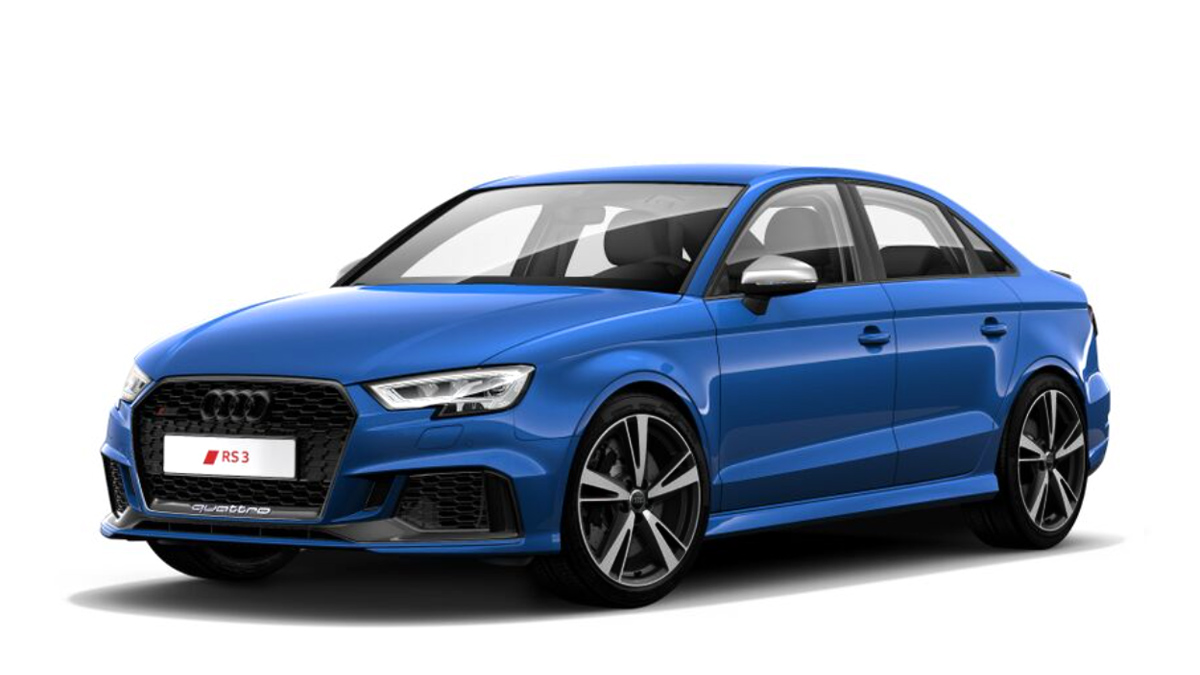
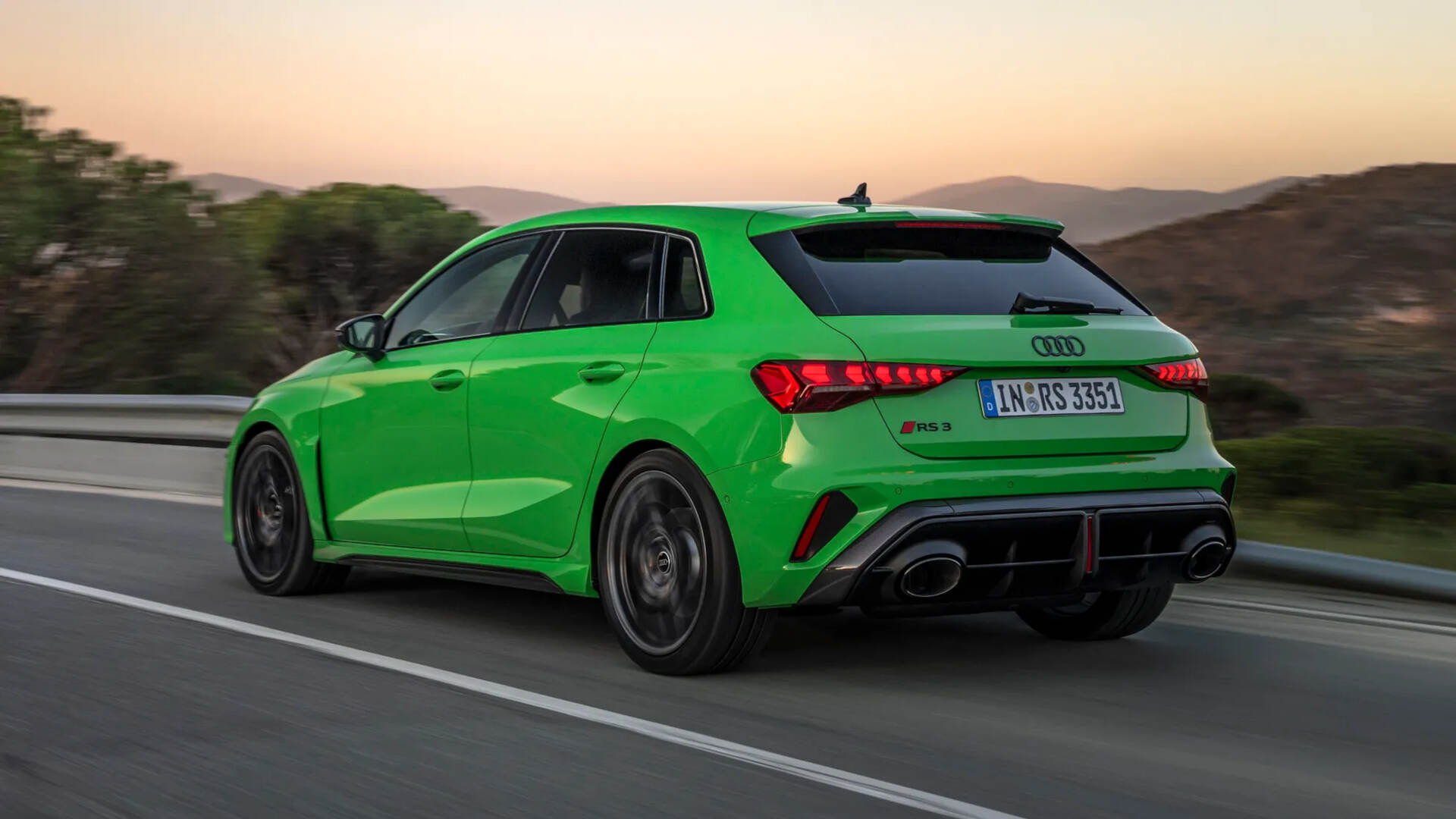
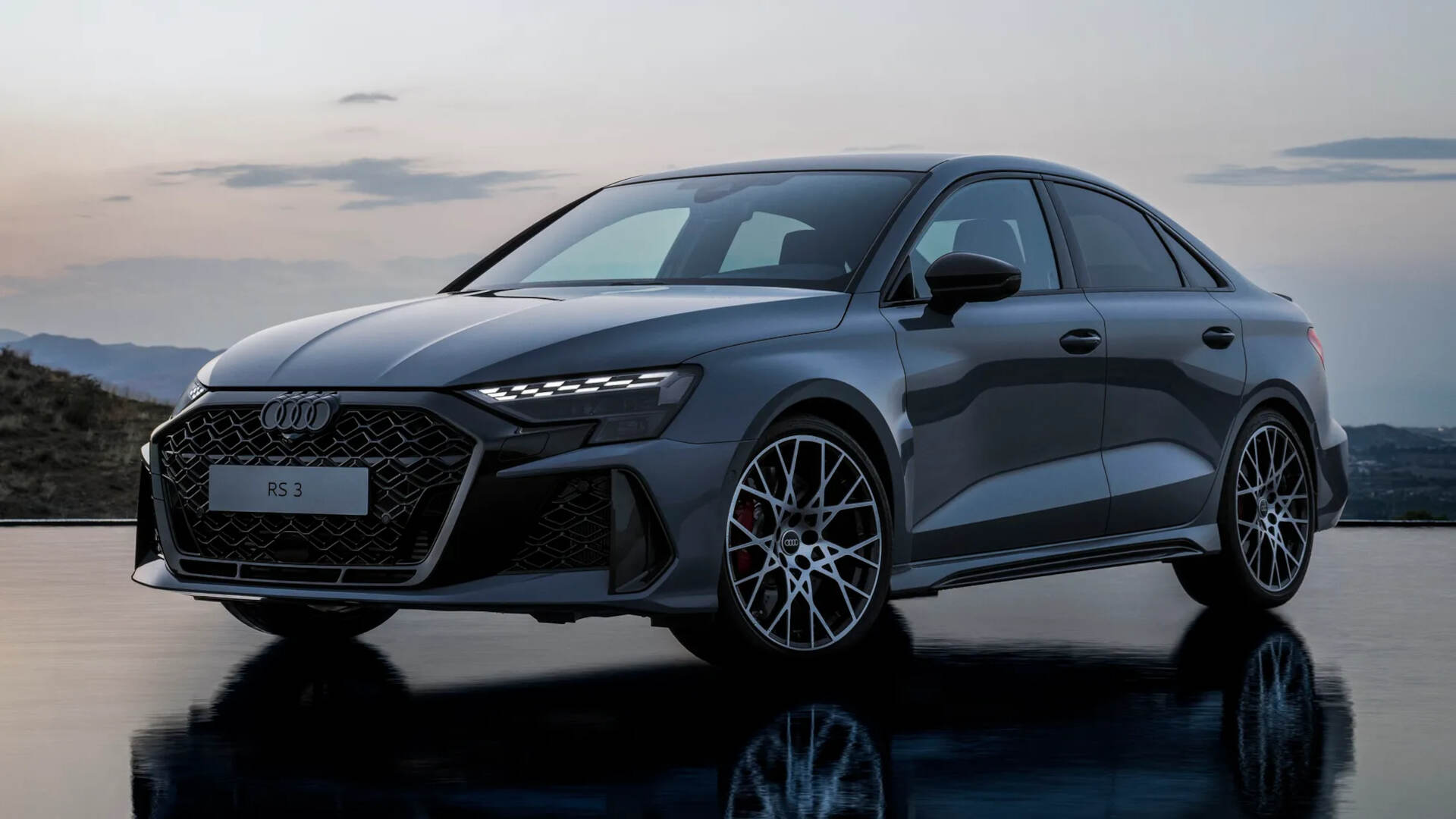
This is the new Audi RS3, and it smells quantifiably better than the old RS3. As metrics for updates go, it certainly trumps ‘gets a new front/sounds better/is more oversteery than before.’
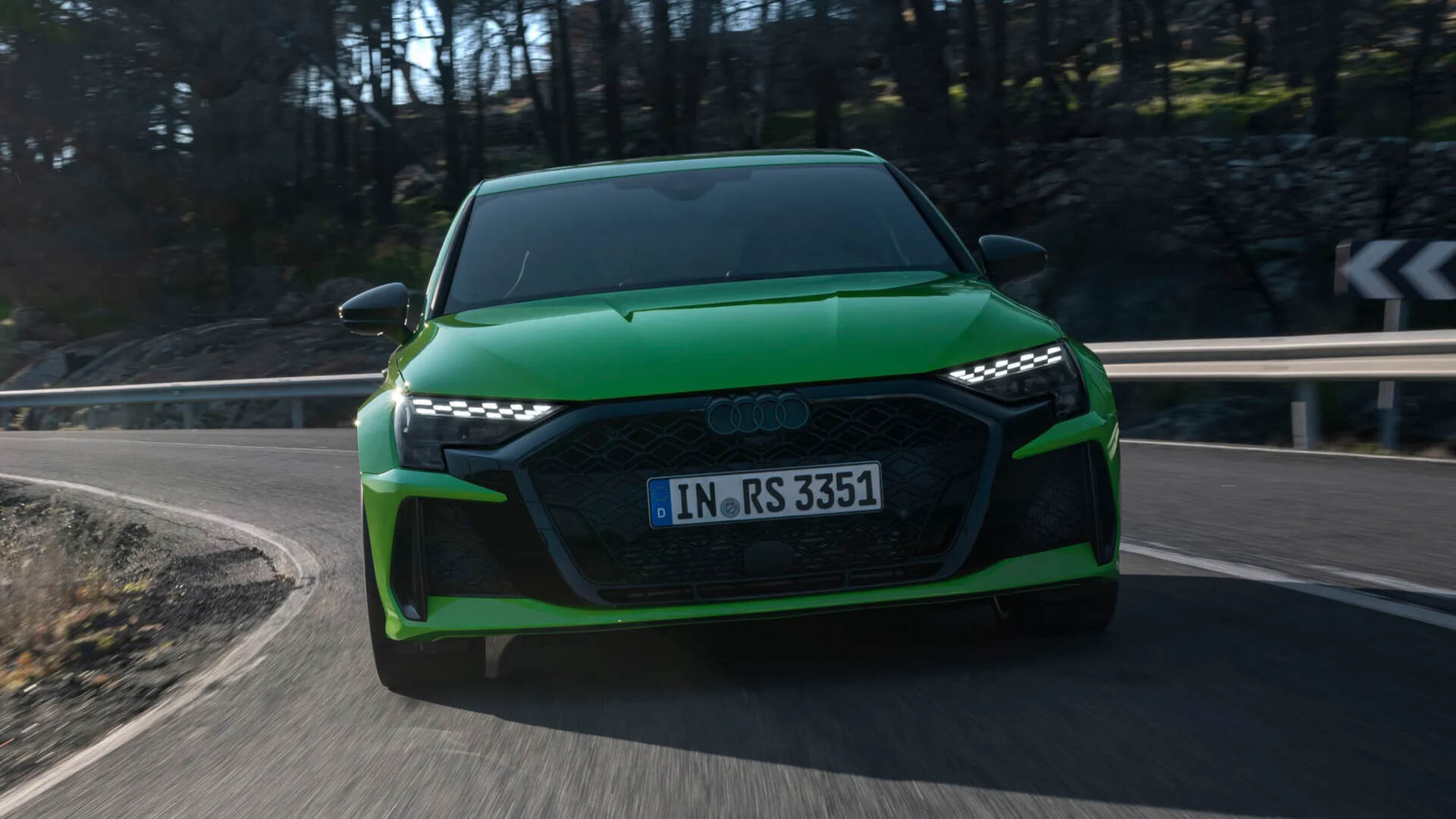
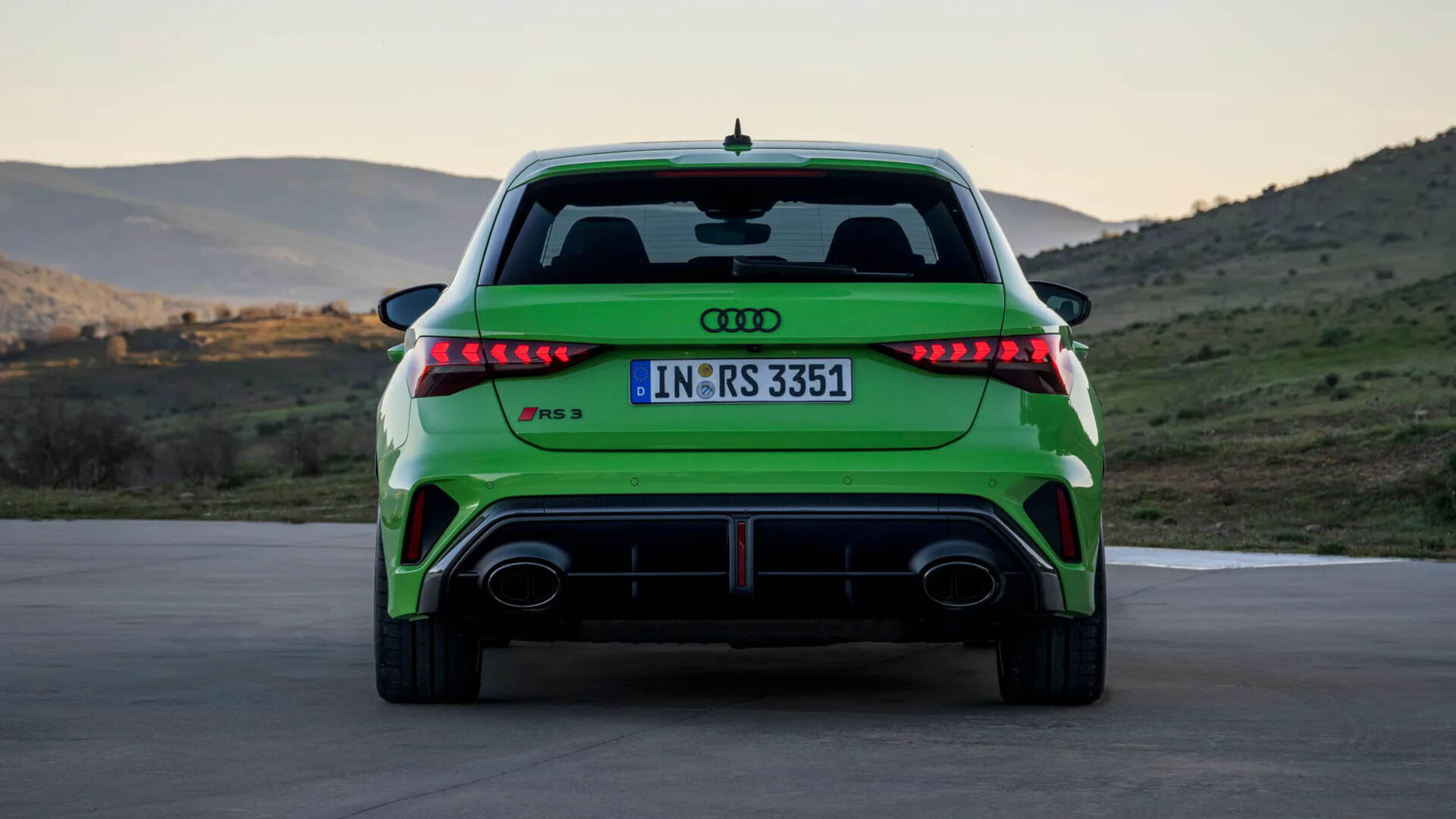
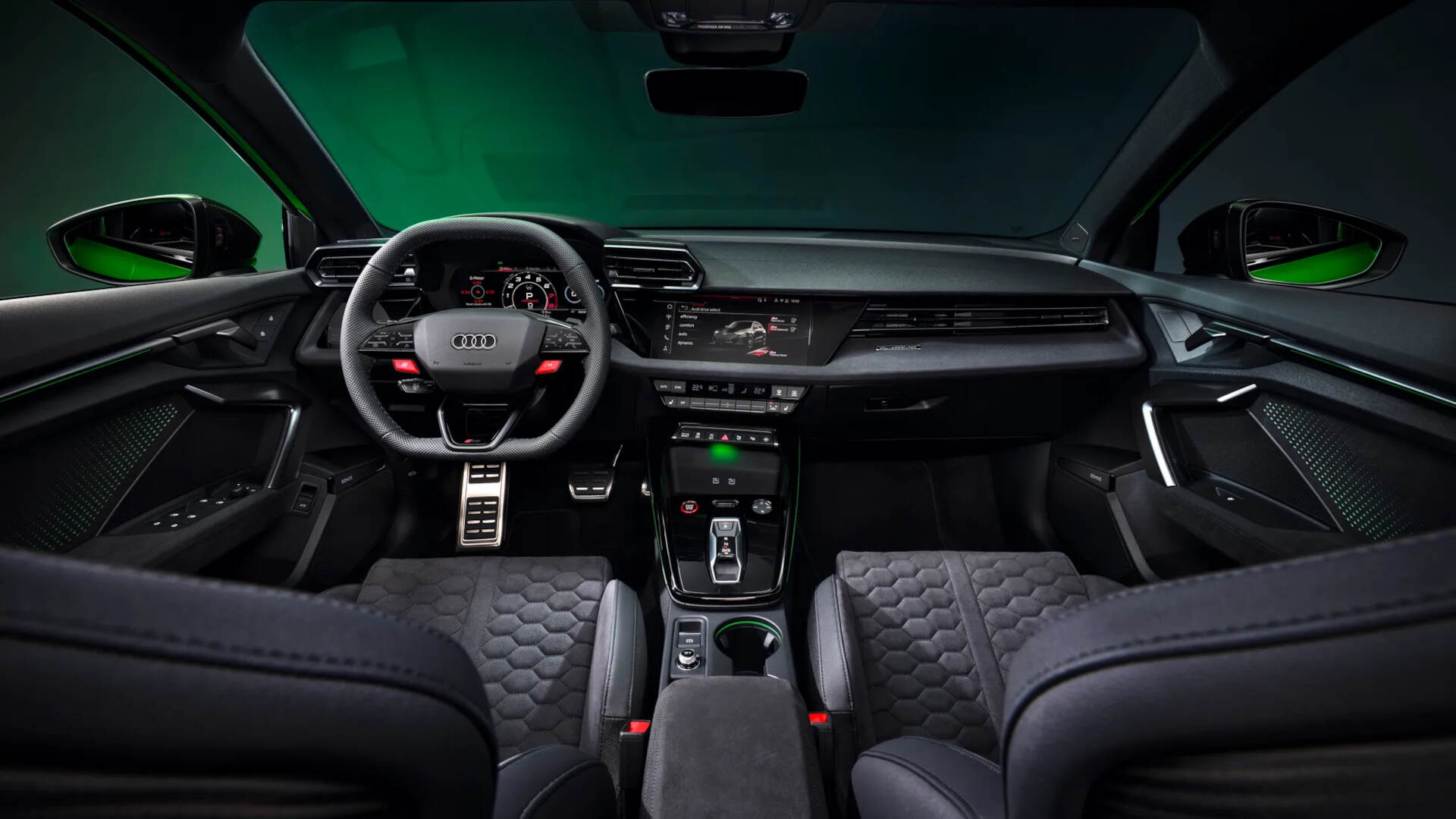
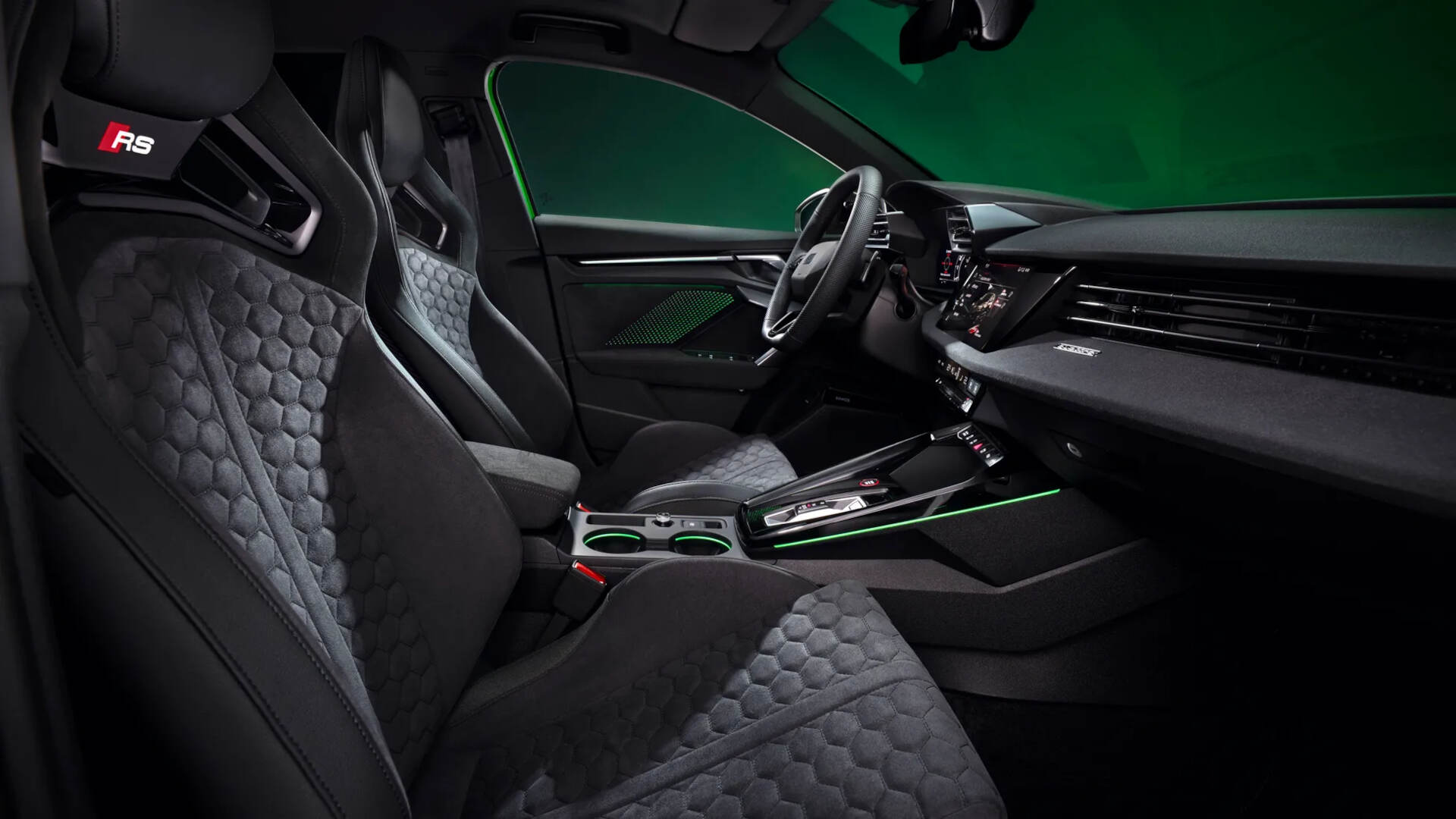
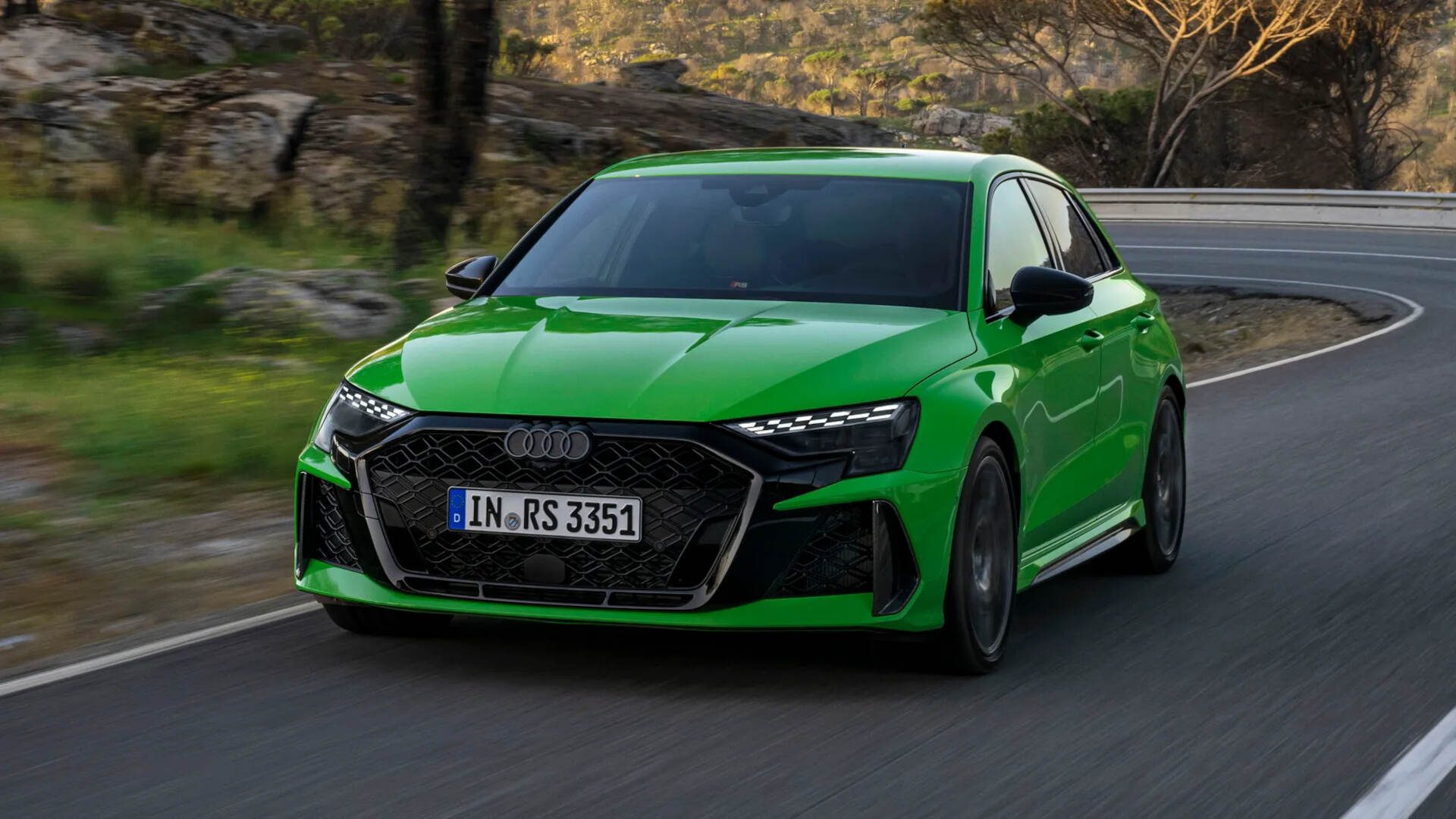
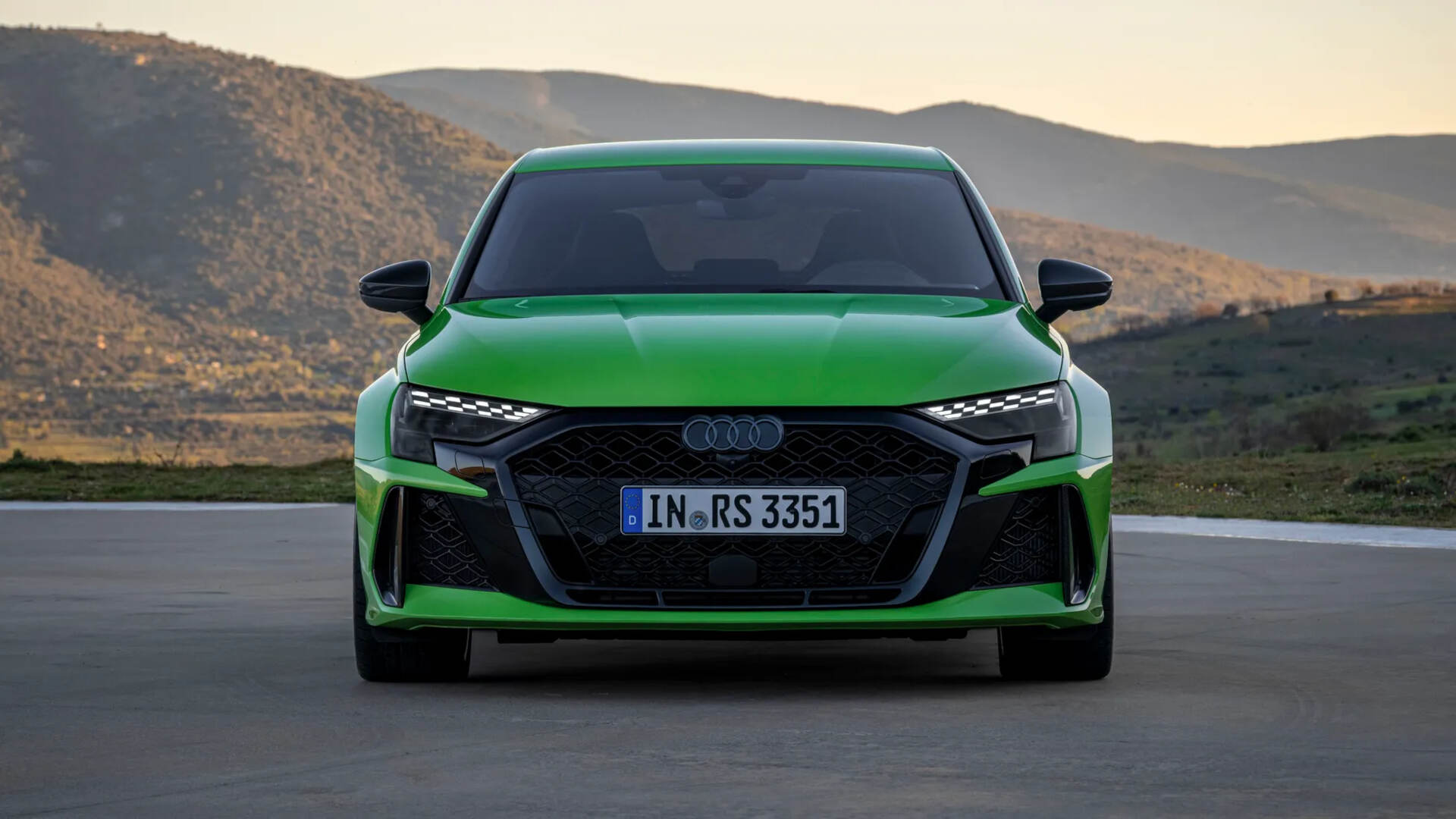
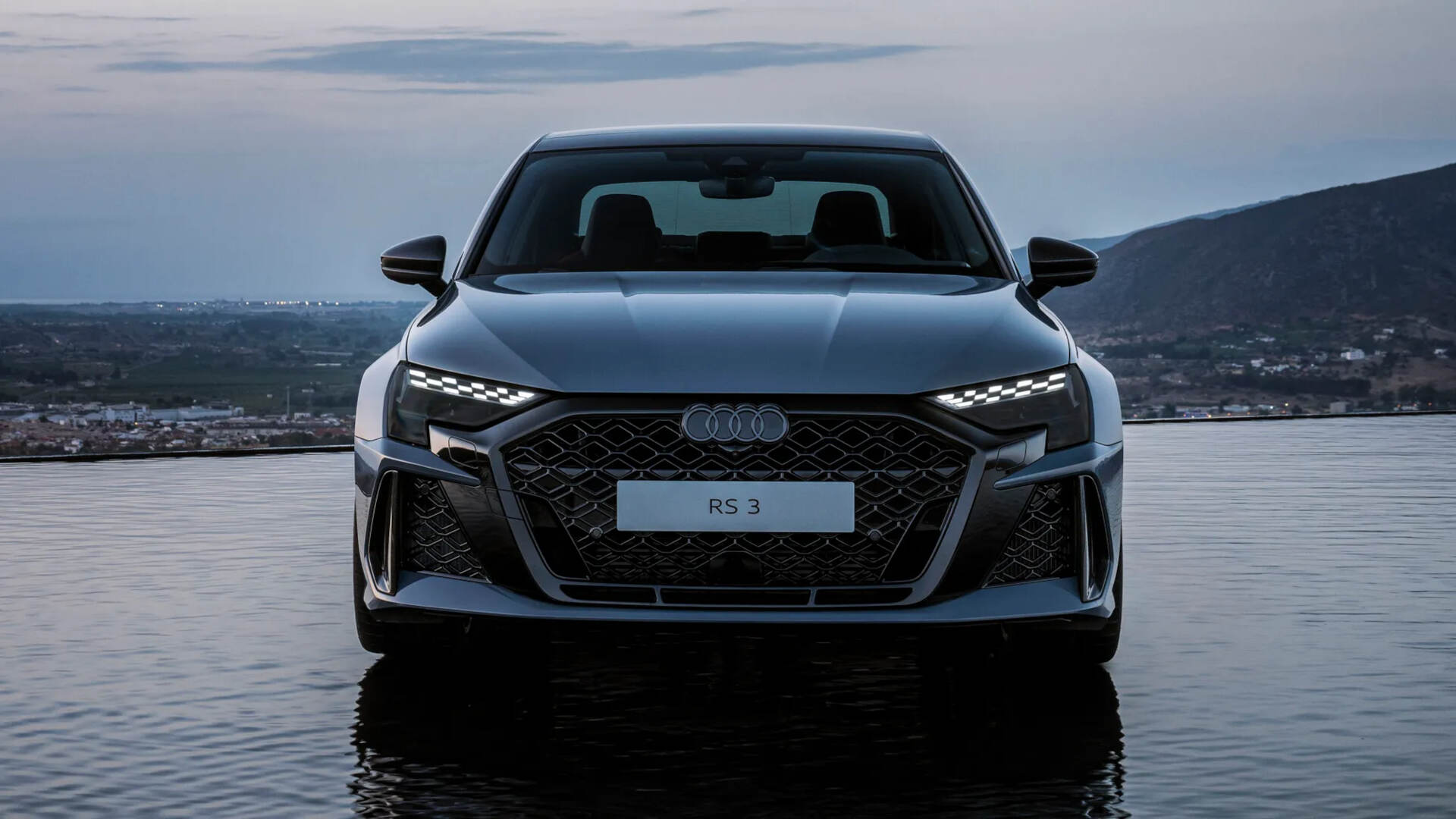
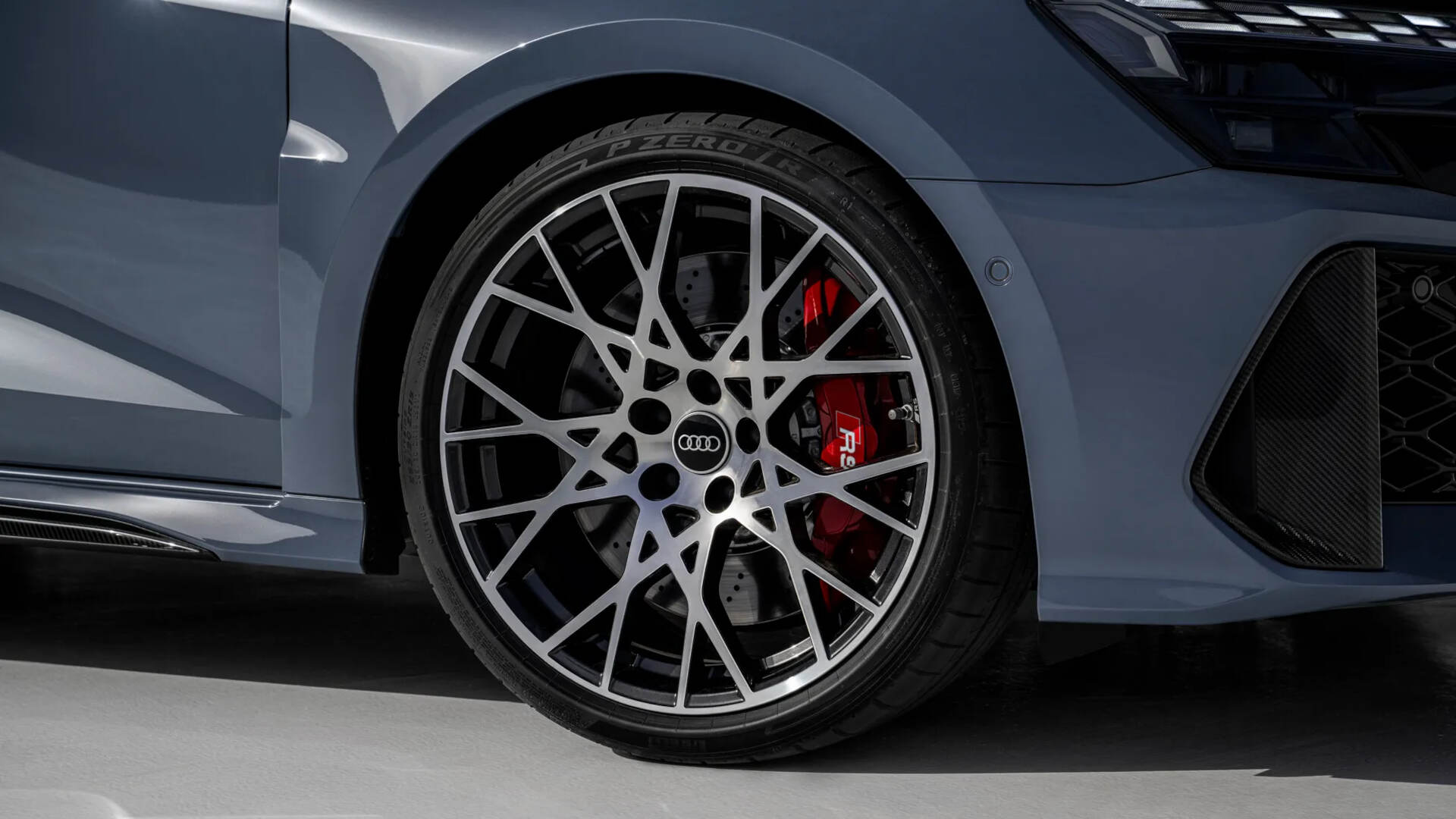
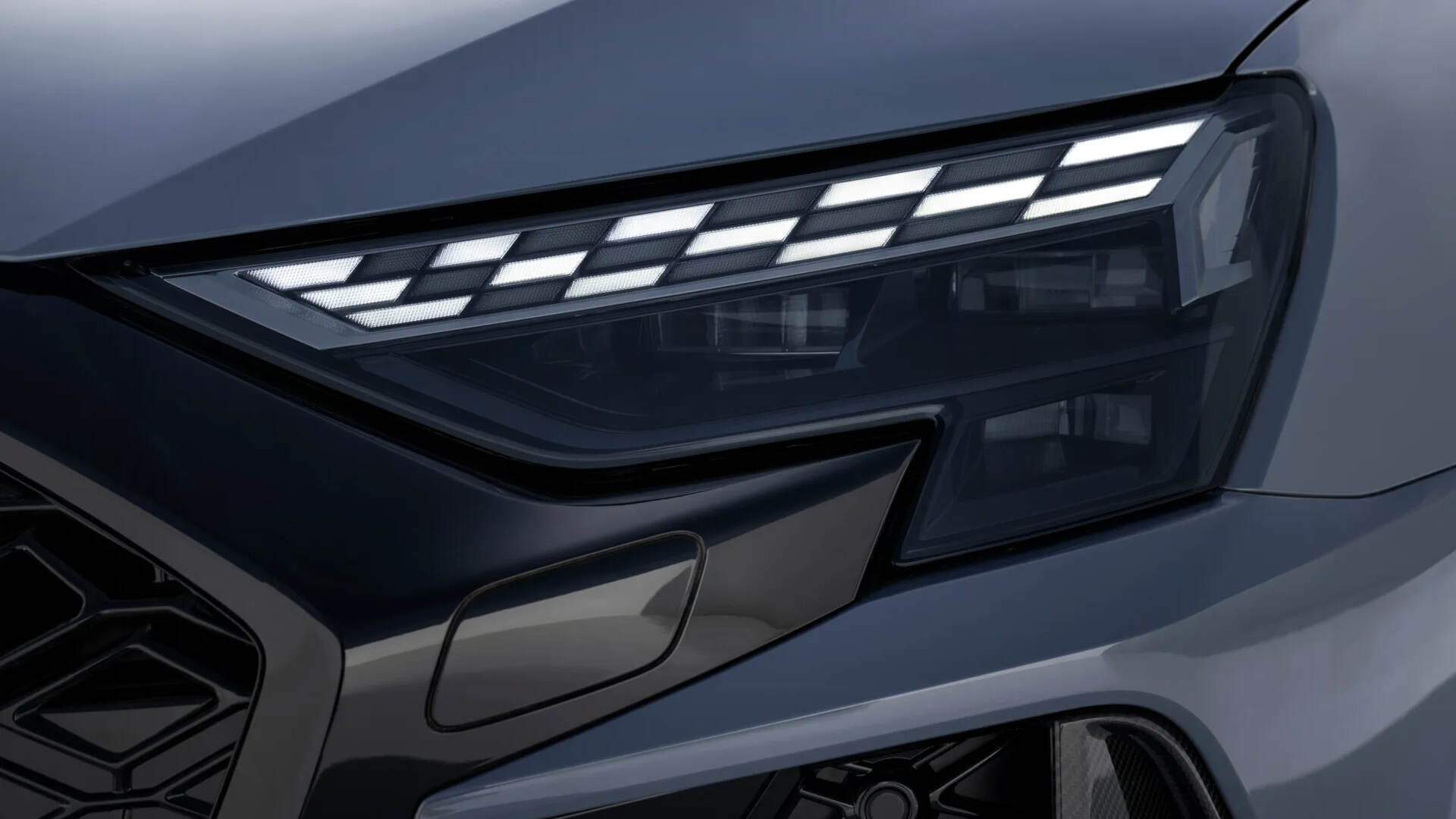
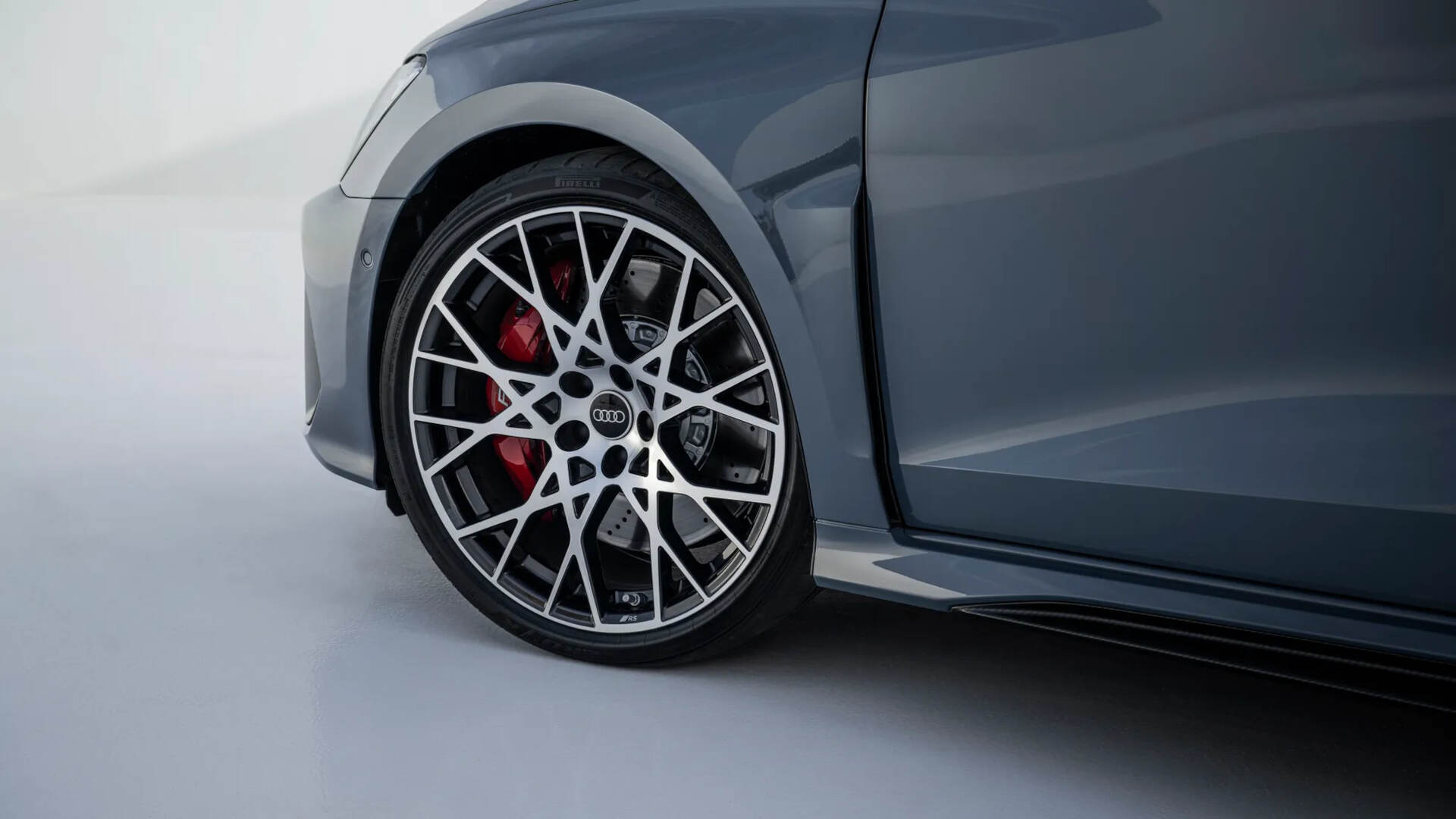
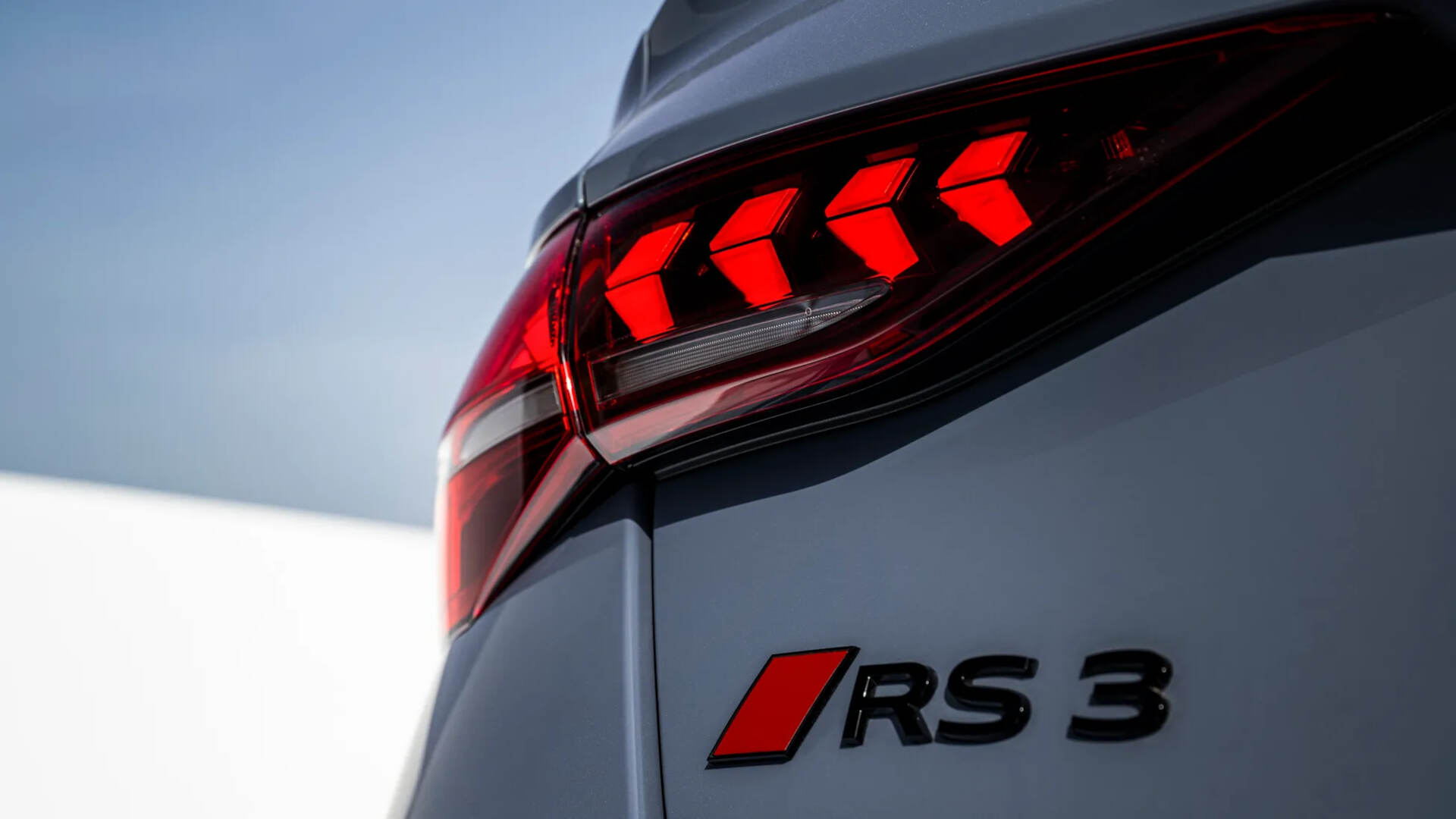
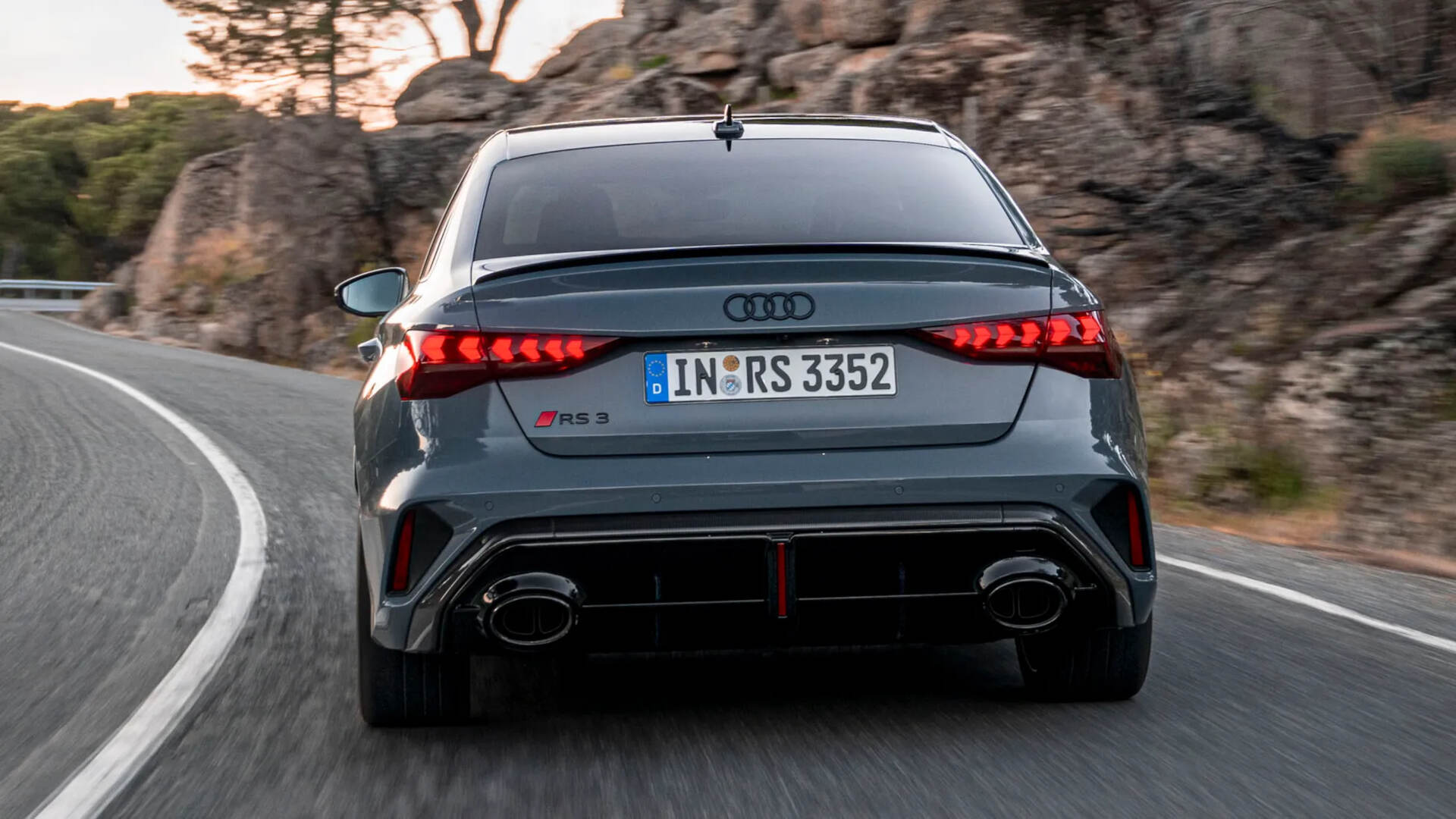
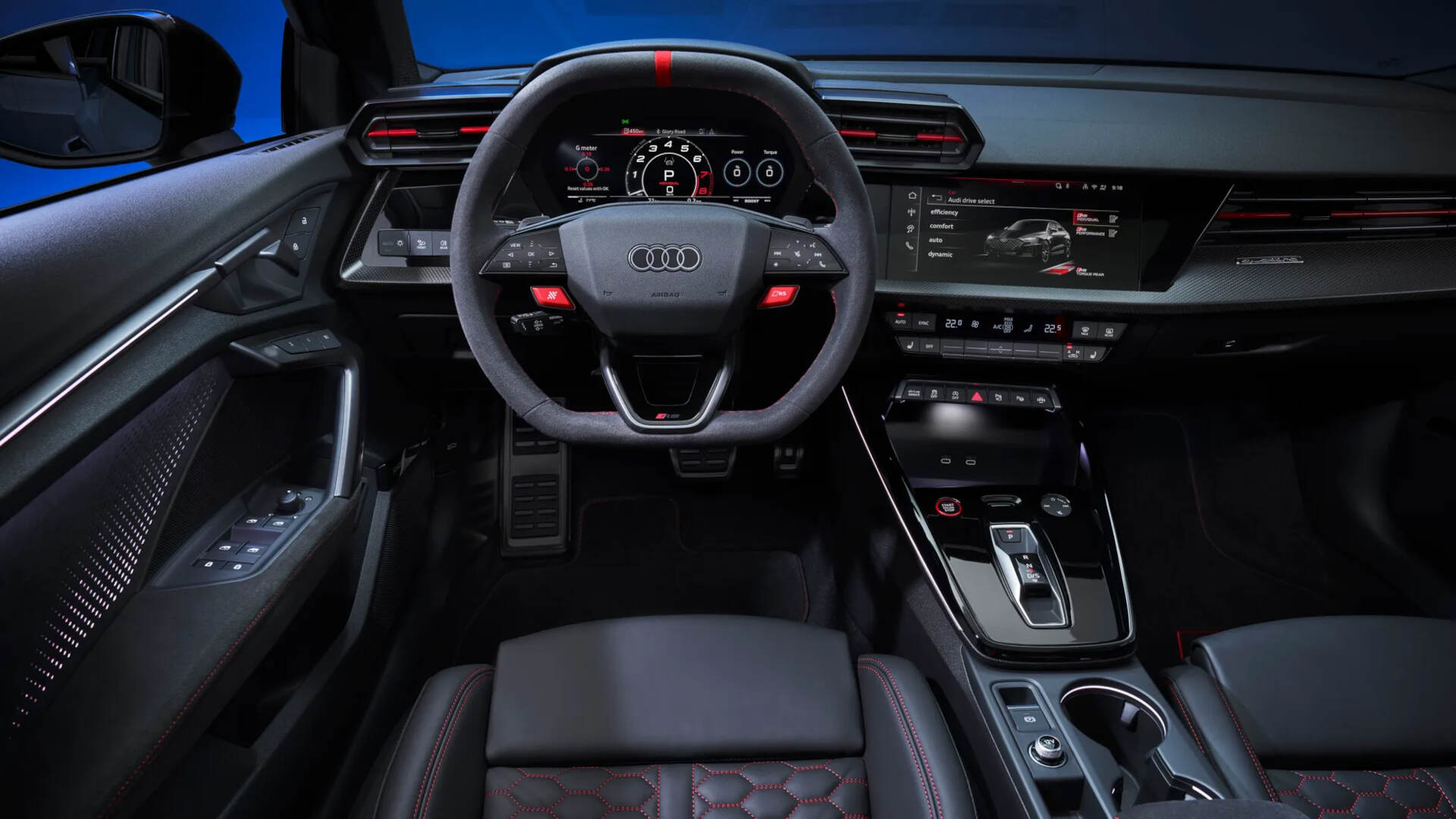
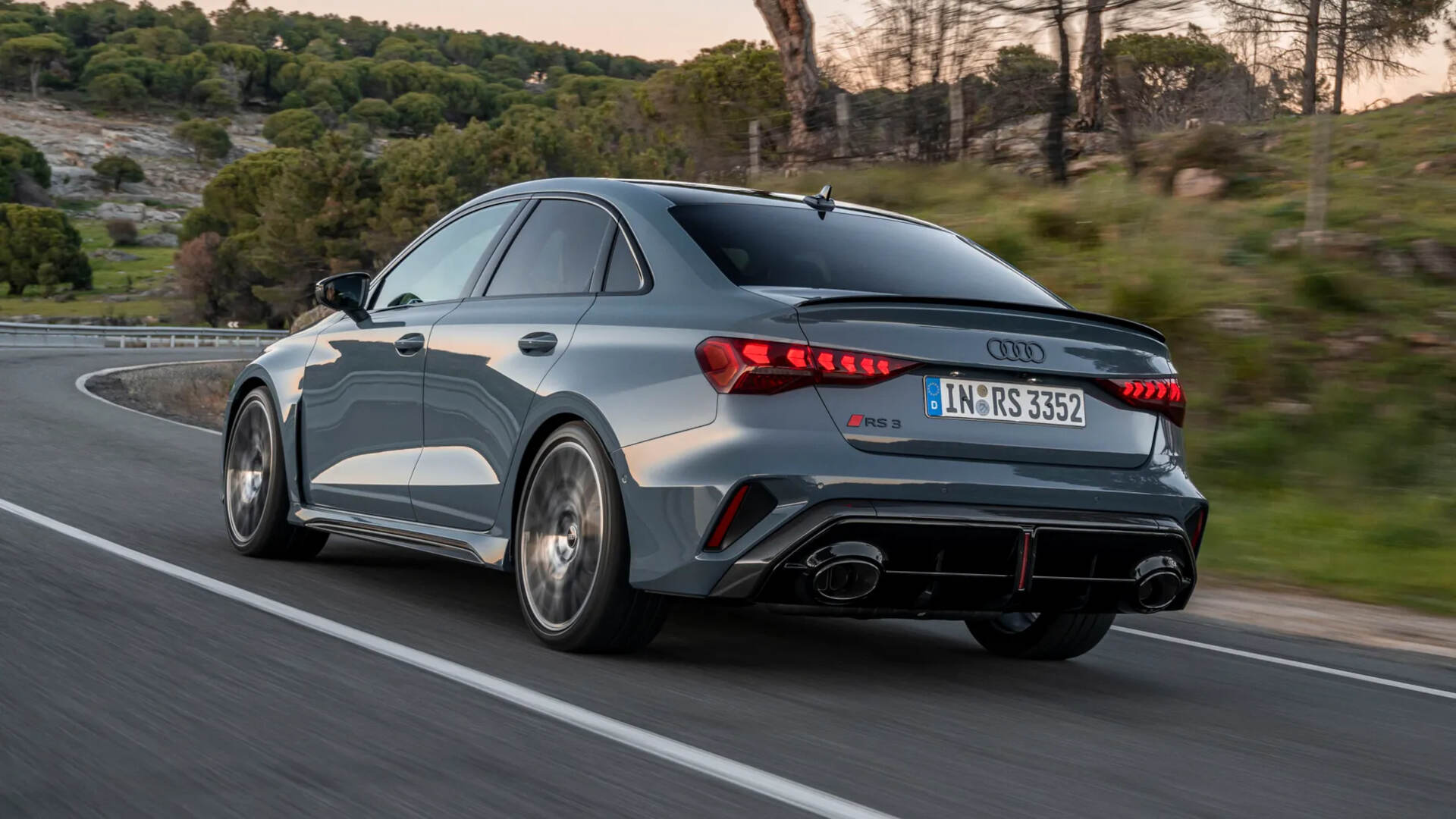
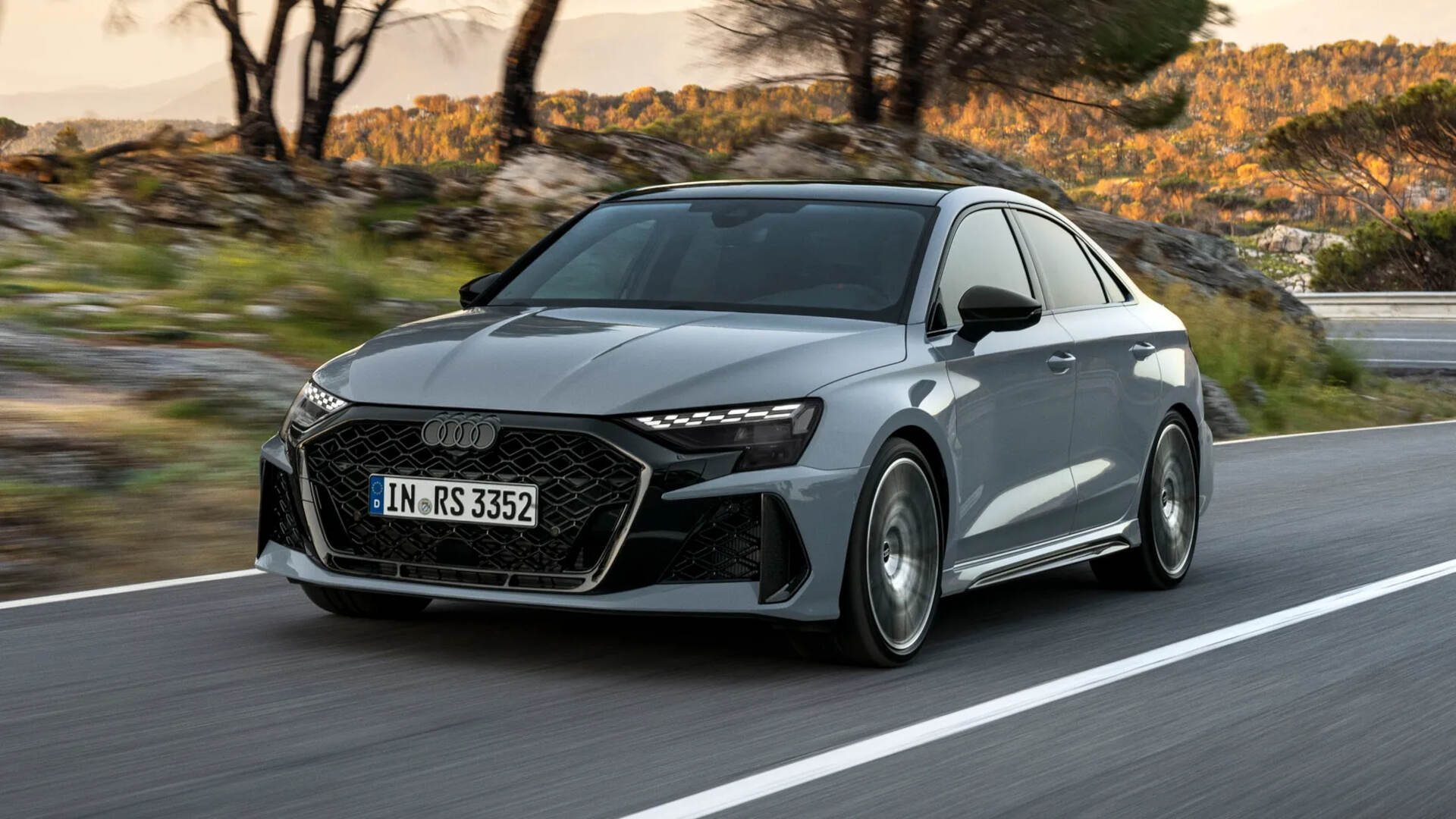
Of course, the new Audi RS3 encompasses all of those things too. Fans of Audi's long-running ‘Singleframe’ saga will be delighted by the very fractionally different new front grille, now a bit flatter and broader than before. Ditto the side air intakes. There are redesigned daytime running lights. Ditto the rears. Some gloss black detailing. New color options. Fancy interior lighting and a (digital) central rev counter.
OTHER STORIES YOU MIGHT HAVE MISSED:
Lando Norris dominates Dutch GP for second career win
New Ducati Hypermotard 698 Mono lands in PH with a P790k starting price
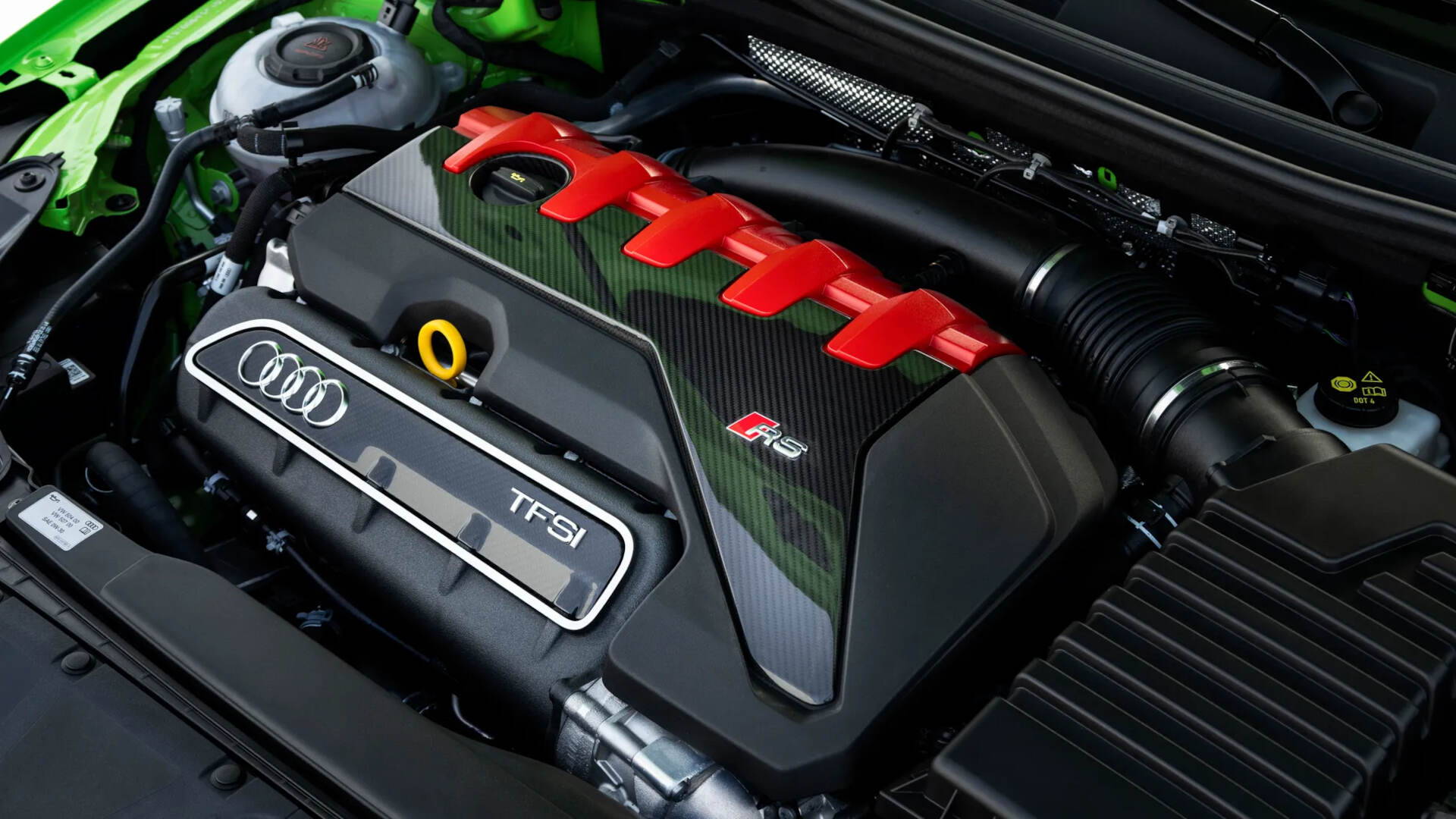
Which now details the story of a slightly fruitier-sounding iteration of that rather superb, award-winning engine. It’s the familiar 2.5-liter five-pot, still producing 396hp, still able to hit 100kph in at least 3.8sec via quattro, and still—on the range-topping Carbon Vorsprung trim—able to hit a 280kph top speed.
This time out, Audi has ‘optimized’ the exhaust flap control between 2,200rpm and 3,500rpm, in order for that five-cylinder engine to generate “a consistent and fuller-bodied sound no matter which mode is selected”. So the distinctive five-pot bark should sound more five-pottier than ever.
It’s also more—corner-y? Yes, corner-y—thanks to a revised algorithm for the similarly superb torque splitter (that lets the RS3 skid), adaptive dampers and stabilisation control, for better stability and faster cornering. No doubt this was instrumental in helping the RS3 sedan lap the Nürburgring in 7min33.12sec—more than five seconds faster than a BMW M2.
Those additional ones and zeros in the RS3’s code have also helped it oversteer more quickly. “Before now, oversteer was generated primarily by increasing the load requirement,” said Audi, “in other words, stepping on the throttle. Now, oversteer is easier to initiate in the RS3 via the steering angle.” 2024, huh: where an Audi RS3 trumpets its ease with going sideways.
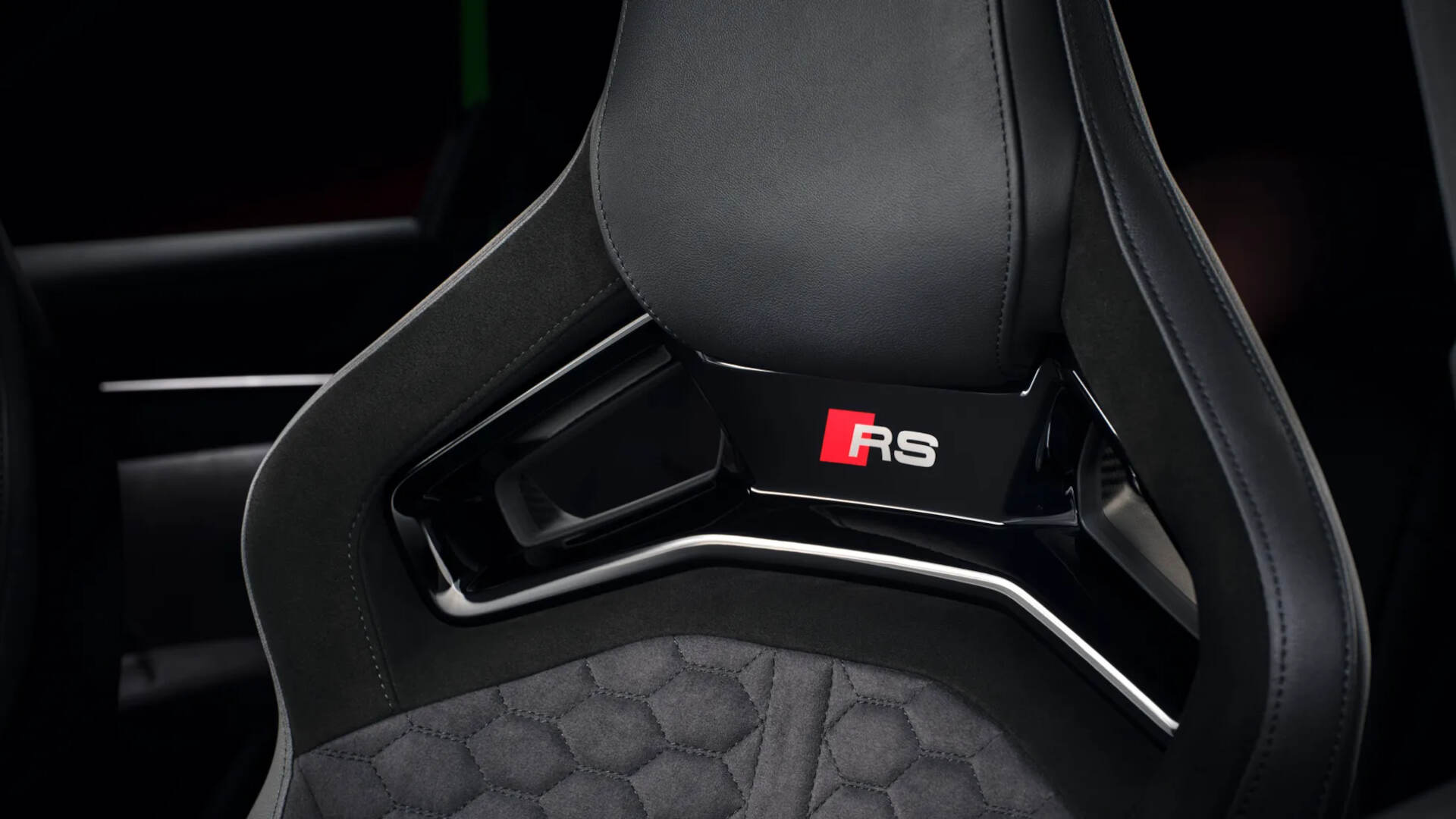
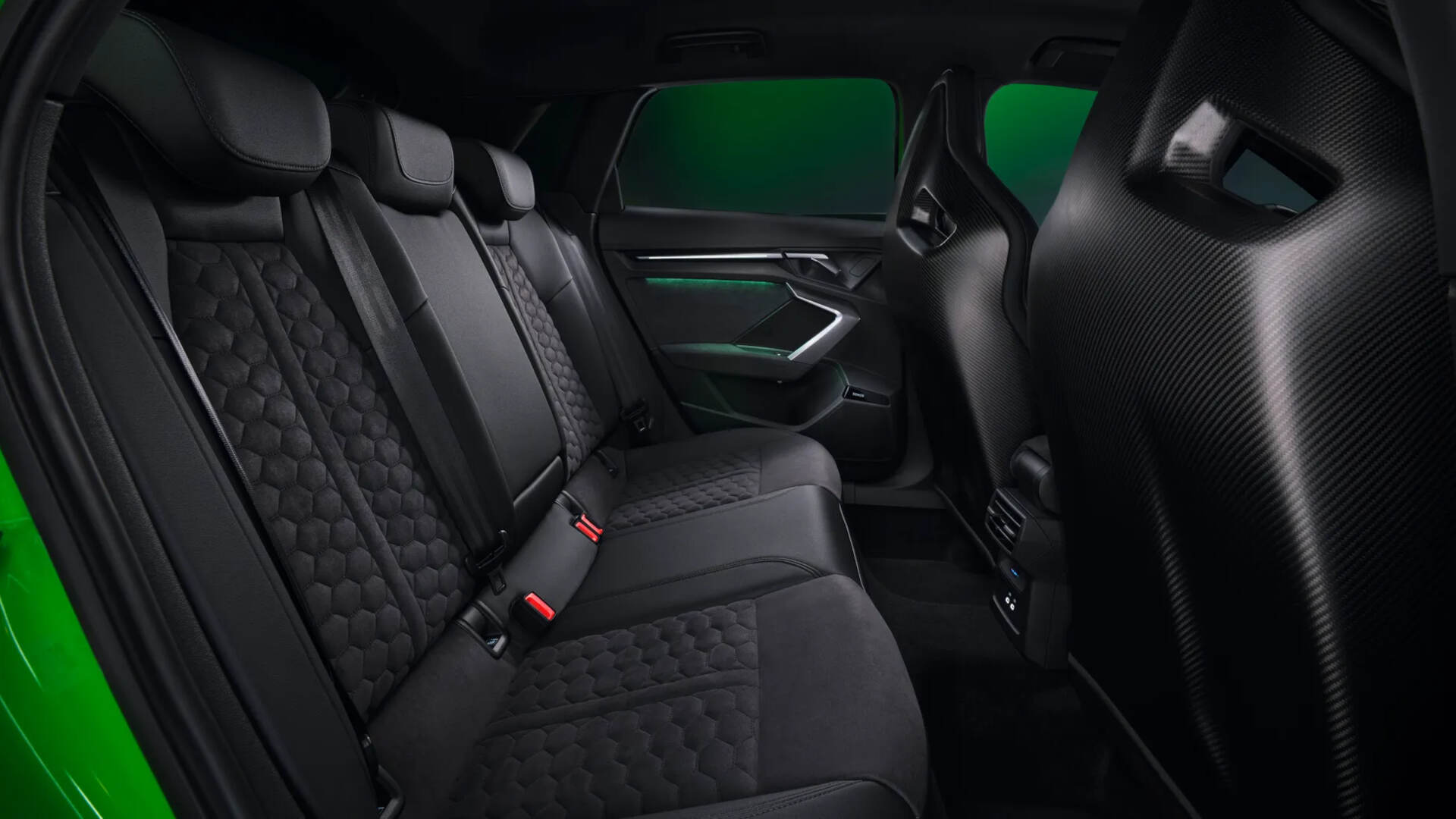
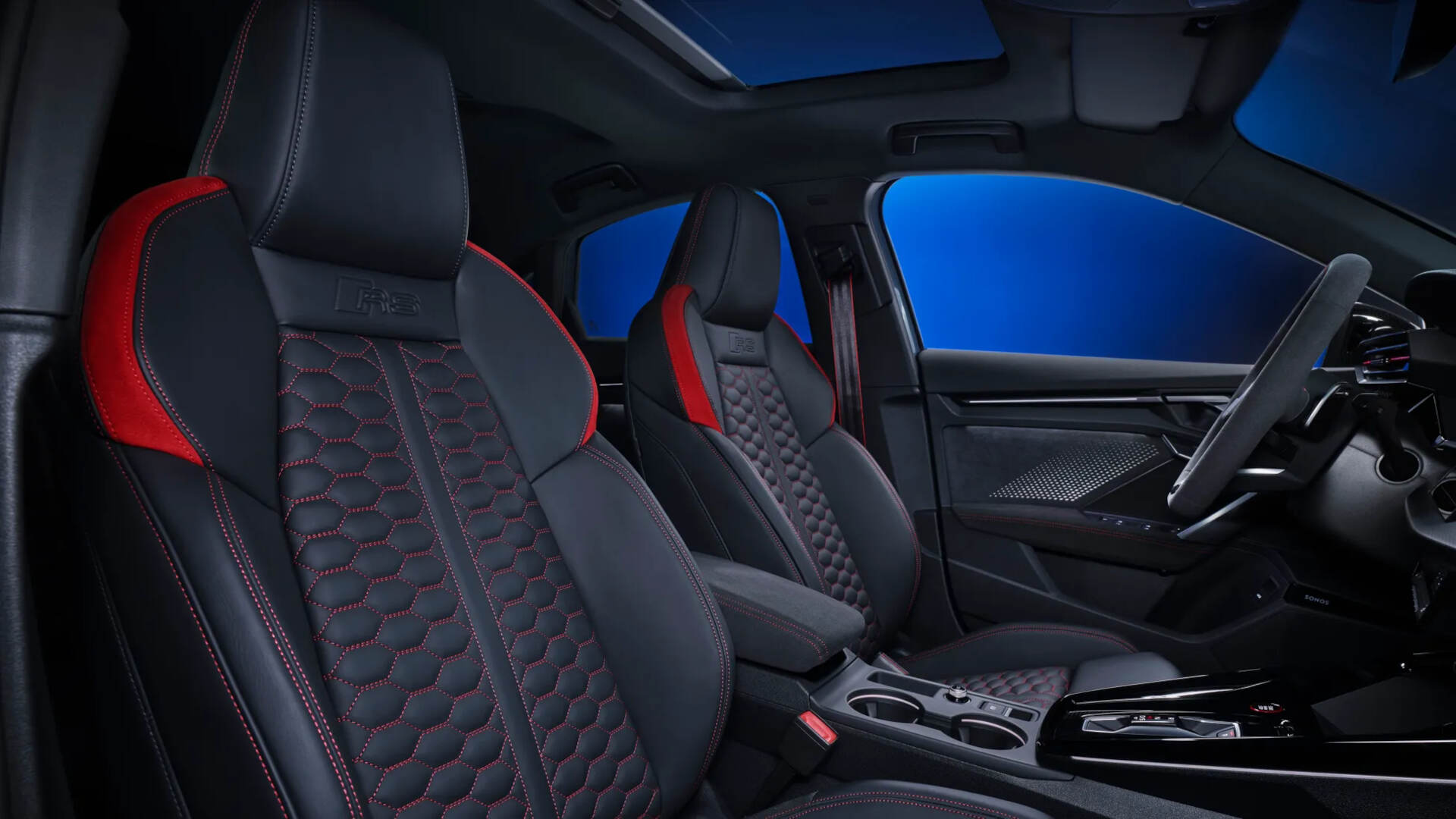
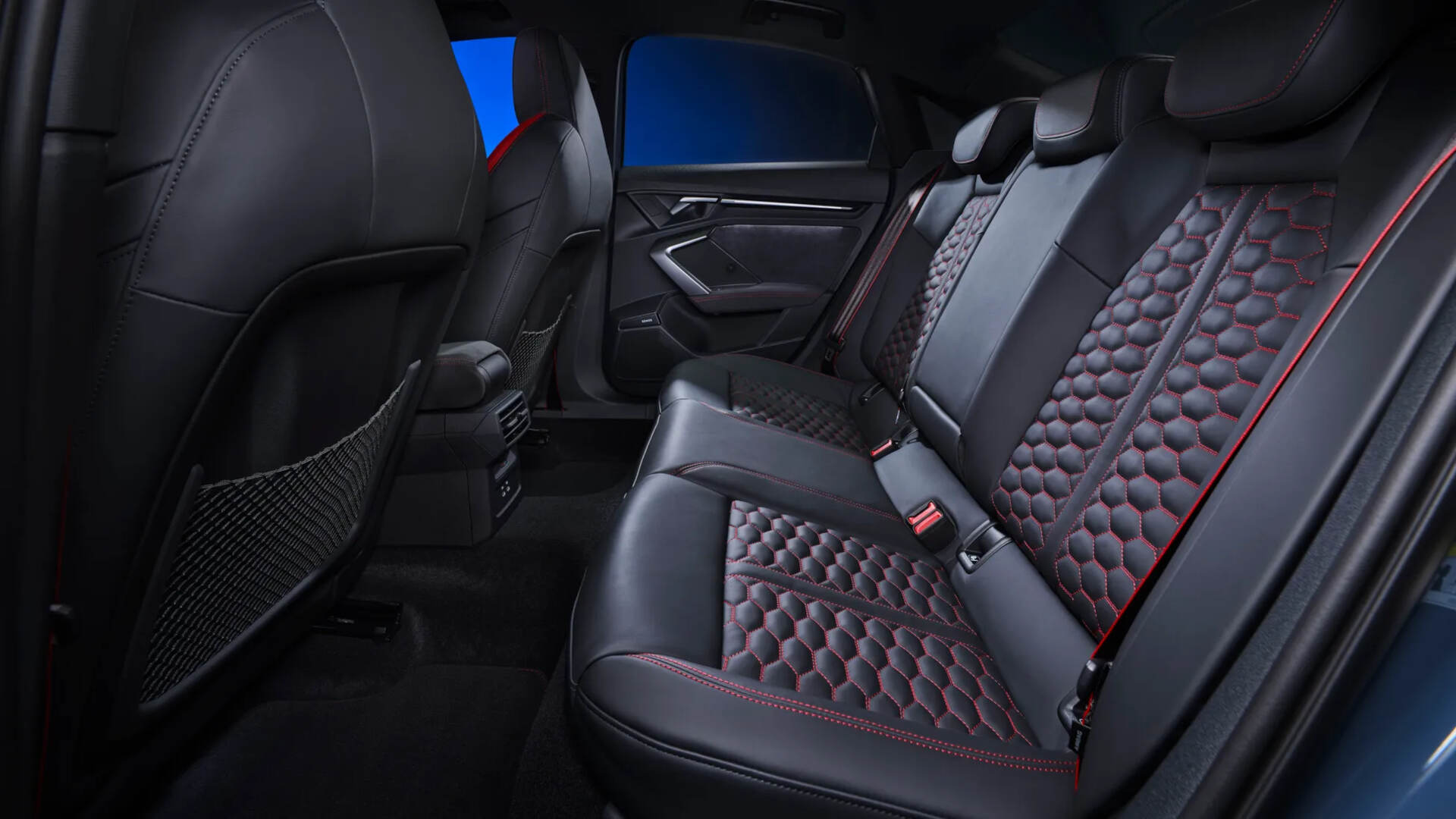
And trumpets its newfound… smell. Seriously. Audi has worked on finessing the new RS3’s interior aroma. An actual team of actual chemists worked on this, and not for a laugh, either. Because apparently, “Audi also has exceptional standards for smell in the interior.”
All interior components—leather, polymers, and the tanning agents that help make up the nearly 200 per car—are chemically analyzed. They’re then heated in a special chamber, and the resulting air is also analyzed. Apparently, this process lasts two to three hours per component. Finally, “the interplay of the various materials” is tested inside the RS3, because “they should smell nice in combination” and under all conditions.
Long, improbable story short: said interplay is then assessed by a team of five Audi chemists to ensure “the characteristic new smell of an Audi meets its customers’ high standards...” Quite.
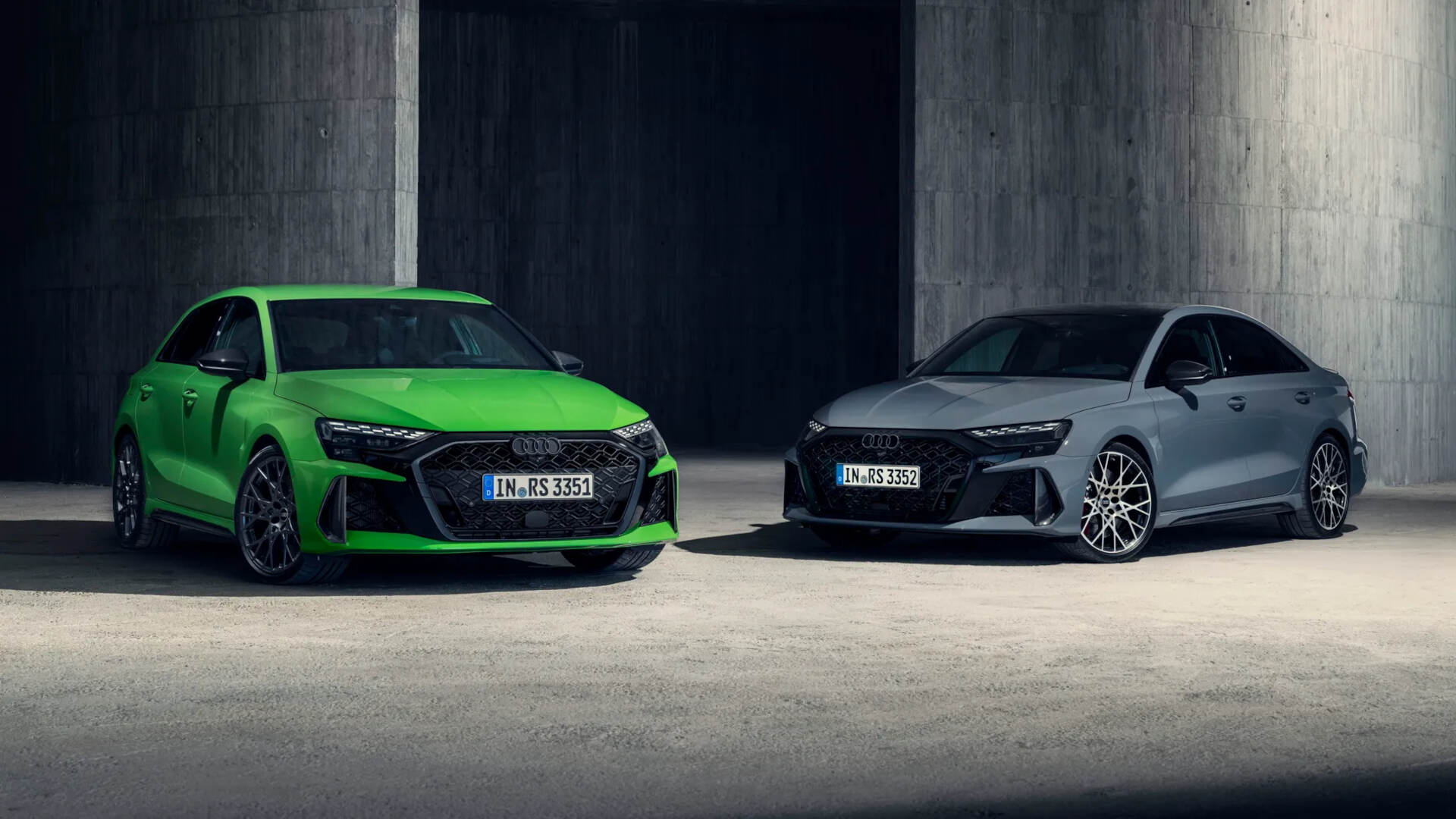
While you ponder that, here’s a sniff of its pricing—in the UK at least. The RS3 Sportback (that’s the traditional hot hatchback one) kicks off at £59,510 (P4.4 million), rising to £64,160 (P4.75 million) for the Carbon Black edition, and topping out at £68,650 (P5.09 million) for the Carbon Vorsprung. The RS3 Sedan, meanwhile (that’s the, um, sedan), kicks off at £60,510 (P4.48 million), with the Carbon Black car costing £65,160 (P4.82 million), and the Carbon Vorsprung weighing in at £69,650 (P5.16 million).
More photos of the 2024 Audi RS3 wagon:
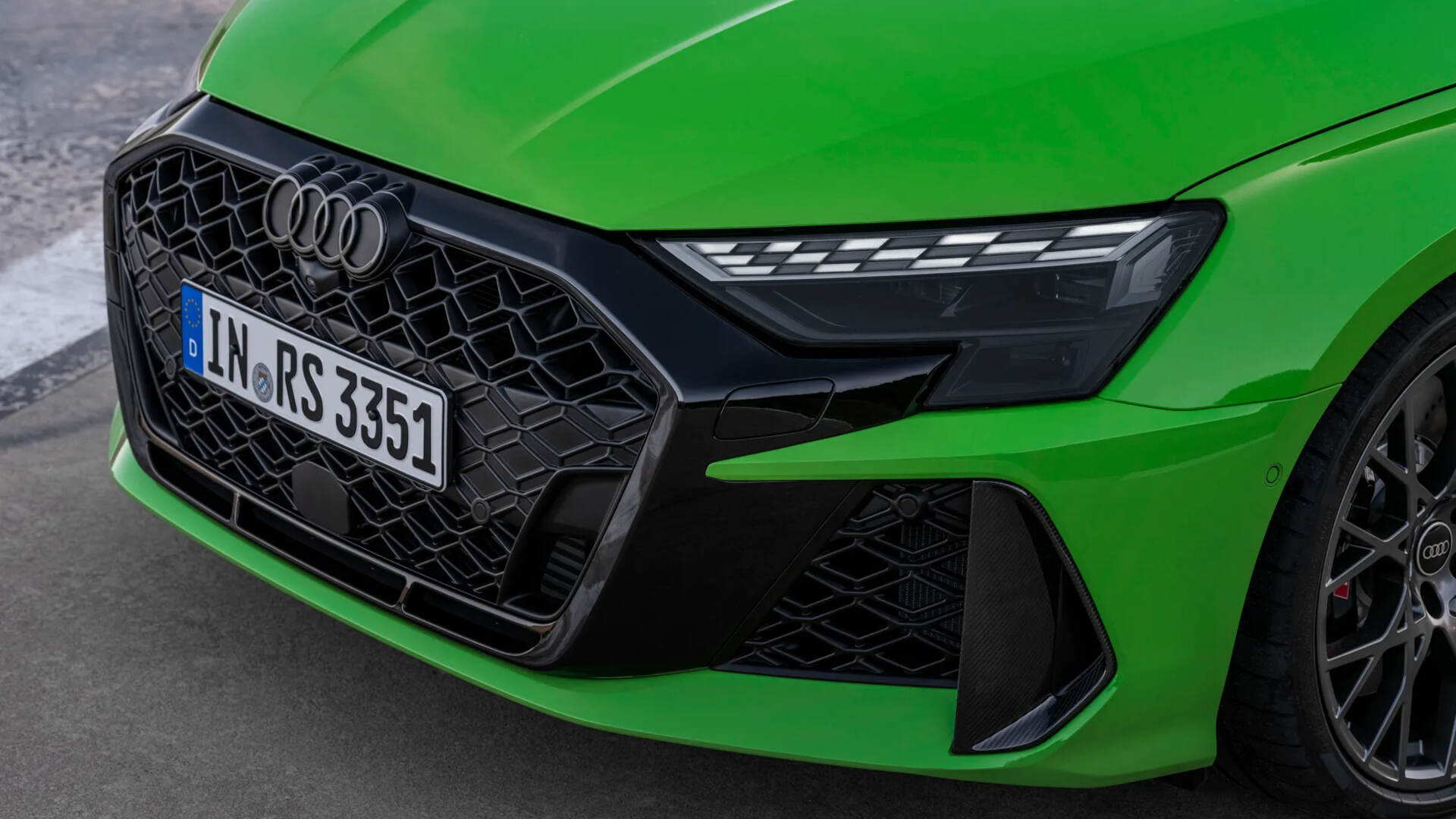
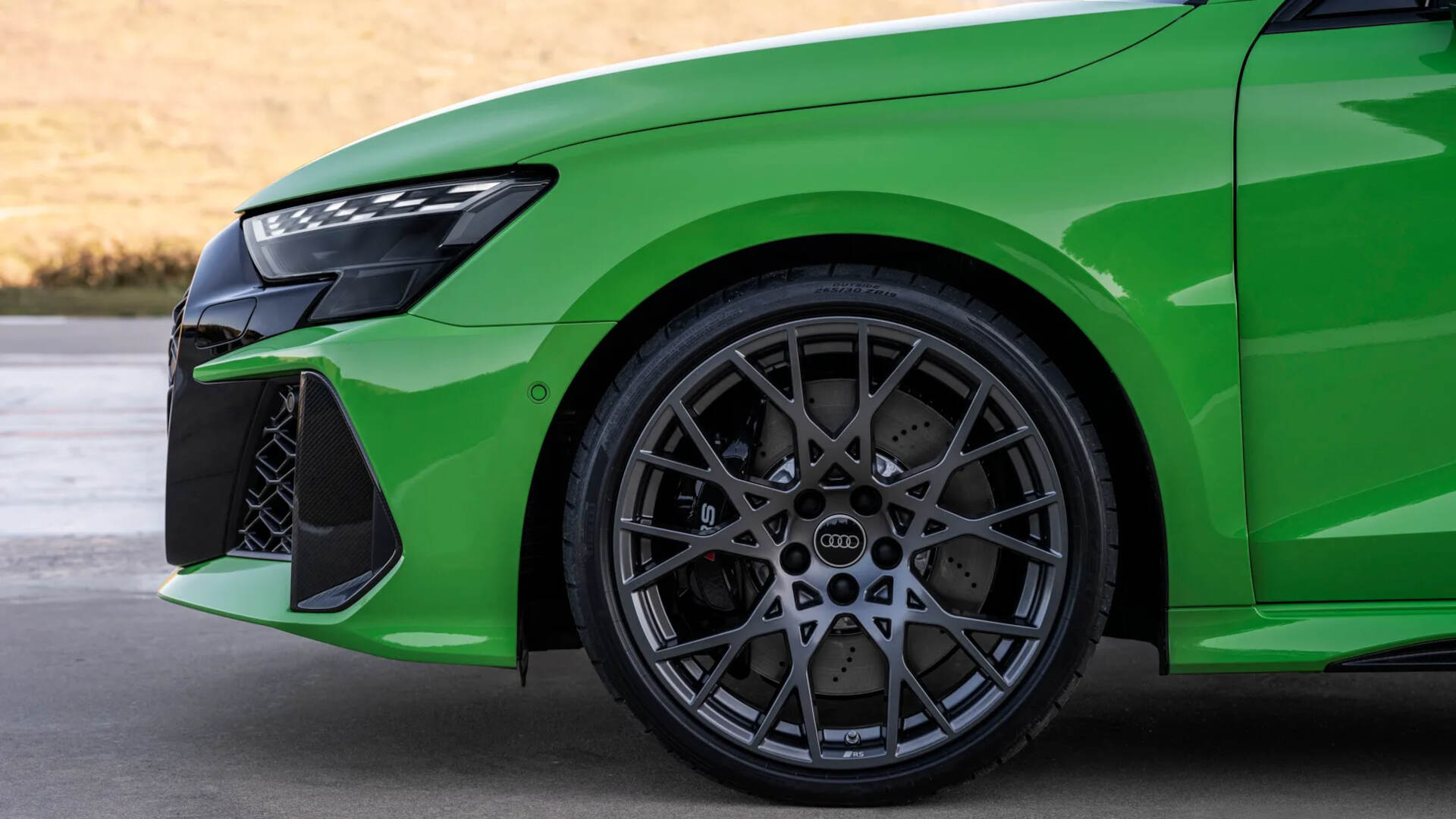
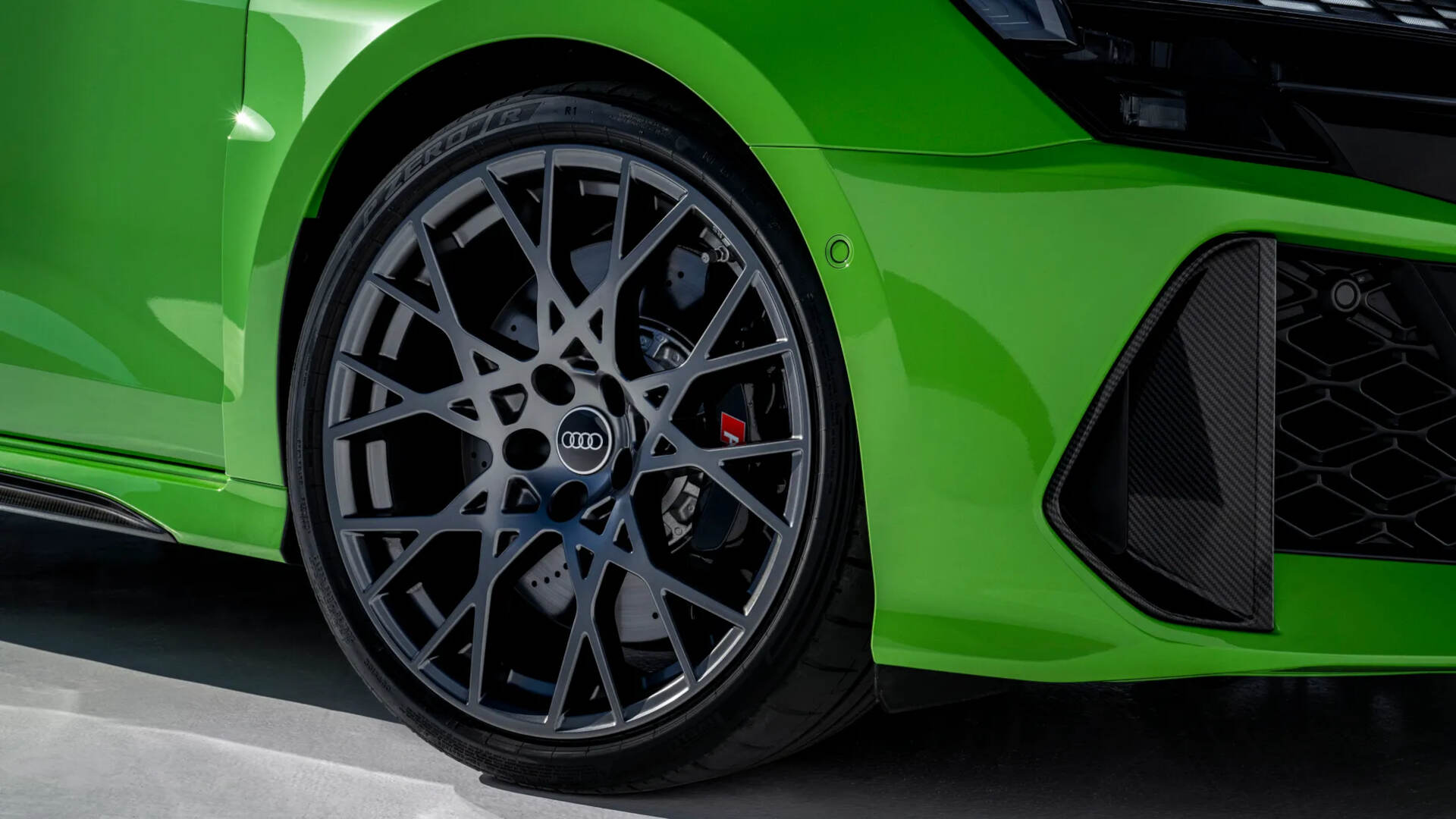
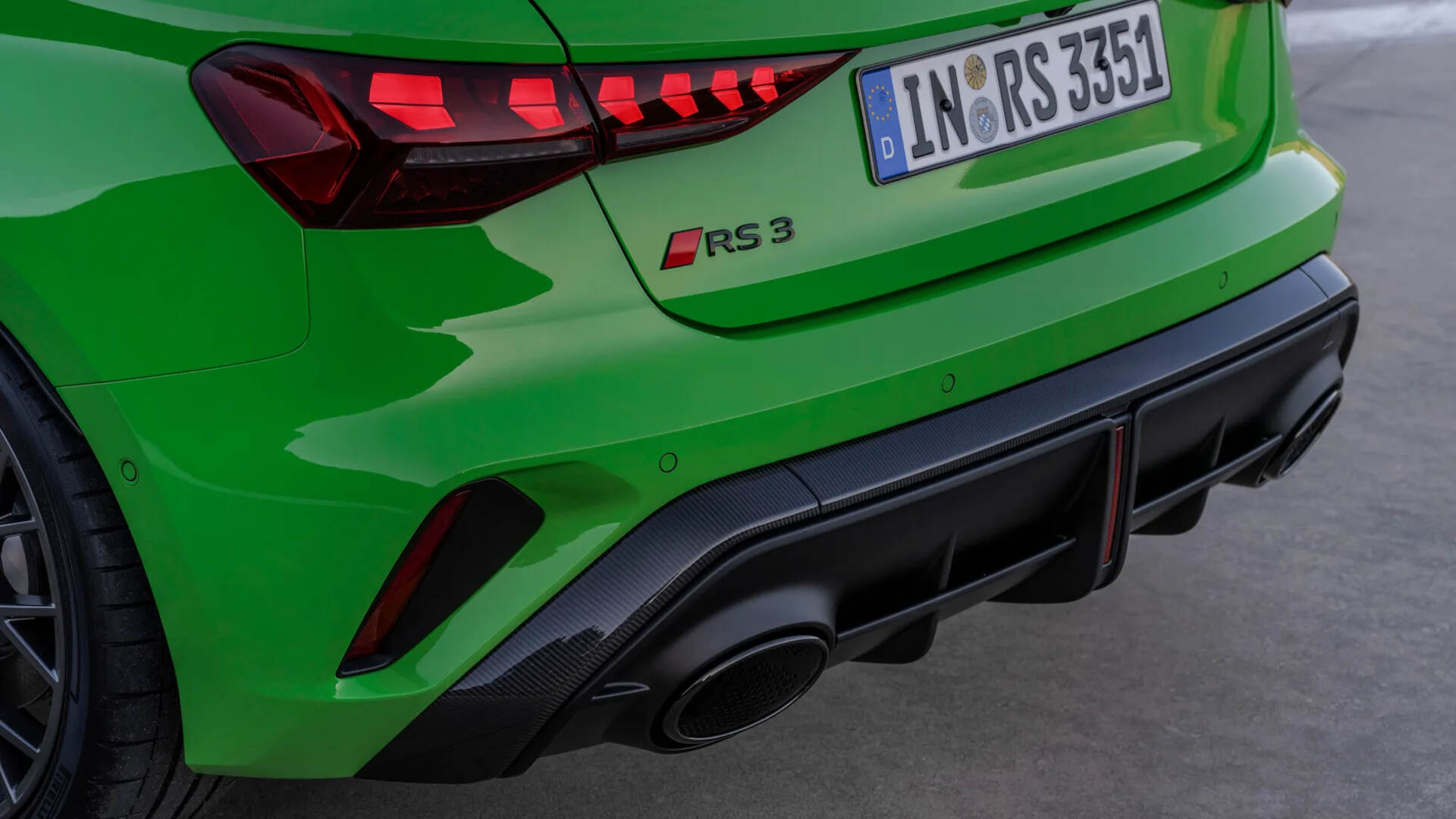
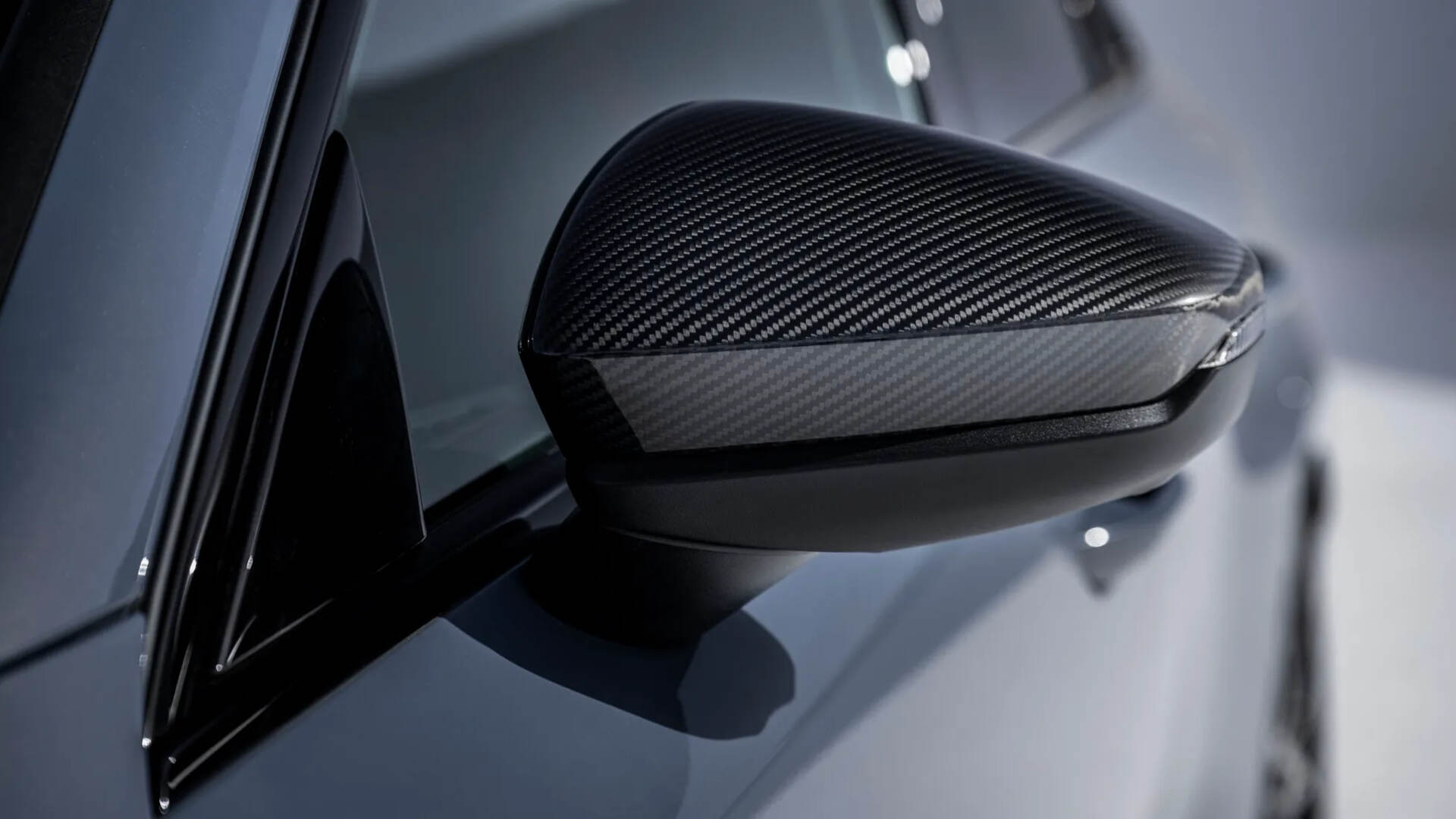
More photos of the 2024 Audi RS3 sedan:
NOTE: This article first appeared on TopGear.com. Minor edits have been made.