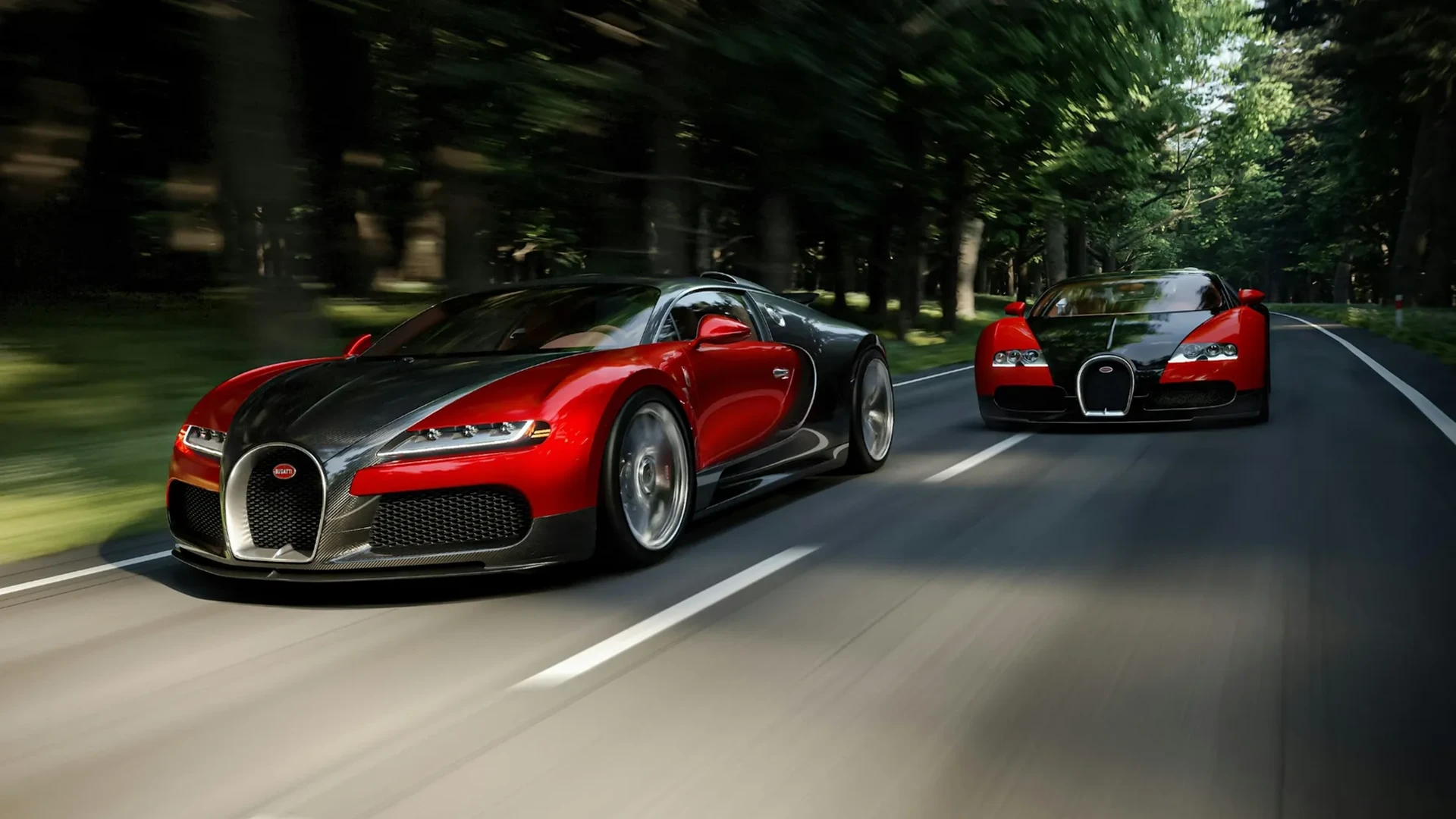

Ever heard the one about a faithful recreation of the Bugatti Veyron—the Noughties hypercar sent to slay physics—based on the underpinnings of its successor, the Chiron? That’s like Lamborghini producing an Aventador tribute atop the Revuelto. It’s retrofication gone mad.
It’s called the Bugatti Veyron FKP Hommage, named after Ferdinand Karl Piëch—the legendary VW Group chairman who masterminded the Veyron and many other fantastic things—and built to honor the 20th anniversary. First shown as a concept at the Tokyo Motor Show in 1999 but officially unveiled in 2005, the Veyron was first driven by Top Gear in 2006—the globally recognized measure of a car’s true starting point.
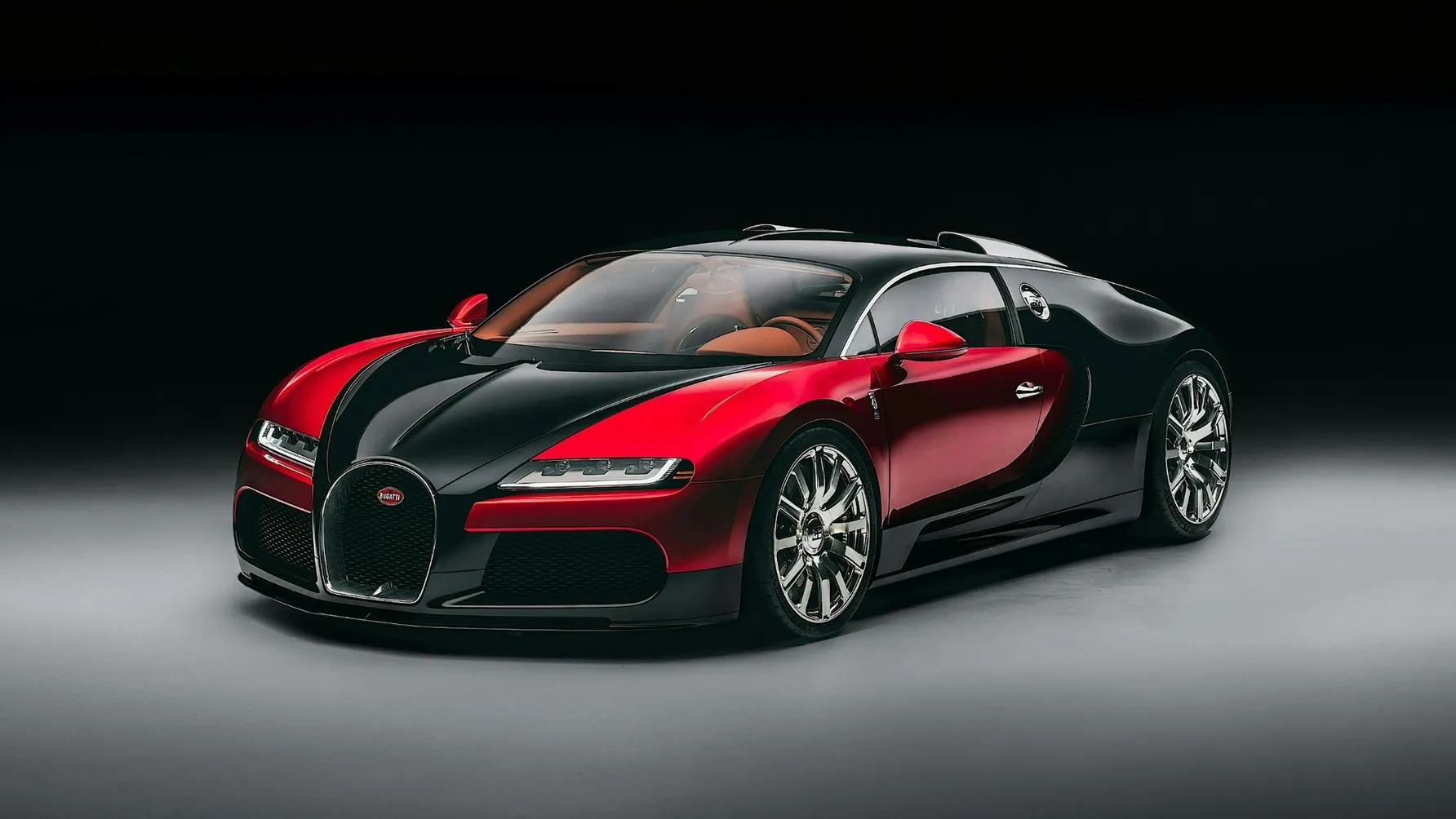
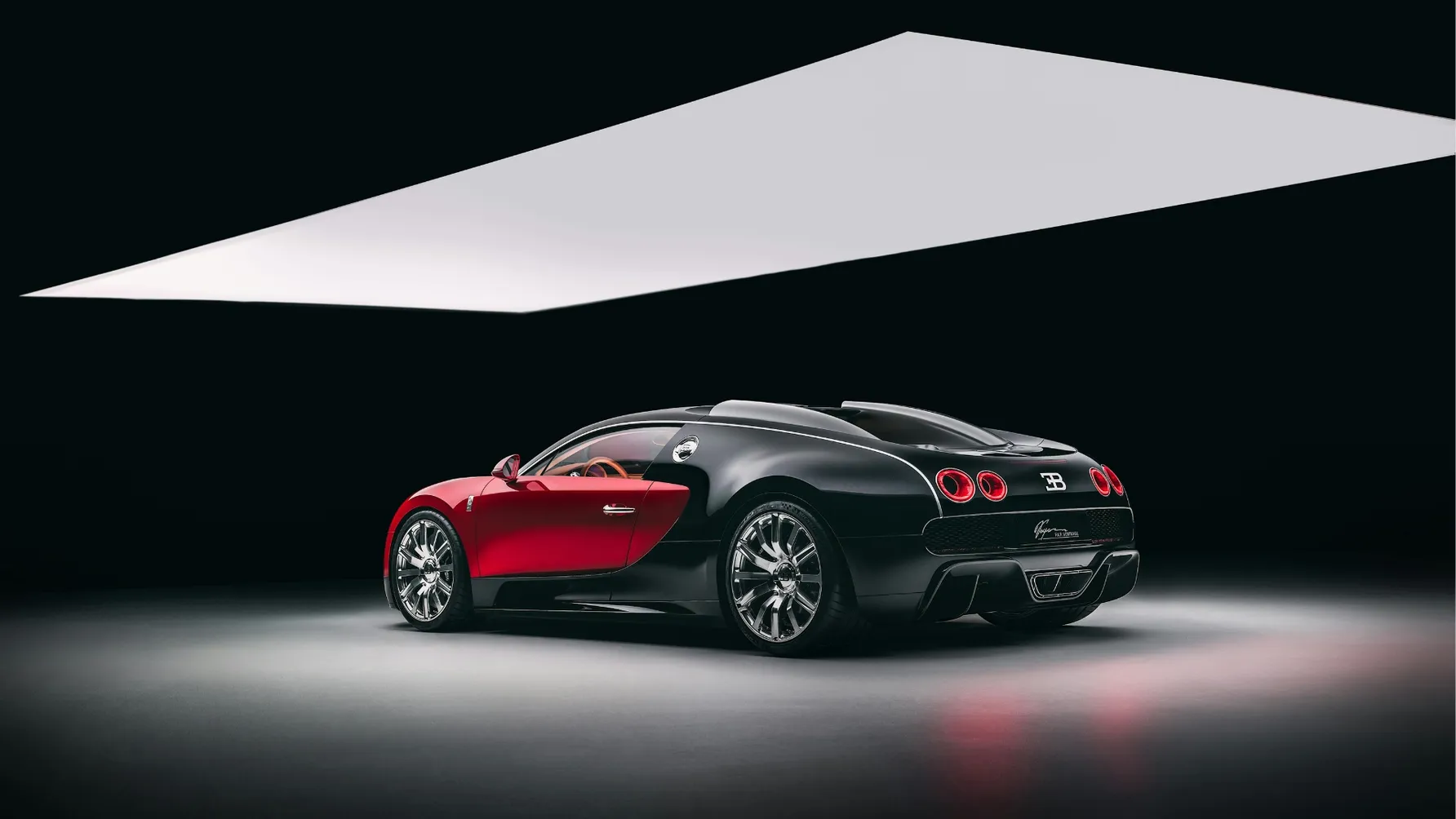
It’s the second model to come from Bugatti’s new Solitaire programme, following the Brouillard shown in 2025. Solitaires are always one-off customer commissions, built on existing engine and chassis architecture, but with coachbuilt bodywork, highly-customised interiors and limited to just two projects per year. Naturally, the price is not made public, because it would probably cause a spate of aneurysms… let’s just call it somewhere in the £15m/?1.1b to £20m/?1.5b ballpark.
OTHER STORIES YOU MIGHT HAVE MISSED:
This Nissan superfan is building his own Sentra Nismo
Faster than Norris? Bosch says you can be with its new AI-powered coaching tool
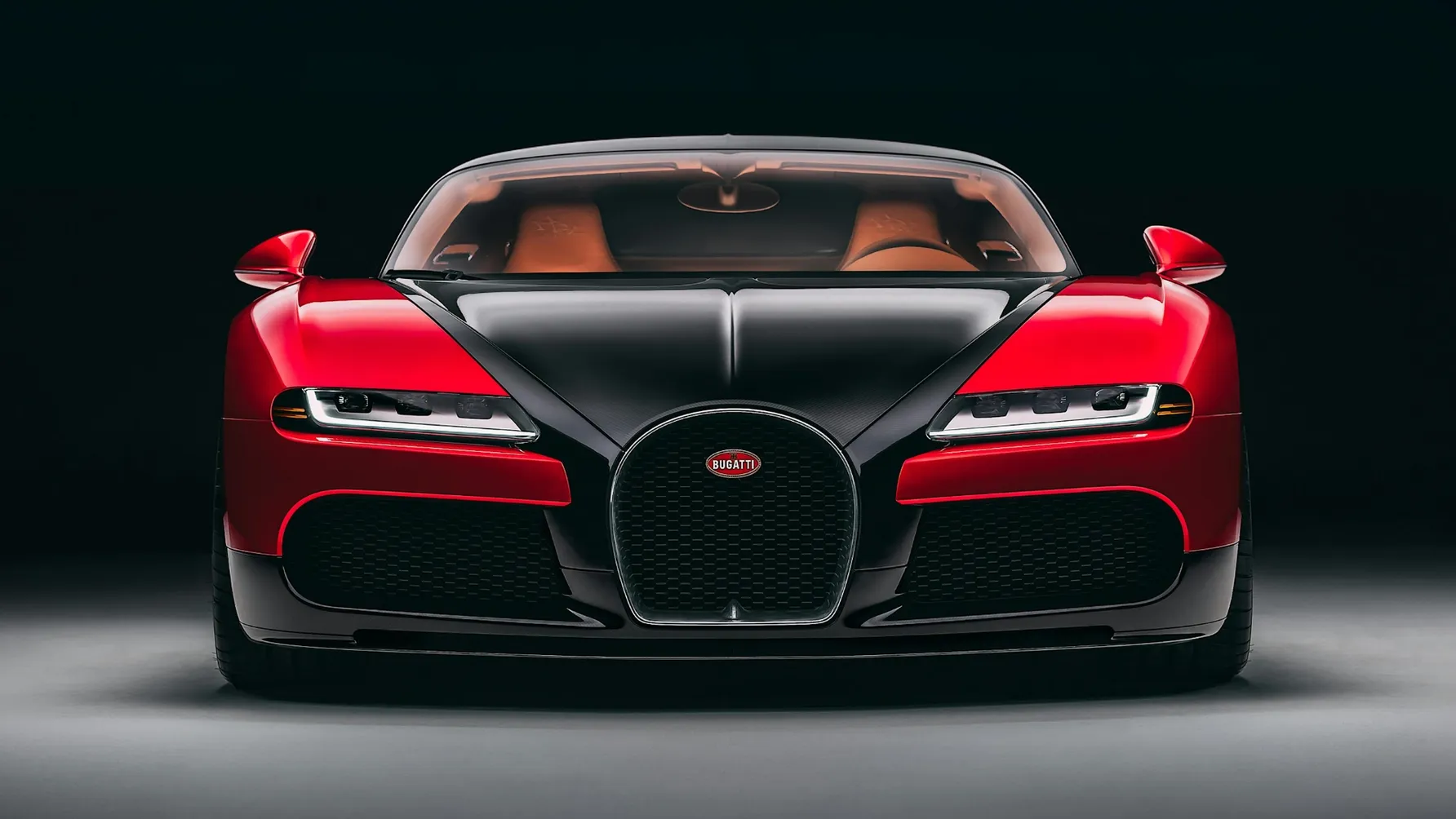
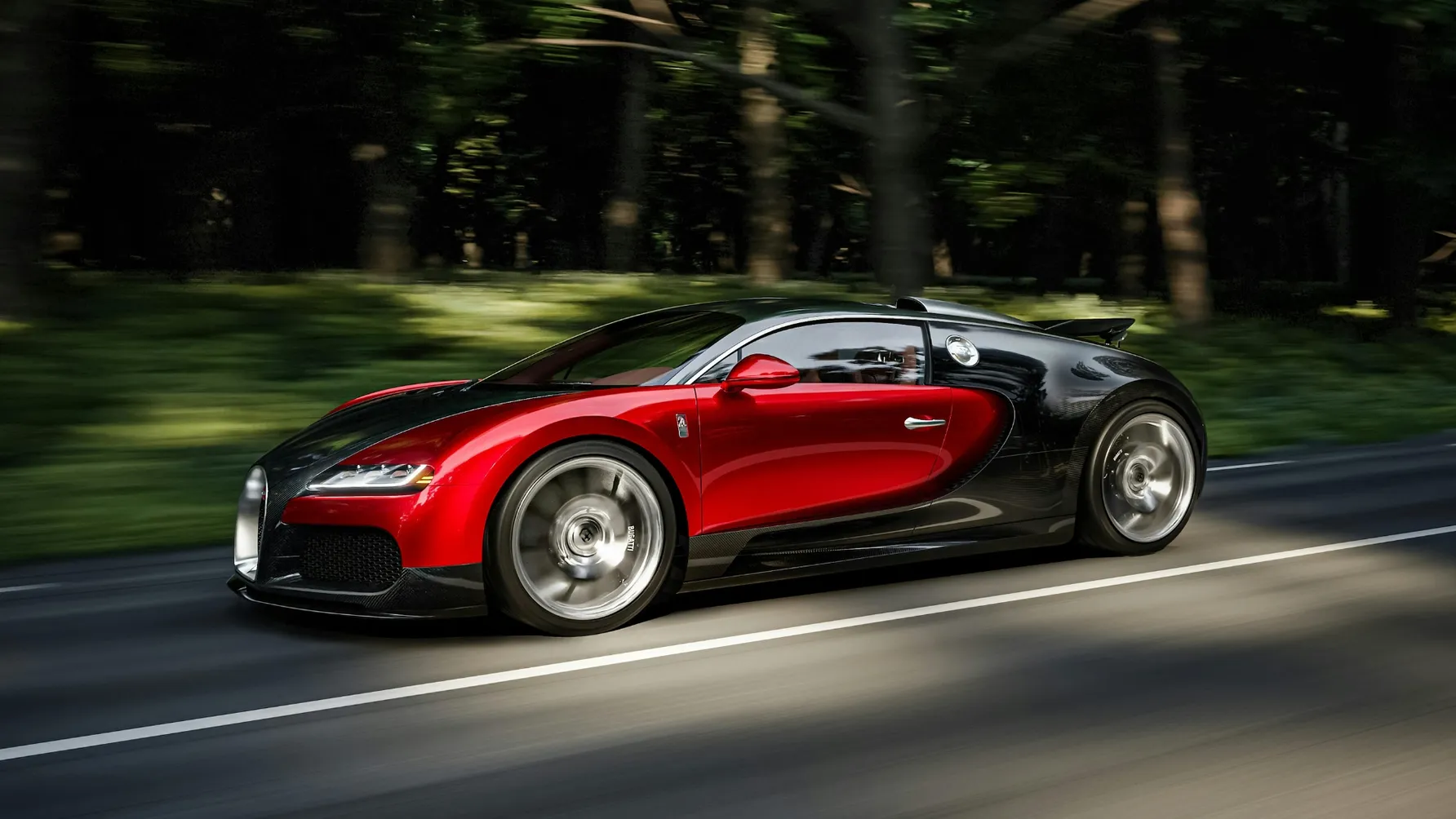
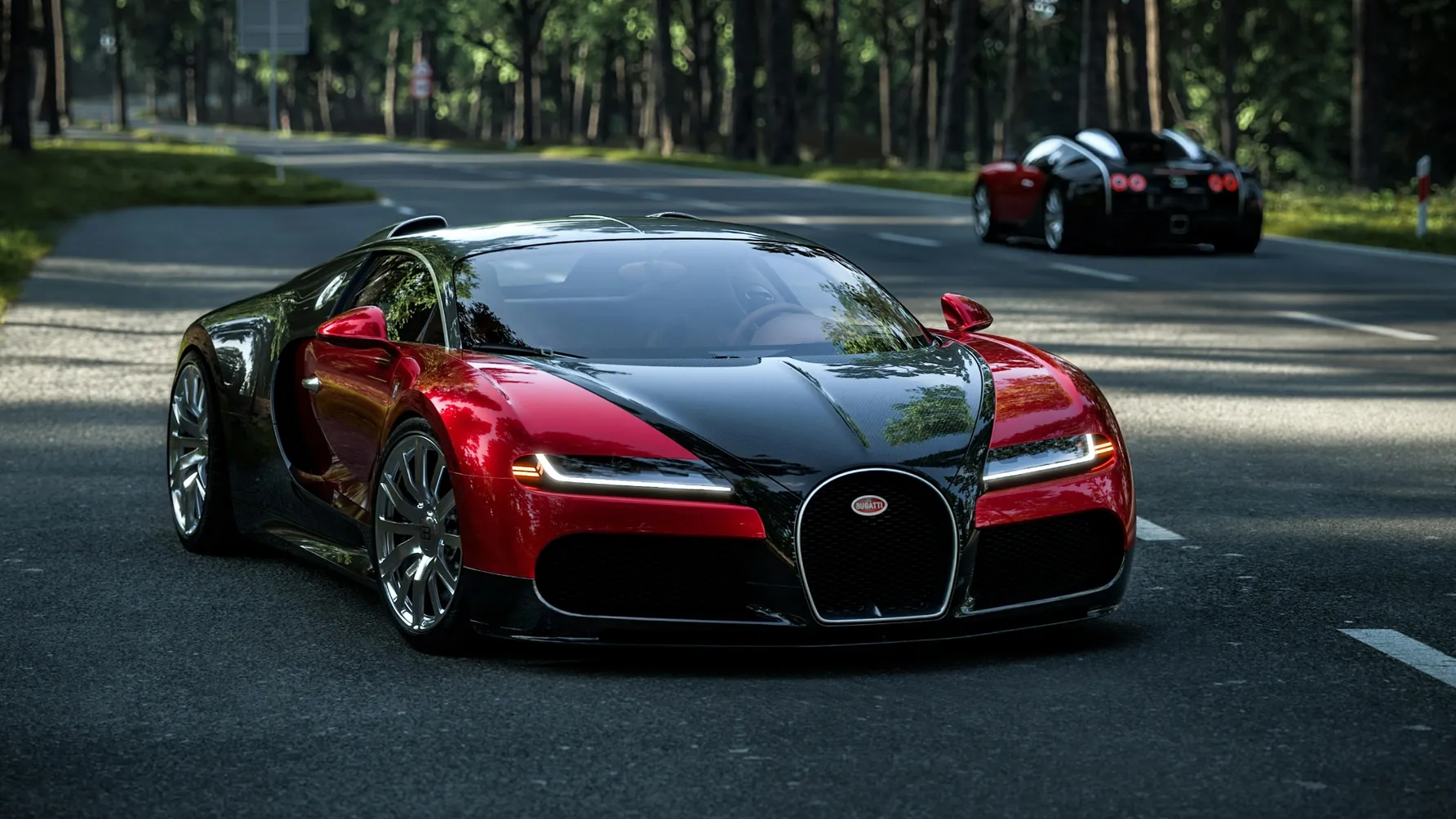
Josef Kaban’s original design was always quirky with its falling belt line, leaned-back stance and huge blocky surfaces intersecting like tectonic plates. Here, though, the awkwardness has been ironed out: It squints with purpose, and seems lower, wider, and carrying more muscle. There’s a subtly better stance on bigger wheels, more three-dimensionality to everything, a proper glow-up. It’s not a total copy—more a gentle evolution, a preview of what an updated Veyron could have become, inside and out.
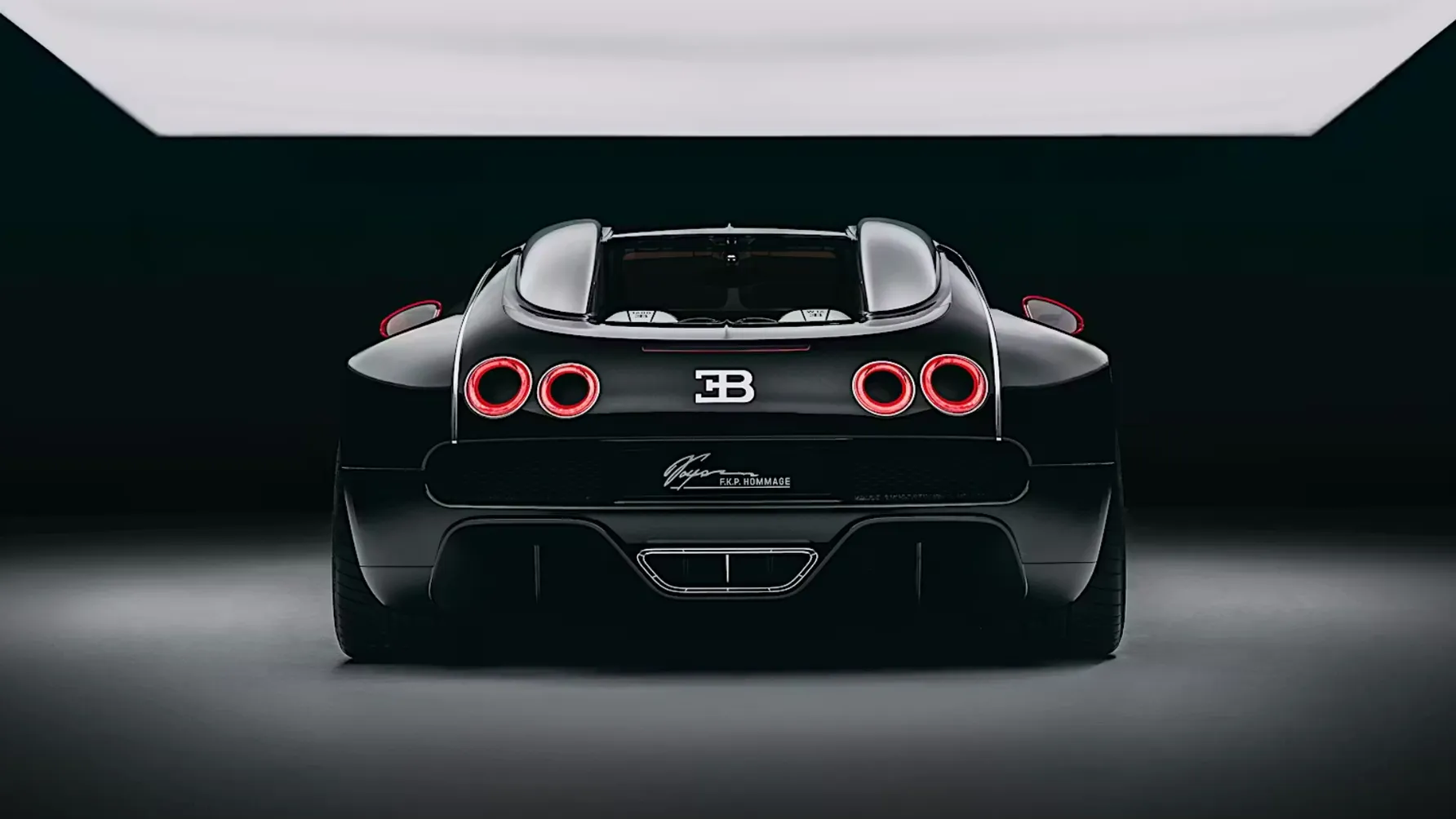
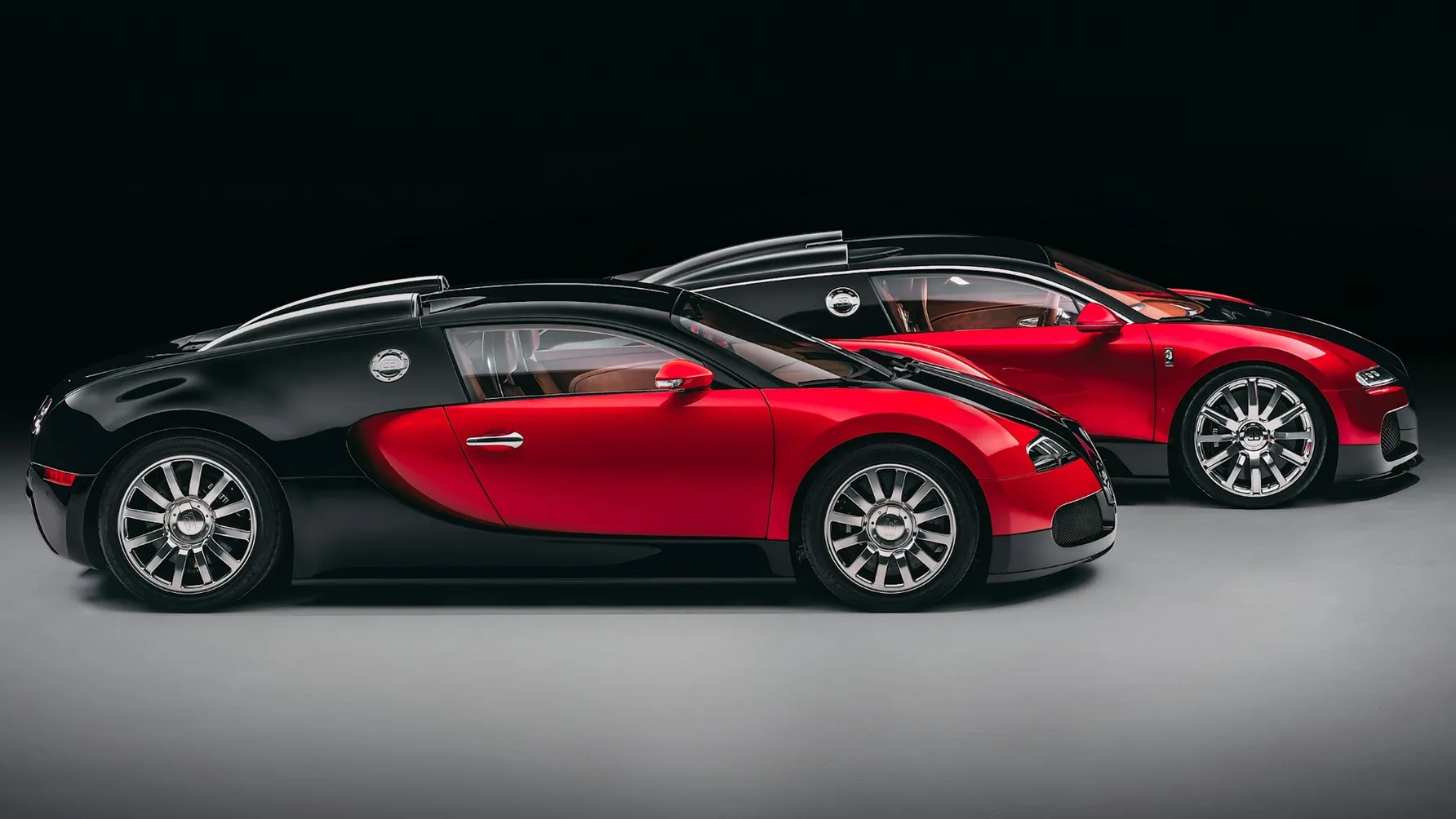
The donor car is a Mistral, and there’s a reason for that: See how flat the area at the top rear corner of the Veyron’s side window is? In a Chiron, the huge C-shaped air intake starts at the top and finishes at the sill, making it a structural part of the roof and impossible to reshape in that way. With a Mistral, no roof, no problem.
A Mistral engine does the trick, too. Instead of the original Veyron’s puny 987hp 8.0-liter quad-turbo W16 engine, this gets the ultimate 1,578hp incarnation of Piëch’s generously cylindered powerplant first seen in the Super Sport. That means larger turbochargers, upgraded cooling systems, a reinforced gearbox, and everything else that went with the 600hp uplift.
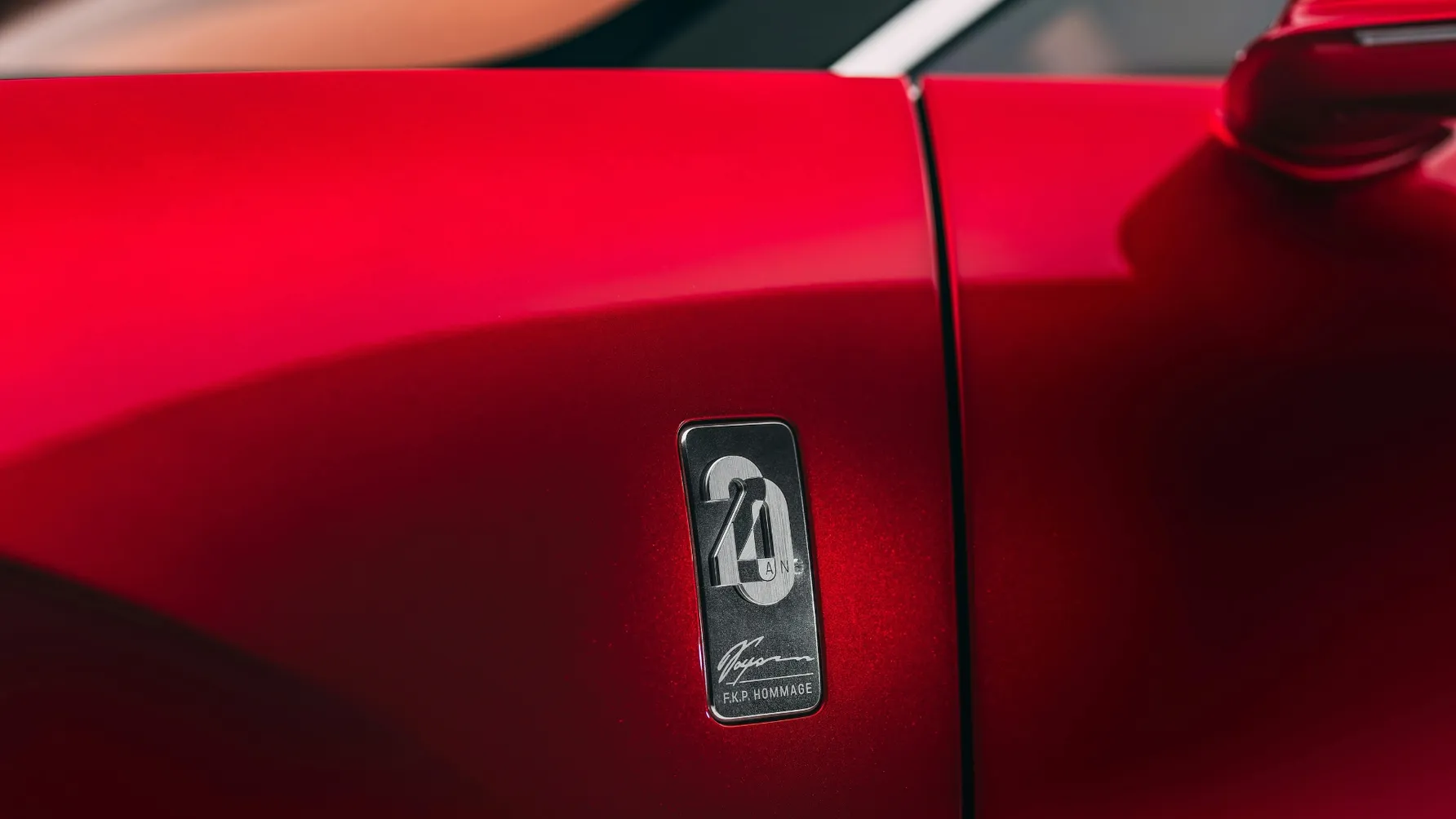
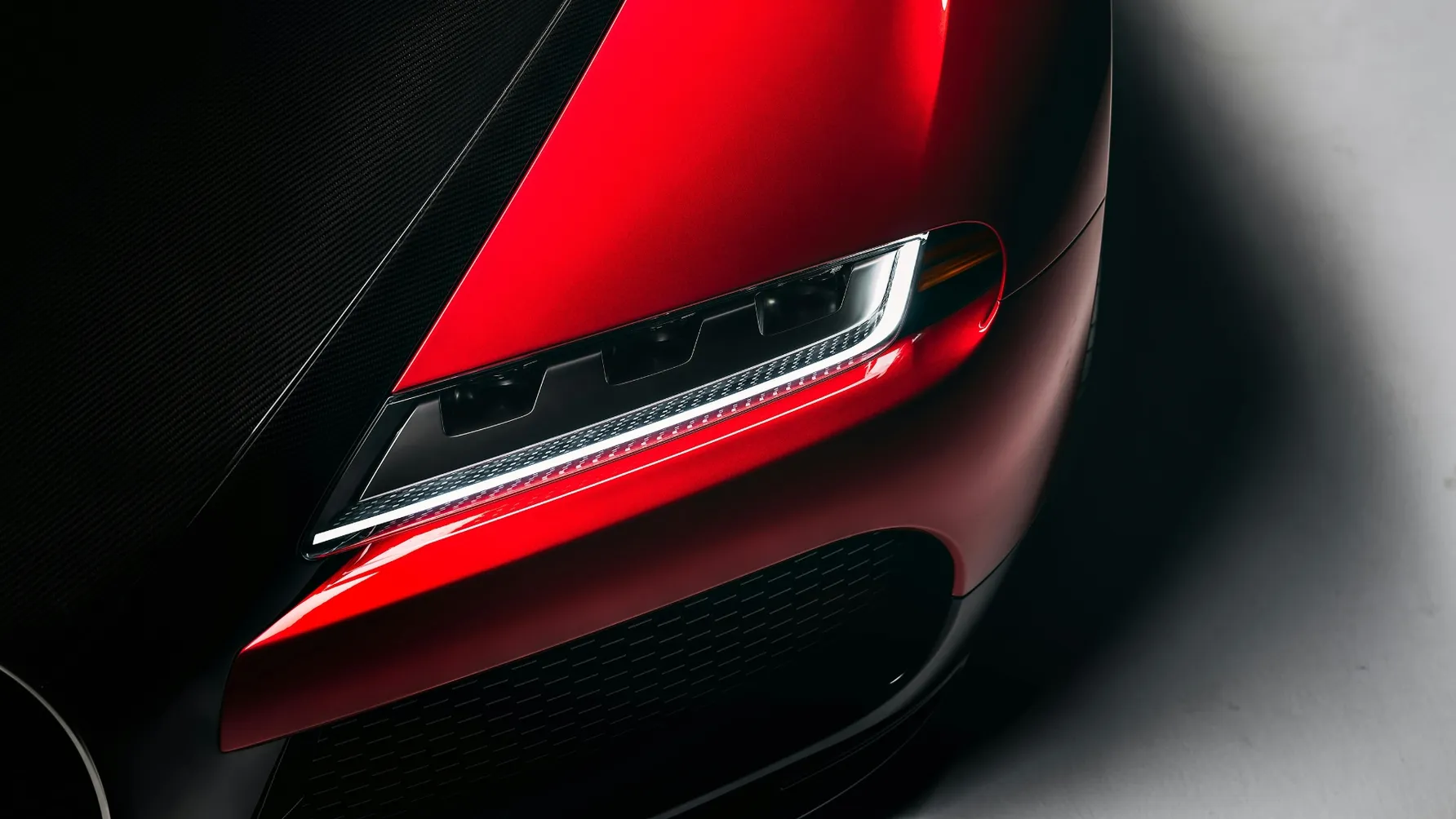
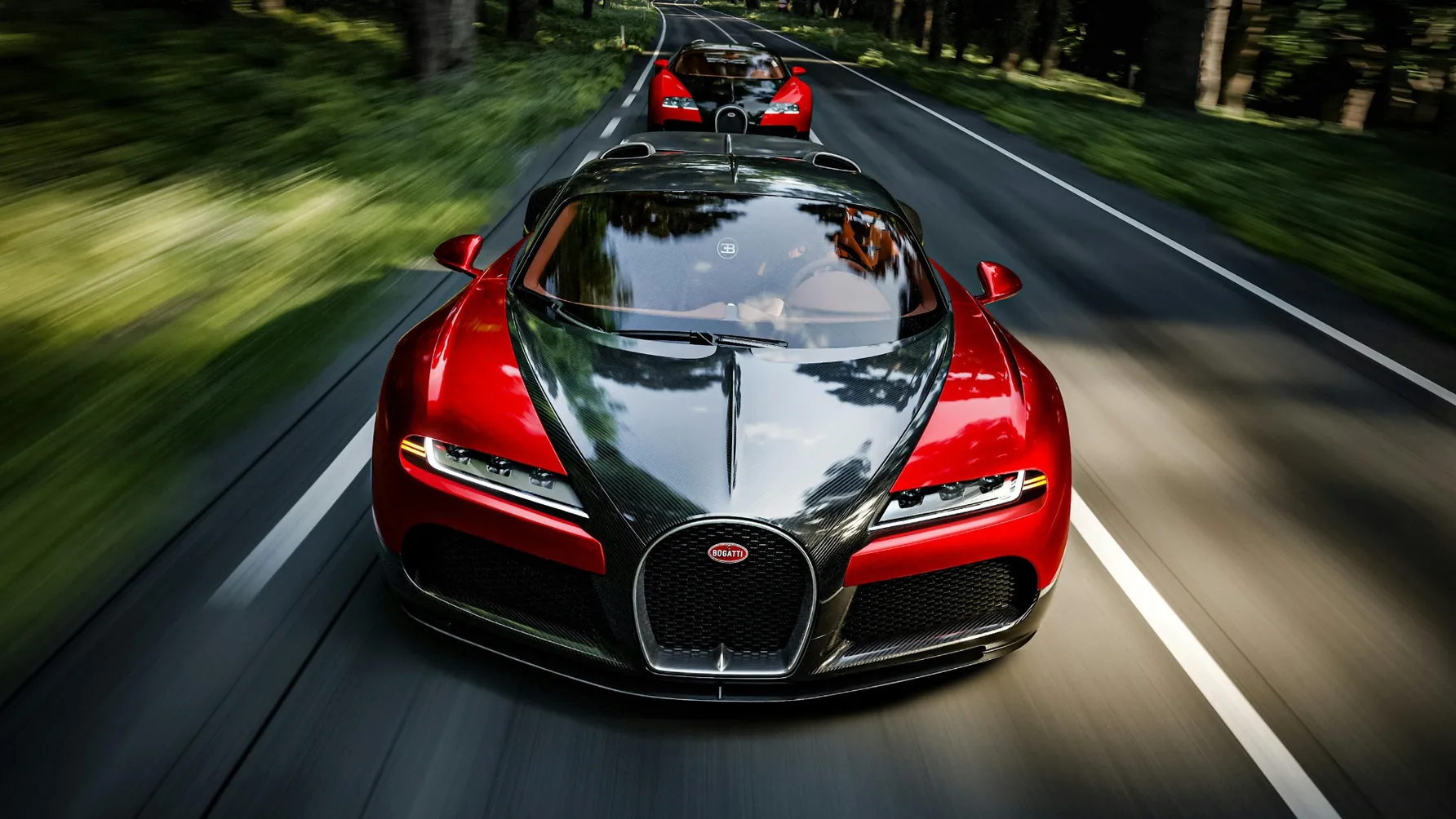
The black-and-red color scheme is a nod to the spec of the first customer Veyron, chassis 001, delivered in late 2005. Look closer, though, and the black isn’t black—it’s exposed carbon with a black-tinted clear coat. The red, too, is silver beneath with a red-tinted clear layer on top for maximum depth, contrast and showing off. Responsible for the Veyron’s futuristic new face are the slimline headlights with L-shaped running lights designed to line up seamlessly with the creases over the front arches. Then there’s the horseshoe grille—wider, deeper, and now protruding out front.
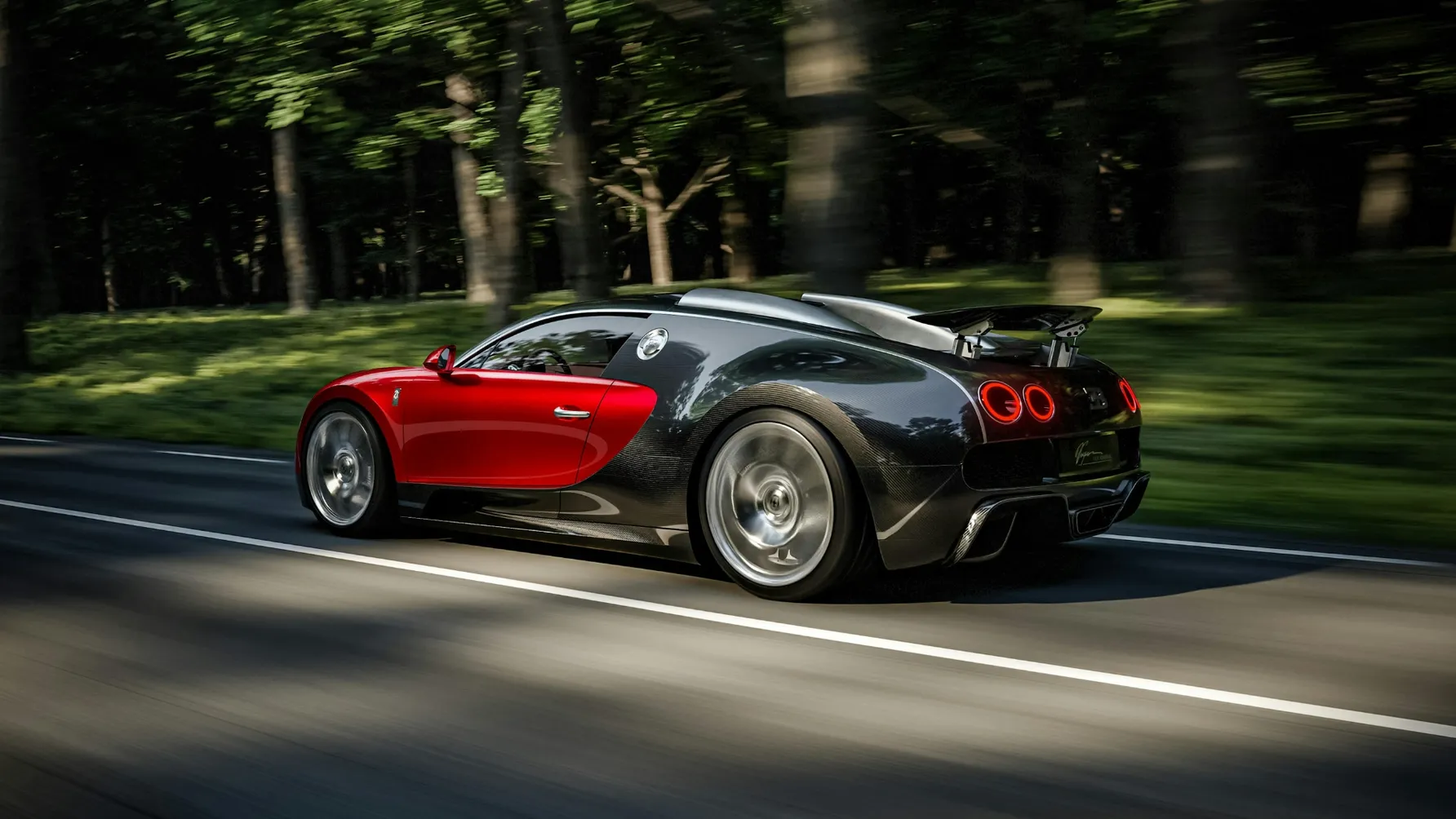
The tires, famously bonded to the rims in the original Veyron and costing around £30,000 (around P2.4 million) to replace all four, are now Michelin Pilot Sport Cup 2 tires mounted in the traditional manner on 20-inch front and 21-inch rear wheels (Veyron had 18.6-inch front, 20-inch rear configuration), themselves a more three-dimensional take on the iconic Machiavelli design. The ram intakes in the roof are fractionally enlarged to feed the engine’s increased appetite, and at the rear...well, it’s a dead ringer except for a wider exhaust tip, wider diffuser, and delicate tunnel-effect circular LED tailights.
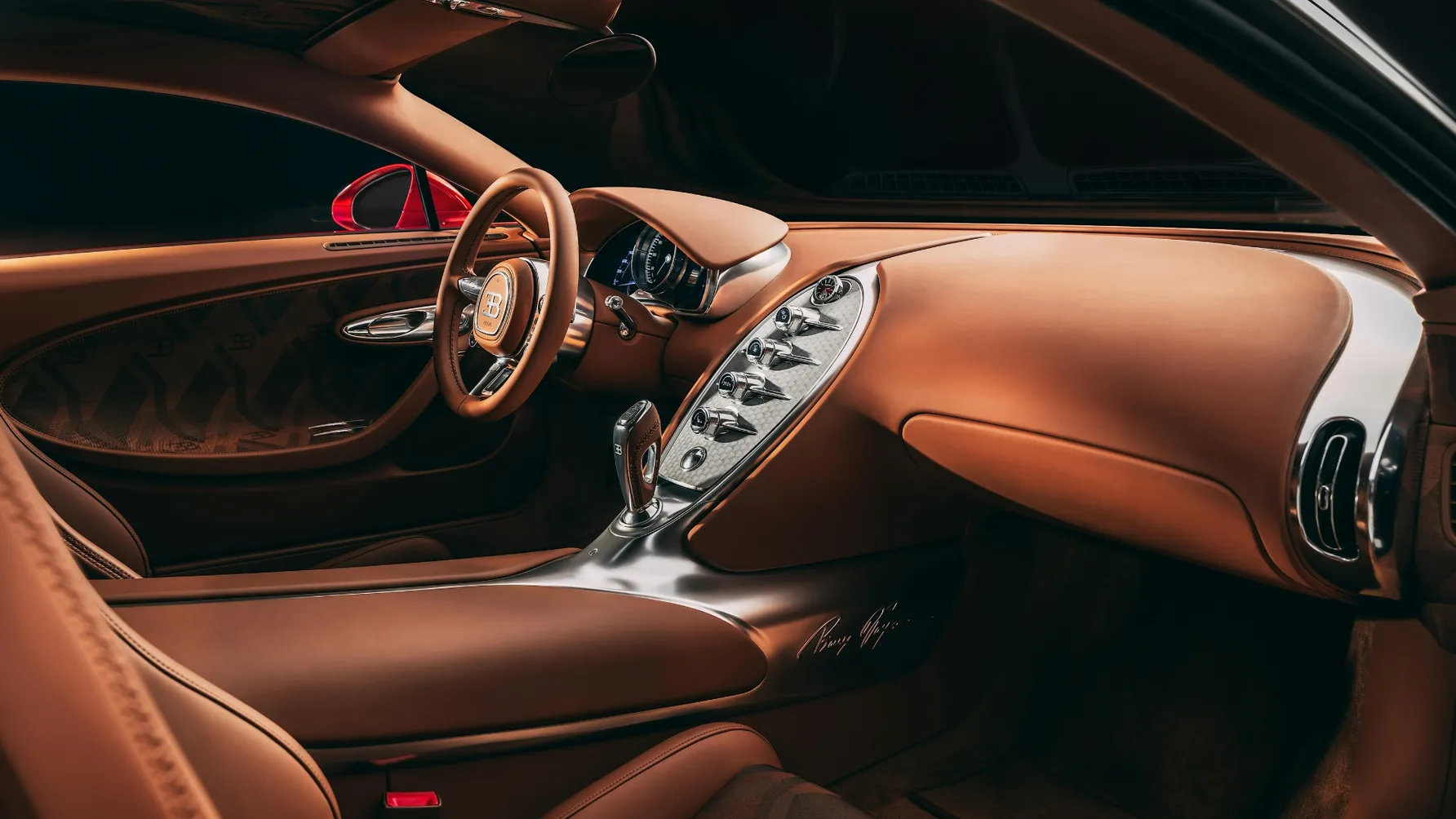
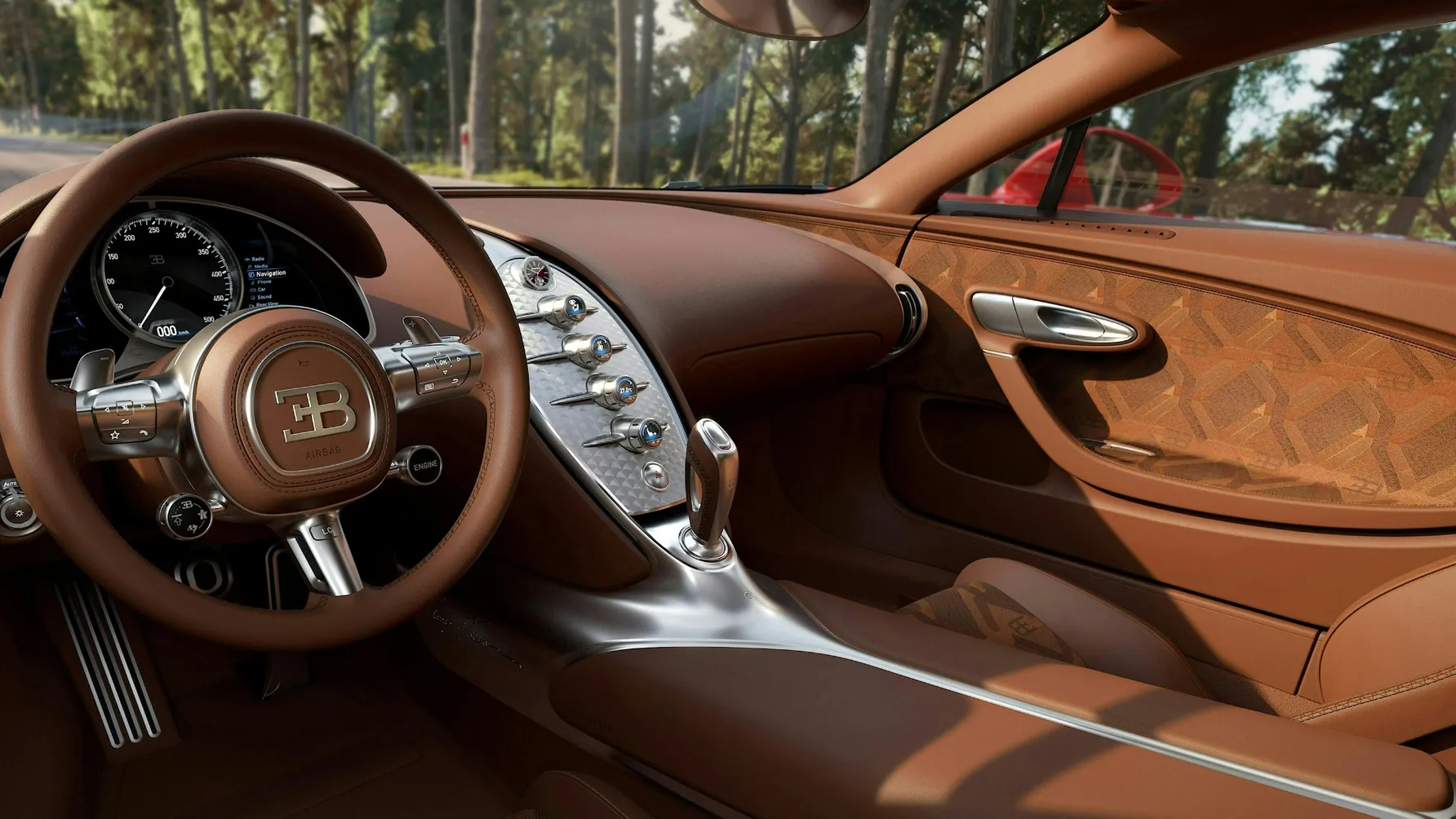
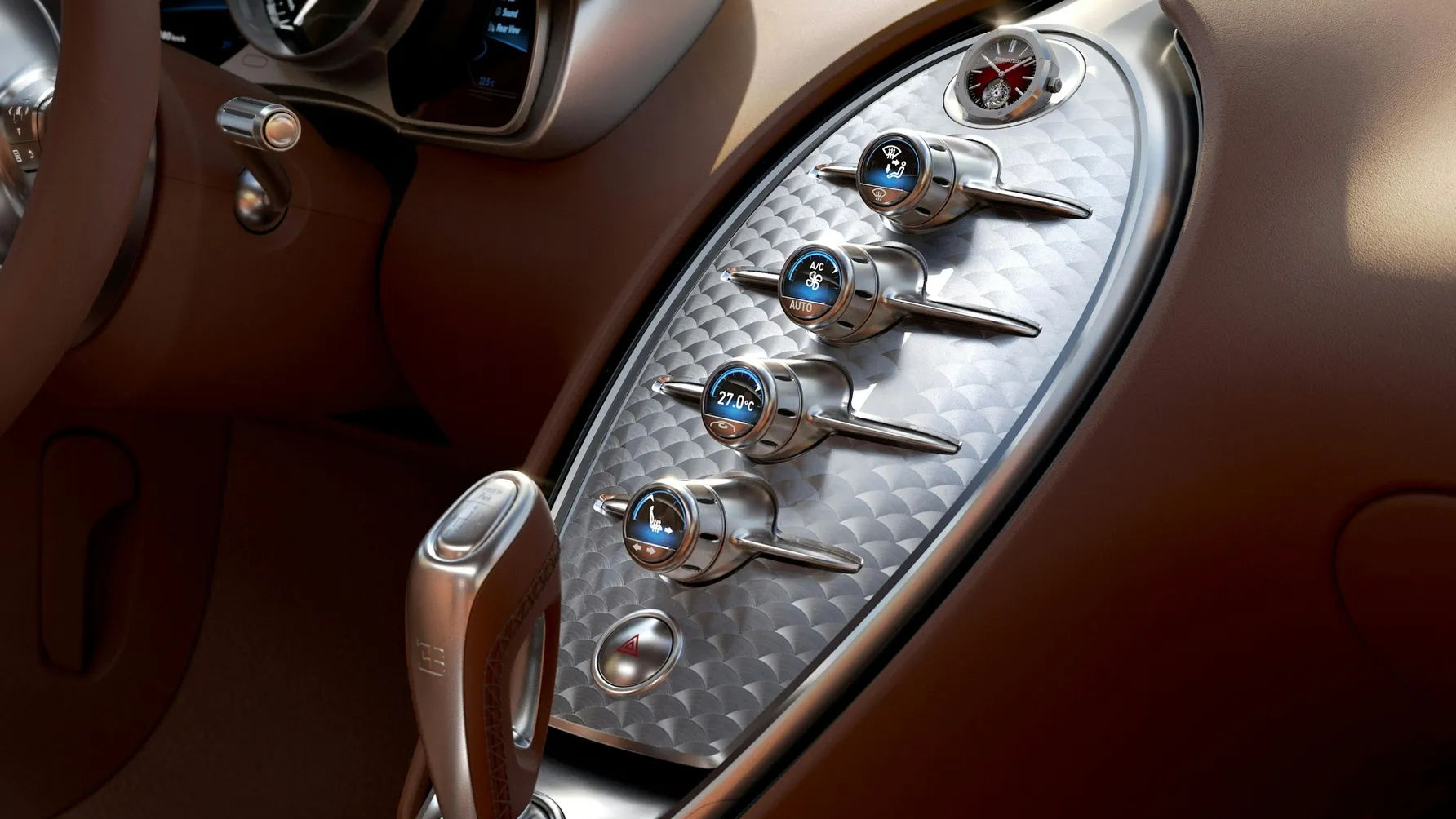
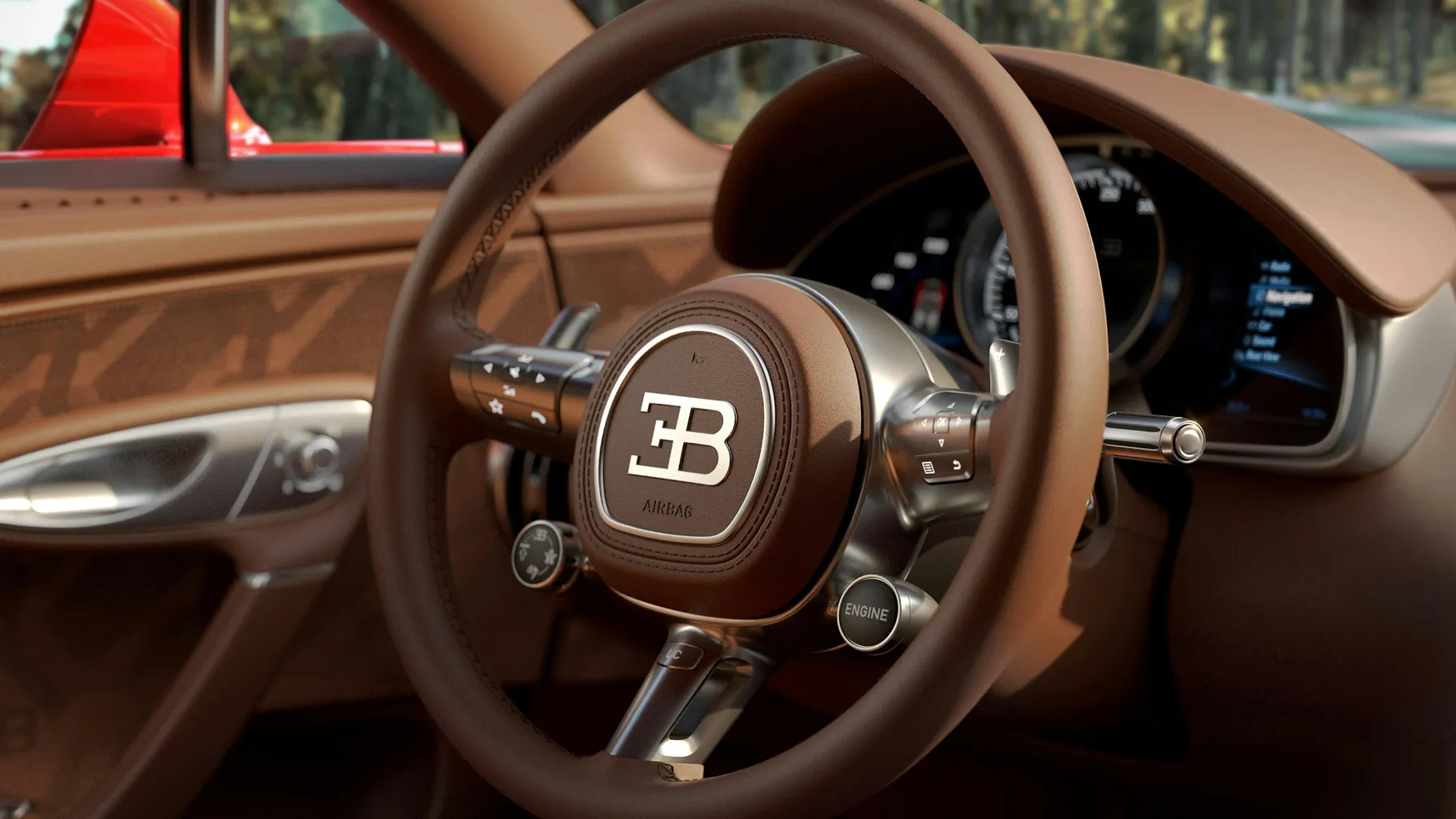
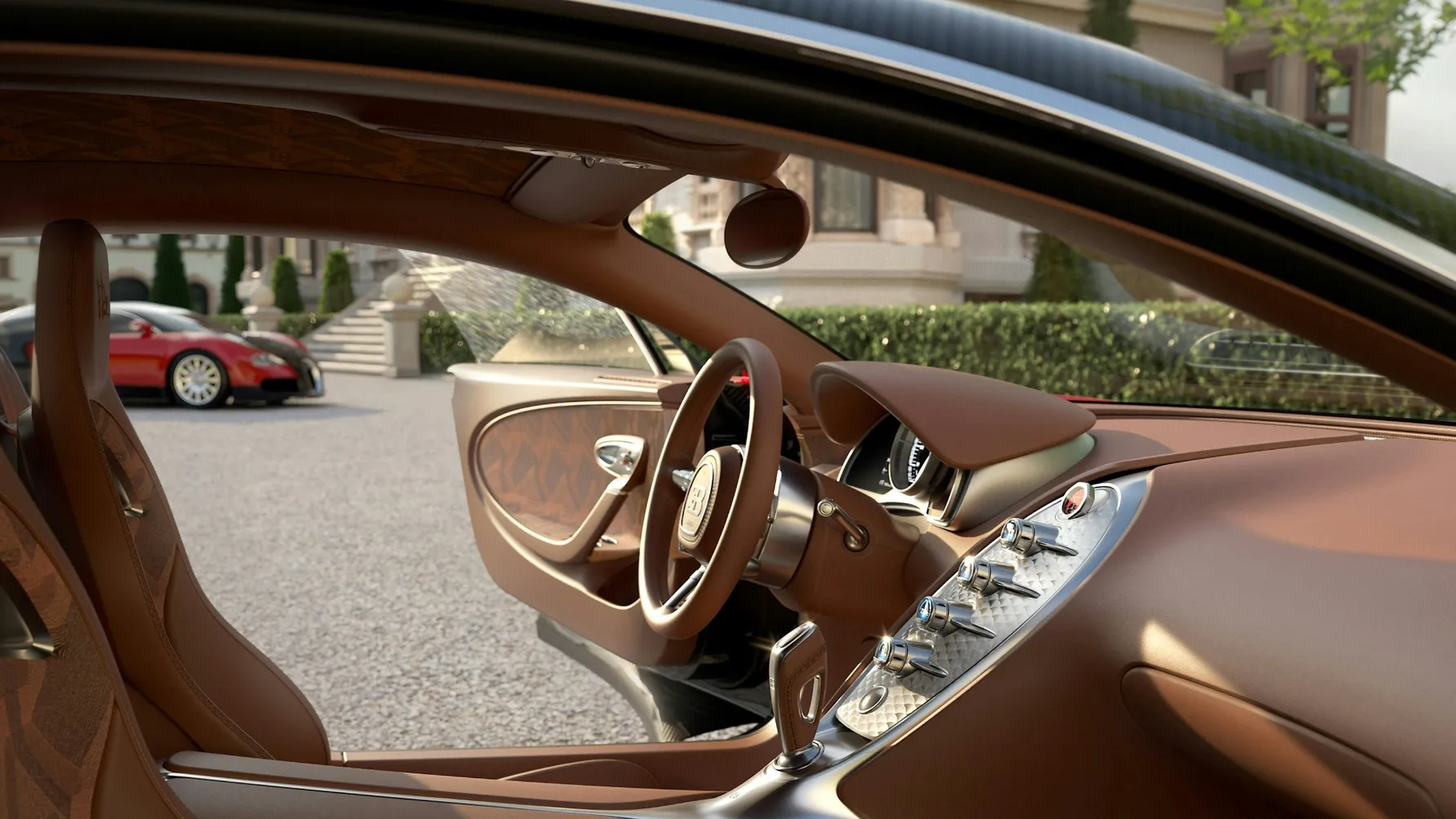
Inside, Chiron hard points meet Veyron styling signatures. Take the steering wheel—there are clear Chiron touch points like the satellite mode selector and engine start button, thumb pads, and compact paddles behind the wheel, but a perfectly circular rim, like the Veyron, as opposed to the Chiron’s more sculpted and squashed shape. The center console has the same column of four protruding dials with inset displays as the Chiron, but there they sit on a narrow spine with fresh air underneath—here the dash has swollen into a broad, chunky, shield-shaped monolith. Like in the Veyron, a rift in the stitched leather on top of the dash reveals aluminum that stretches from the base of the windshield to the center console and the transmission tunnel— it’s machined from a single billet.
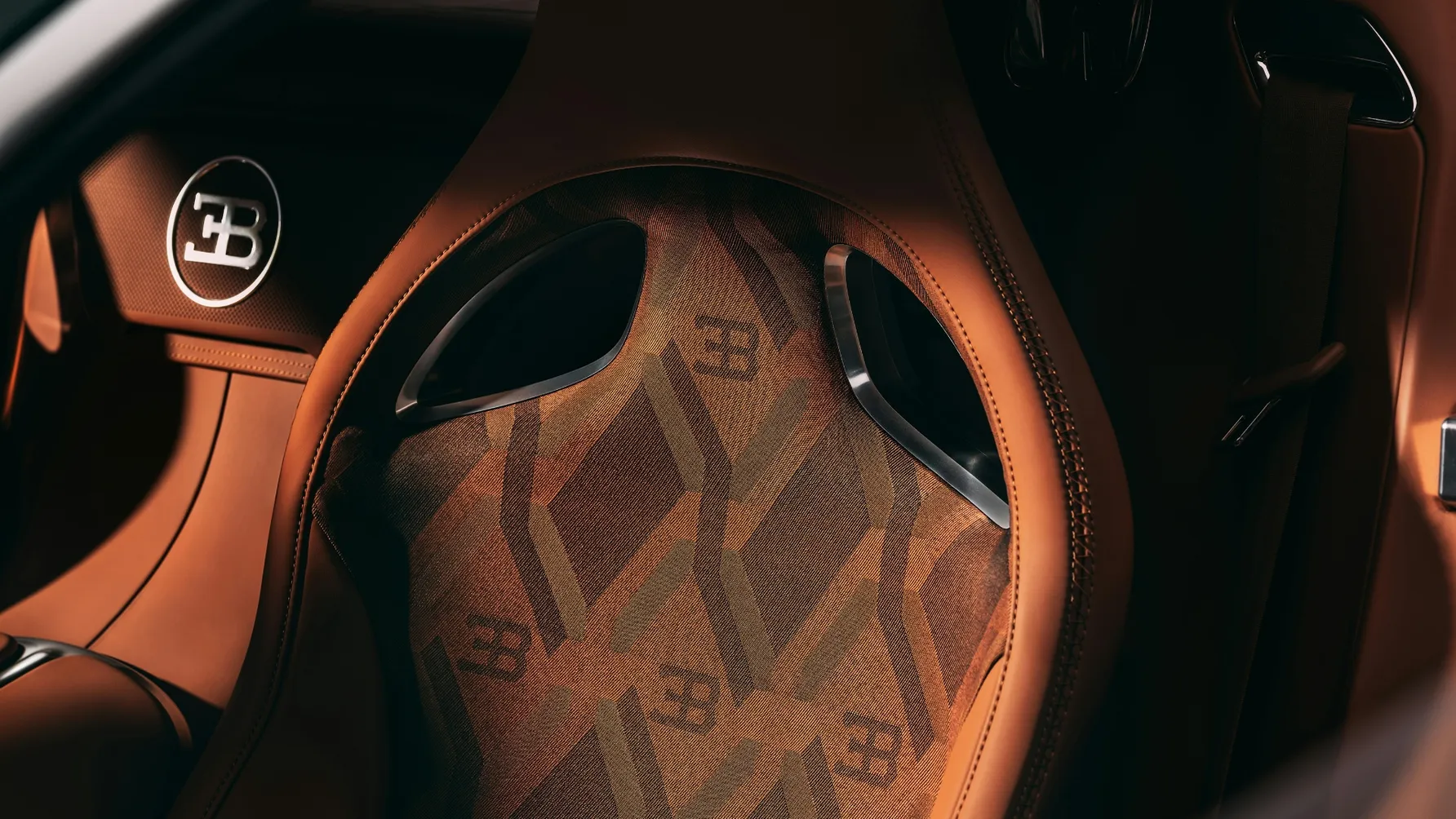
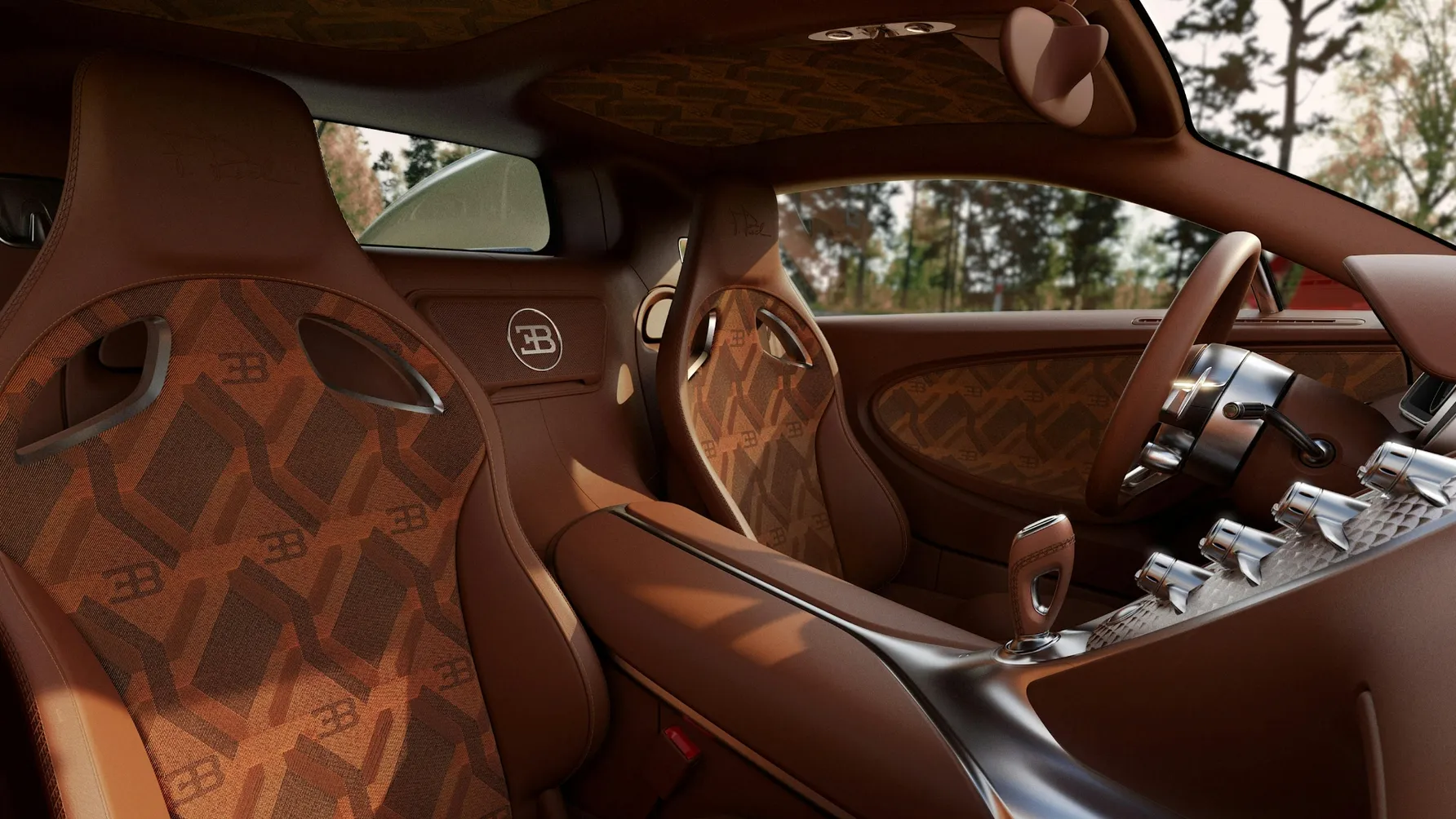
The ‘engine-turned’ finish on the shield is a technique used on the Veyron but first seen on Ettore Bugatti’s early straight-eight cylinder heads, while the seats feature something called...fabric? Except here it’s cut from a different cloth—“custom couture fabrics woven exclusively in Paris,” says Bugatti. You’ll find Piëch’s signature stitched into the headrests, along with his initials and birthday embossed into the leather by your right knee.
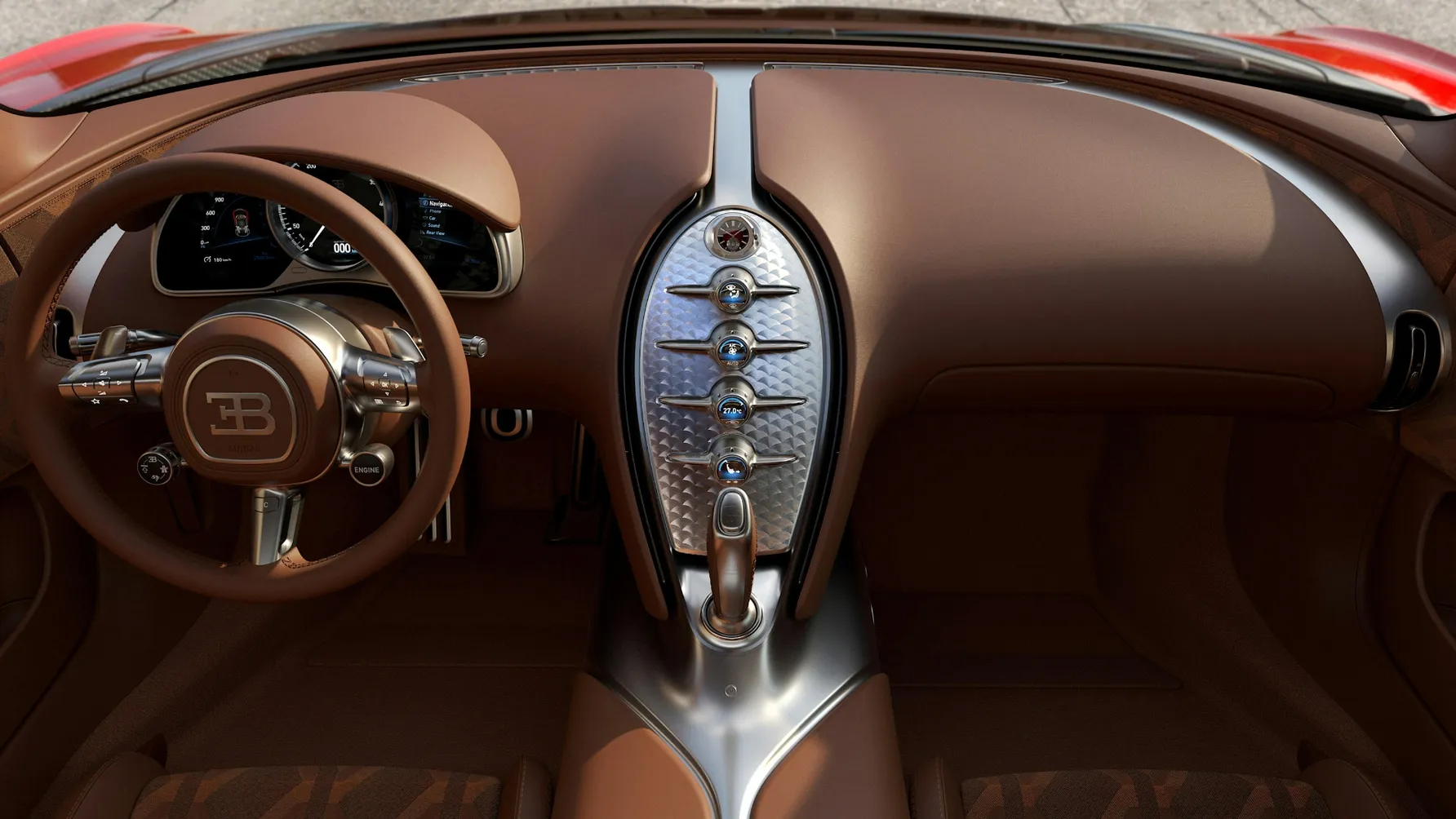
Finally, a little something perched atop it all: a collaboration between the owner and Swiss watch supremos Audemars Piguet. It’s a 43mm Royal Oak Tourbillon that sits in a little scallop, aka its ‘gondola,’ looking highly knickable. Fortunately, it rotates and disappears when the car’s off, but also periodically spins in a piece of majestic miniature theatre to keep the internals ticking.
It’s quite some flex, the FKP Hommage. It makes Veyrons, Chirons, even the super-limited stuff like the Divo and the Centodieci seem common. It takes on the task of improving a recent icon, and pulls it off without making things look or feel awkward. It’s the tribute we didn’t see coming, but now it makes perfect sense.
First look: Bugatti Veyron FKP Hommage
More photos of the Bugatti Veyron FKP Hommage:
NOTE: This article first appeared on TopGear.com. Minor edits have been made.