Bosch knows what it takes to be quick on track. With its Integrated Vehicle Dynamics Control, Integrated Traction Control, Integrated Brake Slip Control, and Integrated Vehicle Dynamics Estimation systems, the world’s largest automotive supplier claims to have contributed to almost every road-legal Nürburgring lap record in the past decade. And yes, that includes the AMG One’s outright 6min 29sec run.
And yet, with new tech-laden super sedans, sports cars, and hypercars launching every week in China, the German giant is having to innovate to stay at the cutting edge and in favor with its clients. So, what exactly is it working on?
Well, Bosch Engineering has been delving into the murky world of AI to create a new tool called Track Performance Assist. Side note: it was previously called Track BEAST (Built and Engineered Application Suite for Tracks), but that was clearly far too exciting for the bigwigs in the boardroom.
OTHER STORIES YOU MIGHT HAVE MISSED:
This Nissan superfan is building his own Sentra Nismo
Arriving soon? The next-gen hybrid Toyota RAV4 gets DOE recognition
Track Performance Assist calls on active safety systems, sensors in the car, autonomous driving tech, navigation and GPS, cloud computing, applied mathematics, artificial intelligence, and much more to create a coaching tool that can make any old Tom, Dick, or Lando Norris faster on track. Oh, we’ve been given an early crack at a prototype. Hang on—is Bosch trying to say something about our driving?
First up, a presentation, because this wouldn’t be a German engineering team if there weren’t a presentation. We’re told that the TPA system has three USPs...
The first is its AI-based ‘ideal trajectory.’ That essentially means it’s able to tell the absolute fastest racing line for a circuit, which is calculated using some very clever maths, fine detail on the car and track, plus an AI model that investigates billions of different lines to find the very best route. Track Performance Assist will then take over a display in the car to show how far you’re drifting from that racing line.
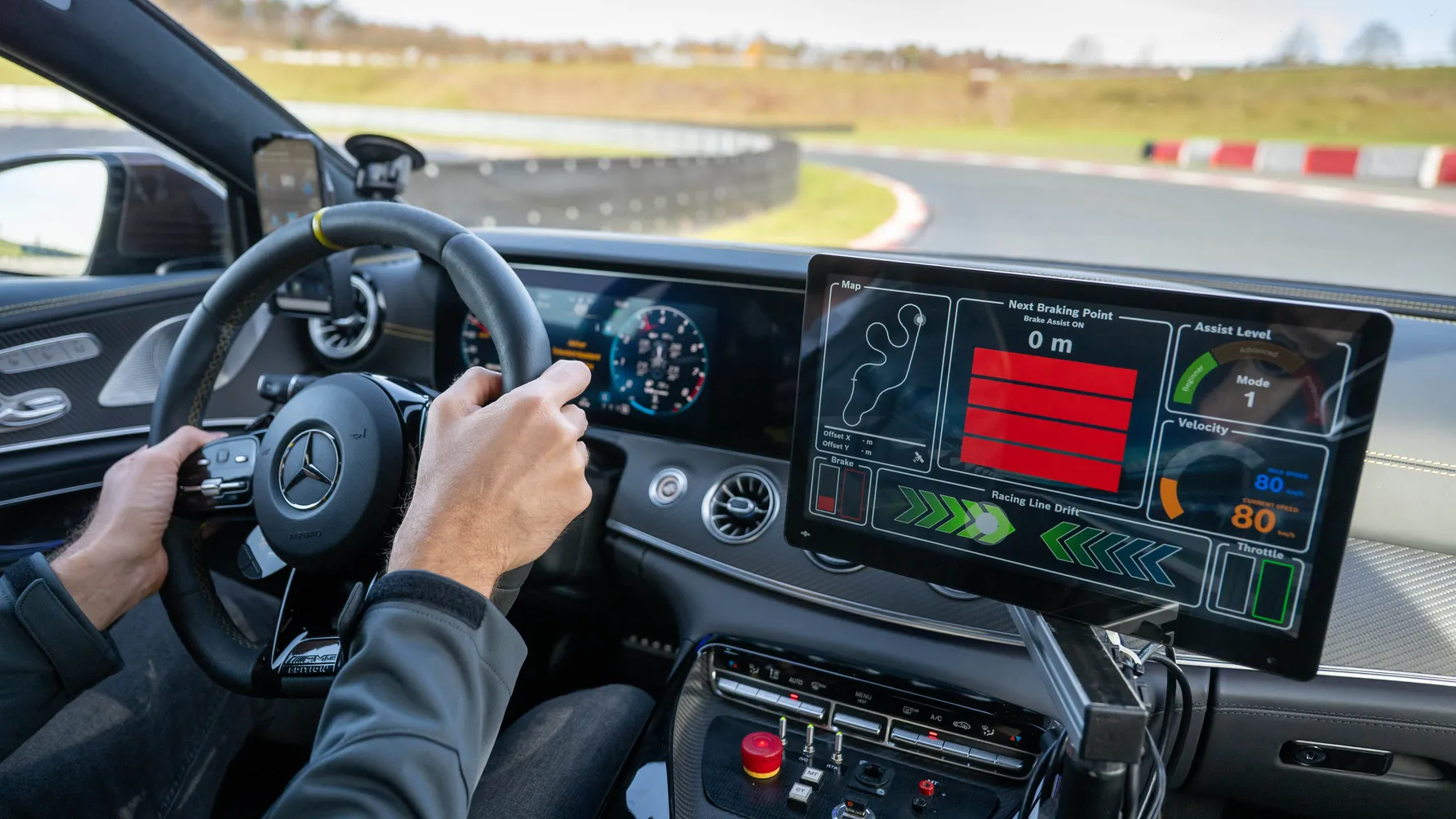
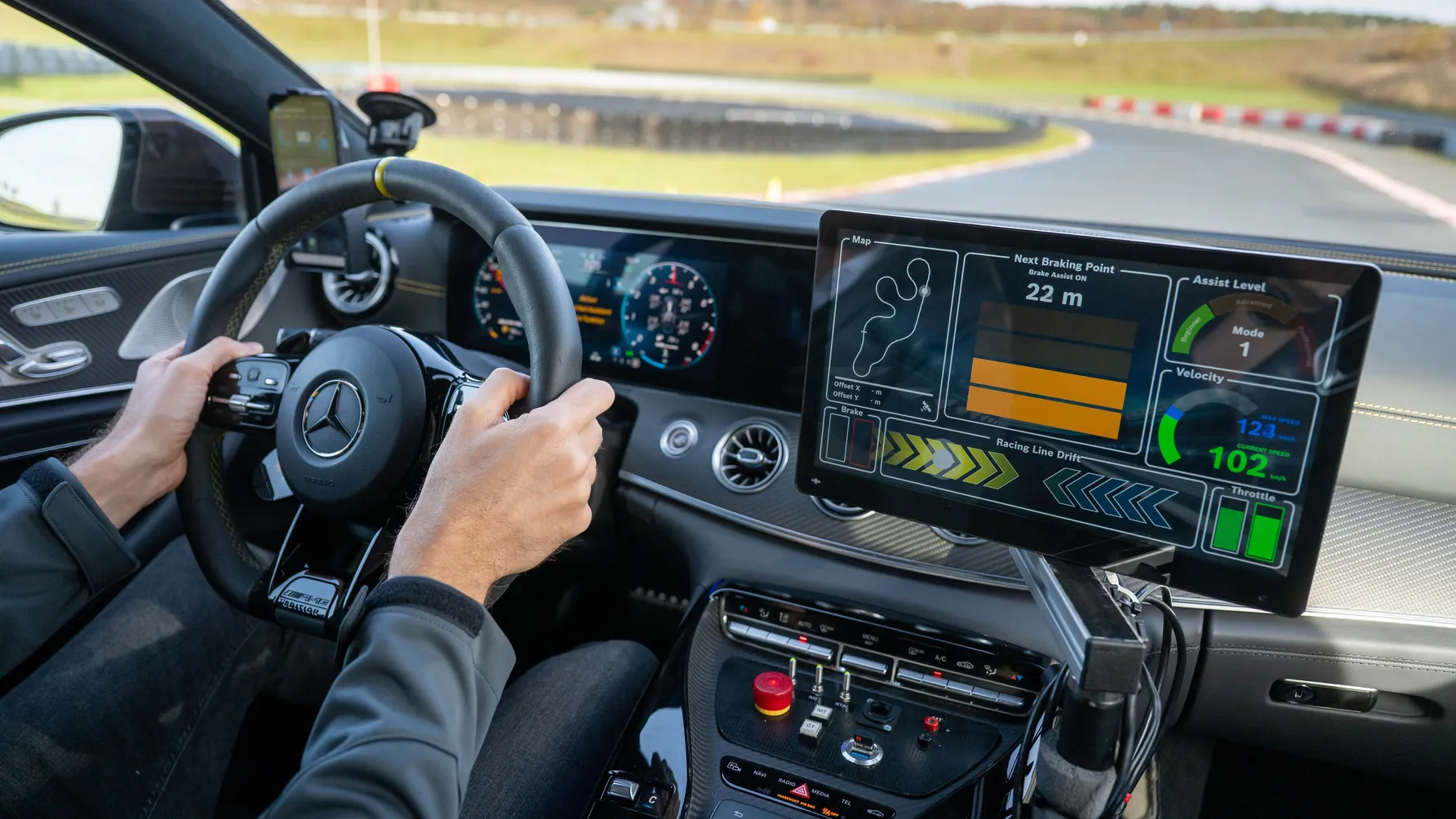
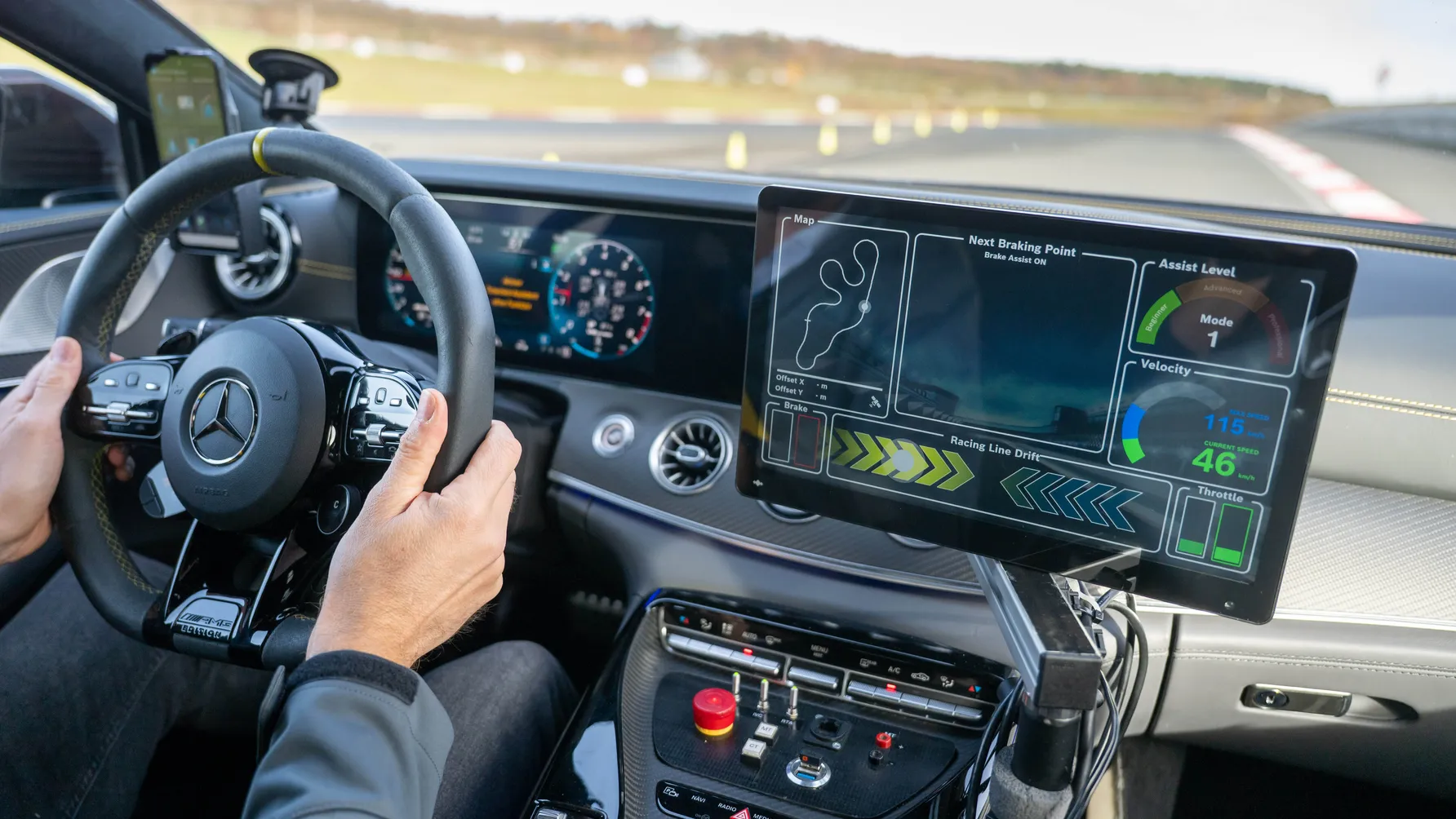
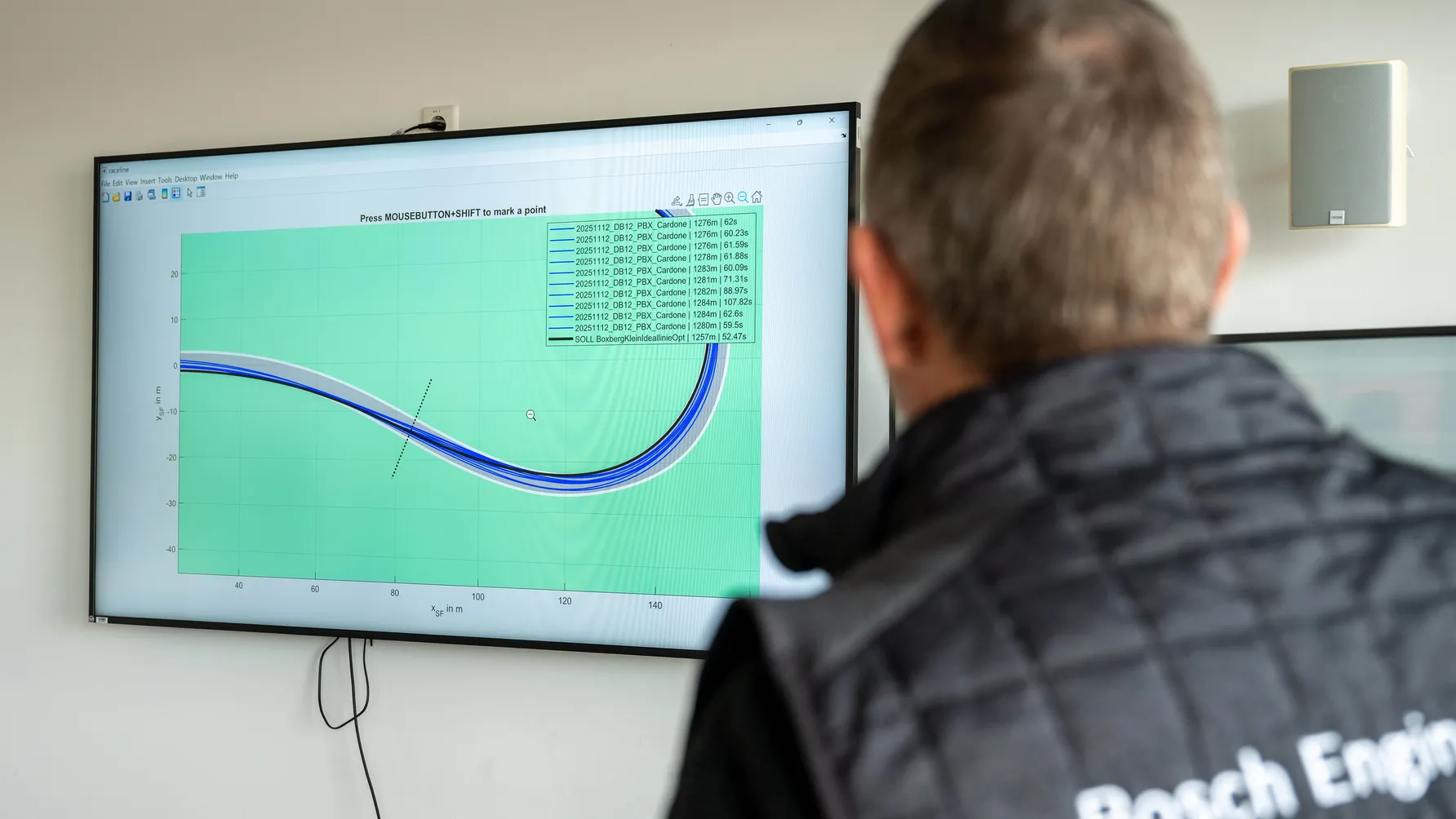
The second USP is the ‘maximum velocity profile’ that it then creates. This comes into play when you’re out of the car evaluating your telemetry, because the Bosch system can compare your data with the perfect possible lap in that particular car. And yes, this is as humbling as it sounds.
And finally, the TPA system is able to make brake and throttle corrections in real time. Yep, this is where it gets really futuristic. If you’re about to cross the line of the ‘maximum velocity profile’ at any point in the lap, the car will intervene to slow you down.
“This is what we believe is the most interesting USP,” says Dr. Lars Koenig, chief expert for functional software at Bosch.
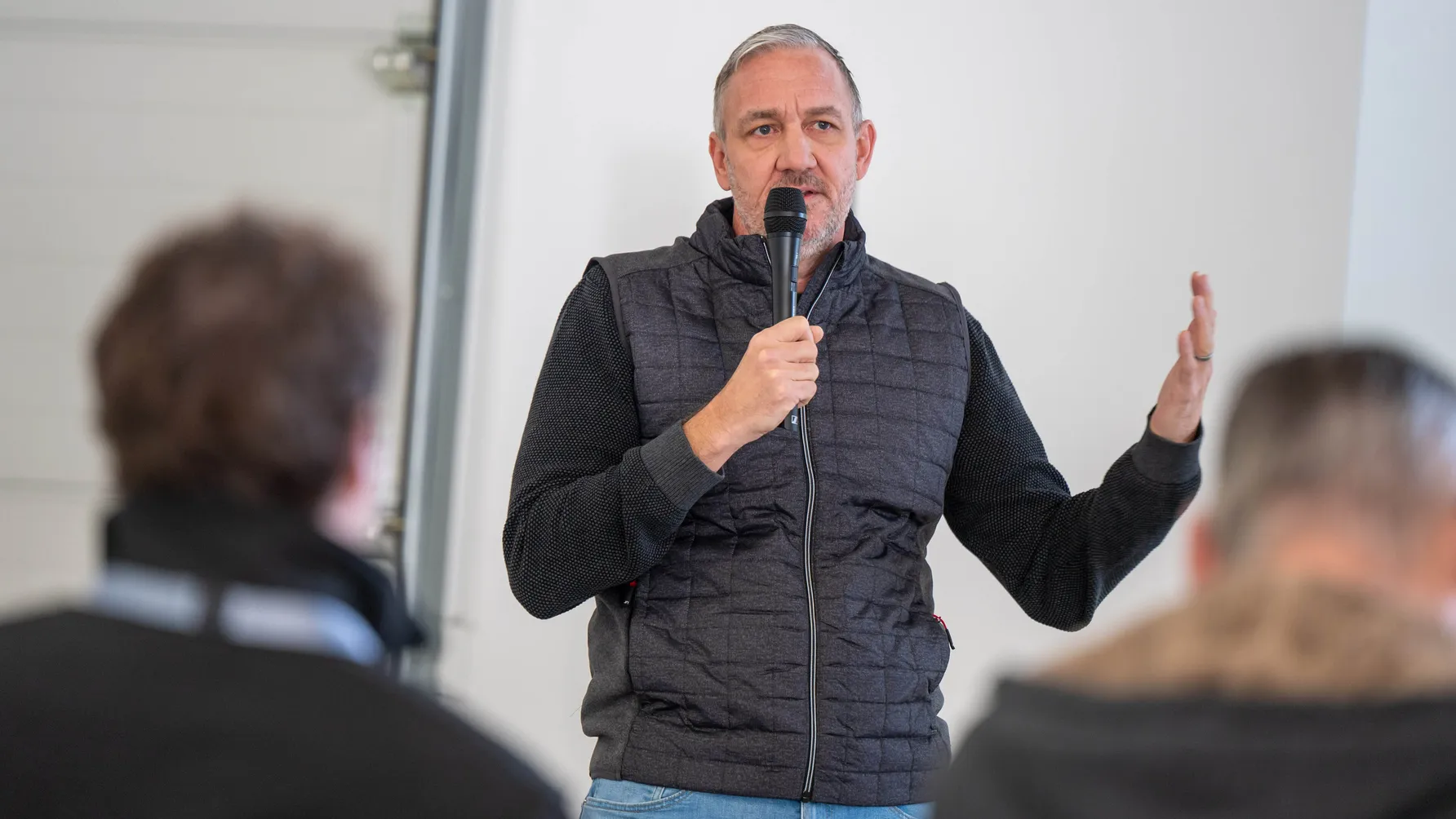
“The idea was if we have this velocity profile available—which is the absolute maximum for your car on that circuit—then why should we allow anybody to drive faster than that? The only result would be damage. That doesn’t make any sense.”
Dr. Koenig does go on to say that Bosch “didn’t want to make track driving boring,” so the system works like multi-stage traction control, where you can lower the level of assist as you get more confident. He then ends his PowerPoint by claiming that you could technically do an entire lap at full throttle with the TPA system in its most hand-holdy setting. I make a mental note to try this at the first opportunity.
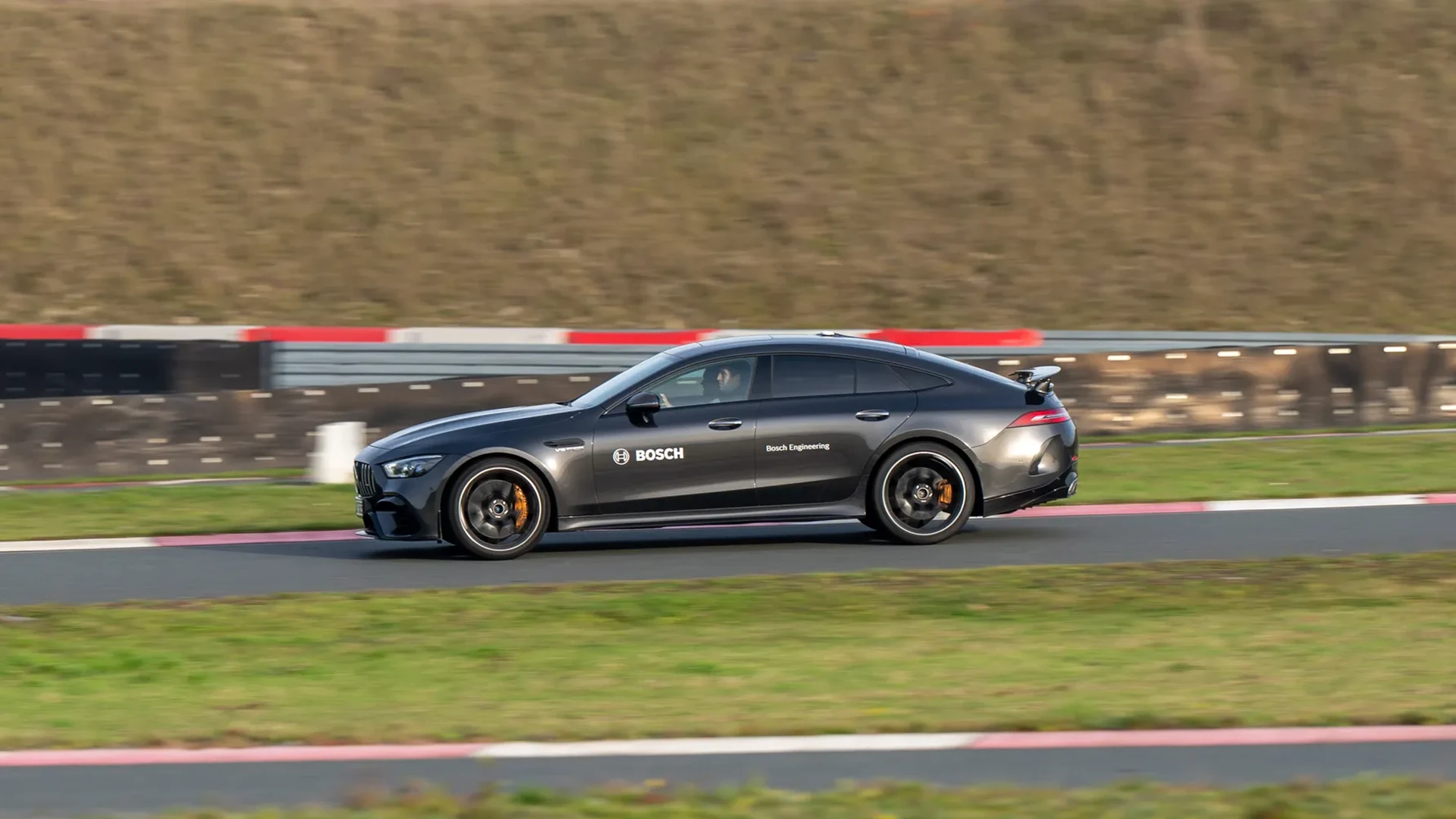
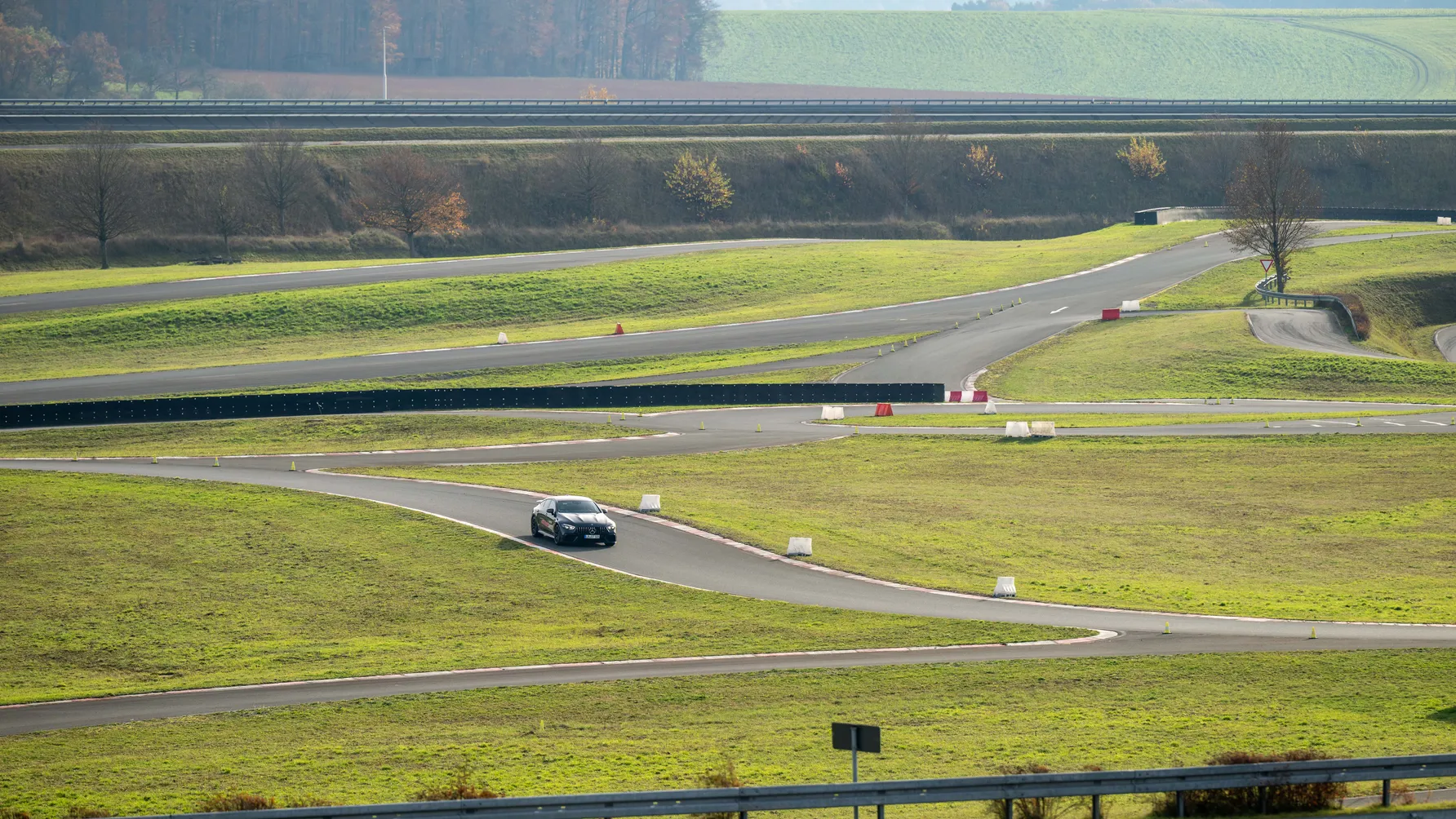
Bosch has set up two cars with its prototype TPA software. The first is an Aston Martin DB12 with eight levels of assist linked to its standard multi-stage traction control settings, while the Mercedes-AMG GT 4-Door has four levels that currently change with its Comfort, Sport, Sport+, and Race modes. I’m in the big Merc.
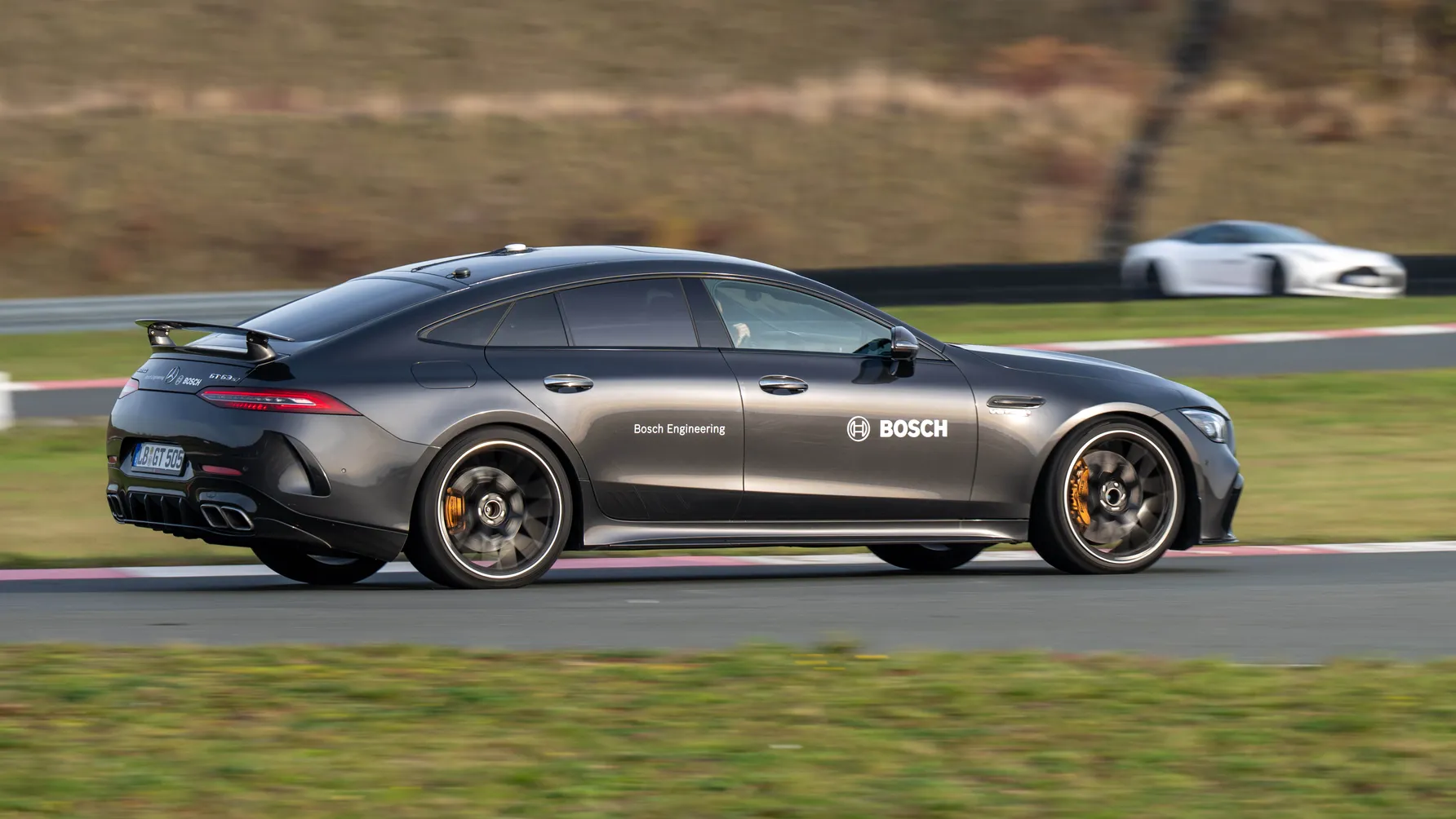
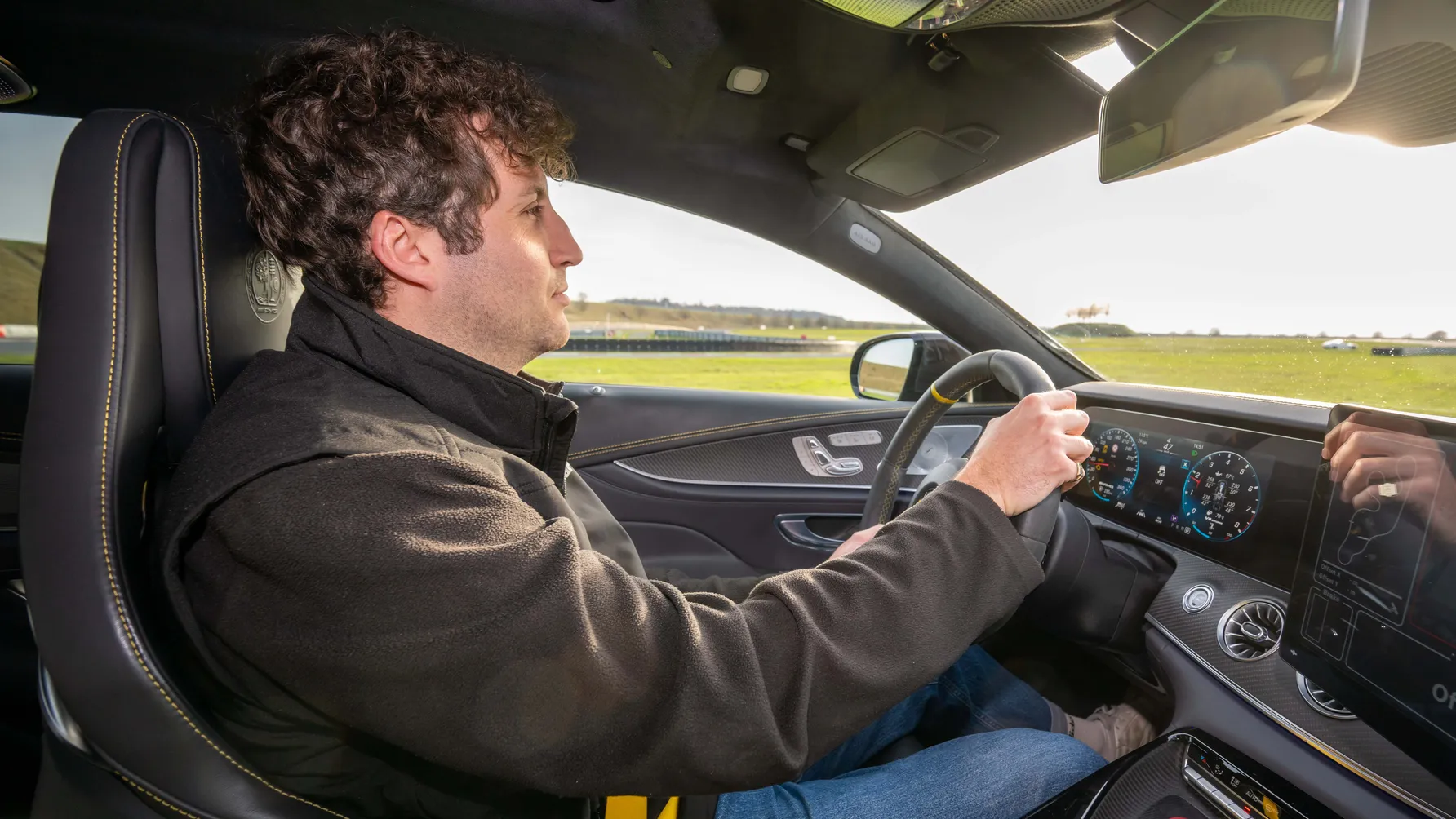
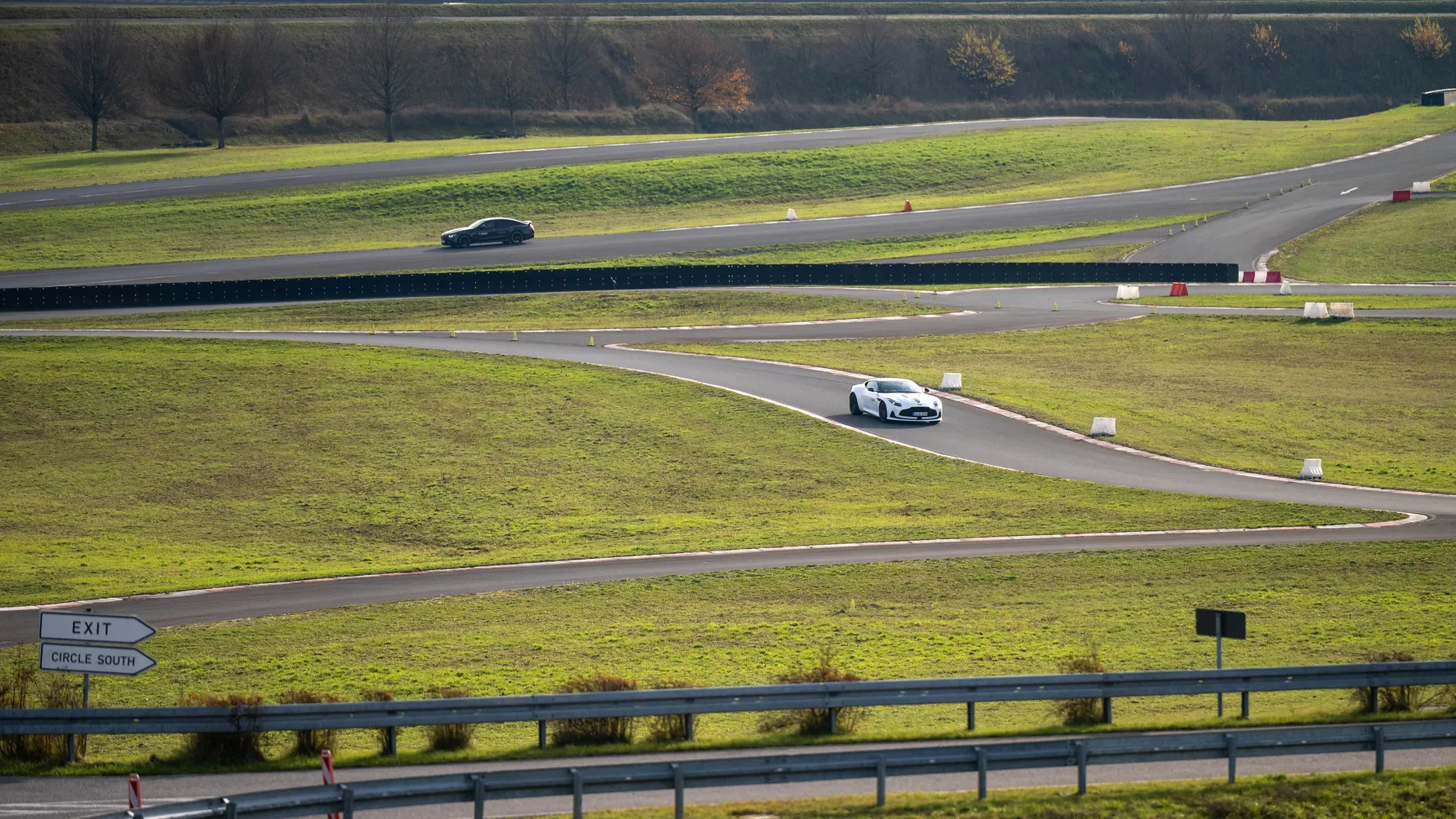
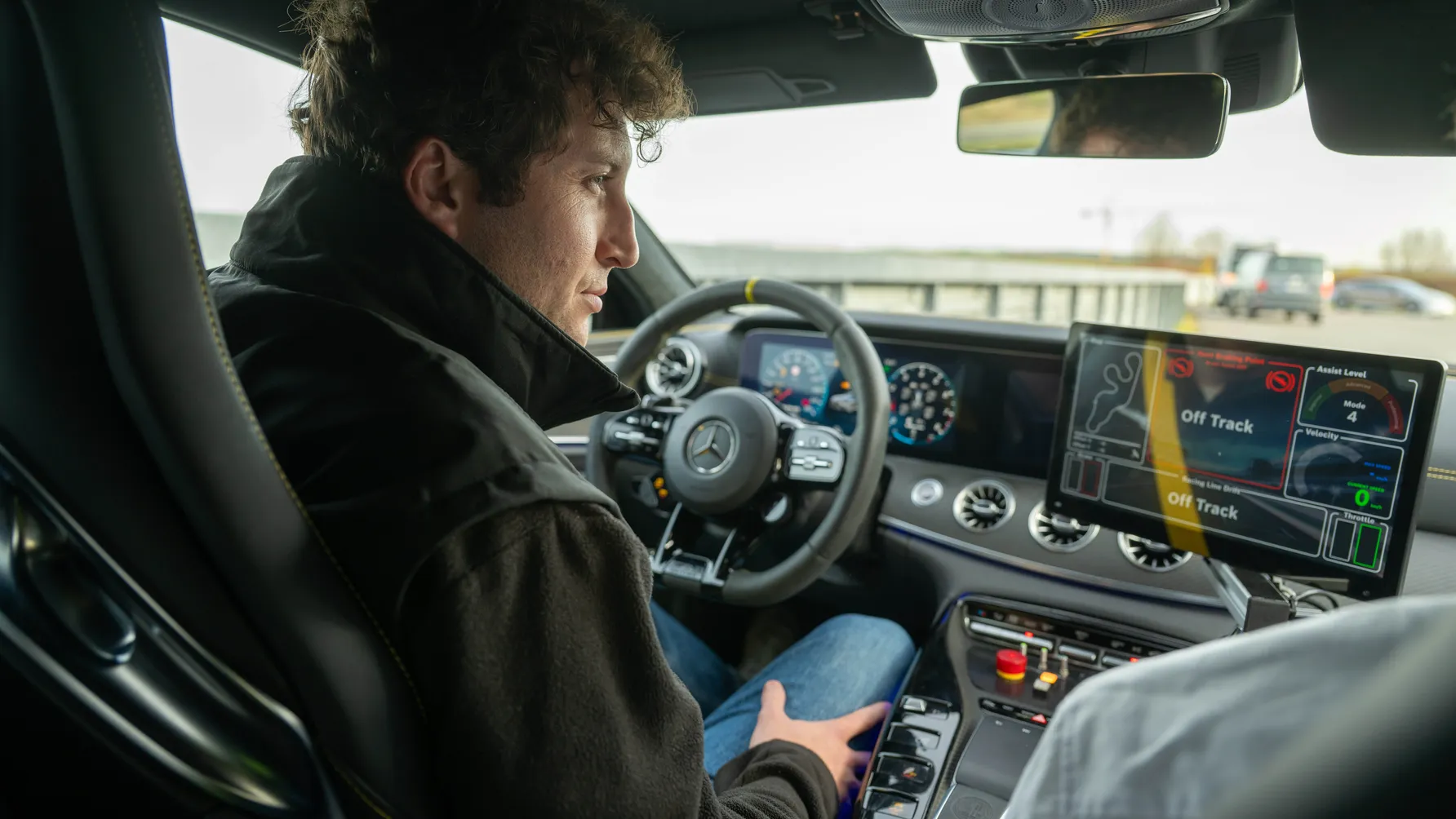
Heading out onto the tight handling circuit at Bosch’s Boxberg proving ground, I begin with the TPA in its most cautious setting. The display that shows how far away from the racing line I am is currently mounted well off to my right-hand side, so it’s not really possible to stare at while trying to hit an apex. Ideally, this bit of info would be in the head-up display, but Bosch says the current tech isn’t quite good enough to project a full racing line onto the road ahead like you’d find in a video game, so this is our lot for now. We’ll see in the telemetry session later how far off I actually was.
After a few corners where the system adds in a bit of braking to slow us down, I start to trust that the net is there. Now’s the time for full throttle. As we start our second lap, I bury the go-pedal in the carpet and wince as we reach the top of a small crest ahead of a left-hander. With my foot still flat on the floor, the TPA hits the brakes hard and I’m able to turn in and find the apex. Spooky. It’s impressive how smoothly it works the brakes and limits the throttle, and even through the tight twisty bits at the end of the lap, it slows enough without me lifting.
As we dial back the assistance, the system intervenes less often—particularly while mid-corner—and allows me to make plenty of mistakes. All the better for the analysis later, of course.
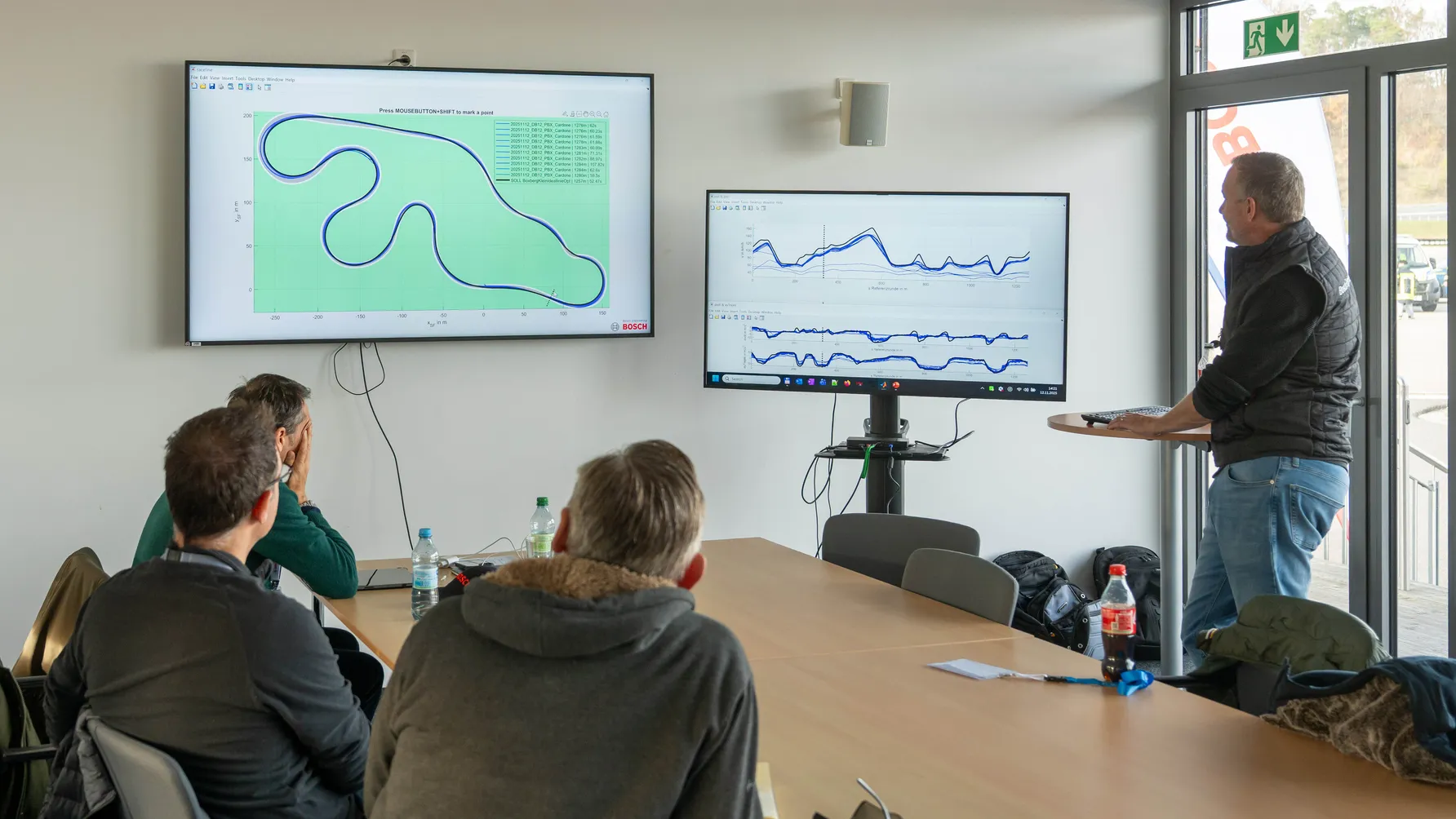
Back in the classroom after a short stint, I’m shown an accurate map of each lap, plus plenty of sections on the velocity profile where I could have been far quicker. I did say it was rather humbling. Still, the idea is that on a track day, you would take a break and look at your telemetry, then head back out to push a little bit harder in those sections. All very normal, but with TPA, you would be able to do that safely in the knowledge that the system will catch you if you go over the limit. Shame we don’t have the time to go back out today.
“In the very highest level, the system is calibrated to work just like a guardian angel, so if you are Max Verstappen and you do the perfect lap, you will feel no intervention at all,” says Dr. Koenig.
“But if you miss the latest possible braking point, the system is still there, and it will brake for you. You are already too late so you will lose time, but you will not go off track.
“If this is still too much control, we’re also offering just braking point announcements. So, you can switch off all the active interventions, but the system will still say ‘and brake’ when required.”
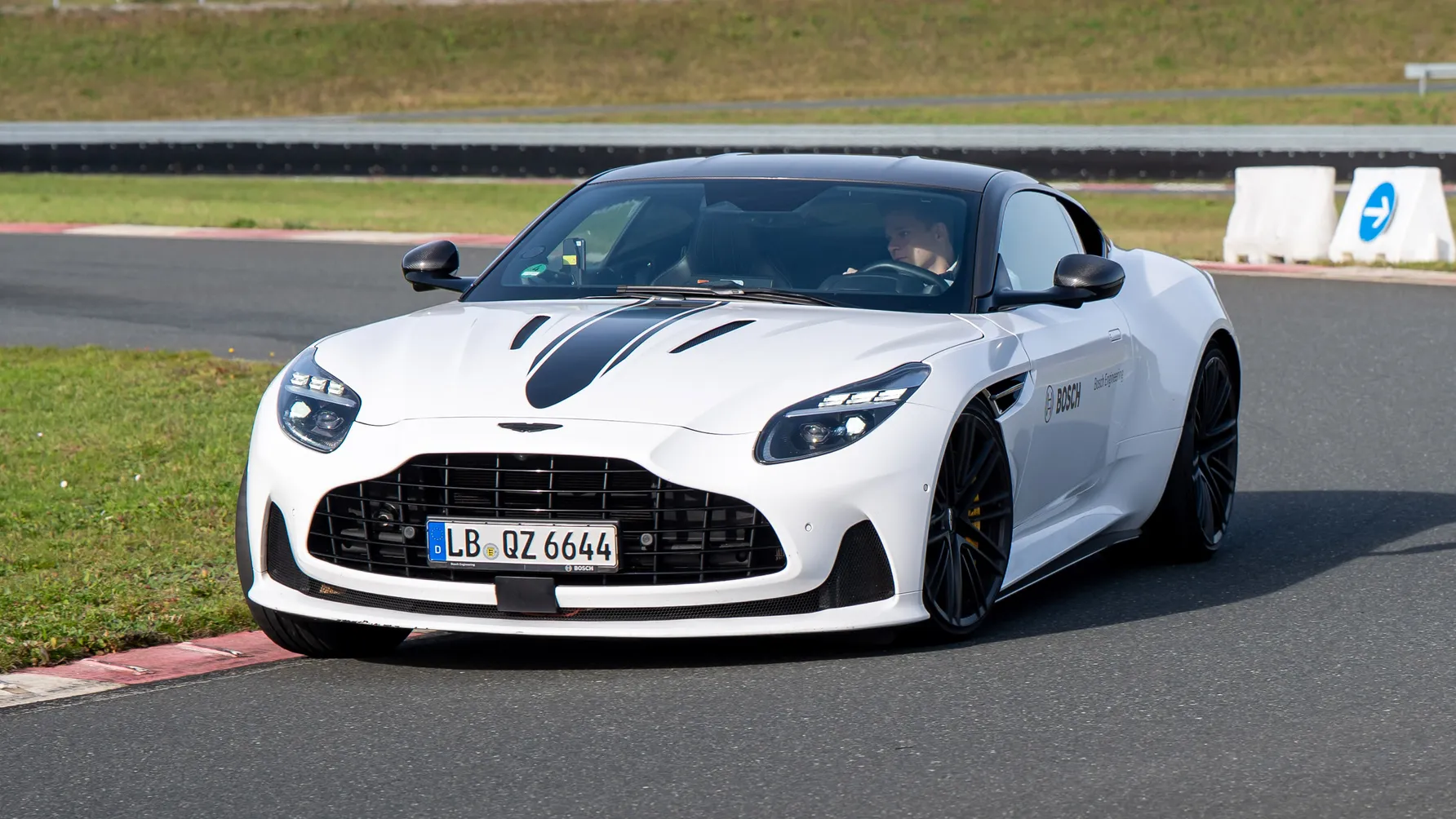
At the moment, Bosch says that it has data for around 30 circuits, but before TPA heads into production, the company wants 200 in the system. Oh, and it should be noted that TPA is not completely foolproof. It won’t take into account weather conditions, and the ‘ideal trajectory’ may not be the best line for tyre management or if there is a change of surface at any point during the lap.
That means as a driver, you’re still in control, but Track Performance Assist makes plenty of sense as a safety net. It’s pitched as a coaching tool, but really, it’s like being able to alter the Assist Settings while playing Gran Turismo. Pro drivers will probably utilize the intricacies of the telemetry data, but for amateurs on track days, a sensible helping hand could be just enough to avoid an awkward situation, particularly as the power war pushes modern supercars to yet another level.
NOTE: This article first appeared on TopGear.com. Minor edits have been made.