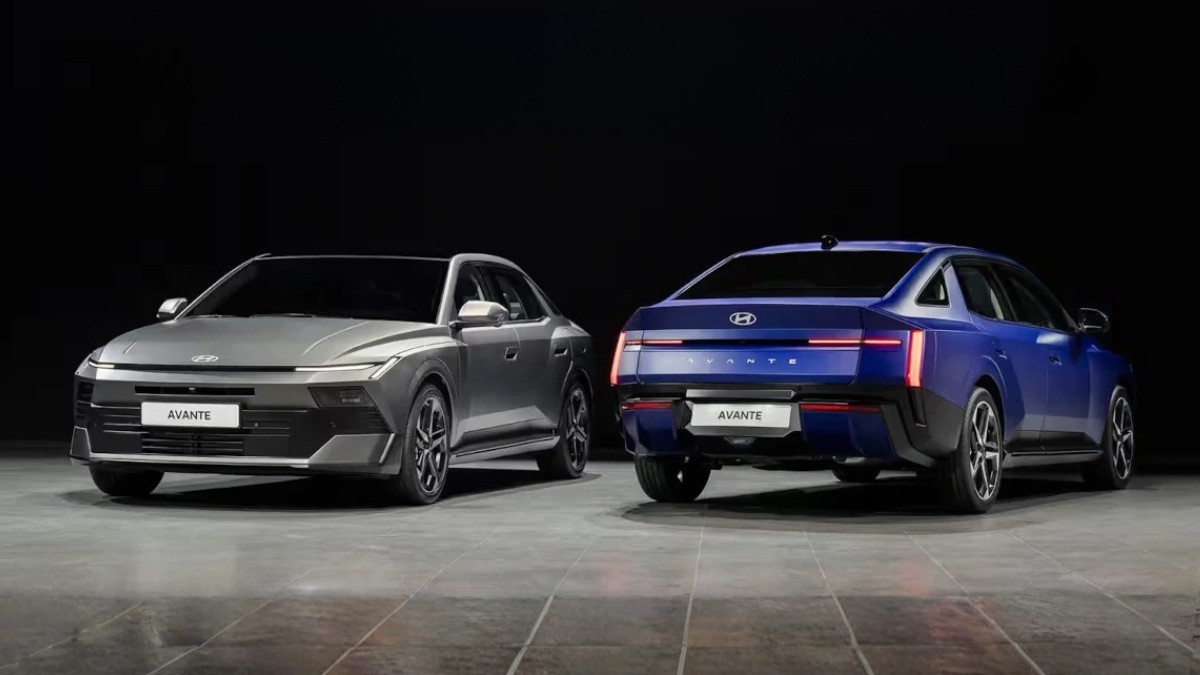

The future is here for the Hyundai Elantra—or the Avante, as it goes by in the Korean market. The eighth generation of the compact sedan was revealed last week at the 2026 Busan International Mobility Show, and it’s a vastly different design for the nameplate that was re-introduced to the Philippine market last year.
While this all-new generation is going on sale in Korea later this year, it might take a while before it reaches other markets, including ours. For now, let’s take a look at all the details we have on the eighth-gen Elantra.
1) It’s embracing the ‘Art of Steel.’
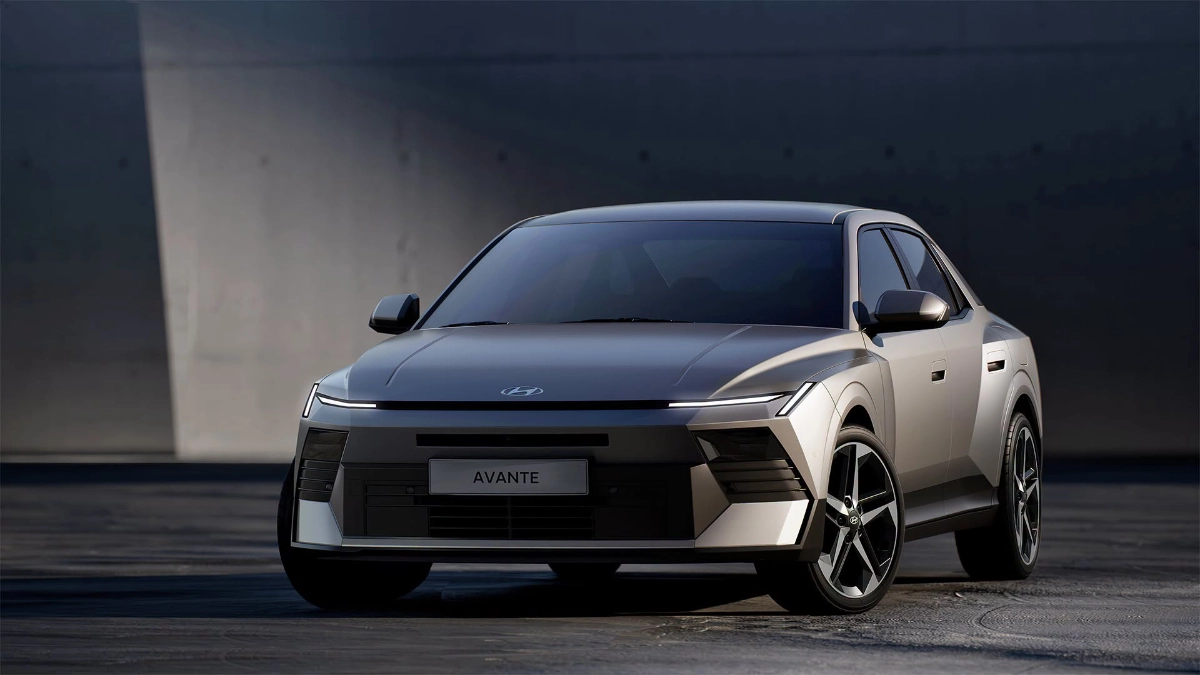
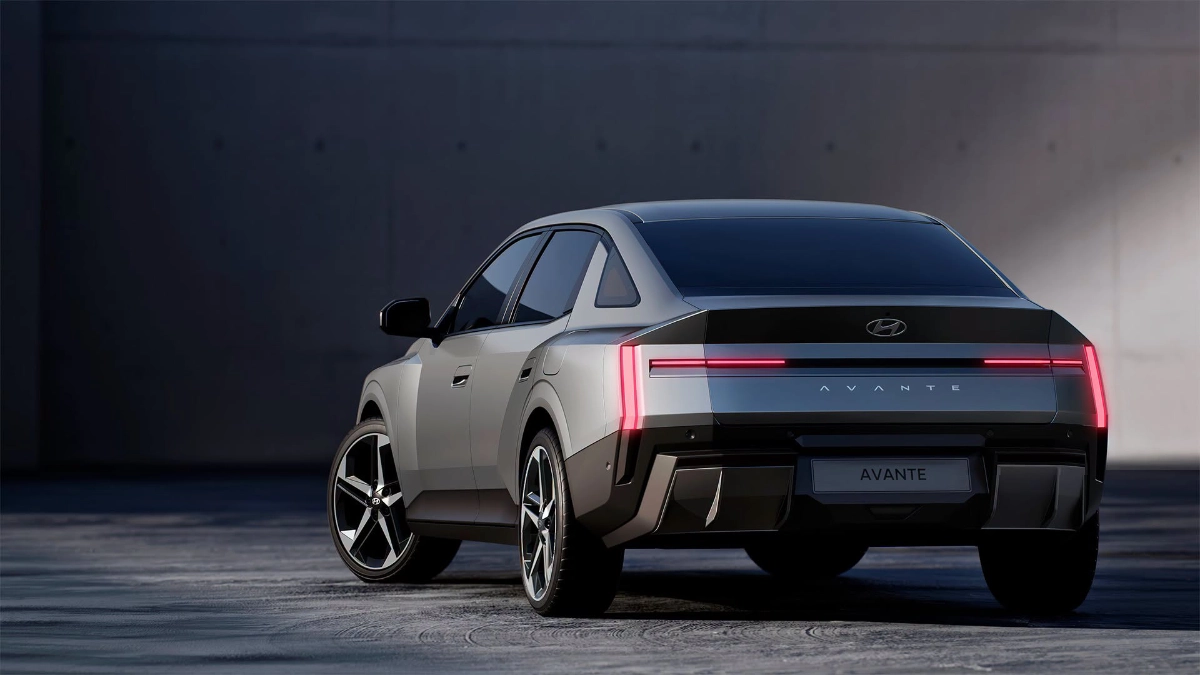
As seen on other Hyundai launches this year like the Ioniq 3 for Europe and the Ioniq V for China, the Elantra is adopting the brand’s new design language. While those EVs interpret the ‘Art of Steel’ through their wedge-like silhouettes, the latest Elantra goes for a more muscular direction with bulging wheel arches that extend into the door panels.
OTHER STORIES YOU MIGHT HAVE MISSED:
Honda and Nissan are teaming up to develop software for future models
Review: 2026 Hyundai Stargazer X 1.5 GLS Premium IVT
The lighting elements at the front and rear are inset into the body seams, and their H-shaped arrangement is still unmistakably Hyundai. Other sharp details include the front fascia pseudo-ducts (which also house the headlights)‚ some large rear splitters, and a ducktail spoiler extending from the rear wheel-arch crease.
2) It’s gotten a bit bigger.
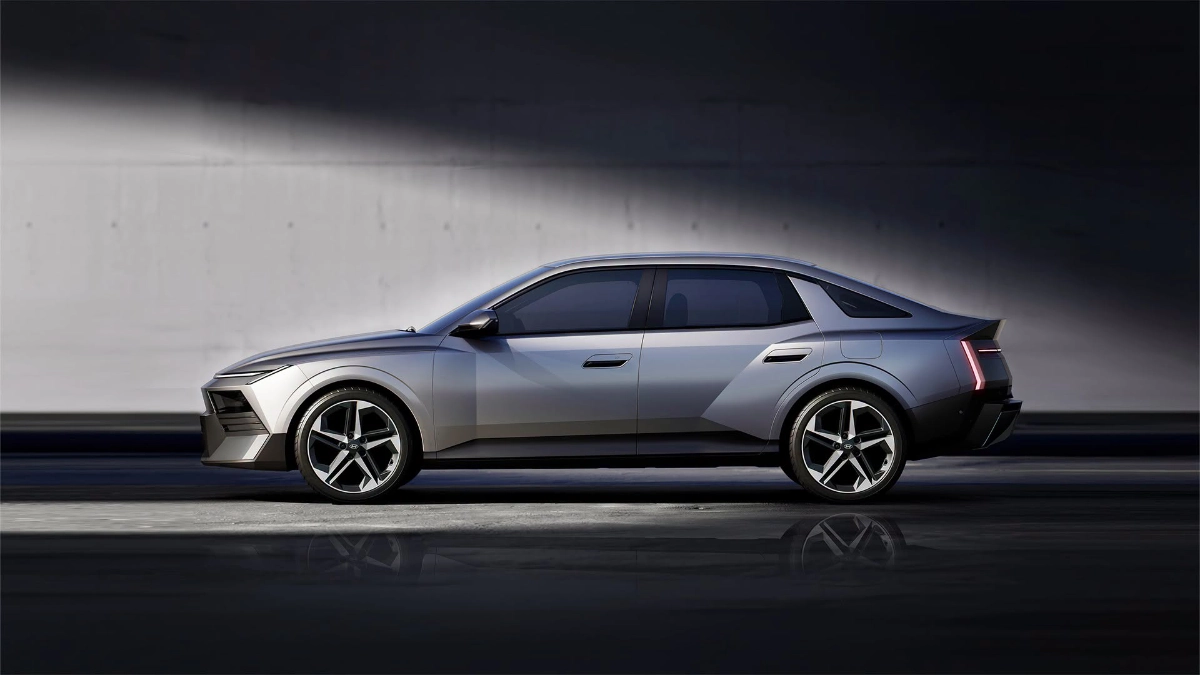
That new muscular look isn’t just an optical illusion. The Elantra now measures 4,765mm long, 1,855mm wide, 1,425mm tall. Yup—bigger than a Honda Civic by all accounts. Hyundai itself acknowledges the size bump, claiming that it allows for midsize-sedan-like interior dimensions.
One look at the new Elantra’s side profile makes its growth spurt more obvious, with the big windows contributing to a large visual footprint. The C- and D-pillars also draw similarities to the Grandeur, the Korean brand’s executive sedan.
3) It’s smarter now.
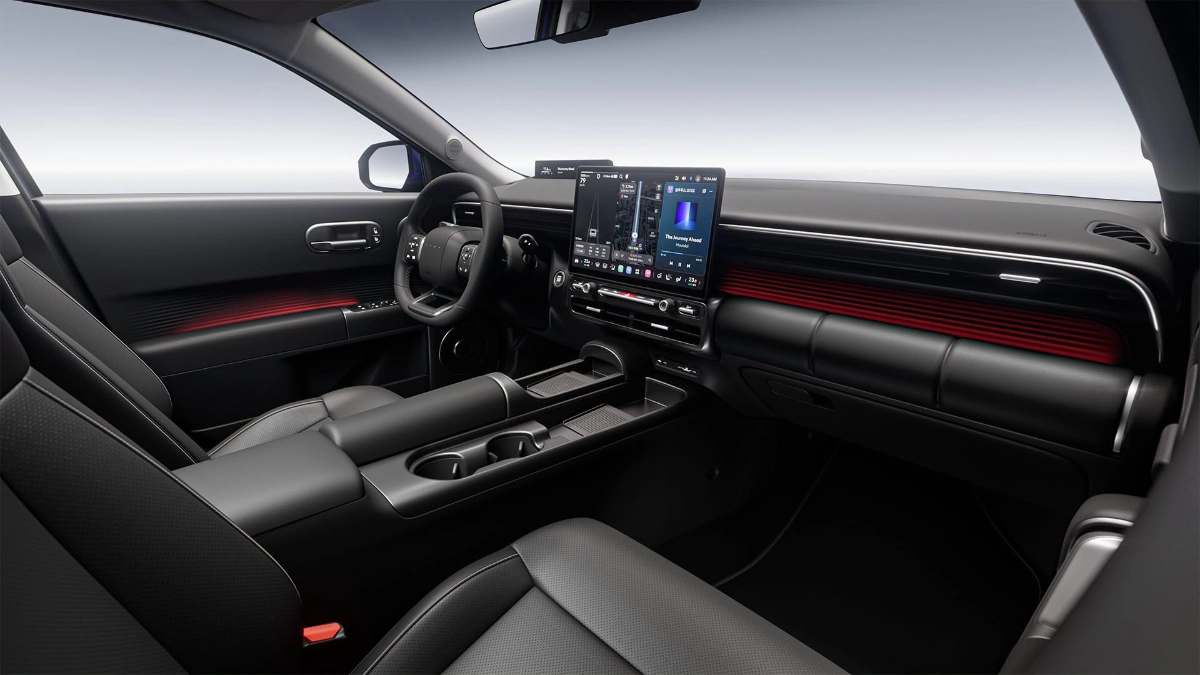
In line with the Ioniq 3, a big touchscreen—either 14.6 or 12.9 inches, depending on trim—now dominates the dashboard. This display will be running Hyundai’s new Android Auto-based OS, Pleos Connect. It will also feature the Gleo AI generative AI assistant, which supports natural conversations for controlling functions, also found on the Grandeur. A slim screen that sits above the steering wheel serves as the instrument panel.
That said, Hyundai isn’t abandoning physical controls; those are lined up below the screen. The gear selector has also been moved to the steering column, as with other Hyundai models, freeing up plenty of space in the center console. Other touches like ambient lighting and branded audio (care of Bang & Olufsen) add to a more premium cabin experience.
4) It’s not going all-electric.
For the Korean market, the all-new Elantra will be powered by either a combustion engine or a hybrid setup. The ICE option is a 2.0-liter naturally aspirated four-cylinder engine good for 147hp. This bigger engine provides a 21hp power bump over the 1.6-liter engine found in the currently available Elantra GL in the Philippine market.
As for the hybrid, the combined system output for the electric-motor-assisted 1.6-liter engine is rated at 155hp—an upgrade of 16hp over the current Elantra’s electrified setup. The hybrid powertrain also features ‘Smart Regenerative Braking 3.0’ and the ‘Hybrid Hierarchical Predictive Control System’—advanced systems that Hyundai claims will improve fuel efficiency.