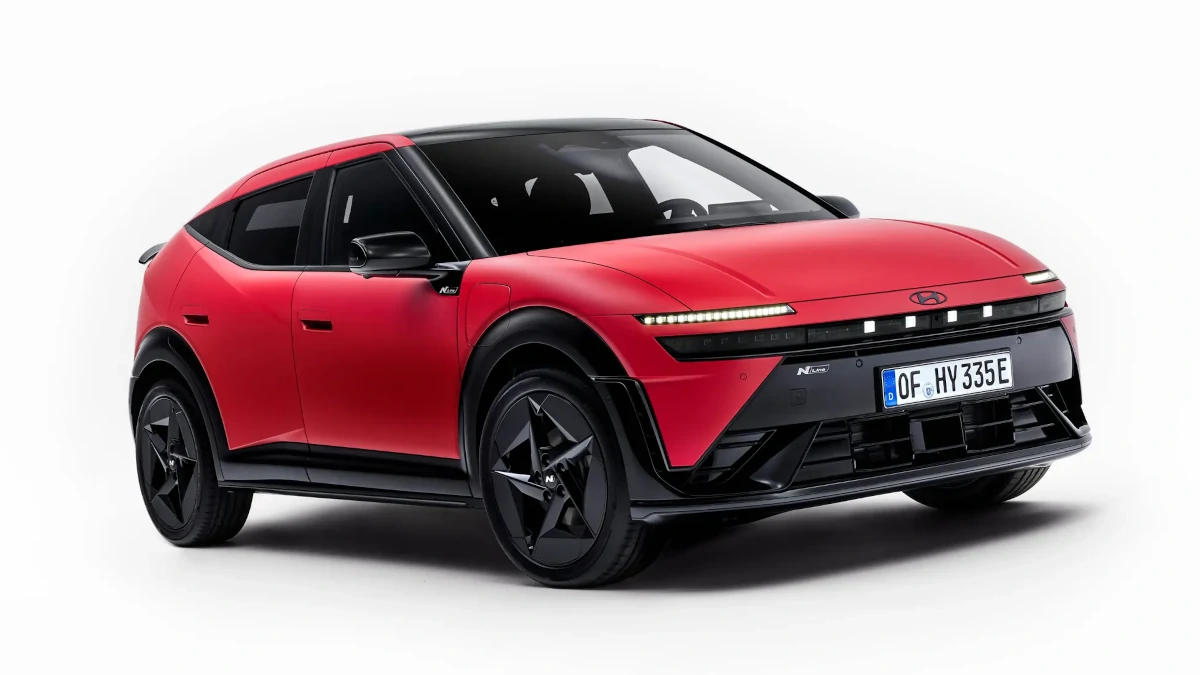

Hyundai’s Ioniq lineup is getting its own subcompact crossover with the reveal of the Ioniq 3 at Milan Design Week. The small EV stands out among its Ioniq peers by being the first model in Hyundai’s lineup to feature the ‘Art of Steel’ design language. Hyundai has previewed the crossover before as the Concept Three, and for the most part the production model retains what we saw in the concept car.
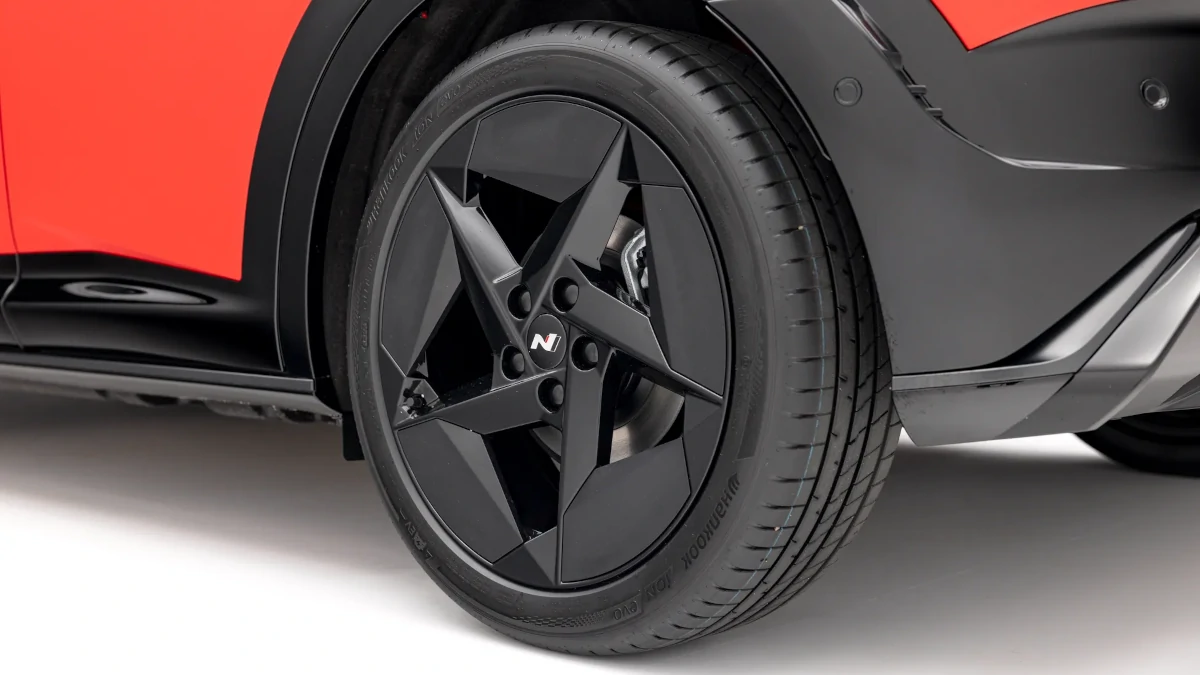
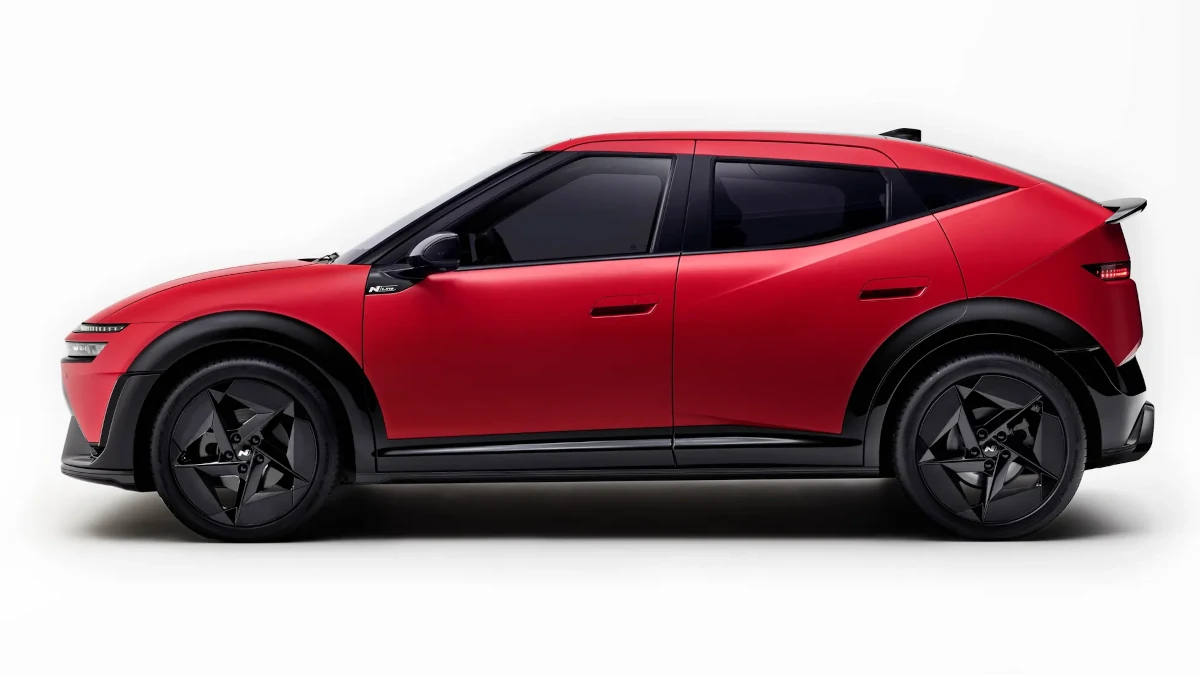
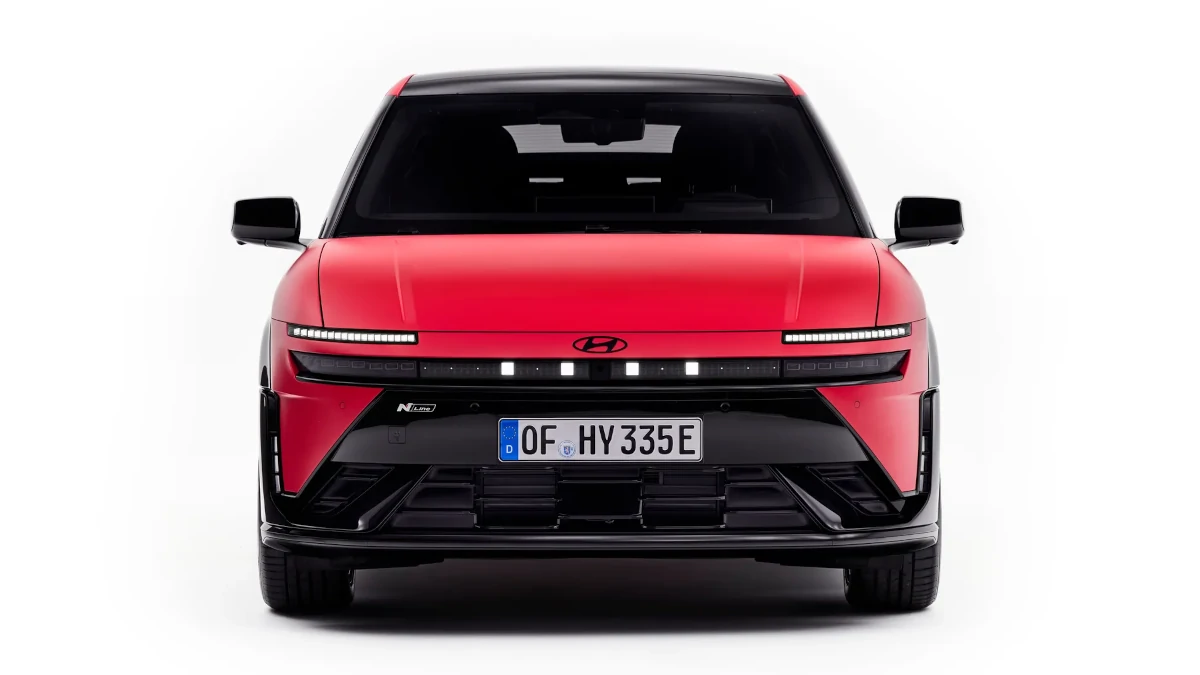
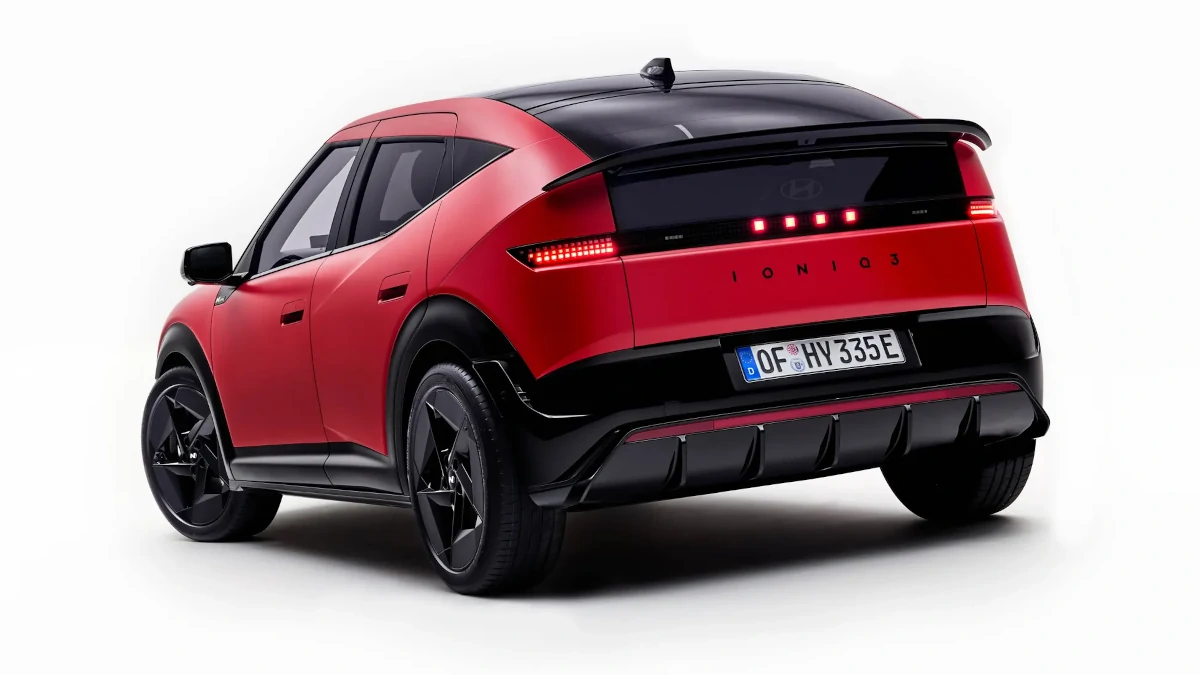
The ‘Aero Hatch’ silhouette remains, albeit slightly tamed. The fender flares are less pronounced, and the rear diffuser gets downsized. The front fascia retains its sleek shape that loosely echoes the facelifted Ioniq 6 as well as other recent Genesis models. Also worth noting that the promo shots depict the range-topping N Line, Hyundai’s intermediate sporty trim before the full-blown N performance models, so it gets sporty bits like the rear wing and more aggressive bumper designs.
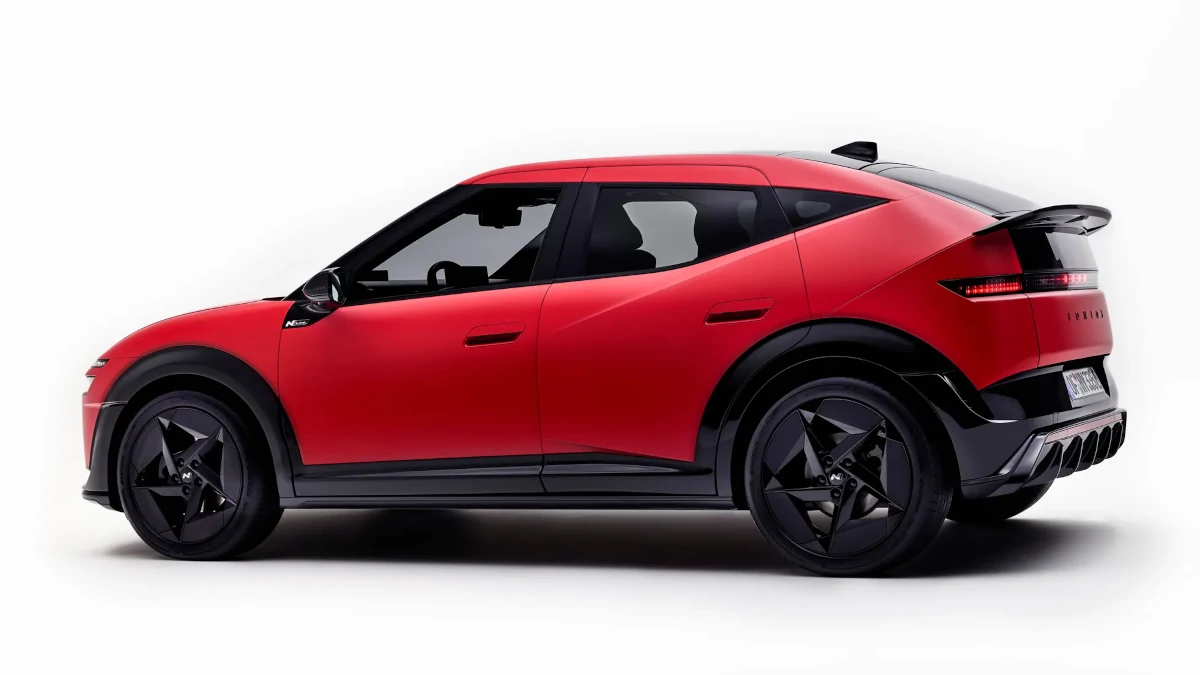
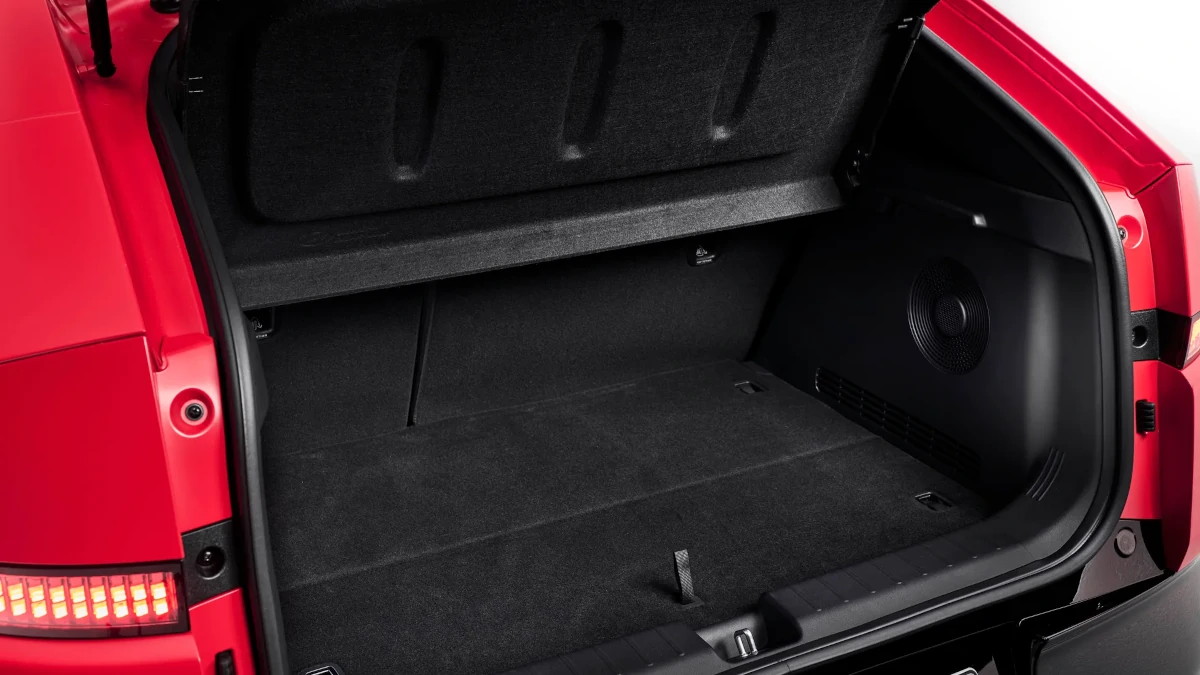
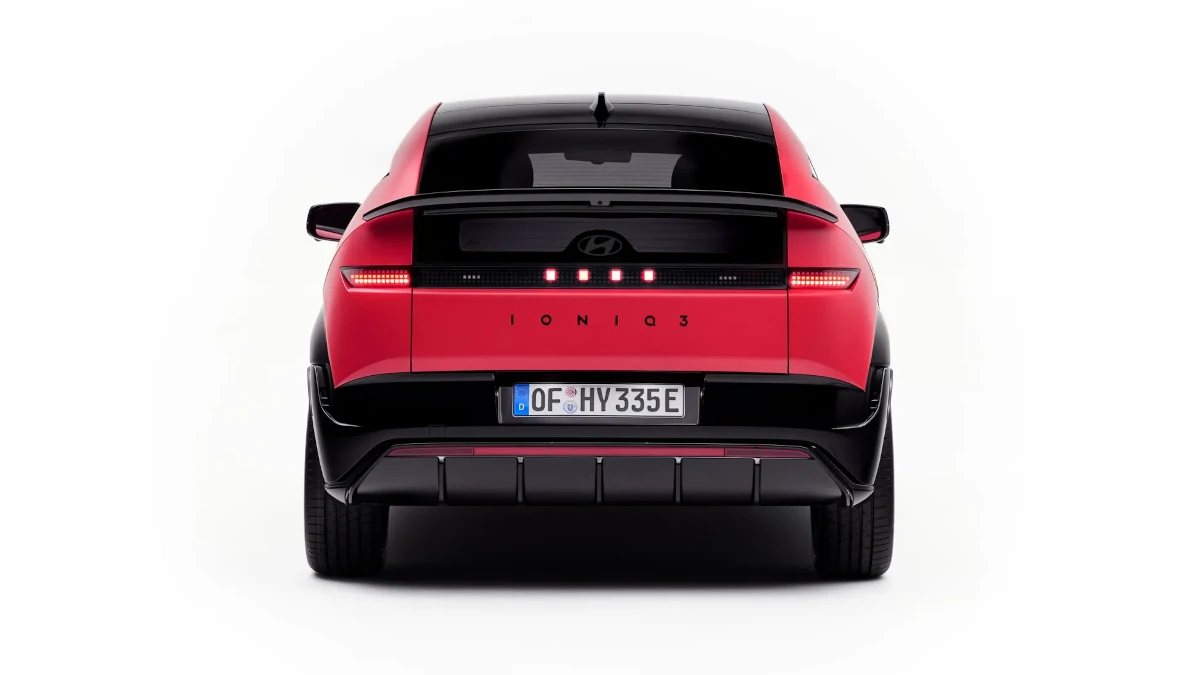
Speaking of the rear, the flat, abrupt stop that gives it a sort of shooting brake vibe has been retained from the concept. In terms of rear branding, the Hyundai oval is finished in black and lies incognito behind a black glass surface. The model name is also spelled out on the rear as with other Ioniq models. The four rear pixel lights sitting center stage also hide a branding easter egg: four dots is Morse code for ‘H.’
OTHER STORIES YOU MIGHT HAVE MISSED:
Can my EV overheat in summer?
PH car sales report: 105,642 vehicles sold in 2026 so far; VinFast tops BEV sales
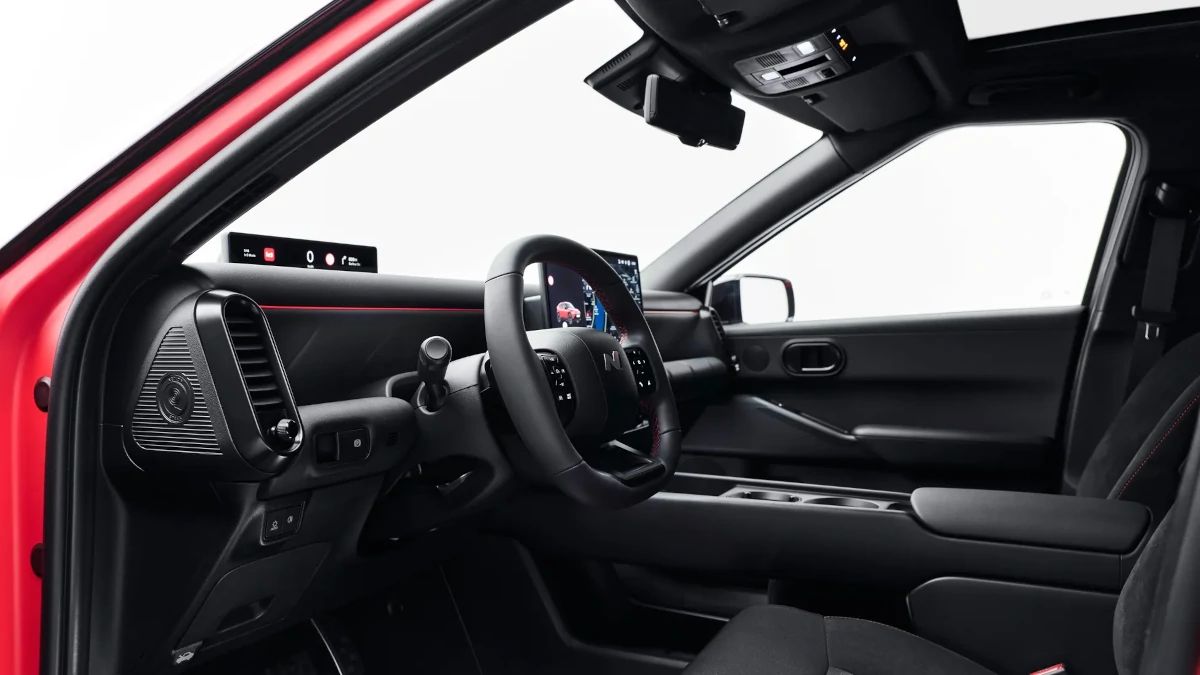
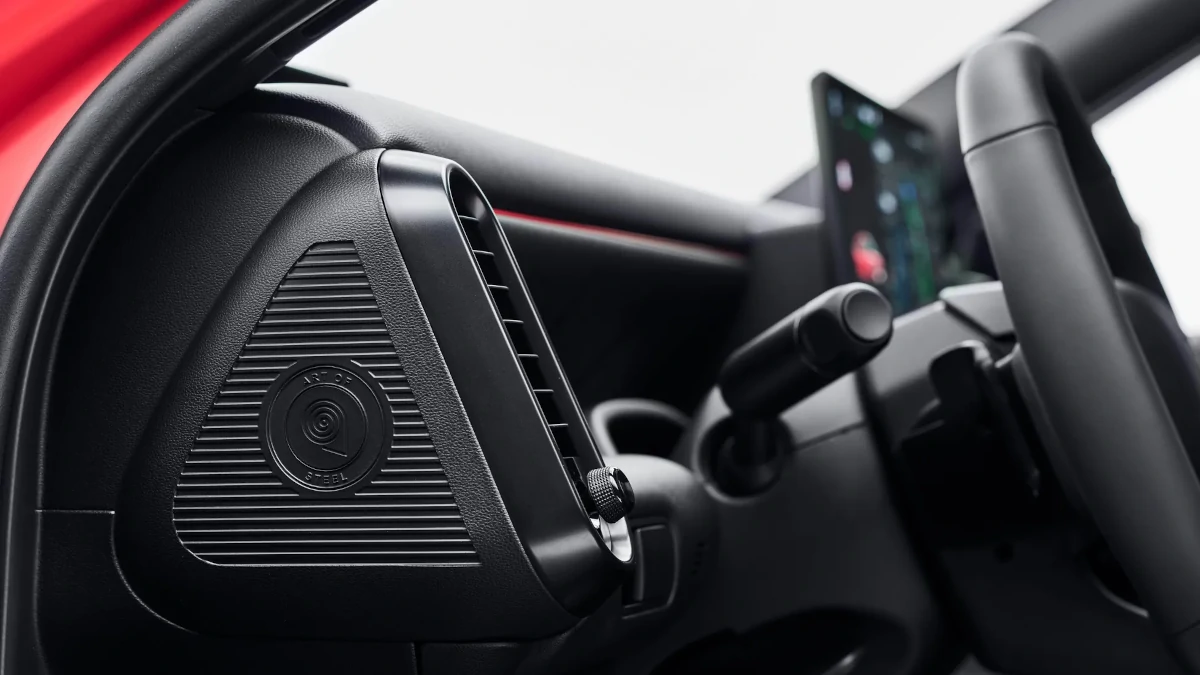
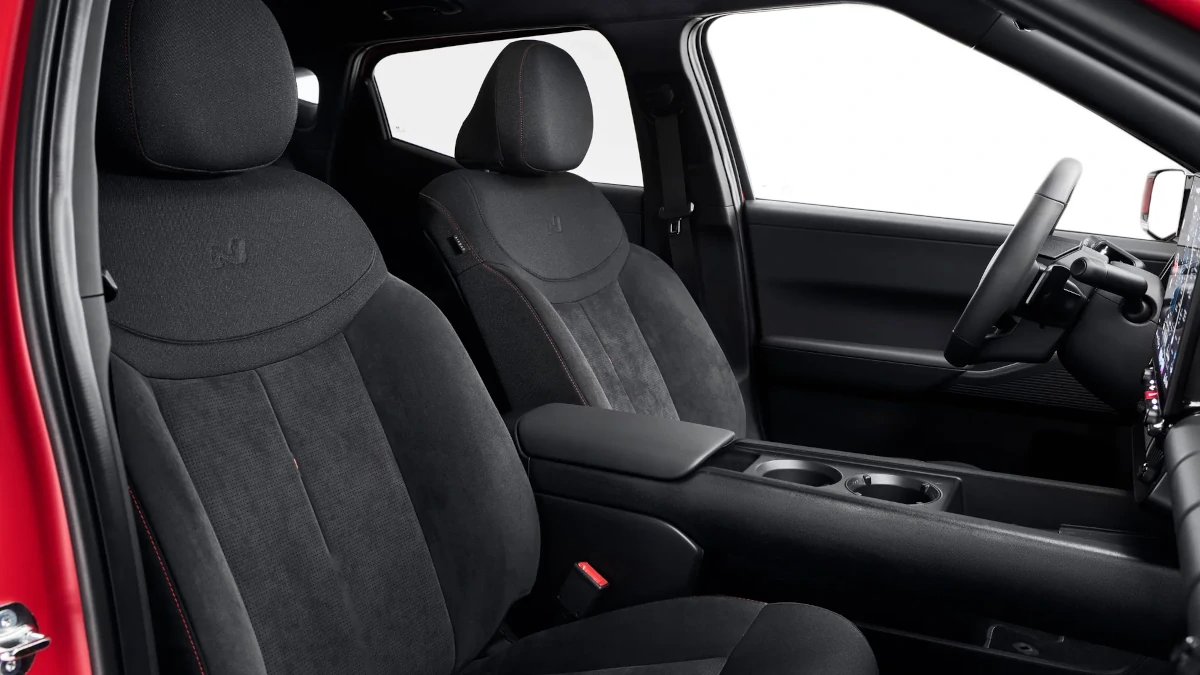
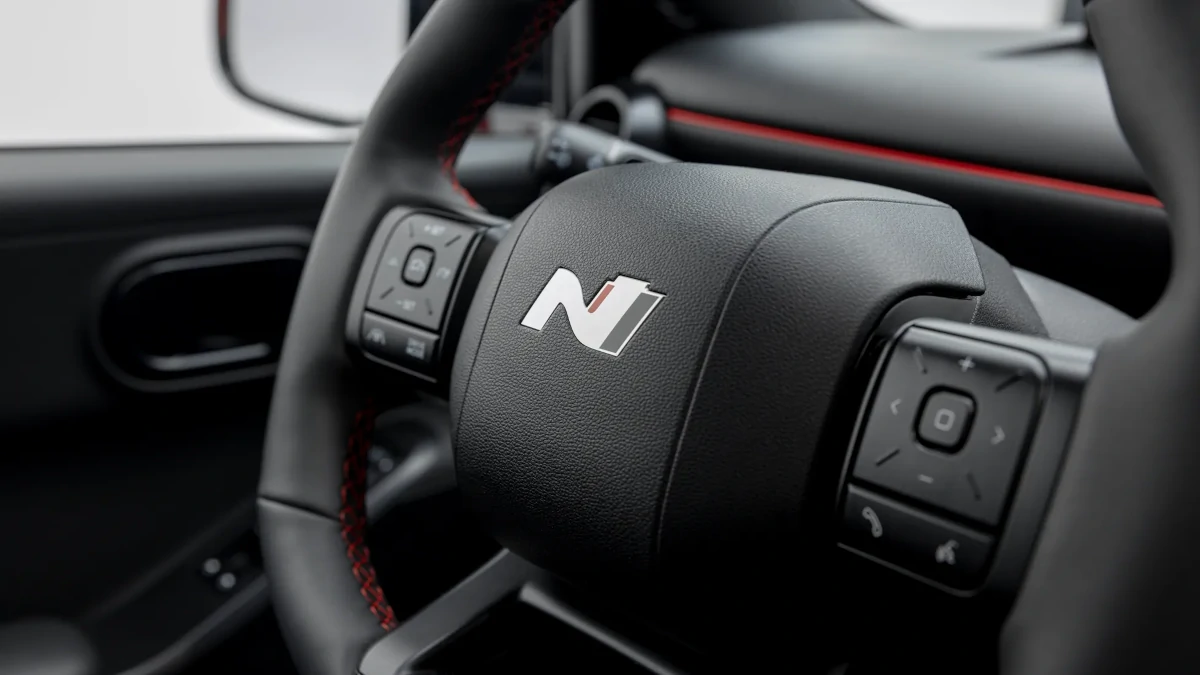
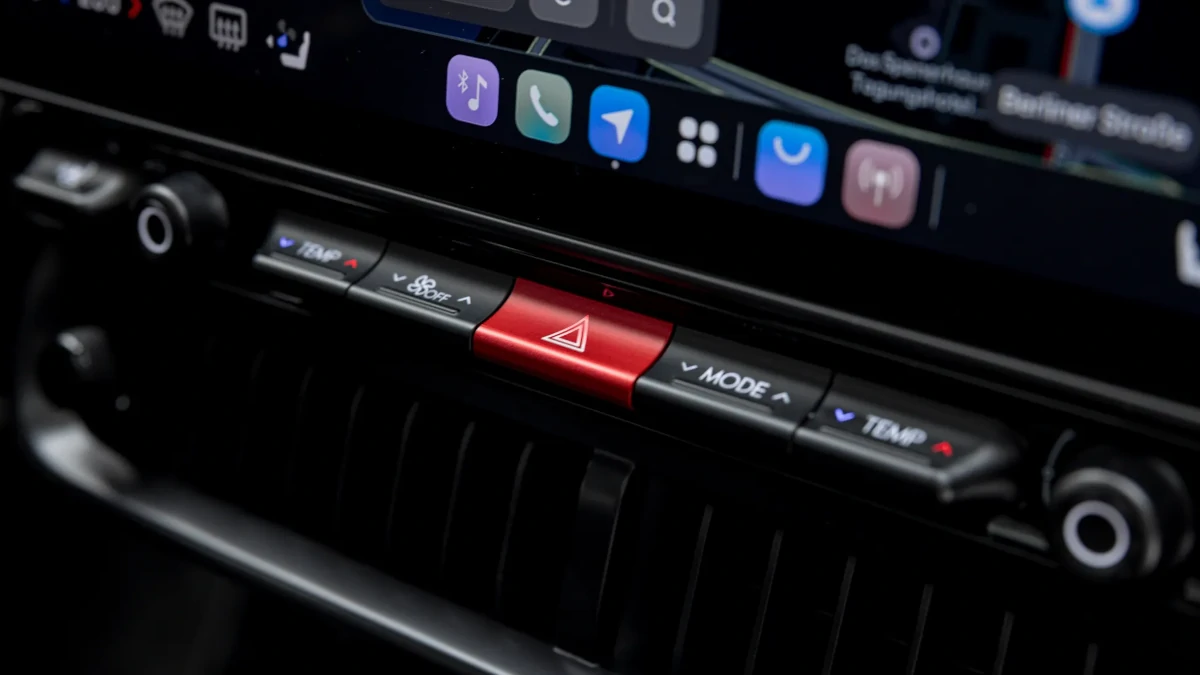
On the interior, driver controls are a mix between the large touchscreen and analog controls. The dashboard has this interesting, almost two-piece-like design that’s reminiscent of other Hyundai concepts like the Crater and Boulder: a semi-cylindrical shape set against a reversed slope. Not nearly as radical as the collection of dials and mini-monitors on the concept cars, but still visually intriguing. The steering wheel, complete with N Line branding for this trim, also follows recent Hyundai models with the squared spokes loaded with controls.
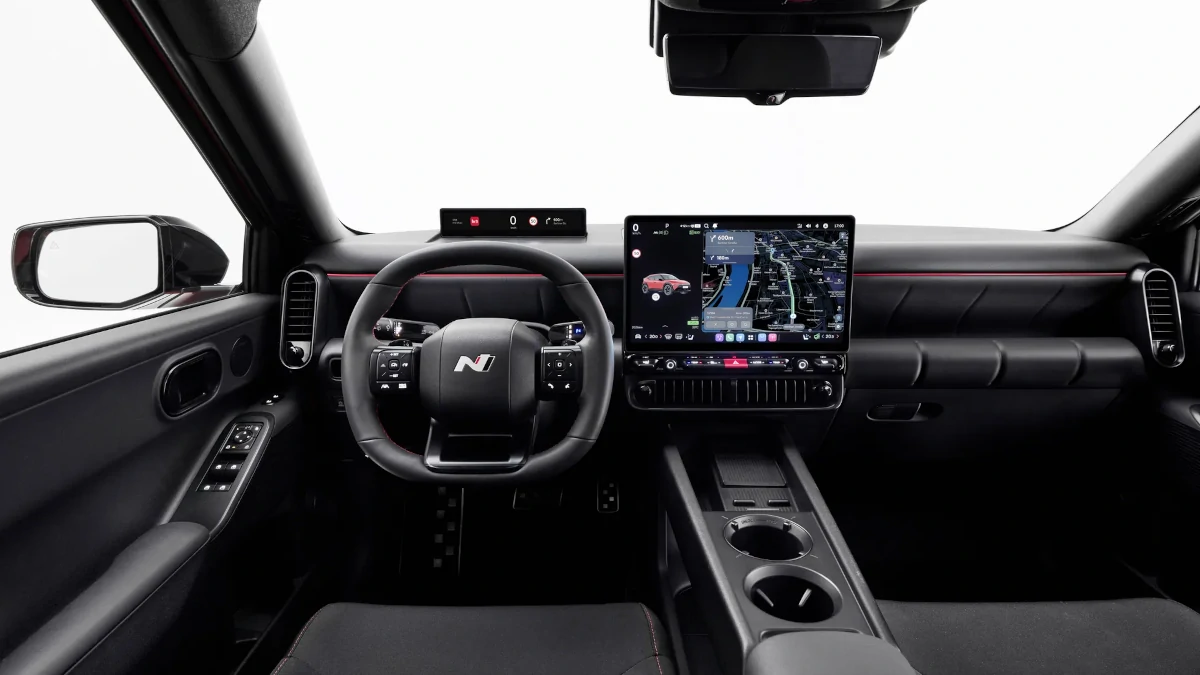
This is also our first look at Pleos, Hyundai’s proprietary vehicle OS first announced last year, in a production vehicle. As it’s based on Android Automotive OS, it has the typical infotainment functionalities: media, navigation, and Apple CarPlay and Android Auto. Pleos is also set to have its own app market that allows third-party developers to create and offer apps for drivers to install as they see fit.
The Ioniq 3 shares its bones with the Kia EV2, its fellow Korean electric subcompact. While the Kia goes for a decidedly boxy look in line with its EV5 and EV9 stablemates, the Ioniq takes on a more sporty stance. WLTP range has been rated at 344km, with a Long Range version available good for 496km. The motor is good for up to 145hp and 250Nm of torque, peppy numbers for a vehicle of this class.
The Ioniq 3 measures in at 4,155mm long (4,170mm for the N Line,) 1,800mm wide, and 1,505mm tall. It’s being called a compact hatchback, but it has the height of the Kia Sonet and Toyota Raize while being a tad smaller than the Toyota Corolla Cross and Honda HR-V.
UK pricing is set to start at £25,000, or right around the P2 million mark. It hasn’t been confirmed if the Ioniq 3 is set to arrive in the Philippines, but immediate rivals upon entry would likely include the BYD Dolphin in terms of size, and Tesla’s entry-level models in terms of price.
Do you think Hyundai nailed its new design language with the Ioniq 3? Or should it go back to the drawing board and rethink its looks for upcoming cars?
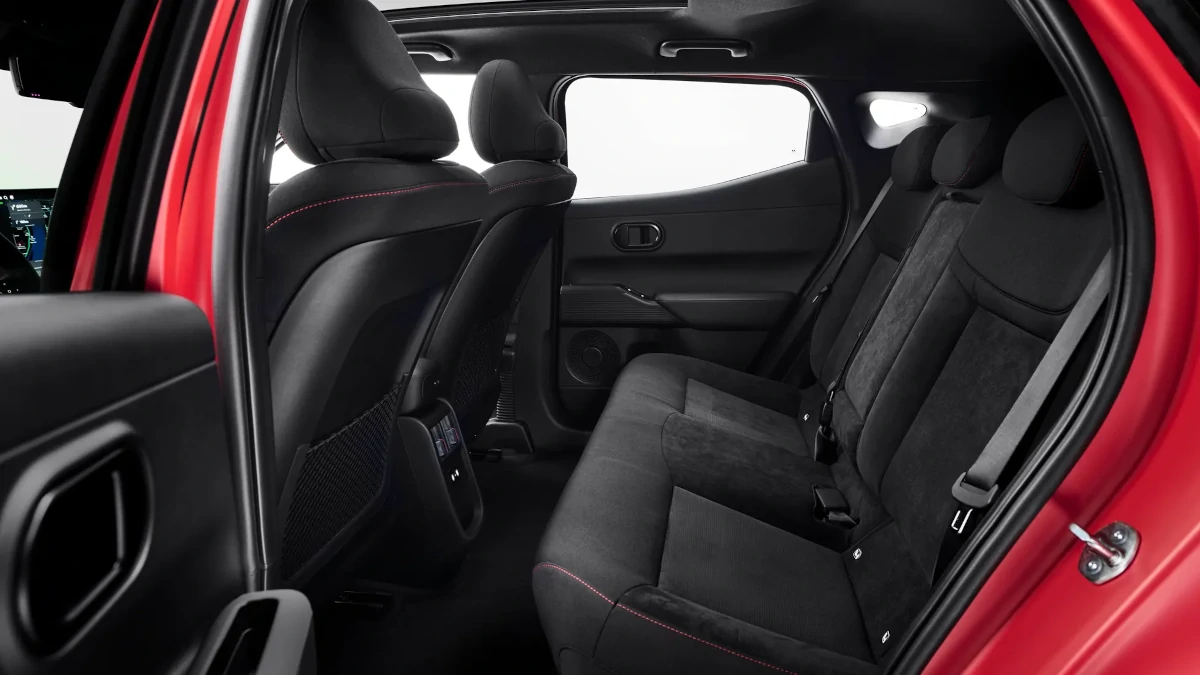
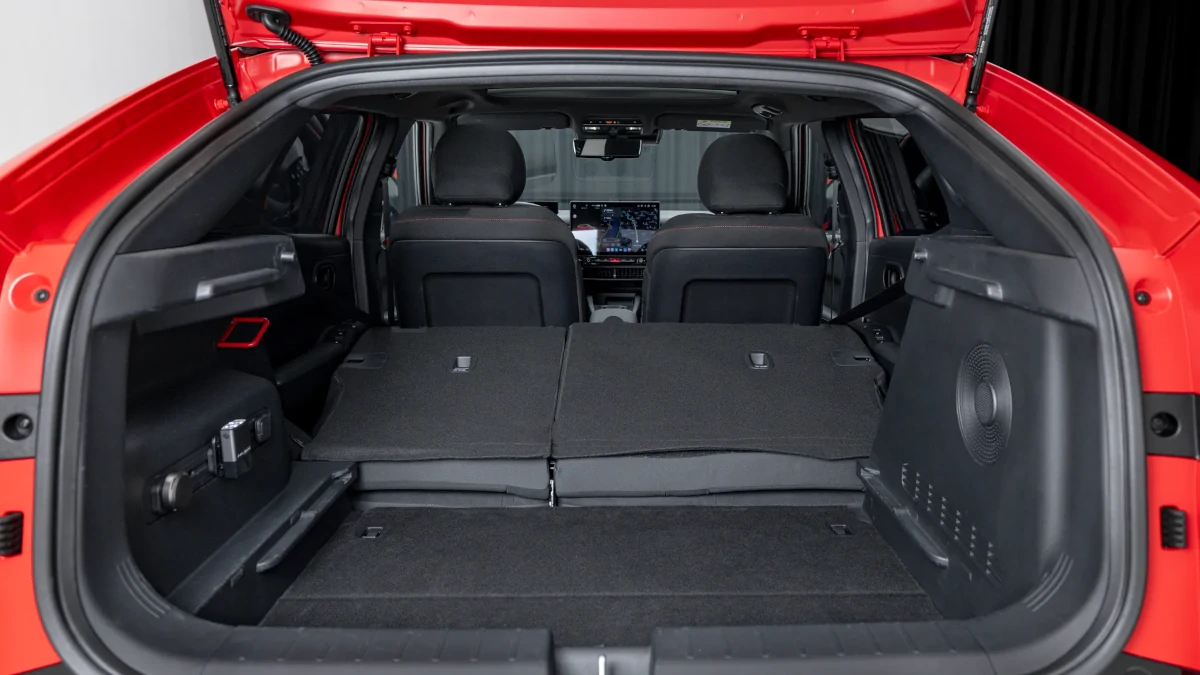
More photos of the 2027 Hyundai Ioniq 3: