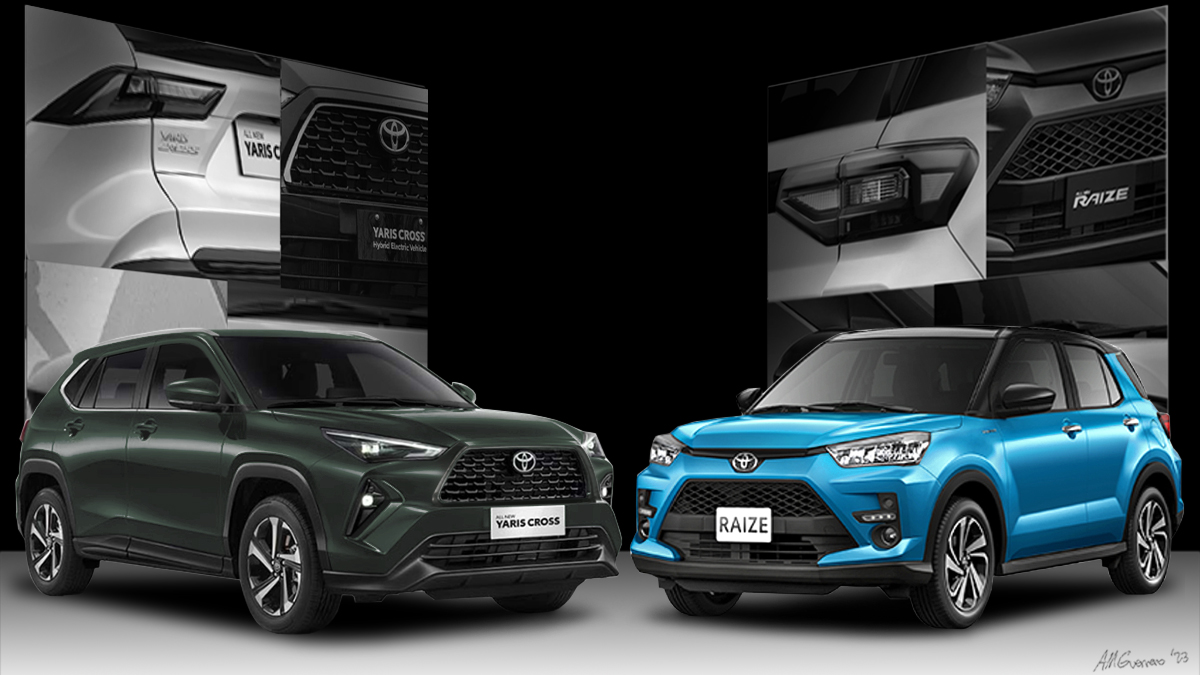
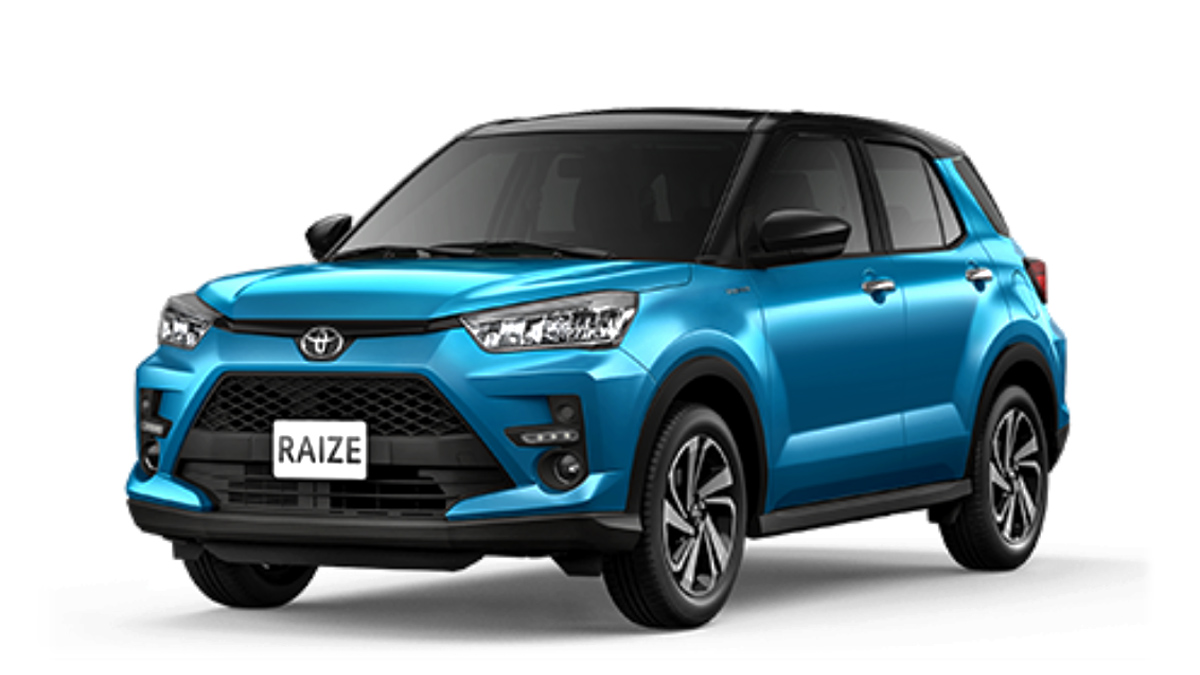
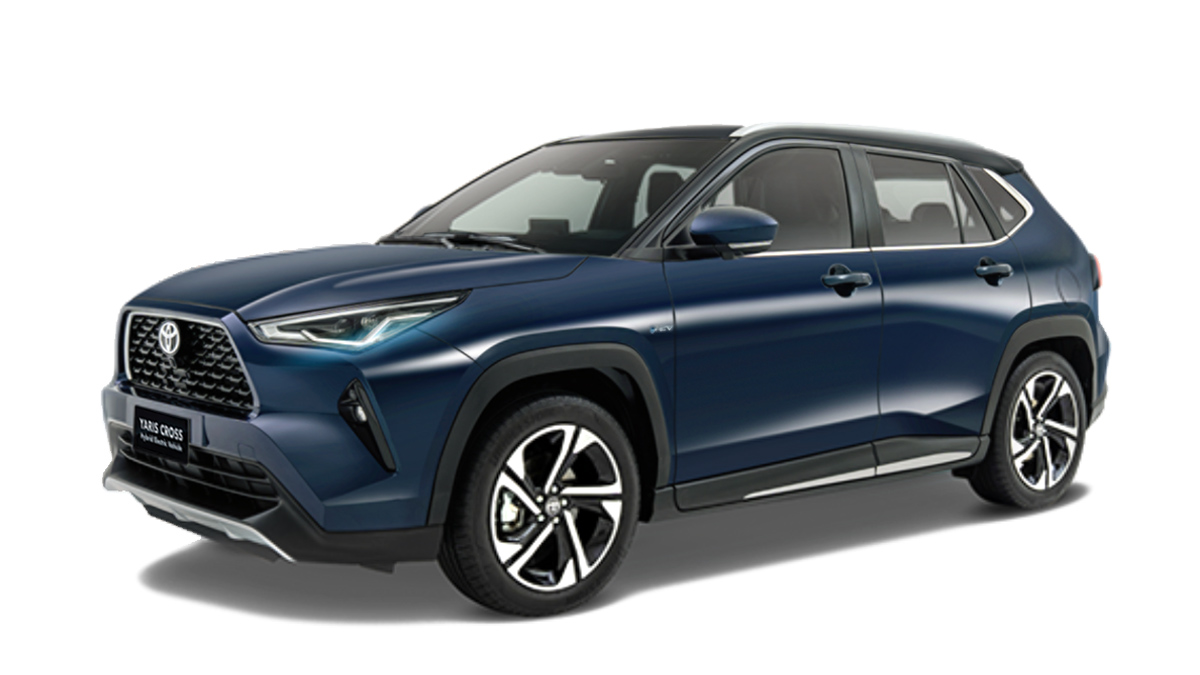
Toyota has arguably one of the largest selections of SUVs and crossovers in the market today. Recently, the carmaker launched its subcompact Yaris Cross SUV which slots between the baby Raize and the larger Corolla Cross.
Our focus for today’s cross-segment comparo will be on the high-trim Raize 1.0 Turbo CVT which carries a price tag of P1,063,000 and the base Yaris Cross 1.5 G CVT which is priced at P1,199,000. While P136,000 isn’t a small amount, the gap is close enough to attract the same car buyers. Which of these two Toyotas is the better deal on paper, the top variant of the smaller model or the base variant of the larger model? Let’s take a closer look at the two SUVs.
OTHER STORIES YOU MIGHT HAVE MISSED:
The Nissan Skyline gets Nismo-fied with more power and Z bits
Victim in viral hit-and-run video last year settles criminal case against SUV driver
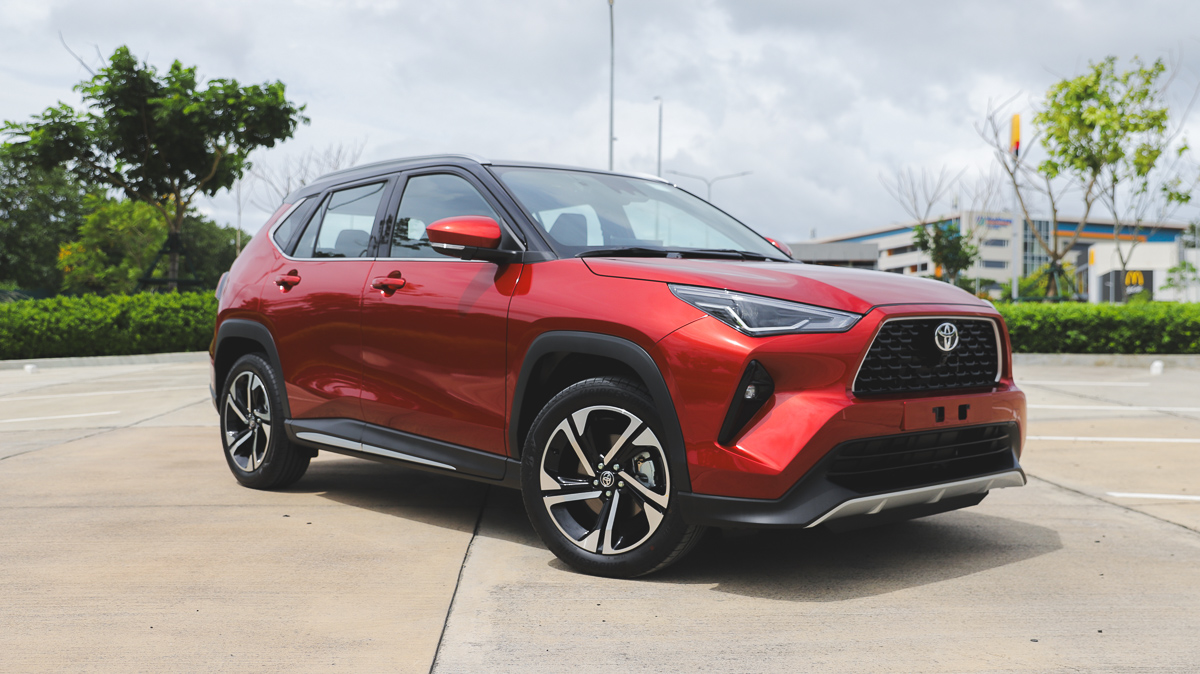
At first glance, the most obvious difference is the size of the two SUVs, the Yaris Cross measures 4310mm long, 1770mm wide, and 1615mm tall, that makes the Yaris Cross 280mm longer, 60mm wider, and 10mm taller than the little Raize. While not so obvious, the Yaris Cross has a 12mm higher ground clearance than the Raize.

Under the hood, the Yaris Cross packs a 1.5-liter naturally aspirated in-line-four gasoline mill good for 105hp and 138Nm of torque, while the smaller high-trim Raize comes with a 1.0-liter turbocharged in-line-three unit which puts out 97hp and 140Nm of torque. The Yaris Cross has slightly higher horsepower, but the lighter Raize has more torque.
Both front-wheel drive SUVs are equipped with a continuously variable transmission. Both the Yaris Cross and the Raize are based on the new DNGA (Daihatsu New Global Architecture) platform. For those curious, the Raize shares its wheelbase with the all-new Wigo, while the Yaris Cross shares its wheelbase with the all-new Vios.
As expected, the two SUVs use the same suspension layout: MacPherson struts up front and a torsion beam at the back. When it comes to brakes, the Yaris Cross has disc brakes on all four corners while the Raize has a disc and drum setup. In the wheel and tire department, both come standard with 17-inch alloy wheels, but the Yaris Cross comes with slightly larger 215/60 R17 tires versus the Raize’s 205/60 R17 rubber.
Still unsure which model is the better deal for you? Take a look at the spec sheet we prepared below for a clearer side-by-side comparison between the Yaris Cross and Raize. Let us know afterwards which of these Toyota SUVs you’d choose.
2024 Toyota Yaris Cross 1.5 G CVT |
2024 Toyota Raize 1.0 Turbo CVT |
|
| Price (Philippine Peso) | 1,199,000 | 1,063,000 |
| Drive | FWD | FWD |
| Seating capacity | 5 | 5 |
| Engine Type | 1.5-liter inline-4 gasoline | 1.0-liter turbo inline-3 gasoline |
| Power | 105 | 97 |
| Torque | 138 | 140 |
| Fuel tank capacity (liters) | 42 | 36 |
| Transmission | continuously variable transmission | continuously variable transmission |
| Brakes (Front/Rear) | disc/ disc | disc/ drum |
| Wheels | 17-inch alloy | 17-inch alloy |
| Tires | 215/60R17 | 205/60R17 |
| Front suspension | Independent MacPherson strut | Independent MacPherson strut |
| Rear suspension | Torsion beam | Torsion beam |
| Seat material | Fabric | Fabric + synthetic leather |
| Infotainment system | 10.1-inch touchscreen | 9-inch touchscreen |
| Connectivity | Apple Carplay + Android Auto | Apple Carplay + Android Auto |
| Push Start | Yes | Yes |
| Airbags | 6 | 6 |
| ABS w/ electronic brakeforce distribution | Yes | Yes |
| Electronic Stability Control | Yes | Yes |
| Hill-start Assist | Yes | Yes |
| Rear Camera | Yes | Yes |
| Parking Sensors | Rear | Front + Rear |
| Headlights | LED | LED |
| Dimensions (mm) | 4310 x 1770 x 1615 | 4030 x 1710 x 1605 |
| Wheelbase (mm) | 2620 | 2525 |
| Ground Clearance (mm) | 212 | 200 |