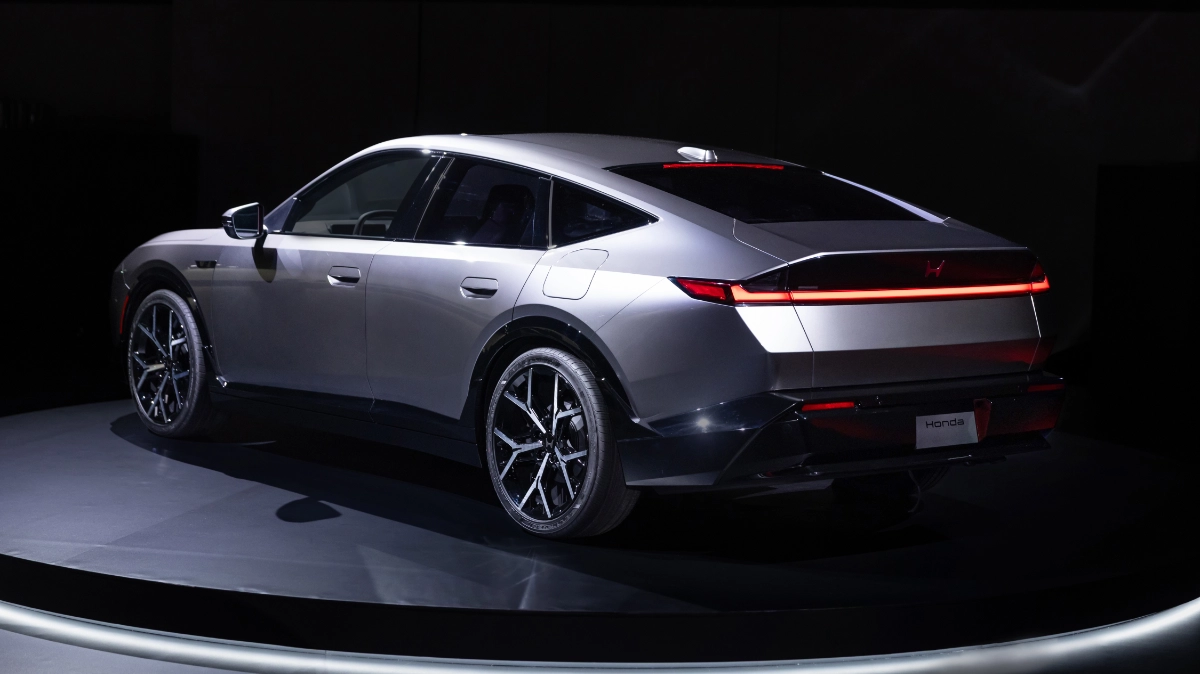

Japanese newspaper The Yomiuri Shinbun reports that Honda and Nissan plan to enter a technological partnership with the goal of jointly developing a new ECU for software-defined vehicles (SDVs). Cooperation between the two automakers comes as a result of intensifying competition from Chinese and American rivals, particularly in the field of EVs.
A software-defined vehicle is characterized by the ability to control, update, or enhance its functions and features entirely through software. The Yomiuri Shimbun cites Tesla’s vehicles as examples of SDVs due to the company performing more than 200 over-the-air updates annually to apply fixes and improvements to driver assistance systems, including self-driving.
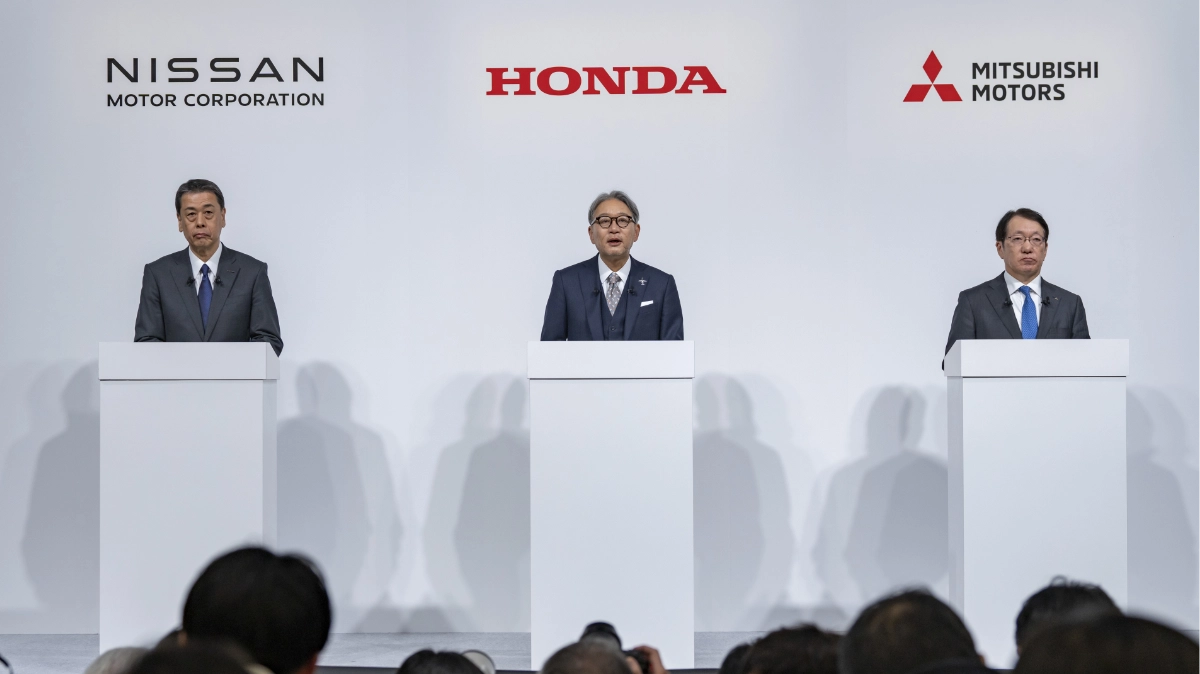
Honda and Nissan previously attempted a merger which ultimately fell through in February 2025. However, the companies did not close the doors on the opportunity for future collaboration—this shared development for the brands’ future SDVs may be one of these opportunities.
OTHER STORIES YOU MIGHT HAVE MISSED:
Mitsubishi wants to revive the Lancer Evolution, but...
Toyota ensures new drivers get the full stick-shift experience with an EV that stalls
While the new ECU will help provide a standardized architecture for Honda and Nissan to build upon, the brands do not seem to intend on developing identical software. In a quote from Nissan president Ivan Espinosa earlier provided to the Yomiuri Shimbun, he says that, “We are exploring ways to [standardize software] while maintaining each brand’s core philosophy.”
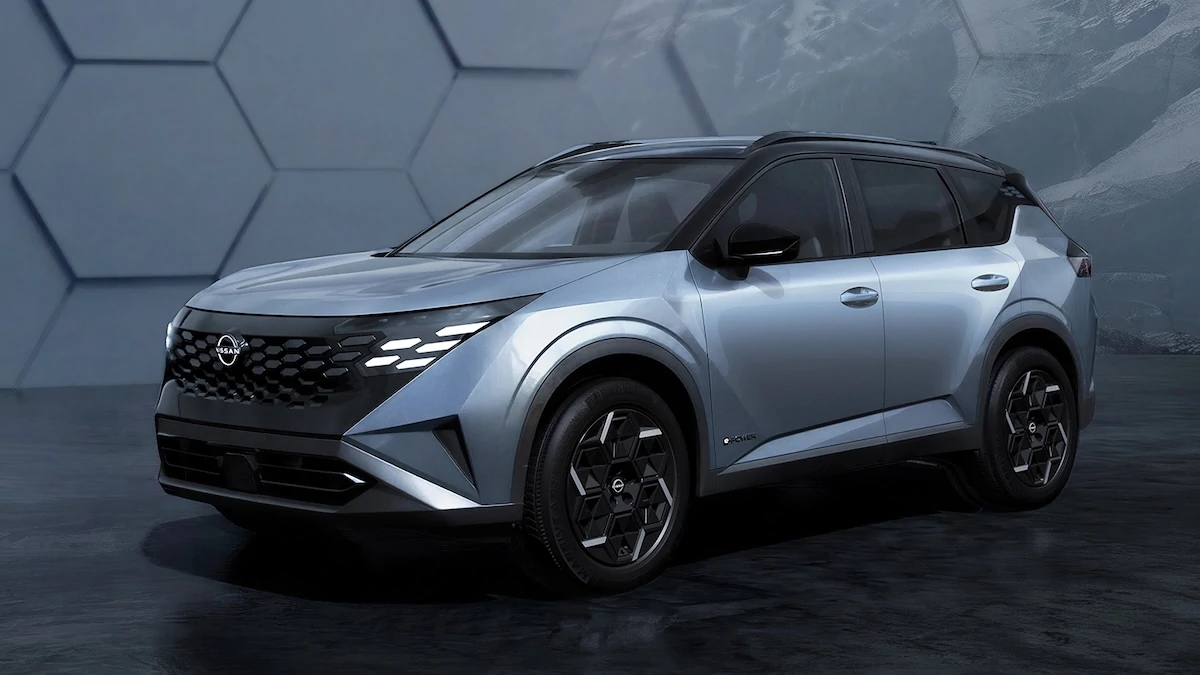
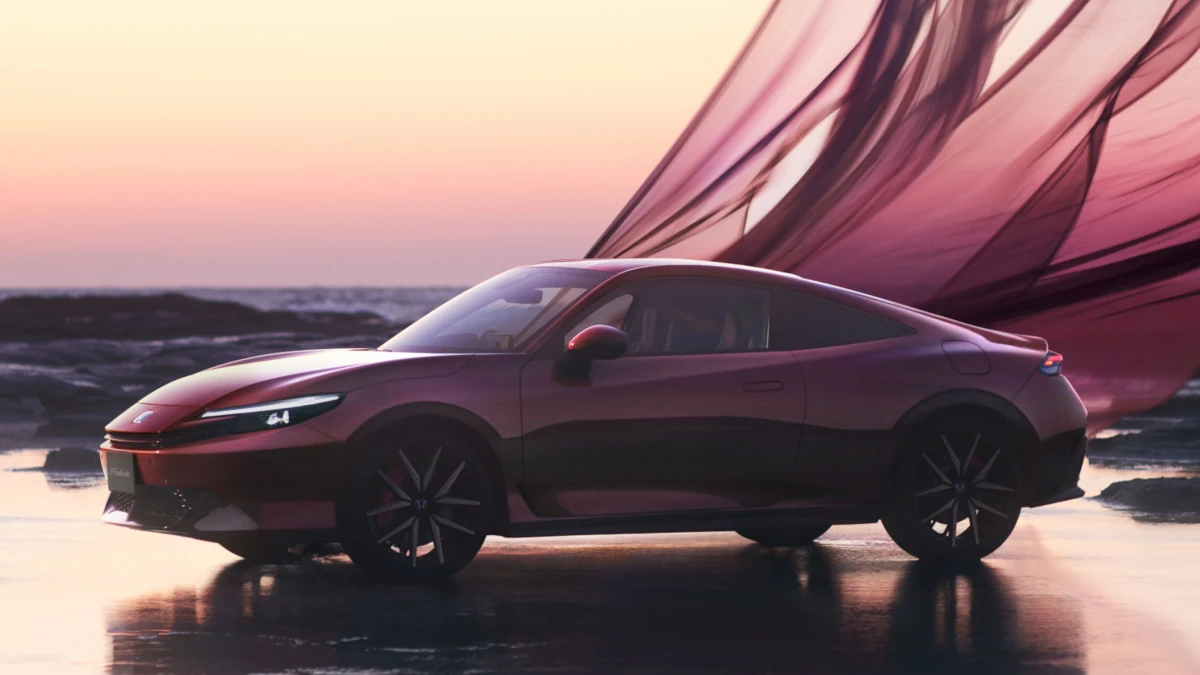
At the moment, the Honda and Nissan are each facing down their own respective struggles. Honda recorded its first-ever losses after a failed bet on electric vehicles, while Nissan is in the middle of a long recovery plan after leadership troubles.
Honda has since refocused its efforts on HEVs, while Nissan is taking cues from Chinese competitors to accelerate development for its upcoming models.
Nissan’s 24% stake in Mitsubishi could also see a third collaborator participating in the standardized SDV ECU development. In the three companies’ joint statement on the cancellation of the Honda-Nissan merger, they said “going forward, the three companies will collaborate within the framework of a strategic partnership aimed at the era of intelligence and electrified vehicles.”
This joint development is the latest instance of cooperation within the Japanese automotive industry as it faces increased competition and other challenges. Earlier this month, it was reported that the industry was moving to curb excessive quality control on components, as a response to both the shortages caused by the Middle East war as well as the volume at which Chinese rivals operate at.