
Nikkei Asia has reported that Nissan will adopt strategies from Chinese rivals, enabling it to bring new models to market more quickly. In comparison, Japanese automakers are currently following much slower development cycles. Nissan looks to buck this trend by taking what it has learned from its joint venture in China.
This includes the use of artificial intelligence and other new digital tools across multiple stages of development, like design, testing, and manufacturing. Nissan president Ivan Espinosa is also targeting a 30-month development cycle for new models.
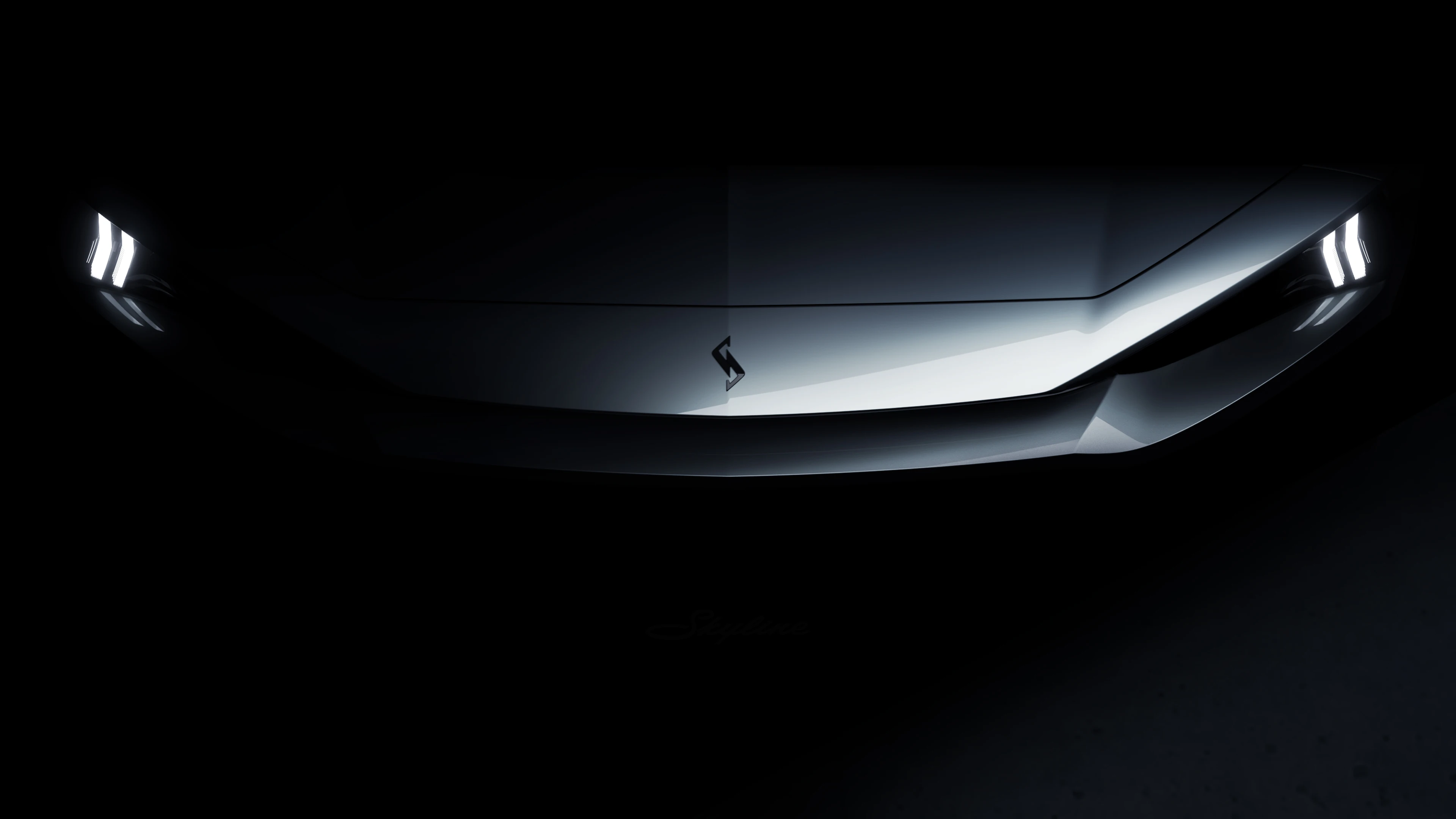
The first model to arrive on the market produced under this strategy will be the new Skyline, set to debut later this year. Assuming no disruptions to Nissan’s schedule, the new Skyline will have spent 26 months in development upon its release—less than half the development time of the outgoing generation, which took 55 months.
OTHER STORIES YOU MIGHT HAVE MISSED:
The Mitsubishi Eclipse returns as a kitted Nissan Leaf
Sacrilegious or pure genius? A Nissan Murano has been turned into an R35 GT-R SUV
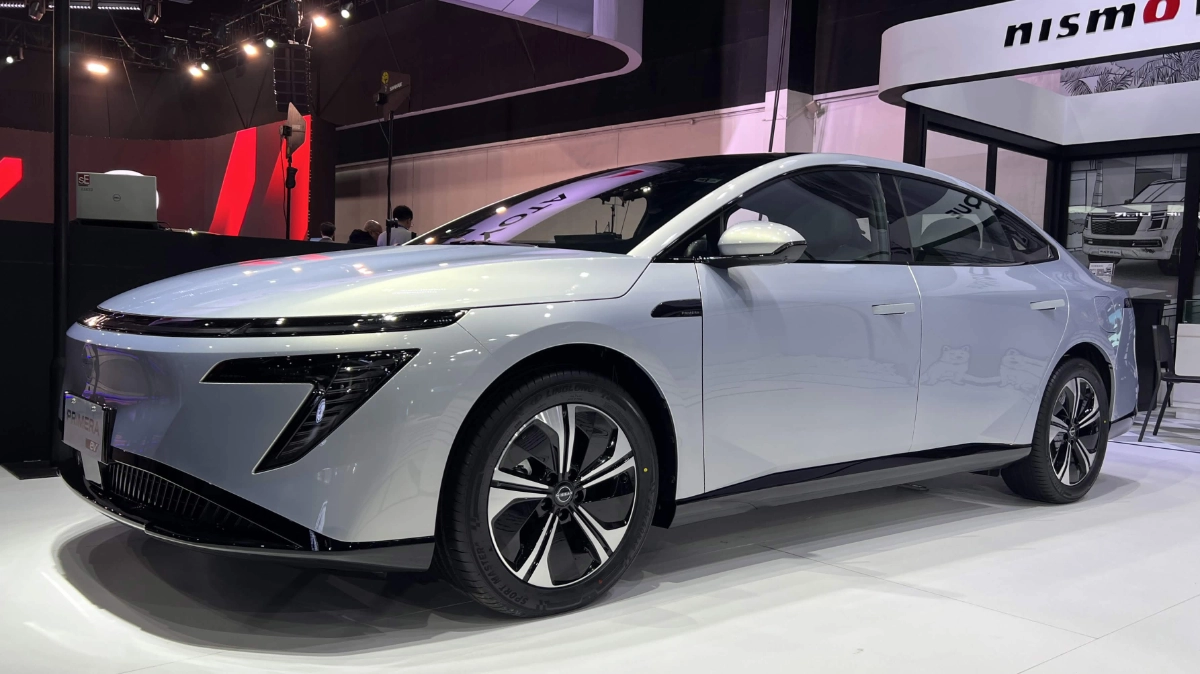
Chinese vehicles such as the Nissan N7, aka the Primera, take just two years to develop, based on analyst estimates. A product of Nissan’s joint venture with Dongfeng, the electric sedan’s development was expedited by the Chinese automaker’s expertise. Now, Nissan wants to take its learnings from China and apply them to its global portfolio. As Espinosa describes it, the goal is to “learn from China and export know-how from China.”
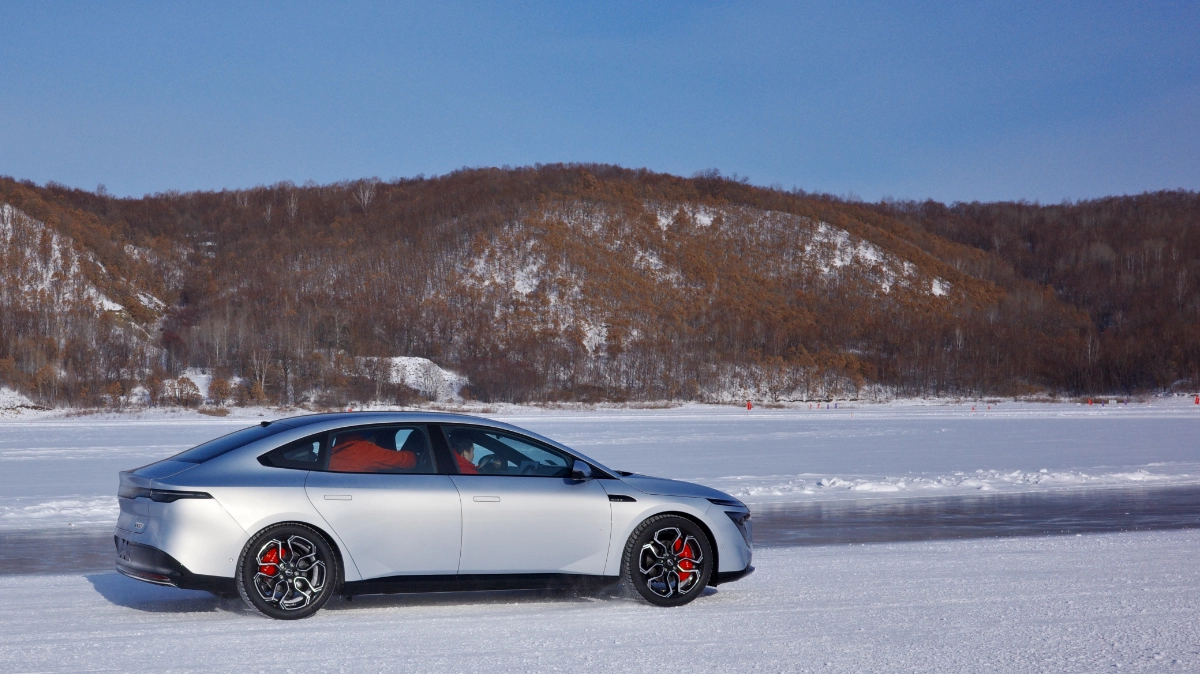
Within the fiscal year 2026, Nissan will implement its AI-accelerated development schedule for nearly all its upcoming models. Espinosa also comments: “China is as of now setting the industry standards of the future in terms of technology, in terms of cost competitiveness, and in terms of development time.”
At this time, it is unknown how this strategy will interact with the broader Japanese automotive industry’s move toward curbing excessive quality control. It is clear, however, that Nissan recognizes China as the current benchmark for the automotive industry. Time will tell if following the leader is the right play for the legacy brand working toward rebuilding its reputation.