As you (should) know by now, full hybrid, plug-in hybrids, and electric vehicles are exempt from coding. That’s according to Republic Act No. 11697, also known as the Electric Vehicle Industry Development Act or EVIDA. It’s not the only benefit of EVIDA, of course, but the coding exemption is an interesting way to attract consumers towards electric or electrified vehicles.
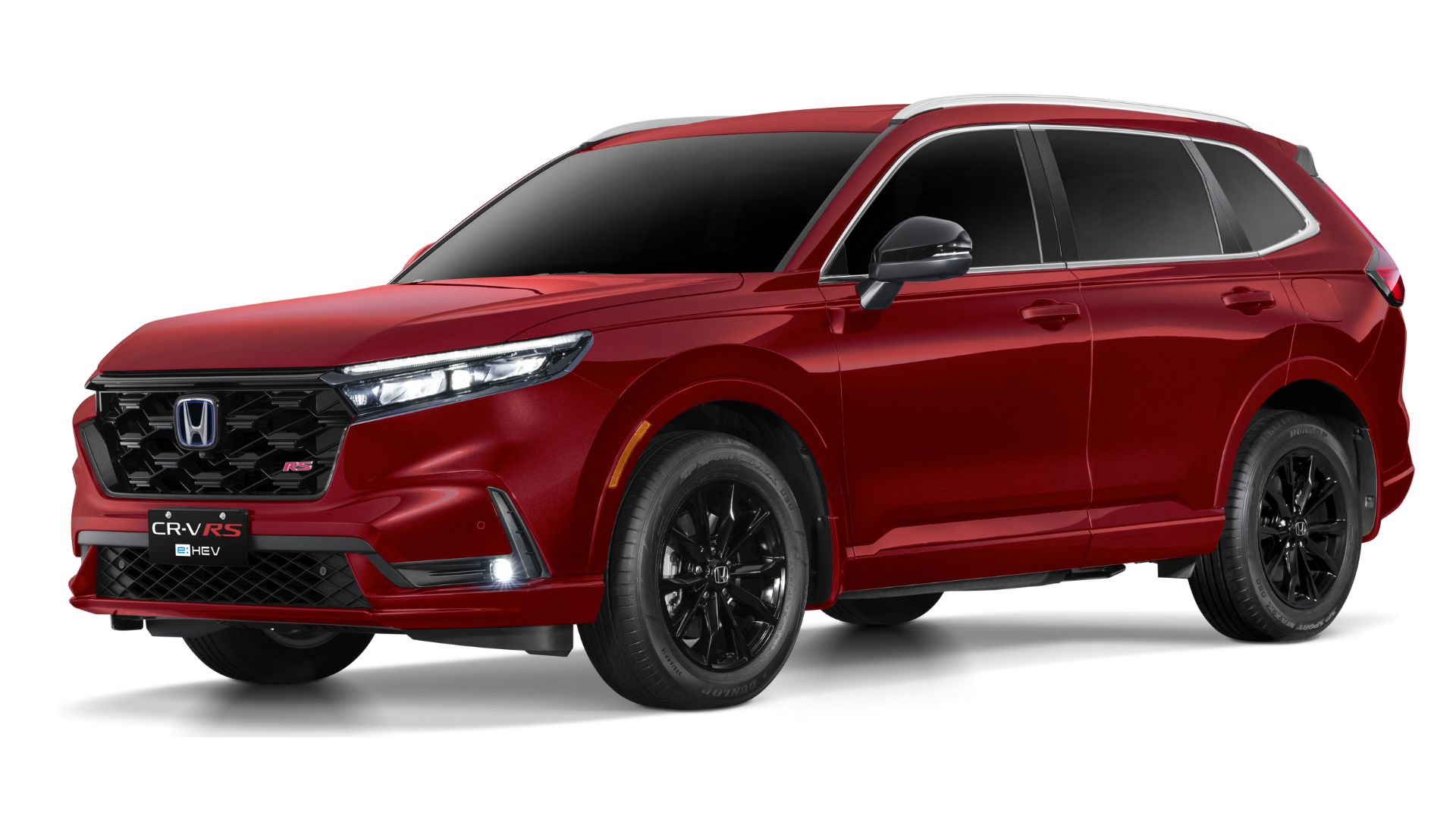
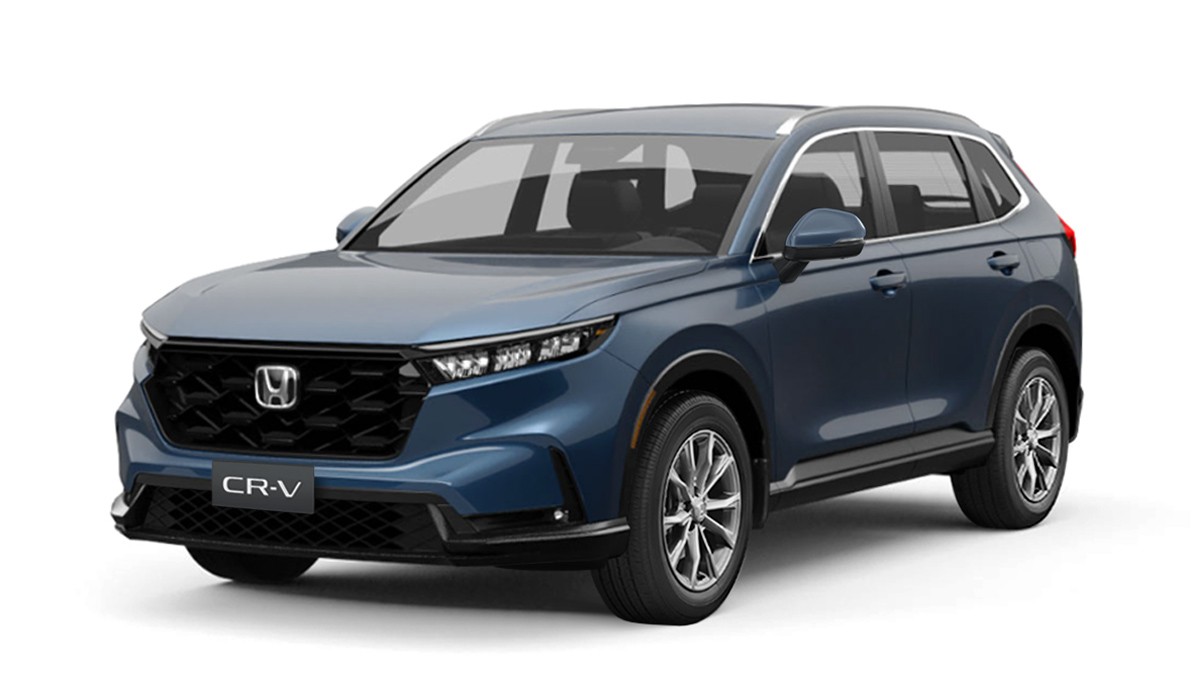
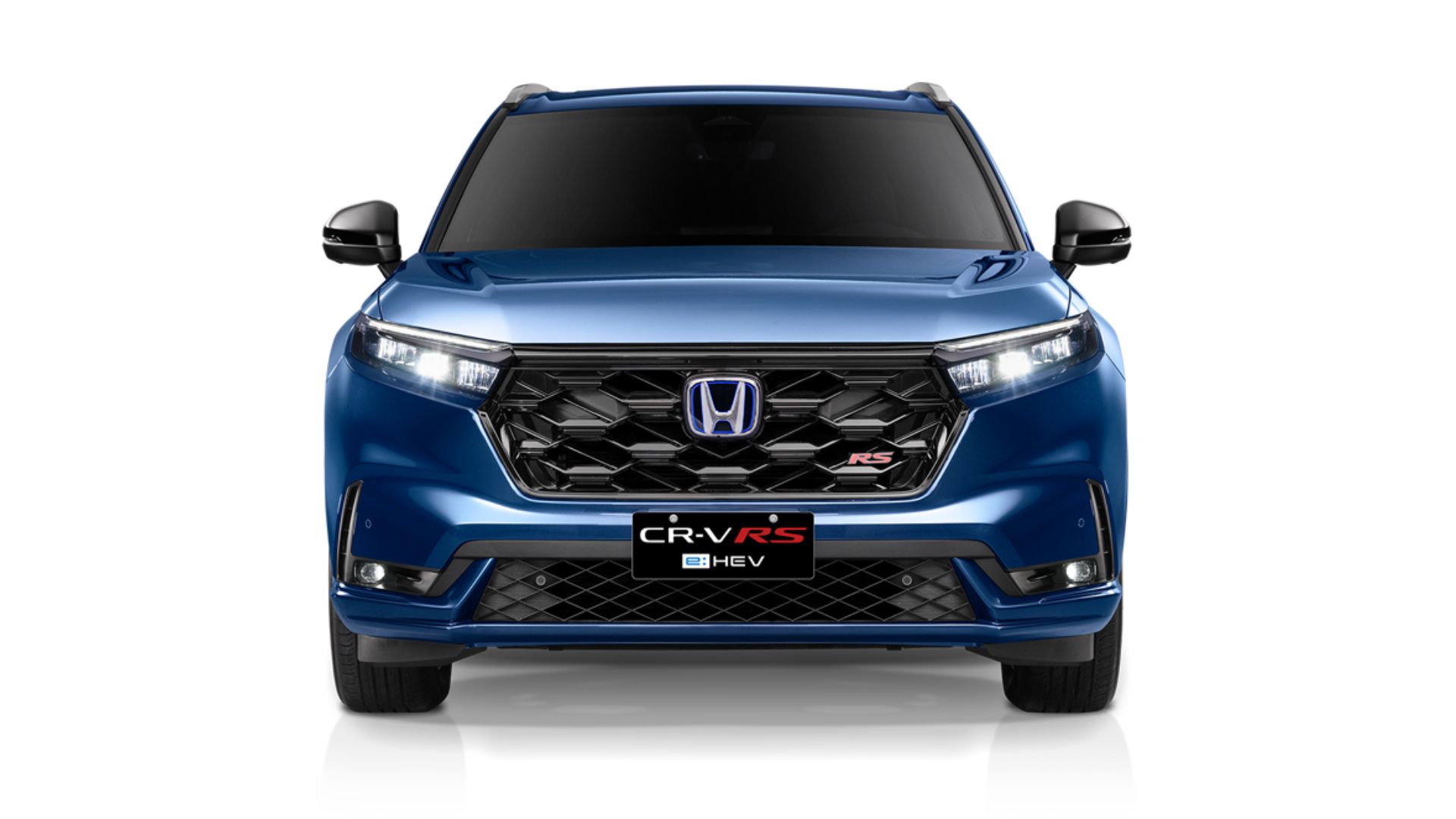
Recently, Honda launched the all-new CR-V that’s now available in the RS variant. But aside from a new sporty top-spec model, it also gets hybrid power in the Philippines for the first time. So, is the sixth-gen Honda CR-V a proper hybrid that can be exempt from number coding?
OTHER STORIES YOU MIGHT HAVE MISSED:
Like driver’s licenses, national IDs could soon have a digital version
First drive: The all-new BMW M2 is brutally awesome
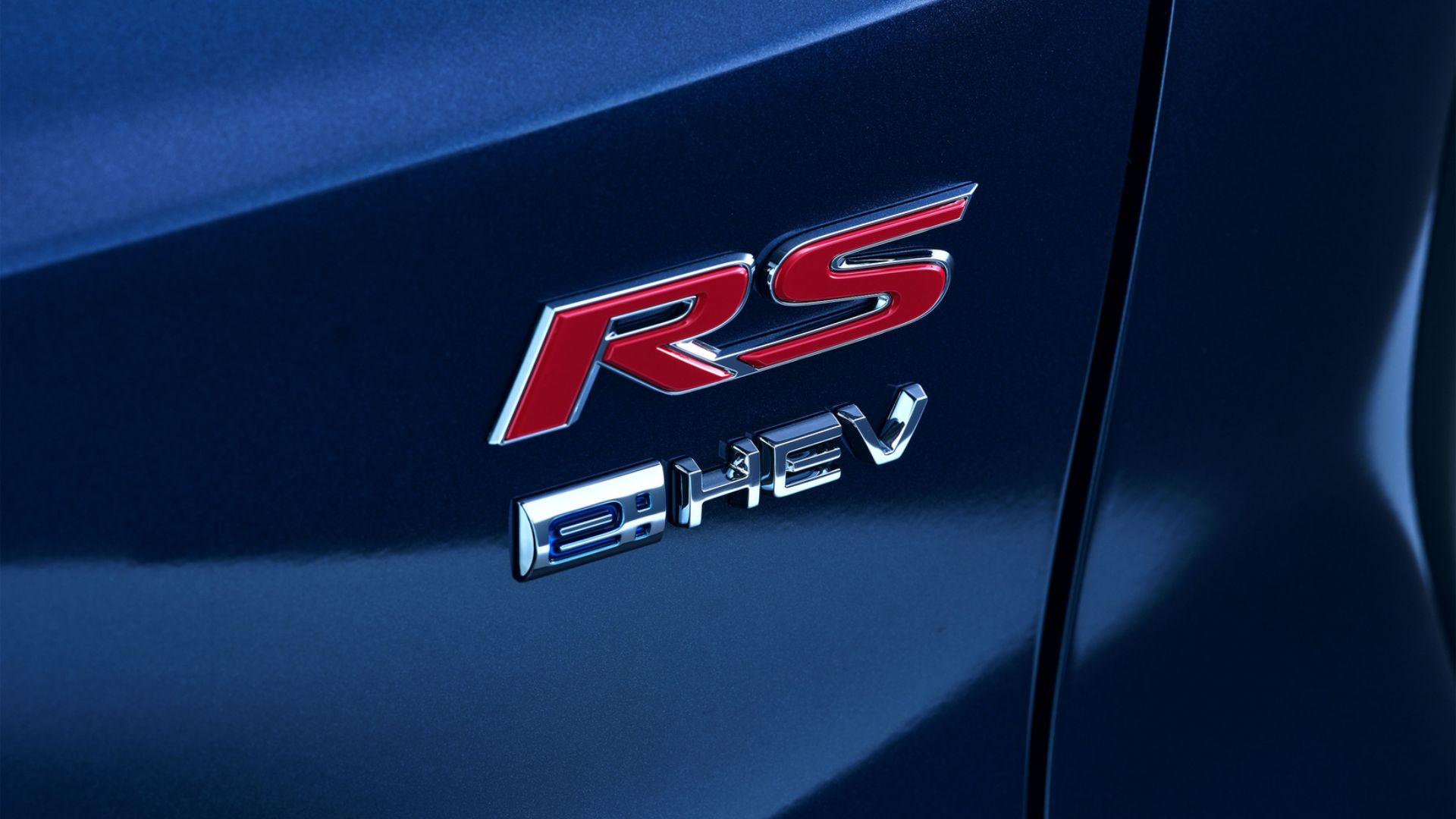
We asked Honda for the real score and the short answer is yes.
That's because the e:HEV tech in the CR-V RS is a full hybrid system, meaning it has the ability to power the car from battery power alone. As for its setup, it uses a 2.0-liter Atkinson Cycle gas engine that’s paired to two electric motors. The engine produces 146hp and 183Nm of torque, while electric motors pack 181hp and 335Nm of torque. The CR-V hybrid has a dedicated EV mode to allow for pure electric driving, but it can also switch to battery power even in normal driving modes. And for those curious about its combined power output, it’s 204hp.
By law, the exemption only applies to vehicles that can move under electric power without any assistance from the internal combustion (ie. gas or diesel) engine. This is why mild hybrids do not receive much benefits from the EVIDA law. Under Section 5 of the law, the Implementing Rules and Regulations covers EVs (also known as battery electric vehicles or BEVs), HEVs, Light EVs (LEVs), and PHEVs only.
The all-new Honda CR-V RS e:HEV retails for P2,590,000.