Most of us know Huawei for their mobile devices, but the company is much more than that. It’s one of the biggest tech companies in China with a wide variety of products. From fiber optic cables to mobile phones and other consumer electronics like laptops, Huawei has a product for just about everyone.
But now, the electronics giant is dipping its toes into something it has never done before. Yes folks, Huawei is jumping into the business of making cars. Of course, it’s doing going at it all by itself. Huawei had help from an automotive conglomerate. In this case, Huawei teamed up with Chery to develop its first car.
OTHER STORIES YOU MIGHT HAVE MISSED:
The Daihatsu Vizion-F could be the future of the Toyota Lite Ace
Official: MPTC, SMC to construct Cavite-Batangas, Nasubu-Bauan Expressways
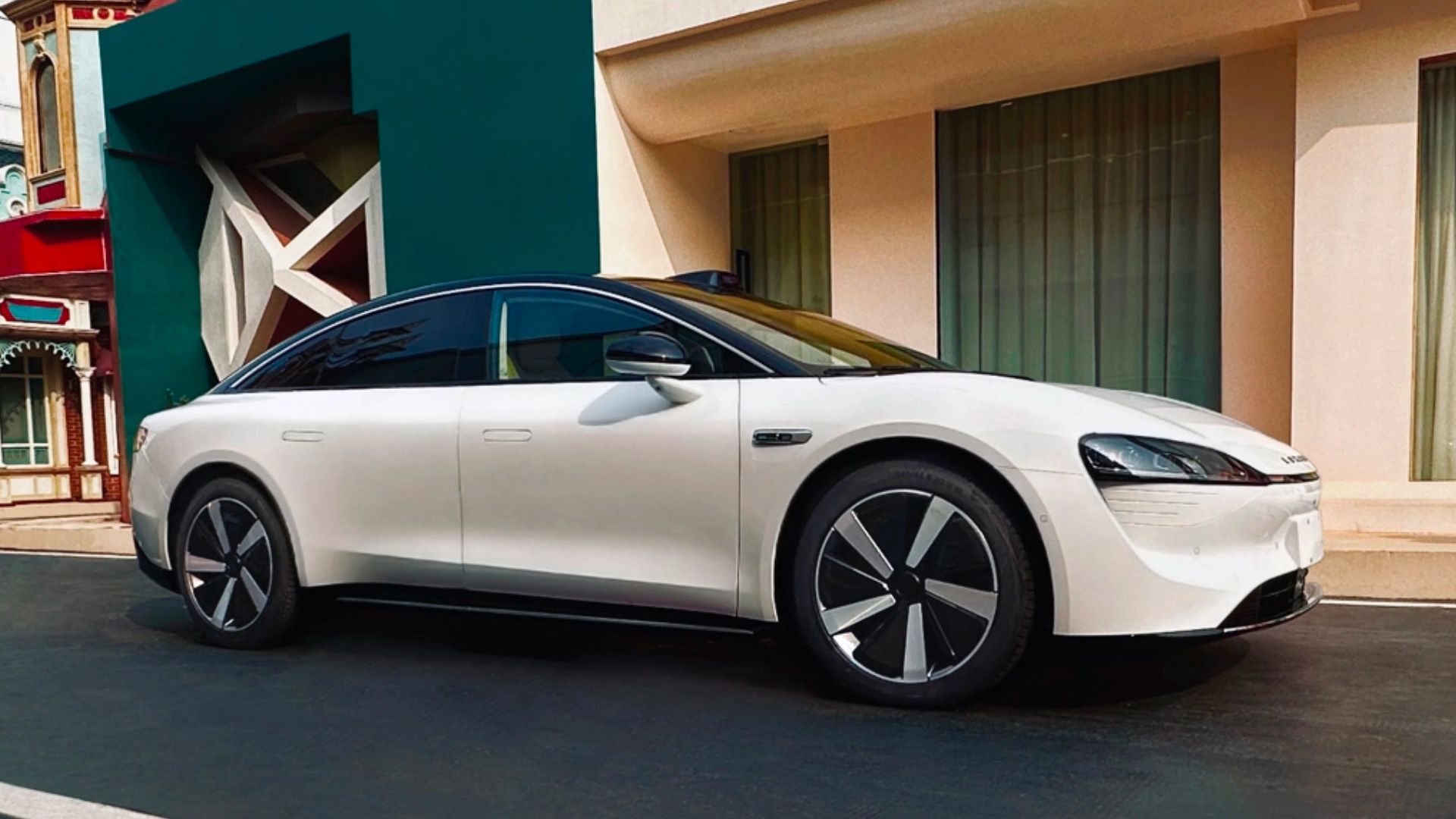
While not in production yet, there is a photo of the prototype shared by the company’s automotive solutions CEO, Richard Yu. Yu shared the photo on Weibo, China’s biggest social media network, and called the car a “pure electric coupe”. The CEO also said that it will be released to the public by the third quarter of 2023.
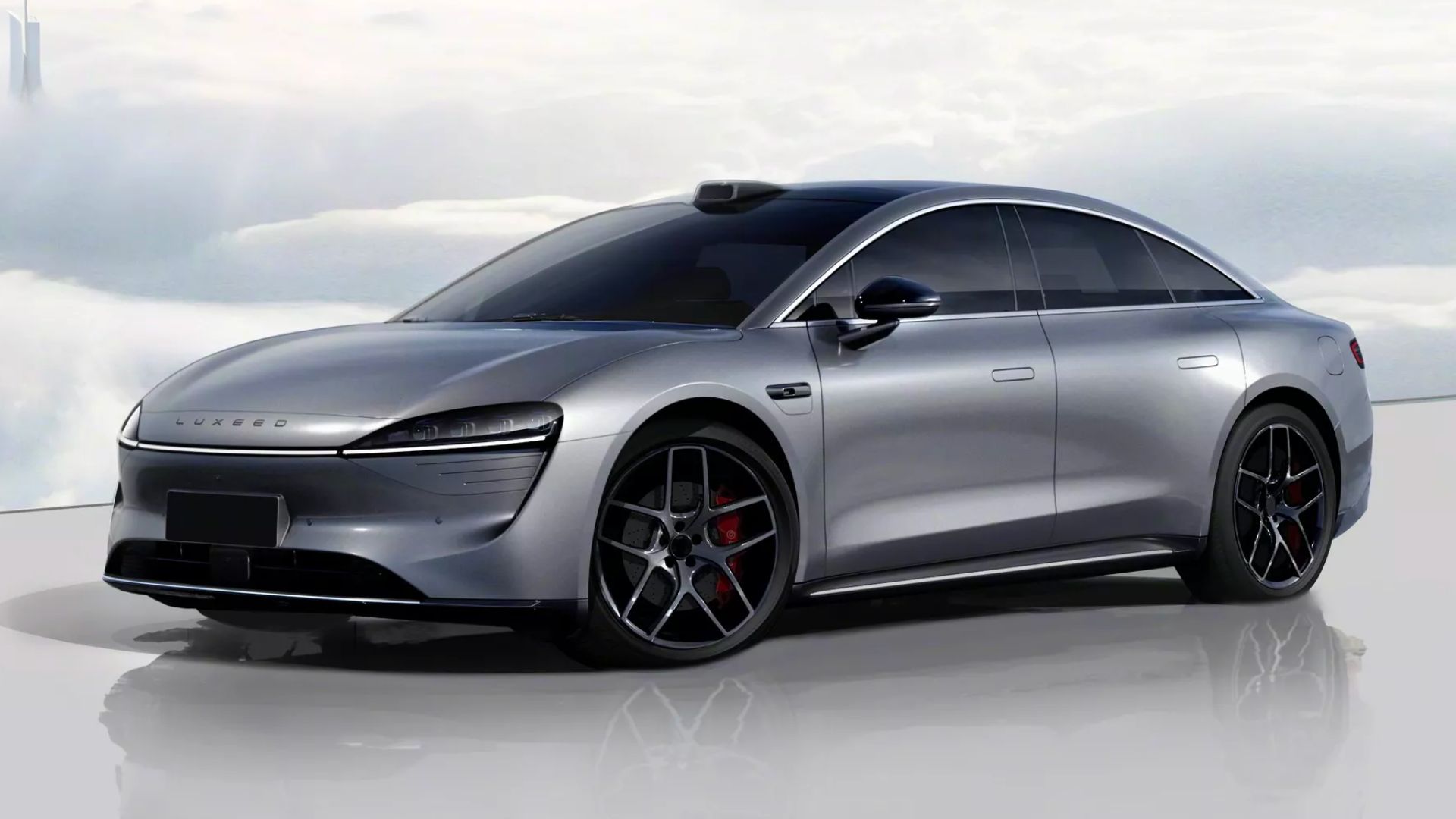
So, will the car wear a Huawei badge? Apparently not. The result of the Huawei-Chery collaboration is a new brand. Dubbed Luxeed, the first car carries the codename EH3. It has a low-slung and sleek outline with a body that appears to have been greatly developed in the wind tunnel. There’s not sharp lines or acute angles here, it’s all about smooth, wind-cheating surfaces.
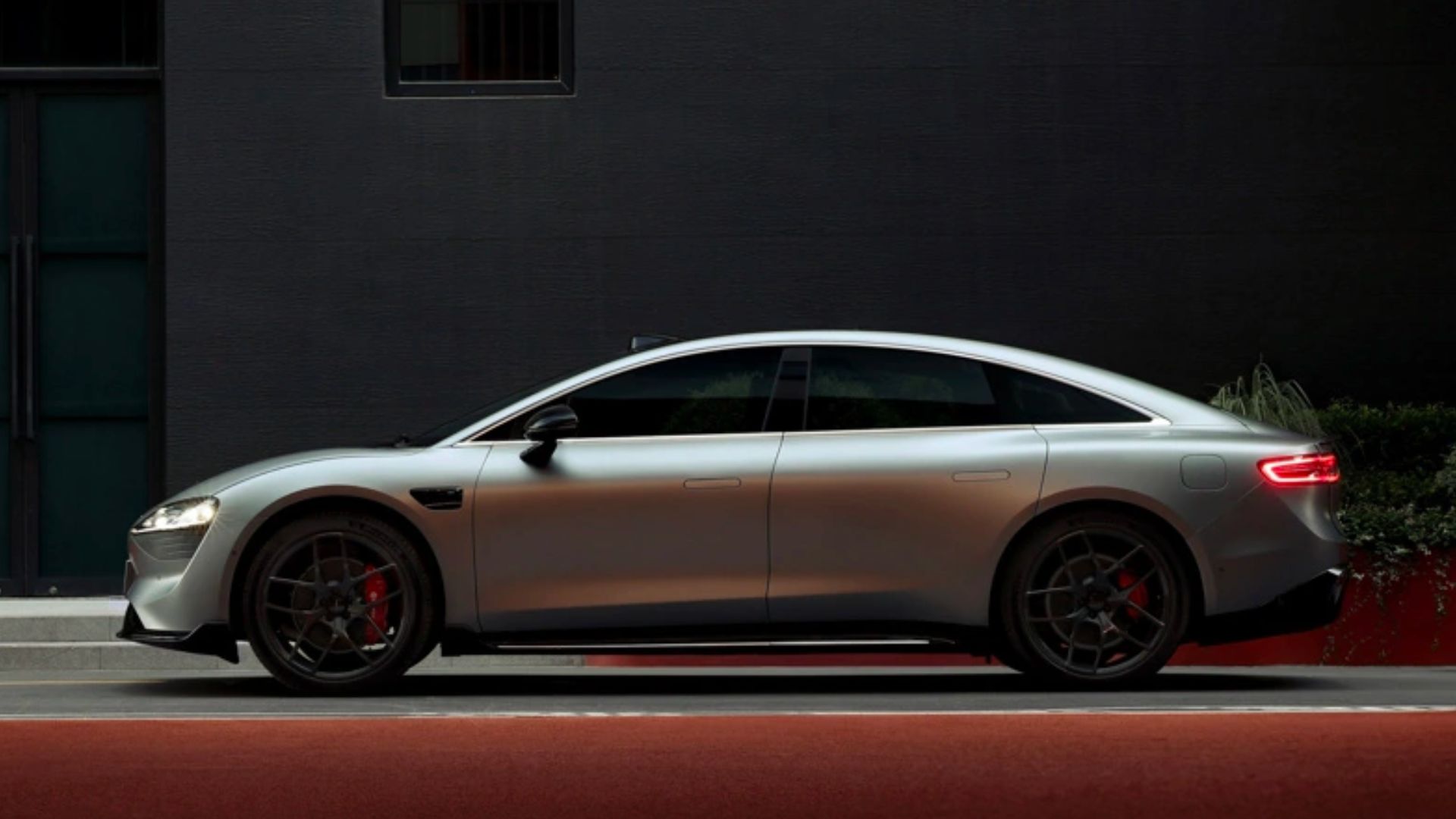
The pod by the edge of the roof is of interest. It houses what could be the car’s LiDAR cameras and sensors. All in all, it backs 11 HD cameras and 12 ultrasonic radars hidden throughout the car’s body. Huawei claims its high-level autonomous driving system can drive up to 200 kilometers without input from the driver. The company calls its autonomous driving system the the Huawei ADS 2.0.
Other things about it? It will reportedly ride on the Chery E0X electric vehicle (EV) architecture. There are no power or torque figures just yet, but it will feature 800-volt charging with a range of up to 700 kilometers.