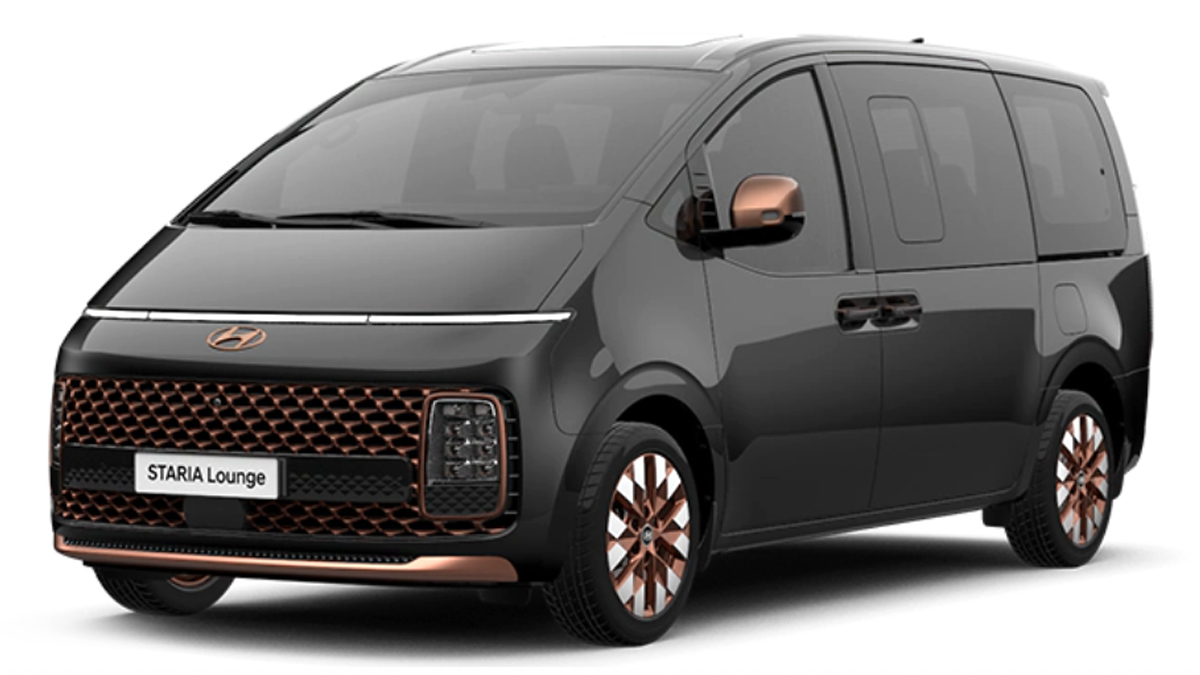
In the local mindset, at least, vans have long been associated with diesel power. It’s practically the norm in that segment, and it’s almost unthinkable for these vehicles to be powered by anything else.
Simply put, diesel makes sense for vans. These things need the low end grunt to get moving when the loads get heavy while not drinking too much fuel. However, it seems that Hyundai has another idea.
OTHER STORIES YOU MIGHT HAVE MISSED:
Love gloss black? Then you'll love the Honda BR-V N7X Edition
The Mitsubishi L100 EV van officially debuts in ASEAN
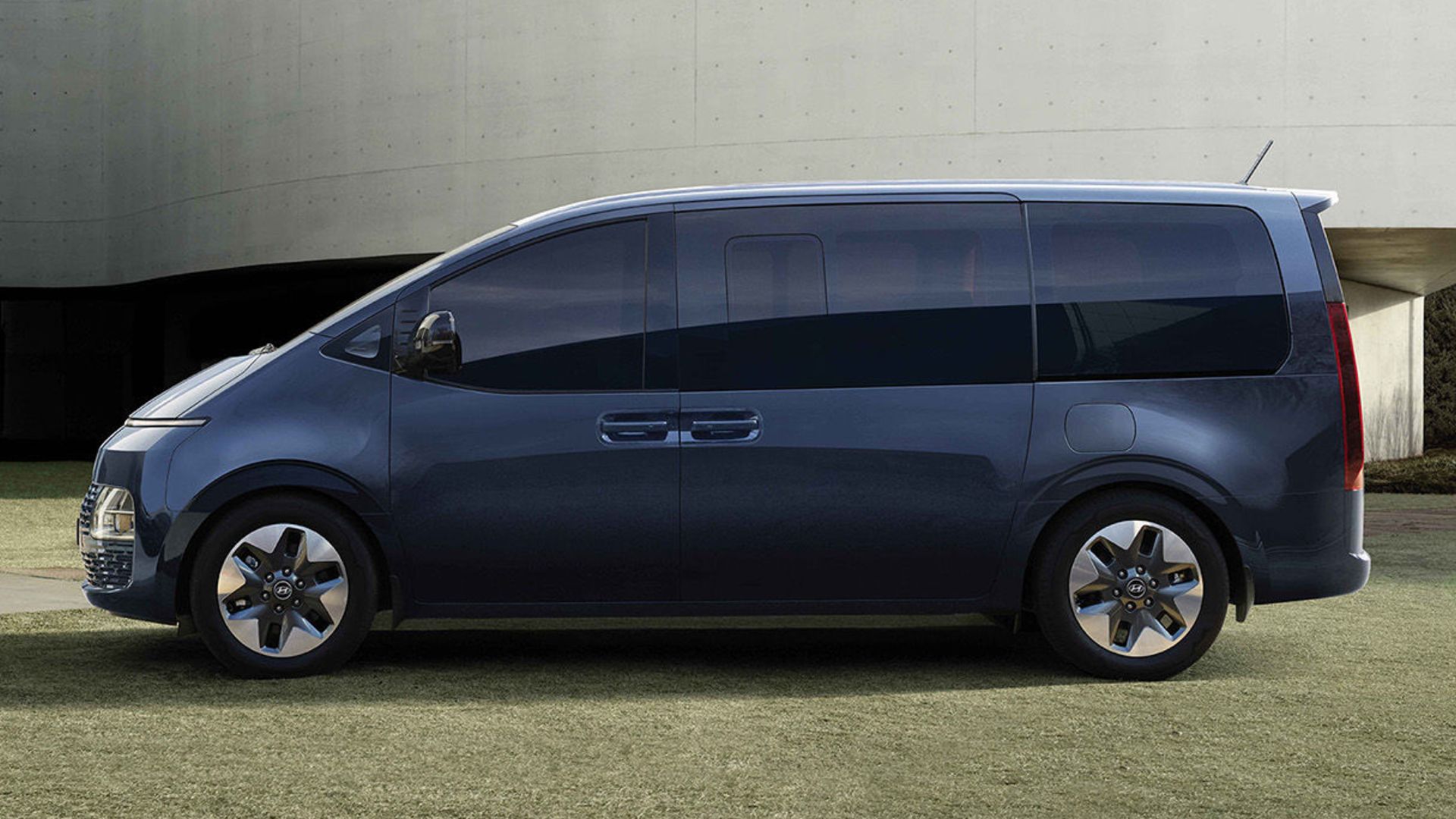
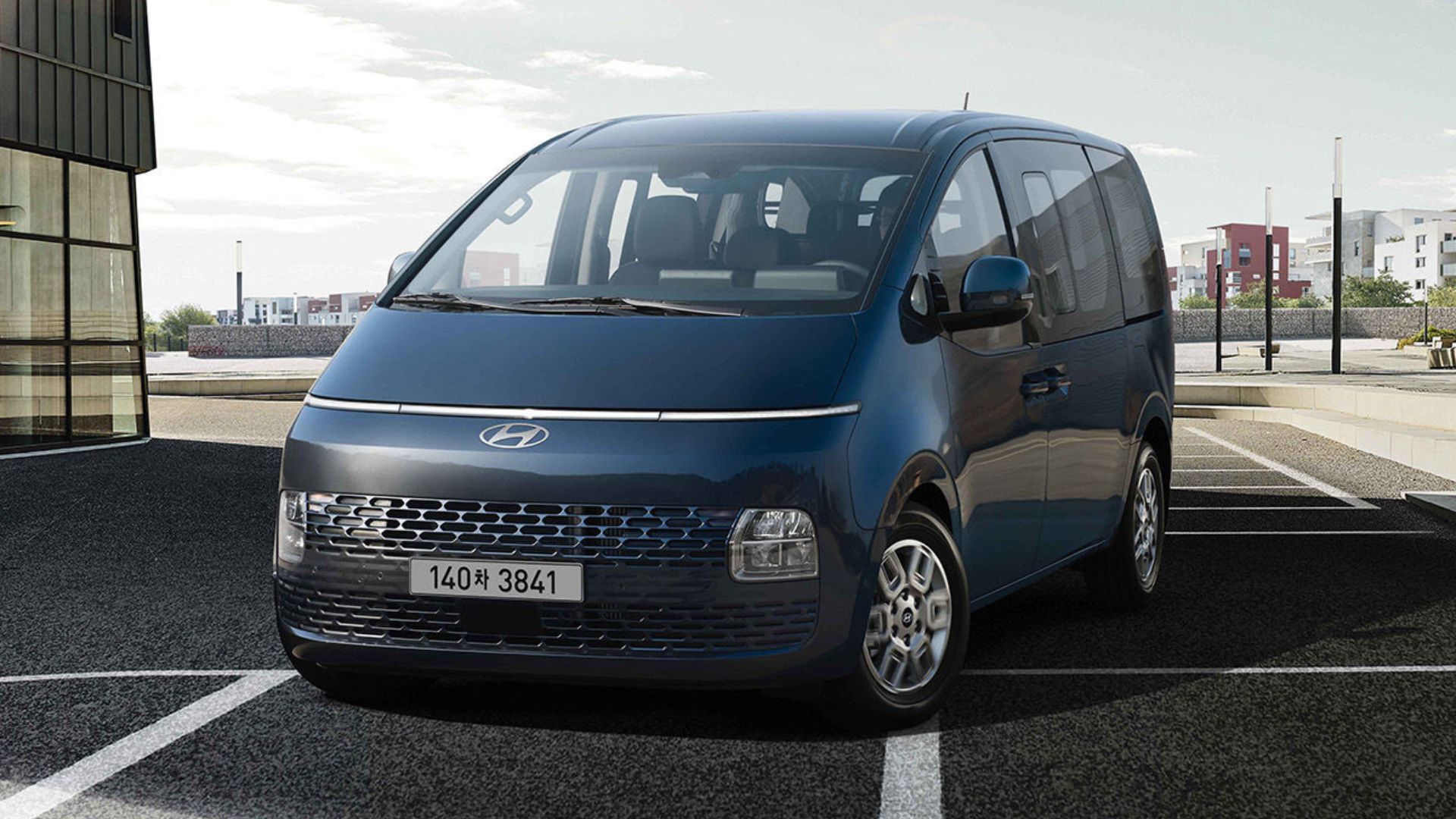
Over in South Korea, the Hyundai Staria has just received a hybrid option that will be sold alongside the familiar turbodiesel engine. Its powertrain combination comes from the recently updated Kia Carnival, as well as the hybrid versions of the Hyundai Santa Fe and Kia Sorento.
Powering the Hyundai Staria Hybrid is a 1.6-liter turbo that’s mated to an electric motor. The engine alone makes 177hp and 265Nm of torque, while the motor produces 72hp and 304Nm of torque. Per the company’s spec sheet, that gives the electrified van a combined power output of 242hp, far greater than that of the familiar 2.2-liter turbodiesel. And, yes, it's a full hybrid system.
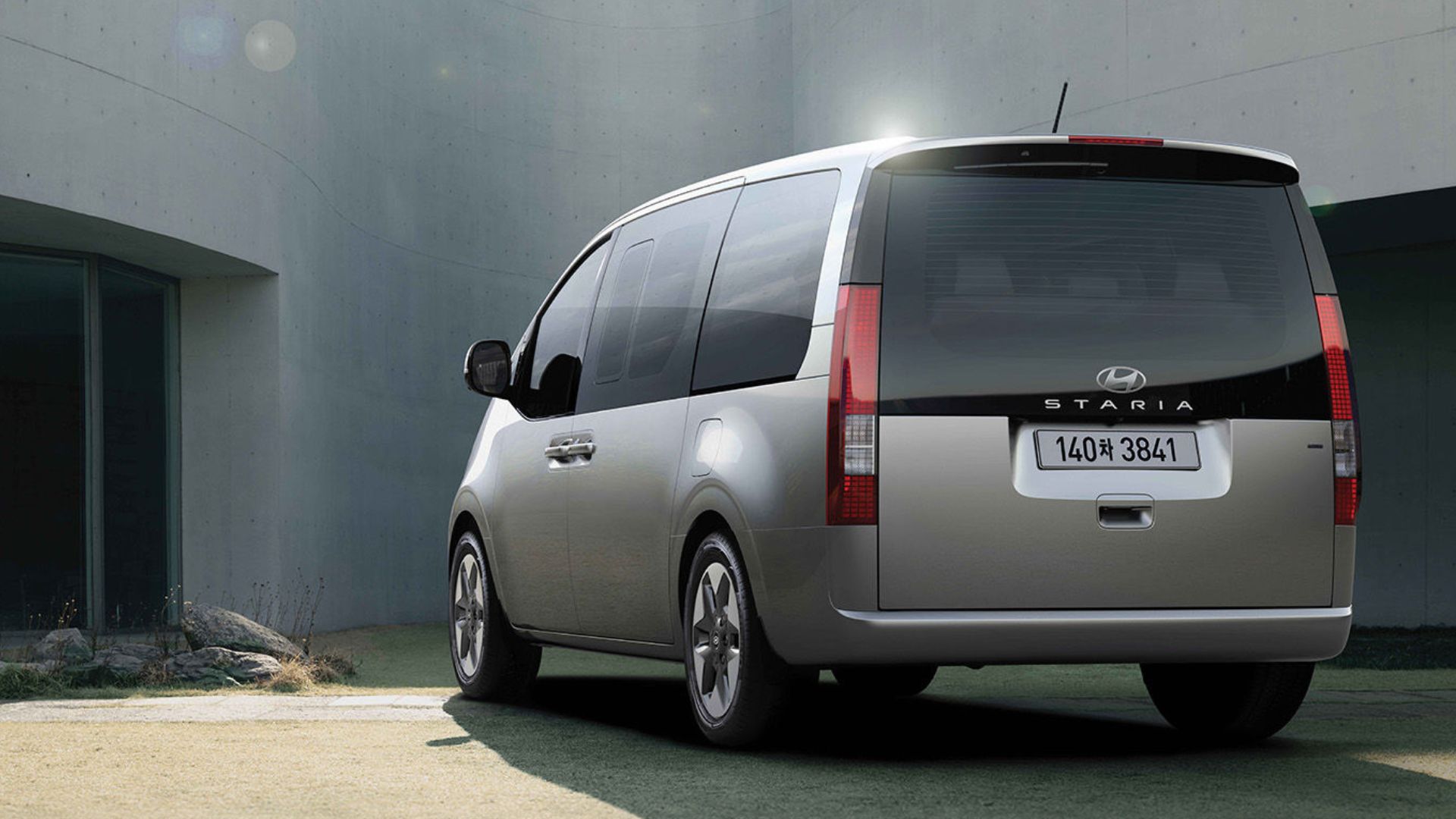
Interestingly, the hybrid powertrain is also an option for the utility oriented Cargo version. There are no changes to the powertrain, meaning it gets the same horsepower and torque ratings from the passenger version, the Tourer. Official fuel efficiency figures were still unavailble at the time of writing.
In terms of design, there is almost nothing that differentiates the hybridized Staria from the diesel-powered models. That said, it rides on a different looking set of 18-inch inch alloy wheels that aren’t available in the Philippine market. Save for some hybrid badges, it’s nearly indistinguishable.
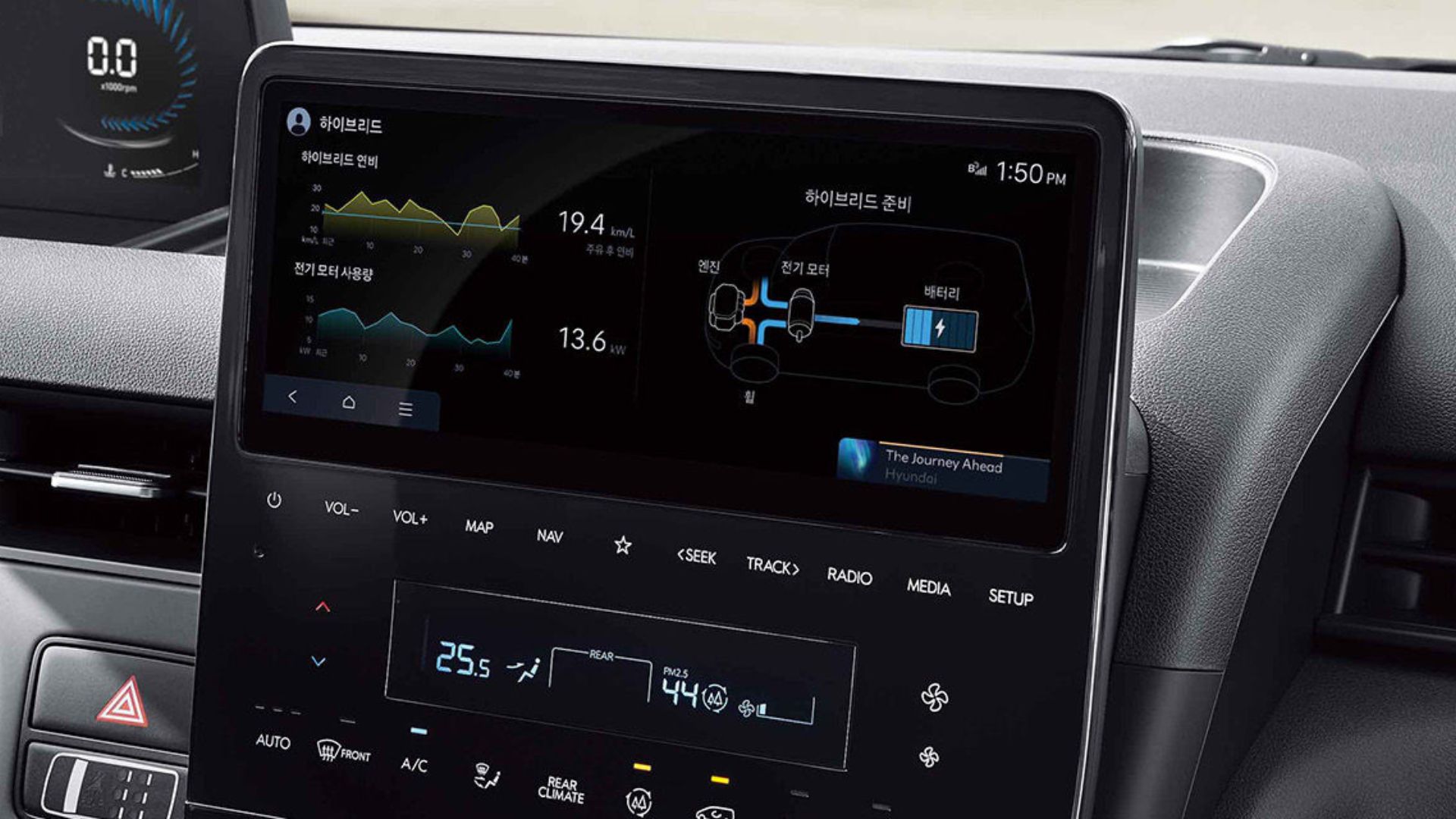
It’s the same story inside and there are options for nine, or eleven passenger configurations. The interior design is the same, save for a few instrument cluster and infotainment displays. The ones in the hybrid include battery status and the monitoring of the powertrain.
The question now is this: Will Hyundai Motor Philippines bring this in? Given its electrification strategy, we wouldn't be too surprised if, at the very least, it's considering importing it to the country. It would make a neat coding-exempt van, too.