No, don’t get too excited by the ‘LF’ preface. They are not alluding to THAT legendary Lexus. Rather, ‘LF’ means ‘Lexus Future’, a designation to signify that these are concept cars—physical representations of ideas and, well, concepts that will lead to actual production models.
Revealed at the 2023 Japan Mobility Show, the LF-ZC and LF-ZL are two concept battery electric vehicles (BEV) that embody Lexus’ vision for the next few years.
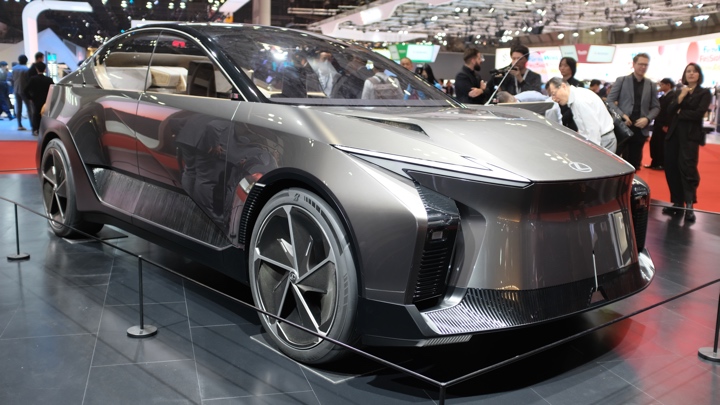
The LF-ZL is a flagship BEV concept that stands for Lexus Future - Zero-emission Luxury. There is no announced target date for its production version, and it is a massive vehicle. Its approximate specs are 5,300mm x 2,020mm x 1,700mm, with a 3,350mm wheelbase.
It appears to be a crossover body, but it’s hard to tell with EVs because their different internal packaging aren’t bound by the same constraints as traditional ICE cars, thus their categories are more fluid.
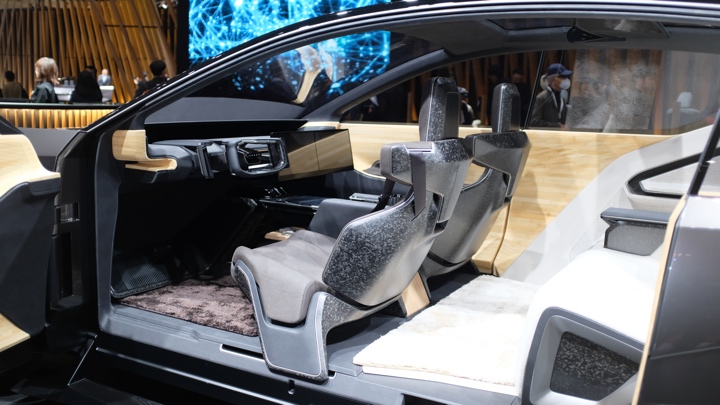
It’s beautiful inside, no surprise. What’s interesting is that it’s a left-hand drive configuration; not surprising given Lexus’ thrust at being a global brand. In the cabin you can see the liberal use of bamboo, a Lexus initiative that reflects its sustainability efforts, and a nod to bamboo’s historical use in Japan for crafts and construction. And we’re glad to see the deep comfortable carpets we’ve come to love in Lexus cars.
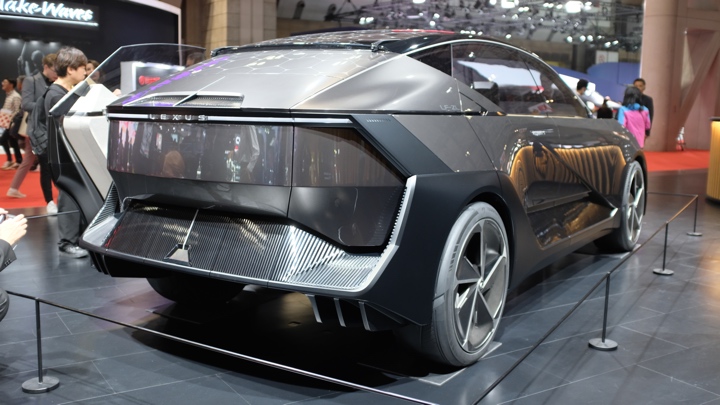
But the big news in the brand, and the centerpiece of the booth, is the LF-ZC (main photo). At first I thought ‘C’ meant compact, since it was smaller than the LF-ZL. But it actually means ‘Catalyst’ because this concept car will actually go into production in 2026. Lexus says the new model is the catalyst for “new experiences in the electric age, including elevated driving dynamics, uncompromised design, and new exclusive services.”
Thanks to the freedom offered by electric drivetrains, Lexus designers were able to create a more expansive cabin thanks to a flat floor and a panoramic roof. Buttons that were once scattered through the dashboard are now consolidated into a digital pad. This pad controls shifting, ADAS, and drive mode selection.
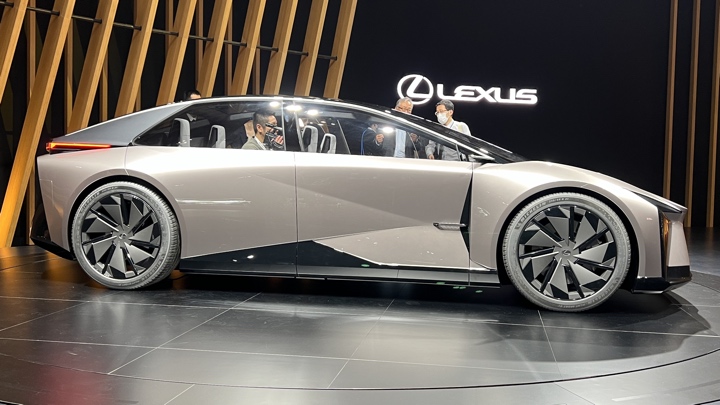
But in the LF-ZC’s case, it’s what we don’t see that can sometimes make the most impact. New for Lexus is the upcoming Arene OS, an operating system that can adjust car operations, driving modes, sounds and vibrations that are customized for individual preferences. Like most modern OSs, Arene can be updated over-the-air, or OTA. Combined with Lexus’ upcoming steer-by-wire technology, the customization possibilities for future BEVs is tremendous. An F Sport profile can just be a download away.
Also new is an AI system called ‘Butler’. By learning from the driver, Butler can set optimal personal settings for each customer. And it goes beyond learning from you, Butler can think ahead and anticipate your needs. It may sound intimidating, but this is how AI and data are being used now.
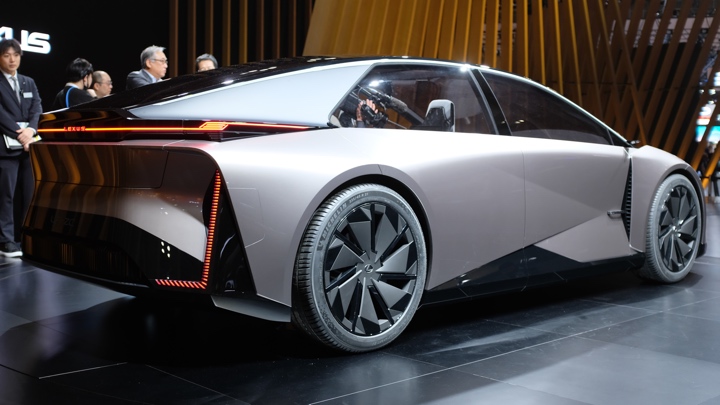
And of course there’s the look. The LF-ZC is a beauty. Lexus describes the design theme as ‘Provocative Simplicity’ and I agree. The design comprises a few broad strokes and intersecting angles, but it works. The rear is beautiful, with the high roof flowing into the striking light bar. The LF-ZC looks like a gorgeous four-door coupe; reminds me of an IS actually. That’s why I first thought the ‘C’ stood for compact.
The car sits low and squat for better aerodynamics and performance, the latter hinted at by the large wheels. The target coefficient of drag for the LF-ZC is 0.2.
The LF-ZC is not only a catalyst for the model range, but also for its factory. Apparently when it goes into production, it can move itself on the assembly line using its battery, motor, and tires. Since it’s electric, there are no fumes and engine lubricants to consider when operating it, so that makes sense. Leave it to parent company Toyota, which has basically perfected the modern automobile production line, to think of something like this.
Lexus may seem like it’s relatively late to the EV game, but a look at the state of the EV industry worldwide suggests its timing may be just right, And based on what we see, Lexus’ vision for electrification looks promising.