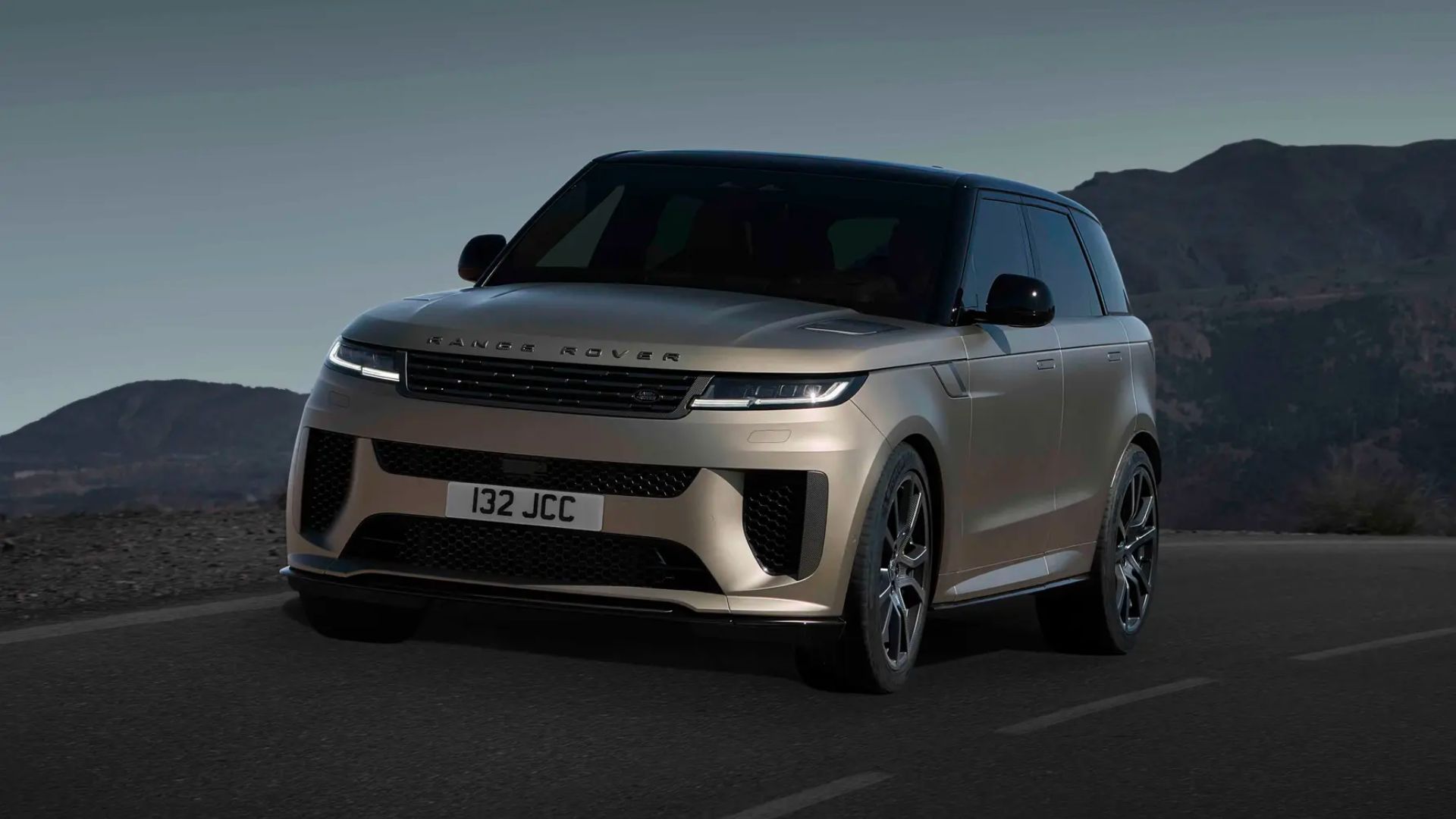
Stealthier, isn’t it? A bit calmer, classier. The Range Rover Sport SV replaces the old SVR. You remember that, of course: often painted bright blue, made a noise like Hercules gargling chilli mouthwash while having his foot stamped on. The uncouth monster has been civilised. The focus has shifted. Subtler styling, more emphasis on performance, handling and tech, ostentation dimmed down.
No dimming for the powertrain. In place of the old 5.0-liter supercharged V8 comes not an uprated six cylinder hybrid as fitted to other RRSs, but another V8, this one with a pair of turbos and sourced from BMW. Yes, it’s the 4.4-liter as fitted to the biggest, lairiest M cars. 626hp and 800Nm for 0-100kph in 3.6secs and a 290kph top end.
OTHER STORIES YOU MIGHT HAVE MISSED:
ICYMI: TPLEX extension, driver’s license card supply, don’t block the driveway
Heads up: A Nissan dealer is selling the Patrol Nismo for just under P5-M
But V8 SV is what we’ve got now. The badge means different things to different Range Rovers, but essentially it’s a refinement and development of the standard car that emphasises its particular strengths. So an SV Range Rover is more luxurious, while this becomes sportier.
To that end, the suspension has been re-engineered. There’s a new subframe and suspension links front and rear, quite a bit of camber on the rear wheels. But the big news is the 6D Dynamics, where the air suspension is supported by hydraulically cross-linked dampers – y’know, like a McLaren 720S. These not only control roll (the SV has no anti-roll bars, saving 8kg), but in a world first, pitch and dive as well. Handy in a 2,560kg high-rise.
Land Rover is very proud of the 1.1g the SV can pull on its standard-fit all-season tires (285-width fronts, 305s at the back). It rides 10mm lower than the standard car, and engaging SV mode (via a chunky button on the steering wheel) drops you another 15mm.
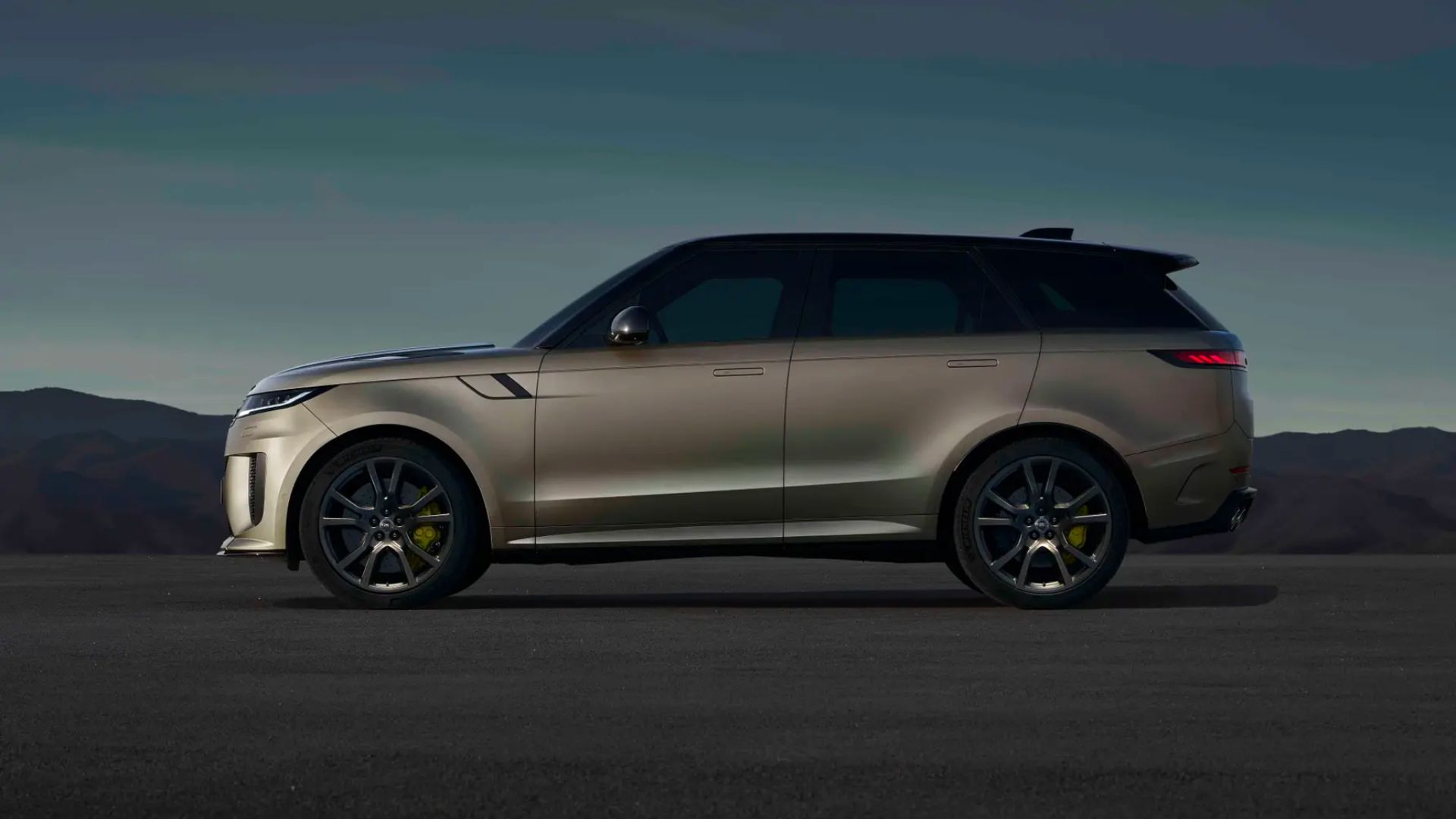
Land Rover talks about agility and control. At 2,560kg, the new SV is clearly no lightweight, but there are weight-saving measures. Brembo carbon ceramic brakes save 34kg over the standard iron items (the fronts measuring a huge 440mm across), while there’s the option to have 23-inch carbon wheels, saving a further 35.6kg. That’s all weight saved from the crucial unsprung mass.
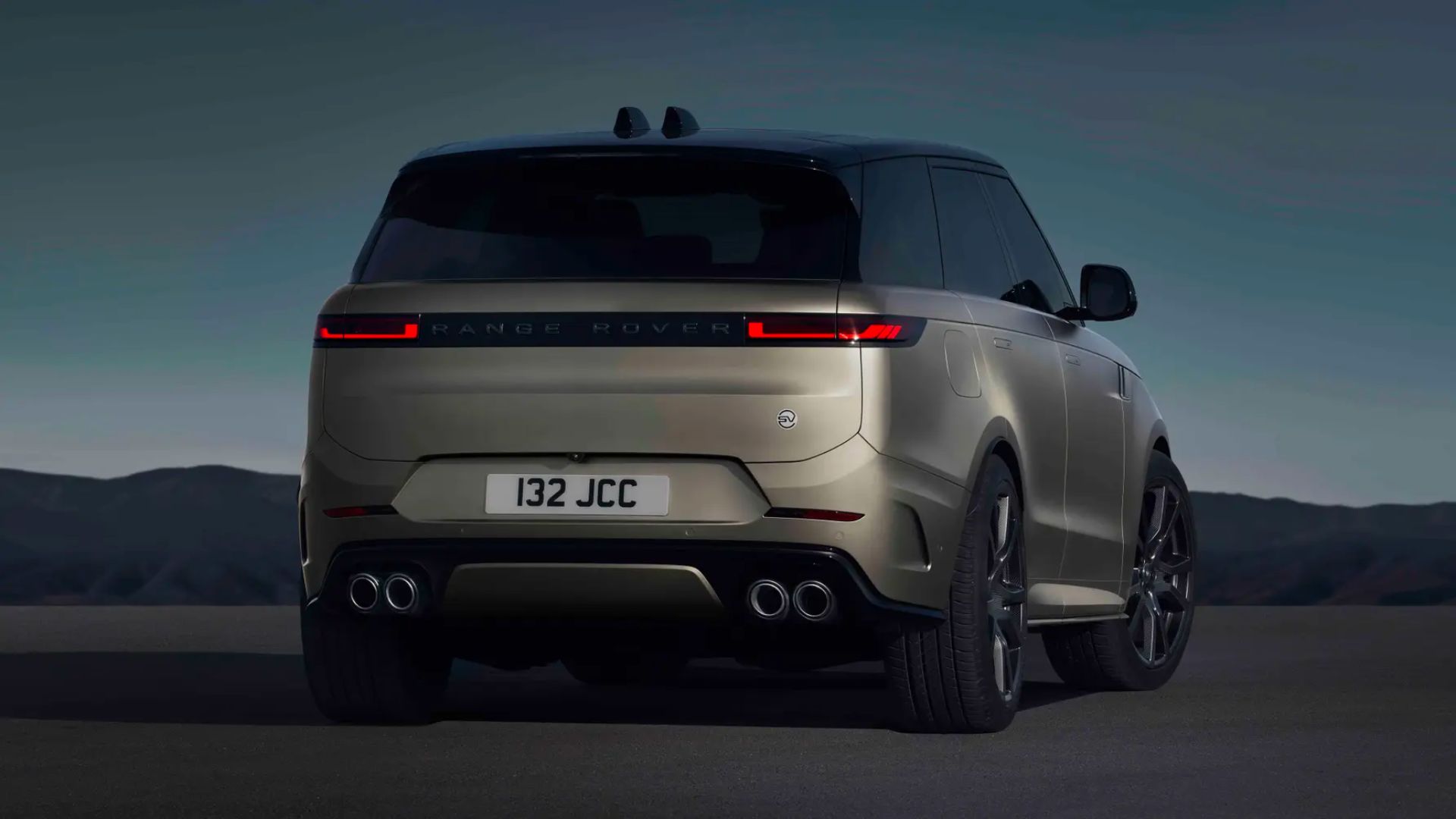
Both carbon options are standard on the Edition One cars – which will be the first 550 offered in the UK. Those will be offered in three ‘curated’ specs, with the matt Carbon Bronze car you see here being the SV's signature colour.
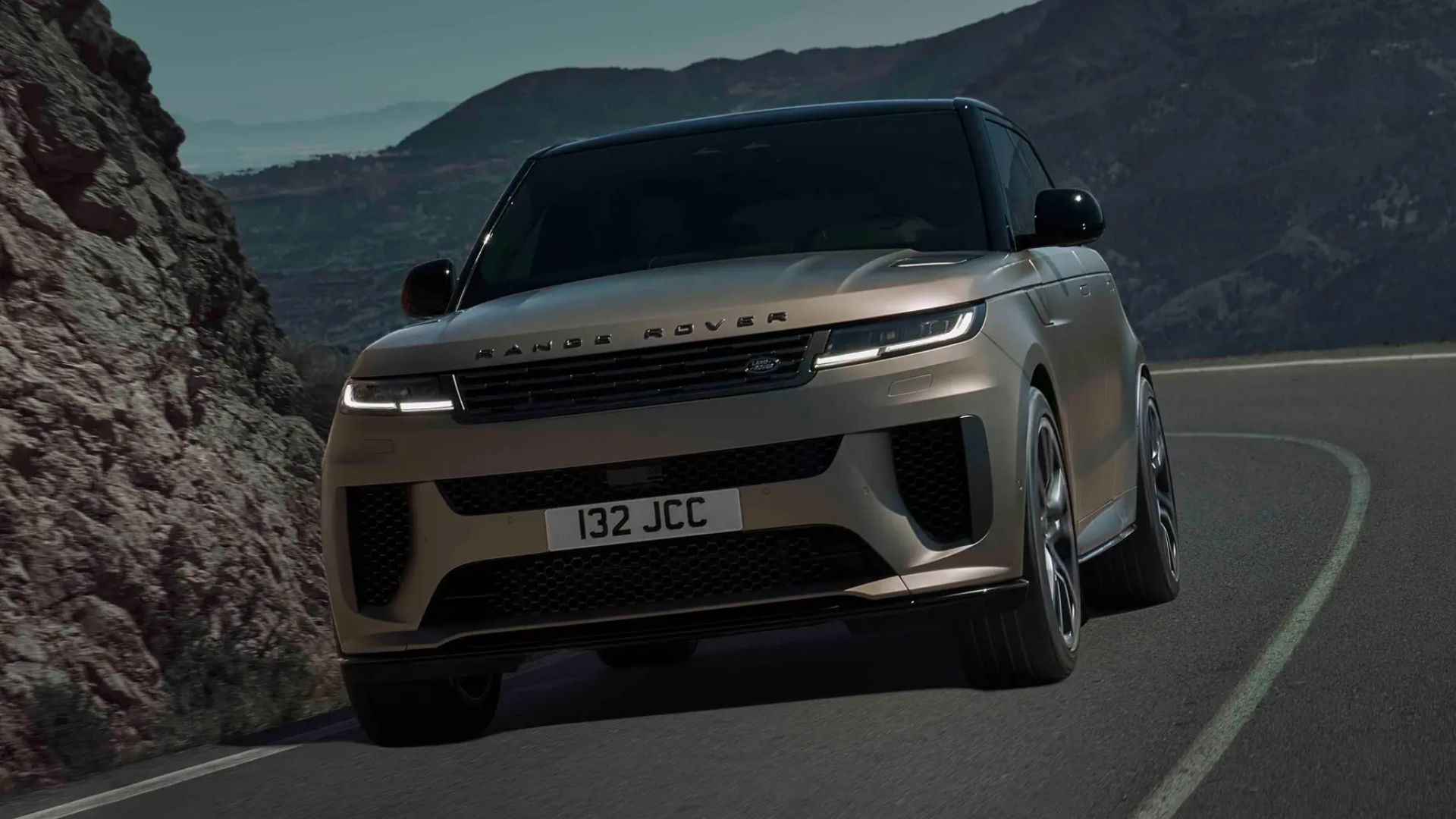
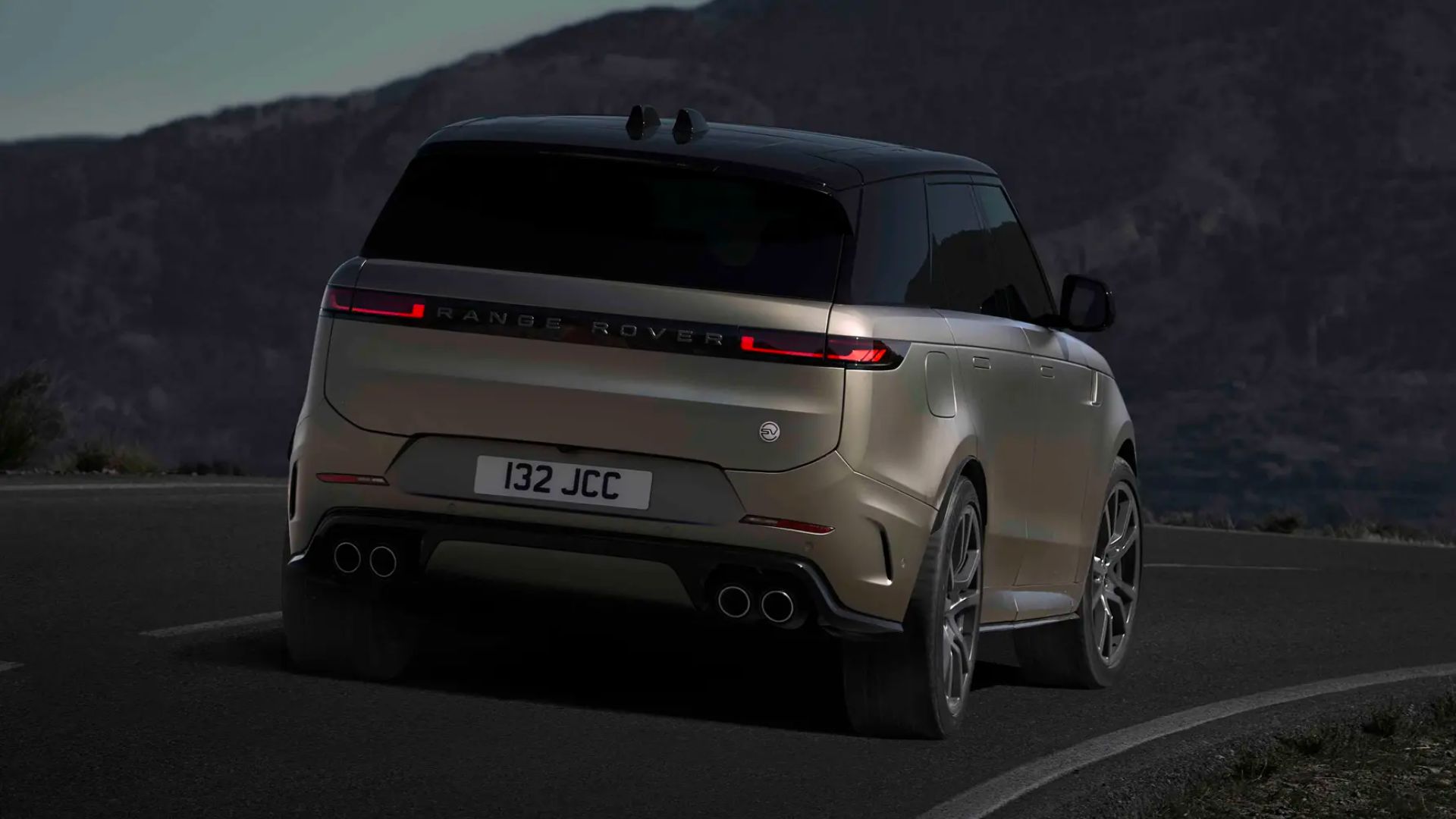
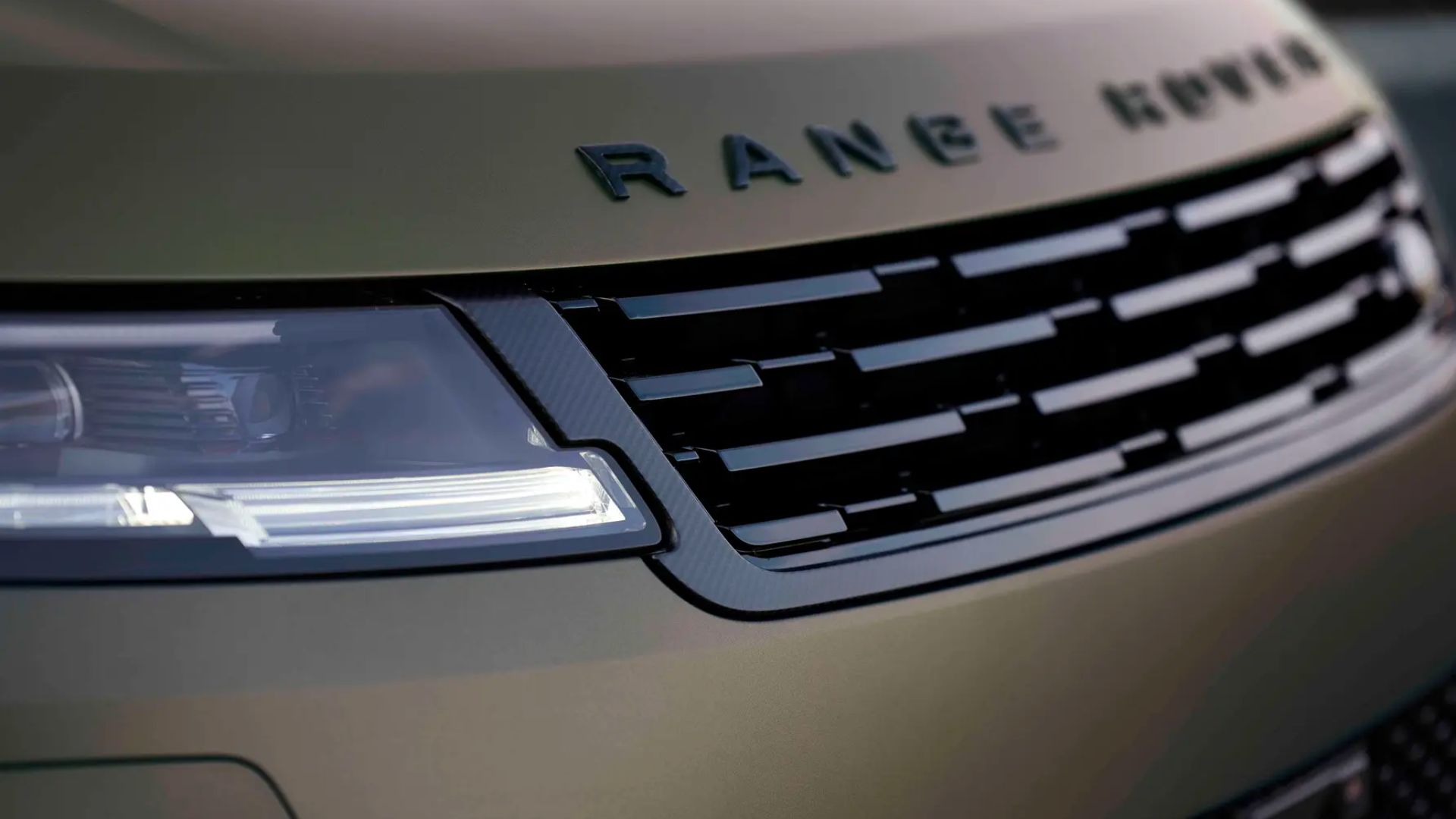
Outwardly, there’s less to remark on. The SV continues to exemplify Range Rover’s ‘reductive design’ ethos. The bonnet has been re-profiled and is now constructed from carbon fibre, while the front end has been tweaked to exaggerate the width and improve cooling and airflow. The hood vents are fake as the hot-vee engine draws air over the top of the turbos and exhausts its heat underneath. At the back there are carbon finishers for the quad exhausts (yes, you can have the SV with a towbar) and the SV logo has been redesigned in ceramic (the hood logo is carbon).
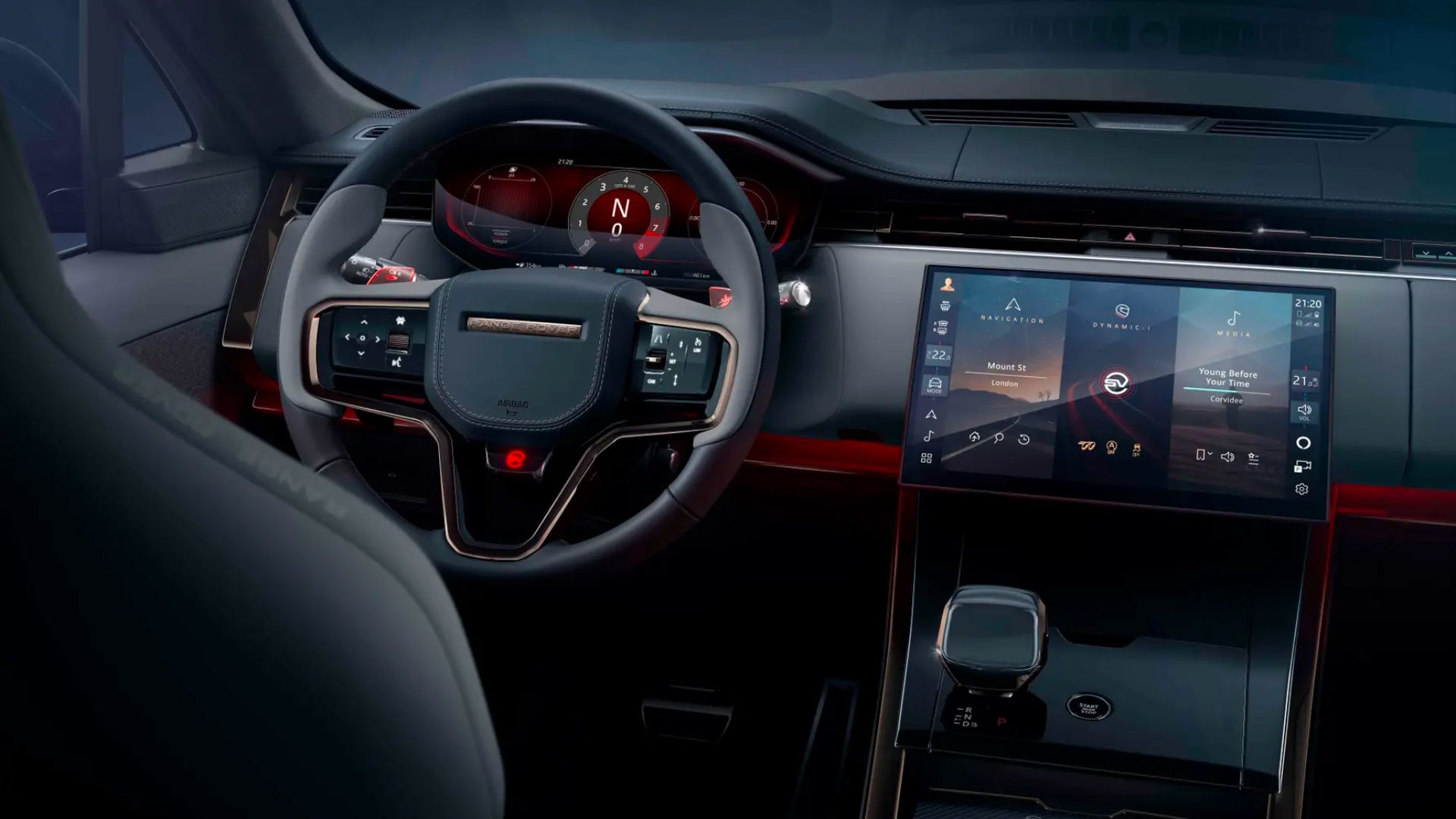
Inwardly there are now illuminated logos in the SV Performance seats, but the biggest news is BASS: The Body And Soul Seat. Although if you read it as massive bass, then you’re not far off. Range Rover has worked with a Californian start-up called Subpac on a system that enables you to feel, as well as hear, your music. Four ice hockey puck-like transducers are fitted in the front seat backs, generating vibrations in time to the music playing on the 29-speaker, 1,430 watt Meridian sound system.
Twin turbo V8 SV still seem a bit of a heavy consumer in 2023? It’s worth pointing out emissions and fuel consumption have improved by 15 percent over the old car (that did around 5 km/L on a good day). As an alternative, Range Rover has also enhanced the hybrid with the P510e PHEV becoming the P550e, with a 40bhp power boost.
Nevertheless, Range Rover expects uptake of the new SV to be strong – which will potentially add to problems with the firm’s current 200,000-strong order book, with waiting lists for Range Rover and Range Rover Sport extending to nine months or more. Supply chain issues, Range Rover promises, are now a thing of the past, delivery times are coming down.
Note: This story first appeared on TopGear.com. Minor edits have been made.