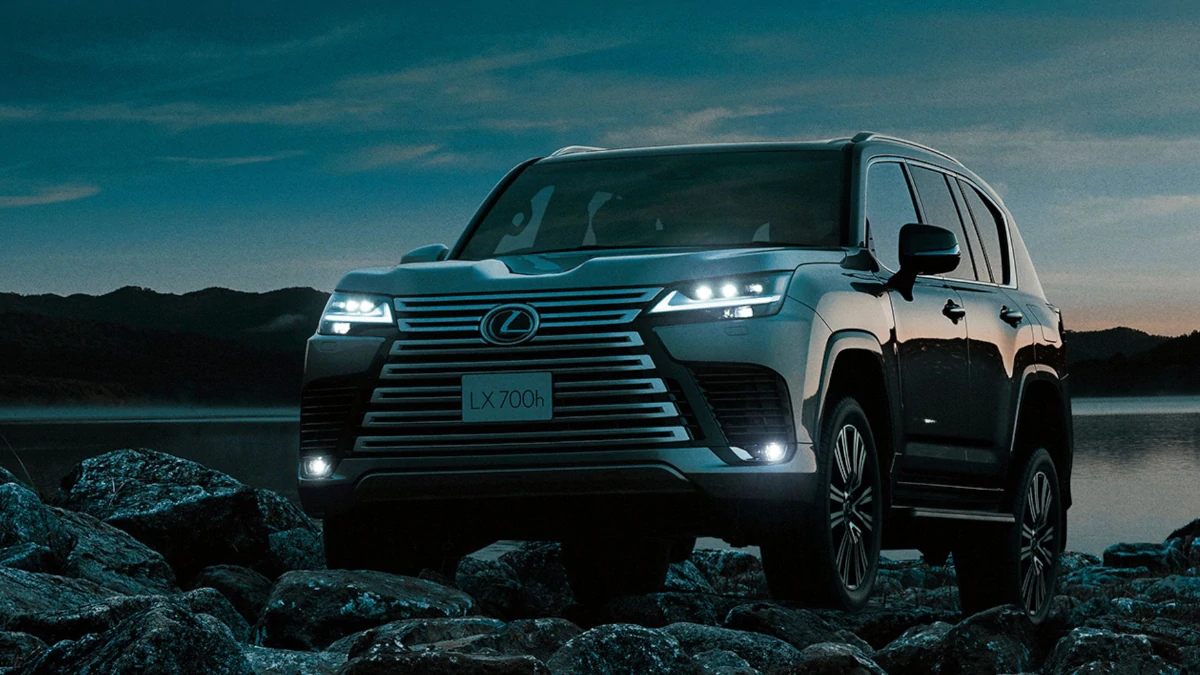

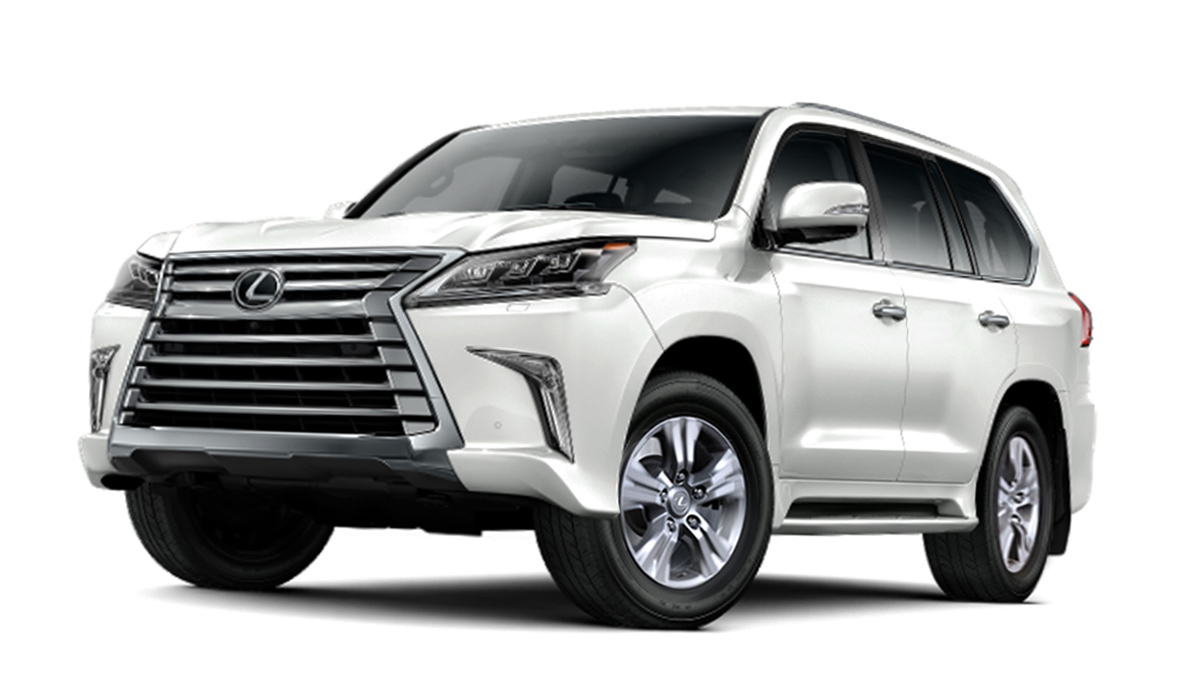
Fuel economy isn’t the first thing that comes to mind when one sees the Lexus LX. After all, it’s a full-sized SUV and it’s safe to say that most customers in that segment wouldn’t mind if their 4x4 of choice chugged fuel.
But Lexus would like to cater to those who’d still like a high-riding land yacht but without the pain of guzzling gas. The solution? Meet the first ever Lexus LX700h.
OTHER STORIES YOU MIGHT HAVE MISSED:
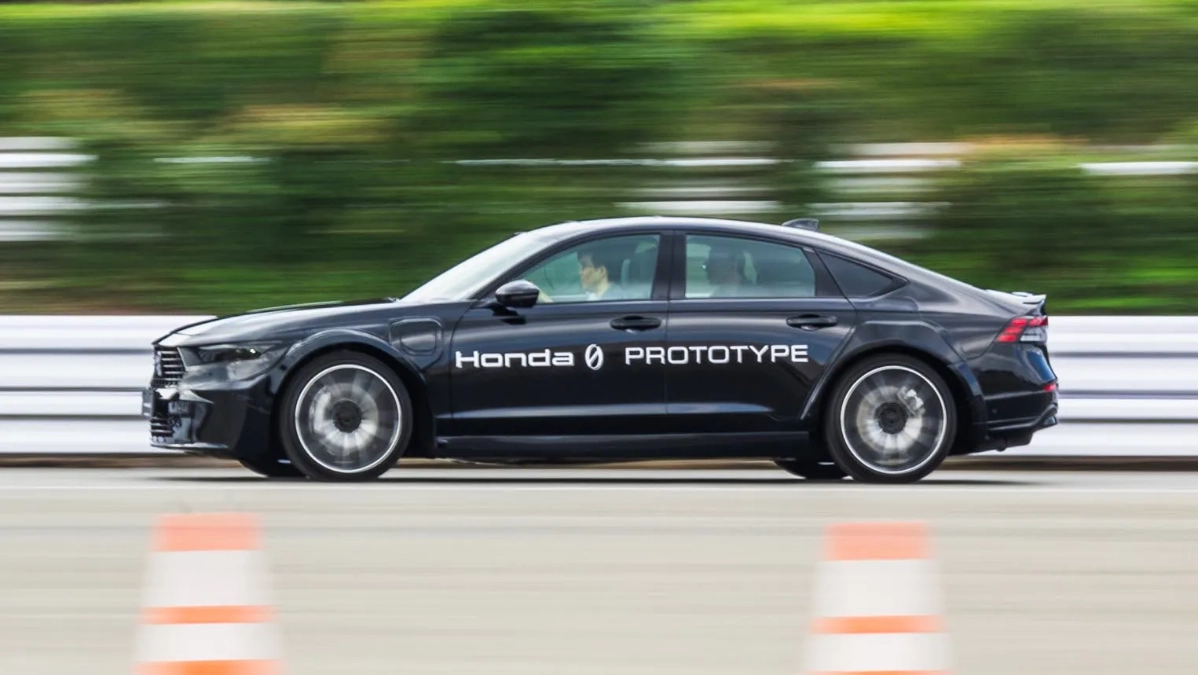
Coming in 2026: The Honda 0 Series lineup includes a sedan and midsize and large SUVs
Why isn’t my RFID sticker being read properly?
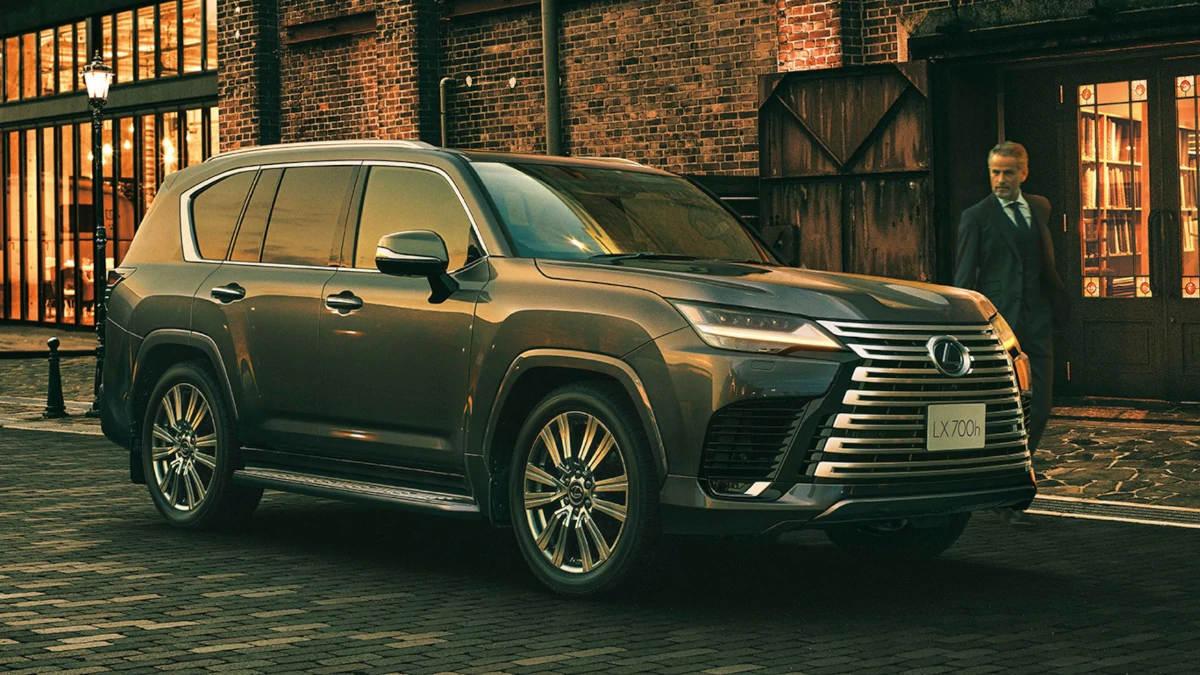
From the outside, it looks identical to the regular LX600. Lexus has gotten rid of the blue badges to identify the electrified versions, so you’ll have to trust the badge attached to the tailgate. That said, there’s a new off-road oriented Overtrail variant that gives the LX beefier suspension, three differential locks (rear, center, and front), and all-terrain tires.

You won’t see much differences when you climb onboard, either. The interior is largely identical save for minor differences. Of course, the digital instrument cluster adds hybrid-related displays, and the same goes for the infotainment system. But the most obvious change from the non-hybrid version is the addition of an electro-mechanical gear selector.
Other than those, it’s still the same cushy and luxurious cabin one expects from a Lexus.

And now, for the exciting part, the powertrain. Lexus hasn’t given official horsepower and torque figures yet, but we do know the hardware this electrified LX uses. It retains the twin-turbocharged 3.4-liter V6 from the LX 600, but it’s been saddled by a parallel hybrid system that places a motor generator between the engine and 10-speed automatic transmission.

More interestingly, the LX700h comes with both an alternator and a starter, an unusual arrangement for hybrids. It serves as a backup system that still allows the engine to turn over in case the hybrid system malfunctions. More importantly, the vehicle can still run even without help from the motor and batteries.

Other highlights? It has active air suspension that allows it to adapt to terrain and various conditions. Lexus then build a waterproof case to protect the batteries when fording water crossings. The result? The hybrid Lexus LX has the same water-wading capacity as the non-hybrid version at 700mm.