While Toyota isn’t heavily investing in pure electric vehicles, it’s making sure that most of the products it makes have some form of electrification. Whether it’s mild, full, or plug-in models, hybrid Toyotas are growing each day.
Even its trucks and SUVs are getting hybrid power. In the US and Japan, all its pickups and SUVs have some form of electrification. In other parts of the world, it’s the Hilux that’s leading the charge with its 48v mild-hybrid arrangement.
OTHER STORIES YOU MIGHT HAVE MISSED:
The Toyota Starlet EV revival rumor is making us a bit skeptical
The pint-sized Baojun Yep gains a pair of extra doors
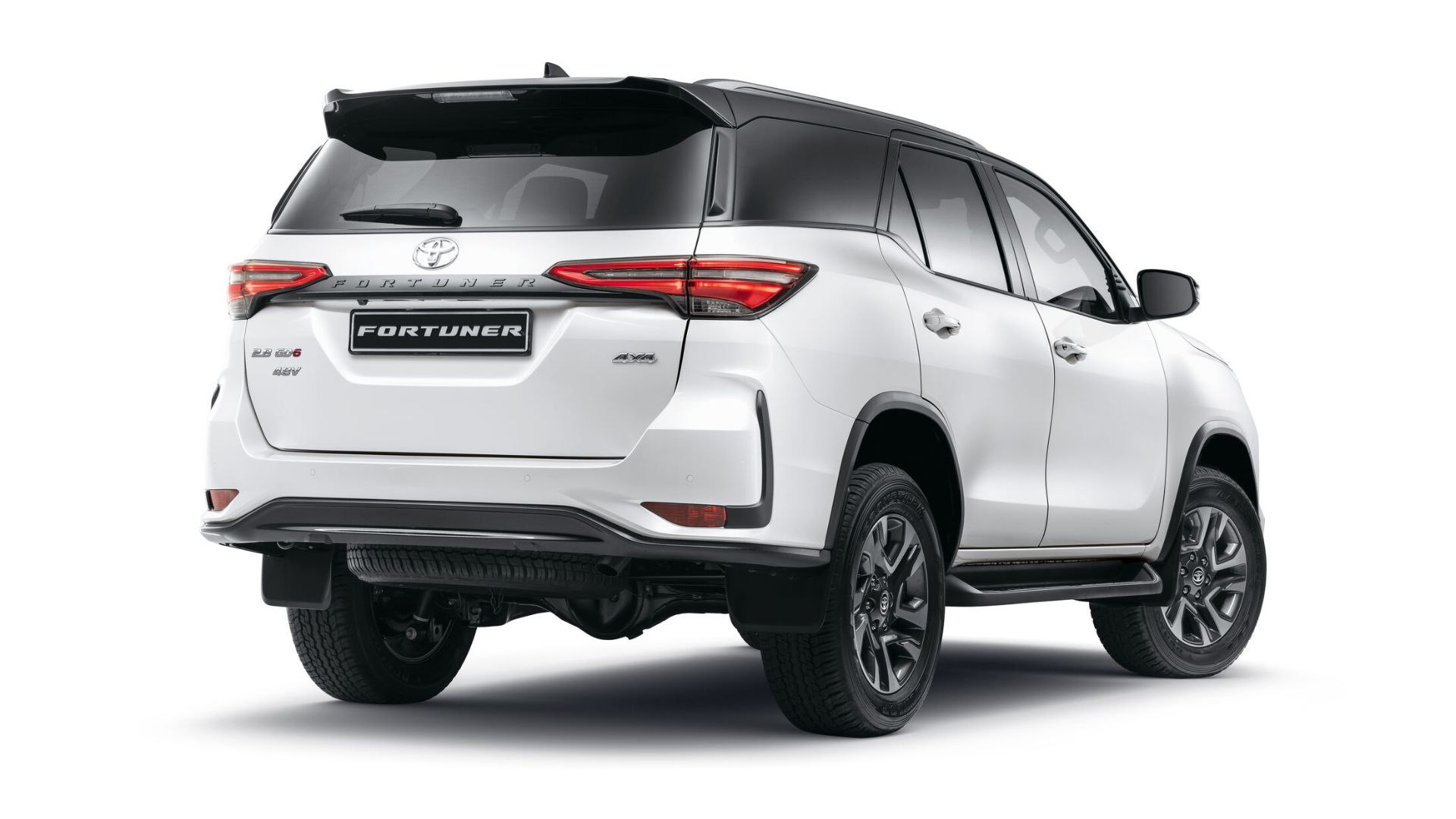
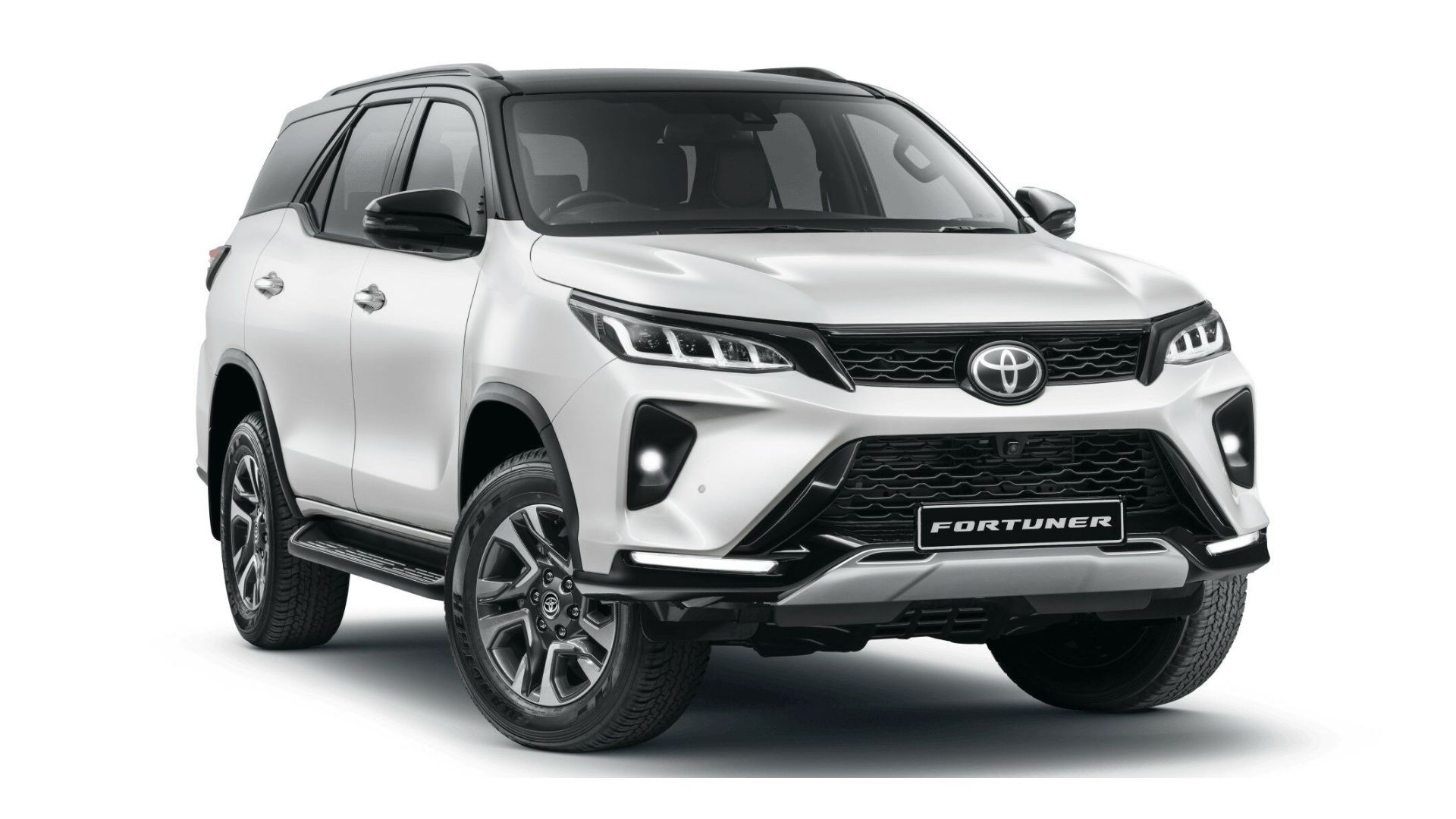
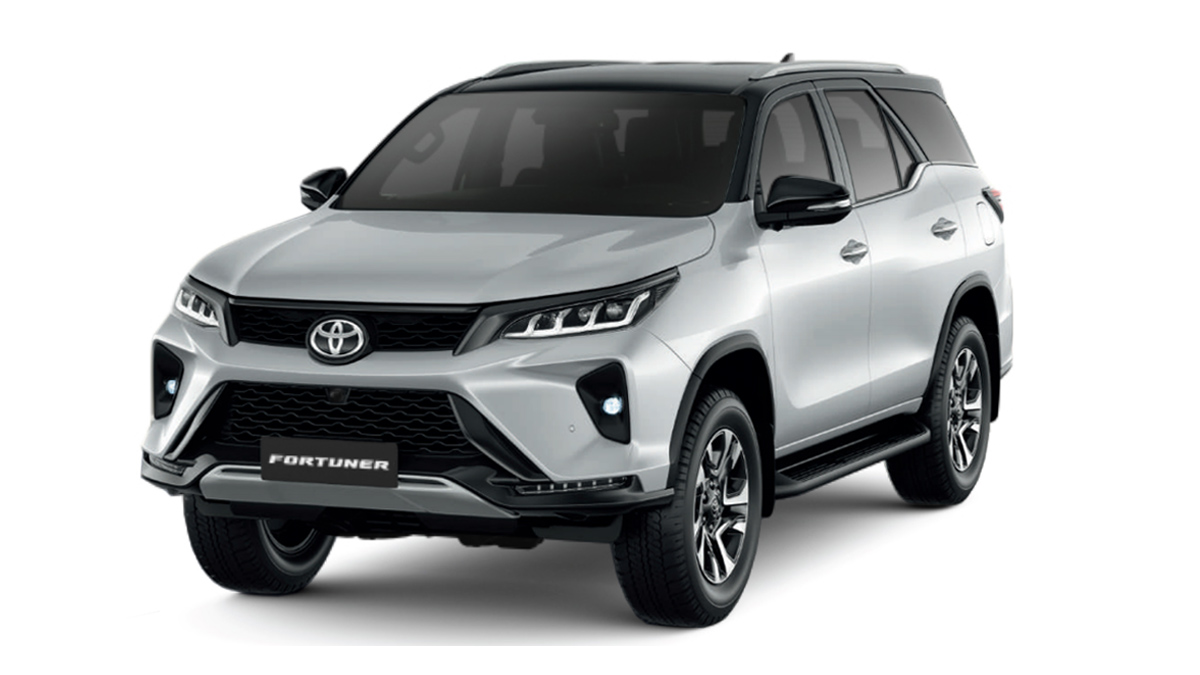
Now, it’s the Toyota Fortuner’s turn to get the automaker’s mild hybrid tech. The 48v version of the popular SUV was recently introduced in South Africa. It’s unknown when it will reach other markets, but it’s almost certain that it will be offered in Southeast Asia.
From the outside, it’s nearly impossible to tell the MHEV from the standard version. Judging by the South African model, there are no identifying marks aside from a 48v badge on the tailgate. Take that out and it’ll look like any other Fortuner LTD out there.
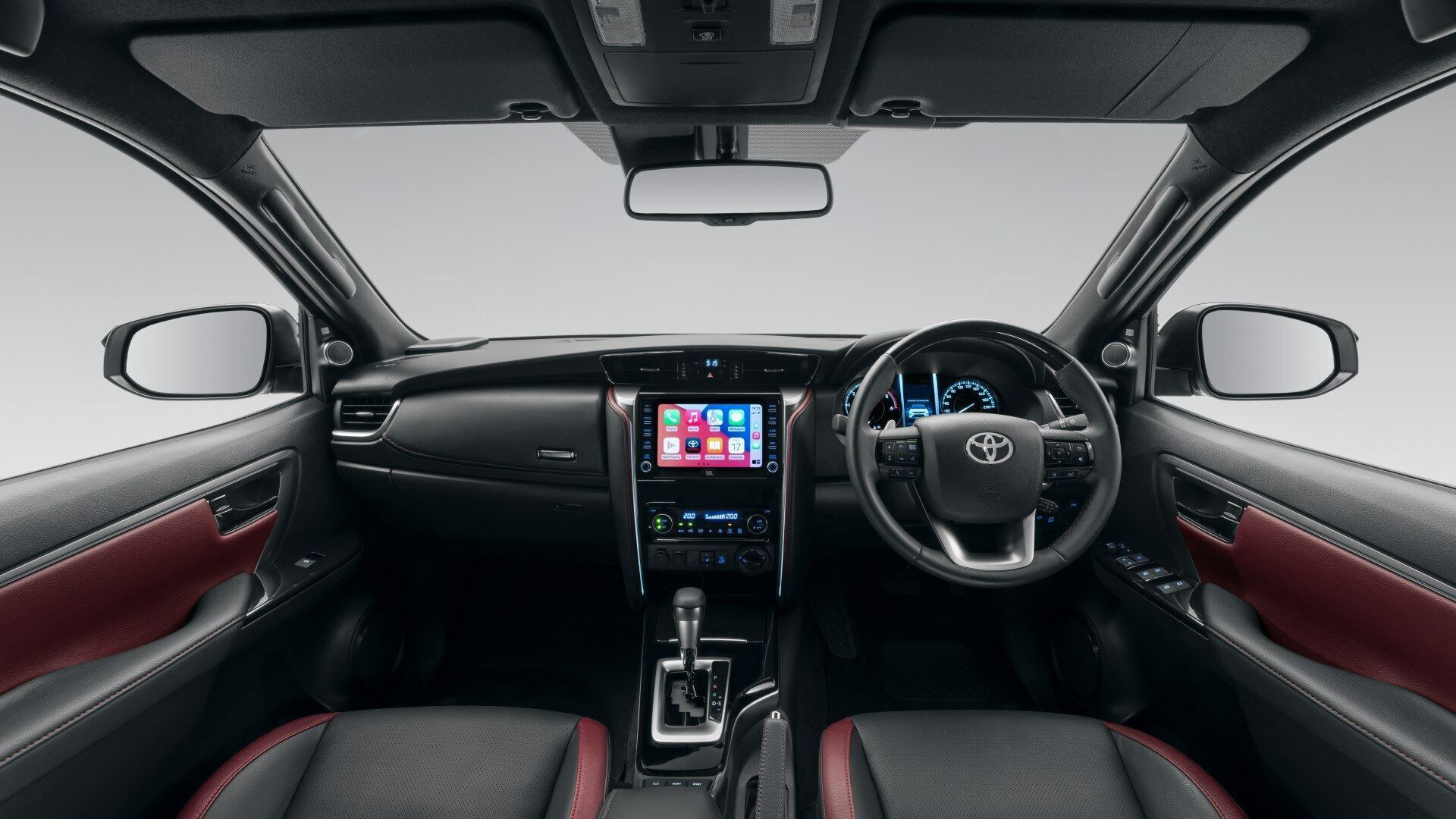
It’s the same story inside. From what we can see, the interior of the mild-hybrid Fortuner is the same as the non-electrified models. That said, it’s possible that there might be a few differences in the multi-information display’s menu to show more hybrid-related, er, information.
The big deal here is the engine. It’s still the same (and familiar) 2.8-liter turbodiesel and it’s the only one to come with the mild-hybrid setup. Output is still rated at 201hp and 500Nm of torque, which is still highly competitive in its class.
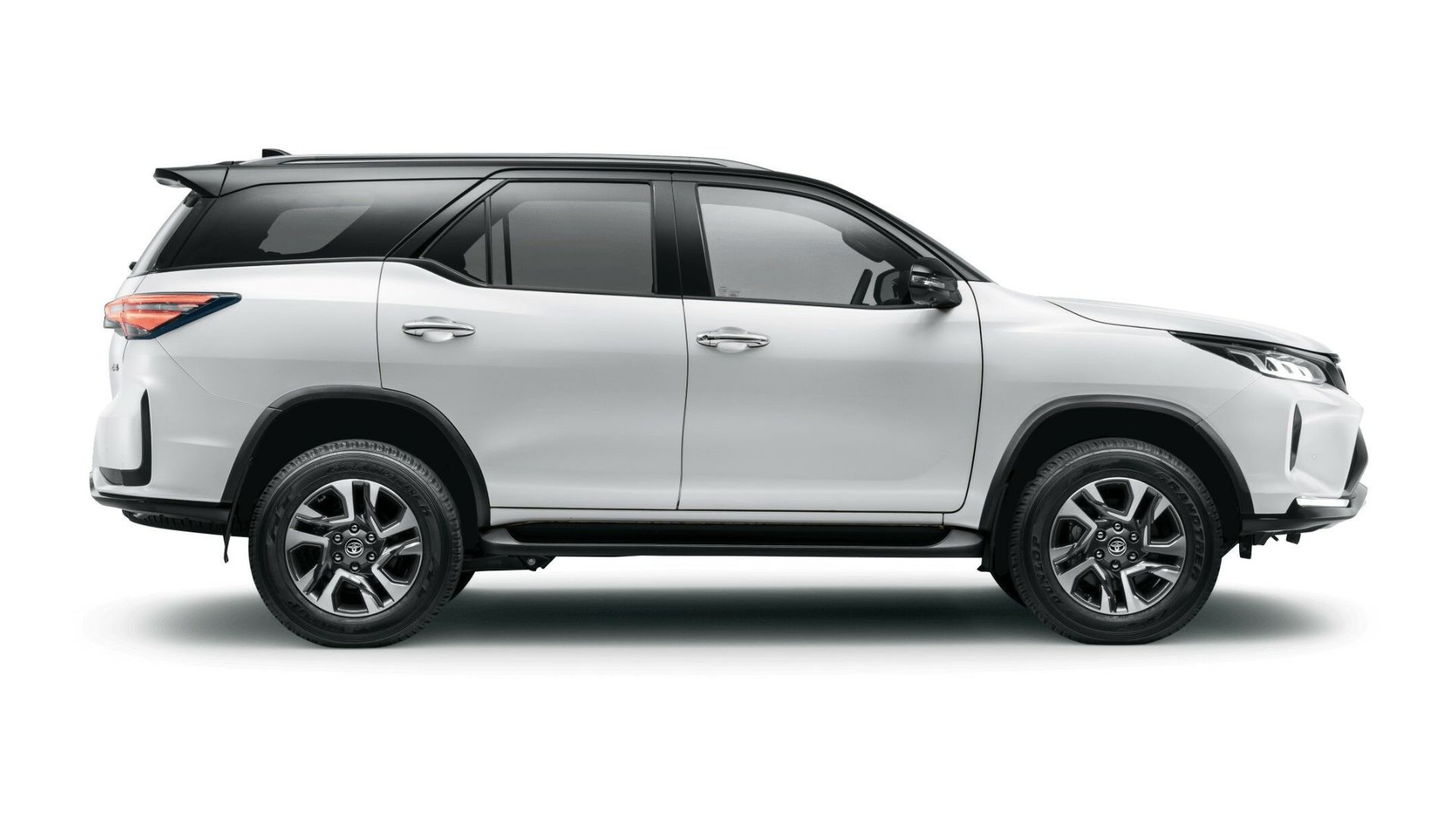
However, the 48v arrangement adds another 16 hp and 65Nm of torque. Total system output has yet to be revealed, but it’ll be somewhere in between the non-hybrid 2.8-liter and the uprated version as seen in the GR-S. As for fuel economy, Toyota claims up to a 10% reduction of fuel consumption.
In our testing the Fortuner does around 7 to 9 km/L in city traffic. Should the claim of up to 10% improvement be accurate, it should bump up those numbers to 7.7 to 9.9 km/L. While not a dramatic increase, it should be enough to increase the SUV’s range. Of course, the only way to find out is if we get our hands on it, and that will depend on Toyota bringing the mildly electrified model to the country.