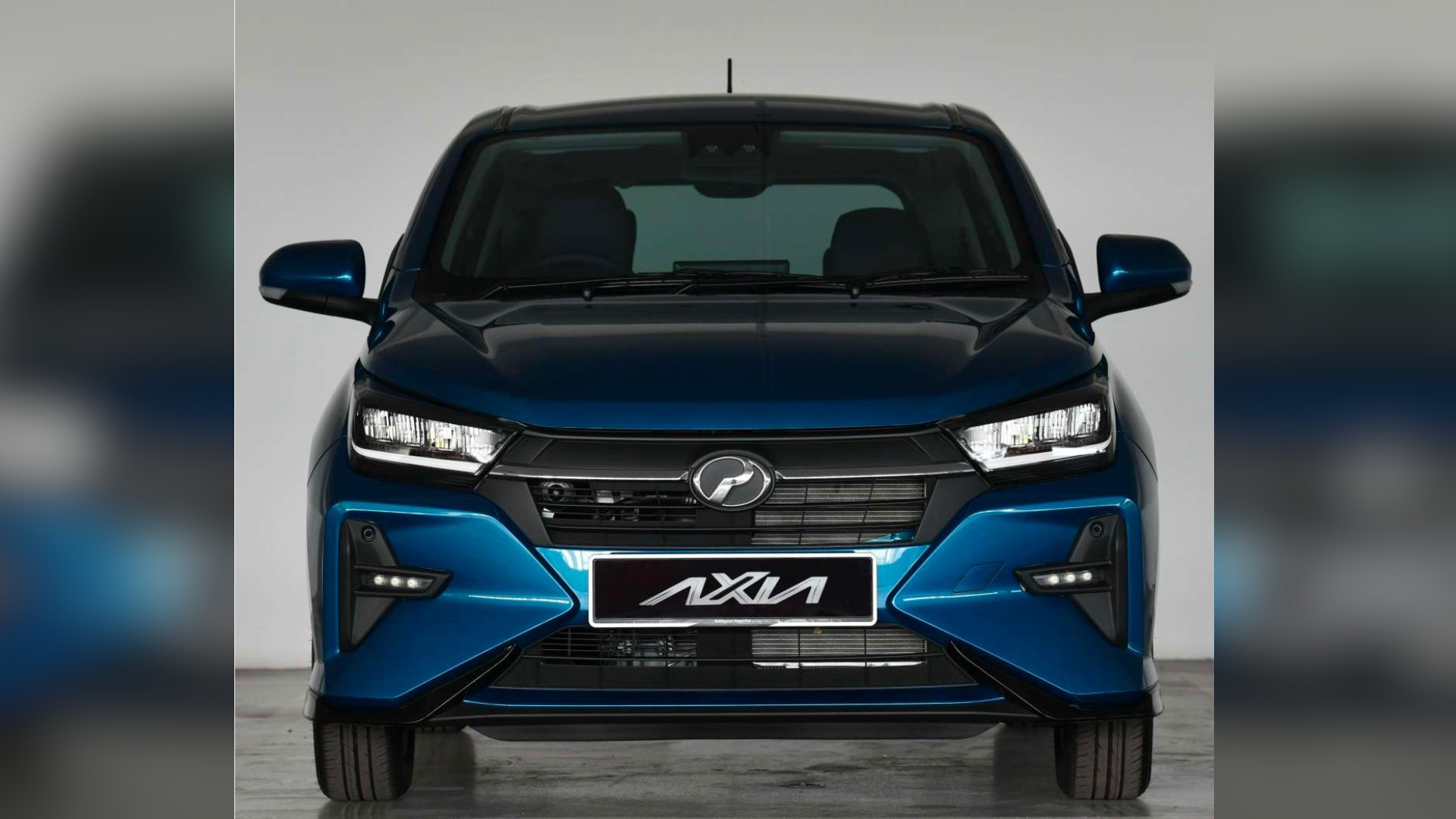

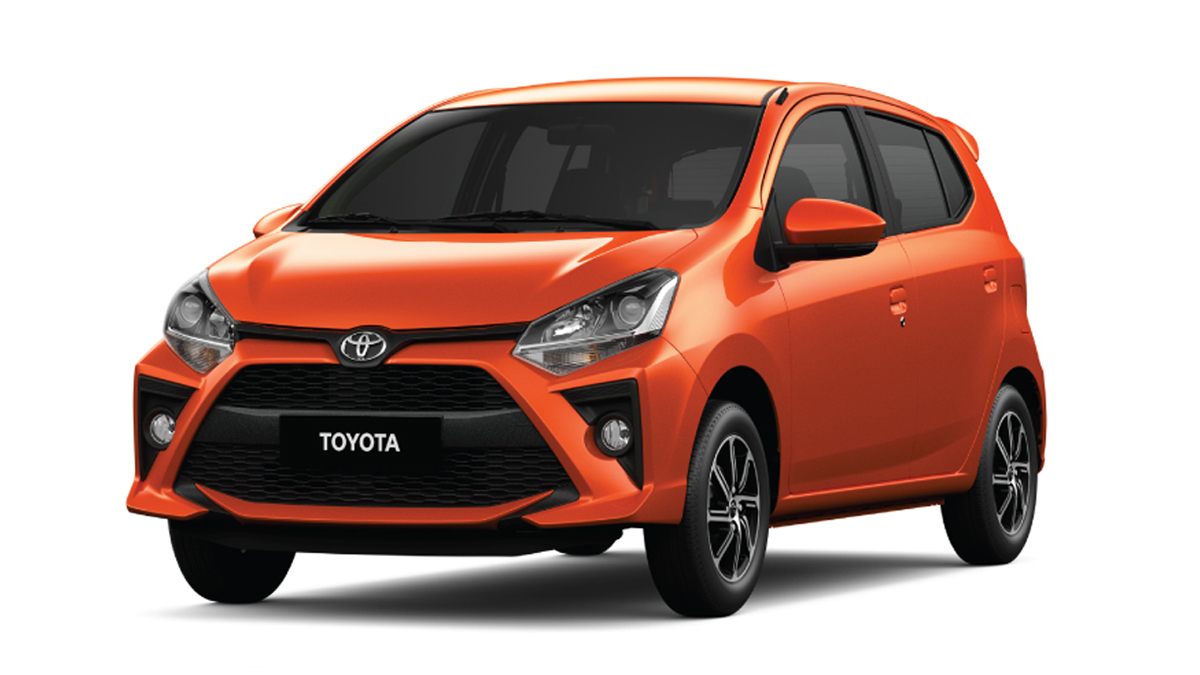
Things are sure moving fast for the next-generation Toyota Wigo. Just a few weeks after its initial teaser, the Perodua version, the Axia, has unmasked itself ahead of its global premiere. With that, these photos will give us a better idea of what the Toyota-badged model might look like once it debuts.
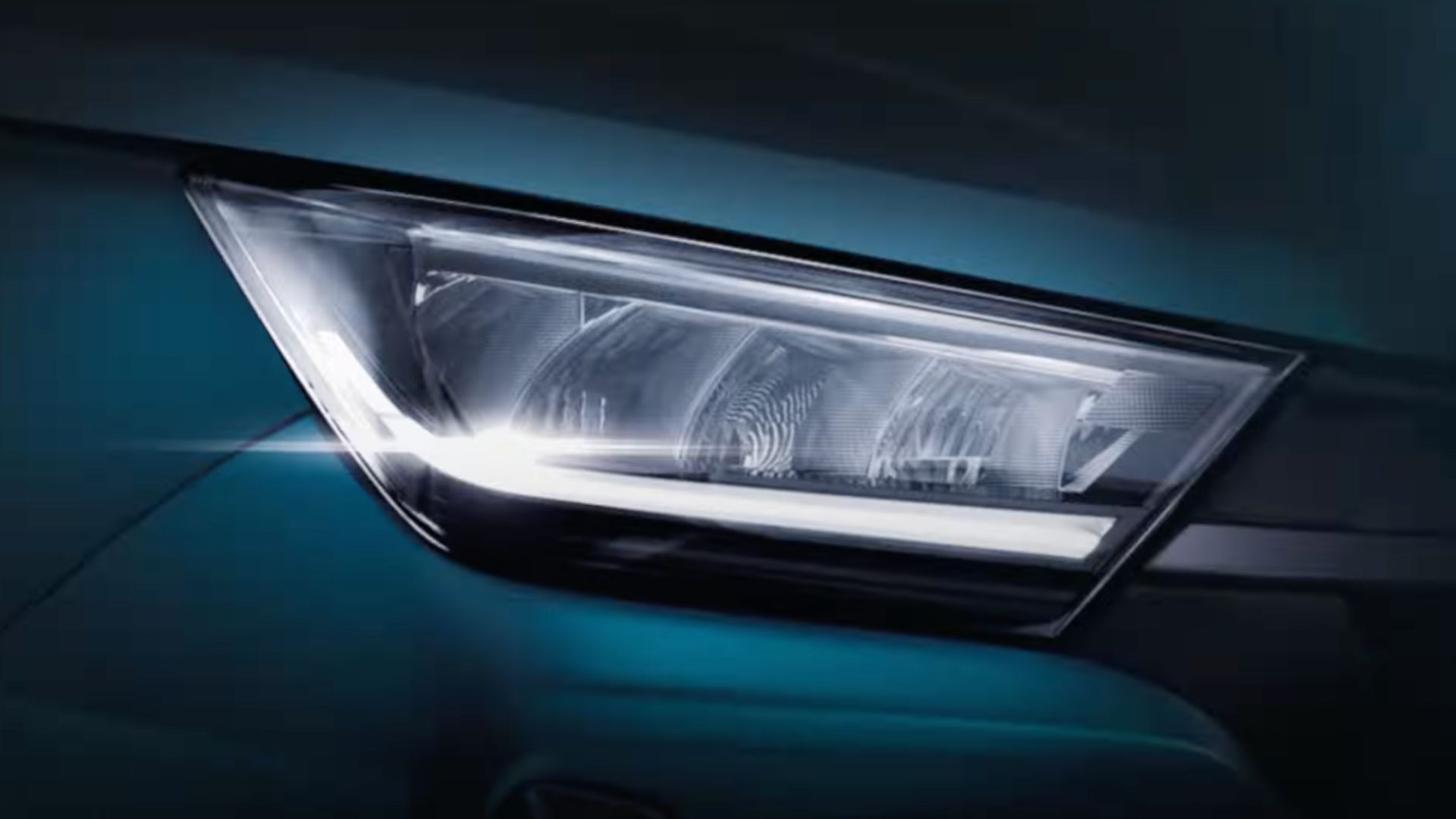
At the front, we see a more dynamic and aggressive face with its angrier-looking headlights and a larger grille. Also present are the prominent bumper corners to give the car more visual presence. Gone is the bug-eye look of the current model, the all-new model looks more mature than the car it will soon replace.
OTHER STORIES YOU MIGHT HAVE MISSED
Report: The traditional jeepney will hang around a little longer
Hyundai trademarks the name ‘Stargazer X’ in PH...what could it be?
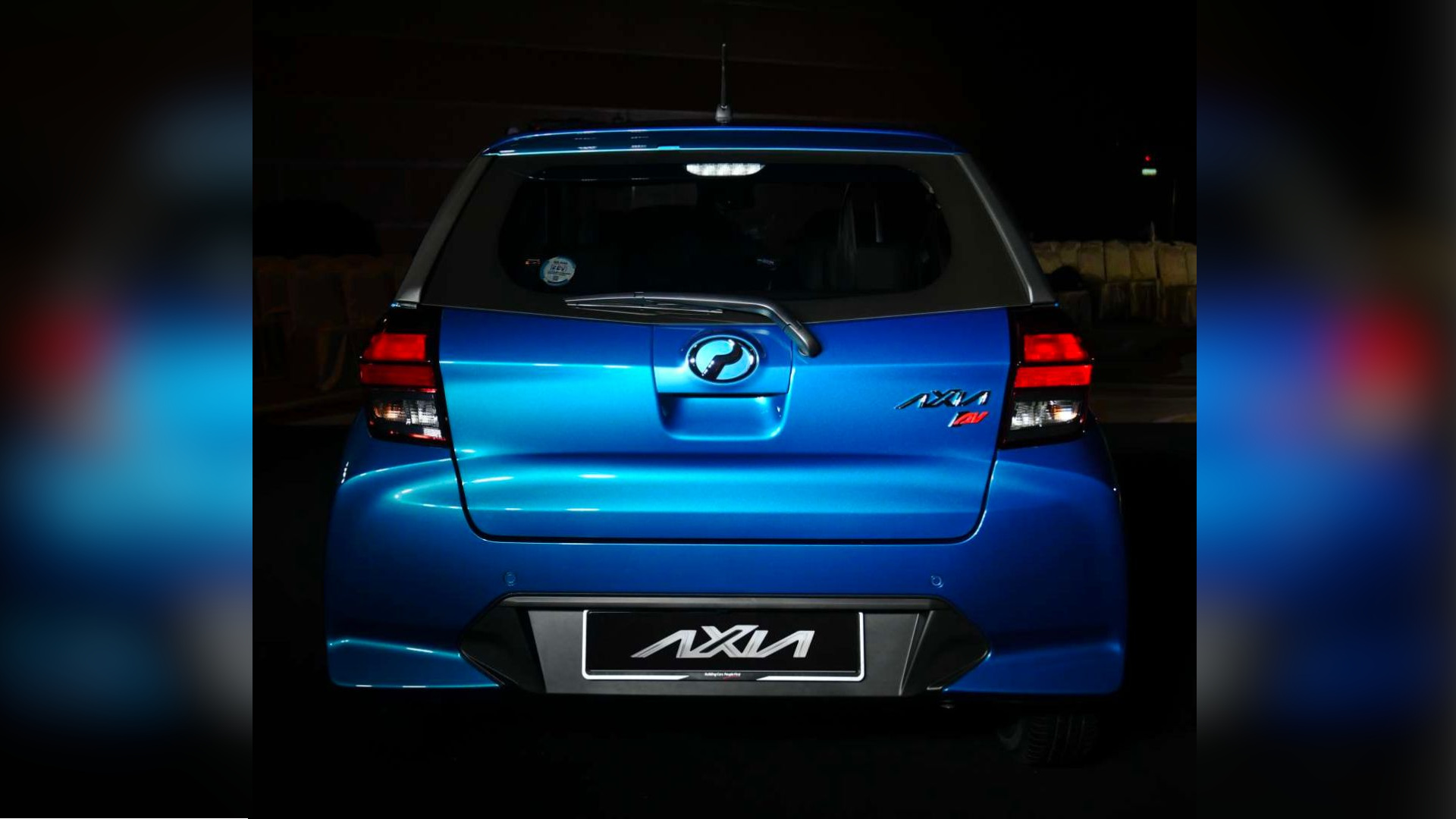
For the first time, we finally have a look at the hatchback’s rear end. There’s a larger pair of taillights at the back, ditching the slim vertical lights of the older generation. The tailgate also appears wider with more character lines for more zing. Like the front end, the rear’s bumper corners are more pronounced than before. Perodua has yet to show the rest of the car, but we can all expect it to be longer than the present model.
As for other details, we’re sure that the second-gen Wigo now uses the Daihatsu New Global Architecture (DNGA) platform. That means the upcoming Wigo shares the same bones as the Toyota Raize, Avanza, Veloz, and the next-gen Vios. We also know that it will use a 1.0-liter engine that is likely to be a carryover engine from the current model. Last but not least, the redesigned model will most likely benefit from the Perodua’s new continuously variable transmission.
With Perodua showing more of its version of the Wigo as early as now, does this mean Toyota will finally show off the all-new Wigo? There's no definite answer just yet, but it’s possible that we don't have to wait much longer for the mini hatchback's global debut. Who knows, maybe might surprise us all by holding its premiere next week, but that’s wishful thinking.