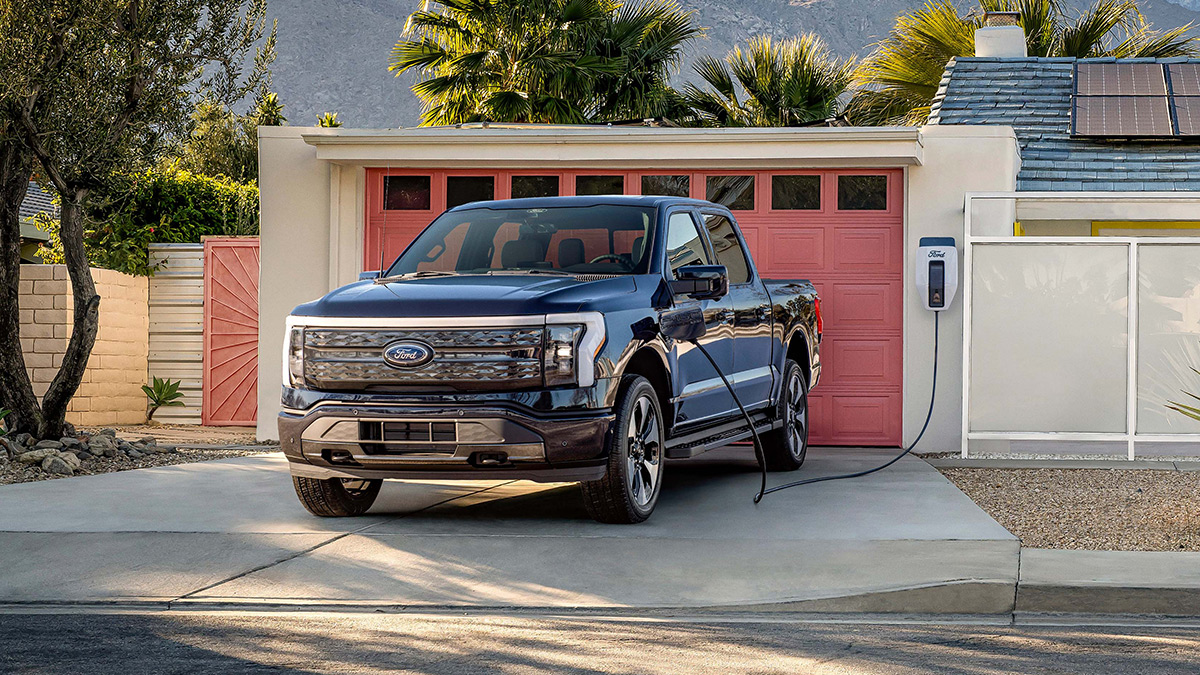
Be still thine beating hearts, for we have very exciting news about battery chemistry: A lead engineer working for Ford has said its upcoming lithium-manganese-rich (LMR) battery will be safer, more energy-dense and cost less than current tech. And be in cars by 2030.
Ford’s electrified propulsion engineering chief Charles Poon said on LinkedIn: “This isn't just a lab experiment. We're actively working to scale LMR cell chemistry and integrate them into our future vehicle lineup within this decade.”
OTHER STORIES YOU MIGHT HAVE MISSED:
The 12Cilindri is a beautiful swan song for Ferrari’s purest V12s
LTO: More visible enforcers along expressways will ‘compel motorists to behave’
These “game-changing” LMR batteries will be safer because they're more manganese-rich. Manganese has been in cars since the Chevy Volt – it’s cheap, easily available and chemically more stable than other elements.
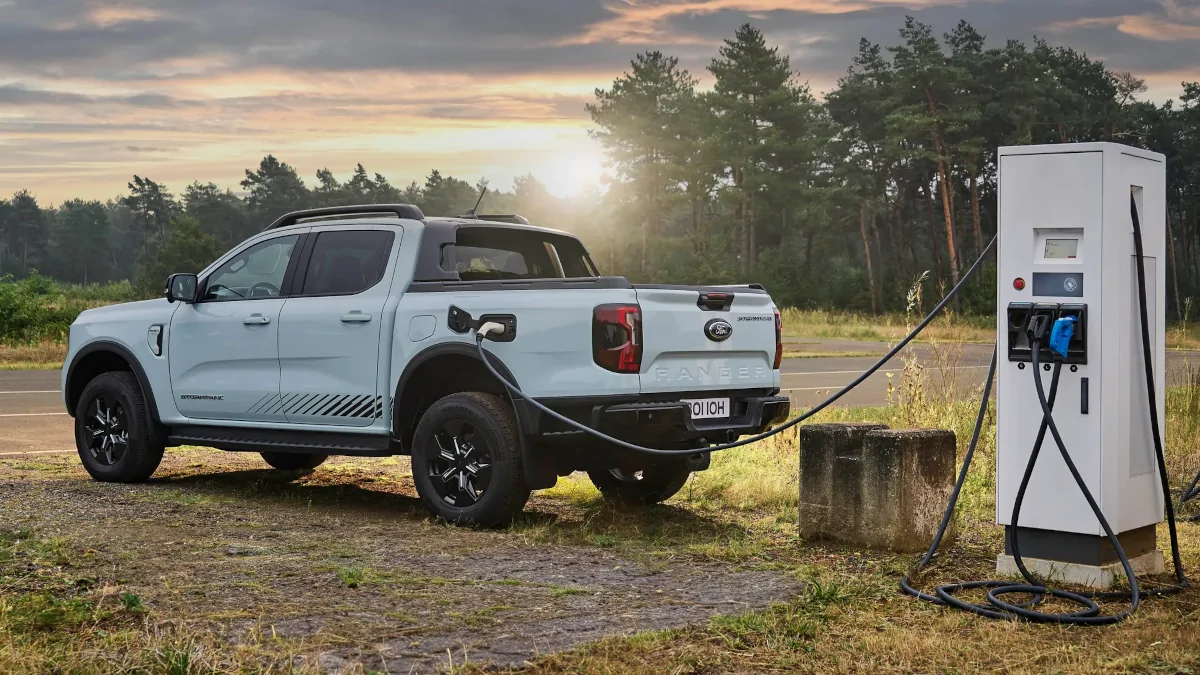
The LMR batteries are also said to have the energy-density of high-nickel batteries (whoop!), and the price point and scalability of mid-nickel batteries. Party on.
Safety, max energy and lower cost is the holy trinity of desired attributes, and generally, LMR batteries have the potential to offer as much as 20 percent more energy density. Other carmakers have been working with this chemistry, too. Still, Poon confirms that the team – in-house at Ford's Ion Park in Michigan – is “already producing our second-gen LMR at our pilot line”.
NOTE: This story first appeared on TopGear.com. Minor edits have been made.